Guide to Eco Friendly Lawn Care Tips in 2026 (Simple Steps)
Want a lush green lawn without dousing it in synthetic chemicals? That is exactly what these eco friendly lawn care tips are for. But here is the catch.
Most people try one or two organic tricks, get patchy results, and give up. The problem is not the approach. It is that they skip the groundwork.
According to the USDA Natural Resources Conservation Service, healthy soil with active microbial life can hold up to 20 times its weight in water. That one fact changes everything. Work with your soil biology, and the rest starts falling into place.
So before we get into the how, let us talk about why most eco-friendly plans fail.

Quick Answer
Eco-friendly lawn care starts with healthy soil and working with nature. Test your soil, choose the right grass, and mow high. Water deeply but infrequently and use organic compost.
Expect a 12 to 18 month transition where your lawn may look worse first.
Why Your Lawn Care Routine Needs a Reality Check
A standard lawn care routine relies on quick fixes. Synthetic fertilizer gives an instant green-up. Broad-spectrum herbicides kill every weed in sight.
But those products also wipe out soil microbes, compact the soil, and create a cycle of dependency.
Eco-friendly lawn care flips that script. You feed the soil, not just the grass. You accept some weeds as part of a balanced ecosystem.
And you think in seasons, not weekends.
This shift is harder than it sounds. A yard that has been on synthetic chemicals for years has weak soil structure. The microbes are gone.
The roots are shallow. When you stop using the quick fixes, the lawn often looks worse for a while.
The good news? After 12 to 18 months, things balance out. The soil biology returns.
The grass grows deeper roots. You mow less, water less, and spend less money.
But you have to make the right decisions based on your specific situation. That is where the decision tree starts.
The Four Questions That Dictate Every Decision You Make
Before you change anything, you need to know four things about your lawn. These answers determine every tip that follows.
What Grass Type Are You Growing?
Cool-season grasses like fescue, Kentucky bluegrass, and ryegrass thrive in northern climates. They grow actively in spring and fall and go dormant in summer heat. Warm-season grasses like Bermuda, Zoysia, and St.
Augustine love southern heat. They grow in summer and go dormant in winter.
Your mowing height, watering schedule, and fertilization timing depend entirely on which type you have. Mix them up and you get a stressed lawn that invites weeds.
How's Your Soil Really Doing?
You cannot guess. You have to test. A simple DIY soil test from a garden center tells you pH and basic nutrient levels.
A lab test from your local extension service gives you organic matter percentage and micronutrient data.
The pH target for most lawns is 6.0 to 7.0. If you are outside that range, nutrients lock up and grass cannot use them no matter how much you feed.
What's Your Biggest Headache Right Now?
Is it weeds? Bare patches? Brown spots?
Grubs? Each problem has a different natural solution. If you try to treat everything at once, you will waste time and money.
Pick the biggest issue first.
How Much Time and Patience Do You Have?
Eco-friendly lawn care is not a weekend project. Soil building takes months. If you want a perfect lawn by next week, this approach will frustrate you.
If you can accept a learning curve, it works beautifully.
Decision Branch 1: Starting Fresh Versus Fixing a Struggling Lawn
Your starting point changes everything.
Starting from Bare Dirt or New Sod
If you are planting a lawn from scratch, you have a huge advantage. You can prepare the soil before the grass goes in.
Start with a soil test. Amend the pH if needed. Mix in 1 to 2 inches of compost.
Choose a grass variety suited to your climate and sun exposure.
For new sod, lay it on prepared soil and water deeply every day for the first two weeks. Then taper off.
For seed, keep the top inch of soil moist until germination. That usually takes 7 to 21 days depending on the grass type.
Switching a Chemical Lawn to Organic
This is harder. The soil is likely compacted and low on organic matter. The grass is dependent on synthetic nitrogen.
Stop all synthetic fertilizers and herbicides immediately. Do not go cold turkey on watering though. You need to keep the grass alive while the soil recovers.
Core aerate in the first season. This breaks up compaction and lets oxygen into the root zone. Top-dress with 1/4 inch of compost after aeration.
Expect weed pressure in the first year. The old chemical routine suppressed weed seeds. When you stop using it, those seeds germinate.
Hand pull or spot treat with vinegar-based sprays. Do not reach for synthetic herbicides.
Decision Branch 2: Choosing the Right Mowing Strategy
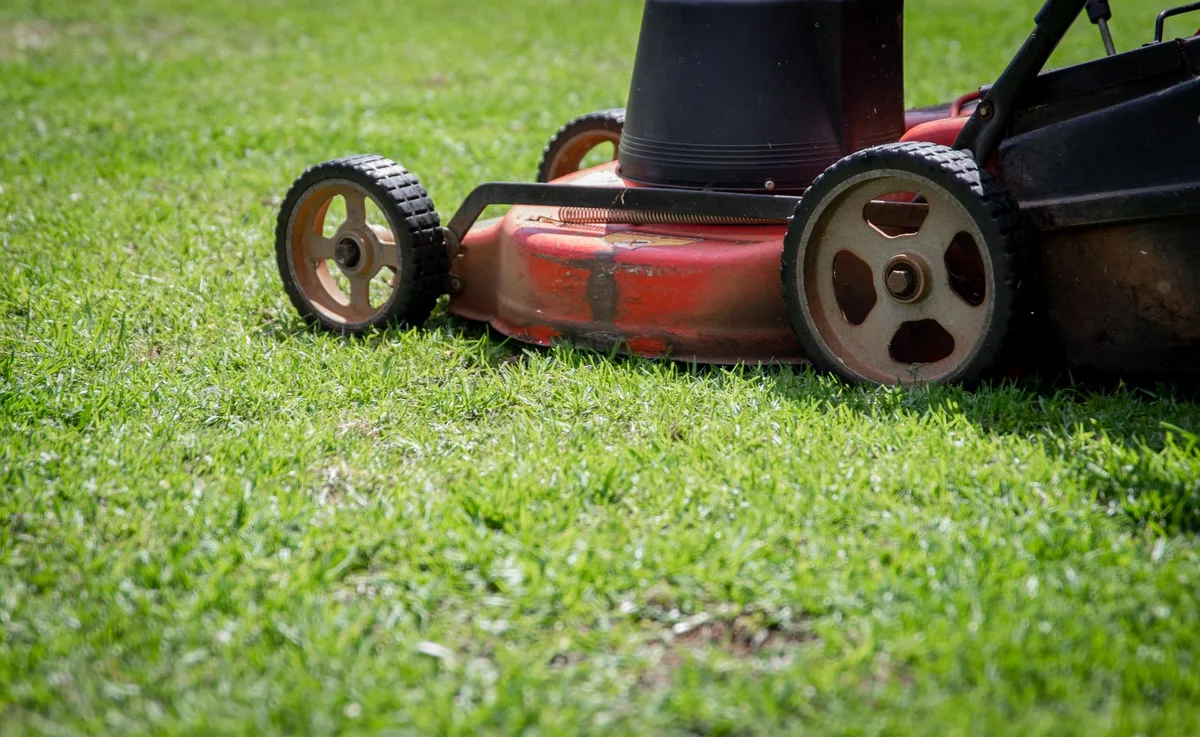
Mowing is the single most impactful thing you do all week. Get it wrong and everything else suffers. Get it right and your lawn practically takes care of itself.
Cool-Season Grass Rules (Fescue, Bluegrass, Ryegrass)
Keep the blade at 3 to 4 inches. Yes, that high. Taller grass shades the soil, which keeps moisture in and weeds out.
It also grows deeper roots.
Never cut more than one-third of the blade at a time. If your grass is 4 inches tall, cut it to no shorter than 2.7 inches. That means mowing more often in spring when growth is fast.
Leave the clippings on the lawn. They return nitrogen and organic matter to the soil. This is called grasscycling, and it can provide up to 25 percent of your lawn's nitrogen needs.
Warm-Season Grass Rules (Bermuda, Zoysia, St. Augustine)
Warm-season grasses can handle shorter heights. Keep Bermuda at 1 to 2 inches. Zoysia at 1.5 to 2.5 inches.
St. Augustine at 2.5 to 4 inches.
Same one-third rule applies. Mow often enough that you are never removing more than that.
For warm-season lawns, grasscycling still works. But if you have heavy thatch, bag the clippings until you get the thatch under control.
Electric vs. Manual Reel Mowers – Which Actually Saves More Carbon?
A manual reel mower produces zero emissions. It is quiet, light, and gives a clean cut. It works best on small, flat lawns with fine-bladed grass.
An electric mower produces emissions from electricity generation but still far less than gas. Battery models are quieter and require less maintenance. They handle larger lawns and tougher grass.
If your lawn is under 2,500 square feet and relatively flat, a reel mower is the greener choice. For anything larger or more rugged, a good battery mower beats gas hands down.
Whichever you choose, keep the blade sharp. A dull blade tears the grass instead of cutting it. Torn grass loses more water and invites disease.
Regular cleaning the air filter and checking the right oil level are essential for gas mowers. And for any mower stored over winter, proper after winter storage prevents startup headaches. If you need to fix a common issue, simple DIY repairs can extend your mower's life.
Decision Branch 3: Watering the Eco-Friendly Way
Most people water too often and not deep enough. That grows shallow roots and weak grass. Eco-friendly watering does the opposite.
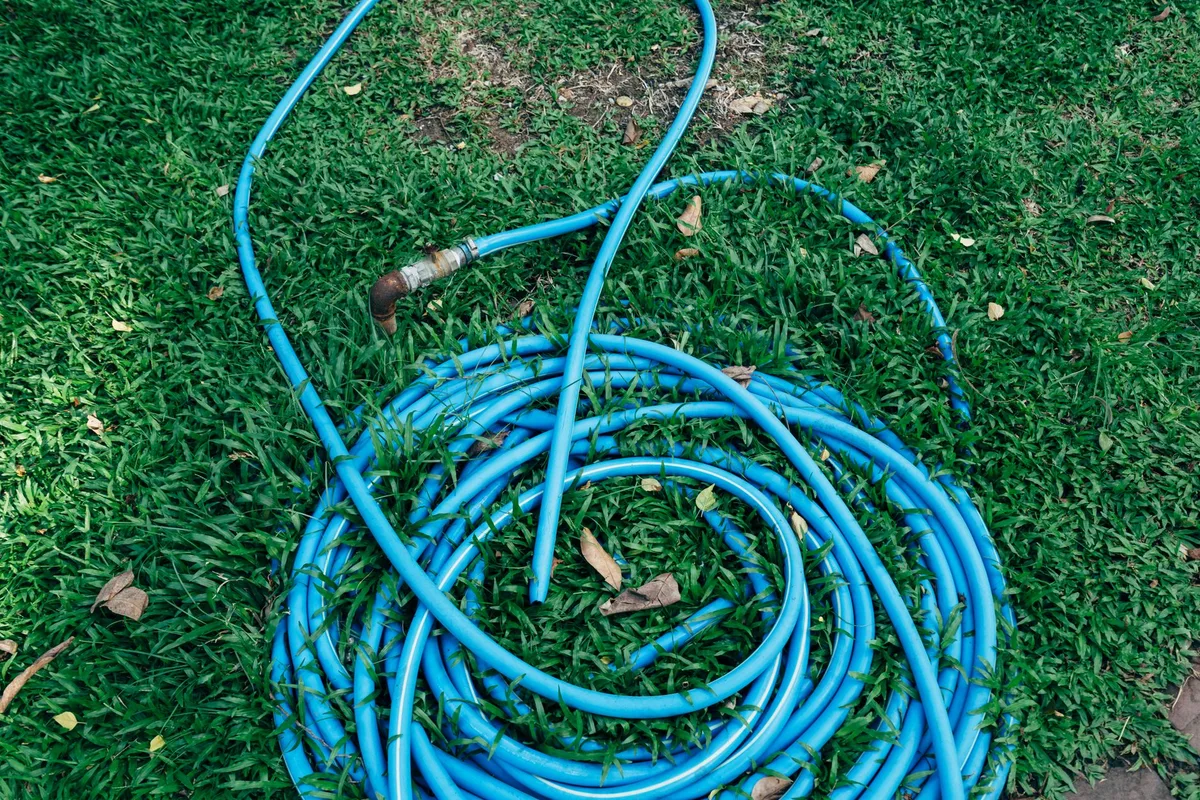
The rule is simple. Water deeply, then let the soil dry out before you water again. This forces roots to grow deep into the soil where moisture stays longer.
Deep Soak Schedule for Clay Soils
Clay soil absorbs water slowly. If you run a sprinkler for 15 minutes, most of it runs off.
Water clay soil in cycles. Run the sprinkler for 10 minutes. Wait 30 minutes for the water to soak in.
Then run it again. Repeat until you have applied about 1 inch total.
You want water to reach 6 inches deep. Check with a soil probe or a long screwdriver. If it pushes in easily to 6 inches, you are there.
Frequent Light Watering for Sandy Soils
Sandy soil drains fast. It cannot hold moisture as long. You still want deep watering, but you may need to do it more frequently.
Apply 1/2 inch at a time. Wait a day. Check the soil.
If it is dry 2 inches down, water again. The goal is the same 6 inch depth, but sandy soil may need 2 to 3 sessions per week in hot weather.
When to Rely on Rain Barrels and Smart Timers
Rain barrels capture runoff from your roof. A 50 gallon barrel fills quickly in a moderate rain. Use that water for your lawn instead of tap water.
Smart timers adjust your schedule based on rainfall and evaporation. They prevent overwatering automatically. The EPA WaterSense program estimates that smart controllers can save 8,800 gallons of water per year for a typical home.
Overwatering invites fungus. If you see brown patch or dollar spot, you are likely watering too much or too late in the day. Water in the early morning so the grass dries by nightfall.
If fungus becomes a persistent problem, check our guidance on choosing the right treatment for your lawn.
Decision Branch 4: Feeding Your Lawn Without Synthetic Chemicals
Synthetic fertilizer feeds the grass directly. Organic fertilizer feeds the soil microbes that then feed the grass. That is a slower process, but it builds lasting soil health.
The best approach depends on your timeline and current soil condition.
Compost Top-Dressing for Slow, Balanced Nutrition
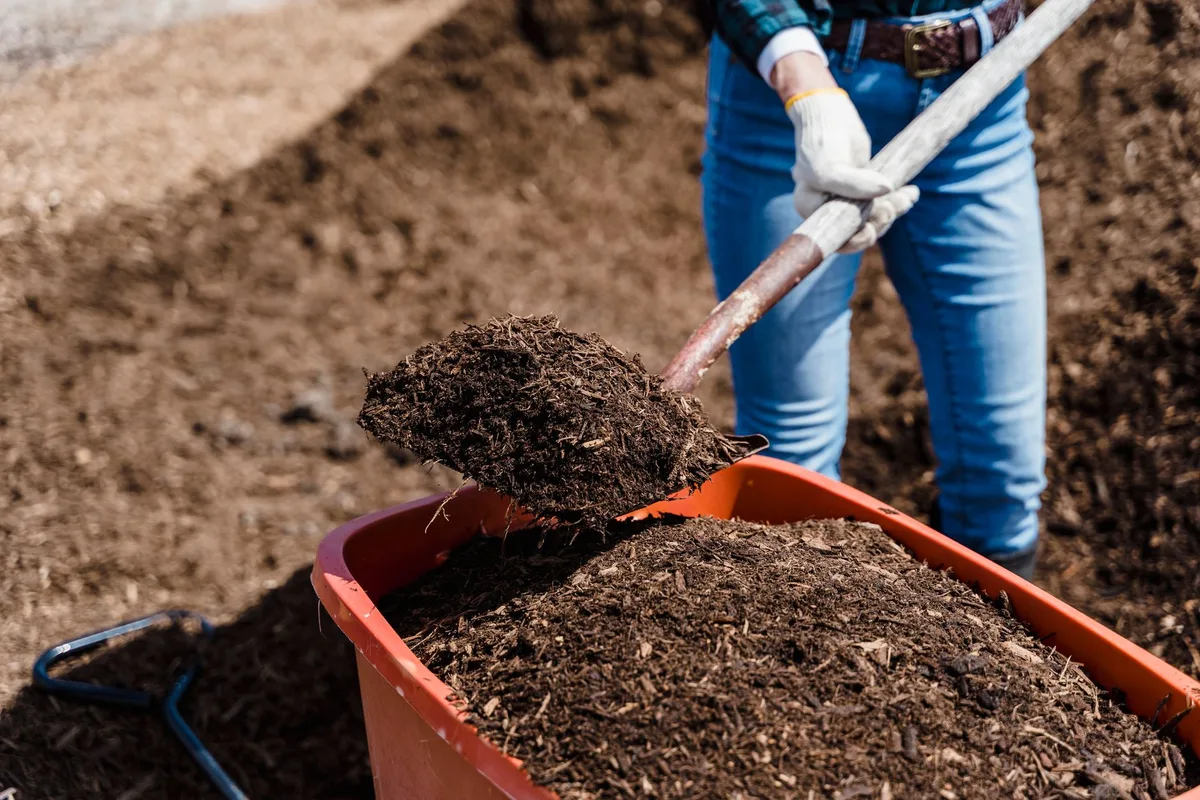
Compost is the gold standard for eco-friendly feeding. It adds organic matter, improves water retention, and introduces beneficial microbes.
Apply a 1/4 inch layer in spring and again in fall. Spread it evenly with a shovel or a compost spreader. For established lawns, core aerate first so the compost reaches the root zone.
Compost is low in nitrogen compared to synthetic products. That means slower green-up but steadier growth. You will not see a dramatic color change overnight.
Over a full season, the grass gets healthier at its own pace.
Liquid Organic Fertilizers for Quick Green-Ups
If you need a faster visible result, liquid organic fertilizers like seaweed emulsion or fish hydrolysate work well. They are absorbed through the leaves and deliver nutrients within days.
Dilute according to the label and apply with a hose-end sprayer. Use them as a supplement to compost, not a replacement. Overusing liquid organics can still lead to runoff.
Corn Gluten Meal for Pre-Emergent Weed Control
Corn gluten meal is a natural byproduct that suppresses weed seeds as they germinate. It also adds a small amount of nitrogen to the soil.
Apply it in early spring before crabgrass and other annual weeds sprout. Timing is critical. Apply too late and the weeds are already growing.
Apply too early and the effect wears off before peak germination.
Decision Branch 5: Dealing with Weeds and Pests Naturally
When you stop using synthetic herbicides, weeds will appear. That is normal. Your strategy depends on the weed type and your tolerance level.
Manual Pulling vs. Vinegar Sprays – Timing Is Everything
For broadleaf weeds like dandelions and clover, manual pulling works best when the soil is moist. Use a weed puller tool that removes the entire taproot. Do it after a rain and the root comes out clean.
Vinegar-based sprays (horticultural vinegar with 20 percent acetic acid) work on young weeds in full sun. They burn the foliage but often leave the root alive. You need multiple applications for perennial weeds.
Standard household vinegar (5 percent) is too weak for most lawn weeds.
Grub Control Without Pesticides (Nematodes and Milky Spore)
Grubs are the larvae of Japanese beetles and other scarab beetles. They eat grass roots and create brown patches that peel up like carpet.
Beneficial nematodes are microscopic worms that seek out grubs and infect them. Apply them in late summer when the soil temperature is above 60°F. Keep the soil moist for two weeks after application.
Milky spore is a bacterial treatment that stays in the soil for years. It works best for Japanese beetle grubs. Apply it in fall or spring according to the package directions.
When to Accept a Few Dandelions (And When Not To)
A handful of dandelions provides early spring food for pollinators. They are not a sign of a bad lawn. They are a sign of bare soil that needs thickening.
If you have more dandelions than grass, focus on overseeding and soil health rather than spot killing. Healthy thick grass crowds out weeds naturally. If you have a few scattered dandelions, leave them for the bees.
Aggressive weeds like nutsedge or quackgrass need targeted action. Pull them by hand before they spread underground.
The Three Most Common Mistakes That Wreck an Eco-Friendly Lawn
These three errors undo everything else. Avoid them and your lawn has a fighting chance.
Mowing Too Short
Scalping the lawn is the fastest way to kill soil health. Short grass exposes the soil to sun, which dries it out and heats it up. Weed seeds love bare hot soil.
Keep the blade high. Three to four inches for cool-season grass. Let the grass do the work of shading itself.
Overwatering Out of Habit
Watering every day for 10 minutes grows shallow roots. Shallow roots mean the grass cannot reach deep moisture during a dry spell. That leads to brown patches and fungus.
Water deeply once a week in most conditions. Check the soil with your finger before turning on the sprinkler.
Quitting Too Soon (The 12–18 Month Transition Rule)
The first season after switching to organic methods often looks worse. The grass goes through withdrawal from synthetic nitrogen. Weeds that were suppressed by herbicides finally germinate.
This is normal. Soil biology takes time to rebuild. By the second or third season, the lawn balances out.
The grass grows deeper roots and fights off weeds better. Stick with it.
Quick-Reference Decision Guide: Your Lawn's Ideal Routine by Season
A seasonal rhythm makes eco-friendly care predictable. Here is your year-round plan.
Spring Prep and Aeration
Test your soil pH. Core aerate if the soil feels compacted. Apply a thin layer of compost.
Overseed bare spots with the right grass type for your region.
Summer Stress Management
Raise the mowing height by another half inch. Water deeply in the early morning. Leave clippings on the lawn.
Do not fertilize during heat stress.
Fall Overseeding and Compost Application
Fall is the best time to thicken cool-season lawns. Overseed with a quality grass seed. Apply compost after seeding.
Water as needed until the ground freezes.
Winter Dormancy and Rest
Stop mowing when the grass stops growing. Keep foot traffic off frozen grass. Use the time to clean and sharpen your mower blade.
Plan any changes for next spring.
A Final Word: It's Not a Perfect Lawn – It's a Living One
Chemical lawns look like green carpets. Eco-friendly lawns look like living ecosystems. They have clover, dandelions, and a few bare spots.
They also have earthworms, birds, and healthy soil.
That trade-off is worth it. You save money on water and fertilizer. You create a safe space for kids and pets.
You stop contributing to chemical runoff in local waterways.
Eco-friendly lawn care is a long game. You make decisions each season based on what your lawn needs right now. Some years are wet.
Some are dry. Some have more weeds. You adjust.
That is the whole point. You are not following a rigid calendar. You are reading your lawn and responding.
That is what real eco-friendly care looks like.
Frequently Asked Questions
How often should I mow an eco-friendly lawn?
Mow often enough that you never remove more than one third of the blade. In spring that might be every five to seven days. In summer you can stretch to every 10 to 14 days.
Can I use grass clippings as fertilizer?
Yes. Leave them on the lawn. They return nitrogen and organic matter to the soil.
This practice alone can provide up to 25 percent of your lawn's annual nitrogen needs.
What is the best natural weed killer for lawns?
Horticultural vinegar with 20 percent acetic acid works on young weeds in full sun. For established weeds, manual removal is more effective. Corn gluten meal prevents weed seeds from germinating.
How long does it take to switch to an organic lawn?
Expect a 12 to 18 month transition. The first season may look rough. Soil microbes need time to rebuild.
By the second or third year the lawn becomes more resilient.
Do I need to water less with eco-friendly lawn care?
Yes, once the soil biology improves. Healthy soil holds more water. Deep root systems from proper mowing and watering also reduce the total amount you need.
Is clover bad for an eco-friendly lawn?
No. Clover fixes nitrogen in the soil and stays green with less water. Many eco-friendly lawn mixes include white clover intentionally.
It is only a problem if you want a uniform grass monoculture.