Guide to Grass Growth Vs Alternatives: Everything You Need
The homeowner’s first frustration is a patchy lawn that looks brown in summer and fades in winter. You know that choosing between traditional grass and modern alternatives can be confusing. Grass growth vs alternatives is the core decision you face, and getting it right saves water, money, and time.
As of 2026, average U.S. households use 30 gallons per day for irrigation, so the right groundcover matters. Our research shows that a well‑chosen alternative can cut that usage in half while keeping the yard looking great.
Quick Answer
Grass growth vs alternatives evaluates natural turf against synthetic, clover, native mixes, and drought‑tolerant groundcovers. Natural grass needs regular watering, fertilization, and mowing. Synthetic turf requires zero irrigation but can heat up and lacks biodiversity.
Clover fixes nitrogen, reducing fertilizer needs. Native mixes need little water once established. Choose based on climate, usage, budget, and environmental goals.
Troubleshoot Your Current Lawn Issues
Begin with a quick audit. Look for brown patches, weed invasion, compacted soil, or uneven growth. Each symptom points to a specific cause: drought stress, poor soil pH, pest damage, or insufficient nutrients.
Table of Common Issues
| Symptom | Likely Cause | Quick Remedy |
|---|---|---|
| Brown spots | Drought or over‑watering | Adjust irrigation to 1‑2 inches per week |
| Thin grass | Low nitrogen | Apply a balanced 12‑4‑8 fertilizer in spring |
| Weed takeover | Bare soil | Reseed or apply a pre‑emergent weed barrier |
| Soggy areas | Poor drainage | Aerate and add sand to improve flow |
Fixing the root cause before adding new groundcover prevents repeat problems. If you’re not sure about soil pH, a simple test kit will tell you whether to lime or sulfur‑treat. After you correct the basics, you can confidently move to the next step.
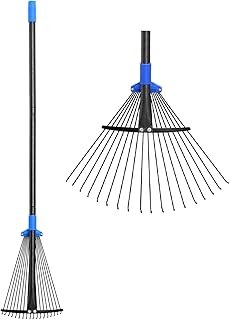
For detailed tool listings, see this guide on lawn care equipment.
Identify the Variables That Drive Your Decision
You can’t pick a groundcover without knowing your local conditions. Climate zone, foot traffic, shade levels, and budget create a decision tree that narrows the options. If you live in USDA zone 5‑7, cool‑season grasses like Kentucky bluegrass or fine fescue will thrive.
Warm‑season zones 8‑10 favor Bermuda or Zoysia. Shade reduces light to less than 30 % and limits most grasses, making clover or native tall fescue mixes a better fit.
Foot traffic matters for sports fields. Synthetic turf can handle high impact loads up to 300 lb per foot, while natural grass may wear quickly. Budget also splits the field: seed costs $0.10‑$0.30 per square foot, sod runs $0.50‑$1.00, and artificial turf tops $5‑$15 per square foot.
Watering costs differ dramatically: bluegrass uses about 45 mm per year, while buffalo grass needs 15 mm, and synthetic turf needs none. For a deeper dive into water usage, the EPA WaterSense program offers calculators.
Compare Natural Grass with Top Alternative Options
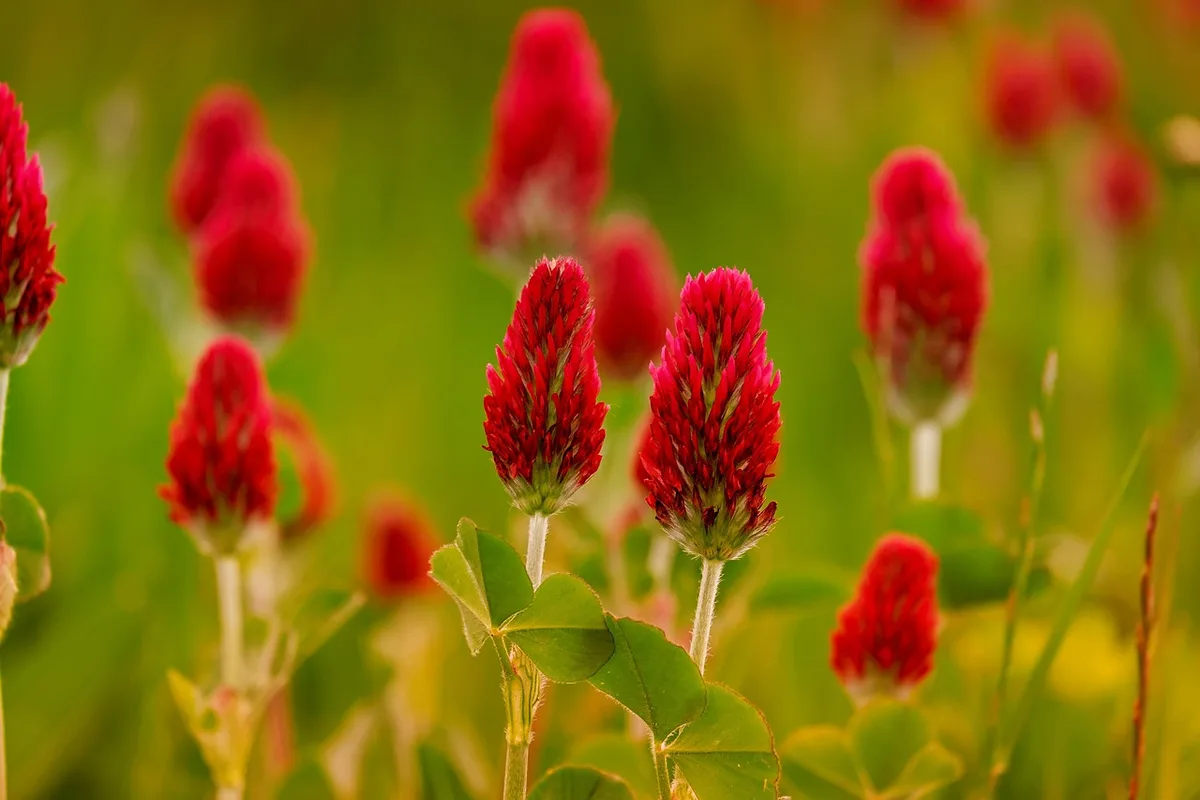
Natural grass offers carbon sequestration and cooling effects that lower surface temperature by 2‑3 °C. It supports pollinator life and improves property resale value by roughly 5‑15 %. However, it demands regular mowing, fertilization, and pesticide applications.
A study from the University of California shows that a typical lawn uses 45 mm of water annually.
Clover lawns provide nitrogen fixation, cutting fertilizer needs by up to 70 %. They tolerate light foot traffic and stay green in moderate shade. Deer and some insects tend to avoid white clover, making it useful for gardens where grazing is a concern.
The main downside is a lower tolerance for heavy use compared to grass.
Synthetic alternatives eliminate irrigation and mowing. Modern fibers are UV‑stable and impact‑attenuating per ASTM D6690. They maintain a consistent playing surface for 15‑20 years, but they can heat up in direct sun and lack soil biodiversity.
Infill made from recycled rubber may retain heat, so proper installation is key.
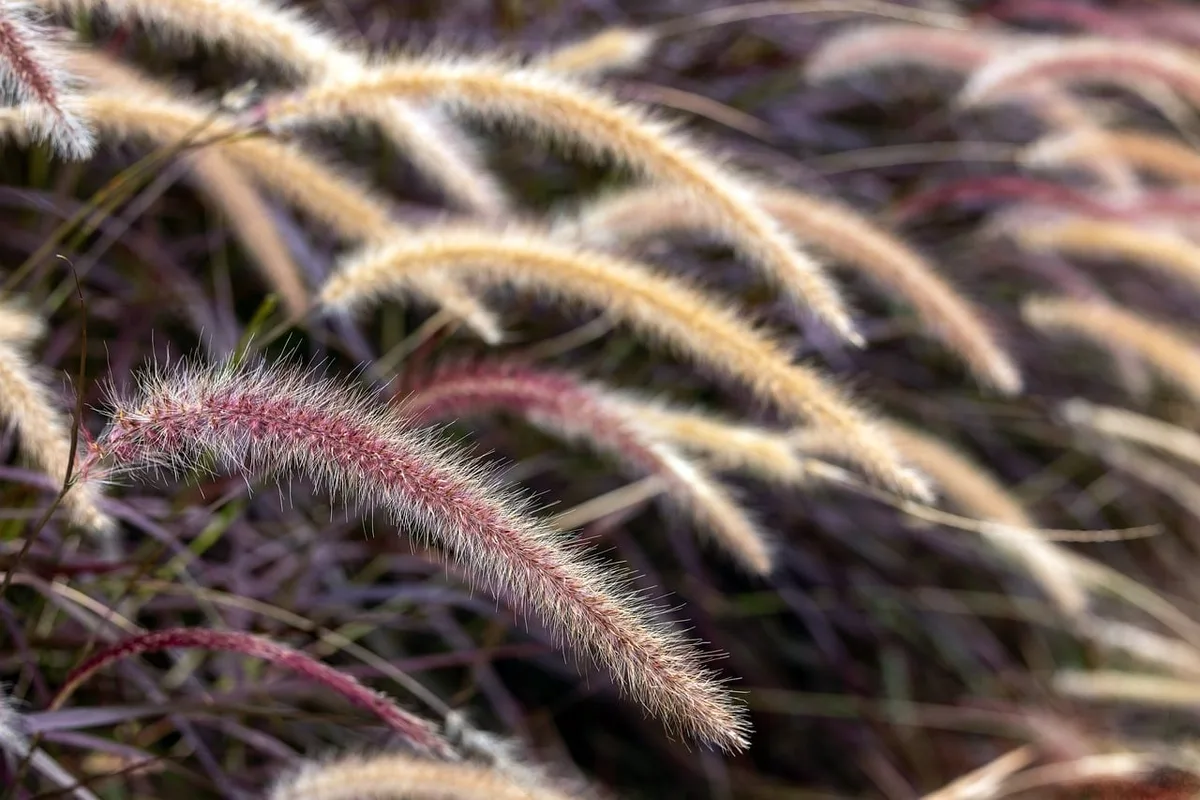
Native meadow mixes combine water savings with wildlife habitat. A mix of prairie grasses and wildflowers uses 30‑50 % less water than traditional lawns. They require occasional raking and occasional reseeding, but they provide seasonal color and support local birds.
For a full list of region‑specific mixes, consult your state’s extension service website.
Gauge Cost, Water Use, and Environmental Impact
Cost expectations guide most homeowners. Seed is the cheapest option, typically $0.10‑$0.30 per square foot. Sod sits in the middle at $0.50‑$1.00 per square foot.
Synthetic turf is the premium choice, ranging $5‑$15 per square foot, including installation. Initial outlay is higher, but lifespan of 15‑20 years reduces replacement frequency.
Water consumption is a major factor, especially in arid regions. Kentucky bluegrass needs about 45 mm of water each year. Buffalo grass drops to 15 mm, and drought‑tolerant blends can use as little as 8‑10 mm.
Synthetic turf eliminates irrigation entirely, saving an average household $200‑$500 per year on water bills. For a side‑by‑side view of water use, the EPA’s WaterSense Irrigation Calculator helps you estimate savings.
Environmental impact includes carbon footprint and pesticide load. Natural grass captures carbon and filters runoff, butfertilizer runoff can pollute waterways. Synthetic turf uses non‑renewable resources in production and can leach microplastics.
Native mixes reduce chemical inputs and provide habitat, lowering overall ecosystem disturbance. When selecting a groundcover, weigh short‑term cost against long‑term ecological benefits.
Match the Best Groundcover to Your Specific Use Case
Purpose determines the winner. A family with children and a dog may prefer a resilient surface. For heavy play, synthetic turf offers durability and consistent drainage, though it can become hot.
If you want a cooler yard, natural grass or a mix that includes shade‑tolerant fescue provides better cooling. Homeowners seeking low maintenance can choose clover or native blends; they need fewer mowings and less fertilizer.
Urban settings often have limited space and foot traffic patterns. In these cases, a narrow‑leaf grass like fine fescue can handle moderate use while staying green with less water. For rooftop gardens where weight matters, synthetic turf is ideal because it adds minimal load compared to soil‑based options.
If you prioritize biodiversity, plant a native meadow mix and you’ll attract pollinators and beneficial insects.
Before finalizing, run a quick decision checklist. Ask: What is the average sunlight exposure? Is heavy equipment used?
What is the water budget? Do you have a HOA with rules? Answering these questions will point directly to the optimal groundcover.
For more detailed guidance on local regulations, check your municipal codes or HOA guidelines.
Our research indicates that most homeowners settle on a hybrid approach: a primary grass with strategic clover patches for nitrogen. Others start with a cost‑effective seed blend and later add native flowers for aesthetics. The key is to match the option to your climate, usage, and maintenance tolerance.
When you choose wisely, the yard stays healthy, costs stay low, and the environment benefits. For ongoing care tips, see our maintenance calendar.
Follow a Step‑by‑Step Installation & Care Workflow

Begin with site preparation. Clear weeds, level the soil, and add a thin topsoil layer. Test pH; if it falls below 6.0, amend with lime.
Use a broadcast spreader for seed or a hydroseeder for uniform coverage. For starter mixes, apply 1 lb of Kentucky bluegrass per 1000 sq ft. After seeding, roll the area with a lightweight roller to ensure seed‑soil contact.
Water immediately after seeding. Keep the top 2 inches of soil consistently moist for the first 14 days. Reduce frequency to once daily, then every other day as germination progresses.
A simple watering schedule shows 0.5 inches per day for the first week, then 0.25 inches every 48 hours until seedlings reach 2 inches. Refer to our guide on cleaning the air filter for tips on keeping equipment clean, and check the right oil level before each mowing session.
Fertilize when grass reaches 2 inches height. Apply a balanced 12‑4‑8 fertilizer at 1 lb nitrogen per 1000 sq ft. Mow at the recommended height: 2.5‑3 inches for cool‑season grasses, 1‑2 inches for warm‑season varieties.
Use a rotary mower with adjustable cutting height. Keep the clippings short to avoid thatch buildup. For detailed equipment specs, our mower maintenance article covers oil requirements and seasonal start‑up steps.
Monitor for weeds and pests. Spot‑treat weeds with a pre‑emergent herbicide in early spring. If fungus appears, consult the best fungicide for lawns to select a product that matches your grass type.
Perform core aeration annually in the fall to reduce compaction. Overseed thin patches in late summer to boost density. Consistent care extends lawn life and keeps water use low.
Steer Clear of Common Mistakes During Setup & Maintenance
Skipping soil prep leads to poor seed‑to‑soil contact. Users often spread seed too thick, causing competition and thin growth. Over‑watering saturated soil, invites disease and rot.
Under‑fertilizing stalls early growth, while over‑fertilizing burns seedlings. Mowing too short stresses grass, making it vulnerable to weeds. Ignoring pH can lock nutrients, leaving grass yellow.
Another frequent error is using the wrong mower blade. A dull blade tears grass blades, creating entry points for fungal pathogens. Many skip the pre‑season check of the air filter, reducing engine efficiency and increasing fuel use.
Failure to calibrate irrigation timers results in uneven moisture, promoting patchy growth. Pets and children on new lawns can compress soil before roots establish, weakening the surface. See our fungicide guide for effective disease control when spotting early signs.
Prevention starts with a planning checklist. Measure soil moisture before each watering; the soil should feel damp but not soggy. Rotate mowing patterns to distribute foot traffic and encourage upright growth.
Aerate at the right time for your grass type, typically late summer for cool‑season blends. Keep a log of applications, noting product names and dates. A simple spreadsheet helps track maintenance windows and avoid double applications.
Quick‑Reference Decision Guide and Key Insights
If rainfall averages less than 20 mm per month, synthetic turf saves water but raises surface temperature. If you need a cooler yard, choose native tall fescue mixes that provide shade. For high‑traffic areas, synthetic turf’s impact rating of 300 lb beats natural grass.
If budget is tight, seed or sod costs 60 % less than artificial options.
Key decision factors include climate zone, usage level, and maintenance willingness. Cool‑season zones favor Kentucky bluegrass and fine fescue. Warm‑season zones perform best with Bermuda or Zoysia.
Shade limits most grasses to clover or low‑growth sedum. For pet owners, consider deer‑resistant clover that tolerates light chewing. Use our simple decision tree to match conditions to the best groundcover.
If repairs become frequent, refer to our DIY mower repair guide for cost‑effective fixes.
Practical shortcuts: water early morning to reduce evaporation, set mower blades to the highest setting for the first cut, and apply fertilizer only when grass shows vigorous green color. Track results in a maintenance journal to refine future decisions. By following these quick checks, you can avoid costly mistakes and keep the yard healthy year after year.
Assess Local Climate, Regulations, and Maintenance Requirements
USDA hardiness zones dictate which grass varieties thrive. Zone 5‑7 supports cool‑season grasses; zones 8‑10 favor warm‑season types. In arid regions, choose buffalo grass or synthetic turf to meet water‑use restrictions.
Many municipalities require permits for synthetic installations in flood‑prone areas. Review local ordinances before starting.
Best practices include testing soil pH annually. A pH of 6.5‑7.0 optimizes nutrient uptake. Adjust irrigation to meet local water‑use guidelines; the EPA’s WaterSense program provides calculators for daily needs.
For seasonal preparation, start the mower after winter using the proper fuel mix to avoid carburetor gumming. Many homeowners rely on the right oil level to protect engines during long storage periods.
Regulations also cover pesticide application. Most areas restrict herbicide use during pollinator activity windows. Contact your county extension office for approved product lists.
If you notice fungal growth, consult the best fungicide for lawns to select a product that meets local safety standards. Keeping compliance simplifies long‑term upkeep and avoids fines.
Summarize the Recommended Path for Your Property
Begin by diagnosing current lawn health. Identify weeds, soil compaction, and water stress. Adjust irrigation to match climate averages; aim for 1‑2 inches per week.
Choose a groundcover based on foot traffic, shade, and budget. Seed or sod offers the lowest upfront cost, while synthetic turf provides durability and zero water use. Maintain with proper mowing, fertilization, and aeration.
Reference the mower maintenance guide for oil and filter checks, and use the fungicide resource when disease appears. Review local codes to stay compliant and avoid penalties. By following these steps, you create a resilient lawn that balances aesthetics, cost, and environmental impact.