Guide to House Flies Maintenance Guide: Pro Tips & Tricks
Most people spray, swat, and trap house flies for weeks without ever fixing the real problem. You’re killing the adults you see while hundreds more are hatching somewhere nearby. A proper house flies maintenance guide doesn’t start with insecticide.
It starts with finding where they’re breeding, cutting off that pipeline, and then sealing the building so new ones can’t replace the ones you kill.
House flies (Musca domestica) complete their life cycle in as little as seven to ten days under warm conditions, and a single female can lay up to 500 eggs in her short life. That’s why surface tactics fail. Let’s walk through the decision tree that actually works.
Quick Answer
House fly maintenance is a three-step workflow: locate and eliminate breeding sites, seal structural gaps to stop reentry, then use traps or residual sprays for remaining adults. Without addressing the source, you’ll never break the cycle. Sanitation and exclusion solve 80 percent of residential infestations.
Chemical control is secondary.
Why Most House Fly Problems Never Actually Get Solved
The mistake is treating flies like a contact problem. You see ten flies, you kill ten flies, and tomorrow there are fifteen more. That’s because you’re fighting the symptom, not the cause.
House flies don’t just appear. They hatch from maggots that feed on decaying organic matter. Every fly you see indoors either came from a breeding site inside your home or flew in from one nearby.
If you’re not disrupting reproduction and blocking entry, you’re running on a treadmill.
The other failure mode is jumping straight to insecticide without inspection. Sprays and traps work, but only after you’ve cut off the supply line. Otherwise you’re buying a temporary knockdown and the population rebounds within days.
This is why the maintenance approach is structured as a decision tree. Your first move depends on how many flies you’re seeing, where they’re clustering, and whether the source is inside your property line or outside it.
What You’re Really Dealing With: House Fly Biology That Changes Your Strategy
House flies are filth flies. They’re synanthropic, meaning they live in close association with humans and thrive on our waste. They don’t bite, but they’re mechanical vectors for pathogens.
When a fly lands on your cutting board, it’s often regurgitating digestive enzymes and potentially spreading bacteria like E. coli, Salmonella, and others picked up from garbage, feces, or rotting food.
Their life cycle is the key to control strategy. At 77 to 86°F, the cycle runs roughly ten days: egg (8 to 24 hours), larva or maggot stage (3 to 5 days), pupa (3 to 6 days), then adult. Adults live 15 to 30 days and begin laying eggs within a few days of emergence.
Under ideal conditions, a population can double every 10 to 12 days.
Flies are strong fliers. They can travel up to two miles from a breeding site, though most stay within a few hundred yards if food and shelter are available. That range matters because it means the source of your problem might not be on your property.
A neighbor’s poorly managed compost bin, an overflowing dumpster two houses down, or an urban alley with restaurant waste can all seed your home with flies.
Temperature and season drive activity. Flies are most active in warm weather, with peak populations in summer. In temperate climates, outdoor populations crash in fall, but flies can overwinter indoors if they find warm refugia near heating ducts, attics, or basements.
As of 2026, warmer winters in many regions have extended the active season, making year-round monitoring more common.
The takeaway: you’re not dealing with a static pest. You’re managing a fast-reproducing population with a known origin point. Find that point, and the problem collapses.
The Decision Point: Are You Preventing, Controlling, or Eliminating?
Your next step depends entirely on how severe the infestation is right now. The strategy for a handful of nuisance flies is different from the one you need when flies are clustering around windows or trash cans in large numbers.

If You See Fewer Than 5 Flies Per Day
You’re in prevention mode. A few flies slipping in through an open door or a gap in the screen is normal, especially in summer. Your goal is to keep it from escalating.
Focus on exclusion and sanitation. Check screens for tears, install or replace door sweeps, and make sure windows seal tightly. Empty kitchen trash every two to three days, rinse recyclables, and don’t leave fruit or vegetables out to overripen.
Clean up pet waste daily if you have animals.
You don’t need traps or sprays yet. A flyswatter handles stragglers. If you’re seeing more than five per day for several consecutive days, you’ve crossed into control territory.
If You’re Seeing 10-20 Flies Daily
This is active control. You’ve got a breeding site somewhere, either indoors or close by. Flies are entering faster than you can swat them, and the population is growing.
Your workflow: inspect for breeding sites, eliminate the source, then deploy traps or targeted sprays to knock down the adults. You’ll also need to tighten exclusion, because reentry is clearly happening at scale. This is the most common residential scenario, and it’s where most people get stuck because they skip the inspection step.
If Flies Are Constant or Clustering in Specific Areas
You’re dealing with a localized infestation. If flies are clustering near a specific drain, trash can, or window, that’s a strong signal the breeding site is very close. If they’re everywhere, you may have multiple sites or a large outdoor source just outside.
This calls for aggressive source elimination, possible use of residual insecticides, and potentially professional help if the source is structural (like a dead animal in a wall void) or outside your control (neighbor’s property, nearby dumpster). You’re in elimination mode, and every day you wait, the population grows exponentially.
Step 1: Find the Breeding Site (Or You’ll Never Win)
Every house fly problem has a source. Flies don’t materialize out of thin air. Somewhere within a few hundred feet, there’s a pile of decaying organic matter that’s warm, moist, and stocked with nutrients for maggots.
Your first job is to find it.
Start indoors, because that’s what you control. Then expand outward. The closer the breeding site, the more flies you’ll see.
If the source is inside your home, you’ll often notice flies concentrated in one area, especially in the morning when they’re less active.
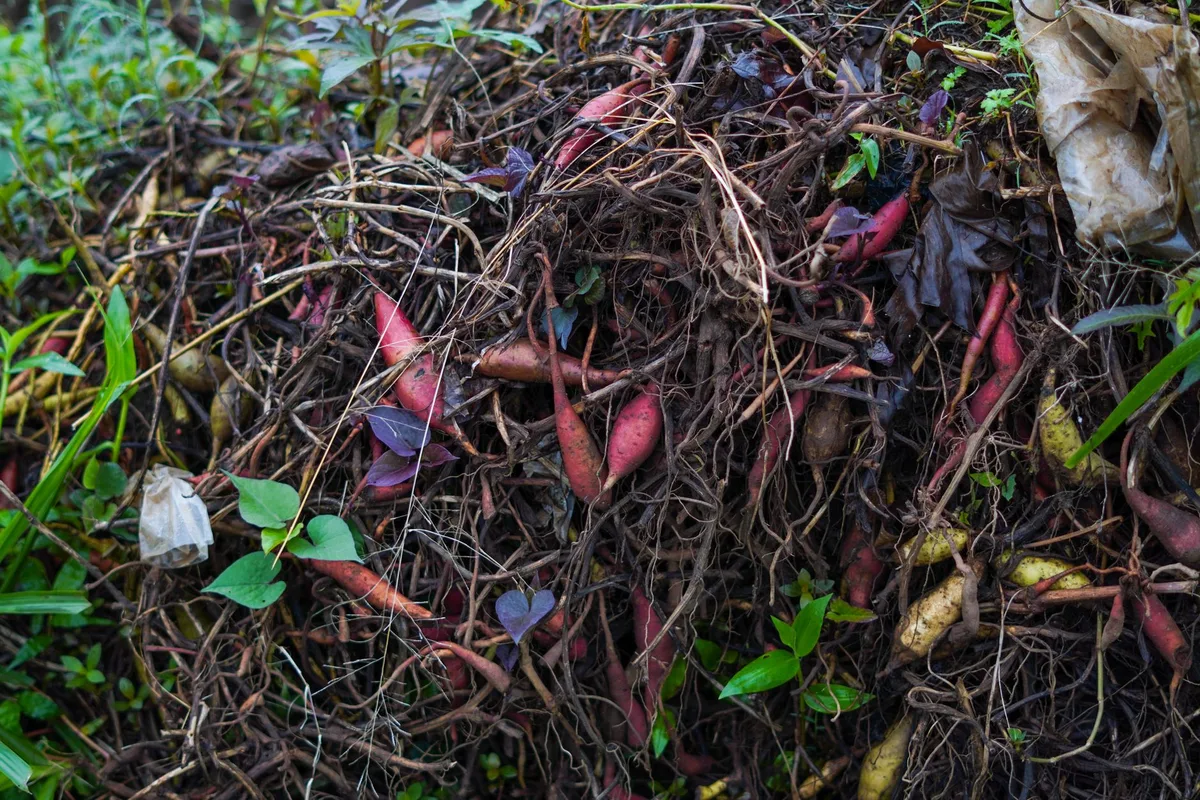
Indoor Breeding Sites Most People Miss
The obvious suspects are trash cans, but it’s the less obvious ones that usually sustain an infestation.
Check under and behind appliances. A spill of juice or grease that seeped under the fridge or stove can rot unnoticed for weeks. Flies will lay eggs in it.
Pull appliances out and clean thoroughly.
Floor drains, basement drains, and rarely used sinks are common breeding sites. Organic matter builds up in the trap and the standing water provides the moisture maggots need. Pour boiling water down every drain, then scrub with a stiff brush.
For drains you suspect are active, use a bio-enzymatic drain cleaner (not bleach, which doesn’t break down organic buildup effectively).
Garbage disposals can harbor rotting food in the splash guard or the grind chamber. Run the disposal with hot water and dish soap, then scrub the rubber baffle by hand.
Pet food dishes, litter boxes, and indoor animal housing are major culprits. If you’re feeding pets wet food, don’t leave it out all day. Scoop litter daily.
If you keep rabbits, chickens, or other animals indoors, clean bedding frequently.
Houseplant soil can become a breeding site if you’re overwatering or using organic compost that’s not fully decomposed. Check for larvae in the top inch of soil. If present, let the soil dry out and consider repotting with fresh, sterile mix.
Mop buckets, wet rags, and damp cleaning supplies left in a closet or garage can host larvae. Flies love the combination of moisture and organic residue from dirty mop water.
Finally, check for dead animals. A mouse or rat that died in a wall void, attic, or crawlspace will draw flies in huge numbers. You’ll often smell it before you see the maggot mass, but not always.
If flies are clustering near a specific section of wall or ceiling, that’s your clue.
Outdoor Sources Within Flight Range
Step outside and walk your property line. Look for anywhere organic waste is accumulating.
Garbage cans are the number one outdoor source. If your bins are uncovered, cracked, or not emptied frequently, they’re breeding flies. Rinse bins weekly with a hose, and if lids don’t seal, replace them.
Compost bins are designed to decompose organic matter, which makes them fly magnets if managed poorly. Turn your compost every few days to disrupt larvae, keep it moist but not wet, and bury fresh food scraps under a layer of browns (leaves, cardboard). If flies are bad, stop adding food waste temporarily or switch to a sealed tumbler design.
Pet waste is a major breeding substrate. If you have a dog, pick up feces daily. Don’t let it accumulate in a corner of the yard.
If you keep chickens, goats, or other livestock, clean pens and coops at least weekly.
Recycling bins attract flies if you’re not rinsing containers. A can with a tablespoon of soda residue can host dozens of maggots.
Check gutters and downspouts. Clogged gutters collect leaves and standing water, which can breed flies if there’s enough organic matter. Clean them twice a year.
Look at your neighbor’s property too. If they have an unsanitary condition close to your fence line, that’s feeding your problem. You’ll need to address reentry and perimeter control, because you can’t control their sanitation.
How to Confirm You’ve Found the Real Source
You’re looking for live maggots. They’re white or cream-colored, legless, and about 1/4 inch long. They’ll be wriggling in clusters.
If you see maggots, you’ve found it. Remove the material, bag it tightly, and dispose of it immediately. Clean the area thoroughly with hot soapy water, then disinfect.
If the breeding site is something you can’t remove (like a drain), treat it with boiling water or a bio-enzymatic cleaner and monitor for 48 hours.
If you can’t find maggots but flies are persistent, the source may be outside your property or hidden in a structural void. In that case, prioritize exclusion and trapping, and consider calling a pest control professional for a detailed inspection.
Step 2: Eliminate the Source Before You Do Anything Else
Once you’ve located the breeding site, your next move is to destroy it. Everything else is secondary. Traps and sprays will not solve your problem if flies are still hatching by the hundreds.
Source elimination is straightforward: remove the material, clean the surface, and ensure it doesn’t happen again. The details depend on what you found.
Sanitation Fixes That Actually Stop Reproduction
If the breeding site is removable, get it out of the house immediately. Bag the material in heavy-duty plastic, tie it closed, and take it to the curb or dumpster. Don’t leave it in a garage or mudroom overnight.
For spills or buildup under appliances, scrub the area with hot water and dish soap. Use a stiff brush or scraper to remove dried residue. Flies lay eggs in thin films of organic matter, so you need to scrub, not just wipe.
Disinfect after cleaning. A solution of one part bleach to ten parts water works, but so does a household disinfectant or enzymatic cleaner. The goal is to eliminate odor and residual organic compounds that might attract more egg-laying adults.
If the source is a dead animal in a wall or void, you’ll need to remove the carcass. That may mean cutting into drywall or hiring someone to do it. Flies will not stop until the body is gone.
After removal, disinfect the cavity and seal any entry points the animal used.
Garbage and Compost Management Protocol
For trash cans, establish a cleaning routine. Rinse bins weekly with a hose and let them dry completely before adding a new bag. Flies can lay eggs in the residue stuck to the bottom or sides of the bin.
Take out kitchen trash every two to three days, even if the bag isn’t full. Food waste in a warm kitchen can start breeding flies within 48 hours during summer.
If you compost, commit to turning the pile every three to five days. Burying fresh food scraps under six inches of carbon-rich material (shredded leaves, cardboard) denies flies access to the surface. If you can’t maintain the routine, pause food scrap composting and use only yard waste.
Consider switching to a sealed compost tumbler if open piles are a recurring problem. Tumblers exclude flies entirely if you keep the lid closed.
Pet Waste and Animal Areas
Pick up dog feces daily. Use a scooper and sealed bag, and dispose of it in the trash, not loose in the yard.
If you keep outdoor animals, clean bedding and soiled areas at least weekly, more often in hot weather. Use straw or pine shavings instead of hay, which retains moisture and breaks down faster. Remove wet or soiled bedding completely, don’t just add fresh on top.
For litter boxes, scoop daily and replace all litter every two weeks. Flies rarely breed in dry litter, but if urine-soaked clumps accumulate, they will.
Drains, Leaks, and Hidden Moisture Problems
Treat every drain in your home, even ones you think are clean. Pour boiling water down each drain once a week. For problem drains, follow with a bio-enzymatic cleaner like those used in restaurants.
These products contain bacteria that digest organic buildup. Let them sit overnight.
Fix leaks immediately. A dripping pipe under a sink can create a puddle that becomes a breeding site if organic matter is present. Check under sinks, around toilets, and in basements for slow leaks.
Dry out damp areas. If you have a crawlspace or basement with standing water, address drainage and ventilation. Flies need moisture to reproduce.
A dehumidifier can help, but fixing the underlying water intrusion is the real solution.
If you’ve addressed sanitation and flies persist, the source is likely outside your property. Move to exclusion and perimeter trapping.
Frequently Asked Questions
How long does it take to get rid of house flies after cleaning?
Once you eliminate the breeding site, you’ll see a sharp drop in fly numbers within 48 to 72 hours as the adult population dies off naturally. If new flies keep appearing after three days, you’ve either missed a breeding site or they’re entering from outside. Recheck your sanitation and exclusion work.
Can house flies breed in clean homes?
Yes, if there’s a hidden source like a clogged drain, a spill behind an appliance, or a dead rodent in a wall. Flies need very little organic matter to reproduce. Even a clean home can host an infestation if there’s a single overlooked breeding site.
For indoor traps, placement near suspected entry points helps monitor activity.
Do fly traps work without removing the breeding site?
Traps will catch flies, but they won’t stop new ones from hatching. You’ll see temporary relief, then the population rebounds. Traps are a supplement to sanitation, not a replacement.
Use them after you’ve eliminated the source to knock down remaining adults faster.
What temperature kills house fly eggs and larvae?
Fly eggs and maggots die quickly at temperatures above 120°F or below 32°F. Boiling water poured directly on a breeding site will kill all life stages instantly. Freezing works for outdoor compost or waste piles in winter climates, but it’s impractical indoors.
Heat is your best tool for immediate source destruction.
Should I use bleach or enzymes for drains?
Enzymatic cleaners are more effective for fly control. Bleach kills bacteria on contact but doesn’t break down the organic film lining the drain, which is what maggots feed on. Bio-enzymatic products digest that buildup over 12 to 24 hours.
Use them overnight, then flush with hot water in the morning.
How do I stop flies from coming in through open doors?
Install a quality door sweep that seals the gap to less than 1/4 inch. Consider a screen door or magnetic mesh curtain for high-traffic entries. If you prop doors open for ventilation, use a fan blowing outward to create an air curtain that discourages fly entry.
Step 3: Seal Entry Points to Stop Reentry
Even after you’ve eliminated every breeding site, flies will keep coming back if your building has gaps. Adult flies from outdoor sources can travel hundreds of yards to find food and shelter. Your job is to make entry difficult enough that the majority stay outside.
Start with screens. Check every window screen for tears, holes, or frames that don’t sit flush. Flies can squeeze through surprisingly small openings.
Replace damaged screens entirely. Patch kits don’t hold up well. Use 16 to 18 mesh screening at minimum.
Anything coarser lets smaller flies through.
Door sweeps are critical. The gap under exterior doors is one of the most common entry routes. Install a brush or rubber sweep that closes the gap to less than 1/4 inch.
If you can see daylight under the door when it’s closed, flies can get in.

Check weatherstripping around door frames and windows. If it’s compressed, cracked, or missing, replace it. Use foam or vinyl stripping rated for exterior use.
Press the door or window closed and feel for air movement. If you feel a draft, flies can use that path too.
Look for structural cracks around utility penetrations. Pipes, electrical conduits, dryer vents, and AC line sets often have gaps where they pass through exterior walls. Fill these with expanding foam or caulk rated for outdoor use.
Even a 1/8-inch crack is enough for a fly.
Garage doors are notoriously leaky. If your garage connects to the house and you leave the interior door open, flies can enter through the garage door threshold or side seals. Install a threshold seal and side weatherstripping.
Keep the interior door closed when possible.
Attic vents and soffit vents need screening too. Birds and rodents sometimes damage vent screens, leaving open access to attic spaces. Once flies are in the attic, they’ll find their way into living spaces through gaps around light fixtures, ceiling fans, or plumbing chases.
Seasonal Adjustments for Temperature-Driven Entry
Fly pressure changes with the weather. In summer, flies are everywhere outdoors and will test every opening. In fall, as temperatures drop, flies seek warmth and will cluster near south-facing walls or gather around doorways where heat escapes.
During warm months, keep doors and windows closed during peak fly hours, typically midday to early evening. If you need ventilation, use fans to create outward airflow at doorways. Flies struggle to enter against a 2 to 3 mph air current.
In cooler weather, flies overwinter in protected spaces like wall voids, attics, and basements. They become sluggish but don’t die. If you’re seeing flies indoors during winter, they’re likely emerging from a sheltered spot inside.
Check attics and unheated spaces for clusters.
Step 4: Choose Your Control Method Based on Your Situation
Once sanitation and exclusion are handled, you can deploy traps or insecticides to knock down the remaining adult population. Your choice depends on where flies are active, how many you’re dealing with, and whether you have kids or pets.
Traps are low-risk and effective for light to moderate infestations. Chemical sprays work faster but require more caution. Neither works long-term without source elimination, but both speed up the final cleanup.
Traps: Which Type Works Where
Sticky traps are the simplest option. Hang them near windows, doors, or wherever flies cluster. They work by visual attraction and catch flies passively.
Replace them every 30 to 60 days or when covered. They’re non-toxic and safe around food prep areas.
UV light traps use ultraviolet bulbs to attract flies, then kill them with an electric grid or sticky board. They work well in kitchens, basements, and garages. Place them away from windows so they don’t compete with natural light.
Clean the grid or replace the sticky board weekly during heavy use.
Baited jar traps use attractants like fruit, vinegar, or commercial lures to draw flies into a container they can’t escape. These work outdoors or in non-living spaces like garages and sheds. Empty and refill them every few days.
They smell bad when full, so don’t use them in kitchens.
For a detailed comparison of trap types and placement strategies, see our guide to indoor fly traps.
Residual Sprays for Perimeter and Problem Zones
Residual insecticides create a barrier that kills flies on contact for two to four weeks. Apply them to exterior surfaces where flies rest, such as around doorframes, window sills, eaves, and trash can areas. Pyrethroid-based sprays are common.
Follow label instructions exactly.
Don’t spray indoors near food prep surfaces. If you need indoor treatment, use a product labeled for indoor residential use and apply only to cracks, crevices, and non-food zones like baseboards or window frames.
Wear gloves and a mask during application. Keep pets and children away until surfaces dry, usually two to four hours. Ventilate the area well.
Contact Killers for Active Infestations
Aerosol sprays deliver instant knockdown. Use them for visible flies when you need immediate results. They don’t leave residual protection, so you’ll need to reapply as new flies appear.
Spray directly on flies or into the air where they’re flying. Avoid spraying near flames or electronics. Most products use pyrethrins or synthetic pyrethroids.
Check the label for re-entry time, especially if you have asthma or sensitivities.
When to Skip Chemical Control Entirely
If you’ve eliminated the source and sealed entry points, you may not need insecticides at all. Traps alone can handle the remaining adults, and the population will crash naturally within a week as flies die off without replacement.
Chemical control makes sense when you’re facing a large indoor population and need faster results, or when outdoor sources you can’t control are feeding constant reentry. For light problems, sanitation and exclusion are enough.
How to Place Traps and Treatments So They Actually Work
Trap placement matters more than trap type. Put a UV trap in the wrong spot and it’ll catch almost nothing. Put it where flies naturally move and it’ll fill up fast.
Flies are drawn to light, food odors, and warmth. Place traps near windows where flies gather during the day. They also cluster near trash cans, sinks, and pet feeding areas.
Avoid placing UV traps directly in front of windows, because natural light overpowers the UV bulb.
For exterior perimeter sprays, treat surfaces within three feet of doors and windows. Focus on shaded areas where flies rest during hot afternoons, like under eaves, porch ceilings, and the underside of railings.
Baited traps go outdoors, at least 20 feet from doors. You want to intercept flies before they reach the house, not lure them closer. Place them downwind of the house if possible, so odor drifts away from entries.
Rotate trap locations if you’re not seeing results. Flies follow scent and light cues, so if they’re not hitting a trap, they’re not moving through that zone. Watch where flies actually spend time and put traps there.
The Weekly Maintenance Routine That Prevents Rebound
Fly control isn’t a one-time event. It’s a routine. Once you’ve knocked down an infestation, a simple weekly checklist keeps it from coming back.
Take out trash every two to three days. Rinse bins weekly. Scoop pet waste daily.
Clean kitchen drains with boiling water once a week. Wipe down counters and sweep floors to remove food residue.
Check screens and door sweeps monthly. Summer heat warps frames and loosens weatherstripping. A gap that wasn’t there in May might open up by July.
Empty and replace traps as needed. Sticky traps lose effectiveness when covered. UV bulbs dim over time, replace them annually even if they still glow.
If you compost, maintain your turning schedule. If you keep animals, stay on top of bedding and waste removal. Consistency is what prevents new breeding sites from forming.
During warm months, do a quick outdoor walk-through every week. Look for new waste accumulation, check that garbage lids are closing, and scan for dead animals or forgotten food waste.
Mistakes That Make Fly Problems Worse
Using insecticide without finding the source is the most common error. You’ll kill adults but the population keeps growing. You’re wasting money and exposing yourself to chemicals for no gain.
Leaving gaps unsealed is the second mistake. You can have perfect sanitation, but if flies walk in through a 1/2-inch gap under the door, you’ll never get ahead.
Ignoring outdoor sources is another failure point. If your neighbor’s trash is the problem, fixing your own sanitation won’t solve it. You’ll need exclusion and perimeter control instead.
Overusing pesticides creates resistance and health risks. Rotating products or relying on non-chemical methods first is safer and more sustainable long-term.
Skipping maintenance is how infestations rebound. People clean up, see results, then stop doing the work. Three weeks later flies are back because trash piled up and a new breeding site formed.
When the Problem Is Outside Your Property Line
Sometimes the breeding site is a neighbor’s garbage, a nearby dumpster, or a commercial waste facility. You can’t control it, but you can still protect your home.
Focus entirely on exclusion. Seal every gap, install quality door sweeps, and keep windows closed during peak fly hours. Use fans to create outward airflow at entryways.
Set up a perimeter trap line. Place baited traps or UV traps in your yard between the source and your home. You’re trying to intercept flies before they reach the building.
Apply residual sprays to exterior entry zones. Treat door frames, window sills, and porch areas every two to four weeks during warm weather.
If the source is a code violation, such as accumulated garbage or unsanitary animal conditions, contact your local health department. Many jurisdictions have ordinances against conditions that breed flies or other pests.
In extreme cases, pest control professionals can install more aggressive barriers like misting systems or commercial-grade UV traps. These are expensive but effective when you’re dealing with constant pressure from an external source you can’t eliminate.
Safety and Label Compliance for Chemical Treatments
All insecticides sold in the U.S. must carry an EPA registration number. Use only products with that number visible on the label. It confirms the product has been tested and approved for residential use.
Read the entire label before application. The label tells you where you can spray, how much to use, and how long to wait before re-entering treated areas. Violating label instructions is illegal under federal law and voids any liability protection.
Wear gloves and a mask during mixing and application. Even low-toxicity products can irritate skin or lungs. Apply outdoors or in well-ventilated areas.
Never spray near open flames, pilot lights, or electrical outlets.
Store pesticides in their original containers, out of reach of children and pets. Lock them in a garage or shed if possible. Dispose of empty containers per local hazardous waste guidelines.
Don’t pour leftovers down drains or into the yard.
If anyone shows symptoms like dizziness, nausea, or difficulty breathing after exposure, call poison control immediately. Have the product label on hand when you call.
Seasonal Adjustments: Summer vs. Cooler Months
Fly activity peaks in summer when temperatures stay between 77 and 86°F. That’s when reproduction runs fastest and outdoor populations explode. Increase sanitation frequency during these months.
Take trash out every two days instead of three. Check compost bins every other day.
In fall and early winter, outdoor fly populations crash as temperatures drop below 50°F. Indoor sightings often spike during this transition because flies seek warmth. They’ll cluster near windows, attics, and basements.
If you see flies indoors in November, they’re likely overwintering inside your walls or attic, not coming from outside.
Spring brings a rebound as overwintered flies emerge and outdoor breeding resumes. Inspect and repair screens before the weather warms. Clean out any dead flies or debris that accumulated in traps or window sills over winter.
In warm climates where flies stay active year-round, maintain your weekly routine without seasonal breaks. In temperate zones, you can ease off in winter but resume vigilance by early April.
When to Call a Professional Instead
If you’ve followed every step, source eliminated, gaps sealed, traps deployed, and flies persist at the same level for two weeks, call a licensed pest control operator. You’re either missing a hidden breeding site or dealing with a structural issue that requires tools or access you don’t have.
Dead animals in wall voids, inaccessible crawlspaces, or severe drainage problems often need professional remediation. Pest control companies have thermal cameras, borescopes, and structural access equipment that homeowners don’t.
If the infestation involves other fly species like cluster flies, blow flies, or drain flies, identification and treatment strategies differ. Professionals can identify species on-site and adjust the approach accordingly.
Large-scale infestations in multi-unit buildings or properties near commercial waste facilities may require coordinated treatment across multiple units or negotiations with neighboring property owners. A licensed operator can coordinate that work and document compliance for legal or lease purposes.
Decision Guide: Your Next Step Based on Current Situation
If you’re seeing fewer than five flies per day, tighten sanitation and check exclusion. You’re close to solving it.
If you’re seeing 10 to 20 flies daily, stop everything else and find the breeding site. You won’t make progress until that’s eliminated. Once it’s gone, seal gaps and deploy traps.
If flies are constant or clustering, you’re dealing with either a large indoor source or heavy outdoor pressure. Inspect aggressively. If you can’t locate the source within 48 hours, call a professional.
Time matters because the population doubles every 10 to 12 days.
If the source is outside your control, focus on exclusion and perimeter defense. Seal every entry point, use residual sprays on exterior surfaces, and set up an outdoor trap line between the source and your home.
Whatever your situation, sanitation comes first. Traps and sprays are tools, not solutions. Fix the breeding problem, block reentry, then use control methods to clean up the stragglers.