How to Prevent Plant Diseases (2026) — What Actually Works
You're walking through your garden, checking on your tomatoes, and then you see it. Yellow patches creeping along the lower leaves. A fine white powder settling in.
Maybe stems turning mushy at the soil line. That familiar sinking feeling hits hard. How to prevent plant diseases is something most gardeners figure out after losing a crop or two to something that seemed to appear overnight.
Research from the USDA Agricultural Research Service indicates that over 80 percent of plant disease problems in home gardens trace back to three controllable factors. Moisture management. Air circulation.
Soil health. You don't need a chemistry degree or a shelf full of sprays to stop most issues before they start. You just need a system that fits your specific setup.
Let's build one.
Quick Answer
Prevent plant diseases by managing moisture, airflow, and soil. Water at ground level, not overhead. Give plants enough space to breathe.
Pick resistant varieties when you can. Rotate crops each season. Clean your tools between uses.
Start with strong soil and healthy plants.
Why Most Gardeners Treat Too Late And Never Prevent
That reactive approach costs you more than you realize. More time spent diagnosing problems. More money on fungicides that might not work.
More plants lost to something that could have been stopped weeks earlier.
A 2023 study in Plant Disease found that preventative measures reduce disease incidence by 60 to 90 percent compared to treating after symptoms appear. Those are numbers worth paying attention to. The difference between stopping a disease and fighting one is almost always a matter of timing.
The prevention mindset changes everything. Instead of asking "What's wrong with my plant?" you start asking "What could go wrong and how do I stop it?" That small shift saves you a lot of heartache. You stop reacting and start managing conditions.
The Quick Decision Guide: Which Prevention Path Is Right for You
Not every garden faces the same threats. A humid greenhouse deals with completely different pressures than a desert patio. Indoor houseplants have their own set of risks.
Your prevention plan needs to match your actual setup, not some generic list pulled from the internet.
This guide follows a simple decision tree. You'll answer a few questions about your growing conditions, and each answer points you toward the right prevention strategy.
| Question | What It Determines |
|---|---|
| Indoors or outdoors? | Biggest disease vectors and environmental risks |
| New garden or problem site? | Soil history and pathogen load |
| What plants? | Likely diseases and resistant options |
| Humid or dry climate? | Fungal pressure and watering strategy |
| Organic or conventional? | Allowed tools and product choices |
Walk through these branches. By the end, you'll have a prevention plan built for your exact situation.
How Plant Diseases Really Start (The Triangle You Need to Know)
Every plant disease follows the same pattern. Plant pathologists call it the disease triangle. Three things have to line up for a disease to take hold.
A susceptible host. A disease-causing pathogen. A favorable environment.
Remove any one of those three, and the disease stops.
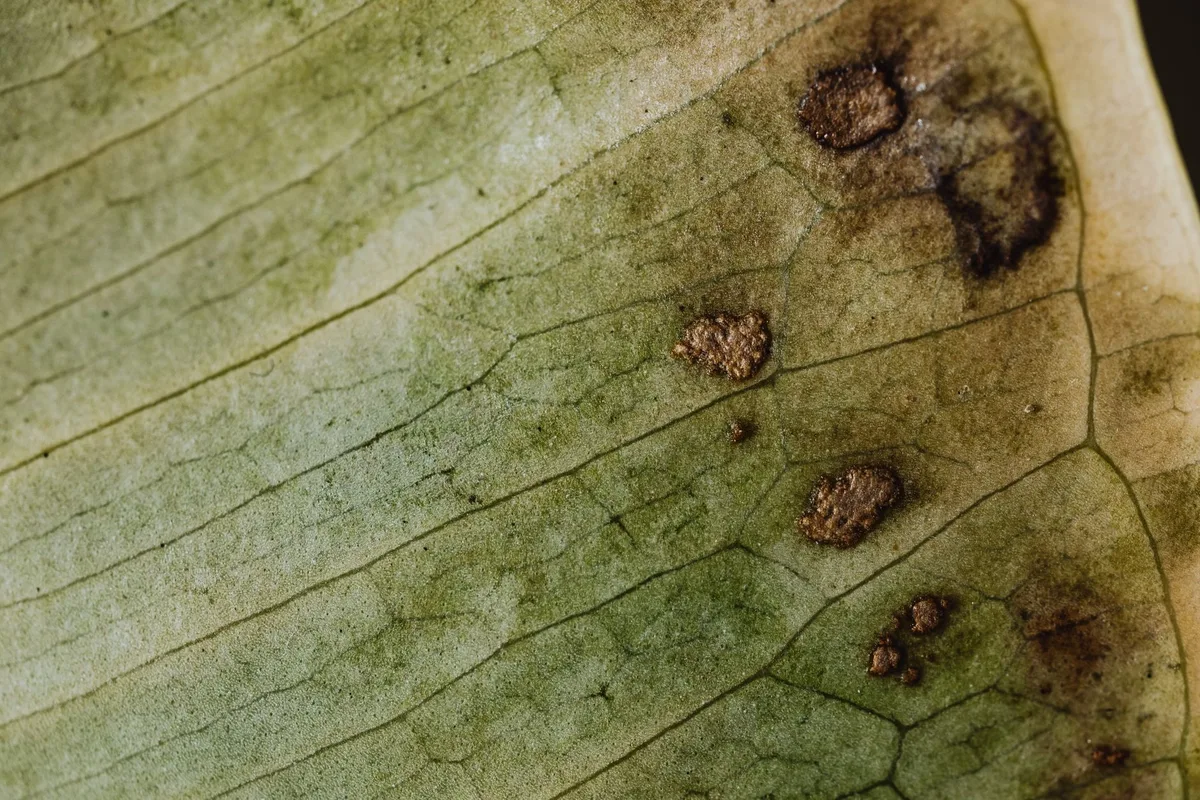
The host is your plant. Some varieties carry natural resistance to certain diseases. Others are more vulnerable.
The pathogen is the fungus, bacterium, or virus causing the illness. The environment is everything else. Temperature.
Humidity. Soil moisture. Air flow.
Most prevention strategies work by breaking one side of that triangle. You choose resistant varieties. You improve air flow.
You adjust your watering schedule. You don't need to control all three at once. You just need to disrupt one.
That changes how you think about prevention entirely. Stop focusing on killing the pathogen. Start focusing on making the environment less friendly to disease in the first place.
That shift alone makes prevention simpler and more effective.
Your Prevention Checklist, Start to Finish
Before we work through the decision tree, here is a solid baseline. These steps apply to nearly every garden, indoor or outdoor. Do these first, then fine-tune based on your specific conditions.
Before you plant:
- Choose resistant cultivars when available. Seed packets and plant tags list resistance codes like VFNT for tomatoes or PM for powdery mildew.
- Test your soil pH and drainage. Most vegetables prefer 6.0 to 6.8.
- Space plants according to mature size. Crowding is one of the top causes of disease outbreaks.
- Amend beds with aged organic matter. Healthy soil grows stronger plants.
During the growing season:
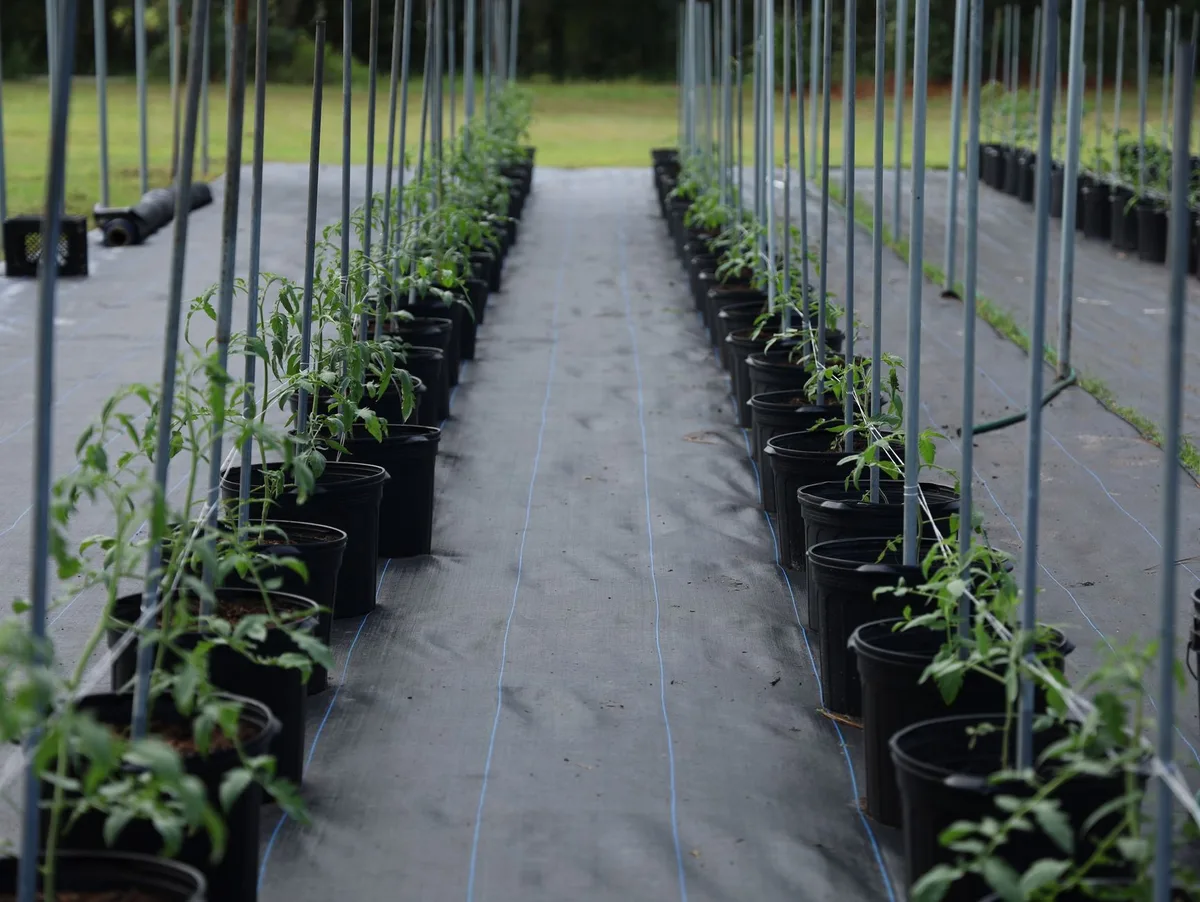
- Water at soil level using drip irrigation or a soaker hose. Keep foliage dry.
- Water in the morning, not evening. Leaves need time to dry before night.
- Inspect plants weekly. Early detection gives you more treatment options.
- Remove diseased leaves or entire plants immediately. Do not compost infected material.
After the season:
- Clean up all plant debris. Pathogens overwinter in dead leaves and stems.
- Rotate crop families to different beds each year. A three year cycle is ideal.
- Sanitize pots, stakes, and tools with a bleach solution before storage.
This checklist gives you the foundation. The next sections help you prioritize which steps matter most for your specific garden.
Node A: Are You Growing Indoors or Outdoors?
This is your first major fork in the road. Indoor and outdoor gardens face fundamentally different disease pressures. Your prevention plan changes depending on which environment you are working with.
If you are growing outdoors, your main threats come from soilborne pathogens, airborne spores, and weather. Rain splash spreads fungal spores from soil to lower leaves. Humidity and dew create the leaf wetness that diseases need to germinate.
Wind carries spores from neighboring gardens or wild plants.
The most critical outdoor prevention tactics include:
- Proper spacing for air circulation
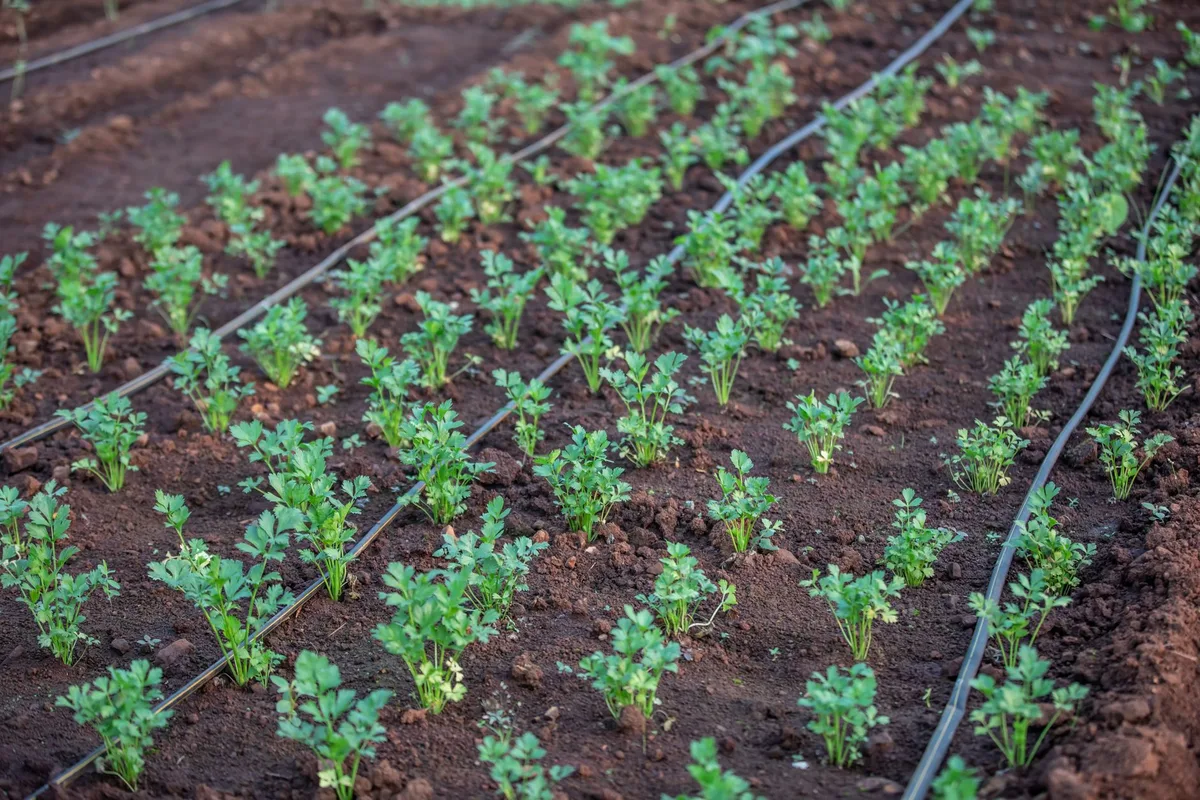
- Drip irrigation that avoids wetting foliage
- Mulch to prevent soil splash onto stems
- Crop rotation to starve soilborne pathogens
If you are growing indoors, your threats are different. Poor air circulation, high humidity, and contaminated potting mix cause most indoor plant disease issues. You do not have rain or wind, but you do have stale air and the tendency to overwater.
The most critical indoor prevention tactics include:
- Using sterile potting mix, never garden soil
- Providing air movement with a small oscillating fan
- Watering only when the top inch of soil feels dry
- Quarantining new plants for two to three weeks before placing them near others
- Choosing pots with drainage holes
Pay attention to light levels too. Plants stressed by low light are more vulnerable to infection. Indoor gardeners starting seeds benefit from good grow lights to prevent the weak, leggy growth that attracts disease.
The stronger your plants are, the less likely diseases take hold.
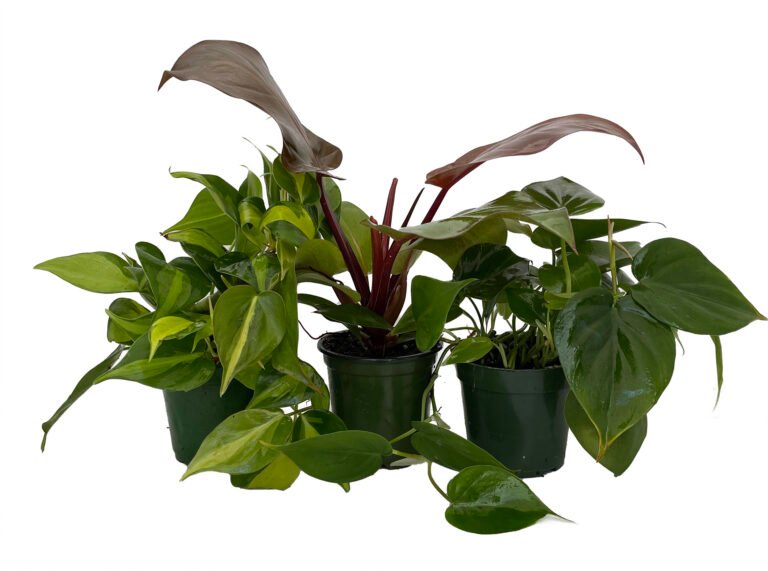
One more thing for indoor growers. If you are growing houseplants in low light rooms, selecting species that tolerate those conditions helps prevent stress related disease. Not every plant belongs in every room, and matching the plant to the space matters more than most people realize.
If you grow both indoors and outdoors, treat them as completely separate systems. Never bring outdoor soil or plants inside without a thorough inspection and quarantine period. That is how many indoor outbreaks start.