How to Remove Moss From a Lawn 2026: Step-by-Step Guide
If you're wondering how to remove moss from a lawn, you're not alone. It's one of the most common lawn care headaches, especially in damp, shaded yards. You rake it out, and it comes back within weeks.
That cycle is frustrating, but it's also telling you something important.
The soil's pH is a major clue. Lawns growing in soil below 5.5 create ideal conditions for moss, while healthy turf prefers a range between 6.0 and 6.5. A simple test kit gives you this number in minutes.
Once you understand what your lawn is telling you, the fix becomes much clearer.
Quick Answer
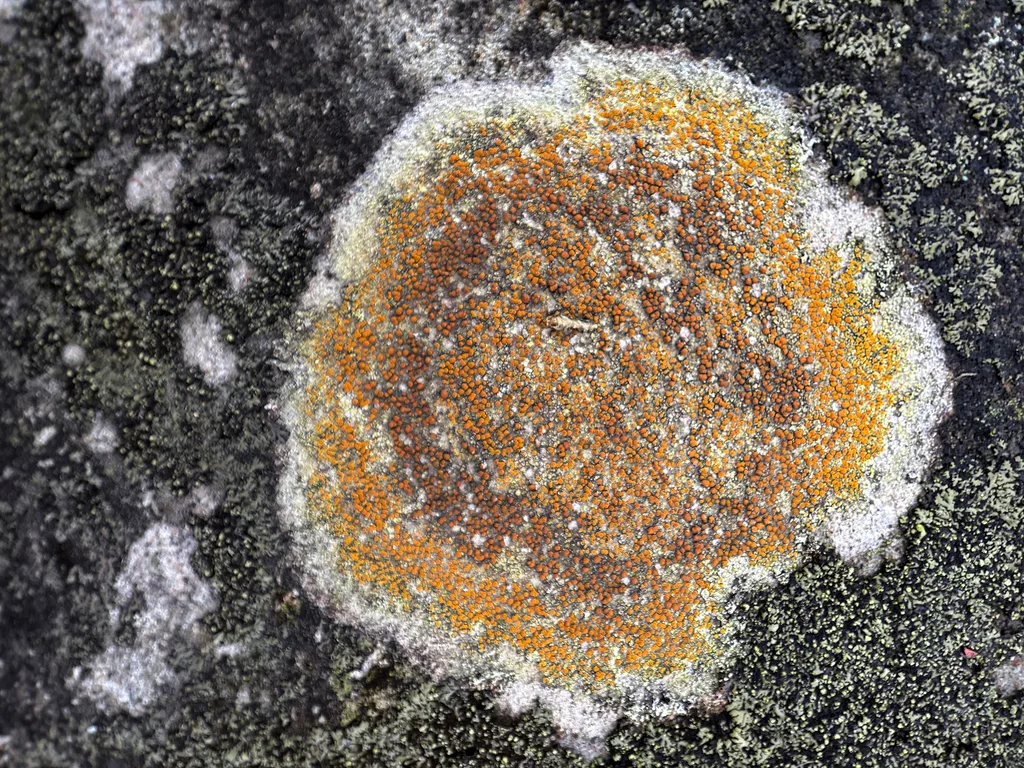
Remove moss by first testing your soil pH. Apply a moss killer such as iron sulfate or an organic soap spray. Wait two to three weeks for it to turn black and die.
Rake out the dead material vigorously. Then overseed with shade-tolerant grass seed and fix the underlying problem that encouraged the moss.
Why Your Moss Keeps Winning
Most people treat moss like a weed. They spray it, scrape it off, and call it done. That's a trap.
Moss isn't a weed. It's a symptom of an unhappy lawn. If you don't fix what's making the grass struggle, the moss will return like clockwork.
The four main causes are low soil pH, heavy shade, compacted soil, and poor drainage. Each one creates an environment where moss thrives and grass starves. Your job is to figure out which one is at play in your yard.
Here's a quick breakdown of what to look for:
- Low soil pH (acidic soil): Moss loves acidic ground. Grass does not. It weakens the turf and lets moss take over.
- Shade: Grass needs at least 4 to 6 hours of direct sun per day. Below that, it thins out and moss moves in.
- Compacted soil: Hard ground chokes grass roots. Water pools on the surface. Moss thrives in that stale moisture.
- Poor drainage: Soggy, slow-draining soil starves roots of oxygen. Moss loves wet feet.
As of 2026, lawn care research still points to the same truth: you cannot kill moss permanently unless you correct the condition that let it grow in the first place. That's why we need to look a little deeper before we start spraying.
The One Thing to Know First: Moss Is a Symptom, Not the Problem
Let that sink in. Moss is a sign, not the enemy. It fills gaps that grass has already abandoned.
If you simply kill the moss and leave those gaps open, something else will move in. Usually more moss.
Your goal isn't a moss-free lawn. It's a lawn so thick and healthy that moss can't get a foothold. That means building strong turf through the right growing conditions.
Think of it like this: you wouldn't treat a fever by throwing ice water on a thermometer. You'd treat the infection. Moss is the thermometer.
The soil pH, shade, compaction, or drainage is the infection. Fix the infection, and the moss has no reason to return.
In our research, this is the single biggest mistake homeowners make. They rush to apply a moss killer without diagnosing the root cause. That approach works for a season at best.
The moss almost always comes back stronger.
Diagnose Your Lawn — Which Condition Is Causing Moss?
This is where you need to be honest about your yard. Walk out there and look around. Grab a shovel and a pH test kit.
Let's work through the possibilities one by one.
Is It Too Shady?
Count the hours of direct sunlight your lawn gets during a typical day. Not dappled light. Not bright shade.
Direct, full sun. If it's less than four hours, grass will always struggle. Your best bet might be a shade-tolerant seed mix or even an alternative ground cover.
You can try raising your mower height to 3.5 or 4 inches. Longer blades capture more light. That alone can help a shade-stressed lawn thicken up.
Is the Soil Too Acidic?
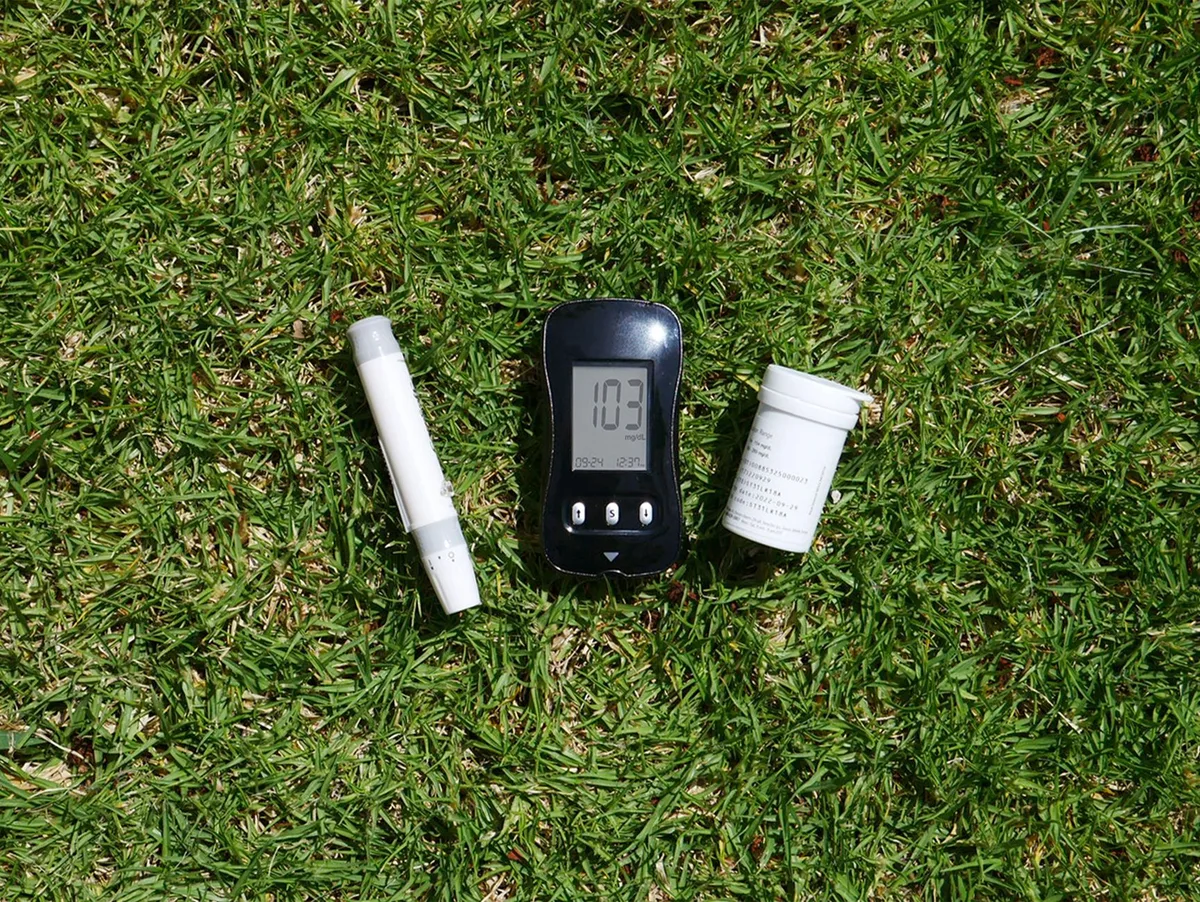
This is the easiest thing to test and the most common cause of moss. Grab any garden soil pH test kit. They are cheap and available at garden centers.
If your reading comes back below 6.0, your soil is too acidic for grass to thrive.
Moss, on the other hand, loves acidic soil. It has a much wider tolerance range. A pH of 5.0 or 5.5 is perfect for moss and terrible for turf.
The fix here is to apply lime according to the test results. A standard application is about 50 pounds of lime per 1,000 square feet. But always follow your specific soil test recommendations, not a blanket rule.
Is the Ground Too Compacted?
Stick a screwdriver or a garden trowel into the soil. Can you push it in easily, or does it feel like concrete? Compacted soil prevents grass roots from spreading.
It also traps water on the surface, keeping the top few inches soggy for days after rain.
Core aeration is the fix here. Renting a power core aerator or hiring a service to pull plugs from the soil relieves compaction and gives roots room to breathe.
Is the Drainage Poor?
After a rain, does your lawn have puddles that linger for more than a day? That's a drainage issue. Grass roots drown in waterlogged soil.
Moss thrives in that moisture.
Simple fixes include core aeration and top dressing with sand or a sand-compost mix. In the worst cases, you might need to install a French drain or regrade the lawn.
Is the Grass Simply Too Weak?
Sometimes the issue is a weak, underfed lawn that can't compete. Thin grass leaves bare patches. Moss rushes into those gaps.
The fix here is overseeding with the right grass species and applying a balanced fertilizer. Weak grass needs nitrogen to thicken up, but don't overdo it. A slow-release formula works best.
Your Decision Tree: Which Approach Fits Your Situation?
Now it's time to match your diagnosis to a plan. Here is the simple if-then logic that determines your next steps.
If your main issue is low soil pH (below 6.0):
- Apply lime according to your test recommendations.
- Wait at least 4 to 6 weeks before overseeding.
- Use a calcium-rich lime such as calcitic or dolomitic depending on your magnesium level.
If your main issue is shade (less than 4 hours of direct sun):
- Switch to a shade-tolerant grass seed mix. Fine fescues are a solid choice.
- Raise your mowing height to 3.5, 4 inches.
- Consider trimming tree branches to let in more light.
- If the area is deep shade, accept that grass might not be the best option there. A shade-loving ground cover could be a smarter long-term solution. Some varieties of shade-tolerant plants work beautifully.
If your main issue is soil compaction:
- Core aerate in early spring or early autumn.
- Follow up with a thin layer of top dressing (sand or compost).
- Overseed immediately after aeration so the grass seed falls into the open holes.
If your main issue is poor drainage:
- Core aerate and top dress with a sandy mix.
- Avoid mowing or walking on the lawn when it's wet. That makes compaction worse.
- In severe cases, consider a regrade or a French drain installation.
If your main issue is weak, thin grass:
- Overseed with a thick, turf-type grass mix suitable for your climate.
- Apply a slow-release starter fertilize after overseeding.
- Keep foot traffic light until the new grass is established.
Most lawns fall into more than one category. A shaded lawn often has acidic soil because trees drop needles and leaves that lower pH. That's a combination problem.
You treat both the acidity and the shade.
The decision tree keeps going. Once you have fixed the underlying cause, you can attack the moss itself. That's what we cover in the next section.
Step-by-Step Workflow: How to Remove Moss and Rebuild Your Lawn
Once you have your diagnosis and a plan for fixing the root cause, it is time to tackle the moss itself. This workflow works for most lawns. Adjust the steps based on what your soil test and sunlight check told you.
Step 1: Test Before You Treat
Do not skip this. A pH test costs a few dollars at any garden center. It tells you exactly how much lime you need, if any.
Applying lime without a test can push your soil too alkaline, which creates a different set of problems. Test first, treat second.
Step 2: Kill the Moss
Choose your Moss killer based on your priorities. Iron sulfate is fast and effective. It turns moss black within two weeks.
It also stains concrete and clothing, so protect anything you want to keep clean. Organic options like fatty acid soaps work more slowly but are safer around pets and waterways.
Apply your chosen product on a dry day. The moss needs to absorb it without being washed off. Check the label for the correct concentration and coverage rate.
More is not better. Overdosing can scorch your grass.
Wait two to three weeks. The moss should look dark brown or black. That means it is dead and ready for removal.
Step 3: Remove the Dead Moss
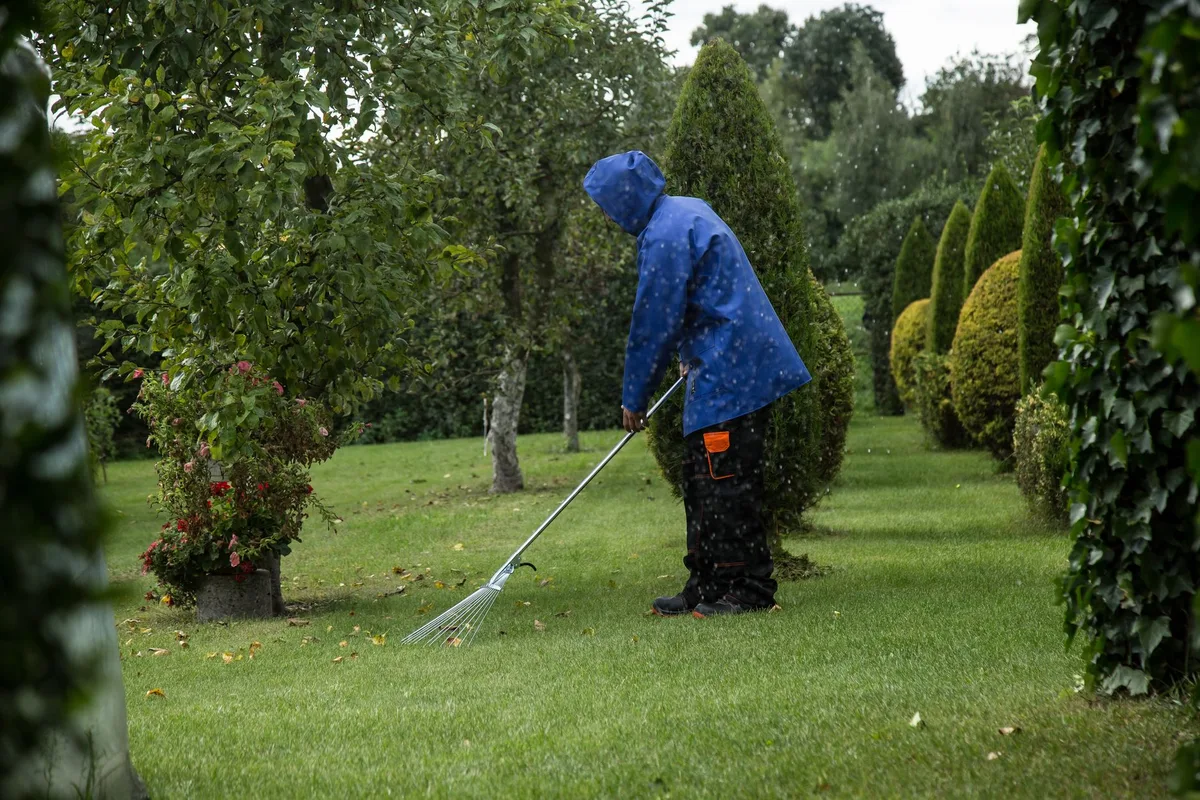
This step is physical work. You need to rake vigorously to pull out the dead moss. A standard wire rake works for small patches.
For larger areas (over 500 square feet) a powered scarifier or dethatcher saves hours of effort.
Rake in multiple directions. Moss has shallow roots, so you want to loosen all of it from the soil surface. Collect the debris in a lawn bag.
Composting moss is fine as long as the pile gets hot enough to kill any spores.
Step 4: Fix the Underlying Condition
Here is where you apply the fix you identified in the diagnosis section. If your soil was acidic, apply lime now. If the soil was compacted, aerate the lawn.
If drainage was poor, top dress with a sandy compost mix. If shade was the issue, raise your mowing height and consider trimming tree branches.
Do not skip this step. This is what prevents moss from returning. If you just kill and rake the moss without fixing the soil, you will be back at step one next season.
Step 5: Overseed With the Right Grass
Bare soil is an open invitation. Fill it with grass seed immediately after raking. Choose a seed mix suited to your sunlight levels.
Fine fescues work well in shade. Perennial ryegrass or tall fescue handle sun better.
Broadcast the seed evenly at about 15 to 20 grams per square meter. Rake it in lightly so it makes contact with the soil. Then gently water the area to settle the seed.
Step 6: Nurture the New Lawn
Water lightly every day for the first two to three weeks. Keep the soil moist but not flooded. Once the grass reaches about three inches tall, mow it to a height of three inches.
This keeps the grass thick and discourages moss from finding open spots.
Apply a balanced slow release fertilizer about four weeks after germination. This gives the new grass the nutrients it needs to outcompete any leftover moss spores.
Moss Killers Compared: Iron Sulfate vs. Organic Options vs. Physical Removal
Not all moss killers work the same way. Choosing the right one depends on your lawn size, your tolerance for chemicals, and how quickly you want results.
| Method | Speed of Action | Best For | Drawbacks |
|---|---|---|---|
| Iron sulfate (ferrous sulfate) | 7-14 days to turn black | Large lawns, heavy infestations | Stains concrete and clothing; can burn grass if overdosed |
| Organic soap-based sprays | 2-4 weeks to die | Small areas, pet-safe zones, edible gardens | Slower acting; may need a second application |
| Physical removal (raking only) | Instant visual result | Light infestations, small patches | Does not kill roots; moss regrows quickly without treatment |
Iron sulfate is the most widely recommended option in our research. It works reliably, is inexpensive (about 10 to 30 dollars per 1000 square feet), and manufacturers have published clear application guidelines that are easy to follow. The downside is the staining risk. Wear old shoes and gloves, and keep the spray off patios and paving.
Organic soap sprays are a solid second choice if you have pets or a vegetable garden nearby. They contain fatty acids that break down the moss cell walls. They are slower and may cost more per square foot, but they carry no chemical residue concerns.
Physical removal alone is not a strategy. You can rake moss out today and it will be back in weeks if you do not fix the soil. Raking works as a first step but must be paired with a product that kills the moss at the root level or changes the soil conditions.
If you have a large lawn with heavy moss, start with iron sulfate. If you have a small patch near a play area, go organic. Either way, you still need to address the underlying cause.
Common Mistakes That Bring Moss Back
Even experienced gardeners make these errors. Avoid them and your lawn will stay moss-free much longer.
Skipping the soil test. This is the number one mistake. You guess the pH, apply lime, and either overdo it or underdo it. Without a test, you are working blind.
The cost of a test is less than one bag of lime that you might not need.
Applying moss killer too late in the season. Moss treatment works best in early spring or early autumn. Treating in the heat of summer stresses your grass. In winter, the product may not dry properly on the moss.
Raking too gently. You need to be aggressive. Moss holds onto the soil surface. Light raking just scratches the top.
Get down into the thatch and pull out every bit of dead material.
Overseeding with the wrong seed. Shade tolerant seed mixes exist for a reason. Planting a sun loving rye grass in a shaded area will give you thin, weak grass that moss will bully out again. Buy seed meant for your light conditions.
Mowing too short. Short grass lets sunlight hit the soil surface. That encourages moss spores to germinate. Keep your mower blade high, at least three inches.
Taller grass shades the soil and keeps moss from getting a foothold.
Forgetting to water the new seed. Overseeding without watering is a waste of time and money. The seed needs consistent moisture for the first two to three weeks. If it dries out for even a day, the germination rate drops sharply.
Fixing only one problem when you have two. A shaded lawn often has acidic soil because of falling leaves and needles. Treating the shade without testing the pH means moss returns from the acidity side. Always test everything to avoid compound problems.
Expert Tips: Maintenance That Keeps Moss Gone Long-Term
You put the work in. Now you want it to stay gone. These maintenance habits make a real difference.
Test your soil pH every 12 to 18 months. Soil acidity can shift over time, especially in areas with heavy rain or lots of decomposing organic matter. A yearly check keeps you ahead of the problem.
Aerate annually. Compacted soil is a slow problem. You might not notice it until moss appears again. Spring or autumn aeration prevents compaction from building up.
It opens up the soil for grass roots to grow deep and strong.
Top dress every other year. A thin layer of compost or sandy loam improves drainage and adds organic matter. This keeps the soil loose and healthy. Spread about a quarter to half an inch across the lawn after aeration.
Keep grass at three to four inches tall. We keep coming back to this because it is that important. Tall grass shades the soil, reduces evaporation, and promotes deeper root growth. Moss cannot germinate in shaded soil.
Fertilize in autumn, not spring. A slow release fertilizer applied in early autumn strengthens the lawn for winter and builds density for spring. Spring feeding can encourage soft, fast growth that is more vulnerable to disease.
Mow with sharp blades. Torn grass blades stress the lawn and create entry points for moss spores. A clean cut heals faster and keeps the turf dense. Sharpen your mower blade at least once per season.
Manage shade thoughtfully. If you cannot cut back tree branches, accept that some areas may always struggle with grass. A shade tolerant ground cover like ajuga or a moss garden might be a better long term solution than fighting nature.
Best Timing: When to Do Each Step for Maximum Results
Lawn care runs on a seasonal clock. Get the timing right and everything works better.
| Step | Best Window | Why This Works |
|---|---|---|
| Soil test | Early spring or early autumn | Soil is workable; results guide the season's treatments |
| Apply moss killer | Early spring (March-April) or early autumn (September-October) | Cool soil and consistent rain help the product absorb without drying too fast |
| Rake out dead moss | 2-3 weeks after moss killer applied | Moss is fully dead but not yet decomposed; comes out cleanly |
| Aeration | Early autumn (best) or spring | Roots fill the open holes before winter; spring works but may bring weed seeds |
| Overseeding | Immediately after raking and aeration | Seed lands in open soil; good moisture conditions in spring and autumn |
| Fertilizing | 4 weeks after overseeding | Gives new grass a nutrient boost when it needs it most |
| Final high mowing | All season, starting from first mow | Keeps grass tall enough to shade moss out |
The best window for a full moss removal project is early autumn. The soil is warm from summer, rain is more reliable, and the grass has time to establish before winter dormancy. Spring is the second best option, but you compete with weed germination and summer heat.
Do not treat moss during a drought. Stressed grass cannot recover well. Wait until the lawn gets regular moisture again.
Do not treat moss when temperatures drop below 50°F (10°C) at night. The moss killer needs active growth to work effectively. Cold slows everything down. You either wait for warmer weather or accept partial results.
Frequently Asked Questions
Can I just rake moss out without using chemicals?
Yes, but it will come back unless you fix the underlying cause. Raking removes the visible growth but leaves spores and roots behind. Pair raking with a pH adjustment or shade management for lasting results.
How long does it take for iron sulfate to kill moss?
Most moss turns black within 7 to 14 days after application. Full die-off takes about 2 to 3 weeks. You can rake it out once it looks dark brown or black and feels dry.
Is moss killer safe for pets?
Organic soap-based moss killers are generally safe once dry. Iron sulfate can irritate paws and cause stomach upset if ingested. Keep pets off treated areas until the product has completely dried.
When is the best time of year to remove moss?
Early spring (March to April) or early autumn (September to October) are the best windows. The soil is moist, temperatures are moderate, and grass is actively growing. Avoid treating during summer heat or winter frost.
Will moss grow back if I only rake it?
Almost certainly yes. Raking alone does not kill the root system or alter the soil conditions that allowed moss to grow. You need to address soil pH, shade, compaction, or drainage for a permanent fix.
Final Decision Guide: Your Action Plan Based on Your Diagnosis
Here is your takeaway. Test your soil pH first. If it is below 6.0, apply lime.
If you have heavy shade, switch to fine fescue seed and raise your mowing height. If the ground is compacted, core aerate. If drainage is poor, top dress with sand and aerate.
Kill the moss with iron sulfate or an organic spray. Wait 2 to 3 weeks. Rake it out aggressively.
Overseed immediately with a grass mix suited to your light levels. Water consistently for 2 to 3 weeks.
Maintain tall grass (3 to 4 inches), test pH yearly, and aerate annually. Follow this decision tree and you break the moss cycle for good.