How to Use Post Emergent Herbicide: Beginner-Friendly Guide
You've got weeds popping up in your lawn and you're ready to take action. Knowing how to use post emergent herbicide the right way makes the difference between a lush lawn and a patchy, burned mess. Spraying without a plan wastes money and can harm your grass, garden, or even your pets.
Per EPA label requirements, every post-emergent herbicide lists a rainfast time usually between 1 and 6 hours. That single number determines whether your application sticks to the weed or washes into the soil. Weather, weed type, and turf stress all affect the outcome.
Let's walk through the process step by step so you get it right the first time.
Quick Answer
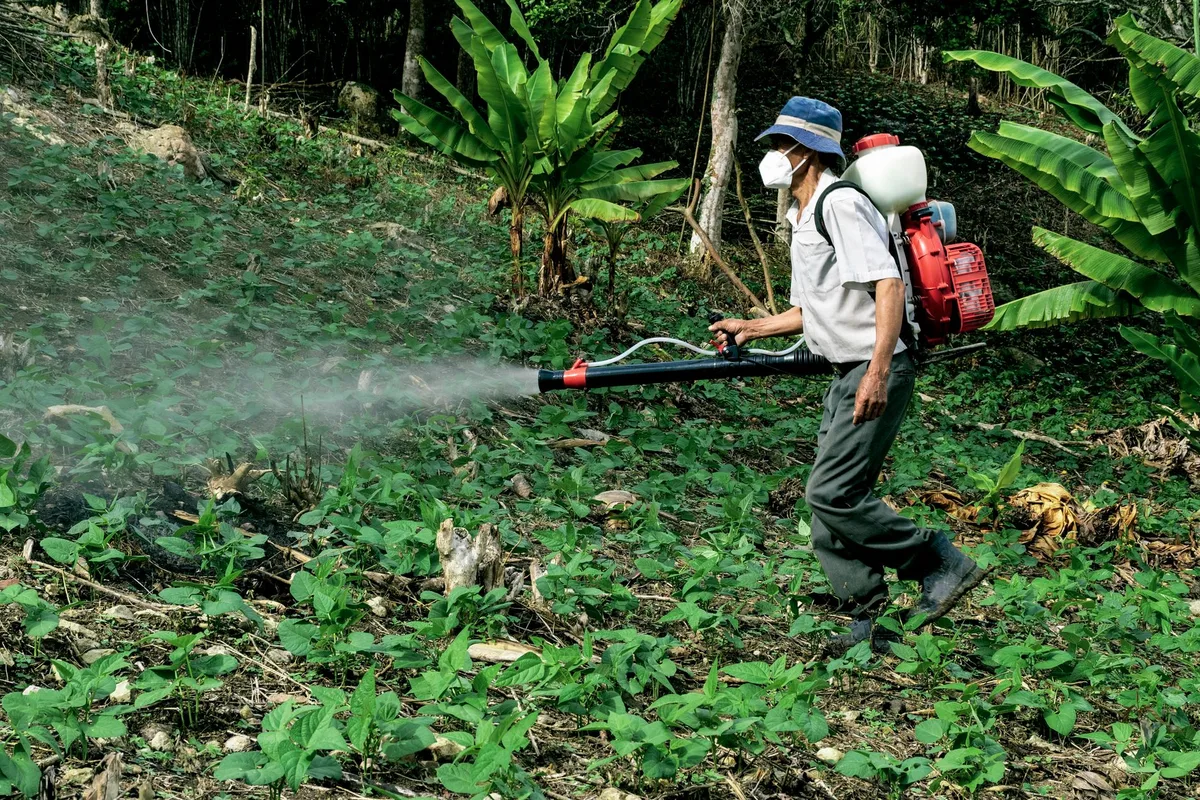
Identify the weed first. Choose a selective or non-selective herbicide based on location. Check temperature and wind.
Spray on a dry, calm day. Avoid rain for four hours. Don't mow two days before or after.
Keep kids and pets off until dry.
Why Getting This Right Actually Matters (and What's at Stake)
A single misapplication can kill an entire section of your lawn. Post-emergent herbicides are powerful chemicals. They work by being absorbed through the weed's leaves.
If you spray the wrong plant, you damage it. If you spray at the wrong time, the chemical evaporates or runs off. Aggregate reviews from university cooperative extensions show that over half of first-time herbicide users make at least one critical mistake.
Common errors include spraying during heat stress, missing the weed's active growth stage, or ignoring the label's temperature range. The stakes go beyond aesthetics. Drift onto a neighbor's vegetable garden can ruin their crop.
Runoff into storm drains can contaminate local waterways. Getting it right protects your lawn, your wallet, and the environment.
What Post-Emergent Herbicide Is (and Isn't)
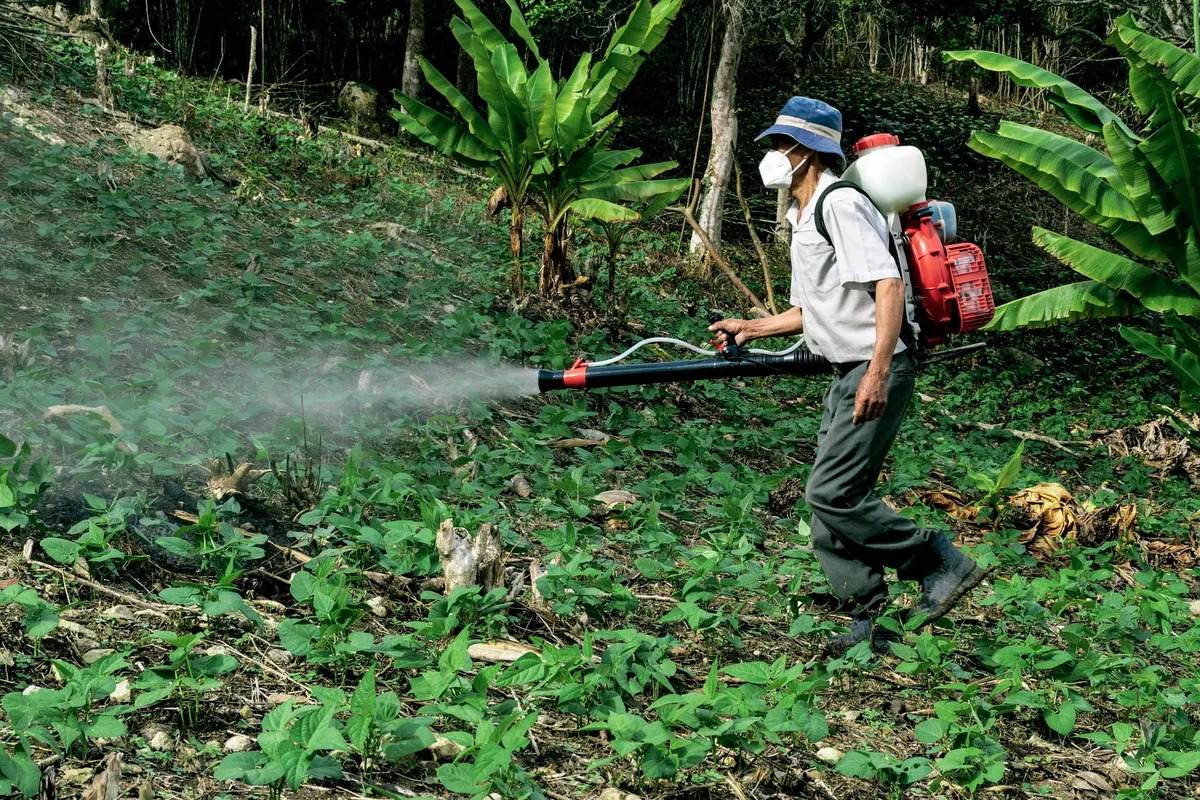
Post-emergent herbicide kills weeds that have already sprouted. That's the key difference from pre-emergent, which stops seeds from germinating. Within that broad category, two main types exist.
Selective herbicides target specific weed families without harming the surrounding grass. For example, a broadleaf weed killer containing 2,4-D will knock out dandelions and clover but leave your fescue or bermudagrass alone. These are your go-to for lawn care.
Non-selective herbicides kill almost any green plant they touch. Glyphosate is the most common example. Use these only for spot treatment in driveways, patios, or garden beds where you want to clear everything.
One stray droplet on your lawn grass creates a dead brown spot.
Within both types, you'll find systemic and contact formulas. Systemic herbicides move through the weed's vascular system to kill the roots. Contact herbicides only kill the parts they touch, so regrowth is likely.
For perennial weeds like nutsedge or bindweed, systemic is the only real option.
Understanding these categories keeps you from buying the wrong product. If you spray a non-selective contact killer on crabgrass in your lawn, you'll either burn the grass or miss the roots entirely. Neither outcome helps.
Before You Even Open the Bottle: The Critical Pre-Checks
Skipping these checks is the number one reason applications fail. Take ten minutes to set yourself up for success.
Identify the Weed
You can't pick the right herbicide if you don't know what you're fighting. Dandelion and crabgrass require completely different active ingredients. Use a field guide or your phone's camera to confirm the species.
The label will list target weeds. If your weed isn't listed, choose a different product.
Check the Weather Window
Herbicides need specific conditions to work. Aim for:
- Temperature: 60 to 85 degrees Fahrenheit. Above 90, the chemical can burn the grass. Below 50, the weed isn't growing and won't absorb the spray.
- Wind: Under 5 miles per hour. Higher speeds cause drift. Your flower bed full of petunias doesn't need a dose of herbicide.
- Rain: No rain expected for at least the rainfast period on the label (usually 2 to 6 hours). Rain washes the chemical off the leaves.
Assess Your Grass Type and Stress Level
Cool-season grasses like tall fescue and Kentucky bluegrass are most active in spring and fall. Warm-season grasses like bermudagrass and zoysia thrive in summer. Apply during active growth.
Stressed grass from drought, heat, or disease is vulnerable. If your lawn already has brown patches or fungal issues, treat those first. Consider using a lawn fungicide to address underlying problems before spraying herbicide.
Clear the Area
Pick up toys, tools, and anything that could catch overspray. Cover sensitive plants near the treatment zone with cardboard or plastic. Rake away leaves and debris so the spray reaches the soil surface and weed leaves.
A clean target improves coverage and reduces waste.
How to Choose the Right Herbicide for Your Specific Weed
Match the active ingredient to the weed and the setting. The table below summarizes common scenarios.
| Weed Type | Example Species | Recommended Active Ingredients | Best For |
|---|---|---|---|
| Broadleaf | Dandelion, clover, chickweed | 2,4-D, dicamba, MCPP, triclopyr | Lawns (selective) |
| Grassy | Crabgrass, foxtail, goosegrass | Quinclorac, fenoxaprop, mesotrione | Lawns (avoiding non-selective) |
| Perennial sedge | Nutsedge | Halosulfuron, sulfentrazone | Spot treatment |
| Tough perennials | Poison ivy, bindweed | Triclopyr, glyphosate | Driveways, fence lines |
| General non-selective | Any weed | Glyphosate, glufosinate | Bare ground, patios |
For lawns, choose a selective herbicide that lists your grass species as safe. For example, some herbicides harm St. Augustine or centipede grass.
Read the fine print.
If you're treating weeds in flower beds, switch to a non-selective product and apply with a paintbrush or shielded sprayer to protect your perennials. Alternatively, hand-pulling can be more precise. If you're looking to maintain a weed-free garden border, you might explore the best flowers for flower beds that naturally crowd out weeds.
For large properties or pastures with mixed weeds, a systemic selective product often works best. The goal is to kill the weed without damaging desirable plants. In dry climates, choose a herbicide labeled for low-humidity conditions, some formulations evaporate too fast in arid zones.
If you're in a hot, dry region, consider trees for hot dry climates as a natural shade strategy that reduces weed pressure.
Step-by-Step: How to Apply Post-Emergent Herbicide
Now you have the right product and the conditions are good. Follow these steps in order.
Step 1 – Gather Your Gear and PPE
You'll need:
- Pump sprayer (backpack or handheld)
- Measuring cup or graduated cylinder
- Water source (hose or bucket)
- Personal protective equipment: long sleeves, pants, closed-toe shoes, nitrile gloves, safety glasses
Never skip the gloves. Herbicide absorption through skin is a real risk. The label lists required PPE, follow it.
Step 2 – Mix the Herbicide
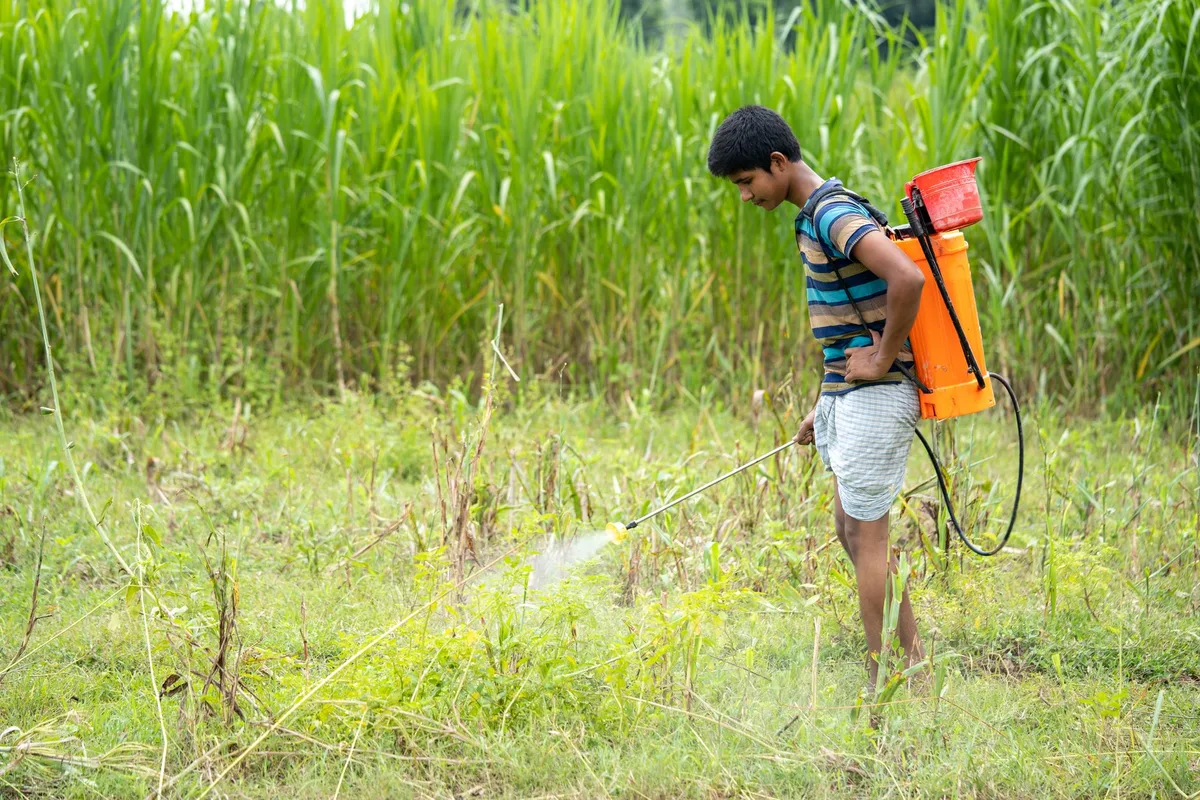
Calculate the exact amount of concentrate per gallon of water using the label's rate. Most products specify ounces per gallon for spot treatment or gallons per 1,000 square feet for broadcast. Fill the sprayer tank halfway with water.
Add the herbicide. Add a surfactant if the product requires one (non-ionic surfactant at 0.25% to 0.5% of total volume). Top off the water.
Shake or stir gently.
Pour only what you need. Mixed herbicide loses potency after 24 hours. Disposal of leftover mix must follow local hazardous waste guidelines.
Step 3 – Calibrate Your Sprayer
Calibration ensures you apply the correct amount. Mark a 1,000-square-foot area (roughly 20 by 50 feet). Fill the sprayer with plain water.
Spray the area using your normal pace and nozzle. Measure how much water you used. Adjust your walking speed or nozzle pressure until you use the amount specified on the label.
Once set, fill with the correct mix.
For spot treatment, simply adjust nozzle to a coarse spray and target individual weeds. Avoid drenching.
Step 4 – Apply on a Dry, Calm Day
Walk at a steady pace. Keep the nozzle about 12 to 18 inches from the weed. Overlap each pass slightly to avoid missed spots.
If using a selective product on a lawn, broadcast evenly using a fan nozzle. For garden beds, use a cone nozzle or paintbrush to avoid drift.
Work in a straight line. Don't arc the spray, that increases drift. Finish one section before moving to the next.
Avoid spraying wet grass from morning dew, the water dilutes the chemical.
Step 5 – Wait and Observe
Most systemic herbicides show results within 7 to 14 days. Contact herbicides work faster but don't kill roots. Do not mow for at least two days before and two days after application.
Mowing too soon removes the leaves that absorb the chemical.
After treatment, watch for yellowing or wilting. Some weeds need a second application 2 to 3 weeks later, especially perennials. If the weed regrows, wait the label's recommended interval before respraying.
Overlapping applications too soon can damage the soil.
Keep children and pets off the treated area until the spray is completely dry, usually 2 to 4 hours depending on humidity. If you have a large property with persistent weeds, consider a long-term approach using cover crops or groundcovers suited to your climate, like those from our guide on best plants for a bedroom style, but that's indoor. For outdoor, look into flowering plants that shade out weeds.
Common Mistakes That Kill Your Lawn (or Worse)
Spraying Heat-Stressed Grass
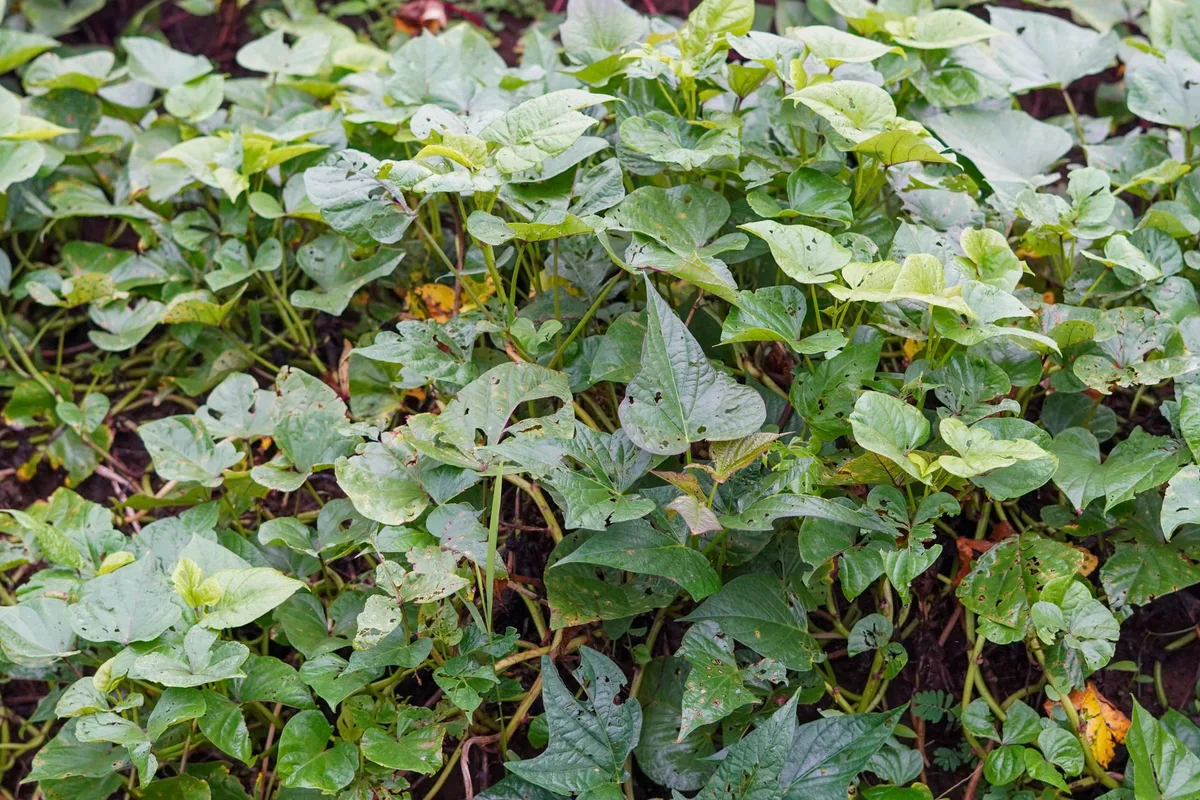
Herbicide on a 95-degree afternoon is a recipe for disaster. Hot, dry grass goes dormant to conserve water. The chemical sits on the leaf surface and burns through the cuticle instead of being absorbed.
You end up with brown patches that take weeks to recover. Apply only when temperatures stay below 85 degrees and the lawn shows active growth.
Applying Before Rain
Rain within the rainfast window washes the chemical straight off the weed. That means zero control and a wasted bottle. Check the label for the exact rainfast period.
Most products need 2 to 6 hours of dry weather. If clouds roll in, wait a day. There's no penalty for patience.
Drift onto Flowers, Shrubs, or Vegetables
A slight breeze carries herbicide droplets 20 feet or more. That tomato plant or rose bush you babied all season can die from one pass. Use a low-drift nozzle and keep the spray pressure low.
On windy days above 5 miles per hour, don't spray at all. If you're treating near ornamental beds, shield the spray with a piece of cardboard or use a paintbrush application instead.
Using the Wrong Nozzle or Droplet Size
Fine droplets drift like fog. Coarse droplets fall straight to the target. Most household sprayers come with an adjustable nozzle.
Set it to a coarse cone or fan pattern. If you're broadcasting over a lawn, a flat fan nozzle gives even coverage. For general weed control in garden beds, a cone nozzle works better.
Adjusting the nozzle is free and saves your plants.
Skipping the Surfactant
Many herbicides include a surfactant in the mix or recommend one on the label. A non-ionic surfactant lowers the surface tension of water droplets. That helps the chemical spread across the waxy leaf surface and penetrate the plant.
Without it, the herbicide beads up and rolls off. You lose half the product to the ground. A few cents of surfactant per gallon makes the difference between dead weeds and a waste of time.
Not Cleaning the Sprayer
Herbicide residue left in the tank dries into a film. Next week when you want to spray fungicide or fertilizer, that residue releases and kills whatever you're treating. Triple rinse the sprayer after each use.
Fill the tank halfway with water, shake, spray through the nozzle, repeat. Store the sprayer empty with the lid off. A clean sprayer is a safe sprayer.
If you're also dealing with lawn diseases, use a dedicated sprayer for herbicide to avoid cross-contamination, and handle any fungal issues with a separate lawn fungicide treatment.
Safety, Legal, and Environmental Rules You Can't Ignore
Personal Protective Equipment Is Not Optional
Herbicide chemicals enter your body through skin contact and inhalation. Gloves are the minimum. Use nitrile gloves, not cotton or leather.
Cotton soaks up the chemical and holds it against your skin. Add long sleeves, pants, closed-toe shoes, and safety glasses. A respirator is needed if the label says "mix in a well-ventilated area." Don't skip any of it.
One spill on your forearm can cause chemical burns or long-term sensitivity.
Re-Entry Intervals for Kids and Pets
The label lists a re-entry interval (REI) usually 4 to 24 hours. That's the time people and animals must stay off the treated area. Wait until the spray is completely dry before letting anyone back on the lawn.
Even then, consider waiting the full REI listed. Pets lick their paws. Kids roll in the grass.
Manufacturer specifications exist for a reason.
Keeping Herbicide Away from Water Sources
Herbicide runoff contaminates ponds, streams, and groundwater. Don't spray within 10 feet of open water. Avoid spraying on slopes where runoff can travel.
Never mix or rinse sprayers near a wellhead or drainage ditch. If you spill concentrate, contain it with absorbent material and dispose of it as hazardous waste.
Local Restrictions on Active Ingredients
Some municipalities ban active ingredients like 2,4-D or dicamba due to drift concerns. Check with your county extension office before buying. As of 2026, several states have specific restrictions on dicamba use during the growing season.
A perfectly legal product in one county might be illegal in the next. Ignorance isn't a defense if a neighbor files a complaint.
Proper Storage and Disposal
Keep herbicide in its original container with the label intact. Store it in a locked cabinet away from food, animal feed, and seeds. Temperature extremes can break down the chemical.
A cool, dark garage works. For disposal, never pour leftover mix down the drain or into the trash. Contact your local hazardous waste facility for guidelines.
Empty containers should be triple rinsed, with the rinse water used as product, then recycled if your program accepts pesticide containers.
When to Call in a Professional (or Just Walk Away)
Some situations are beyond a DIY sprayer. Here's when to hand it off.
Nutsedge or Poison Ivy Infestations
Nutsedge requires specialized active ingredients like halosulfuron and careful timing. Poison ivy needs a systemic product strong enough to kill the deep root system. Both are easy to misidentify or undertreat.
A single missed application lets them reinfest the area. Professionals have access to commercial-grade products and calibrated equipment.
Large Acreage or Steep Slopes
Broadcasting herbicide over an acre or more with a handheld sprayer takes hours and risks uneven coverage. Pump sprayers also run out of pressure. Professionals use boom sprayers with tank agitation and GPS flow control.
On slopes, runoff is harder to control. A misapplication can damage downslope plants or contaminate drainage.
Weeds Near Water Wells or Ponds
The margin for error near water sources is zero. A drift or runoff event can contaminate drinking water. If your treatment zone is within 20 feet of a wellhead or surface water, hire a licensed applicator.
They carry insurance and know the buffer zone regulations.
You're Unsure of the Weed or Grass Type
If you can't identify the weed, you can't choose the right herbicide. If you don't know your grass species, you might spray something that kills the lawn. Spend the money on a soil test or a visit from a county extension agent instead of guessing.
The cost of professional identification beats replacing an entire lawn.
Expert Tips for Better Results with Less Risk
Time Application to the Weed's Growth Stage
Weeds are most vulnerable when they're actively growing and have several true leaves. Seedlings are too small to absorb enough chemical. Mature, flowering weeds are tougher and may need a higher rate.
The sweet spot is the 4 to 6 leaf stage for most broadleaf weeds. For perennial grasses like crabgrass, treat before seed heads form.
Use a Dye Marker to Track Coverage
Tank-mix dye (often blue or green) shows exactly where you've sprayed. No more guessing if you overlapped a section or missed a patch. Dye costs a few dollars per bottle and lasts for dozens of mixes.
It's a cheap insurance policy against uneven application.
Combine with Dense Plantings for Natural Suppression
Herbicide works well but prevention works better. A thick, healthy lawn crowds out weeds naturally. Proper mowing height, irrigation timing, and fertilization all reduce weed pressure.
Consider planting shade trees that limit sunlight for weed germination. In dry climates, drought-tolerant trees can create a canopy that naturally suppresses invasive grasses and broadleaf weeds.
Water Before, Not After
Irrigate the lawn 24 hours before application. Moist soil encourages weed growth and active uptake. Wet leaves, however, dilute the chemical.
Let the foliage dry before spraying. After application, wait the full rainfast period before watering again.
The One-Pass Rule
Don't go over the same spot twice hoping to kill the weed faster. Over application burns the leaves before the chemical can travel to the roots. One steady pass at the labeled rate is enough.
If the weed survives, wait the recommended interval and spot treat again. More isn't better.
What About Alternatives? (If You'd Rather Not Spray)
Hand-Pulling
Hand-pulling works for small infestations if you get the entire root. Dandelions with deep taproots break off easily. If you leave half an inch of root, it regrows.
Use a weeding tool designed for taproots. For shallow-rooted annual weeds like chickweed, hand-pulling is fast and effective.
Pre-Emergent as a Preventive Partner
Post-emergent kills what's already there. Pre-emergent stops new weeds from sprouting. Applying a pre-emergent in early spring and again in fall reduces the total weed load.
You'll spray less post-emergent overall. The two are not replacements. They're teammates.
Flame Weeding and Organic Contact Options
Flame weeders use a propane torch to burst plant cells. They work on driveways and patios where fire risk is low. Organic contact herbicides containing acetic acid (vinegar) or clove oil kill top growth but don't affect roots.
They're fine for annual weeds but useless on perennials. Expect to reapply every 1 to 2 weeks.
Groundcovers and Flower Borders
Dense ornamental plantings leave little room for weeds. In flower beds, thick groundcovers and layered plantings shade the soil and block weed germination. Choose plants suited to your sun, soil, and climate.
Well-maintained flower bed borders reduce the need for chemical control and add visual value to your property.
Quick Reference: Rainfast Times, Temperatures, and Waiting Periods
| Factor | Typical Range | Why It Matters |
|---|---|---|
| Rainfast time | 1 to 6 hours | Rain washes chemical off leaves |
| Temperature range | 60 to 85°F | Below 50 stops uptake; above 90 burns grass |
| Visible results | 3 to 7 days | Contact killers faster; systemic slower |
| Full weed death | 14 to 21 days | Perennials may need a second pass |
| Re-entry interval | 4 to 24 hours | Wait for dry spray before letting kids or pets back |
Check your specific product label for exact numbers. Every formulation is different.
Final Walkthrough: A Checklist for Your Next Application
- Identify the weed and choose the correct selective or non-selective product.
- Check your grass type and stress level.
- Measure the area and calculate the mix rate using the label.
- Check the weather: temperature under 85°F, wind under 5 mph, no rain in the forecast.
- Put on PPE: gloves, long sleeves, pants, shoes, eye protection.
- Calibrate your sprayer with plain water first.
- Mix the herbicide, water, and surfactant in the correct order.
- Apply in a steady pass at 12 to 18 inches from the target.
- Keep pets and children off until the spray is dry and the REI has passed.
- Clean the sprayer with a triple rinse and store it empty.
Frequently Asked Questions
Can I use post-emergent herbicide before mowing the lawn?
No. Mowing removes leaf surface that absorbs the chemical. Wait at least two days before mowing.
Mow again two days after application to let the herbicide work fully.
How long after spraying post-emergent can I water the lawn?
Wait until the rainfast period passes. Most products need 2 to 6 hours of dry weather. Watering too soon washes the chemical off the weed leaves.
Will post-emergent herbicide kill my grass if I use the wrong type?
Yes. Non-selective herbicides kill any green plant they touch. Selective herbicides target specific weed families.
Always check the label to confirm your grass species is listed as safe.
Can I spray post-emergent herbicide in the rain?
No. Rain dilutes the chemical and washes it off the leaves. Apply only when no rain is forecast for at least the rainfast period listed on the label.
How many times should I apply post-emergent herbicide per season?
Most lawns need one to two applications per season. Overapplication builds up chemical residue. Spot treat regrowing weeds rather than broadcasting again.