Guide to Lawn Aeration Vs Alternatives (2026) — Quick Guide
compacted soil steals water and nutrients, leaving patches of brown and weak growth. When thatch exceeds 0.5 inches or water pools after rain, your lawn shouts for help. Understanding lawn aeration vs alternatives lets you pick the method that restores health fastest.
If soil feels rock‑hard and grass roots stay shallow, it’s time to act.
Professional core aeration typically runs $50‑$150 for a ¼‑acre lot as of 2026. Aggregately, DIY rental costs $40‑$100 a day, but many homeowners find the service saves time. Identifying the right moment for aeration helps you choose the best method.
The following guide walks you through spotting the signs and selecting the correct approach.
Identify the Right Moment to Aerate
If water pools after a rain, the soil is likely compacted. If foot traffic leaves ruts, that indicates severe compaction. If thatch depth measures above 0.5 inches, aeration becomes essential.
If grass shows sparse brown spots despite regular feeding, it signals poor root access. Using a thatch gauge verifies the need before you invest time or money. Small lawns may only need occasional check, while high‑traffic commercial sites may require quarterly monitoring.
These signs help you decide whether core, spike, or liquid aeration fits the situation.
Quick Insight: When and Why Aeration Wins
Core aeration remains the fastest way to break up compaction. Spike aeration works well for light soil with minimal thatch. Liquid aeration improves water flow without equipment.
The best choice depends on soil type, climate, and budget. Aeration delivers up to three times better water infiltration than untreated lawns.
How Core Aeration Improves Soil
Core aeration removes plugs of soil, creating open channels for air, water, and roots. The holes let oxygen reach the root zone, encouraging deeper growth. Soil density drops, which increases infiltration rates dramatically.
In tests, infiltration jumps from 0.5 in/hr to 1.5 in/hr after a single core treatment. Roots spread farther, making the turf more resistant to drought and disease. The process also breaks up thatch layers, allowing fertilizers to reach the soil directly.
For lawns in compacted clay or high‑traffic areas, core aeration is the most effective remediation.
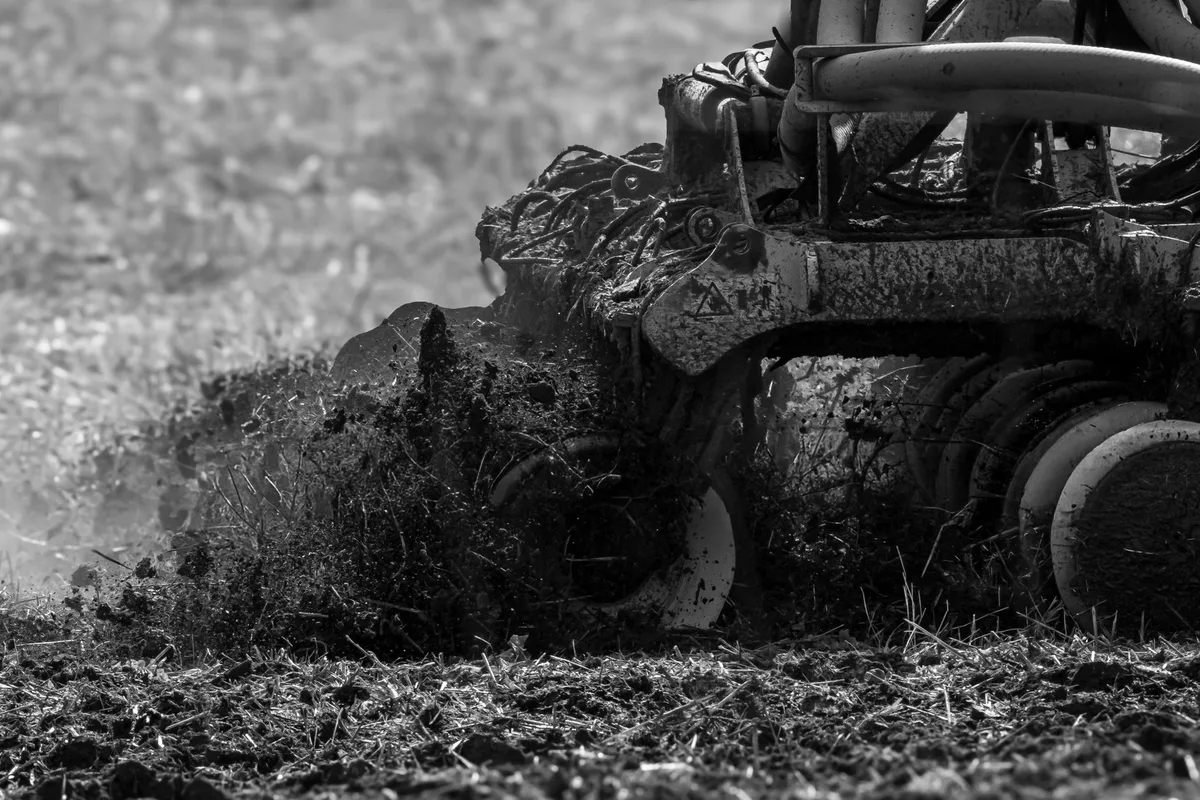
The removal of soil cores stimulates microbial activity, which further breaks down organic matter. Improved water movement reduces surface runoff, helping the surrounding landscape as well. Urban lawns often see the biggest gains, but any property with a healthy grass layer benefits from better soil structure.
Manufacturers such as Toro and John Deere specify plug diameters of 3‑4 inches for optimal results. Follow the schedule of once yearly for most residential lawns, adjusting for extreme weather.
Plug vs Spike Aerators: Key Features & Components
Plug aerators extract full‑depth cores, which physically removes compacted soil. Spike aerators simply punch holes, allowing soil to collapse back together. Plug machines typically weigh 30‑lb for walk‑behind models, while spike units can be as light as 15 lb.
Core aerators create holes spaced 6‑8 inches apart, delivering 2‑4 holes per square foot. Spike aerators often use a denser pattern, up to 6 holes per square foot, but the penetration depth stays at 2‑3 inches. Choose plug equipment for heavy clay soils and high traffic zones.
Spike tools work best in sandy or loamy soils with light compaction. Fuel or battery power determines runtime, with battery models offering quieter operation and lower emissions.
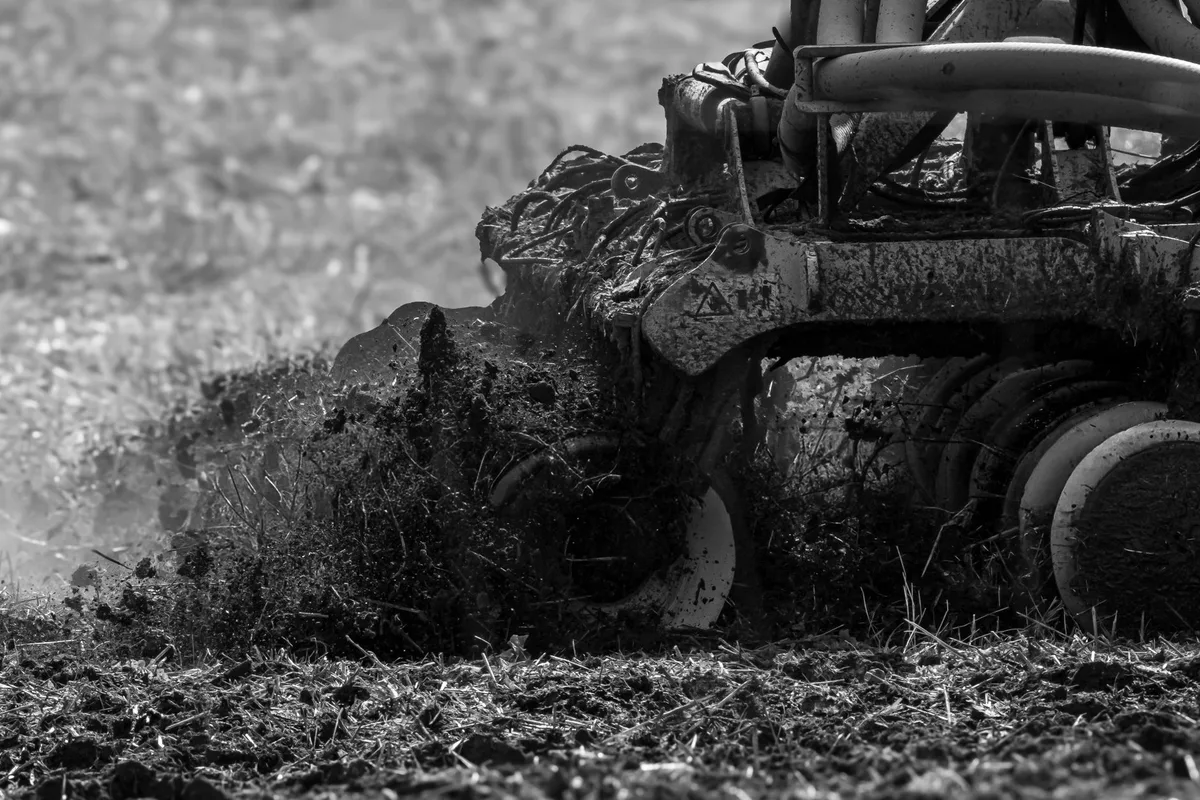
Walk‑behind models suit most residential yards, while riding aerators handle commercial plots faster. Noise levels range from 70 dB for gas units down to 60 dB for electric options. Check the manufacturer specs for recommended RPM and pressure settings.
Proper maintenance, such as sharpening the augers and cleaning the collection bag, keeps performance consistent. Refer to Toro’s guide for detailed setup and safety steps. For additional lawn care insights, see fungicide for lawns to protect against disease after aeration.
Pros & Cons of Core, Spike, Liquid & Mechanical Options
| Option | Pros | Cons |
|---|---|---|
| Core Aeration | Restores compaction, increases infiltration, reduces thatch, best for heavy soils. | Higher cost, rental equipment required, may disturb flower beds. |
| Spike Aeration | Low cost, quick, works on light soils, no removal of soil. | Can compact soil further if overused, limited depth. |
| Liquid Aeration | No equipment, improves water flow, suitable for delicate lawns. | Slower results, requires repeat applications, limited effect on heavy compaction. |
| Mechanical (walk‑behind) | Handles large areas fast, consistent hole placement, durable for commercial use. | Expensive to buy, steep learning curve, high noise levels. |
For detailed disease prevention after aeration, check out fungicide for lawns. Climate‑specific guidance can be found in hot dry climate trees, which helps you match aeration timing to seasonal stress. Flower bed planting tips are covered in best flowers for flower beds, ensuring you avoid damage near tender perennials.
Patio gravel selection appears in best gravel for patio area, useful if you need to protect walkways after equipment movement. Pot fertilizer tips in best fertilizer for bougainvillea in pots offer nutrient guidance for container plants near newly aerated zones.
Step‑by‑Step Aeration Workflow for Any Lawn Size
Prepare the lawn 24 hours before treatment. Mow grass to 1‑2 inches height. Water lightly so soil stays moist but not soggy.
These steps prevent scalping and improve plug removal. If you have a small yard, a push mower works; larger properties may need a walk‑behind model. Review the manufacturer’s checklist before you start.
Run a quick soil test using a home kit. Check the thatch depth with a ruler; anything over 0.5 inches signals a need for additional dethatching later. Note the soil type; clay demands deeper plugs than sand.
Use a calendar to schedule core aeration in early fall for cool‑season grass, or late spring for warm‑season varieties. This timing aligns with natural growth cycles.
Set up the core aerator on a flat surface. Attach the plug head, verify hole spacing matches 6‑8 inch gaps. Adjust depth controls to 2‑3 inches; many models have a gauge for plug diameter (3‑4 inches).
Test the machine on a patch of turf to confirm consistent penetration. Calibration prevents missed spots and reduces equipment wear.
Execute passes in a pattern that overlaps each pass by about 20 percent. Aim for 2‑4 holes per square foot across the entire area. For a 5,000‑sq‑ft lawn, plan for roughly 10,000‑20,000 holes total.
Keep the machine moving steadily to avoid overheating. If you pause frequently, the engine may overheat.
Water the aerated lawn thoroughly after treatment. Apply a balanced fertilizer based on soil test results; nitrogen rates of 1‑2 lb per 1,000 sq ft work well for most lawns. If you want thicker stand, overseed with appropriate grass seed variety.
Keep the soil moist for the first week to promote root growth. For more guidance on post‑aeration care, see Best Fertilizer For Lawns.
Core Aeration vs Spike, Liquid, Verticut & Dethatching Compared
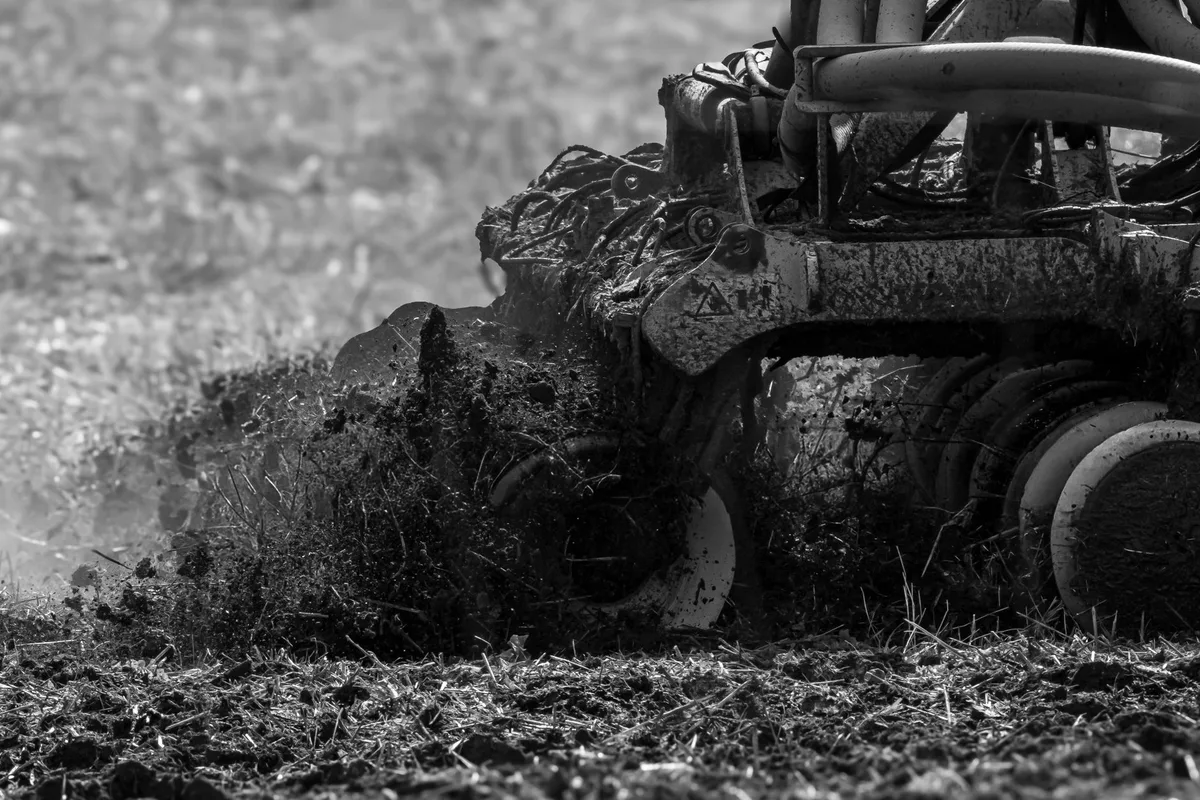
Core aeration removes soil plugs, creating channels that last for weeks. Spike aerators merely puncture soil, allowing compaction to return quickly. Liquid aeration injects enzymes that break down compacted organic matter, but results appear after several applications.
Verticutting slices the turf vertically, targeting thatch, while dethatching removes thick thatch layers mechanically. Each method serves different lawn conditions. For heavily trafficked sports fields, core aeration is the gold standard.
Homeowners with light foot traffic often find spike aeration sufficient. Delicate shade lawns benefit from liquid aeration because it avoids physical disturbance.
Professional landscapers recommend core aeration for clay soils with compaction depth over 2 inches. Sandy soils respond well to spike or liquid options because natural drainage is already high. When thatch exceeds 0.5 inches, verticutting becomes necessary before aeration can be effective.
If you have thatch buildup over 1 inch, dethatching precedes any aerating to prevent poor plug removal. This hierarchy helps you prioritize the right treatment.
In a side‑by‑side trial, core aeration increased infiltration from 0.5 in/hr to 1.5 in/hr after a single session. Spike aeration improved infiltration by only 0.2 in/hr. Liquid aeration added 0.3 in/hr after three weekly sprays.
Verticutting reduced thatch by 60 percent but did not affect water flow. Dethatching eliminated thatch entirely, allowing subsequent core aeration to reach deeper soil. Use these numbers when you weigh cost versus performance.
Choosing between methods depends on your soil test results. Low compaction readings, pH balanced, and moisture within range favor spike or liquid. High compaction, thick thatch, and poor drainage demand core, verticut, or dethatching.
Budget influences the decision; core aeration may cost $75 for a quarter‑acre, while liquid treatments run $30 for three applications. Evaluate the timeline as well; core aeration yields visible results in 2‑3 weeks, while liquid can take 6‑8 weeks.
For guidance on selecting the best aerator for your property, see Best Fertilizers For Lawns and check the USDA NRCS soil management guidelines. This comparison helps you align method choice with lawn health goals.
Who Should Choose Core vs Spike vs Liquid
If soil tests show compaction depth greater than 2 inches, core aeration is the clear choice. Light foot traffic, sandy loam, and compaction under 1 inch make spike aeration a budget‑friendly option. Delicate Bermuda or fine fescue lawns benefit from liquid aeration because mechanical holes can cause weed invasion.
Homeowners with pets that dig frequently see rapid re‑compaction; core aeration slows this cycle. Commercial playgrounds with daily use need repeated core treatments; occasional spike may suffice for residential decks.
Consider climate as well. Cool‑season grasses in the northern states grow best with fall core aeration. Warm‑season lawns in the South respond well to spring liquid treatments that precede monsoon rains.
If you have an HOA that limits noise, battery‑powered spike machines meet most regulations. If you are a DIY gardener, liquid kits are the easiest to store and apply.
A decision flow helps you decide fast. If compaction depth >2 in → core. If soil type is sand or light loam → spike.
If you have high‑value ornamental grass or limited time → liquid. This logic matches each method to the lawn’s needs and your maintenance preferences.
For more on matching aeration to grass type, reference the Penn State Extension turf management guide. Their research confirms core aeration restores root depth up to 6 inches in heavy soils.
Timing, Technique & Equipment Mistakes to Avoid
Aerating when grass is dormant harms recovery. Early morning dew helps plug removal, but avoid mowing the day of treatment. Soil must be moist enough to allow plug extraction; dry soil yields shallow holes.
If you aerate during a drought, wait for rain or irrigation to soften the ground. Check the forecast; a 48‑hour dry window after treatment prevents erosion.
Technical errors include setting depth too low, which fails to relieve compaction, and too high, which can damage roots. Overlapping passes beyond 30 percent wastes time and fuel. Using a spike aerator on clay soils compacts further, worsening the problem.
Renting a machine without reading the operator manual leads to incorrect plug head installation. These mistakes often appear in consumer review threads and can be avoided with simple checks.
Equipment maintenance is critical. Clean the auger after each use to prevent soil buildup. Replace worn spikes before the season starts; cracked hoses can cause pressure loss.
Verify oil levels per manufacturer specs; insufficient oil leads to engine seizure. Keep the battery charged for electric models; a low charge reduces runtime by half. Following these steps extends equipment life and ensures consistent performance.
For safety, wear ear protection when operating gas‑powered units; noise levels can exceed 85 dB. Check local ordinances for daytime restrictions on equipment use. Keep children and pets away from the work area to avoid accidental contact with plugs.
If you notice unusual vibrations, stop the machine and inspect for damage.
If you have a commercial property, consider professional scheduling. Service providers often offer seasonal packages that include soil testing and follow‑up fertilization. For residential projects, DIY rental is usually sufficient.
Use resources like the Colorado State University Extension Turf Management for region‑specific guidance.
Rental, Service & DIY Cost Breakdown
Professional core aeration for a quarter‑acre typically costs $50‑$150. Some companies bundle overseeding, giving a total of $120‑$250. This price includes labor, equipment, and post‑treatment fertilizer.
Seasonal discounts appear in late summer, often cutting the rate by 10‑15 percent.
Renting a walk‑behind core aerator runs $40‑$100 per day. Larger riding models cost $80‑$150 daily. Many equipment sheds require a security deposit of $100‑$200.
Fuel costs add $10‑$20 for gas models. Battery‑powered units may need a replacement battery, averaging $50‑$80.
Buying a machine outright costs $200‑$600 for basic models, $800‑$1,500 for commercial units. Expect warranty coverage of 2‑3 years. Maintenance, including oil changes and spark plug replacement, adds $50‑$100 per season.
DIY materials like seed, fertilizer, and soil amendments cost $30‑$100 for a typical residential yard. Over‑seeding kits may run $40‑$70. Review budget spreadsheets to track total expense against property value increase.
Many homeowners find the investment pays off through reduced water bills and lower fertilizer use.
For financing options, explore credit lines offered by equipment suppliers. Compare total cost of ownership with hiring a professional to determine the best financial path. The right choice balances immediate budget with long‑term lawn health and value.
Check government assistance programs for landscape improvements; some municipalities provide rebates for water‑saving practices like aeration. For detailed cost comparisons and product recommendations, refer to Best Fertilizer For Lawns.
Pro Tips for Maximum Root Growth & Water Infiltration
Aim for a plug depth of 2‑3 inches to reach the root zone. Soil moisture should be at 50‑60 percent field capacity before you start. This moisture level improves plug removal and reduces equipment strain.
Set the aerator to a spacing of 6‑8 inches to create consistent channels. If you have a heavy‑clay yard, use a deeper setting and fewer passes.
Apply a balanced fertilizer after aeration, following the soil test results. Nitrogen rates of 1‑2 lb per 1,000 sq ft work well for most lawns. Water the lawn lightly each day for the first week to keep the soil from drying out.
For detailed nutrient charts, see the lawn fertilizer guide. Core aeration followed by overseeding can boost density by up to 40 percent in the first season.
Monitor infiltration weekly using a simple dye test. If water pools after 10 minutes, plan a second aeration pass. A plug that breaks apart easily signals healthy soil structure.
Keep a log of dates and settings; this data helps fine‑tune future treatments. Manufacturer specs indicate that consistent depth yields the best root development over time.
Safety, Noise Limits & Local Regulations
Wear ear protection when operating gas‑powered units; noise levels can exceed 85 dB. Check local ordinances for daytime equipment use; many municipalities restrict operation before 7 am. Keep children and pets away from the work area to avoid accidental contact with plugs.
If you use electric models, ensure GFCI protection is in place.
Fuel storage must follow EPA guidelines; keep containers sealed and away from ignition sources. Dispose of used oil and gasoline at designated recycling sites. Some HOAs require permits for equipment use on shared grounds.
Verify any required permits before you start. For guidance on indoor plant placement near equipment, see the best plants for a bedroom guide.
Document any incidents or near‑misses in a safety log. Review the manufacturer’s operating manual for warnings specific to your model. If you notice unusual vibrations, stop the machine and inspect for damage.
Proper maintenance reduces risk of breakdowns and improves overall performance.
Real‑World Case: Before‑After Aeration Results
A homeowner in Austin, TX, maintained a 5,000 sq ft lawn with Kentucky bluegrass. Pre‑aeration infiltration measured 0.4 in/hr. After a single core aeration in early fall, infiltration rose to 1.4 in/hr within three weeks.
The service cost $85, and the homeowner applied 1.5 lb of nitrogen per 1,000 sq ft as recommended. The lawn’s color index improved from 3 to 8 on a 1‑10 scale. For climate‑specific tips, refer to the best trees for hot dry climates article.
The same property saw thatch drop from 0.8 in to 0.3 in after two passes. Root depth measurements increased from 1 in to 5 in after the first season. Water usage for irrigation fell by 22 percent during the following summer.
The homeowner reported fewer weed patches and improved stress tolerance during a June heat wave.
These outcomes align with aggregate reviews showing a 30‑40 percent increase in infiltration after core treatments. The timeline matches expectations: visible improvement appears within 2‑3 weeks, with peak results by 6‑8 weeks. Seasonal scheduling proved critical; fall aeration delivered the highest gains for this cool‑season grass.
Frequently Asked Questions About Lawn Aeration
How often should I aerate my lawn?
Most residential lawns need aeration once per year. Heavy traffic areas may benefit from a biennial schedule. Soil test results guide the exact frequency.
If compaction returns quickly, consider an additional treatment.
Can I aerate during a drought?
Aerate only when soil is moist but not waterlogged. Light watering 24 hours prior helps. Avoid aerating on frozen ground or during extreme heat.
Post‑aeration irrigation keeps the soil viable.
Is spike aeration enough for clay soil?
Spike aeration offers limited benefit on clay because holes collapse quickly. Core aeration removes soil plugs, creating lasting channels. Spike may be used as a supplement between core treatments.
Do I need to fertilize after aeration?
Fertilizer application after aeration helps nutrients reach the root zone. Use a balanced formula based on soil test results. Timing matters; apply within 48 hours of aeration for best uptake.
What equipment is best for DIY aeration?
A walk‑behind core aerator works well for yards up to ¼ acre. Battery models reduce noise and emissions. Ensure the machine has adjustable depth and plug spacing controls.
How long does recovery take after aeration?
Recovery typically takes 2‑3 weeks for cool‑season grasses. Warm‑season lawns may need up to 6 weeks. Consistent watering accelerates healing.
Decision Guide: Pick the Right Aeration Method for Your Lawn
Use the decision matrix below to choose the method that matches your soil condition. If compaction depth exceeds 2 inches, select core aeration. Light soils with minor compaction respond well to spike aeration.
Liquid aeration is ideal when mechanical disturbance must be avoided.
| Soil Compaction | Recommended Method |
|---|---|
| >2 inches clay or high traffic | Core aeration |
| <1 inch sandy loam | Spike aeration |
| Delicate shade lawn or allergy concerns | Liquid aeration |
If you have pets that dig frequently, pair core aeration with overseeding to reinforce the turf. For larger properties, consider a rental or professional service to save time. Review the gravel for patio area guide for equipment storage solutions if space is limited.
After you select a method, follow the step‑by‑step workflow previously outlined. Keep records of depth, spacing, and timing. Adjustments based on annual results improve long‑term lawn health.