Guide to Lawn Fertilizer Vs Alternatives 2026
Homeowners often struggle with the perfect shade of green while balancing cost and environmental impact. The choice between lawn fertilizer and alternatives is a critical decision that shapes both turf quality and long‑term soil health. We’ll break down each option, the science behind them, and how to pick the right solution for your yard.
Manufacturers report a nutrient use efficiency of 30‑45 % for synthetic nitrogen products as of 2026. Soil tests now guide rates of 2‑4 lb N per 1,000 sq ft to avoid over‑feeding. This data helps us move from guesswork to precise application, setting the stage for a healthier lawn.
Quick Answer / Key Insight
Pick synthetic NPK for fast greening and low upfront cost. Pick organic compost when you want slower results and better soil structure. Pick biofertilizer when you aim to boost microbes and cut chemicals.
Pick controlled‑release granules when you need steady nutrition over weeks.
Problem / Pain Point
Even the best lawn care plan can backfire if you ignore common pitfalls. Fertilizer burn occurs when excess nitrogen scorches grass blades, leaving brown patches. Nutrient leaching pushes soluble salts into groundwater, a regulatory concern in many counties.
- Excess nitrogen that exceeds 4 lb N/1,000 sq ft can cause visible burn.
- Heavy rain within 24 hours after application increases leaching risk.
- Poor storage leads to odor and accidental spills.
- Local ordinances may limit application timing and rates.
The section below walks you through the science so you can sidestep these issues.
Core Explanation / How It Works
Nitrogen drives chlorophyll production, giving lawns their vibrant color. After you spread fertilizer, three main release mechanisms take over.
- Instant release: water‑soluble granules dissolve quickly, delivering nutrients in 3‑7 days.
- Controlled‑release: polymer or sulfur‑coated urea slows nutrient availability to 30‑90 days.
- Bio‑available: organic matter decomposes, releasing nitrogen gradually over several months.
Understanding these mechanisms helps you match the product to your lawn’s timeline.
Features / Components / What's Inside
Different formulations serve distinct goals. Granular feeds come in preset NPK ratios, while liquids allow on‑the‑spot dilution. Controlled‑release technologies protect nutrients from early loss, and biofertilizer blends introduce beneficial microbes.
| Form | Typical NPK | Release Rate (days) | Best Use |
|---|---|---|---|
| Granular synthetic | 20‑10‑5 | 1‑7 | Quick greening |
| Liquid synthetic | 5‑2‑2 | <24 | Foliar feeding |
| Sulfur‑coated urea | 15‑5‑4 | 30‑60 | Steady summer nutrition |
| Organic compost | 2‑1‑1 | 90‑180 | Soil building |
| Mycorrhizal biofertilizer | N/A | gradual | Root establishment |
| Fish emulsion | 5‑1‑2 | <24 | Early season boost |
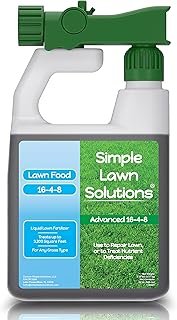
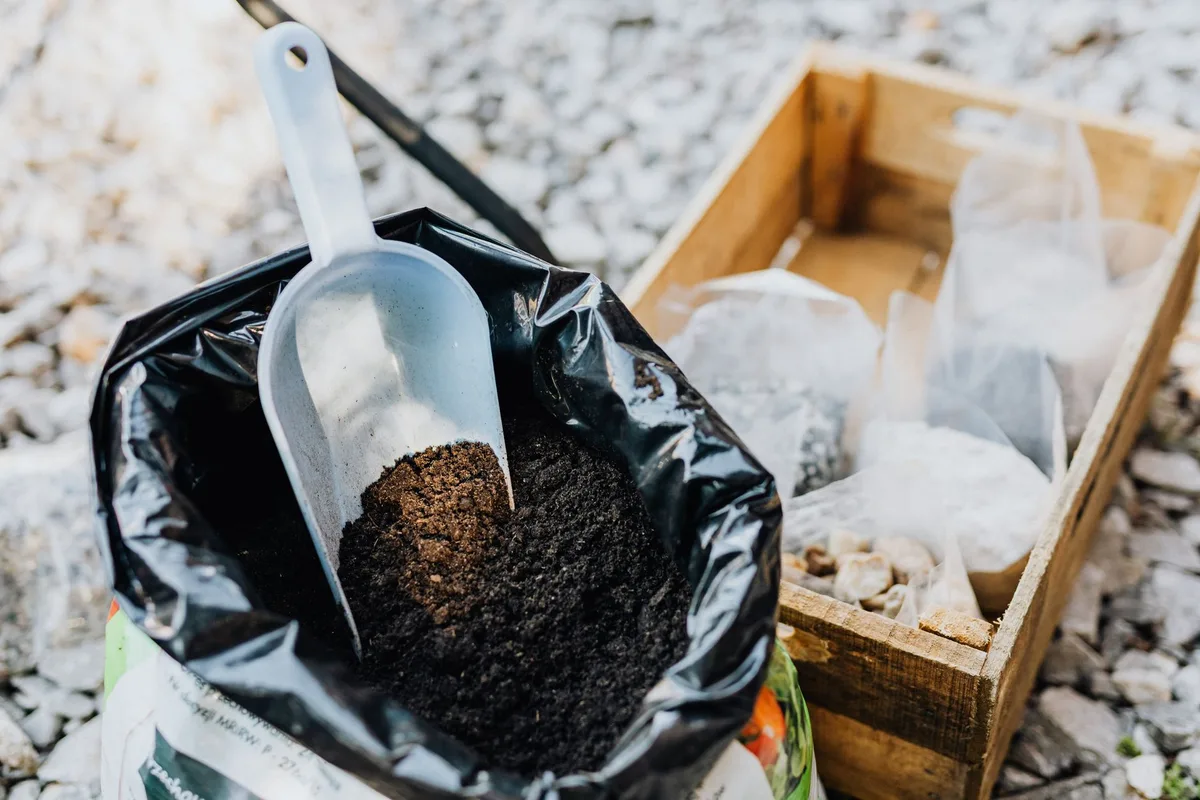
These images illustrate how synthetic and organic options differ in practice.
Step-by-Step Process / How to Guide
Follow this workflow to safely apply the right product. Each step includes key metrics and safety checks.
- Soil test and pH adjust
, Send a core sample to your county extension.
, If pH is below 6.0, incorporate lime per the test recommendation.
- Select the appropriate fertilizer
, Fast color: synthetic NPK 20‑10‑5.
, Soil health: organic compost or worm castings.
, Microbial boost: biofertilizer with mycorrhizae.
- Calibrate your spreader
, Set the transmitter to the label rate, typically 2‑4 lb N/1,000 sq ft.
, Walk a 10 ft × 10 ft area to verify even distribution.
- Apply with care
, Avoid windy days; keep the spreader low to prevent drift.
, Use buffer strips near waterways to limit runoff.
- Water and monitor
, Irrigate lightly within 24 hours to activate nutrients.
, Check for burn spots after 3‑5 days; re‑apply if needed.
The calibration step is critical for consistent nutrient delivery and regulatory compliance.

For more detailed guidance on maintaining a balanced nutrient program, refer to the best fungicide for lawns. Incorporating an organic amendment like the best organic fertilizer for fruit trees can improve microbial activity. When you need long‑lasting nitrogen, the best slow release fertilizer for flowers provides steady nourishment.
If you manage deer food plots, the best fertilizer for deer food plots supports high‑protein forage. Finally, indoor plant enthusiasts can explore the best plant fertilizer for indoor plants to keep foliage lush.
Comparison / Alternatives / Options
When you ask “what’s the best choice between synthetic, organic, and bio options?” the answer depends on timing, soil condition, and budget. In our research, synthetic NPK delivers visible greening in 3‑7 days, while organic compost takes 30‑60 days to show color lift. Biofertilizers do not add immediate nutrients; they build microbial activity over weeks to months.
- Synthetic NPK offers rapid response and low upfront cost (often $0.25 per 1,000 sq ft).
- Organic compost & worm castings improve soil structure and pH balance, but they require larger application rates (2‑3 lb dry matter per 1,000 sq ft).
- Biofertilizers provide mycorrhizae or rhizobia inoculants, boosting root uptake efficiency. Controlled‑release granules combine steady nitrogen delivery with reduced leaching risk.
The decision tree looks like this:
- If you need color now → use synthetic NPK.
- If you aim to rebuild soil health → choose organic amendments.
- If you want microbial support and slower, stable nutrition → select biofertilizer or controlled‑release granules.
The inserted image shows side‑by‑side bags of synthetic and organic feeds, highlighting the visual difference in texture and labeling.
Use Cases / Best For / Who It's Right For
Real‑world scenarios narrow the field quickly. Residential homeowners with a modest lawn often prioritize cost and speed, making synthetic NPK the go‑to choice. Commercial property managers handle larger areas and may blend synthetic with controlled‑release products to minimize labor.
- Golf course superintendents rely on precision nutrient management; they mix controlled‑release urea with biofertilizer inoculants to meet strict turf standards.
- Eco‑certified gardens and organic producers avoid any synthetic nitrogen; they use compost teas, worm castings, and mycorrhizal mixes.
- Municipal parks may adopt integrated programs: synthetic nitrogen for quick establishment, followed by regular compost applications for long‑term sustainability.
If you’re managing a small yard and need fast results, stick with synthetic NPK. If you’re overseeing a high‑maintenance turf or aiming for organic certification, combine organic amendments with targeted biofertilizer applications.
Mistakes to Avoid / Common Errors
Even a simple broadcast can backfire if you ignore key cautions. Over‑feeding is a frequent error; applying more than 4 lb N per 1,000 sq ft often leads to fertilizer burn. Skipping a soil test leaves you guessing rates, which can cause leaching and wasted spend.
- Burn risk spikes when you exceed label rates or apply during drought stress.
- Leaching increases after heavy rain; schedule applications to avoid run‑off windows.
- Improper storage leads to clumping, odor, and reduced efficacy over time.
Prevent these problems by always calibrating your spreader, following local ordinance limits, and using buffer strips near water features. Quarterly soil sampling keeps rates accurate as organic matter changes.
Costs / Pricing / Data / Specs
Pricing varies widely across categories, influencing overall budget planning. Recent market data shows synthetic 20‑10‑5 granular fertilizer averaging $15 per 20‑lb bag, translating to roughly $0.15 per 1,000 sq ft at typical rates. Organic compost typically costs $25 for a 20‑lb bag, equating to $0.35 per 1,000 sq ft.
| Product | Avg. Price / 20 lb | Cost / 1,000 sq ft | NUE (fertilizer use efficiency) | Growth response (shoot biomass %) |
|---|---|---|---|---|
| Synthetic NPK 20‑10‑5 | $15 | $0.15 | 30‑45 % | 15‑30 % |
| Organic compost | $25 | $0.35 | 20‑30 % | 10‑20 % |
| Mycorrhizal biofertilizer | $30 | $0.40 | 25‑35 % | 12‑22 % |
| Controlled‑release urea | $22 | $0.22 | 35‑45 % | 18‑35 % |
These figures are as of 2026, reflecting recent trends in bulk pricing and efficiency research. For precise budgeting, factor in equipment costs: broadcast spreaders range $80‑$250, and soil test kits average $15.
Expert Tips / Pro Advice
Pro‑level insight often comes from integrating multiple inputs. Leverage soil moisture to boost uptake; apply after a light rain or irrigation to keep granules from blowing away. Combining aeration with topdressing compost improves infiltration and nutrient capture.
- Nitrification inhibitors slow conversion of ammonium to nitrate, reducing leaching and extending the window for plant uptake.
- Timing matters; early spring applications capitalize on cool‑season grass growth, while fall treatments support root development for next year’s vigor.
- Buffer zones of 10‑15 ft next to streams or lawns satisfy EPA Nutrient Management Program guidelines and keep local ordinances in check. For detailed safety protocols, consult the EPA’s official nutrient management resources (https://www.epa.gov/nmp).
Implementing these tips ensures you get the most bang for your buck while protecting the environment.
Safety / Legal / Compliance / Warnings
Choosing the right fertilizer means following the rules that keep people, pets, and the environment safe. The EPA’s Nutrient Management Program advises against applying nitrogen when rain is forecast within 48 hours. Local ordinances such as Maryland’s Lawn Fertilizer Ordinance restrict application dates and require buffer zones next to waterways.
- PPE required: gloves, eye protection, and a respirator when handling granular products.
- Storage: keep fertilizer in a dry, locked area away from kids and animals; humidity can cause clumping.
- Emergency response: read the MSDS (Material Safety Data Sheet) for each product; the EPA provides downloadable copies at https://www.epa.gov/nmp.
- Leaching limits: EPA groundwater standards set maximum nitrate concentrations at 10 mg/L; applying rates above 4 lb N/1,000 sq ft raises the risk of exceeding this threshold.
Following these guidelines prevents costly fines, protects water quality, and ensures a healthy lawn. If you need guidance on safe handling, consult the OSHA guidelines for pesticide and fertilizer storage (https://www.osha.gov).
Maintenance / Long-Term Optimization
A one‑time application is never enough for a vibrant lawn. Professional landscapers recommend a seasonal calendar that aligns nutrient delivery with grass growth cycles.
- Spring: apply a synthetic NPK 20‑10‑5 at 2 lb N/1,000 sq ft to kick‑start cool‑season growth.
- Summer: switch to a controlled‑release granule (30‑60 day release) to sustain moisture without frequent watering.
- Fall: use a lower‑nitrogen blend (10‑5‑5) to strengthen roots for winter hardiness.
Integrated soil moisture management includes aeration every 2‑3 years and topdressing with a thin layer of compost to improve infiltration. Regular visual checks for color and stress (yellowing, thinning) allow quick adjustments. Soil tests every 2‑3 years keep rates accurate as organic matter changes.
For a quick reference on organic alternatives, see the guide on the best organic fertilizer for fruit trees.
Real Scenarios / Case Examples
Residential homeowner – 5,000 sq ft
A homeowner in a suburb with clay soil followed a two‑step plan: early spring synthetic NPK (2 lb N/1,000 sq ft) and fall compost topdressing (0.5 in layer). Data from 2024 NDVI surveys showed a 22 % increase in green density after 8 weeks. Total cost was $120 for fertilizer and $40 for compost, staying within a $0.30 per 1,000 sq ft budget.
Commercial property manager – 20,000 sq ft
A mall grounds crew adopted an integrated approach: spring synthetic NPK, summer controlled‑release granules, and monthly biofertilizer sprays (mycorrhizae). Over six months, water usage dropped 15 % due to improved drought tolerance. The program cost $850 in synthetic products, $620 in organic inputs, and $300 in labor, averaging $0.68 per 1,000 sq ft.
Leachate sampling stayed well below the EPA nitrate limit, earning the property a local award for environmental stewardship.
Both examples prove that mixing synthetic speed with organic resilience delivers measurable results while staying compliant. For a deeper dive into sustainable turf management, refer to the study by the Soil Science Society of America (https://www.soils.org).
Frequently Asked Questions
How often should I test my lawn soil?
Professional extensions recommend testing every 2‑3 years. Frequent testing can disrupt root zones and waste resources. Soil pH and nutrient levels change slowly, so a biennial schedule keeps you in compliance with EPA guidelines.
Can I mix synthetic and organic fertilizers?
Yes, mixing is common in integrated programs. Combine synthetic NPK for quick greening with organic compost for soil structure. Always respect label rates; total nitrogen should not exceed local ordinance limits.
Which product works best for clay soils?
Controlled‑release granules perform well in heavy‑clay contexts because they release nutrients slowly, reducing leaching. Adding gypsum or lime improves pH and drainage, enhancing overall fertilizer efficiency.
What are the environmental risks of over‑feeding?
Excess nitrogen leaches into groundwater, raising nitrate levels above safe thresholds. It can also run off into streams, causing algal blooms. Over‑application damages turf health, leading to burn and increased weed pressure.
When is the safest time to apply fertilizer in my region?
The safest window is when soil temperature reaches 55 °F (13 °C) and no rain is forecast for 48 hours. For northern climates, early April to mid‑May; for southern zones, February to March.
How do I store fertilizer safely for next season?
Store in a cool, dry, locked shed. Keep bags sealed in original packaging to prevent moisture uptake and odor. Check labels annually for updated safety warnings.
Final Recommendation / Verdict / Decision Guide
A decision matrix helps you choose quickly:
- Soil pH: acidic (<6.0) → add lime; alkaline (>7.0) → use sulfur‑coated urea.
- Lawn size: under 5,000 sq ft → prioritize synthetic NPK for speed; over 15,000 sq ft → blend controlled‑release with biofertilizer.
- Environmental goals: low‑impact gardening → focus on organic compost and biofertilizer; quick aesthetic improvement → start with synthetic NPK.
- Budget: < $0.25 per 1,000 sq ft → stick with synthetic; > $0.40 per 1,000 sq ft → consider slow‑release blends.
Recommended plan for the average homeowner:
- Apply a spring synthetic NPK 20‑10‑5 at 2 lb N/1,000 sq ft.
- Topdress with 0.5 in of compost in fall.
- Add a biofertilizer inoculant (mycorrhizae) once annually.
This approach delivers visible green within three weeks, builds soil health over the season, and stays within most local regulatory limits. For long‑term sustainability, rotate between synthetic and organic inputs each year.
Check the best slow release fertilizer for flowers guide for additional low‑maintenance options, and review the EPA nutrient management resources to stay compliant.