When Should You Mosquito Control (2026) — Explained Simply
You're standing in your backyard in July, slapping your arm for the fifth time in as many minutes. The mosquito you killed left a smear of blood that's probably yours. You're wondering: when should you mosquito control so it doesn't get this bad every year?
The answer isn't a single date on a calendar.
In our research, the most common mistake homeowners make is treating on a fixed schedule without considering their local species, weather patterns, or disease risk. As of 2026, the CDC reports over 2,200 West Nile virus cases across 47 states annually, and timing your control correctly is the single biggest factor in preventing bites. Let's walk through what actually determines the right moment to act.
Why "Just Spray in Spring" Is Terrible Advice
Spring is a moving target. What counts as "spring" in south Florida is completely different from spring in Minnesota. Even within the same state, a wet spring pushes mosquito emergence earlier, while a dry spring delays it.
Spraying on the first warm weekend in March might mean your treatment degrades from UV and rain before a single mosquito hatches.
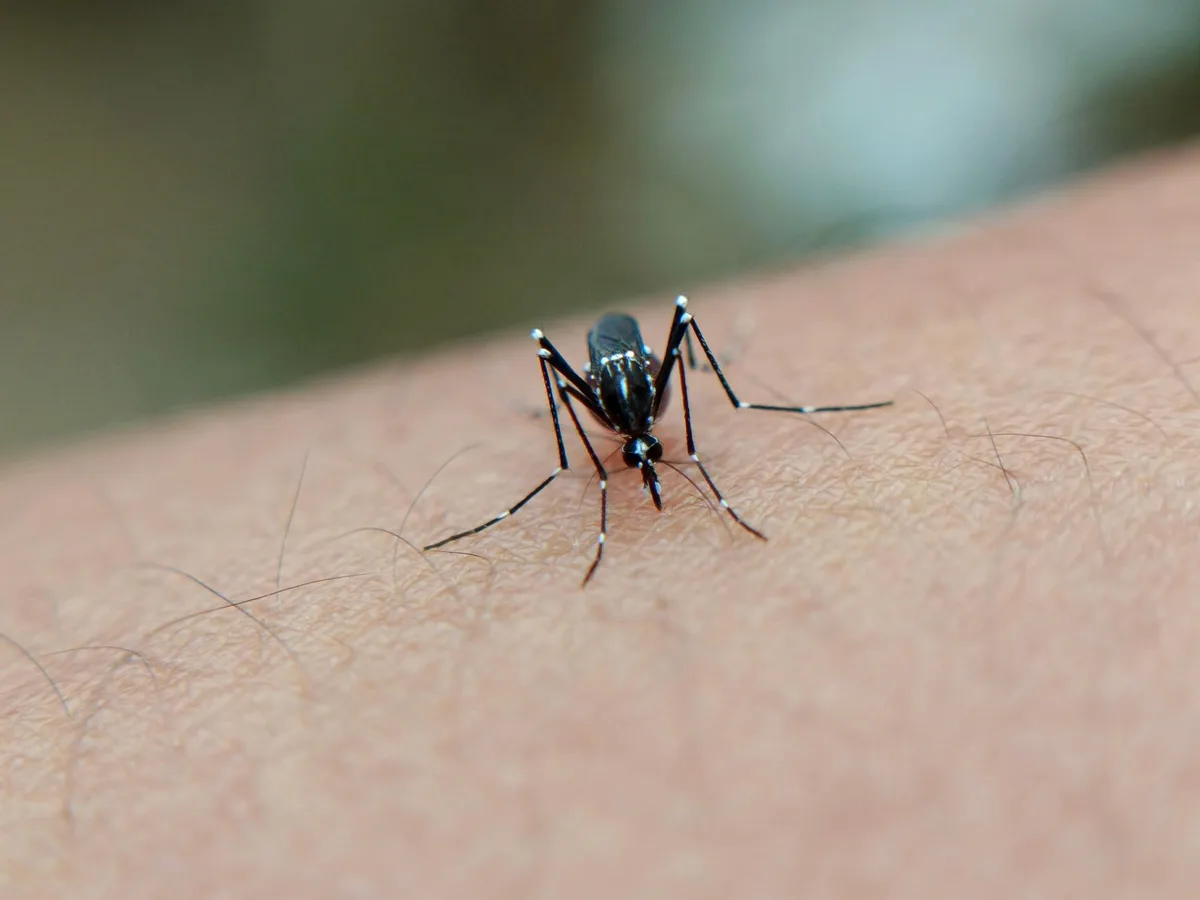
Compound that with different species having completely different emergence triggers. Some mosquitoes, like floodwater Aedes, hatch within hours of a heavy rain. Others, like container-breeding Aedes aegypti, wait for warmer water temperatures in the tiny water collections you never notice.
A one-size-fits-all spring spray misses both.
The worst case is spraying adulticide when you should be applying larvicide. If you kill a few flying adults in spring but ignore the thousands of eggs waiting in wet soil or old tires, you're just delaying the problem by a week or two. That's time and money wasted.
Quick Answer
Start mosquito control when daytime temperatures consistently stay above 50°F. Apply larvicides one to two weeks before the first adult mosquitoes emerge. Use barrier sprays only after you confirm mosquito activity.
Monitor local disease alerts from your county vector control district. Reapply after heavy rain.
The One Variable That Changes Everything: Your Local Mosquito Species
Not all mosquitoes behave the same way. If you don't know which species is biting you, you're guessing on timing. The two main categories you need to understand are container breeders and floodwater breeders.
Container breeders include Aedes aegypti and Aedes albopictus. These mosquitoes lay single eggs on the inside walls of containers just above the water line. Bird baths, plant saucers, clogged gutters, bottle caps, old tires, anything that holds water for a week or more.
The eggs can survive dry for months. They only hatch when the water level rises and covers them again, usually after a warm rain.
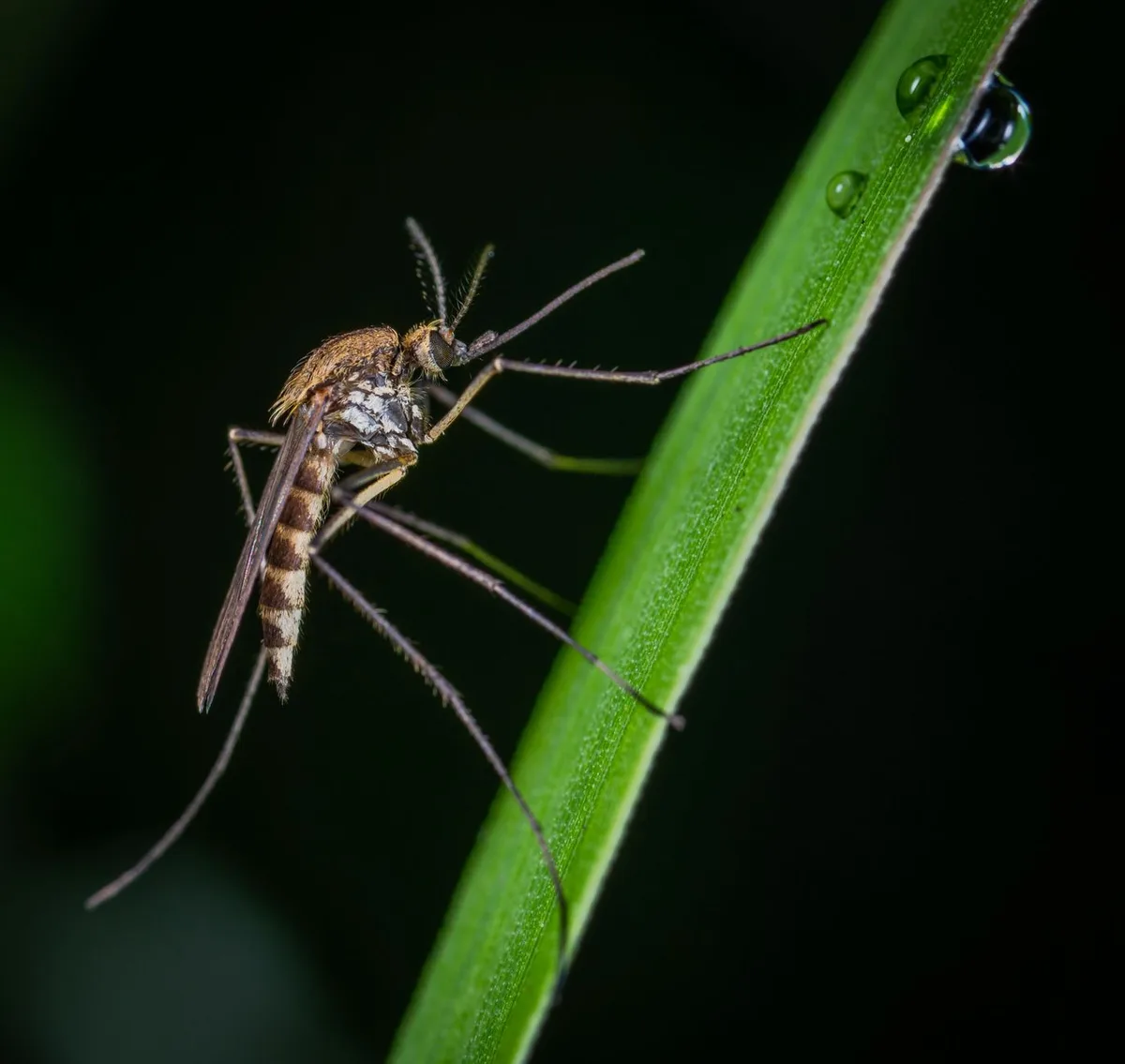
Floodwater breeders include Culex species (which carry West Nile) and Aedes vexans. These mosquitoes lay eggs in moist soil, not in standing water. The eggs stay dormant until a flood or heavy rain submerges them.
That means your entire neighborhood can see a synchronized hatch three to five days after a good storm.
How to tell which you have without a lab
- Container breeders bite during the day. They're the ones you notice on your ankles at noon.
- Floodwater breeders bite at dawn and dusk. If you only get bitten around sunrise and sunset, it's likely Culex or Aedes vexans.
- Check your property for standing water. If you find wiggling larvae in a saucer or bucket, you have container breeders active right now.
Your timing changes completely based on which species is dominant. If you only have floodwater breeders, your control window is tightly linked to the first big rain after the 50°F threshold. If you have container breeders, you need to start larvicide as soon as daytime temps stay above 50°F, regardless of rain.
Weather Triggers vs. Calendar Dates: What Actually Works
Calendar dates are a trap. A fixed "spray on May 1" schedule fails every time a warm spell arrives early or a cold snap delays emergence. There are three real triggers you need to track.
The 50°F soil temperature threshold
This is the scientific standard. Most mosquito species in temperate zones stop developing when soil or water temperatures drop below 50°F. Once temperatures stay above 50°F for a week straight, eggs start hatching and larvae begin developing.
The EPA and CDC both reference this baseline for timing control measures.
Last frost plus two weeks
Your local frost date is a useful secondary marker. The last hard freeze kills any adult mosquitoes that managed to survive winter. But the eggs can survive the freeze.
Give them two weeks after the last frost before you apply larvicide. Most eggs will have hatched by then, and you'll catch the larvae before they become adults.
Rainfall triggers for floodwater species
If you have floodwater mosquitoes, your window opens after the first heavy rain of the season, typically 1 to 2 inches in a single event. Larvicide should be applied 24 to 48 hours after that rain. Barrier sprays should wait until the first adults emerge, usually 7 to 10 days after the rain event.
| Trigger | Start Signal | Key Action | Reapply |
|---|---|---|---|
| 50°F sustained | 7 days above 50°F | Inspect, remove standing water, start larvicide | Check weekly |
| Last frost + 2 weeks | No freeze expected | Apply larvicide to breeding sites | Monthly |
| First heavy rain | 1-2 inches in 24 hours | Apply larvicide within 48 hours | After next heavy rain |
The Decision Tree: Find Your Situation Below
Every situation is different. Here's how to find yours.
Branch A: You Want Prevention (Before You See a Single Mosquito)
Start two weeks before the first forecasted warm spell after your last frost. That means late March in the southern US and late April or early May in the northern US. Remove all standing water first.
Then apply larvicide to any water sources you can't drain. This is the highest-leverage strategy. You prevent thousands of mosquitoes for a few dollars in Bacillus thuringiensis israelensis (Bti) dunks.
Branch B: You're Already Getting Bitten
If you're already slapping mosquitoes, you're in reactive mode. Adulticides are necessary now, but you must also eliminate the breeding source. Apply a barrier spray around vegetation where adults rest during the day.
Then identify and remove the standing water. If you can't find the source, it might be a neighbor's yard, a wetland, or a hidden container. Bti dunks in any standing water you can't drain will stop the next generation.
Branch C: You Have a Specific Event or Gathering
Plan your control 7 to 10 days before the event if you're using larvicide, or 24 to 48 hours before if you're doing a barrier spray. Fogging should happen the evening before, not the morning of, because fog only lasts a few hours. And remember that adults rest in nearby vegetation, so treat shrubs and bushes around the gathering area, not just the lawn.
Branch D: You Live Near Standing Water, Wetlands, or Woods
Your risk is higher, and your timing changes. You need a long-lasting larvicide program, not a single spray. Apply Bti dunks or bits to any accessible standing water every 30 days through the season.
For broader coverage, consider a professional barrier treatment that lasts 8 weeks. You also need to manage your own property to avoid adding artificial breeding sites.
Branch E: You're Pregnant, Have Young Kids, or an Immunocompromised Person in the House
Your priority is Aedes aegypti, the mosquito that spreads Zika, dengue, and chikungunya. This species bites during the day and breeds in tiny containers. Timing starts earlier, as soon as temperatures stay above 60°F.
Focus on source reduction first. Remove every single container that holds water, even a bottle cap. Use larvicide in plant saucers and bird baths.
Personal repellents with DEET or picaridin are FDA-approved for pregnant women and young children. Spraying adulticides should be last resort, not first line.
Branch F: You've Seen a Local Disease Alert in Your County
This changes everything. Your local vector control district may issue alerts when West Nile, dengue, or Zika is detected in mosquitoes or humans in your area. The CDC maintains a national surveillance system.
When an alert hits your county, you move from prevention to active control immediately. Increase larvicide frequency. Apply barrier sprays weekly.
Use personal repellents daily. If you have an automatic misting system, run it at night to avoid harming bees while the disease risk is elevated.
Step-by-Step: Your Season-Long Mosquito Control Timeline
Your season has four distinct phases. Each one requires a different focus. Nail the timing in each phase, and you'll stay ahead of the bite all summer.
Pre-season (4 to 6 weeks before first emergence)
Walk your entire property. Flip over every pot, saucer, bucket, and toy. Look for clogged gutters, low spots in the yard, and tarps that hold water.
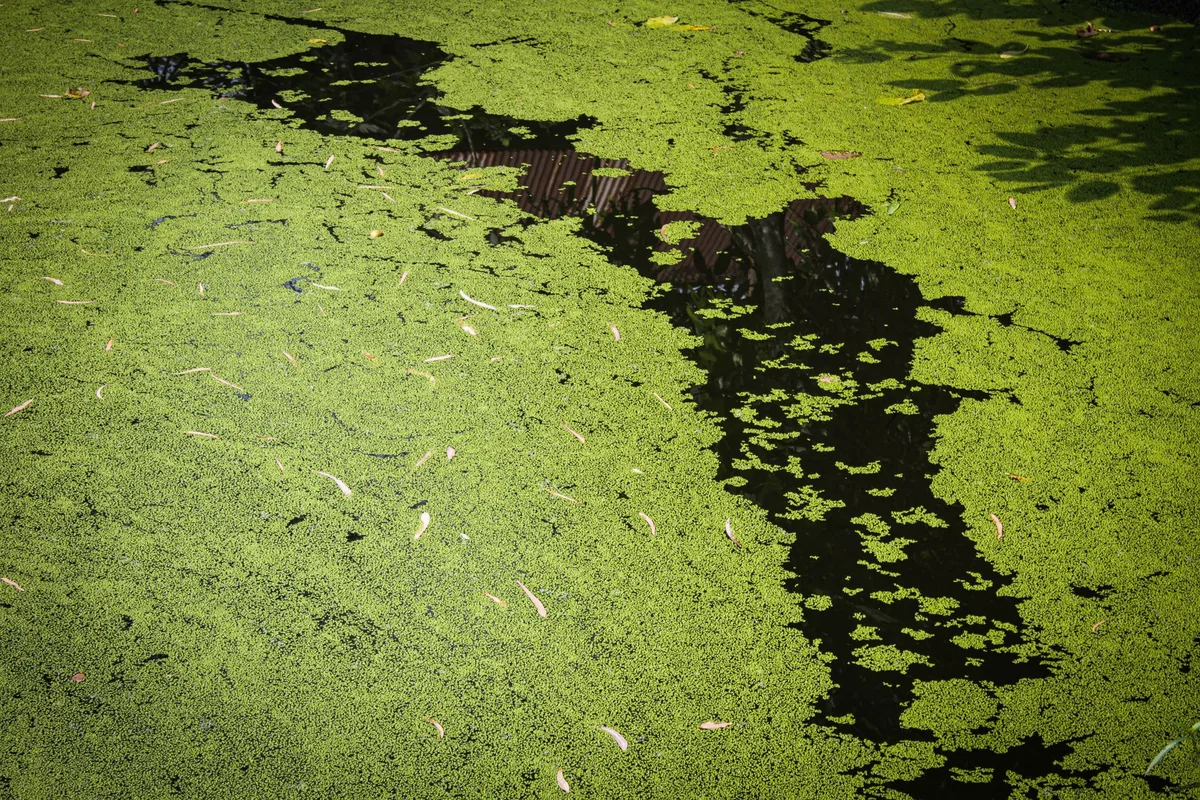
Scrub any birdbath or pet bowl that has brown algae film. This is the highest-impact work you can do.
Then apply your first round of larvicide. Drop a Bti dunk into any water feature you can't drain. Use mosquito bits in plant saucers and rain barrels.
This kills larvae before they become adults. It's far cheaper and safer than spraying adulticide later.
Early season (first consistent 50°F+ temps)
Start monitoring. Check your ovitrap or simply walk the yard weekly. Look for larvae wiggling in standing water.
If you see them, add another Bti treatment. If you have Aedes aegypti, this is when they start laying eggs in new containers.
Apply a barrier spray only if you actually see adult mosquitoes resting on vegetation. Otherwise, hold off. Early sprays waste product and can harm pollinators like bees.
If you want to pull double duty and restore your lawn health while controlling pests, consider a well-timed lawn fungicide application that won't interfere with your mosquito schedule.
Peak season (summer heat and rain)
This is the high-risk window. Reapply larvicide every 30 days (dunks) or 7 to 14 days (bits). Rain is your enemy.
After any storm that drops more than half an inch, check your breeding sites. Floodwater species will emerge 3 to 5 days later.
If you have a full-blown infestation, barrier sprays are your emergency lever. Spray vegetation where adults rest. Reapply every 3 to 4 weeks.
Always spray at dawn or dusk to avoid killing bees. For outdoor gathering areas, treat the perimeter 24 to 48 hours before the event.
Late season (first frost approaching)
Once overnight temps drop below 50°F consistently, mosquito activity slows. Most species stop biting below 50°F. Stop applying larvicide when daytime highs stay below 60°F.
You can also skip barrier sprays if you aren't seeing biting adults.
But do one final cleanup. Remove all standing water so eggs laid this season don't overwinter. Scrub container walls where Aedes eggs attach.
Those eggs can survive months of cold and hatch next spring.
5 Timing Mistakes That Waste Your Money and Effort
Starting too early. Spraying in late winter when soil temps are still below 50°F does nothing. The product degrades in UV and rain before mosquitoes even appear. You're just paying for nothing.
Wait for the 50°F sustained signal.
Spraying after rain without checking product instructions. Many barrier sprays need 2 to 4 hours of dry time to bind to foliage. If you spray right before a storm, you've washed your money down the drain. Check the label for rainfastness.
Most pyrethroid-based barrier sprays need at least 2 hours.
Using adulticide when larvicide would have stopped the problem. This is the most expensive mistake. Adulticide kills the mosquitoes you see today. Larvicide prevents the thousands you'll see tomorrow.
If you only do one thing in spring, make it larvicide. Source reduction plus Bti is orders of magnitude more effective than fogging alone.
Ignoring the dawn and dusk rule. Adult mosquitoes rest in vegetation during the heat of the day. Barrier sprays work best when you apply them at dawn or dusk, when adults are active and temperatures are cooler. Spraying in midday wastes product because droplets evaporate faster and mosquitoes aren't on the plants.
Not checking local resistance data. Many Aedes aegypti populations in the southeastern US are now resistant to pyrethroids, the active ingredient in most consumer mosquito sprays. The CDC tracks this through resistance monitoring. If your local population is resistant, your barrier spray is useless.
Alternate between chemical classes or switch to a product with a different mode of action. Rotating active ingredients each season is the only reliable way to stay ahead of resistance.
When Disease Risk Changes Your Timing Completely
A disease alert resets your entire schedule. You move from routine prevention to active suppression. The timing window shrinks, and the stakes get higher.
West Nile virus season patterns. West Nile peaks in late summer, usually August through October in the northern hemisphere. Culex mosquitoes amplify the virus in birds before spilling over to humans. If your county reports West Nile in mosquitoes, you need to start adulticide applications immediately.
Don't wait for a human case. By then, the virus is already circulating.
Zika and dengue. These are spread by Aedes aegypti. They don't have a seasonal peak in the same way. As long as it's warm enough for Aedes to breed (60°F+), the risk exists.
In parts of the Gulf Coast and the Southwest, that means year-round. If you travel to an area with active transmission, apply personal repellent daily for three weeks after returning. Then monitor your own yard for new Aedes breeding.
La Crosse encephalitis. This lesser known virus is spread by Aedes triseriatus, a woodland mosquito that breeds in tree holes. It affects children most severely. If you live near wooded areas in the Appalachian or midwestern states, your timing shifts earlier.
Apply larvicide to tree holes and hollow stumps in early spring. Use personal repellent on children during outdoor play from April through October.
How to find your county's surveillance data. Every state has a health department or vector control district that publishes mosquito trap counts and disease test results. Search "[your state] arbovirus surveillance" or "[your county] mosquito control". The CDC also maintains a national dashboard of West Nile, dengue, and Zika activity.
Bookmark it and check weekly during peak season.
The Quick-Reference Timing Table
| Situation | Start Signal | Key Action | Reapply Trigger |
|---|---|---|---|
| General prevention | 7 days above 50°F | Inspect, remove standing water, apply larvicide | Monthly (dunks) or weekly (bits) |
| Floodwater species | First heavy rain (1-2 inches) | Apply larvicide within 48 hours | After next heavy rain |
| Container breeders | 60°F+ consistently | Scrub containers weekly, use Bti in water | Every 7-14 days |
| Disease alert | County surveillance report | Apply barrier spray immediately, increase larvicide | Weekly until alert ends |
| Outdoor event | 24-48 hours before event | Barrier spray perimeter | Not needed after event |
| Pregnancy / young kids | First 60°F day | Source reduction ONLY, personal repellent | Daily repellent application |
DIY vs. Professional: Does Timing Change?
Yes, but not in the way you'd expect. The timing windows are the same. The difference is in the execution and the tools.
What a pro does differently. Professional applicators use commercial-grade barrier sprays with longer residual duration. A typical consumer spray lasts 3 to 4 weeks. A professional treatment can last 6 to 8 weeks.
That means a pro can time their first application earlier in the season and skip a reapplication mid-season. They also have access to restricted-use products that are more effective against resistant populations.
When DIY timing works fine. If you have a small yard (under a quarter acre), no standing water on neighboring properties, and only nuisance mosquitoes, DIY is perfectly adequate. You need to be more vigilant about reapplication, but you can match professional timing with the right products. The key is using a proper backpack sprayer instead of a hose-end sprayer.
Hose-end sprayers are inaccurate and waste product.
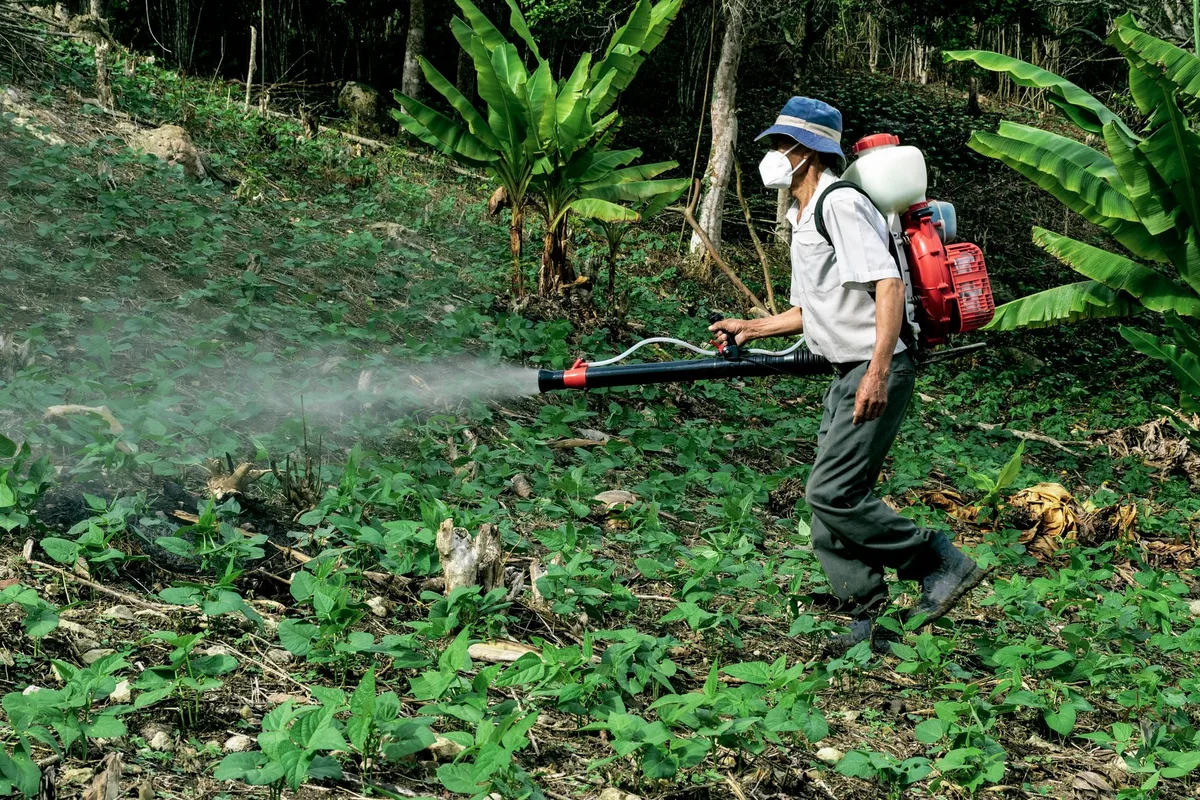
When DIY timing fails. The moment you have floodwater species in a wetland-adjacent property, or container breeders in a dense urban neighborhood, DIY alone won't cut it. The timing windows are too narrow, and the breeding pressure is too high. You'll need a pro to apply larvicide to hard-to-reach areas and maintain a consistent barrier.
How automatic misting systems mess up timing. Automatic misting systems run on a timer. They spray at set intervals regardless of weather, bee activity, or actual mosquito presence. This creates two problems.
First, they spray during the day when bees are active, killing pollinators. Second, they waste chemicals by spraying during rain or wind. The fix is to run the system only at dawn and dusk, and only during weeks when mosquito activity is confirmed.
Disable it during cool spells or heavy rain.
The Final Decision Guide: Your 3-Step Plan to Get the Timing Right This Year
Step 1: Identify your species and triggers. Walk your property. Look for standing water. Check if you're bitten during the day (Aedes) or at dusk (Culex).
Then set your start signal: 50°F sustained for general prevention, or the first heavy rain for floodwater species.
Step 2: Start with larvicide and source reduction. This is your highest-leverage move. Remove every container. Treat every water source you can't drain with Bti dunks or bits.
Do this two weeks before adult mosquitoes appear. Your neighbors will wonder why their yard is full of mosquitoes while yours is quiet.
Step 3: Add barrier spray only when needed. Don't spray preventively. Wait until you see adults or until a disease alert hits your county. Apply at dawn or dusk.
Reapply after heavy rain. If you have resistant mosquitoes, rotate active ingredients each year.
This three-step plan saves you money. It protects your family. And it keeps your yard usable all summer.
Good timing is the only thing that separates a season of swatting from a season of sitting outside.
Frequently Asked Questions
How early in the year should I start mosquito control?
Start when daytime temperatures stay above 50°F for a full week. In the southern US, that can be March. In the north, it's usually April or May.
Don't rely on a calendar date. Watch the temperature.
Should I spray before or after rain?
Spray after rain, but only after the product has dried. Most barrier sprays need 2 to 4 hours of dry weather. Check the label for rainfastness.
Spraying before rain washes the product off.
How often should I reapply mosquito spray?
Barrier sprays last 3 to 4 weeks for consumer products, 6 to 8 weeks for professional treatments. Reapply after heavy rain that exceeds half an inch. Larvicide requires monthly reapplication for dunks, weekly for bits.
Can I just fog once and be done?
No. Fogging kills only the adults in the air at that moment. It does nothing to larvae or eggs.
You'll see temporary relief, but the next generation emerges within days. Combine fogging with larvicide for lasting control.
Do mosquito misting systems work?
They can work, but they're easily misused. They spray on a timer, which can kill bees and waste chemicals. Use them only at dawn and dusk, and only during confirmed mosquito season.
Turn them off during cool weather or heavy rain.
What is the best time of day to spray for mosquitoes?
Dawn and dusk. That's when adult mosquitoes are most active and resting on vegetation. The temperature is cooler, so spray droplets evaporate more slowly.
Avoid midday spraying. It's less effective and harms beneficial insects.