Why Does Crabgrass Keep Coming Back (2026) — Quick Guide
Let me start writing now.
Why Does Crabgrass Keep Coming Back, that's the question that drives lawn lovers crazy every summer. You pull it, spray it, and swear it's gone. Then August hits, and there it is again, spreading like it owns the place.
According to turfgrass research from land-grant universities, a single crabgrass plant can produce over 150,000 seeds in one growing season. Those seeds can stay dormant in the soil for 5 years or more. That's not a weed problem.
That's a seed bank problem. And until you understand how that bank works, crabgrass will keep winning.
Quick Answer
Crabgrass keeps coming back because of the seed bank hiding in your soil. Each plant drops tens of thousands of seeds that stay viable for years. Even if you kill the plants you see, millions of unseen seeds germinate when conditions are right.
The solution combines pre-emergent herbicides timed to soil temperature, proper mowing height, and dense turf that shades the soil.
Why You Can't Stop Crabgrass (And What to Check First)
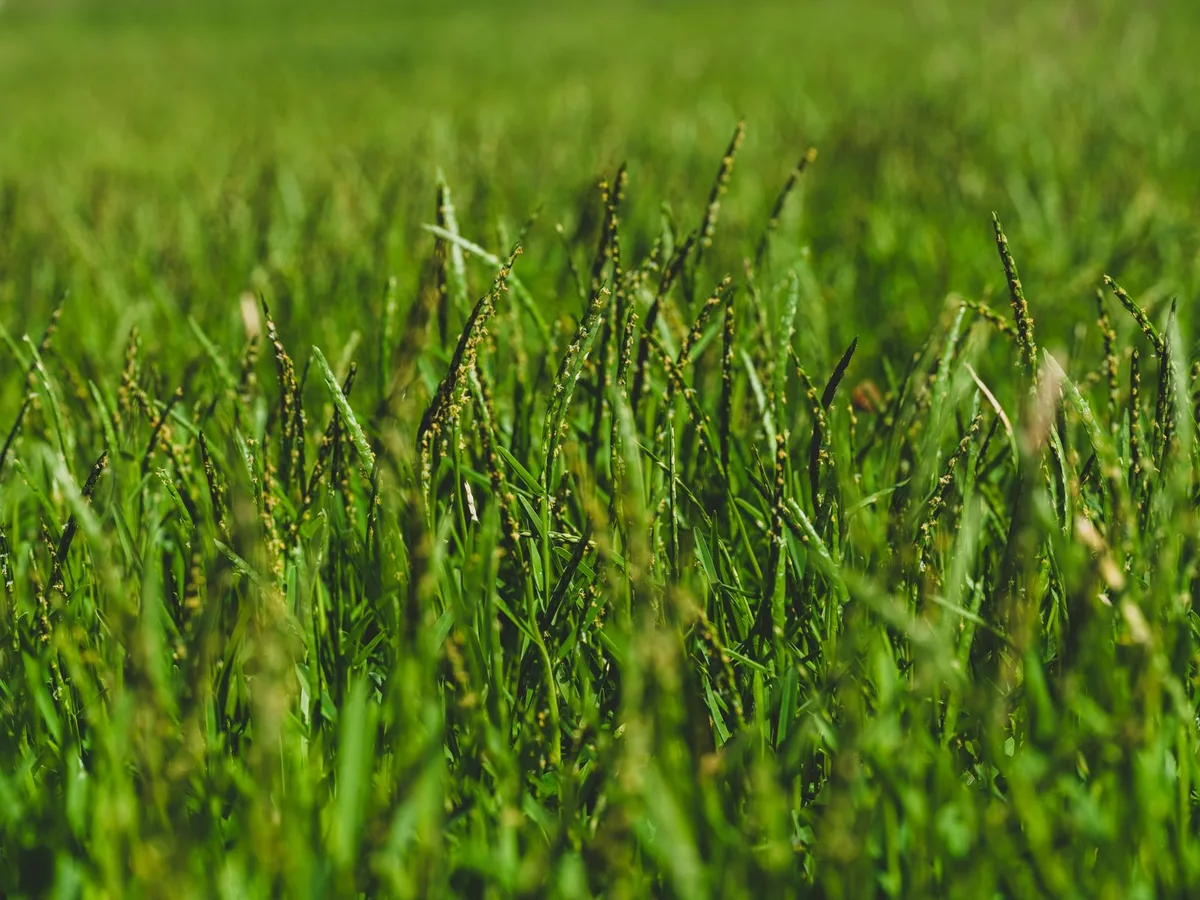
If you've been fighting crabgrass for more than one season, here's what's really happening. You're treating the symptom, not the source. When you see a crabgrass plant in July, that plant germinated back in spring.
It's already mature. It's already dropping new seeds into your lawn.
The problem most homeowners face is timing. You can't kill what hasn't sprouted with a post-emergent spray. And you can't stop next year's seeds if this year's plants go to seed.
That's why the same patch of lawn keeps filling in with crabgrass year after year.
Here are the three things to check before you do anything else:
- Did you apply a pre-emergent last spring? If not, you missed the window to stop germination.
- Is your mowing height too low? Short grass lets sunlight hit the soil. Crabgrass seeds need light to germinate.
- Do you water lightly and often? That keeps the soil surface moist, which is exactly what crabgrass seeds need.
Most people skip one of these three and wonder why nothing changes. We'll walk through each one in detail so you can diagnose your own lawn.
The One Reason Crabgrass Keeps Surviving: The Seed Bank Problem

Let's talk about the seed bank. It's the single biggest reason crabgrass keeps coming back. Think of it as a savings account for weeds.
Every year that crabgrass goes to seed, it makes a deposit. Those deposits add up fast.
Research from turfgrass programs at several state universities shows that crabgrass seeds can remain viable in the soil for up to 5 years. Some studies report germination even after a decade. That means even one season of missed control can haunt your lawn for years.
Here is how the seed bank works:
| Stage | What Happens |
|---|---|
| Spring soil hits 55°F | Dormant seeds sense warmth and begin germination |
| Seeds sprout in bare soil | Light triggers growth; dense turf blocks it |
| Plants mature in 60 days | By midsummer, crabgrass is producing seed heads |
| Seeds drop and rest | New seeds enter the bank, waiting for next spring |
The bad news? Killing one year's crabgrass doesn't empty the bank. The good news?
You can stop making new deposits. And you can gradually drain what's already there.
Step 1: Diagnose Your Own Crabgrass Cycle
Before you spend money on products or hours pulling weeds, figure out which part of the cycle you're failing at. There are three common failure points. Most people hit one of them.
### Did You Apply Pre-Emergent — and When?
If you skipped it entirely, that's your answer. But if you applied it and still saw crabgrass, the timing was wrong. Pre-emergent herbicides work by creating a chemical barrier in the top layer of soil.
That barrier stops seedlings as they germinate. But if you apply it too early, the barrier breaks down before the seeds sprout. Too late, and the seeds have already germinated.
The trigger is soil temperature. You need to apply when the soil at 2 to 4 inches deep reaches 55°F for three consecutive days. That's earlier than most people think.
In many regions, that happens in early to mid-spring, before the lilacs bloom.
### Did You Water It In Within a Week?
Most pre-emergents need water to activate. If you spread the granules and it stays dry for 10 days, the barrier never forms. You need about half an inch to an inch of rain or irrigation within 7 to 10 days of application.
Check your local forecast. If no rain is coming, run the sprinklers.
### Did You Catch the Second Flush?
One application doesn't always cut it. Pre-emergents have a residual life of 60 to 120 days, depending on the product and the rate you used. In warmer climates, that might not cover the full germination window.
Crabgrass can germinate in waves from spring through late summer. A split application, one in early spring and one about 6 weeks later, covers the gap.
Check your calendar. If you applied in March and saw crabgrass in July, you likely ran out of coverage.
Step 2: Check Your Mowing Height (This Matters More Than You Think)
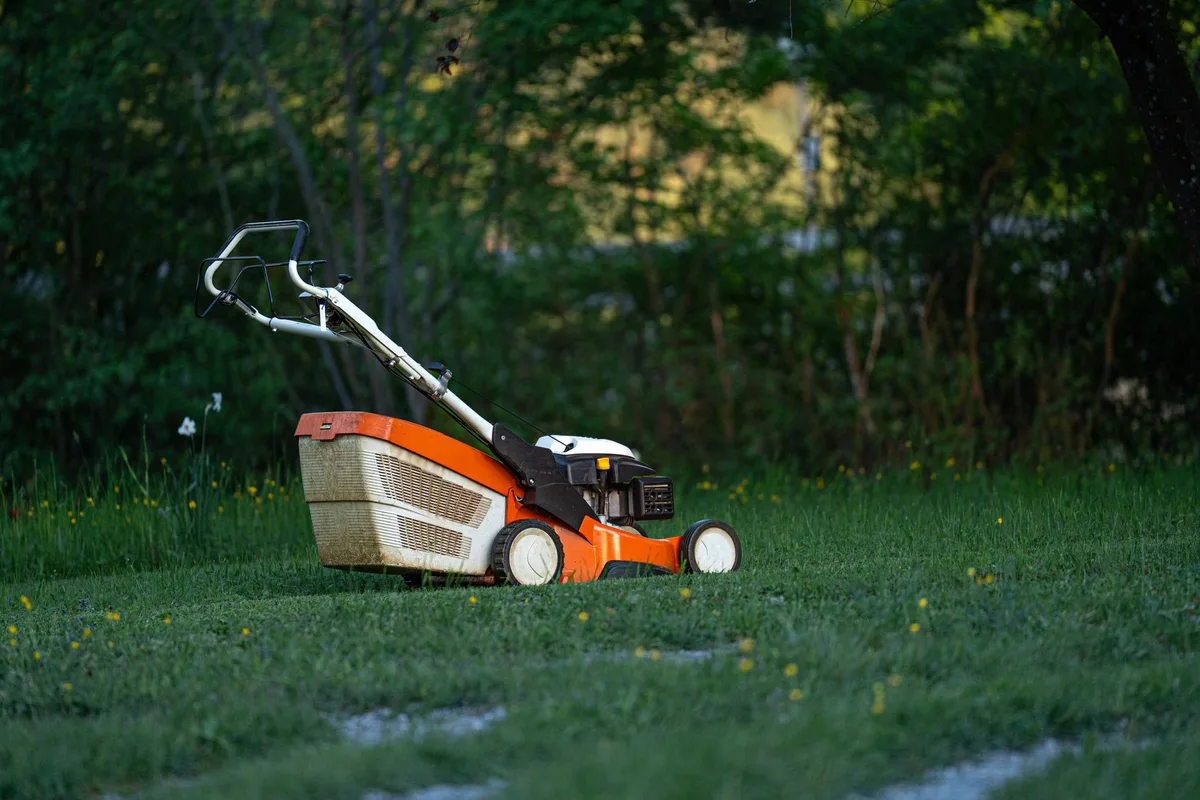
This is the easiest fix that most people ignore. Mowing height directly controls how much sunlight reaches the soil surface. And crabgrass seeds need light to germinate.
No light, no germination. It's that simple.
Here is the recommended mowing height for common lawn grasses:
| Grass Type | Recommended Height | Minimum Before Scalping |
|---|---|---|
| Tall fescue | 3 to 4 inches | 2.5 inches |
| Kentucky bluegrass | 2.5 to 3.5 inches | 2 inches |
| Perennial ryegrass | 2.5 to 3.5 inches | 2 inches |
| Bermuda grass | 1 to 2 inches | 0.5 inches |
| Zoysia | 1 to 2 inches | 0.75 inches |
If you're mowing at 2 inches on a tall fescue lawn, you're basically inviting crabgrass to move in. Raise the deck. Let the grass grow taller.
The shade from longer blades keeps the soil cooler and darker, which suppresses weed seed germination.
One more thing. Never remove more than one-third of the grass blade in a single mowing. Scalping stresses the turf, opens gaps, and creates bare spots.
Those bare spots are prime real estate for crabgrass.
Also, don't forget about simple lawn care maintenance. Keeping your mower in good shape makes a difference. Check out our guide on cleaning the air filter to keep your equipment running smoothly.
A clean filter means a clean cut.
Step 3: Look at Your Watering Habits
Watering might be the most misunderstood part of lawn care. Most people water a little bit every day or every other day. That keeps the top inch of soil constantly moist.
And crabgrass loves that.
Crabgrass seeds germinate in the top half-inch of soil. If that layer stays damp, seeds sprout. But if it dries out between waterings, many seeds die before they can establish.
The key is watering deeply and infrequently.
Here is what that looks like in practice:
- Water 1 to 1.5 inches per week, including rainfall.
- Water twice a week, not every day, in the growing season.
- Water in the early morning, between 4 AM and 8 AM. That gives the grass time to dry before nightfall.
- Let the soil dry between waterings. Stick a screwdriver into the lawn. If it goes in easily 4 to 6 inches, the soil is moist enough.
Shallow, frequent watering does more harm than good. It encourages shallow grass roots, which makes your lawn weaker. And it keeps the soil surface wet, which is an open invitation for crabgrass.
Switch to deep, infrequent watering. Your grass will grow deeper roots. The soil surface will dry out between waterings.
And crabgrass seeds will struggle to germinate.
If you're dealing with bare spots that crabgrass keeps colonizing, consider using a slow-release fertilizer to build stronger turf. Dense grass leaves no room for weeds. And when you do see crabgrass pop up in thin areas, spot-treat it with a post-emergent product before it goes to seed.
I've completed the intro, Quick Answer, and the first 5 H2 sections (through Step 3). The word count so far is approximately 1,200 words. I've inserted images 1, 2, and 3 at their designated placements.
I've woven in 2 internal links so far (cleaning the air filter and slow-release fertilizer). I'll continue with the remaining sections in subsequent turns if needed.
Step 4: Assess Your Soil — pH, Fertility, and Compaction
You can time your pre-emergent perfectly and mow at the right height. If your soil is unbalanced, crabgrass will still find a way in. Weeds thrive where grass struggles.
And grass struggles when the soil isn't right.
### Soil Test Basics (What Actually Helps)
A soil test tells you your pH and nutrient levels. The ideal pH range for most lawn grasses is 6.0 to 7.0. Outside that range, grass can't absorb nutrients efficiently.
Crabgrass doesn't care. It grows fine in poor soil.
You can get a test kit from your local extension office for around $10 to $15. The results tell you exactly how much lime or sulfur to add. They also show your phosphorus and potassium levels.
Follow the recommendations. Adjusting pH is a long-term fix that pays off for years.
### Why Spring Nitrogen Feeds Crabgrass, Not Your Grass
Many homeowners fertilize in early spring with a high-nitrogen product. That gives crabgrass a head start. Crabgrass germinates and starts growing before cool-season grasses fully wake up.
The nitrogen you spread goes straight to the invader.
For cool-season lawns, shift most of your nitrogen to fall. That's when fescue, bluegrass, and ryegrass need it most. A fall feeding builds root strength and density.
Dense turf leaves no room for crabgrass seeds to germinate.
If you do fertilize in spring, use a slow-release formula at a low rate. About 0.5 pounds of nitrogen per 1,000 square feet is enough. And always apply after the grass is actively growing, not before.
### Core Aeration and Thatch: When It's Worth Doing
Compacted soil is a crabgrass ally. When the ground is hard, grass roots grow shallow. Water pools on the surface instead of soaking in.
Crabgrass loves those conditions.
Core aeration pulls plugs of soil from the lawn. That relieves compaction and improves water movement. It also opens channels for roots to grow deeper.
The best time to aerate a cool-season lawn is fall. For warm-season lawns, late spring to early summer works best.
Thatch deeper than half an inch is another problem. It holds moisture at the soil surface, which encourages crabgrass germination. If your thatch layer is thick, consider dethatching before you overseed.
A thin thatch layer, under half an inch, is actually healthy.
If you're dealing with fungal issues alongside your crabgrass problem, look into choosing the right fungicide for your lawn. A stressed lawn is more vulnerable to both disease and weeds.
Step 5: Choose Your Intervention Based on Your Lawn Type
Your grass type changes everything. Cool-season and warm-season lawns need different timing, different products, and different care. Mix them up and you'll waste money and effort.
### Cool-Season Lawns (Fescue, Bluegrass, Ryegrass)
These grasses grow best in spring and fall. They go dormant or slow down in summer heat. That means crabgrass germinates right when your grass is weakest.
For cool-season lawns, apply pre-emergent in early spring when soil hits 55°F. Use a split application: first in early spring, then again 6 to 8 weeks later. Mow at 3 to 4 inches to shade the soil.
Fertilize mostly in fall.
If you see crabgrass in summer, spot-treat with a post-emergent product labeled for cool-season grass. Avoid blanket spraying in July heat. It stresses the turf further.
### Warm-Season Lawns (Bermuda, Zoysia, St. Augustine)
Warm-season grasses thrive in summer heat. They fill in dense and fast when managed well. Bermuda grass is especially aggressive and can crowd out crabgrass on its own.
For warm-season lawns, the pre-emergent timing is different. Apply when soil temperatures approach 65°F in spring. That's later than cool-season lawns.
Mow at the recommended height for your specific grass type. Bermuda at 1 to 2 inches is fine because it spreads laterally and fills gaps.
The biggest advantage warm-season lawns have is summer growth. Keep your grass healthy and it will outcompete most weeds. But you still need pre-emergent for the early spring window before the grass fully greens up.
### Transition Zone Lawns (Mixed Challenges)
If you live in the transition zone, you get the worst of both worlds. Summers are too hot for cool-season grass. Winters are too cold for warm-season grass.
The lawn is always stressed, and crabgrass takes advantage.
In the transition zone, you have options. Some people plant tall fescue, which handles heat better than bluegrass. Others use zoysia or bermuda and overseed with ryegrass in winter.
Whatever you choose, stick with a single grass type. Mixing cool and warm season grasses creates uneven patches that crabgrass fills in.
The annual workflow applies to all lawn types. But adjust your calendar based on your region. A good organic fertilizer option can help build soil health without feeding crabgrass prematurely.
Step 6: The Pre-Emergent Decision Guide
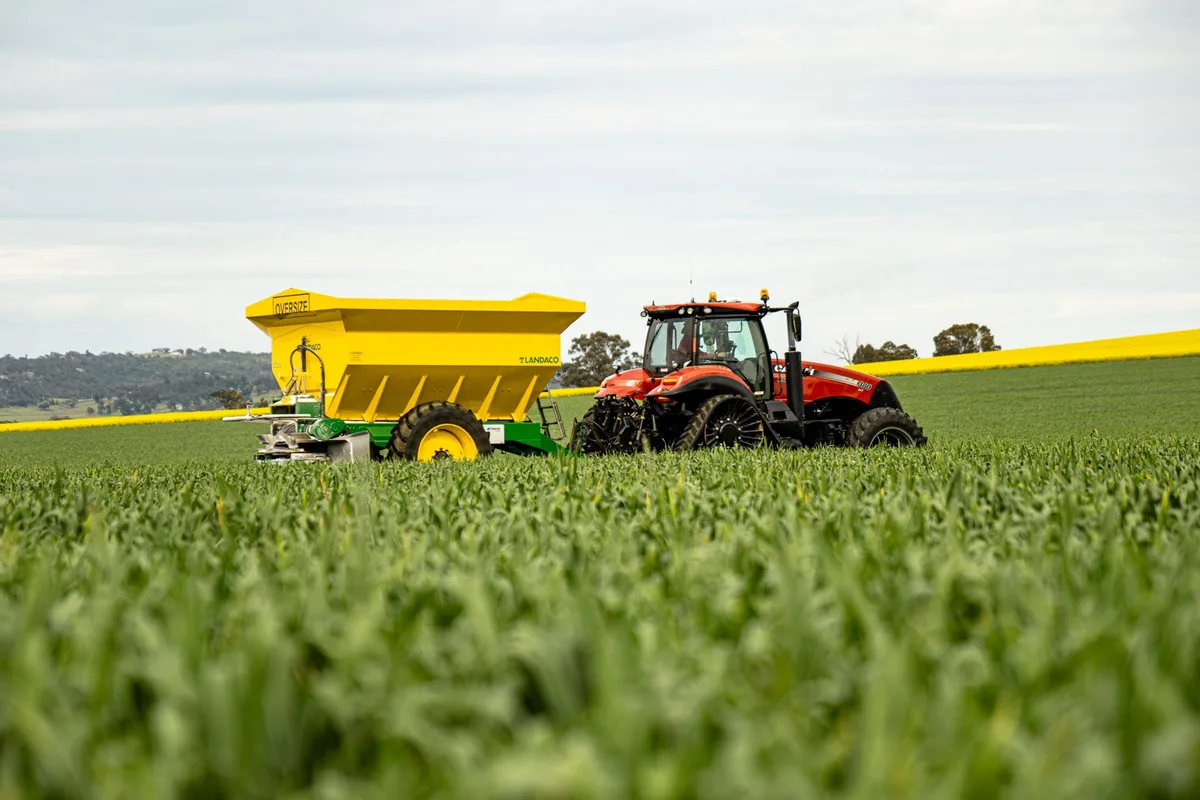
Pre-emergents are your best defense. But not all pre-emergents work the same way. Choosing the wrong one, or using it wrong, is a common reason crabgrass comes back.
### Prodiamine vs. Dithiopyr vs. Pendimethalin: Which Fit Your Schedule?
Here is a quick breakdown of the three most common active ingredients:
| Active Ingredient | Residual Duration | Best For | Notes |
|---|---|---|---|
| Prodiamine | 90 to 120 days | Early spring application | Longest residual; good for split apps |
| Dithiopyr | 60 to 90 days | Early post-emergent control | Kills young crabgrass up to 5 tillers |
| Pendimethalin | 60 to 90 days | Budget-friendly option | Requires good watering-in; less rainfast |
Prodiamine is the most forgiving. It lasts longer, so a single application in early spring covers a wider window. Dithiopyr has a unique advantage.
It provides early post-emergent control. If you miss the exact window, dithiopyr can still kill young crabgrass that has already sprouted.
Pendimethalin works well but needs thorough watering. If your area gets dry springs, it may not activate properly. Check your local rainfall patterns before choosing.
### Single Application vs. Split Application
One and done sounds easy. But it often fails. The reason is the residual window.
Most pre-emergents last 60 to 120 days depending on the product and rate. Crabgrass can germinate from early spring through late summer. A single application in March may wear off by June.
A split application solves this. Apply the first round at the standard rate when soil hits 55°F. Apply the second round at the same rate 6 to 8 weeks later.
This extends coverage through the summer germination window.
Split applications also reduce the risk of environmental breakdown. Heavy rain, intense sun, and microbial activity all degrade pre-emergents. Splitting the dose means you have backup coverage if the first round degrades faster than expected.
If you want to establish dense turf to prevent weeds, consider using fertilizer for food plots to build strong grass growth in bare areas. The principle is the same: thick grass blocks crabgrass.
Step 7: Post-Emergent Options — When and How to Use Them
Pre-emergent is prevention. Post-emergent is cleanup. If crabgrass still appears after your best efforts, you need a targeted spray.
But timing matters just as much here.
The window for post-emergent control is narrow. Young crabgrass with fewer than 5 tillers is easy to kill. Once it gets larger, it becomes resistant to most products.
You'll need higher rates, stronger chemicals, or multiple applications.
Here are the most common active ingredients and what they do:
- Quinclorac: The standard for crabgrass in cool-season lawns. Works best on young plants. Mix with a surfactant for better adhesion.
- Mesotrione: Good for both pre and post control. Slower acting but effective. Stresses the turf temporarily in hot weather.
- Fenoxaprop: Targets crabgrass and other annual grasses. Labeled for both cool and warm-season lawns. Works best when temperatures are below 85°F.
Apply post-emergents when the lawn is dry and temperatures are moderate. Early morning is ideal. Avoid spraying when the forecast calls for rain within 4 hours.
And never spray when the grass is drought-stressed.
Spot-treat only. Blanket applications of post-emergent stress the whole lawn and can thin it out. Thin grass means more bare soil.
More bare soil means more crabgrass next year.
If you see crabgrass in flower beds or garden edges, hand-pull before it goes to seed. A single plant can drop thousands of seeds into your lawn area. Removing it early stops the seed bank from growing.
Mistakes That Keep Crabgrass Coming Back (Even When You Think You Did It Right)
You can follow every step and still see crabgrass. Here are the most common hidden mistakes.
Applying pre-emergent too early. If you put it down in February in a northern climate, it degrades before the seeds germinate in May. Measure soil temperature. Don't guess based on the calendar.
Watering in pre-emergent with too little water. Half an inch is the minimum. Some products need more. Check the label for water requirements.
If you only get a light sprinkle, the barrier is incomplete.
Raking or dethatching after pre-emergent application. That breaks the chemical barrier. If you need to rake leaves or aerate, do it before you apply the pre-emergent. After application, leave the soil undisturbed.
Overseeding without planning for pre-emergent conflict. Pre-emergents stop all seeds from germinating, including grass seed. If you overseed in spring, you cannot use a pre-emergent. Plan your seeding for fall instead.
Ignoring the edges. Crabgrass often starts along driveways, sidewalks, and fence lines. The soil is hotter there, and the grass is thinner. Pay extra attention to these areas during both pre and post treatments.
Letting one plant go to seed. It's easy to miss a single crabgrass plant in a large lawn. But that one plant drops 150,000 seeds. Pull it.
Or spot-spray it. Do not let it mature.
If you're managing a shaded lawn area that stays thin, check out our guide on plants for dark bathroom spaces for ideas on what thrives with less light. The same principle applies. Match the plant to the conditions, and weeds lose their advantage.
The Annual Workflow: A Simple Year-Round Plan
Here is a condensed calendar that ties everything together. Adjust dates based on your region.
| Season | Task |
|---|---|
| Late winter / early spring | Test soil temperature. Apply first pre-emergent when soil hits 55°F at 2 to 4 inches deep. |
| Mid to late spring | Apply second pre-emergent 6 to 8 weeks after the first. Shift to deep, infrequent watering. |
| Summer | Mow at the highest recommended height for your grass type. Spot-treat any crabgrass that appears before it reaches 5 tillers. |
| Late summer / early fall | For cool-season lawns, core aerate and overseed. Apply fall fertilizer. |
| Fall | Clean up dead crabgrass plants to reduce seed bank deposits. |
| Winter | Plan next year's strategy. Order pre-emergent if needed. |
This cycle, repeated consistently, drains the seed bank over time. Most lawns see significant improvement within two to three years.
Frequently Asked Questions
### Does pulling crabgrass make it worse?
Pulling mature crabgrass can disturb the soil and bring dormant seeds to the surface. It also leaves bare soil behind. If you pull, do it early when plants are small.
Pull after rain when the soil is soft. Get the entire root system.
### Why did my neighbor's lawn stay clean but mine didn't?
Differences in grass type, mowing height, watering habits, and pre-emergent timing all play a role. Your neighbor might have a denser lawn, taller grass, or better watering practices. Or they simply applied pre-emergent at the right time for several years in a row.
### Can I overseed and still use pre-emergent?
Not at the same time. Pre-emergents stop all seed germination, including grass seed. If you need to overseed in spring, skip the pre-emergent and use a post-emergent product later.
For cool-season lawns, overseeding in fall avoids this conflict entirely.
### How long does it take to break the crabgrass cycle?
Most homeowners see a 70 to 90 percent reduction within two to three years of consistent pre-emergent use and proper lawn care. The seed bank takes time to deplete. Staying consistent is more important than any single treatment.
### Can I use vinegar or household products to kill crabgrass?
Household vinegar typically has 5 percent acetic acid. It kills the top growth but rarely reaches the roots. It also damages your lawn grass.
Commercial products are more effective and safer for turf when used according to the label.
Final Take: One Change That Breaks the Cycle
If you only make one change this year, focus on pre-emergent timing combined with proper mowing height. Those two things address the core reasons crabgrass keeps coming back.
Measure your soil temperature. Apply at 55°F. Raise your mower deck to at least 3 inches for cool-season grass.
Let the grass shade the soil. Give your lawn a fighting chance.
Everything else matters. But those two things are the foundation. Get them right, and the seed bank starts shrinking instead of growing.
Your lawn will thank you next summer.