Guide to Year Round Lawn Maintenance Guide 2026
You've probably looked at your lawn in early spring and wondered what to do first, or stared at neighbors who seem to have green turf all year while yours hits a rough patch in August. The truth is, a healthy lawn isn't about a single magic product or one weekend of work. It's about matching your actions to your grass type, your climate, and the season.
That's exactly what this Year Round Lawn Maintenance Guide gives you a decision-based workflow you can actually follow.
According to USDA hardiness zone data and turfgrass research, the single biggest mistake homeowners make is applying a generic calendar regardless of location. A lawn in Atlanta (Zone 7b, warm‑season Bermuda) has almost nothing in common with a lawn in Seattle (Zone 8b, cool‑season fescue) at the same date. This guide uses soil temperature, grass type, and seasonal triggers rather than arbitrary months, so you can build a schedule that works for your actual yard.
Quick Answer
A year‑round lawn maintenance guide gives you the right action for each season. Start by identifying your grass type. Test your soil pH and nutrient levels.
Then follow a seasonal workflow based on soil temperature and growth phases. Spring: mow low, apply pre‑emergent, fertilize with high nitrogen. Summer: raise mower deck, water deep and infrequent.
Fall: aerate, overseed, apply winterizer. Winter: clean up, protect dormant grass.
Why Your Grass Type Matters First (Cool‑Season vs. Warm‑Season)
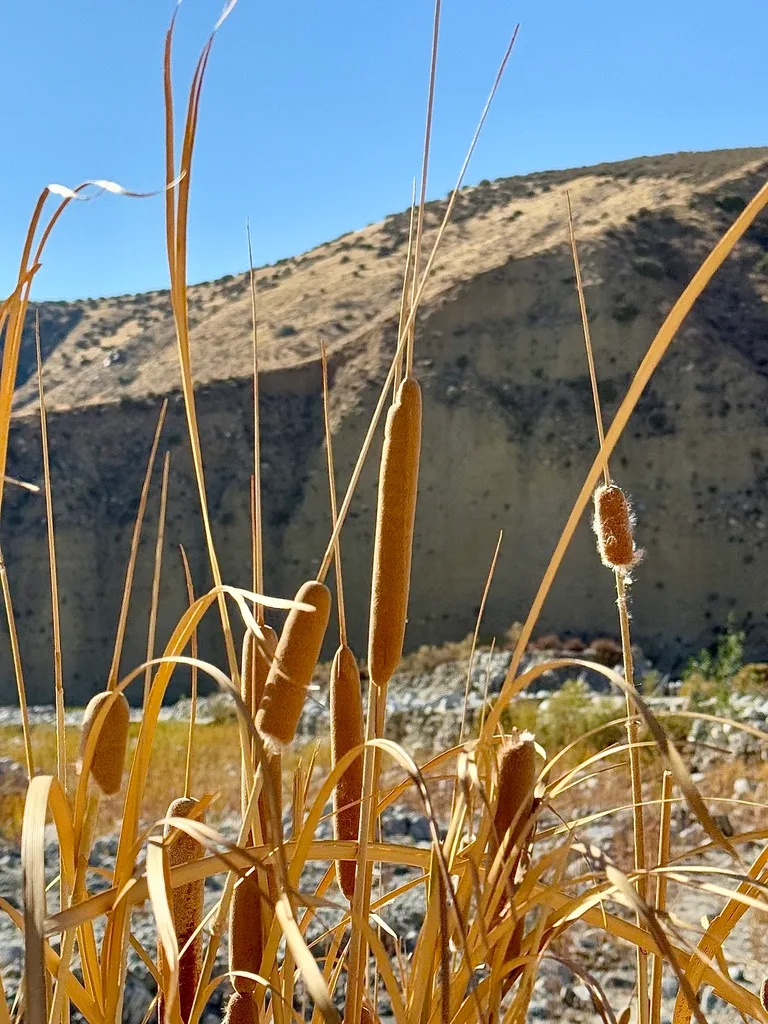
Before you touch a mower, fertilizer, or seed bag, you need to know one thing: what kind of grass grows in your yard. Everything else flows from that answer.
Cool‑season grasses (fescue, ryegrass, Kentucky bluegrass) grow actively in spring and fall, go dormant in summer heat, and tolerate freezing temperatures. Warm‑season grasses (Bermuda, zoysia, centipede, St. Augustine) thrive in summer heat, go brown and dormant in winter, and need different care in every season.
If you live in the transition zone (roughly USDA zones 5 through 8), you might have a mix. In that case, your maintenance decisions get trickier because you need to support one dominant grass type. Our research shows that trying to "help both" usually leaves neither thriving.
Here's the quick test, look at your lawn in July. If it's green and growing fast, you have warm‑season grass. If it's brown or struggling, it's likely cool‑season.
Same test in January: if it's green, cool‑season; if brown and dormant, warm‑season.
Once you know your type, you can apply the rest of this guide with confidence. The decisions from here on depend on that one fact.
The One Tool You Need Before Anything Else: A Soil Test
You wouldn't cook a meal without tasting the ingredients. Lawn care works the same way. A soil test tells you your pH and nutrient levels (NPK) so you don't guess on fertilizer.
Guessing leads to burning the lawn, wasting money, or feeding the wrong thing.
You have two options:
- DIY test kit, $10, $20, gives you pH and basic NPK readings. Good enough for most homeowners.
- Lab soil test, $15, $30 from your local county extension office. Provides detailed recommendations, including micronutrients and organic matter.
The crucial number is pH. Most grasses prefer a range of 6.0 to 7.0. Outside that range, nutrients get locked up in the soil and your grass starves even if you're fertilizing.
If your pH is below 6.0, you'll need to apply lime. Above 7.0, sulfur or peat moss can lower it.
Our recommendation: Get a lab test at least once, then use DIY kits for annual checks. Mark the date on your calendar for early spring or fall, whichever comes first in your growing season.
A soil test also tells you if your phosphorus (P) and potassium (K) levels are adequate. This keeps you from wasting money on a balanced 10‑10‑10 when your soil only needs nitrogen.
Spring Lawn Care – Decision Branch: Your Grass Type & Climate
Spring is when most people make their first big mistake: jumping into action too early. You need to wait for the right signals, not the calendar date.
When to Start Mowing (Don't Guess the Date)
For cool‑season grasses: start mowing when the grass reaches about 3 inches tall and the soil temperature is consistently above 50°F. That's usually when forsythia bushes bloom. For warm‑season grasses: wait until the grass is fully green and soil temperature reaches 65°F.
Mowing before green‑up can damage the crowns.
Don't cut more than one‑third of the blade height at a time. Scalping a cool‑season lawn in spring is fine if you're overseeding, but on an established lawn it stresses the roots.
Fertilizing: What N‑P‑K Ratio Works for Spring
- Cool‑season grass: use a high‑nitrogen fertilizer like 20‑10‑10 or 25‑5‑10. Apply after the second mowing, around 1 lb of nitrogen per 1,000 sq ft.
- Warm‑season grass: use a moderate nitrogen blend like 16‑4‑8. Apply after full green‑up, around 0.5 to 1 lb of nitrogen per 1,000 sq ft.
Avoid fertilizing too early, the grass can't use it and it feeds weeds instead. That's where a soil test helps, because it tells you if your phosphorus levels are already high. If so, choose a "no‑phos" fertilizer.
Pre‑Emergent Timing: Soil Temperature Is Your Guide
Pre‑emergent herbicides stop weed seeds from germinating. They work best on annual grasses like crabgrass, foxtail, and goosegrass. But timing is everything.
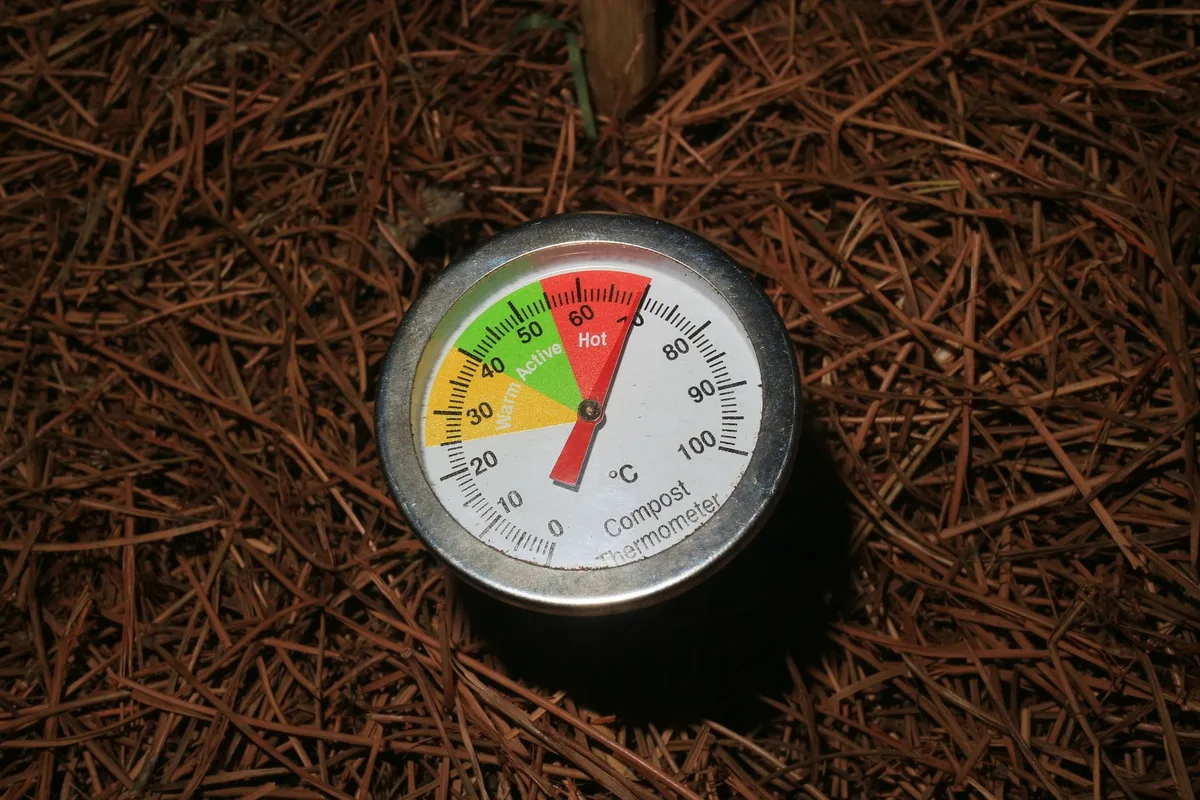
Apply pre‑emergent when the soil temperature at 2 inches deep reaches 55°F for cool‑season weeds (crabgrass) and 60°F for warm‑season weeds (goosegrass). A simple soil thermometer costs $10 and is your best tool for this decision.
- Cool‑season lawns: apply in early spring, usually March to April depending on zone. You can also split the application, half in early spring, half 6 weeks later.
- Warm‑season lawns: apply just after green‑up, when soil hits 55°F for 3 consecutive days.
Don't apply pre‑emergent if you plan to overseed in the same season. Pre‑emergent kills grass seeds too. If you want to overseed in fall, skip spring pre‑emergent on those areas, or use a selective pre‑emergent labeled for use over seed.
Common mistakes include applying too late (after weeds have already sprouted) or skipping a second application. Most pre‑emergents last 4 to 8 weeks, so a single spring treatment may not cover the full germination window.
Summer – Surviving Heat & Drought
Summer is the stress season for most lawns. Cool‑season grasses go dormant; warm‑season grasses thrive but need proper management to avoid disease.
Mowing Height: Raise It or Risk Burn
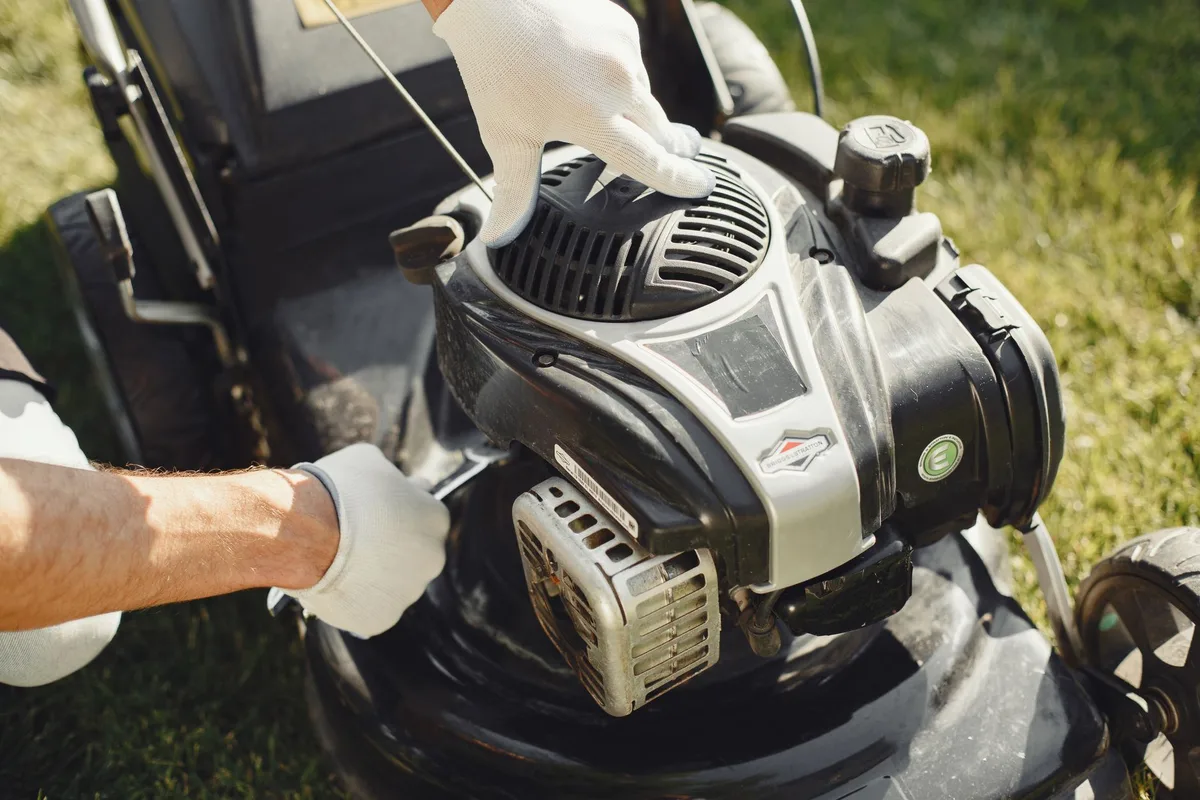
The single most important summer rule: raise your mower deck. Higher grass shades the soil, retains moisture, and develops deeper roots.
- Cool‑season grass: mow at 3.5 to 4 inches.
- Warm‑season grass: mow at 2 to 3 inches (Bermuda can go to 1.5 inches if actively growing).
Never mow during the hottest part of the day. Water your lawn the night before or early morning, and mow when the grass is dry to prevent clumping and disease spread.
Keep your mower blades sharp. Dull blades tear the grass, turning it brown at the tips and making it more susceptible to fungus. As of 2026, most new mowers come with a blade sharpener recommendation every 25 hours of use.
Watering Rules: Deep, Infrequent, Early Morning
Water once a week, deeply, about 1 to 1.5 inches per week, including rain. Watering lightly every day makes shallow roots and weak grass. The best time to water is between 4 AM and 10 AM.
Evening watering leaves moisture on the blades overnight, inviting fungal diseases.
If you're in a drought, let your cool‑season grass go dormant. It's normal and it will come back when rain returns. Dormant grass does not need water.
Watering dormantly just encourages shallow rooting and disease.
When to Skip Fertilizer (And When You Still Can)
- Cool‑season grass: stop fertilizing by late May. Summer fertilizing pushes growth that requires more water and burns in heat. Resume in September.
- Warm‑season grass: you can fertilize one more time in early summer, but use a slow‑release formula with low phosphorus. Stop by mid‑July to avoid pushing growth into fall dormancy.
Fertilizing during a drought is wasted. The grass can't absorb nutrients without water, and you risk burning the roots.
Fall – The Most Important Season for Lawn Health
If you only give your lawn serious attention once a year, make it fall. Cool‑season grasses enter their peak growth window, and warm‑season grasses store energy for winter dormancy. This is when you can fix last year’s mistakes and set up next spring’s lawn.
Aerate & Overseed: Why Fall Beats Spring
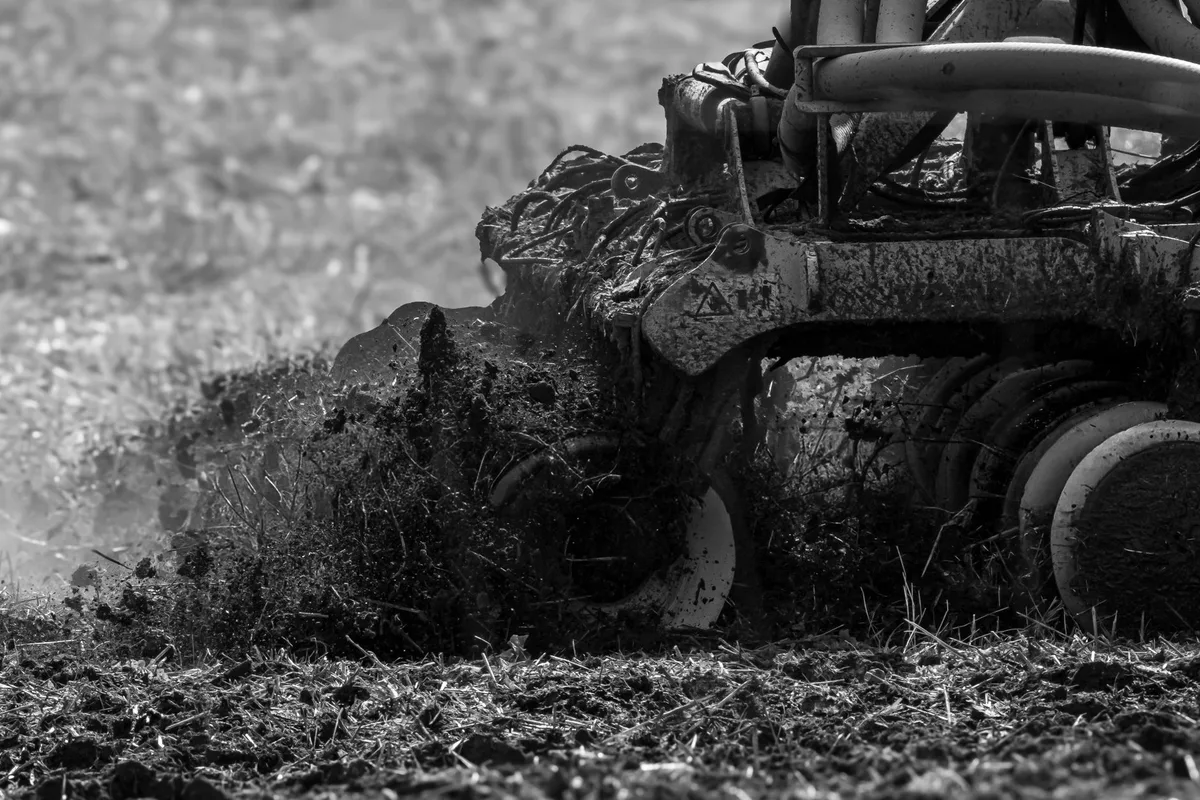
Aeration relieves soil compaction and lets water, air, and nutrients reach the roots. Overseeding fills in bare patches and thickens the turf. Spring seems logical, but fall is better.
Why fall wins:
- Soil temperatures are still warm (55, 70°F), so grass seed germinates quickly.
- Cool fall air reduces heat stress on seedlings.
- Weeds are less active, so new grass faces less competition.
- Winter dormancy gives roots a head start before summer heat hits.
Decision branch:
- Cool‑season grass: Aerate and overseed in early to mid‑fall (September to October in most northern zones).
- Warm‑season grass: Aerate in late spring or early summer. Overseeding warm‑season lawns is rarely needed unless you’re converting to a cool‑season variety in the transition zone.
How to do it:
- Mow your lawn slightly shorter than usual (around 2 inches for cool‑season).
- Run the core aerator over the lawn. Focus on compacted areas and high‑traffic paths.
- Spread seed at the rate recommended on the bag (typically 5, 10 lbs per 1,000 sq ft).
- Lightly rake the seed into the aeration holes.
- Water daily for the first two weeks, then taper off.
Avoid applying pre‑emergent before overseeding. It will kill your new grass. Instead, wait until the new grass has been mowed twice before spot‑treating weeds.
Applying a Winterizer Fertilizer
A winterizer fertilizer is a high‑potassium blend applied in late fall. It strengthens roots and helps the lawn survive winter stress.
- Cool‑season grass: Apply after the last mowing, usually November, when grass has stopped growing but soil hasn’t frozen.
- Warm‑season grass: Apply in early fall (September) to help roots store energy, but skip the winterizer if your lawn goes fully dormant.
Use a formula like 10‑10‑20 (higher potassium and phosphorus, lower nitrogen). Apply 0.5 to 1 lb of nitrogen per 1,000 sq ft. Don’t fertilize too early; you’ll push top growth that winter will kill.
Dethatching: Only If You Need It (Test First)
Thatch is a layer of dead grass and roots between the soil and the green blades. A thin layer (under ½ inch) is normal and healthy. Thicker than that, and it blocks water and nutrients.
Test: Push your finger into the lawn. If you hit a spongy layer more than ½ inch thick, dethatch.
When to dethatch:
- Cool‑season grass: Early fall, right before overseeding.
- Warm‑season grass: Late spring to early summer, after full green‑up.
Don’t dethatch just because it’s on the calendar. Thatch builds up slowly, and aggressive dethatching can damage healthy roots. If you have a healthy lawn with good aeration and proper mowing height, you may never need to dethatch.
Winter – Dormancy, Snow, and Bare Spots
Winter is about protection, not production. Your lawn is either dormant (brown) or semi‑dormant (cool‑season in mild climates). The less you disturb it, the better.
Last Mow Height & Cleanup
Before winter sets in, give your lawn a final trim. For cool‑season grasses, lower the deck to about 2 inches. This prevents snow mold and reduces the chance of matting under heavy snow.
For warm‑season grasses, mow at your normal summer height; lowering it can expose crowns to frost damage.
Cleanup checklist:
- Rake leaves and debris that could smother the grass.
- Remove any fallen branches or toys.
- Drain and store your hose. Winterize your irrigation system if you have one.
- Apply a dormant fungicide if your lawn had snow mold the previous winter.
Dormant Seeding (For Northern Climates Only)
Dormant seeding is a clever trick for cold‑climate lawns. You spread grass seed after the ground has frozen but before a heavy snowfall. The seed stays dormant until spring and germinates when soil temperatures rise.
It saves you a spring seeding chore.
Rules for dormant seeding:
- Only works for cool‑season grasses (fescue, ryegrass, Kentucky bluegrass).
- Soil temperature must be below 40°F consistently.
- Use a higher seed rate (about 20, 30% more than spring) because some seed will be lost to birds or rot.
- Don’t apply pre‑emergent in spring on any area where you did dormant seeding.
Common Mistakes That Ruin Your Schedule (And How to Avoid Each)
Even with a good plan, small errors can throw off your whole year. Here are the most frequent ones we see.
Mistake 1: Fertilizing on a fixed date instead of by soil temperature. You waste product and risk burn. Use a soil thermometer.
Mistake 2: Mowing too short in summer. Scalping the lawn stresses roots and invites weeds. Raise the deck.
Mistake 3: Watering every day for 10 minutes. Shallow roots can’t survive a dry spell. Water deeply once a week.
Mistake 4: Applying pre‑emergent and seed in the same season. One kills the other. Plan your applications 8 weeks apart.
Mistake 5: Ignoring thatch until it’s too thick. Check every spring and fall. If it’s over ½ inch, dethatch or aerate.
Mistake 6: Using the same fertilizer all year. Grass needs different N‑P‑K ratios per season. A single‑blend approach leads to nutrient imbalances.
Mistake 7: Seeding in spring without a plan for summer heat. Spring‑seeded cool‑grass often dies in July because it didn’t establish deep enough roots. Fall seeding is safer.
Creating Your Own Lawn Calendar – A Simple Decision Workflow
Instead of a generic month‑by‑month list, build a calendar based on your lawn’s signals. Here’s a step‑by‑step method.
- Identify your grass type, cool or warm season.
- Test your soil, get pH and NPK numbers.
- Find your USDA hardiness zone, this gives you regional climate context.
- Set your soil temperature thresholds, use a thermometer for key actions.
- Mark the seasonal windows on your calendar: , Spring start: soil temp 50°F (cool) or 65°F (warm).
, Pre‑emergent: soil temp 55°F.
, Summer: raise mower deck, water deep.
, Fall: aerate/overseed when soil temp 60, 70°F.
, Winter: last mow, clean up, dormant seed if needed.
- Adjust for weather, if a heatwave hits early, delay fertilizing. If a cool spring drags on, hold off on mowing.
Example workflow for a cool‑season lawn in Zone 6:
- March: soil test, apply lime if pH low.
- April (soil 50°F): first mow, apply pre‑emergent.
- May (soil 60°F): fertilize with high N, raise mower deck.
- June, August: water 1 inch/week, mow at 3.5, 4 inches.
- September (soil 60°F): aerate, overseed, apply starter fertilizer.
- October: apply winterizer 10‑10‑20.
- November: last mow at 2 inches, clean up debris.
For warm‑season lawns in Zone 8, the schedule shifts later. Use our workflow template to build your own.
Frequently Asked Questions
When should I start mowing my lawn in spring?
Wait until your grass reaches 3 inches tall and soil temperature is consistently above 50°F for cool‑season or 65°F for warm‑season. Mowing too early damages the crowns.
Can I overseed in spring and still apply pre‑emergent?
No. Pre‑emergent kills grass seeds. If you plan to overseed in fall, skip spring pre‑emergent on those areas.
Alternatively, use a selective pre‑emergent labeled safe for new seed.
How often should I water my lawn in summer?
Once a week, giving about 1 to 1.5 inches of water including rain. Water deeply to encourage deep roots. Light daily watering causes shallow roots and disease.
What’s the best fertilizer for fall?
A winterizer with high potassium and phosphorus, like 10‑10‑20 or 8‑12‑16. Apply after the last mowing but before the ground freezes. This helps roots store energy for winter.
Do I really need to dethatch my lawn?
Only if the thatch layer is over ½ inch thick. Test by pushing a finger into the lawn. If you feel a spongy layer, dethatch in early fall for cool‑season grass or late spring for warm‑season grass.
Can I use a regular fungicide on my lawn in fall?
If your lawn had snow mold or fungal issues last winter, applying a dormant fungicide before the first snow can help. Choose a product labeled for turf and follow the label instructions. For persistent problems, consider a cultural practice like improving air circulation and reducing thatch.