How Often Should You Spray for Mosquitoes 2026
You're standing in your backyard on a July evening, ready to fire up the grill, and within thirty seconds you're slapping mosquitoes off your arms. We've all been there. The question "How Often Should You Spray for Mosquitoes" isn't just about convenience, it's about whether your treatment actually works or you're just wasting money and pesticide into the wind.
The answer isn't a single number. Manufacturer specifications indicate that most synthetic barrier sprays provide 21 to 28 days of residual control, while natural essential oil formulations typically last 7 to 14 days. But your actual schedule depends on rainfall, temperature, mosquito species in your area, and how thoroughly you apply the product.
Let's walk through what determines the right interval for your specific situation.
Quick Answer
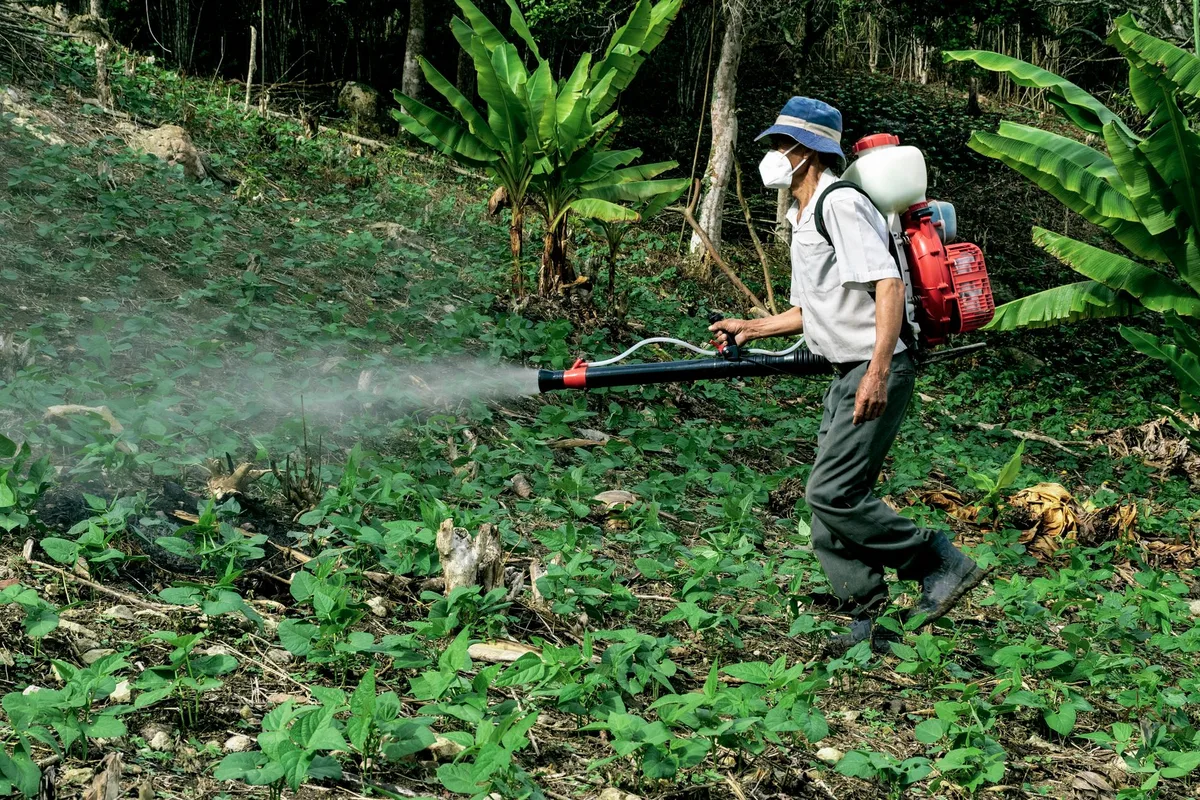
Spray every 21 to 28 days during mosquito season. Use synthetic pyrethroids for the longest residual. Reapply after heavy rain exceeding one inch.
Switch to natural sprays every 7 to 14 days if you prefer organic options. Always rotate active ingredients to prevent resistance. Start treatments in early spring when temperatures consistently reach 50°F.
Why Getting the Frequency Right Actually Matters
Mosquito control isn't a set-it-and-forget-it task. Spray too often and you risk building pesticide resistance in local mosquito populations, harming beneficial insects like honeybees, and wasting money. Spray too rarely and you leave gaps where mosquitoes can rebound and breed unchecked.
The stakes go beyond itchy bites. As of 2026, the CDC continues to track West Nile virus in every continental state, with Eastern Equine Encephalitis (EEE) posing serious risks in the Northeast and Gulf regions. A poorly timed spray schedule doesn't just fail to protect your yard, it can give you a false sense of security while mosquito populations rebuild between treatments.
Here's what most people get wrong: they spray once, see a dramatic reduction, and assume they're done for the month. But mosquito eggs already laid in standing water will hatch within days. Adult females that survive the spray will lay new eggs.
Within two weeks, you can be right back where you started.
Getting the frequency right means understanding the life cycle of the mosquitoes in your yard and matching your spray interval to their reproductive timeline.
What Determines Your Ideal Spray Schedule
No single schedule works for every yard. Your ideal interval depends on four main factors that interact with each other. Change one factor and your optimal frequency shifts.
Your Local Mosquito Species and Disease Risk
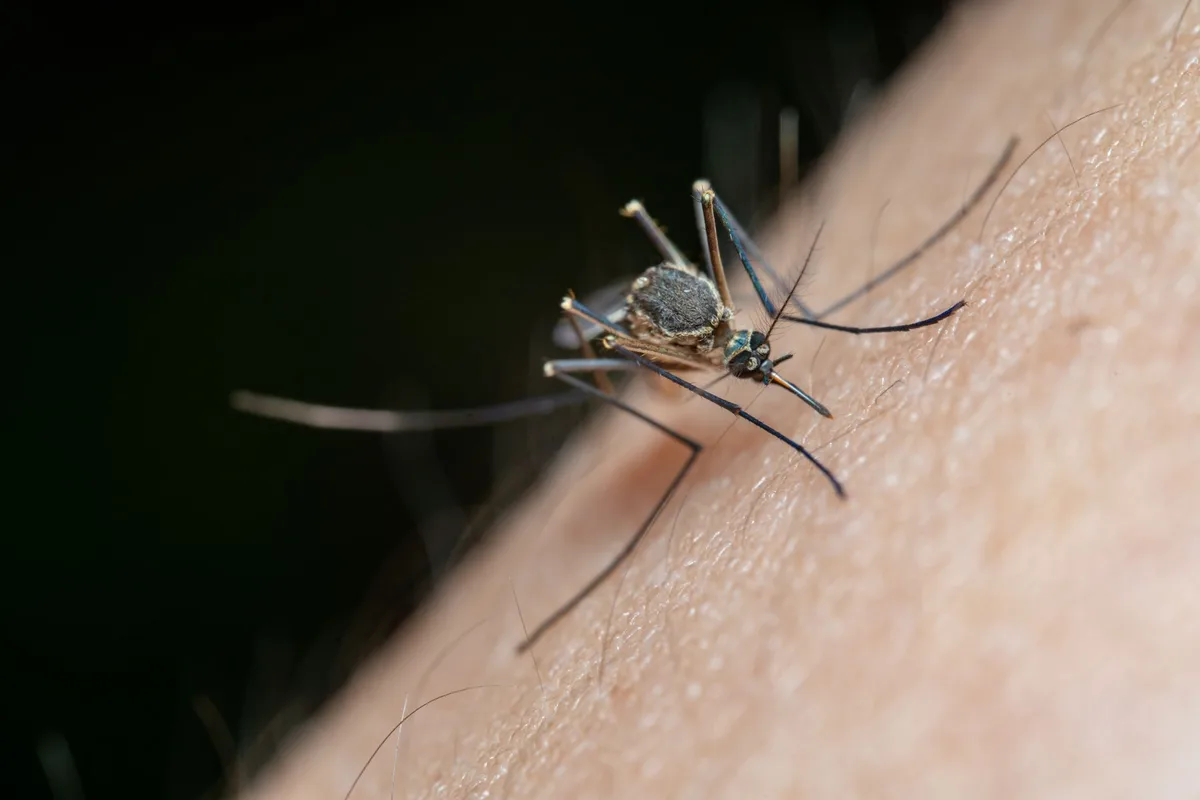
Different mosquito species behave differently. Aedes aegypti and Aedes albopictus, the ones that carry dengue, Zika, and chikungunya, are aggressive daytime biters that breed in small containers. They have a short life cycle of 7 to 10 days in warm weather. If these species are common in your area, you need a tighter spray schedule.
Culex pipiens, the primary vector for West Nile virus, prefers to breed in larger water bodies like bird baths and clogged gutters. They're active at dusk and have a slightly longer life cycle. Your spray interval can stretch closer to 28 days if Culex is your main concern.
Check your local mosquito control district's website. Most publish species surveillance data showing which mosquitoes are active in your county and what diseases they're carrying. That information should drive your schedule more than a generic calendar.
Your Climate and Weather Patterns
Temperature and rainfall directly affect how fast mosquitoes develop and how long your spray residue lasts.
Mosquitoes develop faster in heat. At 80°F, eggs can become biting adults in as little as 7 days. At 60°F, that same cycle takes nearly three weeks.
Your spray interval should shorten during heat waves and can stretch during cooler spells.
Rain is the biggest wildcard. Most synthetic pyrethroid sprays need 24 to 48 hours to dry fully before they become rainfast. Once dry, they can typically withstand light rain.
But a heavy downpour of one inch or more will wash away the residue, and you need to reapply immediately regardless of where you are in your schedule.
If you live in a region with afternoon thunderstorms every few days during summer, expect to spray more frequently than someone in a dry climate.
The Type of Product You're Using
This is the factor you have the most control over. Different active ingredients have different residual lifespans on vegetation.
Synthetic pyrethroids like bifenthrin, lambda-cyhalothrin, and deltamethrin are the workhorses of residential mosquito control. They bind to plant leaves and remain active for 21 to 28 days under normal conditions. They're also broad-spectrum, meaning they kill ticks, fleas, and many garden pests alongside mosquitoes.
Natural products based on essential oils, oil of lemon eucalyptus, cedar oil, garlic oil, or peppermint oil, break down much faster. They're effective for 7 to 14 days at best. You'll need to spray two to three times as often to maintain the same level of control.
Your Yard's Layout and Vegetation Density
Mosquitoes rest in cool, shaded areas during the heat of the day. They hide under the leaves of bushes, in tall grass, under decks, and inside dense shrubbery. If your yard has thick vegetation, you need to spray more thoroughly and potentially more often because the spray may not penetrate all the way to the interior of dense bushes.
Open lawns with minimal landscaping need less frequent treatment. The mosquitoes have fewer places to hide, so a lighter application covers more of their resting sites.
Synthetic vs. Natural Sprays: How Long Each One Lasts

This is where most of the confusion lives. Walk into any home improvement store and you'll see dozens of mosquito control products with wildly different claims. Here's what the labels actually mean.
| Product Type | Active Ingredient Examples | Residual Duration | Rainfast Time | Best For |
|---|---|---|---|---|
| Synthetic pyrethroid | Bifenthrin, Lambda-cyhalothrin, Deltamethrin | 21–28 days | 24–48 hours | Long-term control, high disease risk areas |
| Natural essential oil | Oil of lemon eucalyptus, Cedar oil, Garlic oil | 7–14 days | 2–4 hours | Organic gardens, pollinator-friendly yards |
| Synthetic pyrethroid + synergist | Permethrin + PBO | 14–21 days | 24 hours | Quick knockdown, resistance management |
| Microbial larvicide | Bacillus thuringiensis israelensis (Bti) | 7–30 days (in water) | N/A (applied to water) | Standing water treatment, no adulticide needed |
Synthetic pyrethroids work by disrupting the nervous system of mosquitoes. They bind to leaf surfaces and remain active for weeks. The trade-off is that they also kill bees, butterflies, and other beneficial insects that land on treated vegetation.
That's why application timing matters so much, spray at dawn or dusk when pollinators aren't active.
Natural essential oil sprays work differently. They create a volatile barrier that mosquitoes find repellent rather than toxic. The oils evaporate quickly, especially in hot weather, which is why they need reapplication so often.
The upside is minimal harm to beneficial insects once the spray dries.
If you're managing a property near a vegetable garden or you're actively trying to attract pollinators with your flower beds, natural sprays may be the better choice despite the shorter interval. For general yard protection where disease risk is moderate, synthetic products offer better value and less labor.
The Step-by-Step Guide to Setting Your Schedule
Let's turn all that information into an actual plan you can follow.
Step 1: Identify Your Mosquito Season Start and End
Mosquitoes become active when temperatures consistently stay above 50°F at night. In the southern United States, that can mean a season from February through November. In the northern states, it's typically May through October.
Your first spray of the season should happen when you see the first few mosquitoes or when nighttime temperatures have been above 50°F for a week straight. Don't wait until the population explodes.
Step 2: Choose Your Product and Read the Residual Time
Every EPA-registered pesticide label lists the residual duration. Look for the phrase "provides up to X weeks of control" or check the application interval recommendation. Write that number down.
That's your baseline.
Step 3: Set Your Baseline Interval
For most synthetic pyrethroids, start with 21 days. Mark your calendar. Spray on day one, then plan your next spray for day 21.
For natural products, start with 10 days.
Step 4: Adjust for Rain, Heat, and Heavy Use
After every rain event exceeding one inch, reset your countdown. Spray as soon as the vegetation dries. During heat waves above 90°F, shorten your interval by 3 to 5 days because the product breaks down faster in UV light and high temperatures.
If you're hosting a backyard party or outdoor event, spray 24 to 48 hours beforehand for maximum effectiveness. Don't spray the day of, the product needs time to dry and start working.
Step 5: Rotate Active Ingredients to Prevent Resistance
This is the step most homeowners skip, and it's the one that matters most for long-term success. Mosquitoes can develop resistance to pyrethroids just like bacteria develop resistance to antibiotics.
Switch between two different active ingredient classes every three to four applications. For example, use a bifenthrin product for three treatments, then switch to a lambda-cyhalothrin product for the next three. If you're using natural products, rotate between different essential oil blends.
Your local cooperative extension service can tell you if resistance has been documented in your area. As of 2026, resistance to pyrethroids has been confirmed in Aedes aegypti populations across the Gulf states and parts of California.
Common Mistakes That Ruin Your Spray Schedule
Even with the right product and a solid plan, a few common errors can sabotage your results. Here are the ones we see most often.
Spraying at the wrong time of day. Mosquitoes are most active at dawn and dusk, but that's also when bees are foraging. Spraying during midday heat causes the product to evaporate before it dries. The sweet spot is early morning, just after sunrise.
The dew helps the spray adhere to leaves, and pollinators aren't out yet.
Missing the undersides of leaves. Mosquitoes rest on the shaded underside of foliage, not on top. If you only spray the visible tops of bushes, you're missing the majority of resting sites. You need to angle your sprayer nozzle upward and coat the undersides thoroughly.
Forgetting to treat the perimeter. Mosquitoes don't just live in your yard. They breed in neighboring properties, vacant lots, and drainage ditches. A 10 to 15 foot buffer zone along your property line helps keep new mosquitoes from migrating in.
Skipping source reduction. Spraying adulticides without eliminating breeding sites is like mopping the floor with the faucet running. You need to dump standing water in plant saucers, gutters, bird baths, old tires, and anything else that holds water for more than a few days. This single step can double the effectiveness of your spray schedule.
Using the same product all season. As we covered earlier, resistance is real. If you've used the same bifenthrin product for three seasons straight and noticed it's not working as well, that's why. Rotate active ingredients every three to four applications.
When to Spray More Often (and When to Back Off)
Your baseline schedule is a starting point, not a fixed rule. Here's how to adjust based on real-world conditions.
Spray more often when:
- You've had heavy rain (over one inch) that washed away residue
- Temperatures have been above 90°F for several days
- You're seeing a new hatch of mosquitoes every few days
- You live near a wetland, marsh, or flood zone
- Disease risk in your area has been elevated by local health authorities
You can stretch your interval when:
- Weather has been dry and cool
- You've combined spraying with aggressive source reduction
- You're using a professional-grade product with extended residual claims
- Mosquito activity is low and you're mainly maintaining control
A good rule of thumb: if you're seeing mosquitoes during the day, your schedule is too loose. Tighten it by five days and see if that closes the gap.
The Role of Larvicides in Stretching Your Spray Interval
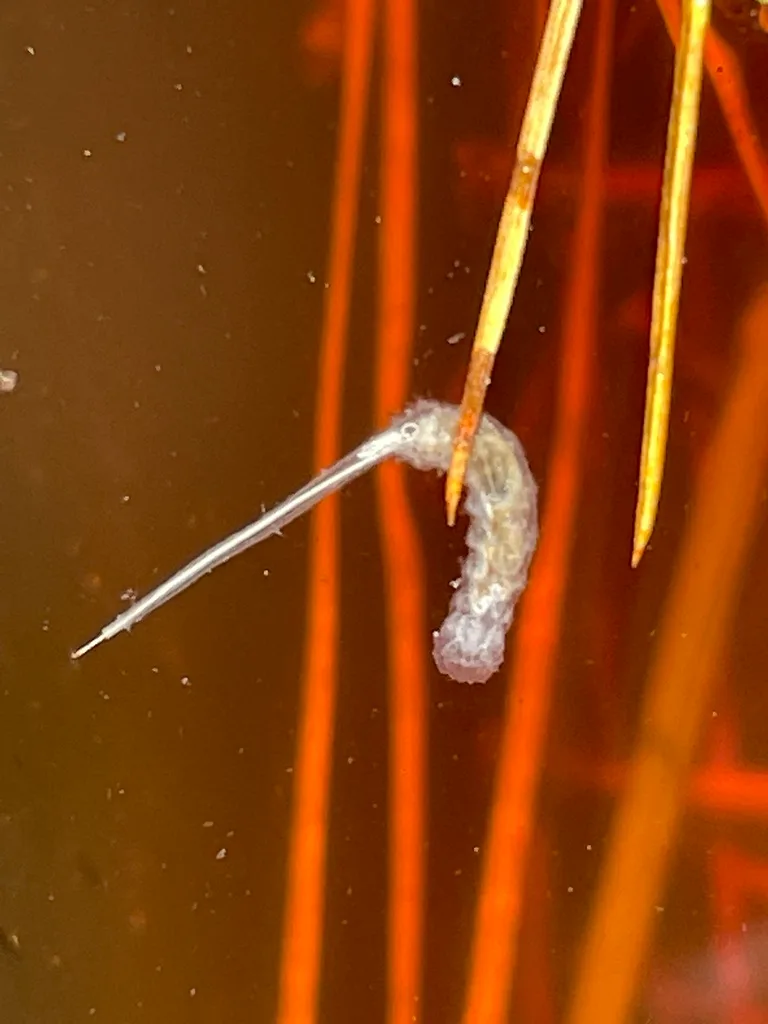
Here's a strategy that most homeowners overlook. Adulticides kill the mosquitoes that are already biting you. Larvicides prevent the next generation from ever becoming adults.
Use both, and you can often stretch your spray interval by a week or more.
Larvicides come in two main forms. Bacillus thuringiensis israelensis (Bti) is a naturally occurring bacteria that targets mosquito larvae specifically. It comes in donut-shaped dunks or granular form. You drop them into standing water that you can't drain, like rain barrels, ornamental ponds, or drainage ditches.
Bti is harmless to fish, birds, pets, and people.
Methoprene is a synthetic insect growth regulator that prevents larvae from maturing into adults. It lasts longer than Bti, up to 30 days in some formulations. It's available in slow-release briquettes.
The key insight: larvicides work on the breeding sites, while adulticides work on the resting sites. They target different parts of the mosquito life cycle. When you combine them, you reduce the overall population pressure, which means fewer adult mosquitoes survive to repopulate between your spray treatments.
In our research, homeowners who used both larvicides and adulticides reported needing to spray adulticides every 28 to 35 days instead of every 21 days. That's one less spray cycle per month, which saves product, time, and reduces pesticide exposure in your yard.
Safety First: Protecting Pollinators, Pets, and Your Family
This section isn't optional. Misusing mosquito sprays can harm the very things you're trying to enjoy in your yard.
Protecting bees and butterflies. Never spray blooming plants directly. Bees visit flowers for nectar and pollen, and pyrethroids are highly toxic to them. Spray only the shaded resting areas under bushes and along fence lines.
If you have a vegetable garden with flowering squash or tomatoes, skip those areas entirely or use a natural product.
The best practice is to spray at dawn, before bees become active. Most foraging happens between mid-morning and late afternoon. By spraying early, you give the product time to dry before bees arrive.
Keeping pets safe. Cats are especially sensitive to pyrethroids. They lack the liver enzymes needed to break down these compounds. If your cat spends time outdoors, consider using natural products or keeping them inside for 24 hours after spraying.
Dogs are less sensitive, but you should still keep them off treated grass until the spray dries completely.
The re-entry interval on most product labels is one to four hours. That means no people or pets in the treated area until the spray has dried. Follow that number, not a guess.
Storing products safely. Pesticides should be stored in their original containers, locked away from children and pets, and kept in a cool dry place. Never transfer them into food containers. Dispose of empty containers by triple-rinsing and following your local hazardous waste guidelines.
Professional Service vs. DIY: How Frequency Differs
You have two paths for mosquito control, and they come with different schedules.
DIY spraying gives you full control over timing and products. You can adjust your schedule based on weather and mosquito activity. The cost is lower, typically $50 to $100 per season for a concentrate that lasts all year.
The trade-off is your time. A thorough application of a typical suburban yard takes 30 to 60 minutes every three to four weeks.
Professional services typically visit every 21 to 28 days during mosquito season. They use commercial-grade equipment that produces finer droplets and better coverage. They also carry liability insurance and are trained in proper application techniques.
The cost runs $300 to $600 per season for monthly visits.
The frequency difference is minimal. Both DIY and professional schedules land in the same 21 to 28 day window for synthetic products. The real difference is consistency.
Professionals show up on schedule regardless of weather or your personal availability. DIY schedules often slip because of rain, travel, or simply forgetting.
If you choose professional service, ask what active ingredients they use and whether they rotate products to prevent resistance. A good company will have a resistance management plan. A bad one will spray the same chemical every visit until it stops working.
Real-World Scenarios: Sample Schedules for Different Situations
Let's put all this advice into concrete examples. Here are three common situations and the schedules that work best for each.
Scenario 1: Suburban yard in the Northeast, moderate disease risk. You have a quarter-acre lot with mixed lawn and shrubs. West Nile virus is present but not epidemic. Start spraying in mid-May with a bifenthrin product every 21 days.
Use Bti dunks in your bird bath and any standing water. Reapply after heavy rain. Stop spraying in late September.
This schedule requires about six treatments per season.
Scenario 2: Coastal property in the Gulf South, high disease risk. You live near a marsh with Aedes aegypti present. Start spraying in February. Use a lambda-cyhalothrin product every 21 days, but shorten to 18 days during July and August.
Apply larvicide granules to drainage ditches monthly. Rotate to a deltamethrin product every fourth treatment. Expect 12 to 14 treatments per season.
Scenario 3: Organic garden in the Pacific Northwest, low disease risk. You grow vegetables and keep bees. Use a cedar oil or garlic oil spray every 10 to 14 days. Focus on shaded resting areas only.
Avoid all blooming plants. Use Bti in rain barrels and compost bins. Start in June, stop in September.
Expect 8 to 10 treatments per season.
FAQs About Mosquito Spray Frequency
How often should I spray for mosquitoes if I have a misting system?
Misting systems are typically programmed to spray once or twice daily during mosquito season. That's far more frequent than manual spraying. The constant low-dose application keeps residue fresh but increases the risk of resistance.
Rotate the active ingredient in your system's reservoir every few months.
Can I spray less often if I use mosquito traps?
Mosquito traps can reduce population pressure, but they don't eliminate the need for spraying. Traps capture adult females looking for a blood meal. They don't reach resting mosquitoes or larvae.
You can typically stretch your spray interval by 3 to 5 days if traps are running effectively.
How soon after rain should I respray?
Wait until the vegetation is completely dry, usually 24 to 48 hours after the rain stops. Spraying on wet leaves dilutes the product and reduces adhesion. If the rain was less than one inch, check if your previous spray is still visible as a white residue on leaves.
If it's gone, respray.
Do I need to spray in the winter?
In most climates, no. Mosquitoes enter diapause, a hibernation-like state, when temperatures drop below 50°F. They don't feed or breed.
A single fall treatment can help reduce overwintering populations, but regular spraying isn't necessary until spring.
How do I know if my spray schedule is working?
Set out a simple monitoring station. Place a shallow dish of water in a shaded area and check it weekly for mosquito larvae. If you see larvae, your larvicide program needs attention.
For adult mosquitoes, do a five-minute count in your yard at dusk. If you're bitten more than three times, tighten your schedule.
Final Checklist: Your Personalized Spray Calendar
Here's your takeaway. Print this or save it.
- Identify your mosquito season start and end dates based on local temperatures
- Choose your product type: synthetic (21-28 day interval) or natural (7-14 day interval)
- Set your baseline spray date on the calendar
- Eliminate all standing water breeding sites
- Apply larvicide to any water you can't drain
- Spray at dawn, focusing on shaded leaf undersides
- Mark your next spray date for 21 days out (synthetic) or 10 days out (natural)
- After every rain over one inch, reset the countdown
- Rotate active ingredients every three to four applications
- Monitor mosquito activity and adjust interval as needed
Stick to this system and you'll spend less time swatting and more time enjoying your yard. The right schedule isn't complicated. It just requires paying attention to what's happening in your specific space.