How to Prevent Grub Damage in 2026 (What Actually Works)
You're staring at a patch of lawn that used to be green, and now it's brown and pulling away from the soil like a loose rug. That's frustrating, especially when you've been watering and mowing on schedule. Learning how to prevent grub damage is the only way to stop that from happening again next season, and it starts with understanding that grubs aren't a watering problem, they're a root-feeding problem.
University extension research consistently shows that a healthy lawn can handle a few grubs without visible damage. The trouble starts when you cross that six to ten grubs per square foot threshold in cool-season grass. Below that line, your grass can recover.
Above it, roots get severed, and the whole sod lifts like a carpet. Before you buy anything, let's confirm you're actually dealing with grubs.
Is That Brown Patch Grubs or Something Else? (The Real Pain Point)
Brown spots don't automatically mean grubs. Drought stress, fungal disease, and pet urine burn all look similar from 10 feet away. The difference is in how the grass behaves when you tug on it.
Here's how to tell grub damage apart from look-alikes:
| Symptom | Grub Damage | Drought Stress | Fungus (e.g., Brown Patch) | Pet Urine |
|---|---|---|---|---|
| Grass pulls up easily? | Yes, like a carpet | No, roots hold firm | No, roots hold | No |
| Pattern | Irregular patches, spreading | Uniform across lawn | Circular rings or patches | Scattered yellow spots with dark green halo |
| Skunks or raccoons digging? | Very common | Rare | Rare | Rare |
| Time of year | Late summer / early fall | Mid-summer heat | Humid periods | Any time |
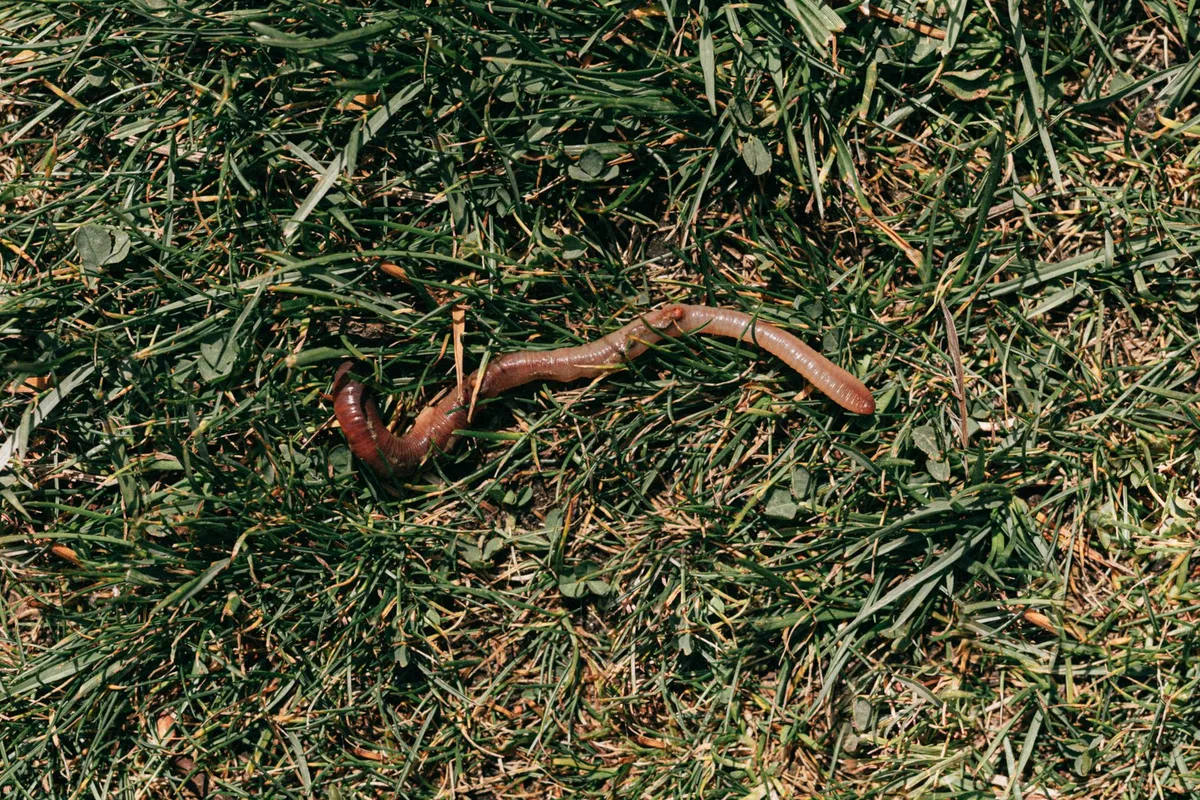
If you grab a handful of brown grass and it peels back with almost no resistance, exposing the white C-shaped larvae underneath, that's grubs. No doubt about it. If it holds tight, look for other causes like fungal issues, you might need a good fungicide for lawns instead of a grub treatment.
Quick Answer: The Two Prevention Windows That Actually Work
Prevent grubs by targeting the egg-laying window for your region. Apply preventive insecticide in early summer before eggs hatch. Apply biological controls like nematodes in late summer when grubs are small.
The timing window is tight. Miss it by two weeks and you're dealing with larger grubs that are harder to kill. Chemical curatives work only in late summer on young grubs.
Biological controls need soil temperatures above 50°F.
Why Grub Prevention Depends on Your Local Beetle Calendar
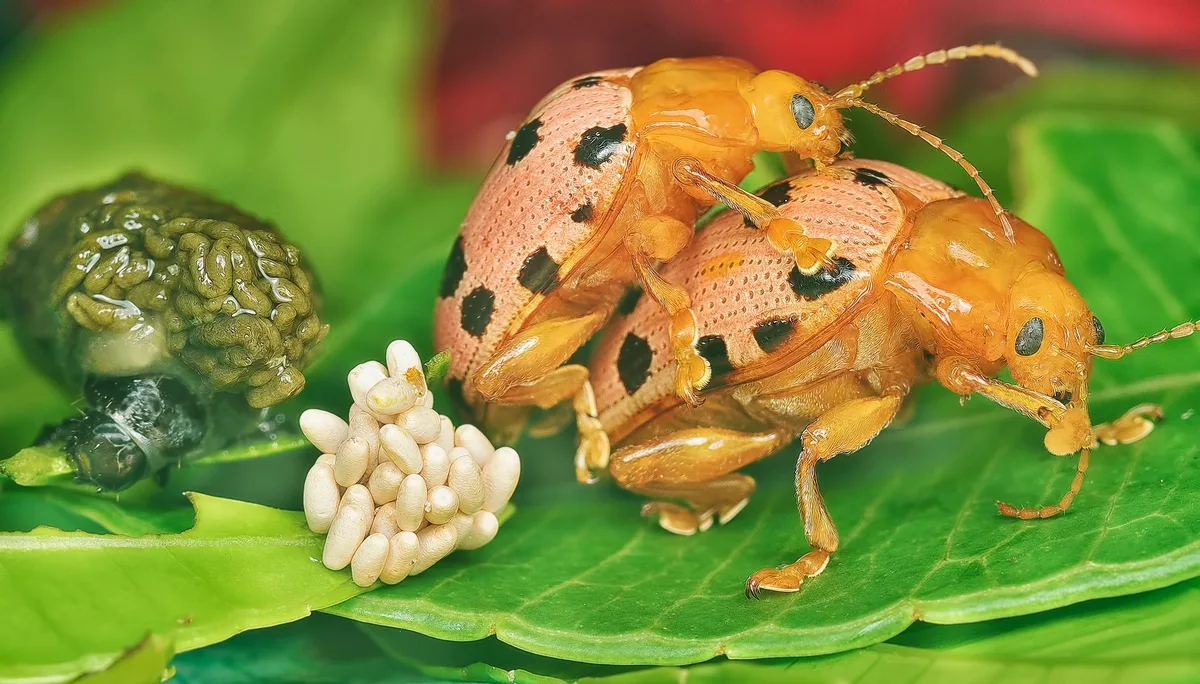
Grubs are the larval stage of scarab beetles. The beetle species determines when eggs get laid, and that timing is everything. If you treat in April when a Japanese beetle hasn't even emerged yet, you've wasted your product.
Three main culprits cause the bulk of lawn damage in North America:
- Japanese beetle (Popillia japonica), Eggs laid July to August in most regions. Most widespread pest east of the Rockies.
- European chafer (Rhizotrogus majalis), Eggs laid June to July. Common in the Northeast and Midwest. More aggressive root-feeder than Japanese beetle.
- Northern masked chafer (Cyclocephala borealis), Eggs laid June to July. Found across the Midwest and into the Southeast.
Regional timing breakdown
| Region | Pest Species | Egg-Laying Window | Best Prevention Window |
|---|---|---|---|
| Northeast | Japanese beetle, European chafer | Late June – early August | Late May – mid-June |
| Southeast | Masked chafer, Japanese beetle | Early June – mid-July | Mid-May – early June |
| Midwest | European chafer, Japanese beetle | Late June – August | Early June – late June |
| Pacific Northwest | European chafer | August – September | Late July – mid-August |
If you're in a transition zone where cool-season and warm-season grasses overlap, look for the dominant beetle in your area. Your local cooperative extension office publishes a pest forecast every spring. Use that calendar, not a general internet date.
Step-by-Step Decision Tree: Choose Your Prevention Path
This is the decision tree that actually works. Start at Step 1 and follow the path that matches your situation.
Step 1: Confirm grubs are present
Cut a one-foot square of sod in the affected area. Peel it back. Count the C-shaped white grubs in the top 2 to 3 inches of soil.
If you see six or more per square foot in cool-season grass, or ten or more in warm-season grass, treatment is justified. Below those numbers, your lawn can usually fight them off naturally with good watering and fertilization.
Step 2: Identify the pest species
Look at the grub's rastral pattern, the V-shaped hairs on the underside of the tail segment. This takes about 30 seconds with a cheap magnifying glass. Japanese beetle grubs have two parallel rows of spines.
European chafer grubs have a more scattered pattern. Masked chafer grubs have a single, dense patch. If you're not sure, snap a photo and send it to your extension office.
They'll ID it for free.
Step 3: Find your egg-laying window
Use the table in the previous section. Mark your calendar for the four weeks when adults are most active. That's when you apply preventive products.
If eggs have already hatched and you're seeing small grubs in late summer, switch to a curative approach.
Step 4: Choose biological or chemical control
This is the fork in the road. Here's how to decide:
- Biological control (nematodes or milky spore), Best for you if you want long-term soil health, have pets or kids on the lawn, or want to avoid synthetic chemicals. Works slower. Takes one to three seasons to see full results with milky spore.
- Chemical control (preventive or curative insecticides), Best for you if you need fast results, have a severe infestation, or your lawn is a high-visibility area. Works within days to weeks.
Milky Spore vs. Nematodes: Which One Fits Your Situation?
Both are biological controls, but they work very differently. Choosing the wrong one wastes money and delays prevention.
Fast comparison
| Factor | Milky Spore | Beneficial Nematodes (Heterorhabditis bacteriophora) |
|---|---|---|
| How it works | Bacteria that infects and kills grubs over weeks | Microscopic worms that enter grubs and release bacteria |
| Speed | Takes 1–3 years to establish in soil | Works within 24–48 hours on contact with young grubs |
| Persistence | Lasts up to 10 years in soil | Dies off within weeks; must reapply yearly |
| Best time to apply | Late summer when grubs are feeding | Late summer to early fall when soil is above 50°F |
| Target species | Japanese beetle primarily | All white grub species |
| Soil moisture needed | Moderate; works in dry soil too | Must stay moist; apply before rain |
| Storage | Shelf-stable for years | Refrigerate; use within days of opening |
Which one is right for you?
Choose milky spore if:
- You primarily deal with Japanese beetles (most common in the Northeast and Midwest)
- You're patient and want a one-time treatment that builds up over years
- Your soil is well-drained and doesn't stay wet for long periods
Choose nematodes if:
- You have multiple grub species (masked chafer, European chafer, etc.)
- You need immediate results this season
- You can water the lawn thoroughly before and after application
- You're willing to reapply each year
Aggregate user feedback from university extension trials shows nematodes are the more reliable choice for most homeowners because they target any grub species and work faster. Milky spore is excellent if you're dealing with a long-term Japanese beetle problem and want to avoid annual reapplication.
Both products work best when applied in the late afternoon or evening, just before a rain or a scheduled deep watering. Sunlight and dryness kill nematodes quickly, so timing matters. If you're applying milky spore, water it in with a quarter-inch of water afterwards to settle it into the soil.