When to Apply Grub Killer 2026
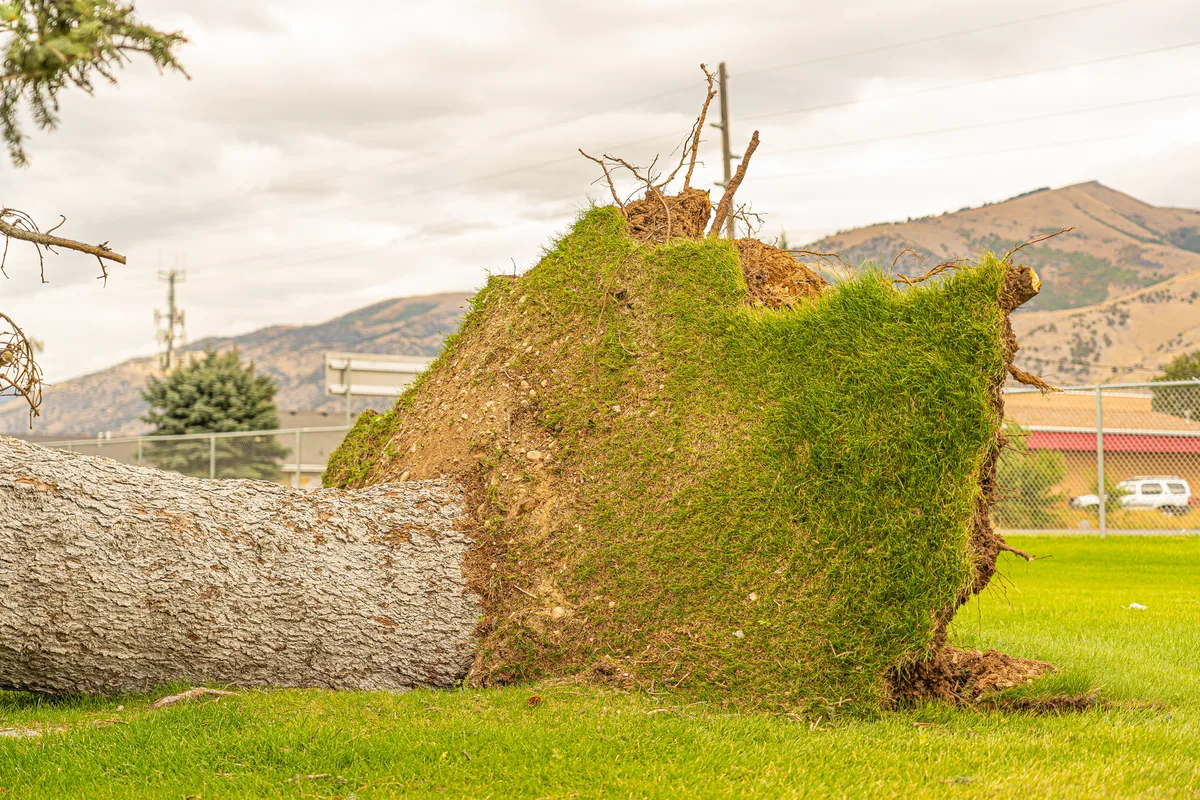
Knowing when to apply grub killer is the difference between a green lawn and a dead patchy mess. If you've ever watched your turf turn brown and peel back like a rug, you know the frustration. The timing isn't just a suggestion, it's everything.
Many homeowners treat in spring and wonder why nothing happened. Research from university turf programs shows that the egg hatch window for Japanese beetles peaks in late July and August for most of the northern US. That's your real target.
Let's walk through how to nail your window.
Is Your Lawn Getting Torn Up by Animals? Here's the Real Problem
If raccoons, skunks, or birds are digging up your yard, grubs are the reason. Those animals are after a high-protein snack. Your lawn is just the dining table.
The real problem isn't the digging itself. It's what's underneath. White grubs are C-shaped larvae that feed on grass roots.
Once roots are gone, the turf dies. You'll see irregular brown patches that lift easily from the soil.
Many people mistake this for drought or a lawn disease. That's a costly error. A fungicide won't touch grubs.
In our research, misdiagnosis leads to wasted product and delayed treatment. If you see animal digging, check for grubs first. It can save you a whole season of repair.
Quick Answer
Apply preventive grub killer in late spring when soil reaches 55 degrees. Apply curative grub killer in late summer at first signs of damage. Preventive targets eggs and tiny hatchlings.
Curative stops larger grubs fast. As of 2026, these windows are university-recommended.
How Grubs Live and Die: A Simple Lifecycle Timeline
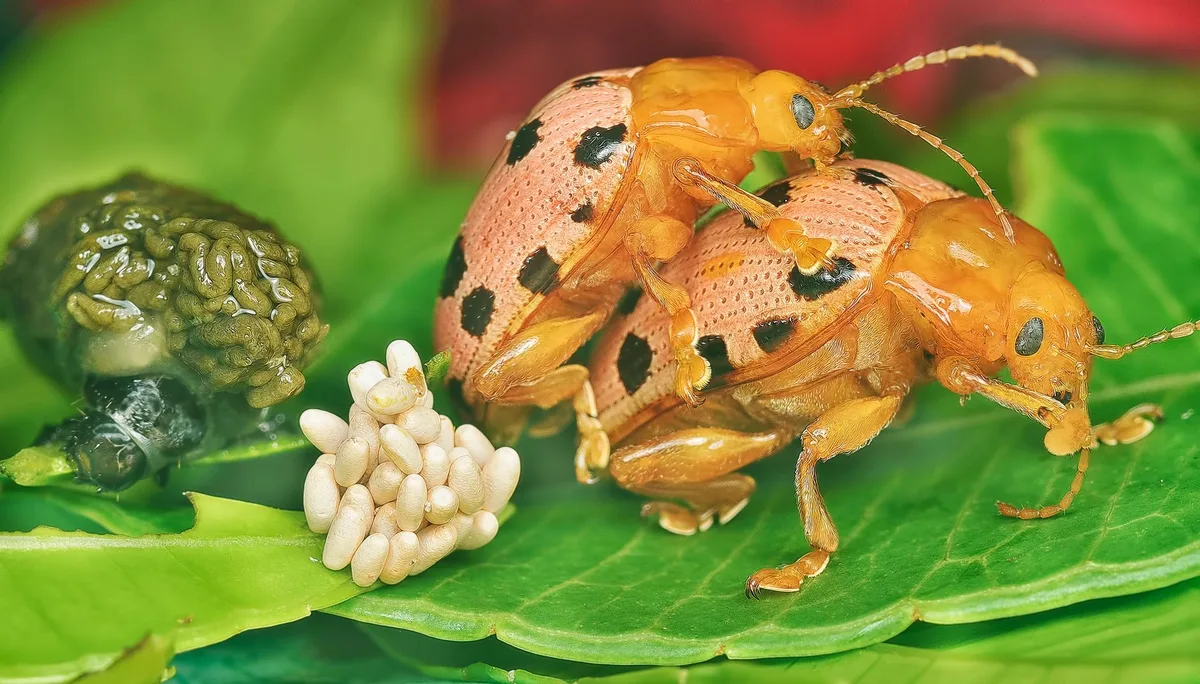
Understanding the grub lifecycle makes your application timing obvious. Let's use the Japanese beetle as an example. It's the most common culprit in the northern and transition zones.
Adult beetles emerge in June and July. They lay eggs in moist soil. Those eggs hatch in about two weeks.
That's late July to mid-August for most regions.
The tiny larvae start feeding immediately. They are first instar grubs. They are small, about a quarter inch.
This is the stage for preventive products.
By late summer, they reach second and third instar. They are bigger, more destructive, and harder to kill. But a curative product still works if you catch them early enough.
In fall, they burrow deep into the soil to overwinter. They stop feeding. Spring applications rarely work because the grubs are too deep and not feeding at the surface.
This is why timing matters. Miss the hatch and you miss your chance.
The Big Decision: Are You Preventing Damage or Fixing an Infestation?
This is the fork in the road. Your choice decides when you apply.
If you have never had grub damage, you have options. You can skip treatment entirely and monitor. Or you can apply a preventive in early summer.
It's like buying insurance. You pay now for peace of mind later.
If you have active damage, you need a curative. This is not the time for prevention. You need a fast-acting product that kills larger grubs quickly.
Here's the key difference:
- Preventive products are long lasting. They stay in the soil for weeks or months. They work on tiny newly hatched grubs.
- Curative products act fast. They break down quickly but kill larger grubs in days.
You can't use one for the other job. A preventive applied in August will stop the fall hatch but won't fix the damage you already see. A curative applied in June will fade before the eggs even hatch.
Know your situation before you buy anything. Grubs are just one of several common lawn pests. If you're dealing with other issues, you might need different pest control products entirely.
Your Personal Timing Decision Tree
Let's walk through the three most common scenarios. Each one points to a different application window.
Branch 1: You Have Active Damage Right Now (Curative Path)
You see brown patches. The turf peels back. Animals are digging.
Act immediately.
Order a curative product with trichlorfon or carbaryl. Water it in within 24 hours. You should see results in 3 to 5 days.
This is your only option for saving the current lawn.
After treatment, water the lawn deeply. Consider a recovery feeding strategy to help the grass bounce back. New seed or sod can fill the bare spots.
Branch 2: You've Had Grubs Before and Want to Prevent Them (Preventive Path)
You had damage last year. You want to avoid it this year. This is the smart play.
Wait until soil temperatures hit 55 to 60 degrees. That's typically late June in the north. Apply a preventive with imidacloprid or chlorantraniliprole.
Water it in. One application should cover the whole egg hatch window.
Timing is critical here. Apply too early and the chemical degrades before eggs hatch. Apply too late and the grubs are already feeding.
Branch 3: You're Not Sure Yet — Here's How to Check
No damage, no history. You can monitor.
Pull a square foot of turf from a few spots. Look for C-shaped grubs. If you find fewer than 5 per square foot, you're fine.
If you find 10 or more, you have a potential problem. Use the preventive window or the curative window depending on the season.
This is the safest approach. Many lawns never need treatment. Only treat when you have evidence.
How to Pull a Grub Count Correctly
Guessing doesn't work with grubs. You need a count. Here's the method university extension programs recommend.
Grab a sharp shovel or spade. Cut three sides of a square foot of turf on a suspected patch. The square should be about 4 inches deep.
Peel it back like a flap of carpet.
Count the C-shaped grubs in the soil and root zone. Do this in three or four different spots around your lawn. Average the numbers.
The thresholds are clear. Fewer than 5 grubs per square foot means no treatment needed. Five to 10 means keep an eye on it.
Ten or more means you have an infestation. Treat immediately.
If you see zero grubs but the turf is dead, the problem is something else. It could be drought, fungus, or compacted soil. A fungicide treatment might be more appropriate.
The best time to sample is early fall or late summer. That is when grubs are near the surface and active.
Soil Temperature: The Number That Matters More Than the Calendar
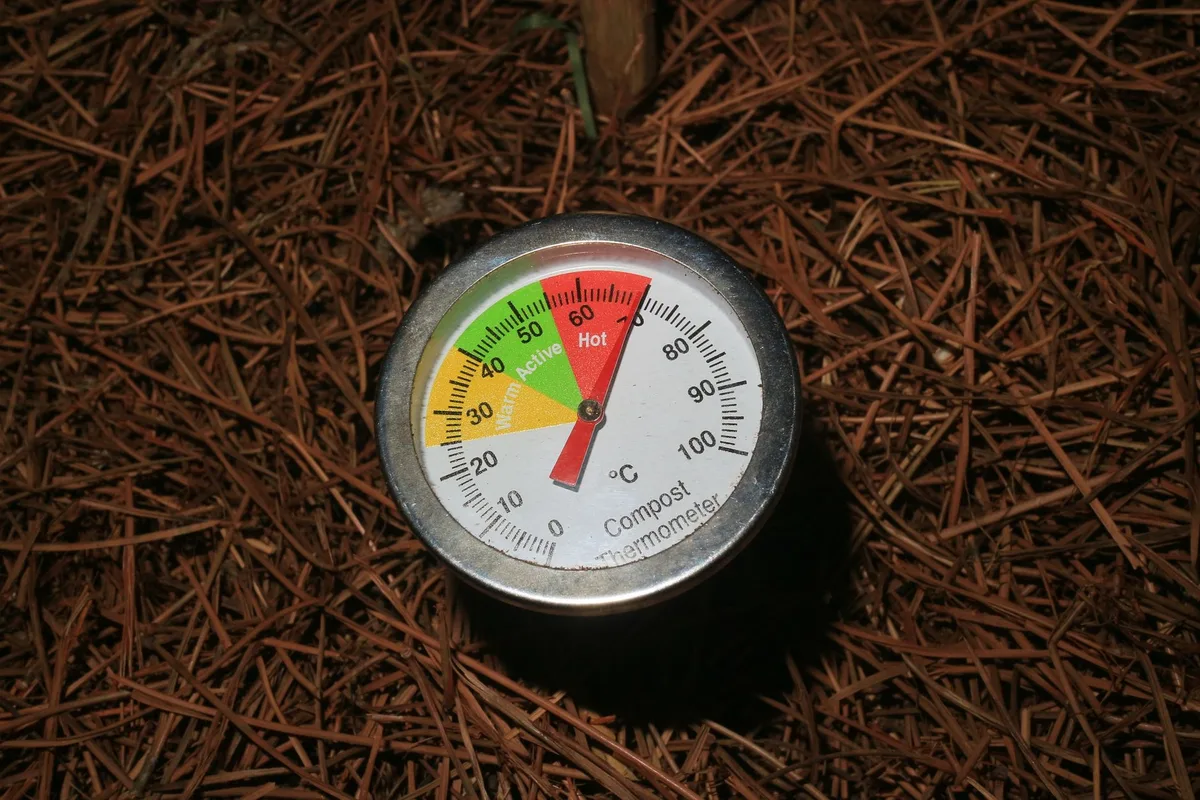
Calendar dates are unreliable. Soil temperature is precise. It directly controls grub egg hatch and larval activity.
For preventive applications, you need the soil at 2 inches deep to reach 55 to 60 degrees Fahrenheit. That triggers egg laying in adult beetles. Apply your preventive just before that window.
For curative applications, soil temperature matters less. You are reacting to damage already visible. But the product still needs moist soil to work.
Dry soil reduces effectiveness.
You can buy a simple soil thermometer at any garden center. Insert it 2 to 4 inches deep in the lawn. Take readings in the morning when the soil is coolest.
Regional averages help but your yard is unique. South facing slopes warm faster. Shaded areas stay cooler.
Check your own soil, not your neighbor's calendar.
The Best Products for Each Window (and How to Apply Them)
Product choice follows timing. Use the right tool for the job.
| Situation | Product Type | Active Ingredients | Application Window |
|---|---|---|---|
| Prevention | Long residual | Imidacloprid, chlorantraniliprole, thiamethoxam | Late spring to early summer |
| Active damage | Fast curative | Trichlorfon (Dylox), carbaryl | Late summer to early fall |
Preventive products stay in the soil for weeks. They kill newly hatched grubs as they feed. You apply them before the eggs hatch.
Curative products kill larger grubs quickly. They break down within days. Apply them only when you see damage.
Application steps are the same for both. Use a broadcast spreader for granular products. Set the spreader to the rate on the label.
Apply evenly across the lawn.
Water in immediately. This is the step most people mess up. Without water, the chemical sits on the grass and evaporates.
The label will say 0.5 to 1 inch of water. That's about one hour of sprinkler time.
Mistakes That Ruin Grub Control (Even When You Apply on Time)
The most common mistake is not watering in. You can apply the perfect product at the perfect time and get zero results. The chemical needs moisture to reach the root zone where grubs feed.
Second mistake is applying too early in spring. Many people treat in April or May. The grubs are either deep and inactive or not hatched yet.
The chemical degrades before the target arrives.
Third mistake is using a preventive product on active damage. It won't kill large grubs fast enough. You need a curative product for that job.
Fourth mistake is skipping the grub count. Treating without evidence wastes money. If you have 3 grubs per square foot, you don't need chemicals.
Fifth mistake is ignoring the second generation. In warmer regions, some grub species have two life cycles. If you applied only once, the second batch might escape.
Regional Timing Guide: North, South, and Transition Zone
Grub timing changes with your location. Here's a quick breakdown.
Northern US (cool season grass).
Japanese beetle and European chafer are the main pests. One generation per year. Egg hatch is late July to mid-August.
Preventive application in late June works well. Curative window runs through September.
Transition zone (mixes of both grass types).
You can get multiple grub species. Japanese beetle is common. The window is similar to the north.
But watch for southern masked chafer. It hatches earlier, in late June.
Southern US (warm season grass).
Multiple generations are possible. June beetles, southern masked chafer, and others. Egg hatch can happen from May through September.
A single preventive may not cover the whole season. Split applications may be needed.
Check your local extension service for specific dates. They publish soil temperature data for your area. It's free and accurate.
Safety, Pollinators, and Local Restrictions You Can't Ignore
Grub killers are pesticides. They need respect. The wrong application can harm bees, pets, and local waterways.
Neonicotinoid products like imidacloprid have faced increasing restrictions. Several states now limit their use on residential lawns. New York and Maryland have specific regulations.
Check your state's department of agriculture website before buying.
Pollinator safety is a real concern. Never apply grub killer to flowering weeds like clover or dandelions. Mow the lawn first to remove blooms.
Apply in the evening when bees are less active.
Keep granules off hard surfaces. Sidewalks and driveways should be swept back onto the lawn. Otherwise, rain washes the chemical into storm drains and local streams.
Follow the label's re-entry interval. Most products require you to keep pets and kids off the lawn until the spray dries. Some labels specify 24 hours.
Read the fine print.
What to Do After the Grubs Are Gone: Lawn Recovery
Once the grubs die, your lawn needs help. Dead roots don't regrow on their own.
Start by raking out the dead thatch and debris. You need bare soil for new seed. Loosen the top quarter inch with a rake.
Choose a grass seed that matches your existing lawn. Cool season grasses need fall seeding. Warm season grasses need late spring.
Research from turf programs shows that fall is the best time for recovery in most regions.
Water the new seed lightly twice a day. Keep the soil moist but not soaked. Germination takes 7 to 21 days depending on the grass type.
Consider a starter fertilizer high in phosphorus. That supports root development. A balanced slow release fertilizer can help the lawn regain strength over the next season.
Be patient. Full recovery takes a full growing season. You won't have a perfect lawn in a month.
FAQs: The Questions That Still Trip People Up
Can I apply grub killer and fertilizer at the same time?
Yes, but timing matters. Some combination products exist. If you use separate products, apply the grub killer first and water it in.
Wait a few days before fertilizing. This prevents chemical interactions.
How long does grub killer take to work?
Preventive products take a week or two to build up in the soil. Curative products kill grubs within 3 to 5 days. You might see dead grubs on the surface after watering.
Is grub killer safe for vegetable gardens?
No. Do not use lawn grub killer near edible plants. The chemicals can persist in soil.
Use separate products labeled for vegetable gardens if you have grub issues there.
What happens if I apply grub killer in the rain?
Light rain is fine. Heavy rain can wash the chemical away before it binds to soil. Check the label for rainfast period.
Most products need 24 hours without heavy downpour.
Can grubs come back after treatment?
Yes, if you only treated one generation. Adult beetles can fly in from neighboring lawns. Preventive treatment each year keeps the cycle broken.
Monitor with a grub count each fall.
Do I need to treat the whole lawn or just the damaged spots?
Treat the whole lawn for prevention. Grubs move slowly but they are everywhere. For curative treatment, spot treating damaged areas is acceptable.
But surrounding soil likely has grubs too.
The Decision Guide at a Glance
Let's summarize everything into one quick reference. Use this when you're standing in the garage wondering what to do.
| Your Situation | What to Apply | When to Apply | Key Step |
|---|---|---|---|
| Active damage, animals digging | Curative (trichlorfon or carbaryl) | Immediately, when damage appears | Water in within 24 hours |
| History of grubs, want prevention | Preventive (imidacloprid or chlorantraniliprole) | Late spring, soil at 55°F | Water in within 24 hours |
| Not sure, no damage yet | Do nothing, monitor | Sample in late summer | Pull a grub count |
| Found 10+ grubs per sq ft | Curative | Immediately, regardless of season | Water in within 24 hours |
| Found 5-9 grubs per sq ft | Optional preventive | Next spring at soil 55°F | Consider treatment |
If you are still unsure, sample first. A grub count takes ten minutes. It prevents wasted chemicals and gives you confidence.
For healthy soil and strong roots, consider adding organic matter and proper watering. A strong lawn resists pests better. Regular plant feeding principles apply to lawns too.
The same care that helps your garden helps your grass.
Grub timing doesn't have to be a guessing game. Watch your soil temperature. Know your grub species.
Match your product to the problem. That's the whole system.