How to Grow Thick Green Grass for 2026: Explained Simply
The quickest way to kill a nice lawn is to treat every problem the same way. Thin grass, patchy spots, weeds pushing through, they all look different but most trace back to just a handful of causes. If you're trying to figure out how to grow thick green grass, you already know the frustration of following generic advice that barely moves the needle.
State turfgrass research programs consistently find that over three-quarters of struggling lawns suffer from a mismatch between grass type and growing conditions. That sounds technical, but it's actually simple once you know what to look for. The fix almost never requires expensive products or fancy equipment.
It just requires the right diagnosis.
What's Really Going On With Your Lawn – A Quick Self-Diagnosis
Before you spend a dime on seed or fertilizer, take five minutes to look at your lawn with fresh eyes. Walk across it. Squat down and pull apart the grass at a thin spot.
What do you actually see?
Common lawn problems fall into predictable patterns. Here's a quick reference for what each one usually means:
| What You See | Most Likely Cause | What to Check First |
|---|---|---|
| Yellowing or pale green blades | Nitrogen deficiency or compacted soil | Soil test results; try core aeration |
| Bare patches with no growth | Heavy shade, grubs, or dog urine | Sunlight hours; dig up a patch to check for grubs |
| Weeds everywhere | Thin turf that can't compete | Overseeding after correcting underlying issues |
| Spongy feeling when you walk | Thatch buildup over half an inch | Dethatching or core aeration |
| Grass that browns quickly in dry weather | Shallow roots from frequent light watering | Adjust watering depth and schedule |
If your lawn has one or two of these signs, you're in good shape. Most are simple fixes. If you see three or more, or if the problem covers the whole yard, you're probably dealing with a bigger underlying issue like wrong grass type or poor soil structure.
One thing that catches people off guard: applying fungicide without knowing what you're treating. Our guide on the best fungicide for lawns covers when that step actually makes sense versus when you're just throwing money at the wrong issue.
The Three Questions That Decide Your Next Move (Light, Soil, Grass Type)
Every lawn care decision comes down to three variables. Get these right, and everything else gets easier. Get them wrong, and you'll fight the same problems year after year.
Question one: What kind of grass do you have? Cool-season grasses like tall fescue and Kentucky bluegrass grow actively in spring and fall. Warm-season grasses like bermudagrass and zoysiagrass thrive in summer heat and go dormant in winter. Matching the right grass to your climate is step one.
Question two: How much direct sunlight does your lawn get? Most grasses need at least four to six hours of full sun per day. Less than that, and you need a shade-tolerant variety or a landscape alternative. If a tree is blocking light, you can thin the canopy or choose a shade mix.
Question three: What does your soil actually contain? This is the variable most homeowners skip. Soil pH, compaction, and organic matter determine whether roots can access nutrients. Without a soil test, you're guessing.
And guessing is expensive.
Here's the logic flow for the rest of this guide. If your grass type doesn't match your region, start there. If the grass type is right but it's thin, look at sunlight next.
If both are fine, your soil is almost certainly the bottleneck. We'll walk through each one.
Cool-Season vs. Warm-Season Grass – Which One You've Got and Why It Matters
Grass is not grass. There's a fundamental biological split that determines when your lawn grows, when it goes dormant, and how you should care for it.
Cool-season grasses (tall fescue, perennial ryegrass, Kentucky bluegrass, fine fescue) grow fastest when soil temperatures sit between 55 and 75 degrees Fahrenheit. That means strong growth in early spring and fall, with a slowdown in the heat of summer. These grasses are the standard across the northern half of the US and the Pacific Northwest.
Warm-season grasses (bermudagrass, zoysiagrass, St. Augustinegrass, centipedegrass) thrive when soil temperatures are above 65 degrees. They hit their stride in June, July, and August, then turn brown and go dormant through winter.
These are the right choice for the southern US, Gulf Coast, and parts of the Southwest.
Here's a quick comparison table:
| Factor | Cool-Season | Warm-Season |
|---|---|---|
| Peak growth | Spring and fall | Summer |
| Dormancy period | Semi-dormant in summer heat | Fully dormant in winter |
| Mowing height | 2.5 to 4 inches | 0.5 to 2 inches |
| Water needs | Moderate | Moderate to low (drought-tolerant) |
| Best seeding time | Late summer to early fall | Late spring to early summer |
| Shade tolerance | Varies by species | Generally poor |
If you're in the transition zone (places like Missouri, Kentucky, or Virginia), you might have either type. Check with your local extension office for confirmed recommendations. A common mistake is planting warm-season grass in a cool-season region and watching it die back every winter.
For windy or exposed areas, some cool-season fescues handle drought and heat better than others. If you're planning a landscape that includes trees, the best trees for hot dry climates can also affect how much sun hits your turf, so think about both together.
How Much Sun Does Your Lawn Actually Get – And What to Do If It's Too Shady
This is the variable people misjudge most often. We tend to think a yard gets "enough sun" because we see brightness. But there's a big difference between bright shade and direct sunlight.
Grass needs direct sun, not filtered light through leaves, not reflected light off a house. Direct sun means the sun's rays hit the grass without obstruction for a certain number of hours per day.
Here are the general rules:
- Full sun grasses (bermudagrass, Kentucky bluegrass, perennial ryegrass): need 6 or more hours of direct sun.
- Moderate shade grasses (tall fescue, fine fescue): can manage with 4 to 6 hours.
- Heavy shade (under thick tree canopies, north-facing walls): no grass will thrive long-term. Consider shade groundcovers, mulch beds, or hardscaping instead.
If your lawn gets less than 4 hours of direct sun, don't fight it. Switching to a shade-tolerant fine fescue mix might buy you a year or two, but the grass will eventually thin out. You're better off planting something like a shade-tolerant groundcover or turning that area into a mulched garden bed with something like the best flowers for shade hanging baskets or low perennials.
For moderate shade situations, choose a seed blend labeled specifically for shade. Look for mixes that contain at least 60 percent fine fescue or tall fescue. Avoid bluegrass, it struggles in low light.
If a tree is the culprit, consider selective pruning. Removing lower branches and thinning the canopy can let several more hours of light through without removing the tree entirely.
What Your Soil Is Telling You (And Why Guessing Costs You Time and Money)
Soil is the foundation of a thick lawn. You can buy the best seed, water perfectly, and mow at the right height, but if the soil is compacted, too acidic, or lacking organic matter, the grass will always look mediocre.
A soil test is the single best investment you can make for your lawn. Not a guess, not a home pH strip that reads in a vague range. A real lab test from your county extension office or a reputable mail-in service costs $10 to $30. It tells you exactly what your soil needs and what it already has enough of.
A typical soil test report includes:
- pH level: Most grasses prefer a pH between 6.0 and 7.0. Below 6.0, nutrients like phosphorus and potassium get locked out. Above 7.5, iron and manganese become unavailable, and the grass yellows.
- Phosphorus (P) and Potassium (K) levels: These are macronutrients. Too much phosphorus is common in yards that have been over-fertilized for years. Too little potassium weakens roots and winter hardiness.
- Organic matter percentage: Ideally 3 to 5 percent for turf. Low organic matter means poor water retention and weak soil structure.
Once you have the results, the fix is usually straightforward:
| Soil Issue | Fix | Timing |
|---|---|---|
| pH too low (acidic) | Apply lime (pelletized dolomitic lime is easiest) | Fall or early spring |
| pH too high (alkaline) | Apply elemental sulfur | Spring or fall |
| Low potassium | Apply potash (0-0-60) | Spring and fall |
| Compacted soil | Core aeration | Fall for cool-season, spring for warm-season |
| Low organic matter | Topdress with compost (quarter to half inch) | Fall after aeration |
If you're also managing nearby flower beds or vegetable gardens, the best organic fertilizer for fruit trees or other plants might have different pH needs. That's fine, just treat the lawn separately.
One more thing: compacted soil is often the hidden reason fertilizers don't work. If you're applying fertilizer and seeing no improvement, compacted soil is a likely culprit. Core aeration fixes that by pulling out plugs of soil, opening the root zone to air, water, and nutrients.
That covers the foundation: identifying your problem, confirming your grass type, checking sunlight, and testing your soil. The next step is translating that information into action, seeding, renovating, watering, and mowing the right way. We'll cover those in the sections ahead.
The Fastest Fix for Thin Lawns – Overseeding the Right Way
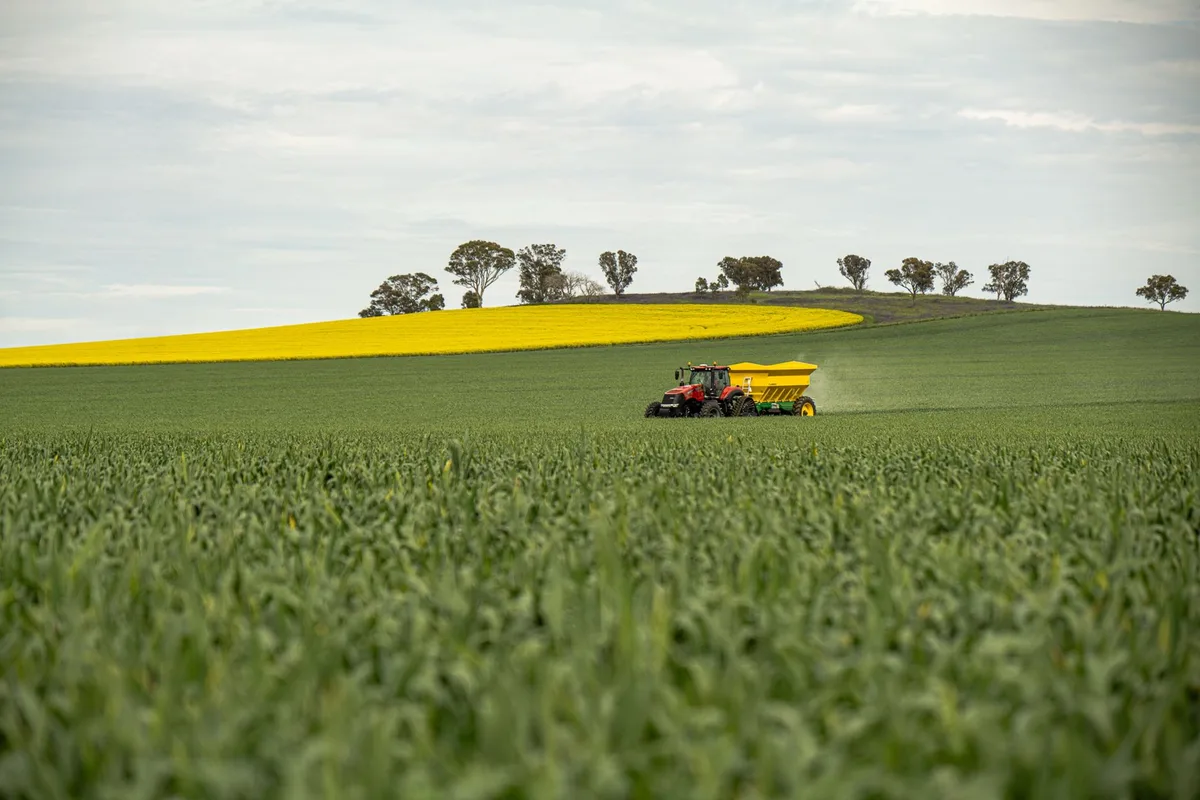
If your lawn is thin but not completely bare, overseeding is your best move. It means spreading new seed over existing grass to fill in gaps without killing what's already there.
Timing is everything with overseeding. For cool-season grasses, aim for late summer to early fall. Soil temperatures should be between 55 and 65 degrees Fahrenheit. That gives seed time to germinate and establish roots before winter.
For warm-season grasses, overseed in late spring when soil temps hit 65 degrees.
Here's the process in five steps:
- Mow low. Cut your grass shorter than usual, around 1.5 to 2 inches. Bag the clippings so seed reaches the soil.
- Aerate first. Core aeration opens the soil so seed can make contact. You can skip this on small patches, but for a whole lawn it makes a huge difference.
- Spread the seed. Use a broadcast spreader at the rate listed on the bag. Tall fescue needs about 6 to 8 pounds per 1,000 square feet. Kentucky bluegrass needs 2 to 3 pounds.
- Topdress lightly. A thin layer of compost or peat moss over the seed holds moisture and prevents birds from eating it.
- Water consistently. Keep the top inch of soil damp for the first two to three weeks. Light watering twice a day works better than one heavy soak.
If you're starting seedlings indoors for garden beds, a best grow light for seedlings setup can help, but for grass seed, direct soil contact and consistent moisture are all you need.
When You Need to Start Over – Full Lawn Renovation Steps
Overseeding won't cut it if more than half the lawn is weeds, bare dirt, or a grass type that's wrong for your climate. At that point, you're better off starting fresh.
A full renovation means killing everything, fixing the soil, and reseeding from scratch. It's more work, but the results last for years.
Step one: Kill the existing vegetation. Use a non-selective herbicide containing glyphosate. Apply it when weeds and grass are actively growing. Wait 10 to 14 days, then apply a second round if any green remains.
Step two: Remove the dead material. Mow it low and bag everything. A best rakes for pine needles or leaf rake also helps clear debris.
Step three: Fix the soil. Now is the time to add lime, sulfur, compost, or whatever your soil test recommended. Till or rototill amendments into the top 4 to 6 inches.
Step four: Level and seed. Rake the surface smooth. Spread seed at the recommended rate, then lightly rake to cover it with about an eighth of an inch of soil.
Step five: Roll and water. Use a lawn roller to press seed into contact with the soil. Water lightly twice a day until germination.
Full renovation works best when you start in late summer for cool-season grass or late spring for warm-season grass. Give yourself at least 60 days before the first frost or the first heat wave.
Watering Mistakes That Keep Grass Thin (And How to Fix Them for Good)
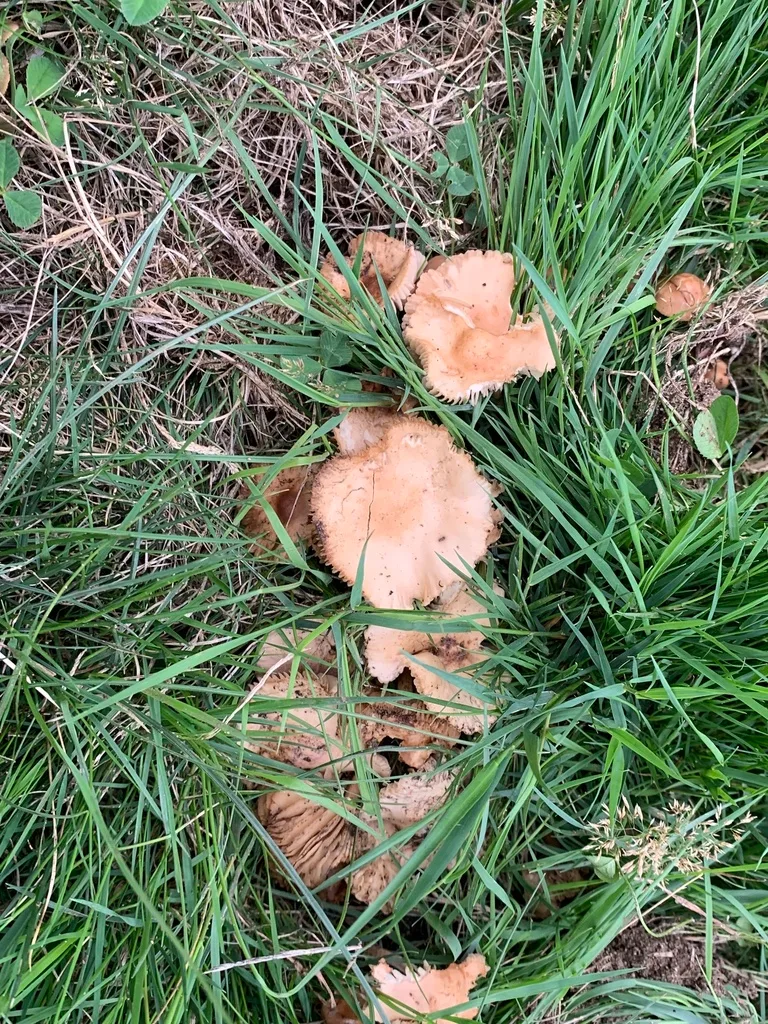
Watering is where most people get it wrong. The goal is deep, infrequent watering that encourages roots to grow downward. Shallow, frequent watering creates weak roots that stay near the surface.
Mistake one: Watering every day. This is the most common mistake. Daily watering keeps the soil surface damp but never reaches deeper roots. Grass becomes dependent on constant moisture and dies fast during dry spells.
Mistake two: Watering at night. Wet grass overnight promotes fungal diseases like brown patch and dollar spot. Water in the early morning so the sun can dry the blades.
Mistake three: Not watering enough at one time. Most sprinklers run for 10 to 15 minutes per zone. That's not enough. You need about one inch of water per week, including rainfall.
Place a tuna can or rain gauge on the lawn to measure.
Here's the fix:
| Watering Factor | Right Approach |
|---|---|
| Frequency | Once or twice per week, not every day |
| Duration | 30 to 45 minutes per zone (adjust for your system) |
| Time of day | Early morning, 4 AM to 8 AM |
| Amount | 1 inch total per week (including rain) |
| Seasonal adjustment | Less in spring and fall, more in summer heat |
If you're not sure your sprinkler covers evenly, do a simple test. Place several cups around the yard, run the system for 15 minutes, then check each one. If some cups have much less water, you have a coverage problem that needs adjusting.
Mowing for Thickness – Height, Frequency, and the One-Third Rule
Mowing is the single easiest way to influence grass thickness. Cut too short, and the grass thins out. Cut at the right height, and it thickens up naturally.
The one-third rule is non-negotiable. Never cut more than one-third of the grass blade length in a single mowing. If your grass is 4 inches tall, set the mower at 2.5 inches. Cutting more than that stresses the plant and leaves brown stubs.
Here are recommended mowing heights by grass type:
| Grass Type | Ideal Height (inches) |
|---|---|
| Tall fescue | 3 to 4 |
| Kentucky bluegrass | 2.5 to 3.5 |
| Perennial ryegrass | 2 to 3 |
| Bermudagrass | 0.5 to 1.5 |
| Zoysiagrass | 1 to 2 |
| St. Augustinegrass | 2.5 to 4 |
Frequency matters just as much. In spring and fall when grass grows fast, you might need to mow every 4 to 5 days. In summer or dry periods, once a week is fine.
Keep your blades sharp. Dull mower blades tear the grass instead of cutting it cleanly. Torn ends turn brown and invite disease. Sharpen blades at least once per season.
If you're doing your own maintenance, instructions on simple DIY repairs like blade sharpening are worth following.
Fertilizer Timing – What Your Lawn Actually Needs and When to Give It
Fertilizer is not a one-size-fits-all solution. Applying it at the wrong time wastes money and can actually harm your lawn.
Cool-season grasses need fertilizer in fall and spring. The most important feeding is in late fall, around October or November. This "winterizer" helps roots store energy for the next year. A second application in early spring supports green-up.
Warm-season grasses need fertilizer in late spring and summer. Feed them starting in May, with a second round in June or July. Stop fertilizing by August so the grass can slow down before winter dormancy.
Here's a simple schedule:
| Season | Cool-Season Grass | Warm-Season Grass |
|---|---|---|
| Early spring | Light feeding (half rate) | None |
| Late spring | None | First feeding |
| Summer | None (skip or light if needed) | Second feeding |
| Fall | Main feeding (winterizer) | None |
| Dormant season | None | None |
Use a balanced fertilizer with a ratio like 16-4-8 or 10-10-10. Slow-release formulas are better because they feed the lawn steadily over weeks rather than all at once.
Avoid weed-and-feed products for overseeding. If you're seeding in fall, skip any product that contains pre-emergent herbicide. It will kill your new grass before it sprouts. Use plain fertilizer instead.
If you're also managing flower beds or container plants, a best slow release fertilizer for flowers works differently than lawn food. The N-P-K ratios and release timing are designed for different growth cycles. Stick with lawn-specific products for turf.
Feeding the Soil, Not Just the Grass – Compost, Topdressing, and Organic Amendments
Topdressing with compost feeds the soil biology that roots depend on. Apply a quarter to half inch of screened compost after aeration in fall. It improves water retention and nutrient cycling better than synthetic fertilizers alone.
The Three Biggest Mistakes DIYers Make (And How to Avoid Every One)
Mistake one: mowing too short. Mistake two: watering every day. Mistake three: skipping a soil test.
Avoid these three, and you'll bypass 80 percent of the problems that keep lawns thin.
Your Season-by-Season Lawn Calendar (So You Never Miss the Right Move)
Spring: Test soil. Apply pre-emergent. Mow high. Summer: Water deeply.
Watch for grubs. Fall: Aerate. Overseed. Fertilize. Winter: Keep off frozen grass.
Sharpen mower blades.
Which Path Is Right for You – A Simple Decision Guide
If your lawn is less than 50 percent weeds, overseed. If it's worse, renovate. If it's just pale, check soil pH and fertilize.
Match your grass type to your region. That's the entire decision tree.
Frequently Asked Questions
How long does it take to grow thick grass from seed?
Most grass types germinate in 7 to 21 days. Full establishment for a thick lawn takes 8 to 12 weeks with proper watering and mowing.
Can I just throw grass seed on top of soil?
Seed needs soil contact to germinate. Raking it in lightly or topdressing with compost improves success dramatically over surface broadcasting alone.
Should I water new grass seed every day?
Yes, for the first two to three weeks. Keep the top inch of soil consistently damp. After germination, transition to deeper, less frequent watering.
What is the best fertilizer for thick green grass?
Use a slow-release fertilizer with an N-P-K ratio close to 16-4-8 or 10-10-10. Apply based on a soil test, not a calendar guess.
Why is my grass thin even though I water and fertilize?
Common hidden causes include compacted soil, wrong grass type for your light or region, thatch buildup, and acidic soil locking out nutrients. A soil test diagnoses all of these.
When is the best time to plant grass seed?
For cool-season grasses, late summer to early fall. For warm-season grasses, late spring to early summer. These windows give seed the best temperature and moisture conditions.