Guide to Pet Safe Yard Pest Control Guide: Complete Guide
If you've ever watched your dog sniff around the flower beds and wondered whether that "weed and feed" you just spread could hurt them, you're not alone. This Pet Safe Yard Pest Control Guide cuts through the marketing spin and shows you what actually works without putting your pets at risk.
The ASPCA's Animal Poison Control Center fields thousands of calls every year involving pesticide exposure in dogs and cats. Many of those cases come from products people assumed were safe because they were "natural" or bought at a garden center. The good news?
You don't need harsh chemicals to keep your yard pest-free. You just need the right information.
Quick Answer
Pet-safe yard pest control uses biological controls, physical barriers, and targeted natural sprays. Beneficial nematodes and milky spore are the safest options for grubs. Food-grade diatomaceous earth works for crawling insects.
Avoid essential oils like tea tree and pennyroyal. Always wait until sprays dry before letting pets back outside.
Why Accuracy Matters Here (and What Most Advice Gets Wrong)
The biggest mistake people make is assuming "natural" equals "safe." It doesn't. Some of the most dangerous substances for cats and dogs come straight from a plant.
Take essential oils. Tea tree oil is a common ingredient in "natural" pest sprays. It's also one of the top causes of poisoning in cats according to veterinary toxicology data.
A few drops on a cat's fur can cause drooling, tremors, and liver damage. In dogs, pennyroyal oil can trigger seizures. These aren't rare reactions.
They're well-documented in peer-reviewed veterinary journals.
Then there's the "it worked for my neighbor" problem. Every yard is different. Your neighbor's tick problem might be mild.
Yours might be severe. Their dog might be a 70-pound Labrador. Your cat might weigh eight pounds.
The same product at the same dose can be harmless for one animal and dangerous for another.
Manufacturer labels don't always help either. Many "pet-safe" claims are based on testing on one species or one life stage. A product labeled safe for dogs may still be toxic to cats.
Cats lack certain liver enzymes needed to break down common pesticides, including pyrethrins found in chrysanthemum-based sprays. That means a product your dog can walk on safely could make your cat seriously sick.
This is why accuracy matters. A mistake here doesn't mean a ruined lawn. It means a vet bill or worse.
If you're also managing other yard issues like lawn diseases, check the right fungicide options separately so you're not layering products unnecessarily.
The Core Facts: How Pet-Safe Pest Control Actually Works
Pet-safe pest control isn't about a single magic product. It's about understanding pest life cycles and interrupting them without poisoning the environment your pets live in.
Most yard pests fall into three categories based on where they live:
- Soil dwellers, grubs, fire ants, fleas (larvae)
- Surface crawlers, ticks, ants, fleas (adults), spiders
- Flyers, mosquitoes, biting flies
Each group needs a different approach. Soil dwellers are best handled with biological controls that target the larval stage. Surface crawlers need barrier treatments or habitat modification.
Flyers require breeding site elimination or targeted larvicides.
The key principle is this: you want to kill the pest without killing your pet. That means choosing methods with a wide safety margin. For example, beneficial nematodes are microscopic worms that infect and kill soil pests.
They have no effect on mammals because they can't survive at mammalian body temperature. Milky spore bacteria only affect Japanese beetle grubs. Dogs can dig in treated soil with zero risk.

Another core fact: persistence matters more than potency. A single application of a strong chemical might kill 90% of pests, but survivors repopulate quickly. A biological approach applied consistently throughout the season gives longer-lasting results with less risk to pets, beneficial insects, and soil health.
Timing is also critical. Most pest control products, even pet-safe ones, work best when applied at the right stage of the pest's life cycle. Applying too early or too late means wasting product and getting poor results.
That can tempt you into over-applying, which increases risk even with safe products.
The 3 Main Methods That Don't Harm Your Dog or Cat
There are three reliable categories of pet-safe pest control. Each works best for specific pests and situations.
Biological Controls (Nematodes, Milky Spore, Bt)
Biological controls use living organisms to target pests. They're the gold standard for safety because they're highly specific to particular insects.
Beneficial nematodes (species Steinernema feltiae, Heterorhabditis bacteriophora) are microscopic worms you mix with water and spray onto soil. They enter pest larvae through natural openings and release bacteria that kill the host within 48 hours. They work on grubs, fleas, cutworms, and fungus gnats.
They're completely harmless to pets, earthworms, and plants.
Milky spore (Paenibacillus popilliae) is a bacterium that infects Japanese beetle grubs. Once established in soil, it can remain active for 10 to 15 years. It's safe enough that you can apply it directly to vegetable gardens.
Bacillus thuringiensis (Bt) is another soil bacterium that targets caterpillars and mosquito larvae (the Bti strain). It's used in mosquito dunks for bird baths and rain barrels. It paralyzes the larval digestive system but has zero effect on mammals.
The downside? Biological controls need proper storage and handling. Nematodes die if exposed to heat or direct sunlight.
Milky spore takes time to build up in soil. You won't see overnight results.
Physical Barriers and Traps (Row Covers, Copper Tape, Beer Traps)
Sometimes the best pest control is blocking access.
Row covers are lightweight fabric barriers you drape over garden beds. They keep flea beetles, squash bugs, and caterpillars off plants without any chemicals. Just remove them during flowering so pollinators can reach blooms.
Copper tape is a simple solution for slugs and snails. They get a mild electric shock when they crawl over the copper surface. It's harmless to pets but highly effective.
Beer traps for slugs work by attracting them to a shallow dish of beer where they drown. Place them away from areas where your dog might drink from them. A safer alternative is a slug trap with a lid and entry holes that pets can't reach into.
Physical methods are safe, cheap, and require no withholding period. Your pets can be in the yard immediately.
Targeted Natural Sprays (Neem Oil, Cedar Oil, Pyrethrin)
Natural sprays can be effective if you choose the right ones and apply them correctly.
Neem oil (cold-pressed, clarified) disrupts insect feeding and reproduction. It's effective against aphids, whiteflies, and some mites. Dilute it according to the label and avoid spraying when pollinators are active.
The compound azadirachtin is the active ingredient. It breaks down within hours to days in sunlight.
Cedar oil repels fleas, ticks, and mosquitoes. It works by disrupting the insect's scent receptors. Unlike some essential oils, cedar oil has low toxicity to cats and dogs at recommended concentrations.
But you should still keep pets away until it dries.
Pyrethrin is extracted from chrysanthemum flowers. It paralyzes insects quickly. It's considered safe for dogs but can be dangerous for cats because cats can't efficiently metabolize it.
Look for products labeled specifically for use around cats or stick to other options if you have a feline.
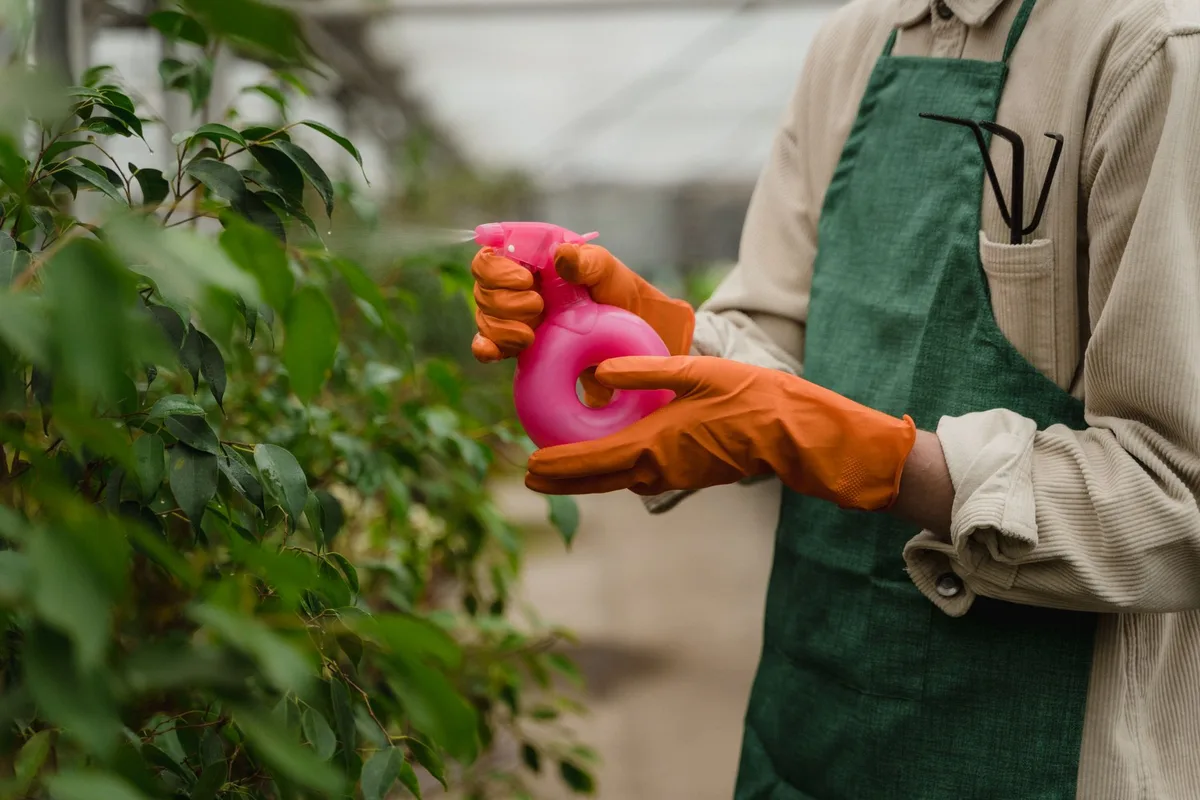
One tip: rotate between different methods rather than relying on a single one. Pests can develop resistance to biological controls and natural sprays over time. Alternating between nematodes and neem oil, for example, keeps the pressure on.
Why "Natural" Doesn't Always Mean "Safe for Pets"
This is the section that surprises most pet owners. "Natural" is not a safety guarantee. It's a marketing term with no legal definition in pest control.
The Essential Oils Trap (Tea Tree, Pennyroyal, Citrus)
Essential oils are concentrated plant compounds. They're powerful because they're designed to defend the plant from insects. That same potency can harm your pet.
Tea tree oil (melaleuca) is a classic example. It's a common ingredient in "natural" flea and tick sprays. Veterinary case reports show that concentrations as low as 0.1% can cause poisoning in cats.
Symptoms include weakness, drooling, tremors, and in severe cases, coma. Dogs are less sensitive but can still react badly.
Pennyroyal oil is even more dangerous. It was historically used as an insect repellent, but it's been linked to liver failure and neurological damage in dogs. The ASPCA considers it highly toxic.
It should never be used on or around pets.
Citrus oils (d-limonene, linalool) are commonly found in "natural" yard sprays. They're moderately toxic to cats and can cause skin irritation and drooling. They break down quickly outdoors, but direct application to a cat's fur is risky.
If you see an essential oil listed in a product's active ingredients, do your homework. Look up the specific oil's toxicity profile for your pet species. Don't assume because it smells nice that it's safe.
Diatomaceous Earth: Safe If You Do It Right
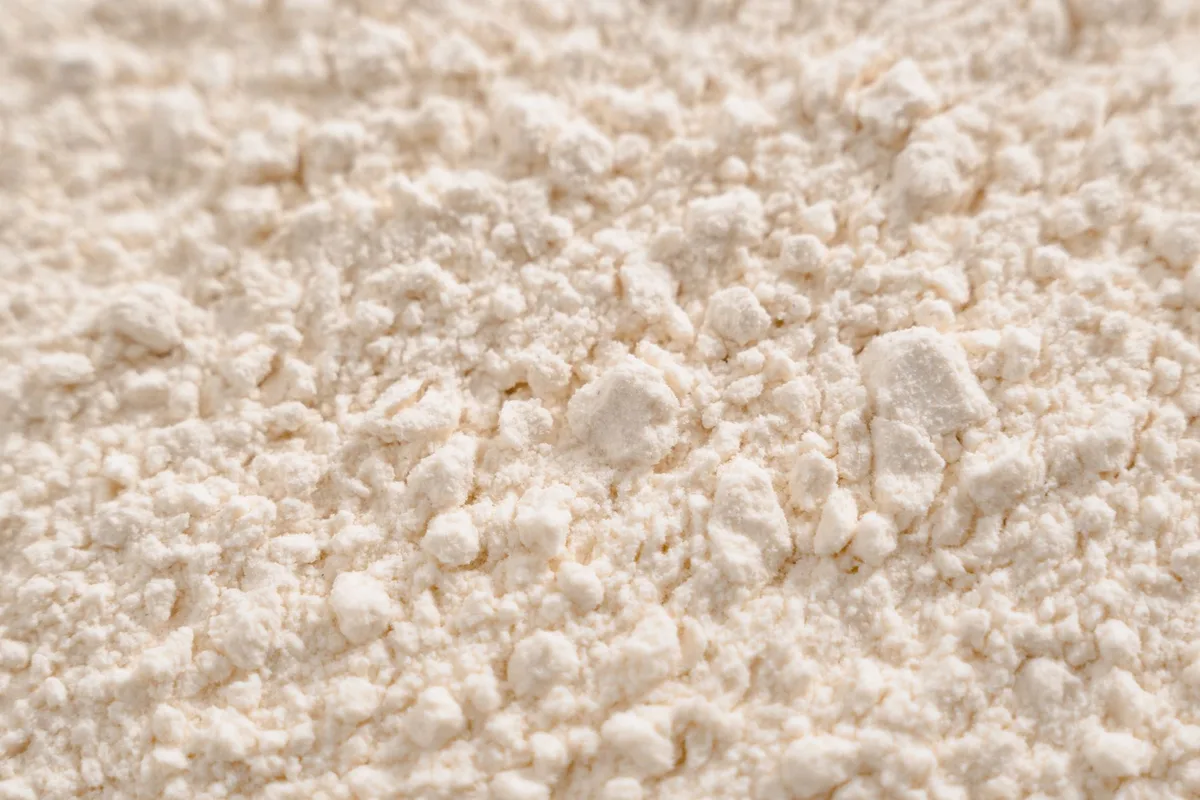
Diatomaceous earth (DE) is crushed fossilized algae. It kills insects by absorbing the waxy layer on their exoskeleton, causing them to dehydrate. It's one of the safest pest control options when used correctly.
The key word is "when." Only food-grade diatomaceous earth is safe for pets. Pool-grade DE is heat-treated and contains crystalline silica, which can cause lung damage if inhaled. It's not the same product.
Even food-grade DE needs caution. It's a fine powder that can irritate your pet's respiratory tract if they're in a cloud of it during application. Apply it to dry soil or cracks, then keep pets away until the dust settles.
A few hours is usually enough. Once it's settled, it's safe for pets to walk on.
DE is effective against ants, fleas, cockroaches, and ticks. It works best in dry conditions. Rain or heavy dew reduces its effectiveness, requiring reapplication.
Garlic and Pepper Sprays: What the Research Says
Garlic and hot pepper sprays are popular in DIY pest control recipes. The evidence for their effectiveness is mixed.
Garlic contains compounds that can repel some insects, but research suggests the effect is mild and short-lived. More importantly, garlic in concentrated amounts can be toxic to dogs and cats. It damages red blood cells and can cause anemia.
Oral ingestion of garlic sprays left on plants is a real risk. The ASPCA lists garlic as toxic to both dogs and cats.
Hot pepper sprays (capsaicin) deter some mammals and insects through irritation. They're less toxic than garlic but can cause eye irritation, skin burning, and gastrointestinal upset if your pet licks treated plants. There's also a risk of the spray drifting into your pet's eyes during application.
The bottom line: these DIY recipes are often more risky than effective. Stick to commercially formulated products that have been tested for both efficacy and safety. If you're managing a broader garden ecosystem, pairing a pest control strategy with the right organic fertilizer choices can reduce pest pressure in the first place.
Step-by-Step: How to Apply Pet-Safe Yard Pest Control
Following a proper process is the difference between effective pest control and wasted effort. Here's the sequence that works.
Step 1: Identify the Pest (Don't Treat Blind)
You can't choose the right method until you know what you're dealing with. That sounds obvious, but many people grab a "general insect killer" and hope for the best.
Look for signs. Grubs cause patches of dead grass that peel up like carpet. Fleas leave tiny black specks (flea dirt) on your pet's bedding.
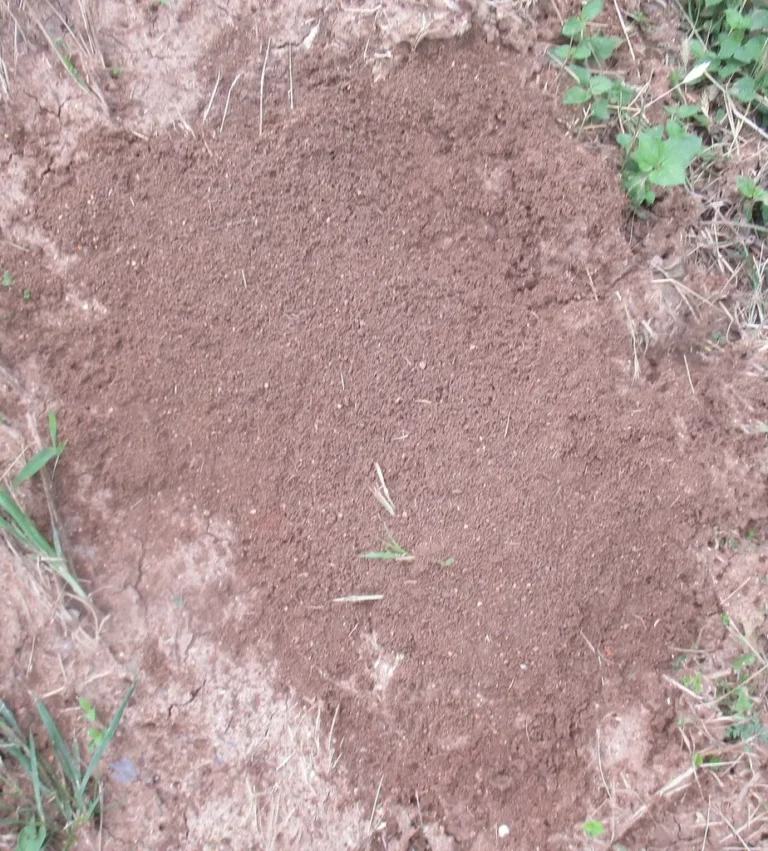
Ticks climb blades of grass and wait for a host to brush past. Fire ants build distinct mounds, usually after rain.
If you're unsure, take a photo and send it to your local extension service. Most state universities have free pest identification services. It takes five minutes and saves you from buying the wrong product.
Step 2: Choose the Right Method for Your Pet's Sensitivity
Not all pets are equally vulnerable. Cats are more sensitive than dogs to most pesticides. Senior pets and young puppies have weaker immune systems.
Breeds with existing health conditions need extra caution.
Here's a simple decision framework:
| If you have… | Choose… | Avoid… |
|---|---|---|
| Only dogs | Nematodes, milky spore, pyrethrin (dried) | High-concentration essential oils |
| Cats | Nematodes, physical barriers, diatomaceous earth | Pyrethrin, tea tree oil, citrus oils |
| Both dogs and cats | Biological controls, copper tape, row covers | Any essential oil spray |
| Puppies or kittens | Physical barriers only | All sprays until they're older |
Step 3: Apply Correctly (Timing, Coverage, Weather)
Timing matters for every method:
- Nematodes: Apply in the evening to avoid UV damage. Keep the soil moist for a week after application. Soil temperature should be between 45°F and 90°F.
- Diatomaceous earth: Apply on a dry, calm day. Dust it into cracks and along baseboards. Rain washes it away.
- Neem oil: Spray in early morning or evening when pollinators aren't active. Reapply after rain.
- Mosquito dunks: Place in bird baths, rain barrels, and any standing water that can't be drained. They last about 30 days.
Coverage matters too. It's better to apply a smaller amount evenly than a large amount in one spot. Follow the product label's rate per square foot.
More isn't better. It's just more expensive and potentially more risky.
Step 4: Know the Withholding Period (When Can Pets Go Back Out?)
Every product has a withholding period, the time you need to keep pets away after application.
| Product type | Typical withholding period |
|---|---|
| Nematodes | None (pets can walk on moist soil) |
| Milky spore | None (pets can dig immediately) |
| Diatomaceous earth | 2–4 hours (until dust settles) |
| Neem oil spray | 2–4 hours (until dried) |
| Pyrethrin spray | 4–8 hours (until fully dry) |
| Cedar oil spray | 2–4 hours (until dry) |
| Mosquito dunks | None (pets can drink from treated water but better to use a separate bowl) |
The withholding period starts after the product has dried, not after application. Drying time depends on temperature, humidity, and how much you applied. On a humid day, double the recommended time.
One more thing: don't let your pet eat treated grass or chew on treated plants, even with "safe" products. No pest control product is meant for internal consumption. Keep an eye on them for the first few hours after they're allowed back out.
Comparison: Which Method Works Best for Your Situation
Not every method fits every pest or every yard. Here's a quick breakdown of what works where.
| Pest Type | Best Pet-Safe Option | When to Apply | Reapplication |
|---|---|---|---|
| Grubs | Beneficial nematodes or milky spore | Spring or early fall | Nematodes: every 2 weeks for 2–3 rounds. Milky spore: once, lasts years |
| Fleas | Nematodes (in soil) + diatomaceous earth (in dry areas) | Warm season, soil temp above 50°F | Nematodes: repeat monthly. DE: after rain |
| Ticks | Tick tubes + keep grass short | Spring through fall | Tick tubes: every 3 months |
| Fire ants | Drench mound with citrus oil or beneficial nematodes | When mounds appear | As needed, spot treat |
| Mosquitoes | Mosquito dunks in standing water + remove breeding sites | All warm months | Dunks: monthly |
| Slugs and snails | Copper tape or beer traps | Wet seasons | Traps: replace weekly |
If you're dealing with multiple pests at once, start with the one causing the most visible damage. Tackling the biggest problem first reduces overall pest pressure and makes the others easier to manage.
Common Mistakes That Put Your Pet at Risk
Even well-intentioned pet owners make errors. Here are the ones we see most often.
Over-applying "safe" products. Just because something is low-toxicity doesn't mean dumping extra is fine. More product means more residue, longer drying times, and higher chance of ingestion. Follow the label rate exactly.
Ignoring dry time. Spraying and letting your dog out right after is the number one cause of pesticide exposure in pets. Even water-based sprays need time to dry. Follow the withholding period.
Using the same product everywhere. A product that kills grubs won't stop mosquitoes. Using a broad-spectrum spray on your whole yard kills beneficial insects and creates resistance. Match the method to the pest.
Forgetting about drift. Spray on a windy day and your pet-safe product ends up in your neighbor's yard. Or worse, on your pet's bedding. Spray when the air is still.
Trusting "natural" labels without checking the ingredients. We covered this earlier, but it bears repeating. Look up each active ingredient on the NPIC website before buying.
Real Scenarios: What This Looks Like in Practice
The Dog with a Tick-Infested Backyard
A family in Massachusetts had three dogs and a serious tick problem. They tried a chemical spray but pulled the dogs inside for 24 hours each time. They switched to tick tubes placed around the yard perimeter and kept the grass cut short.
Within one season, tick numbers dropped by an estimated 70% based on counts on the dogs. No chemical exposure, no withholding periods.
The Cat Owner Dealing with Fire Ants
Cats are sensitive to most insecticides. One owner with a fire ant problem used a citrus oil drench directly on mounds. She applied it in the evening and kept the cat indoors overnight.
By morning, the mound was inactive. She reapplied after rain and kept the yard ant-free for two seasons without any toxicity issues.
The Family with Puppies and a Grub Problem
Puppies chew everything. A family with a 10-week-old Labrador used beneficial nematodes instead of grub killer. They applied in the evening and let the puppies back out the next morning.
The nematodes reduced grub damage to the lawn within two weeks. No vomiting, no lethargy, no vet visits.
When to Skip DIY and Call a Professional (or a Vet)
DIY pest control works for most situations. But some scenarios need expert help.
Call a vet if your pet shows any of these signs after pest control application:
- Drooling, vomiting, or diarrhea within 24 hours
- Tremors, seizures, or uncoordinated movement
- Skin redness, swelling, or excessive scratching
Call a professional pest control company that specializes in pet-safe treatments if:
- You have a severe infestation that DIY methods haven't touched after two full treatment cycles
- Your yard borders heavily infested untreated areas
- You're dealing with invasive pests like fire ants or aggressive tick populations
- You have a very large property (over an acre) where DIY becomes impractical
Ask the professional specifically what products they use and whether they follow pet-safe protocols. A good company will tell you exactly what they're applying and how long to keep pets away.
Frequently Asked Questions
Can I use essential oil sprays around my cat?
No, not safely. Most essential oils, especially tea tree, pennyroyal, and citrus oils, are toxic to cats. Cats lack the liver enzymes to break down these compounds.
Stick to nematodes, diatomaceous earth, or physical barriers for cat-friendly yards.
How long after spraying can my dog go outside?
It depends on the product. For most natural sprays, wait until the spray is completely dry. That's usually 2 to 4 hours depending on temperature and humidity.
For products like diatomaceous earth, wait until the dust settles, about 2 hours.
Do beneficial nematodes really work for fleas?
Yes. Research shows that Steinernema feltiae nematodes can kill flea larvae in soil. They don't affect adult fleas on your pet, but they break the life cycle by targeting the stages in your yard.
Combine nematodes with flea prevention on your pet for full control.
Is diatomaceous earth safe for dogs to walk on?
Food-grade diatomaceous earth is safe after it settles. The risk is inhalation during application. Keep your dog away for 2 to 4 hours while the dust settles.
After that, it's safe for paws and fur.
What's the safest way to get rid of fire ants with pets?
Spot-treat individual mounds with a citrus oil drench or beneficial nematodes. Both are safe for pets once dry. Avoid broadcast granules that cover the whole yard, as pets can ingest them.
Always treat in the evening when ants are in the mound.
The Last Word: Your Pet-Safe Yard Strategy
You don't need harsh chemicals to protect your yard from pests. The safest approach is a layered one. Use biological controls for soil pests.
Use physical barriers for crawlers. Use targeted natural sprays only when necessary and always check the label for your specific pet.
Start small. Pick one pest problem and try one method. See how it works.
Adjust from there. Your pets will thank you, and so will your lawn.
Maintenance and Long-Term Optimization
Pet-safe pest control isn't a one-and-done task. You need a seasonal rhythm.
Check your yard every two weeks during warm months. Look for new mounds, dead grass patches, or ticks on your pet's bedding. Reapply nematodes after heavy rain.
Replace mosquito dunks monthly. Keep grass short and remove leaf litter where ticks hide.
A consistent schedule beats heavy treatments every time.
How to Handle Reinfestation
If pests return after treatment, don't double the dose. First, check if you identified the pest correctly. Many people treat for ants when they have fleas, or use a grub killer on chinch bugs.
Second, look for unaddressed breeding sites. Standing water, wood piles, and overgrown bushes all harbor pests. Remove the habitat and the infestation often solves itself.
If the problem persists, switch to a different method class to avoid resistance.
Combining Pest Control with Pet Prevention
Your yard treatment is only half the battle. Pair it with pet-level prevention.
For dogs, use a vet-recommended flea and tick preventive year-round. For cats, keep them indoors during peak mosquito hours at dawn and dusk. Brush your pets after they come inside so you spot hitchhikers before they settle in.
Wash pet bedding weekly in hot water to kill any eggs or larvae that hitch a ride indoors. This double layer cuts infestations dramatically.
Cost Breakdown of Pet-Safe Methods
Pet-safe options range widely in cost. Here's a rough guide per 1,000 square feet.
| Method | Initial cost | Annual cost | Notes |
|---|---|---|---|
| Beneficial nematodes | $15–$25 per pack | $30–$50 | Requires 2–3 applications |
| Milky spore | $20–$40 | $20–$40 | One application lasts years |
| Diatomaceous earth | $10–$15 per bag | $20–$30 | Reapply after rain |
| Neem oil concentrate | $10–$20 per bottle | $15–$30 | Dilutes to many gallons |
| Mosquito dunks | $10–$15 for 6 | $20–$30 | One per bird bath monthly |
Biological controls cost more upfront but save money long-term. Chemical treatments may seem cheaper but hide vet bills.
Final Checklist for a Pet-Safe Yard
Before you apply anything, run this checklist:
- Have I correctly identified the pest?
- Have I checked the active ingredients against NPIC or ASPCA data?
- Is my pet's species, age, and health status accounted for?
- What is the withholding period, and have I planned for it?
- Have I removed standing water, debris, and pet toys from the treatment area?
- Is the weather dry and still for the next 24 hours?
- Do I have a vet's number handy in case of a reaction?
Check every box and you're ready to treat. Skip one and you're gambling with your pet's health. Don't take that chance.