Guide to Gravel Vs Mulch Comparison (2026) — Quick Guide
You're standing in the garden center staring at two aisles: one piled high with bags of shredded bark and the other stacked with bags of pebbles. If you're landscaping a garden bed, pathway, or seating area, the Gravel vs Mulch Comparison comes up fast. Both are popular ground covers, but they're not interchangeable.
The choice you make sticks with you for years. Sometimes for better. Sometimes for a lot of hard work.
Per OSU Extension testing, a well-maintained mulch bed can hold up to 50 percent more soil moisture than bare ground. That statistic alone matters if you're in a dry climate or trying to cut down on watering. But gravel offers different advantages: fire resistance, near-zero replenishment, and a clean modern look.
Here's how each material actually stacks up.
Quick Answer
Gravel lasts indefinitely and needs no annual replenishment. Mulch decomposes slowly and feeds your soil. Gravel handles high foot traffic well.
Mulch is better for plant health and root insulation. Your choice depends on your priorities. Choose gravel for permanence and low long-term work.
Choose mulch for healthier plants and better moisture retention.
Why This Choice Actually Matters
Most homeowners underestimate how much ground cover affects everything from water bills to weed pulling time. Get it right and your landscape stays tidy with minimal effort. Get it wrong and you're either hauling bags of mulch every spring or fighting weeds that poke through gravel year after year.
Your local climate plays a huge role here. In hot dry climates, gravel reflects heat back at your plants and drives soil temperatures up. That's the opposite of what roots want.
Meanwhile, organic mulch breaks down quickly in humid regions and needs constant topping up. You end up paying twice for replacement material.
The right choice also affects what you can plant. Flower beds full of annuals and shallow-rooted perennials thrive with a decomposing layer of mulch above them. But a seating area or path where you walk daily needs a firm surface like compacted gravel.
You can mix both materials in the same yard. Many people run a gravel path through mulched beds and get the best of both worlds.
If you've already picked out some flowers and want to keep their roots cool and moist, you're leaning toward the organic side. But if you're creating a patio area with a clean look, check out our guide to the best gravel for patio area for size and color options.
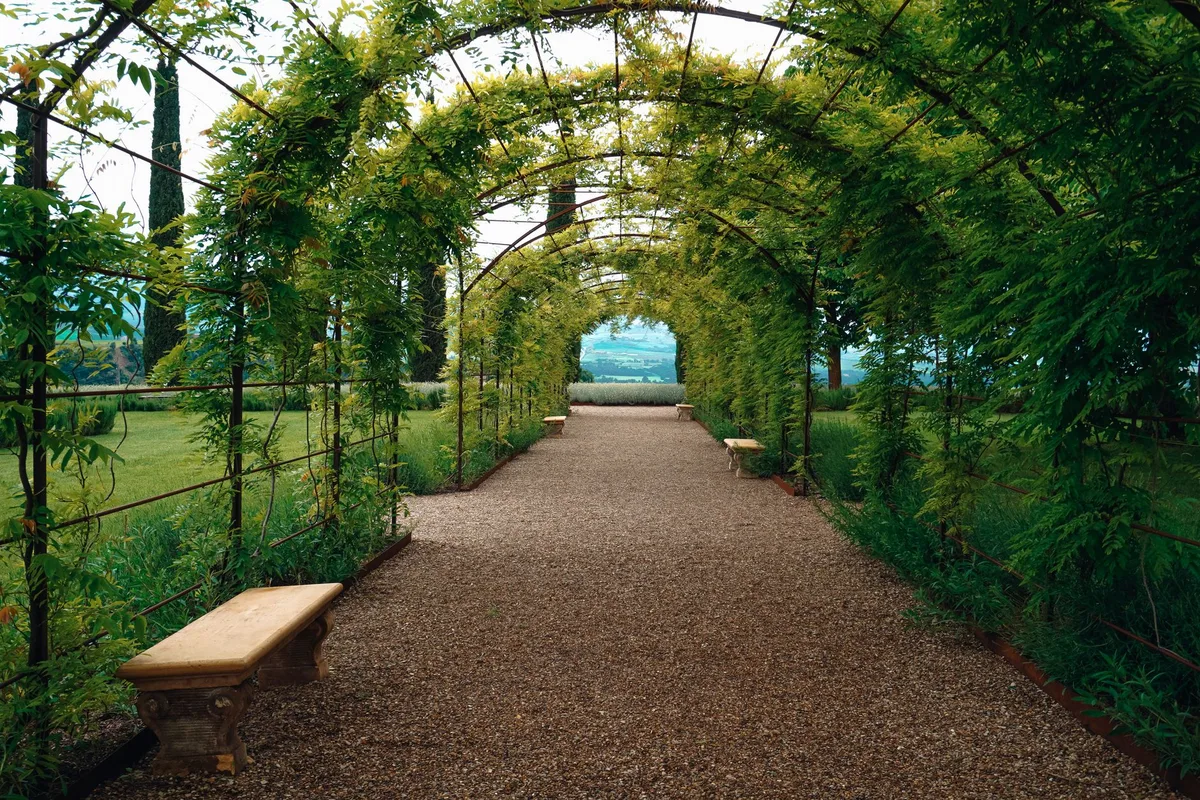
Gravel: The Permanent Solution That Demands Smart Installation
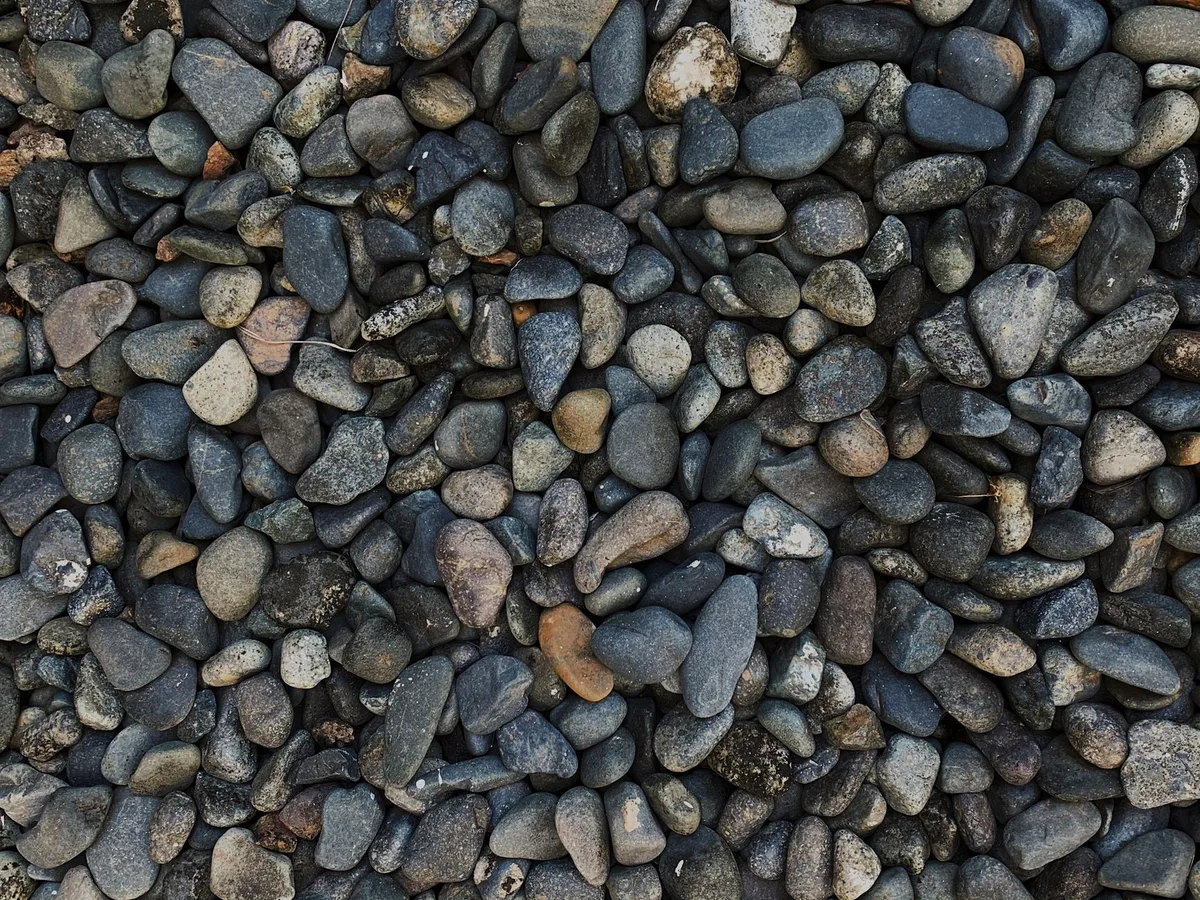
Pea gravel, crushed stone, river rock, decomposed granite. They all fall under the gravel umbrella, but each behaves differently. Rounded pea gravel shifts underfoot and kids love kicking it out of beds.
Angular crushed stone locks together and stays put. Decomposed granite compacts into a nearly solid surface when you wet and tamp it.
The biggest appeal is obvious: you install it once and ignore it. Gravel does not rot, blow away in wind, or attract termites. But "low maintenance" does not mean "no maintenance." You will pull weeds from gravel within 12 months.
Windblown dirt settles between the stones. Seeds land in that dirt and sprout. Landscape fabric underneath helps, but it's not foolproof.
Installation matters more than material cost. The pro rule is clear. Excavate 4 to 6 inches of soil.
Lay a geotextile fabric. Add 3 inches of base rock and tamp it hard. Top with 2 inches of decorative gravel.
Skip this prep and your gravel sinks into the mud within a season.
Gravel also radiates heat. On a 95-degree day, those stones hit 120 degrees or more. That burns bare feet and stresses nearby plants.
It is an excellent choice around trees in hot dry climates where you want to conserve water without a combustible cover.
Mulch: The Renewable Option That Feeds Your Soil
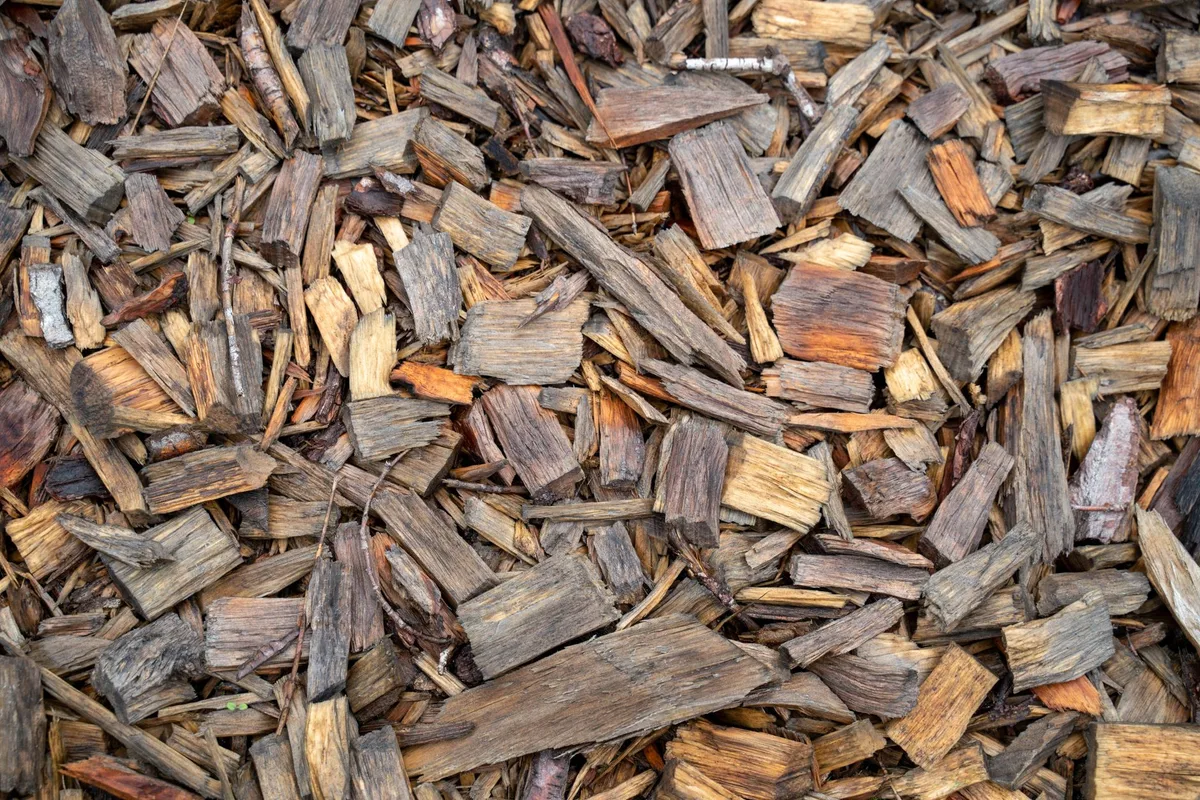
Shredded hardwood, bark nuggets, pine straw, cedar chips. Each type breaks down at a different rate. Cedar mulch lasts two to three years.
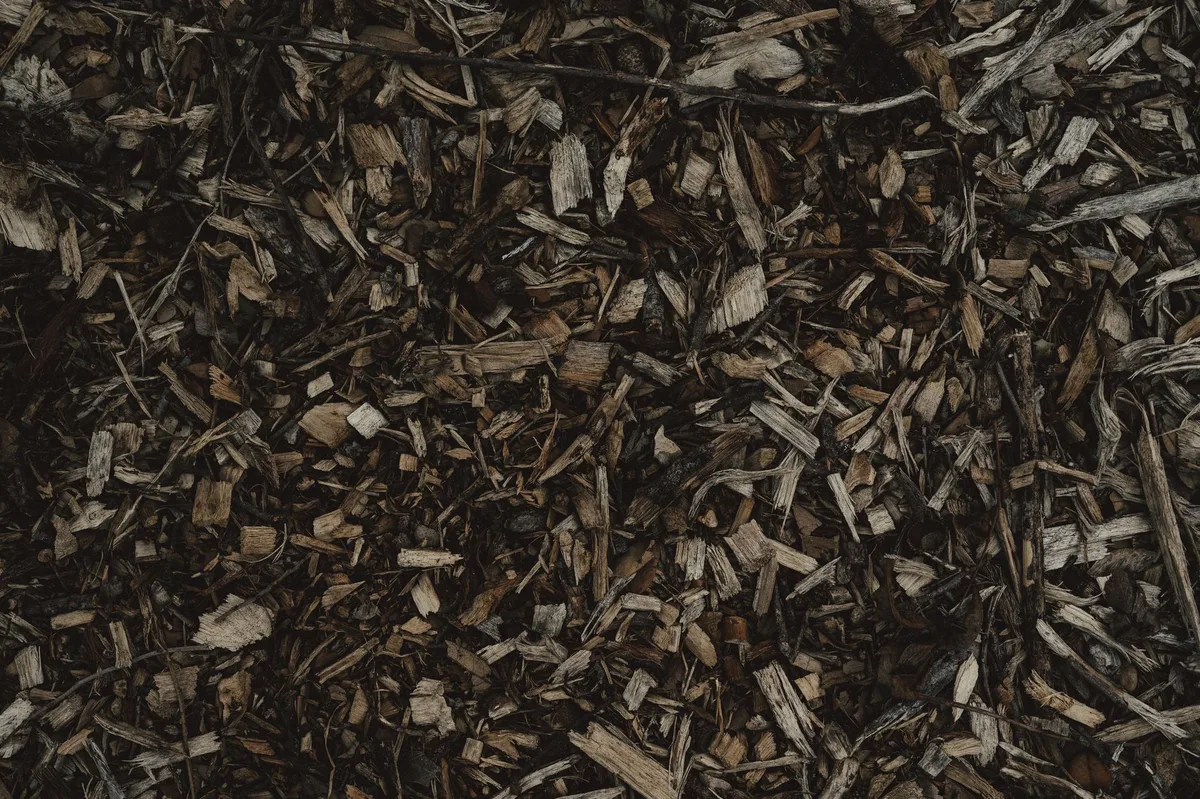
Pine straw compacts into a dense mat but disappears in 12 months. Shredded hardwood is the middle ground: it feeds the soil as it rots and looks dark and uniform for a full growing season.
The real advantage most people miss is soil improvement. As organic matter decomposes, it adds nutrients back into the ground. Worms move in.
Soil structure loosens. Over several seasons you stop needing as much slow release fertilizer because the bed builds its own fertility. You cannot get that from rock.
Mulch shines in flower beds and vegetable gardens. It keeps soil temperatures 10 to 15 degrees cooler in summer. It holds moisture so you water less often.
And it suppresses weeds better than gravel for the first 12 to 18 months. The trade off is that you have to reapply it every year or two.
The proper depth is 2 to 4 inches, no more. Piling it too deep creates a moisture layer that rots stems and invites fungus. Keep it pulled back from tree trunks and plant stems.
And if you're planting annuals or perennials, pick a mulched bed over a rock bed every time. Your plants' roots will thank you.
Head to Head: Gravel vs Mulch on 8 Key Factors
Numbers help you decide faster than opinions ever could. Here is how both materials compare across the factors that matter most for a typical yard.
| Factor | Gravel | Mulch |
|---|---|---|
| Upfront cost per cubic yard | $30–$80 | $30–$60 |
| Lifespan | Indefinite | 1–3 years |
| Annual maintenance | Weed pulling, blowing debris | Topping up 2 inches |
| First-year weed suppression | Good with fabric | Better without fabric |
| Water drainage | Excellent | Moderate |
| Soil health | Neutral | Improves |
| Foot traffic comfort | Poor (sharp, hot) | Good (soft, cool) |
| Fire resistance | High | Low |
Lifespan is the biggest separator. A single gravel install can outlast your fence. Mulch becomes mulch for the soil and needs replacement on a schedule.
That recurring cost adds up fast.
Drainage goes to gravel unless you install it over clay soil. Then water pools under the rocks and breeds mosquitoes. Mulch absorbs rain and releases it slowly, which is better for plant roots in most cases.
Foot traffic is a deal breaker for some. Sharp crushed stone tears up bare feet. Rounded pea gravel slides out from under you on a slope.
Mulch stays put and feels like walking on soft ground. But it also tracks into the house if you walk through it after rain.
Fire resistance matters more than most homeowners realize. In wildfire-prone areas, many local fire codes recommend a 5-foot noncombustible zone around structures. Gravel is the standard choice for that zone.
Organic mulch burns and will carry flames toward your foundation.
Best Use Cases: Where Gravel Wins Every Time
Gravel is the right call when you need a surface that stays put and works hard. High-traffic paths and driveways are its natural home. Angular crushed stone locks together under weight and does not rut like mud or shift like mulch.
Around the house foundation, gravel creates a clean drainage zone. It sheds water away from the siding and keeps soil moisture from rotting wood. That same property makes it the standard choice for dry creek beds and French drain covers.
Fire-prone areas demand gravel. Local fire codes in many western states require a 5-foot noncombustible buffer around structures. Organic mulch burns and smolders.
Gravel stops the spread. If you live in a wildfire zone, that single factor overrides every other consideration.
Patios and seating areas also work well with the right gravel. Decomposed granite compacts into a patio-like surface that drains instantly. You can set pavers into it or leave it loose.
For design ideas and size selection, check out our guide to the best gravel for patio area.
Areas under trees where you do not want to dig work too. Gravel lets water and air reach the roots while keeping weeds down. Just avoid piling rock against the trunk itself.
Keep a 6-inch gap of bare soil around the base.
Best Use Cases: Where Mulch Wins Every Time
Mulch is for beds where plants matter more than foot traffic. Flower beds, vegetable gardens, and shrub borders all benefit from a 2 to 3 inch layer. The organic matter breaks down and feeds the soil biology.
Worms multiply. Roots spread deeper.
Vegetable gardens are a non-negotiable mulch zone. Straw, shredded leaves, or composted wood chips keep the soil cool and moist through summer. You water half as often.
The vegetables stay cleaner too. No mud splashing up on tomatoes.
Playgrounds and play areas need soft ground cover. Shredded rubber mulch or engineered wood fiber meets ASTM F1292 drop standards. But standard hardwood mulch also works well for residential play sets.
It cushions falls better than gravel ever could.
Tree rings get damaged by volcano mulching, but a flat, even layer of mulch at 2 inches deep is perfect. It protects the root zone from mower damage and temperature swings. Our research shows that properly mulched trees grow 20 percent faster in the first three years.
If you are planting annuals or perennials that need regular division, mulch is the obvious choice. You can pull it aside, dig, and push it back. Gravel makes replanting a chore you will dread.
For bed design ideas, look at our picks for the best flowers for flower beds that pair well with dark hardwood mulch.
The Hidden Maintenance Costs Nobody Talks About
Every ground cover has a maintenance price tag, and most people underestimate both sides.
Gravel demands weed control every season. Wind blows dirt into the cracks. Seeds germinate in that dust.
You either hand-pull or spray. Landscape fabric slows the process but does not stop it. After two years, enough organic matter sits on top of the fabric that weeds root there anyway.
Debris removal is another chore. Leaves and pine needles settle into gravel and rot. A leaf blower just scatters the lighter rocks.
You end up raking or using a shop vac. That takes time.
Edging also needs attention. Metal or plastic edging shifts over time. Gravel spills onto the lawn.
You reset it or watch your beds shrink.
Mulch has a different set of costs. It needs annual replenishment at 1 to 2 inches. Three cubic yards for a medium-sized bed runs $90 to $180 in material alone.
Over five years, you buy mulch three or four times. Gravel you buy once.
Dyed mulch fades within 12 months in full sun. That red or black look you paid for turns gray. You either live with it or top-dress annually.
Natural cedar holds its color longer but costs more per bag.
Fungus and mold appear in thick, wet mulch. You scrape off the slimy layer and replace it. That is an extra trip to the garden center you did not plan for.
Fire Safety, Termite Risks, and Other Real Dangers
Fire risk is the most serious consideration. The National Fire Protection Association recommends a noncombustible zone of at least 5 feet around structures in wildfire-prone areas. Gravel fits that requirement.
Organic mulch does not. Embers landing on bark mulch can smolder for hours before igniting.
Termite risk matters near your foundation. Wood-based mulch within 6 inches of the house siding can create a moisture bridge. Termites travel through that moisture and find untreated wood above.
The International Residential Code does not ban mulch near foundations, but many pest control professionals advise keeping a gravel or bare-soil gap.
Slugs and snails thrive in damp mulch. If you have hostas or leafy greens near a mulched bed, expect more damage. Gravel beds stay dry and do not host these pests.
Mold and fungus spores also kick up when you disturb dry mulch. People with allergies or asthma notice this. A dust mask helps during installation and annual top-dressing.
On the gravel side, the main danger is heat. Dark gravel can reach 140 degrees on a hot afternoon. That burns pet paws and bare feet.
Kid-friendly play areas should stick with smooth river rock or organic mulch instead.
The True Cost Over Three Years
Upfront price is only half the story. The real cost comes from maintenance and replacement over time.
| Cost Category | Gravel (per 100 sq ft) | Mulch (per 100 sq ft) |
|---|---|---|
| Initial material | $40–$80 | $20–$40 |
| Initial labor | $60–$100 | $40–$60 |
| Year 1 maintenance | $10 (weed tool) | $0 |
| Year 2 maintenance | $15 (spot treat weeds) | $20 (1-inch top-dress) |
| Year 3 maintenance | $20 (edging repair, more weeds) | $20 (1-inch top-dress) |
| 3-year total | $145–$225 | $100–$140 |
Numbers shift depending on your region and material prices. In our research, bulk purchase prices stay stable at the lower end. Bagged material from a big-box store costs nearly double per cubic foot.
But notice something. Gravel costs more upfront and equalizes over time only if you are the one doing the work. If you hire a landscaper for maintenance, gravel wins because you pay labor for mulching every year.
The break-even point for gravel is typically year four or five. By then, you have bought mulch three times and paid for installation each time. Your gravel bed is still sitting there.
For larger beds above 200 square feet, the mulching cost compounds faster. That is when gravel starts to make more financial sense.
Five Installation Mistakes That Will Haunt You
The first mistake is skipping the base prep. Throwing gravel directly on soil guarantees it sinks within a year. You need 4 inches of compacted base rock under decorative gravel.
Excavate, tamp, and edge before you pour a single stone.
For mulch, the number one error is volcano mulching. Piling mulch high around a tree trunk traps moisture against the bark. That rots the cambium layer and kills the tree slowly.
Keep mulch flat and pull it 2 inches away from the trunk base.
Skipping edging is another common mistake. Gravel spreads across your lawn after every rain. Mulch washes into the street.
A proper metal or plastic edging barrier keeps both materials where they belong.
Using landscape fabric under mulch is a waste of money. Weeds grow on top of it anyway, and the fabric blocks beneficial soil organisms. Skip it for mulched beds.
Use 3 inches of mulch instead and accept a few hand-pulls each month.
Finally, choosing the wrong gravel size matters. Pea gravel smaller than 3/8 inch gets kicked everywhere. Crushed stone larger than 1 inch is hard to walk on.
The sweet spot for paths and beds is 3/4 inch crushed stone.
Expert Tips: Getting the Best Results From Rock or Wood
For gravel, install a geotextile fabric only under high-traffic areas. Skip it under decorative beds where you might replant. The fabric makes digging a nightmare later.
Just use a thicker gravel layer instead.
Water your gravel after installation. A light spray settles the dust and locks the top layer together. For decomposed granite, wet it thoroughly and tamp it with a plate compactor.
That turns loose gravel into a patio-hard surface.
For mulch, time your application right. Apply fresh mulch in late spring after the soil has warmed up. Mulching too early in cool soil traps cold and delays plant growth.
Mid-to-late April in most zones is the sweet spot.
Moisten your mulch after spreading it. Dry bark nuggets blow away in a strong wind. A quick sprinkling settles them into place.
It also helps the first rain penetrate instead of running off your hardened beds.
If you are combining both materials, create clean transition lines. Use a wide metal edging strip to separate gravel paths from mulched beds. That visual boundary also keeps maintenance separate and simplifies your seasonal work.
The Final Verdict: Which One Should You Pick?
Pick gravel when you need permanence and low long-term labor. It is the right choice for paths, driveways, drainage zones, fire-safe perimeters, and areas under trees. You pay more upfront but forget about it for a decade.
Pick mulch when plant health is your priority. Flower beds, vegetable gardens, and shrub borders thrive under a 3-inch layer of decomposing organic matter. You replace it every year or two, but your soil gets better each cycle.
Mix both in the same yard for the best result. Run gravel paths through mulched beds. Use gravel around the foundation and mulch in the planting areas.
That balances cost, maintenance, and beauty across your whole property.
As of 2026, the landscaping industry is trending toward mixing materials strategically rather than committing to one across an entire property. You can do the same. Let the function of each zone decide the material.
Frequently Asked Questions
Can I use gravel and mulch together in the same bed?
Yes, but keep them separate with edging. Gravel paths through mulched beds look clean and work well. Do not mix them in the same area.
The gravel sinks into the mulch and becomes a weedy mess.
Does gravel attract snakes or rodents?
Gravel does not attract snakes directly. But snakes hide under any ground cover that offers shelter. Large river rock with gaps underneath provides more cover than compacted crushed stone.
Keep beds tidy to reduce hiding spots.
How often should I replace the mulch in my flower beds?
Replace shredded hardwood mulch every 12 to 18 months. Cedar bark lasts 2 to 3 years. Pine straw needs a fresh layer every year.
Top-dress with 1 to 2 inches when the old layer is thin.
Is gravel safe for a playground surface?
Not for active play areas. Sharp crushed stone hurts when kids fall. Rounded pea gravel meets some safety standards but shifts under running feet.
Engineered wood fiber or rubber mulch is better for playgrounds.
Should I put fabric under gravel or mulch?
Fabric helps under gravel in high-traffic areas only. Skip it under mulch entirely. The fabric blocks earthworms and stops organic breakdown.
Thick mulch layers suppress weeds on their own.
What ground cover is best for a hot dry climate?
Gravel wins in arid regions. Mulch dries out quickly and decomposes faster in the heat. Gravel reflects light but also radiates heat at night.
In extreme desert climates, consider decomposed granite for a compact, walkable surface.