How to Stop Weeds in Gravel in 2026 (Step-by-Step Guide)
You're staring down a gravel driveway or path that's slowly being reclaimed by weeds. It's frustrating. The gravel was supposed to be a low-maintenance solution, not a new gardening project.
How to Stop Weeds in Gravel comes down to understanding one simple fact: gravel alone doesn't block them. It just gives them a different place to grow.
Our research confirms that gravel beds with less than three inches of depth almost always fail within a single growing season. As of 2026, cooperative extension guidelines consistently list gravel depth as the single most important variable. Let's walk through what actually works and why.
Quick Answer
To stop weeds in gravel, block sunlight and remove the seed source. Use landscape fabric under new gravel. Apply pre-emergent annually for established beds.
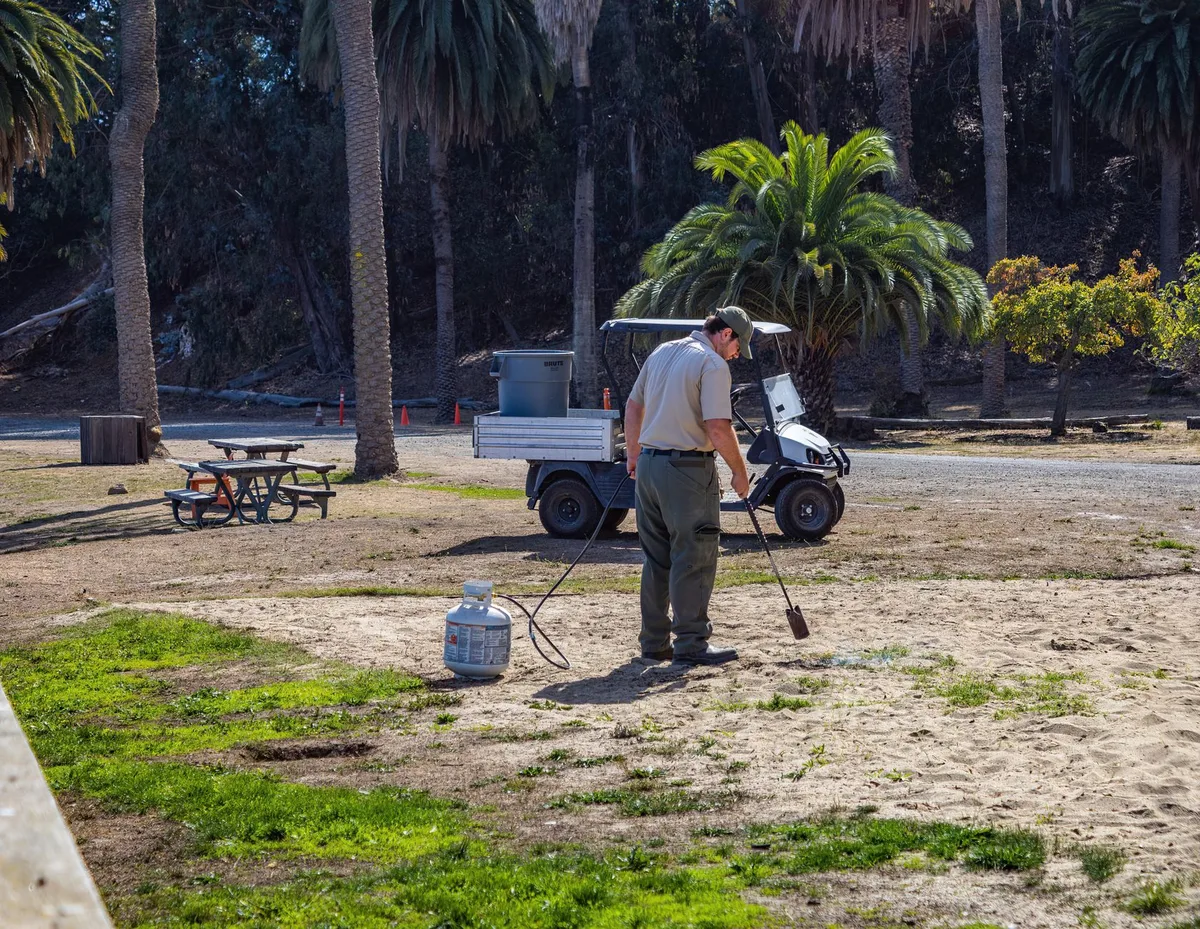
Kill existing weeds with horticultural vinegar or a torch. Pull deep-rooted weeds before they seed.
The Real Problem: Why Gravel Attracts Weeds (and Why Most Advice Fails)
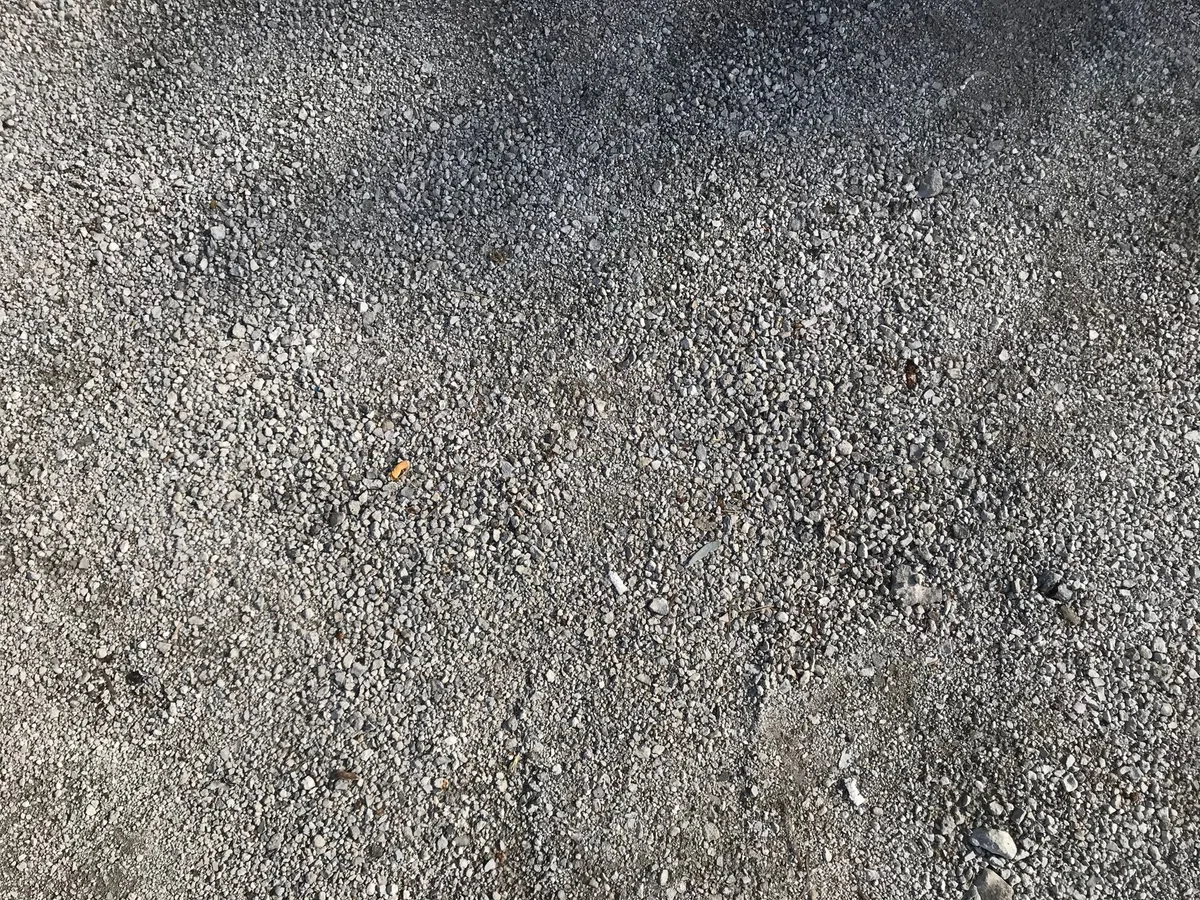
Gravel creates a perfect environment for weed seeds. They blow in on the wind. They fall from nearby plants.
They wash in during rain. Once there, the gravel traps moisture in the soil underneath. That's a seed germination station.
Most advice starts with "just lay fabric." That's part of the answer but not the full story. Your situation matters more than any single technique.
New gravel allows for a clean barrier installation. Existing gravel with established weeds needs a different approach. And if you're maintaining a clean area year after year, you need a maintenance schedule, not a one-time fix.
Here's what most advice gets wrong. They treat all weed problems the same. Bindweed in a gravel path needs a different solution than crabgrass in a gravel driveway.
The depth of your gravel changes everything. Shallow beds let light reach the soil surface, which triggers germination. Deeper beds block enough light to prevent most seeds from sprouting.
The other thing nobody mentions: your landscape fabric will fail if you don't follow the installation rules. We'll cover exactly what those rules are in a moment.
How Weeds Beat You: Understanding Seed Banks, Windblown Debris, and Shallow Gravel
Weeds win for three main reasons. Understanding each one is the key to stopping them.
The seed bank in the soil below. Every square foot of soil contains thousands of dormant weed seeds. When you lay gravel, you're putting a blanket over them. But those seeds are still viable.
If any light or moisture reaches them, they'll germinate and push right through the gravel.
Windblown debris creates a new soil layer. Leaves, dust, pollen, and organic matter settle into the gaps between gravel stones. Over time, this debris breaks down into a thin layer of soil. Weed seeds land in that debris and take root.
Without regular cleaning, you're essentially creating a new topsoil layer right on top of your gravel.
Shallow gravel is no barrier at all. Gravel less than two inches deep lets light reach the soil and allows weed stems to push through easily. Three inches or more of angular stone blocks most weed growth. The difference between two inches and three inches is enormous.
| Gravel Depth | Weed Growth Likelihood | Recommended By |
|---|---|---|
| Under 2 inches | Very high | Extension services |
| 2 to 3 inches | Moderate | Acceptable |
| 3 to 4 inches | Low | Preferred |
| 4 inches or more | Very low | Driveways only |
The type of weed matters too. Shallow-rooted annual weeds like crabgrass and chickweed are easier to stop. Deep-rooted perennials like bindweed and dandelions can push through fabric and gravel. They need different treatment.
Start Here: What's Your Situation?
Your exact approach depends on where you are right now. This is the decision point.
- You're installing new gravel. This is your best opportunity. You can build a foundation that weeds can't compromise for years. Skip to the preventive approach below.
- You have existing weeds in established gravel. You need to kill what's there first, then apply a barrier method. Skip to the remediation strategies.
- You're maintaining a clean gravel area year after year. Annual pre-emergent application and spot treatment will keep it clean. Focus on maintenance.
The biggest mistake people make is using the wrong approach for their situation. If you try to lay fabric over an existing weed infestation without killing the weeds first, the weeds will push through the fabric in under a season. It's a waste of time and money.
Branch 1: Starting Fresh — The Preventive Approach
This is the cleanest solution. When you install new gravel, you can build a foundation that weeds can't compromise for years. The upfront work pays off in a major way.
How to Lay Gravel That Stays Weed-Free (Step by Step)
Step 1: Remove the topsoil layer. Dig down four inches below the final gravel height. This removes most of the weed seed bank. If you're laying gravel for a patio or driveway, you're already excavating.
Just go a little deeper.
Step 2: Grade and compact the base. A tamped surface prevents settling and shifting. Uneven gravel creates pockets where debris collects and weeds take root. Use a hand tamper or plate compactor.
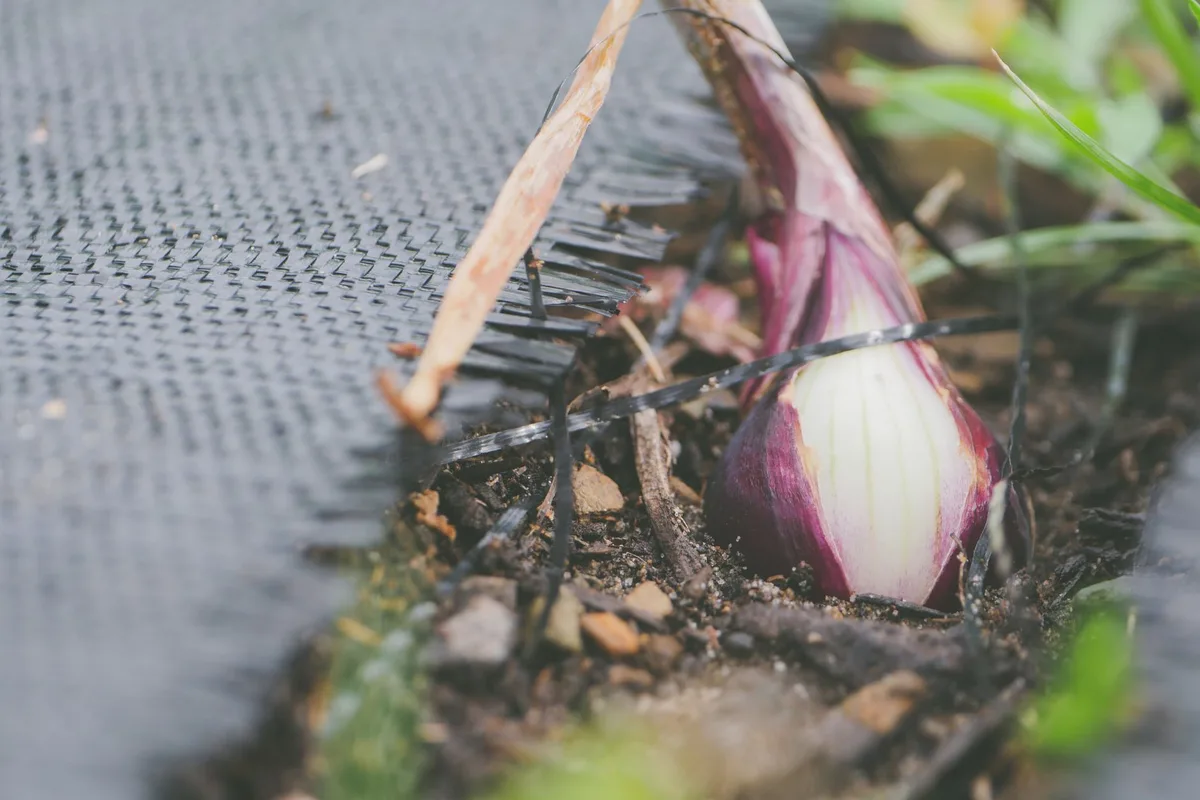
Step 3: Lay landscape fabric. This is the critical step. Overlap seams by at least twelve inches. Use galvanized staples every two to three feet.
The fabric blocks weed growth but lets water pass through. Woven polypropylene fabric is the standard choice for gravel applications.
Step 4: Add three to four inches of angular gravel. Crushed stone locks together and prevents movement. Pea gravel shifts too much and creates gaps that weeds exploit. The angular edges of crushed stone create a strong, weed-resistant surface.
Choosing the right material for your project makes a big difference.
Step 5: Edge the area. Use metal, concrete, or heavy plastic edging to block lateral weed invasion from nearby soil. Grass and weed roots spread sideways and can invade your gravel from the edges.
Landscape Fabric: The Good, the Bad, and the Realistic
Landscape fabric is not permanent. It's a significant improvement, but it needs proper installation and care.
Woven polypropylene fabric works best for gravel. It's strong and permeable. Water and air pass through while blocking weed growth.
Nonwoven fabric feels thicker but clogs faster. Debris and dust fill its pores. Water stops flowing through, and you get pooling on top.
Weeds love pooling.
UV resistance matters. Fabric exposed to direct sunlight degrades in three to five years. Covered fabric with two to three inches of gravel on top can last ten years or more.
The fabric that lasts longest is the one you never see.
The biggest mistake: leaving edges exposed. The sun hits the fabric, it dries out and becomes brittle. Weeds find those weak spots.
Always cover every inch of fabric with gravel.
Pre-Emergent Herbicides: Setting the Chemical Barrier
Pre-emergent herbicides prevent weed seeds from germinating. They don't kill existing weeds. That's a common confusion.
Apply them in spring when soil temperatures hit fifty to fifty-five degrees Fahrenheit. That's when crabgrass and other warm-season weed seeds start germinating. A fall application blocks winter annuals like chickweed.
Granular formulations spread easily with a broadcast spreader. Liquid versions require a sprayer but cover more evenly. Water the area after application to activate the barrier.
Natural alternative: corn gluten meal. It acts as a pre-emergent and adds nitrogen to the soil. Our research shows it's about sixty percent effective compared to synthetic options.
It works well for organic gardening or areas near edible plants.
Gravel Stabilizers and Binders: The Permanent Fix
Polymer-based gravel stabilizers are a different approach entirely. They bind the gravel particles together into a solid, porous surface. Weeds can't push through because there's nothing to push through.
These work best for high-traffic areas like driveways and parking pads. They cost more per square foot than fabric but last longer with less maintenance. Installation requires experience.
The binder needs to be mixed and applied correctly. Improper mixing creates weak spots where weeds can eventually break through.
For large areas, this is often the best long-term investment. For small paths or decorative beds, fabric and pre-emergent are more cost-effective. If you're also planning nearby landscaping, selecting plants that thrive in your region can reduce overall maintenance.