How to Improve Clay Soil for Grass 2026: Step-by-Step Guide
If you've ever wondered how to improve clay soil for grass, you already know the struggle. Heavy clay turns rock-hard in summer and becomes a sticky mess after rain. Your lawn fights back.
Water pools on the surface. Grass roots barely dig in.
Per USDA soil taxonomy, clay particles measure less than 0.002 millimeters in diameter. That's incredibly fine. They pack together so tightly that air and water have almost no room to move.
Organic matter is the proven fix, and we'll walk through exactly how it works.
Quick Answer
To improve clay soil for grass, add organic matter like compost. Core aerate your lawn twice each year. Choose deep-rooted grass varieties for better structure.
Avoid adding sand without compost. Expect visible results in one growing season.
Problem / Pain Point – Why Your Lawn's Fighting You
Clay soil doesn't hate your grass. It's just physically difficult for roots to thrive. The tiny particles bond tightly, leaving almost no pore space for air.
Roots need oxygen to grow deep. Without it, they stay shallow and weak.
Water makes this worse. Clay drains slowly, sometimes only 0.5 inches per hour. That's far below the ideal 1 to 2 inches per hour for healthy turf.
After a heavy rain, water sits on top. Puddles form. Grass roots sitting in wet soil for days are more vulnerable to disease, and you may eventually need a targeted fungicide application.
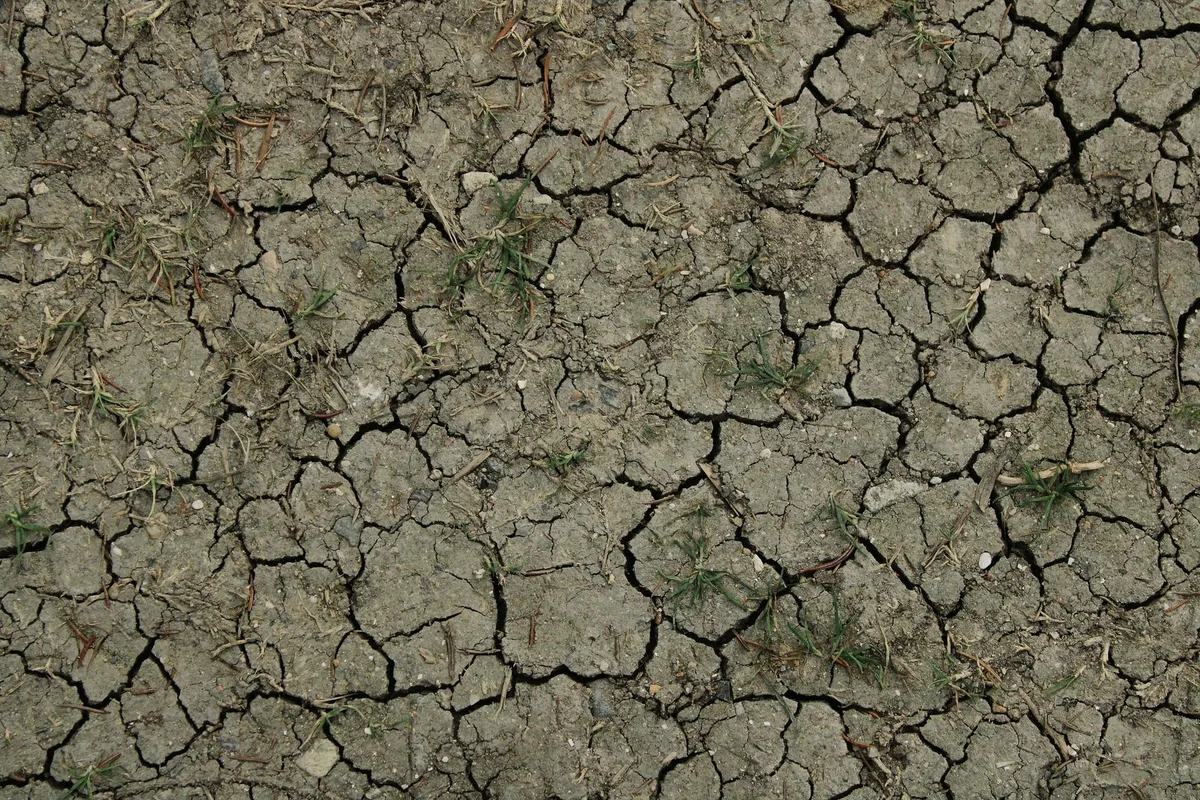
When clay dries out, it shrinks and cracks. Those cracks can damage roots directly. And in compacted clay, earthworms and beneficial microbes can't do their work.
You end up with thin, patchy grass that needs constant watering and never looks as good as you'd hope.
The good news is that clay has advantages too. It holds nutrients extremely well due to its high cation exchange capacity. Once you fix the structure, your lawn can be lush and resilient.
You just have to work with the soil's nature, not against it.
Quick Answer / Key Insight – What Actually Fixes Clay Soil
Organic matter is the single most effective amendment for clay soil. Compost, leaf mold, and well-rotted manure all work by physically separating those tiny clay particles. This creates pore space for air and water to move through.
The process takes time. Nature built that clay over thousands of years. You won't fix it in a weekend.
But with the right approach, you can see meaningful improvement in a single growing season. A proper aeration and topdressing plan, combined with deep-rooted grass, transforms clay from a headache into a foundation for a great lawn.
Using quality tools like a sturdy garden rake helps with spreading amendments evenly. And a slow-release fertilizer plan works best for clay lawns because nutrients are already held tightly in the soil.
How to Diagnose Your Clay Soil Type – The First Fork in the Road
Before you buy a single bag of compost, you need to know what you're working with. Not all clay is the same. The treatment that fixes one lawn might make another worse.
The Screwdriver Test (Compaction)
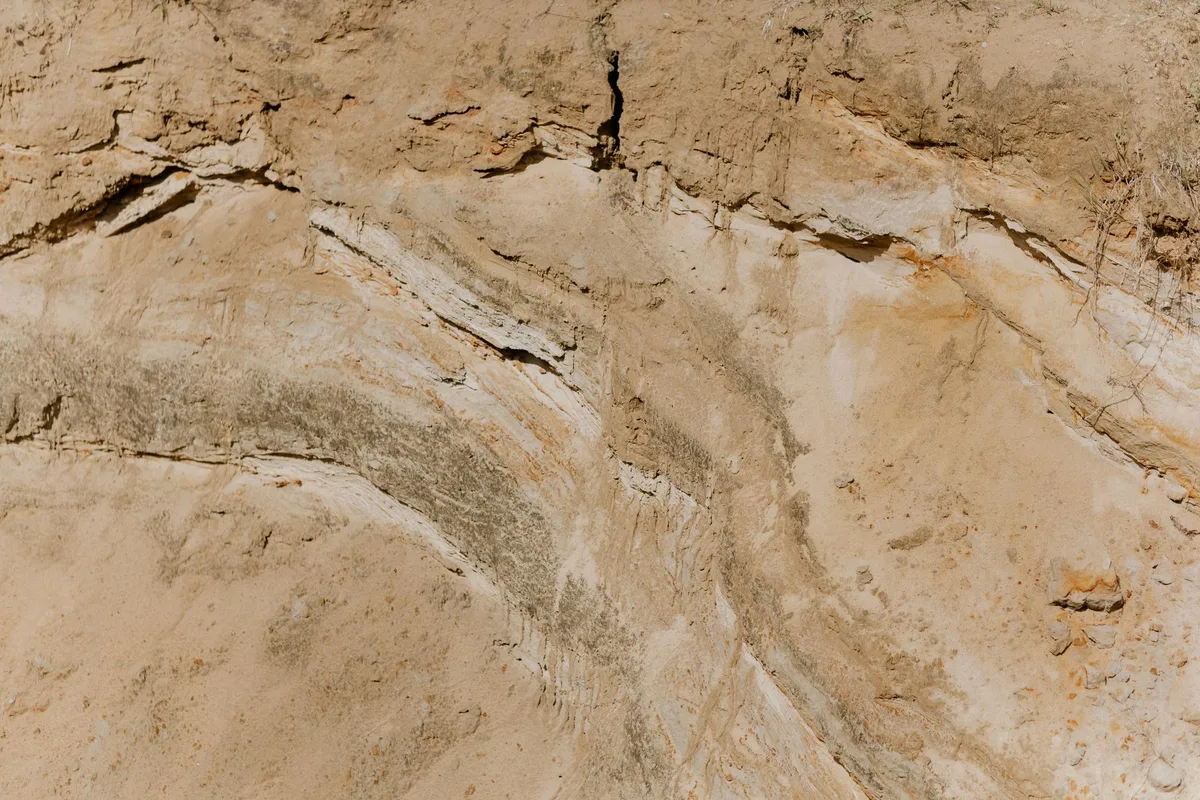
Push a standard screwdriver into your lawn by hand. If it barely penetrates an inch, the soil is heavily compacted. If it sinks 4 to 6 inches with moderate pressure, compaction is moderate.
This simple test tells you how much aeration you need.
The Jar Test (Texture and Sand Content)
Fill a clear jar halfway with soil from your yard. Add water until it's nearly full. Shake it hard for a minute, then let it settle for 24 hours.
Sand settles first, then silt, then clay on top. If the top layer is more than 50 percent of the total, you have heavy clay. This test is a good DIY alternative to garden tools, but a proper soil test is more precise for pH and fertility.
The Percolation Test (Drainage Rate)
Dig a hole 6 inches deep and 4 inches wide. Fill it with water and let it drain completely. Fill it again and time how long it takes to drain.
If it takes more than 2 hours, drainage is poor. Good clay soil should drain in 45 minutes to 1 hour.
When to Soil Test (pH and Nutrients)
A laboratory soil test costs $10 to $30 and tells you exactly what you need. Testing through your state cooperative extension service is the most reliable option. For grass, the ideal pH is between 6.0 and 7.0.
Many clay soils are acidic. If your pH is below 6.0, lime helps raise it. If it's above 7.5, you may need sulfur.
A test also reveals aeration and fertilization needs, which many homeowners overlook.
| Test | What It Measures | Quick Method |
|---|---|---|
| Screwdriver | Compaction level | Push a screwdriver into soil |
| Jar test | Texture (sand/silt/clay ratio) | Shake soil in water, let settle |
| Percolation | Drainage speed | Fill a hole, time the drain |
| Lab test | pH, nutrients, organic matter | Mail a sample to extension service |
Decision Branch 1: Starting a New Lawn vs Fixing an Existing One
Everything changes based on whether you're starting from bare dirt or working with an established lawn. These two paths require completely different steps.
Branch A – New Lawn from Scratch (Tilled Renovation)
If you're starting fresh, you have the chance to build good structure from the ground up. This is the faster route to improvement because you can work amendments deep into the soil.
You can till 6 to 8 inches deep. At this depth, you incorporate compost throughout the root zone. This approach works best for bare soil or when you're completely replacing the lawn.
For new lawns, proper soil prep creates a great base for flower beds and other plantings.
Branch B – Existing Lawn (No-Till Approach)
For an established lawn, tilling would destroy the grass you're trying to save. Instead, you use core aeration and topdressing. Aeration pulls plugs of soil out, creating channels for air, water, and roots.
Topdressing with compost slowly works the organic matter into those holes.
This method takes longer, usually two to three seasons for full improvement. But it preserves the existing grass and causes less disruption. Most homeowners with an existing lawn choose this path.
Who Each Branch Is Best For
| Situation | Recommended Path |
|---|---|
| Bare soil, new construction | Branch A – Tilled renovation |
| Patchy lawn, thin grass | Branch B – No-till aeration |
| Severe compaction, standing water | Branch A (if willing to replace lawn) |
| Healthy lawn that needs improvement | Branch B – No-till only |
Decision Branch 2: What Amendment Does Your Clay Actually Need?
Once you know whether you're renovating or maintaining, you need to choose the right amendment. This is where most people get it wrong.
Compost and Organic Matter (The Universal Fix)
Compost works for every type of clay. It physically separates clay particles, feeds microbes, and improves drainage. For new lawns, spread 2 to 3 cubic yards per 1,000 square feet.
For existing lawns, topdress with a quarter to half-inch layer.
Look for dark, crumbly compost with an earthy smell. Avoid anything that smells like ammonia or has visible weed seeds. Sources like bagged compost, dairy compost, or municipal yard waste compost all work well.
Gypsum – Only If You Have Sodic Soil
Gypsum (calcium sulfate) is often recommended for clay, but it only helps in one specific case. It works by displacing sodium in sodic clay. Most home lawns don't have sodic soil.
Unless your soil test specifically shows high sodium or very high pH, gypsum is a waste of money.
If you do need it, apply 40 to 50 pounds per 1,000 square feet and water it in. One application is usually enough.
Sand – When It Helps vs When It Hurts
This is the most dangerous amendment for clay. Adding sand to clay without enough organic matter creates concrete. The sand fills the pore space between clay particles, making compaction worse.
The only safe way to use sand is at a very low rate, mixed with equal parts compost. Apply no more than half an inch per year. Even then, compost alone is usually sufficient.
If you're considering sand for a specific drainage issue, proper grading might be a better solution, similar to how you'd choose the right gravel for a patio area.
Amendment Decision Table
| Condition | Best Amendment | Rate |
|---|---|---|
| Heavy clay, low organic matter | Compost (any type) | 2–3 cubic yards per 1,000 sq ft |
| High sodium, high pH (soil test confirms) | Gypsum | 40–50 lbs per 1,000 sq ft |
| Slightly sandy clay | Extra compost only | Standard rate |
| Thin existing lawn | Compost topdressing | 1/4 to 1/2 inch layer |
| Any clay without soil test | Compost only | Avoid gypsum and sand until tested |
Step-by-Step Guide – New Lawn on Heavy Clay
If you're starting from bare dirt, you have one chance to build a great foundation. Do it right, and your lawn will thrive for years. Rush it, and you'll fight compaction forever.
Clear and Grade
Remove all weeds, rocks, and debris from the site. Perennial weeds need to be killed before you till. Otherwise, you'll just spread their roots through the soil.
Use a non-selective herbicide or smother them with cardboard and mulch for a season.
Grade the area so water moves away from your house. A slope of 1 to 2 percent over 10 feet is enough. Standing water against your foundation is a problem you don't want.
Amend and Till to 6–8 Inches
Spread 2 to 3 cubic yards of compost per 1,000 square feet across the surface. For a standard 5,000 square foot lawn, that's 10 to 15 cubic yards. Get it delivered in bulk from a landscape supply yard.
Bagged compost works but gets expensive fast.
Till the compost into the top 6 to 8 inches of soil. A rear-tine tiller handles clay better than a front-tine model. Go over the area twice in different directions to ensure even mixing.
Level, Seed, and Mulch
Rake the soil smooth and break up any large clods. Walk the area and fill low spots before seeding. Apply grass seed at the rate recommended on the bag.
For tall fescue, that's 6 to 8 pounds per 1,000 square feet.
Cover the seed with a thin layer of straw or weed-free mulch. This keeps the soil moist and prevents birds from eating your investment.
Watering Schedule for Clay
Clay holds water longer than sandy soil. Water deeply but less frequently. For new seed, water lightly twice a day for the first two weeks.
After that, switch to deeper watering every other day.
| Week | Watering Frequency | Amount |
|---|---|---|
| 1–2 | Twice daily | Light mist, 5–10 minutes |
| 3–4 | Every other day | 15–20 minutes |
| 5+ | 1–2 times per week | 30–45 minutes |
Overwatering new clay lawns leads to shallow roots and disease. Let the soil dry slightly between waterings.
Step-by-Step Guide – Improving an Existing Clay Lawn
Most homeowners have an existing lawn they want to save. The no-till approach takes patience, but it works. Plan on two to three seasons for full results.
Core Aeration (Two Passes, Right Timing)
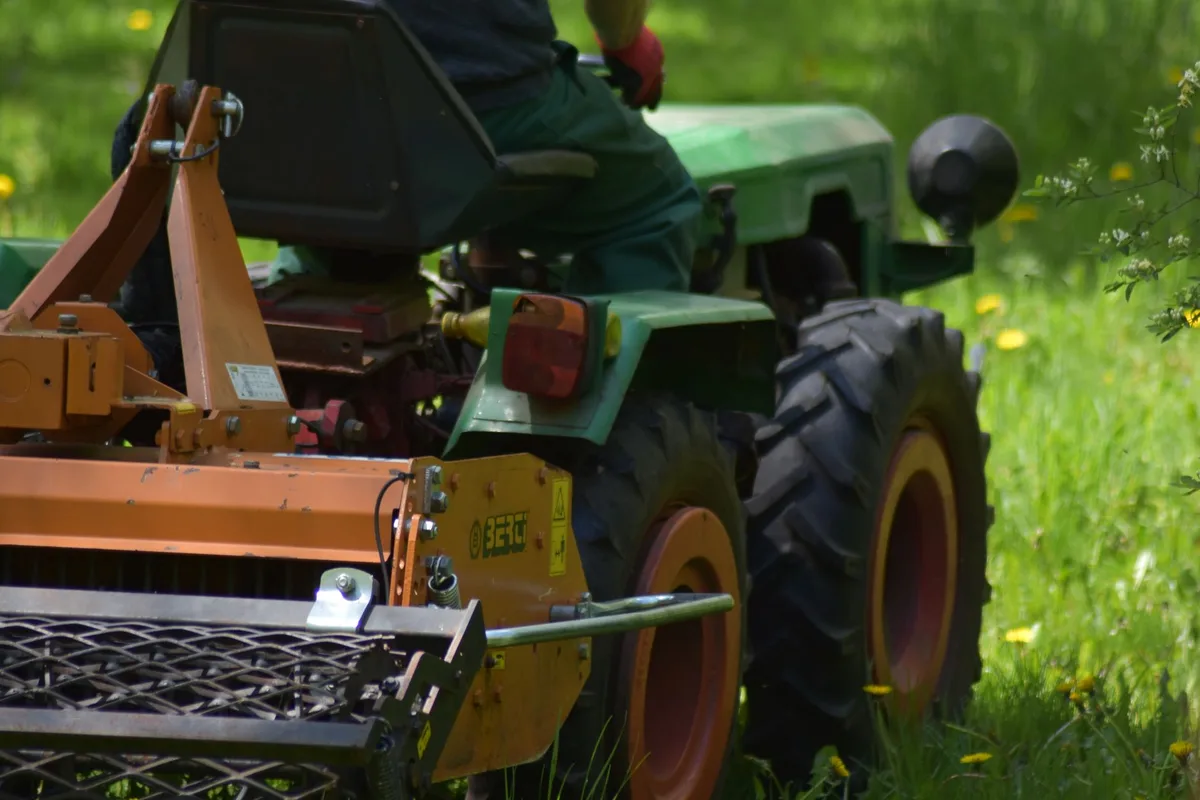
Rent a core aerator from a local equipment shop. These machines pull plugs of soil out of the ground. Spike aerators just poke holes and can make compaction worse.
Always use a core aerator.
Make two passes over your lawn in different directions. This gives you 20 to 40 holes per square foot. The best time to aerate depends on your grass type.
For cool-season grass, do it in early fall. For warm-season grass, late spring works best.
Aerate when the soil is slightly moist. If it's too wet, the tines smear the soil instead of pulling plugs. If it's too dry, the machine struggles to penetrate.
Topdressing with Compost
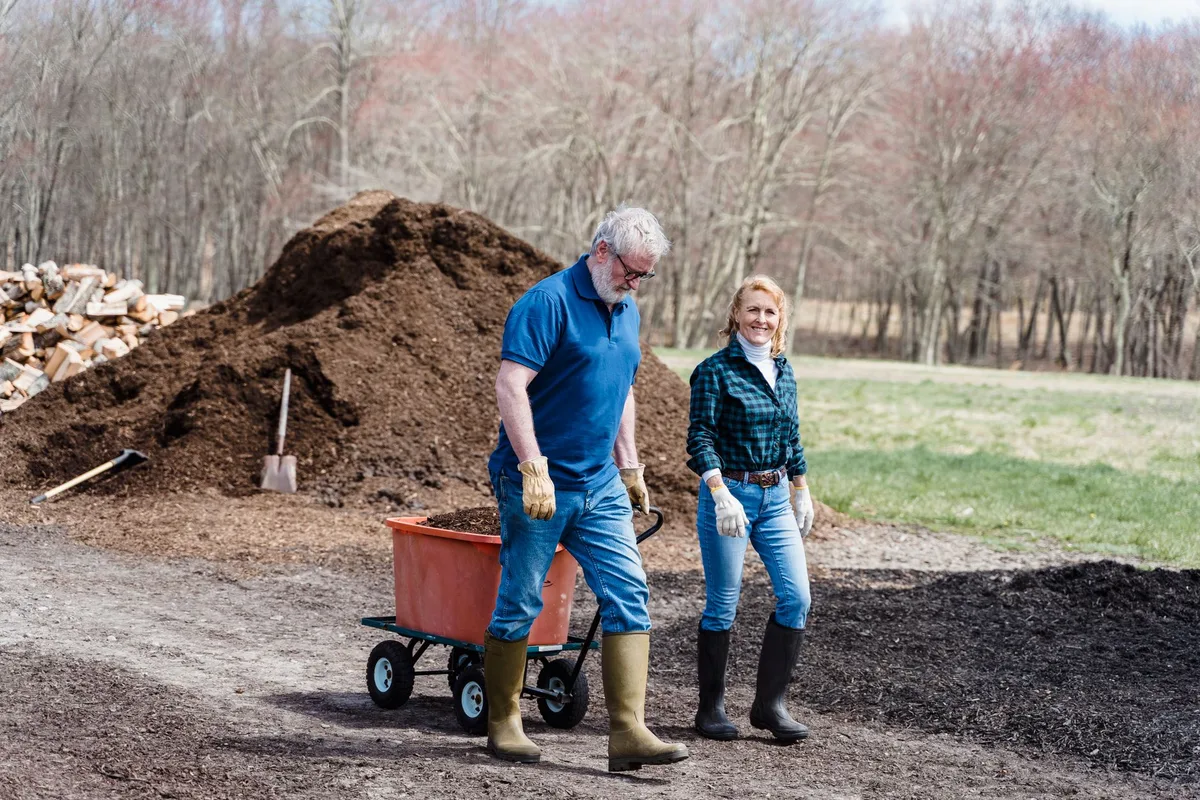
After aeration, spread a quarter to half-inch layer of compost over the lawn. Use a shovel to drop small piles, then rake them flat. You don't need to work the compost deep.
Rain and watering will carry it into the aeration holes.
A cubic yard of compost covers roughly 1,000 square feet at a quarter-inch depth. For most lawns, that's the right amount. Too thick a layer can smother the grass.
Overseeding with Clay-Tolerant Grass
Overseed immediately after topdressing. The compost provides a perfect seedbed. Choose grass varieties bred for clay soil.
Tall fescue is the top choice for cool-season regions. Its deep roots break through compacted layers over time.
Per the National Turfgrass Evaluation Program, tall fescue roots can reach 3 to 4 feet deep in good soil. Even in clay, they go deeper than Kentucky bluegrass or perennial ryegrass.
First Growing Season Care
Keep the soil consistently moist for the first three weeks after overseeding. Then taper to a normal watering schedule. Avoid walking on the lawn until new grass reaches mowing height.
Mow at 3 to 4 inches for cool-season grass. Taller grass develops deeper roots. Deeper roots mean better drought tolerance and more organic matter in the soil.
Grass Varieties That Thrive in Clay Soil
Not all grass handles clay equally. Some varieties have root systems that naturally improve soil structure. Choosing the right one gives you a head start.
Cool-Season Grasses
Tall fescue is the best choice for clay in northern and transition zones. It has a deep root system and tolerates both wet and dry conditions. Fine fescue works well in shady clay areas with less traffic.
Kentucky bluegrass struggles in heavy clay. It needs well-drained soil for its shallow root system. Perennial ryegrass germinates fast but doesn't develop deep roots in compacted clay.
Warm-Season Grasses
Bermudagrass does well in southern clay soils. It spreads aggressively and its rhizomes help break up compaction. Zoysia grass grows slower but tolerates shade and heavy traffic better than bermudagrass.
Bahia grass has deep roots and tolerates poor soil. It's a good choice for low-maintenance areas in the Southeast.
Grass Selection Table
| Grass Type | Region | Clay Tolerance | Root Depth |
|---|---|---|---|
| Tall fescue | Cool-season / transition | Excellent | Deep (3+ feet) |
| Fine fescue | Cool-season | Good | Moderate |
| Bermudagrass | Warm-season | Very good | Deep (rhizomes) |
| Zoysia | Warm-season | Good | Moderate |
| Kentucky bluegrass | Cool-season | Fair | Shallow |
| Perennial ryegrass | Cool-season | Fair | Shallow |
Common Mistakes That Ruin Clay Soil Improvement
Many homeowners sabotage their own work with a few easily avoidable errors. Here's what not to do.
Adding Sand Without Compost
This is the most common and most damaging mistake. Sand fills the pore space in clay, creating a concrete-like mixture. University extension research shows that clay amended with sand alone becomes harder than untreated clay.
Always pair sand with equal parts compost if you use it at all.
Tilling Wet Clay
Tilling wet clay destroys soil structure. The tines smear the clay into a compacted layer just below the surface. This creates a hardpan that water and roots can't penetrate.
Wait until the soil crumbles when squeezed in your hand. If it forms a solid ball, it's too wet.
Aerating at the Wrong Time
Aerating when the soil is too wet causes smearing instead of plug removal. Aerating when it's too dry can damage the machine. The ideal moisture level is when a handful of soil holds together but breaks apart easily.
Using the Wrong Compost
Not all compost is the same. Some municipal compost contains herbicide residues that kill grass. Look for compost labeled as herbicide-free.
Compost with visible weed seeds introduces new problems. And fresh manure can burn grass roots. Use only aged or fully composted material.
Costs, Timelines, and Realistic Expectations
Improving clay soil takes time and money. Here's what to expect.
Amendment Costs
Bulk compost costs $30 to $60 per cubic yard delivered. For a 5,000 square foot new lawn, budget $300 to $600 for the compost alone. Topdressing an existing lawn costs less because you use less material.
Gypsum runs $15 to $25 for a 40-pound bag. Core aerator rental costs $60 to $100 per day. A full day is enough for most residential lawns.
Equipment Costs
Renting is usually better than buying for single-use equipment. A quality core aerator costs $500 to $800 to buy. Unless you plan to aerate multiple properties, renting makes more financial sense.
How Long Before You See Results
| Timeframe | What to Expect |
|---|---|
| 1 growing season | Noticeable improvement in drainage and grass health |
| 2 seasons | Soil feels softer, fewer puddles after rain |
| 3 seasons | Soil structure significantly improved, lush lawn |
| 5+ years | Full transformation with annual maintenance |
You'll see progress in the first year if you do the work correctly. But don't expect a perfect lawn after one season. Clay soil responds gradually.
Think of it as building better soil for your property's long-term health.
Maintenance – Keeping Clay Soil Healthy Long-Term
Annual aeration is the most important maintenance task for clay soil. Do it every fall for cool-season grass. Spring works for warm-season grass.
Pair each aeration session with a light compost topdressing.
Avoid heavy traffic when the soil is wet. Walking or driving on wet clay compacts it faster than you can fix it. Use stepping stones or paths in high-traffic areas.
Keep mower blades sharp and mow high at 3 to 4 inches. Taller grass grows deeper roots that keep soil loose.
Real Scenarios – How Other Homeowners Solved It
A homeowner in Georgia had red clay that turned into concrete every summer. After a soil test showed low organic matter, they applied 3 cubic yards of dairy compost per 1,000 square feet. They tilled it in and planted tall fescue.
Within one season, water no longer pooled after rain.
Another case in Texas involved black gumbo clay that stayed soggy for days. Core aeration twice per year combined with gypsum (a soil test confirmed high sodium) dropped drainage time from 6 hours to 45 minutes over two seasons. They overseeded with bermudagrass and now have a thick lawn.
FAQs About Improving Clay Soil for Grass
How long does it take to improve clay soil for grass?
You'll see noticeable improvement in one growing season with aeration and compost. Full soil transformation takes two to three years of consistent maintenance. Clay is dense and changes slowly.
Can I just add sand to clay soil?
No. Sand mixed with clay without organic matter creates a concrete-like substance. Always pair sand with equal parts compost if you use it at all.
Most lawns improve with compost alone.
When is the best time to aerate clay soil?
Early fall is ideal for cool-season grass. Late spring works for warm-season grass. Soil should be slightly moist but not wet.
Aerating wet soil causes smearing and makes compaction worse.
Does gypsum really help clay soil?
Only if your clay is sodic with high sodium levels. A soil test confirms this. For most clay soils, gypsum does nothing useful.
Compost is almost always the better choice.
What grass grows best in clay soil?
Tall fescue is the top choice for cool-season regions. Bermudagrass works well in warm areas. Both have deep root systems that break through compacted layers over time.
Your Decision Guide – Matching Your Situation to the Right Steps
| Your Situation | Recommended Action |
|---|---|
| Bare soil, new lawn | Till in compost, plant tall fescue or bermudagrass |
| Thin existing lawn | Core aerate, topdress with compost, overseed |
| Standing water after rain | Percolation test first, then aeration and organic matter |
| Hard as concrete when dry | Core aerate in spring and fall, topdress annually |
| No visible improvement after one season | Soil test for pH and sodium, adjust accordingly |
Pick your starting point. Follow the right branch. And give the soil time to respond.
Improving clay is a marathon, not a sprint. Stick with it, and your lawn will thank you.