Guide to DIY Lawn Renovation Guide 2026: Pro Tips & Tricks
You've looked at your lawn for weeks and you're finally ready to do something about it. This DIY lawn renovation guide walks you through exactly how to assess your yard, pick the right approach, and get real results without wasting money on the wrong products.
No two lawns need the same treatment. That's the first thing to understand. Our research shows that skipping a soil test is the single most common mistake homeowners make.
A simple pH test from your local extension office costs $15 to $30 as of 2026 and can save you hundreds on wasted seed and fertilizer. Let's start with your options.
Quick Answer – Three Paths, One Right for You
A DIY lawn renovation means reseeding or replacing your grass. You have three options: overseeding, partial renovation, or full renovation. Your choice depends on weed coverage and dead grass percentage.
The best window is late summer for cool-season grass and late spring for warm-season grass. Overseeding works when your lawn is at least 70% healthy. Full renovation is for lawns with more than 50% weeds or bare dirt.
The Lawn Problem – What's Actually Wrong?
Before you buy a single bag of seed, you need to diagnose your lawn honestly. Walk across it and look closely. What do you actually see?
Thin and patchy. Grass is there but it's sparse. You can see bare soil between blades. This is usually a compaction or soil fertility issue.
Weeds everywhere. If crabgrass, clover, or dandelions cover more than half your yard, your grass has lost the fight. Weeds thrive where grass is weak.
Bare dirt and erosion. Nothing is growing. Maybe a tree came down or construction compacted the soil. Or maybe the previous owner just let it go.
Dead grass from weather or pets. Winterkill, drought, or urine burns can kill patches. If the crowns are still alive, overseeding works. If the roots are dead, you need a full kill.
Compacted, hard soil. You can barely push a screwdriver into the ground. Roots can't breathe. Water pools instead of soaking in.
Here's the rule of thumb from turfgrass research at land-grant universities: if more than 50% of your lawn is weeds or dead, don't bother overseeding. You're just throwing seed into a losing situation. You need a full renovation.
If 70% or more of your lawn is healthy grass, overseeding is the better path.
If you're seeing fungal spots or disease, treat that issue before you renovate. You can look into the best options for lawn disease prevention if that's your situation.
Core Explanation – How Lawn Renovation Actually Works
Lawn renovation is not complicated, but it requires understanding one thing: seed-to-soil contact. Grass seed will not germinate on top of a thatch layer or on hard-packed clay. The seed must touch bare soil.
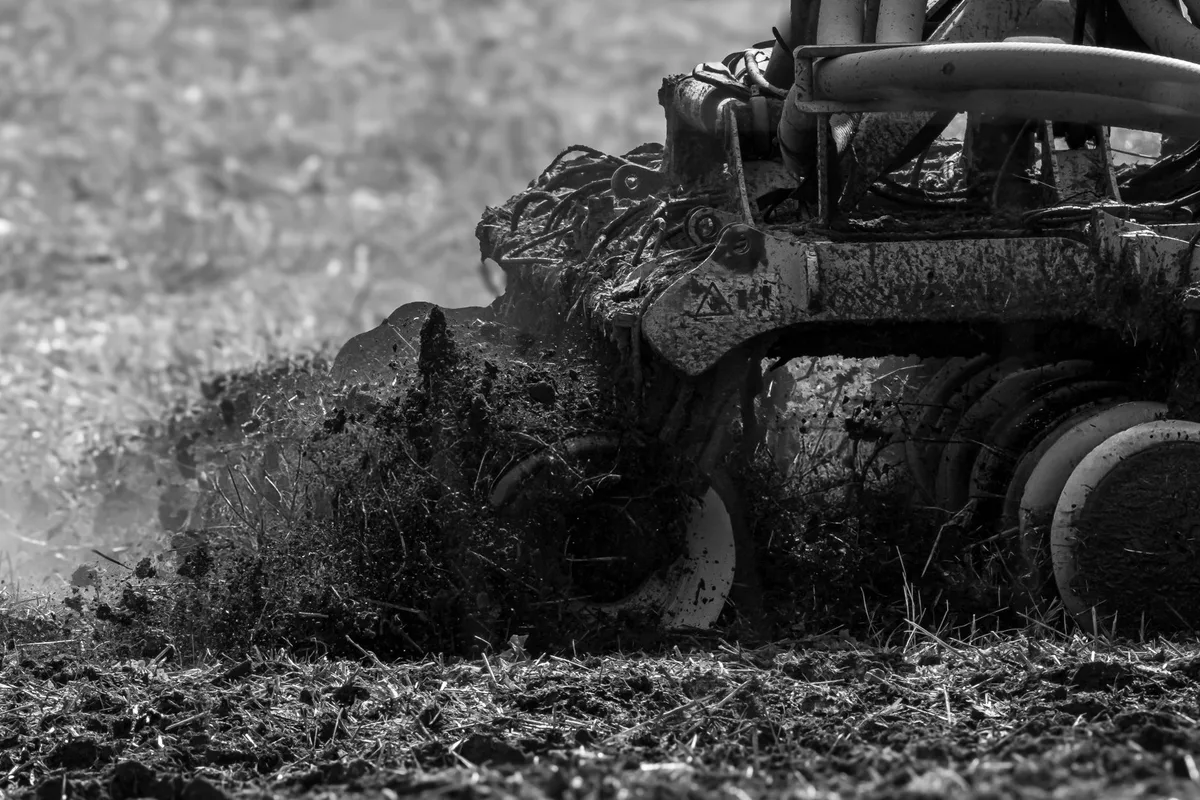
That's why aeration and dethatching matter. Core aeration pulls plugs of soil out of the ground. This relieves compaction, creates holes for roots, and gives seed a place to land.
Dethatching removes the layer of dead stems and roots between the grass and soil. If thatch is thicker than half an inch, it acts like a mat. Water and seed just sit on top.
Topdressing with compost or sand helps level low spots and adds organic matter. It also improves seed-to-soil contact on bumpy lawns.
Timing is everything. Cool-season grasses (Kentucky bluegrass, tall fescue, perennial ryegrass, fine fescue) germinate best when soil temperatures are 55 to 75 degrees Fahrenheit. That's late summer or early fall in most northern climates.
Warm-season grasses (Bermuda, zoysia, St. Augustine, centipede) need soil temps of 75 to 90 degrees. That's late spring in southern regions.
If you seed at the wrong time, you're fighting nature. Late spring seeding of cool-season grass often fails because summer heat kills the seedlings before they establish deep roots. Fall seeding gives the new grass months of cool weather to grow a root system before the next summer.
Decision Branch #1 – Is It Full Renovation or Just Overseeding?
This is the most important decision you'll make. The wrong choice wastes time and money.
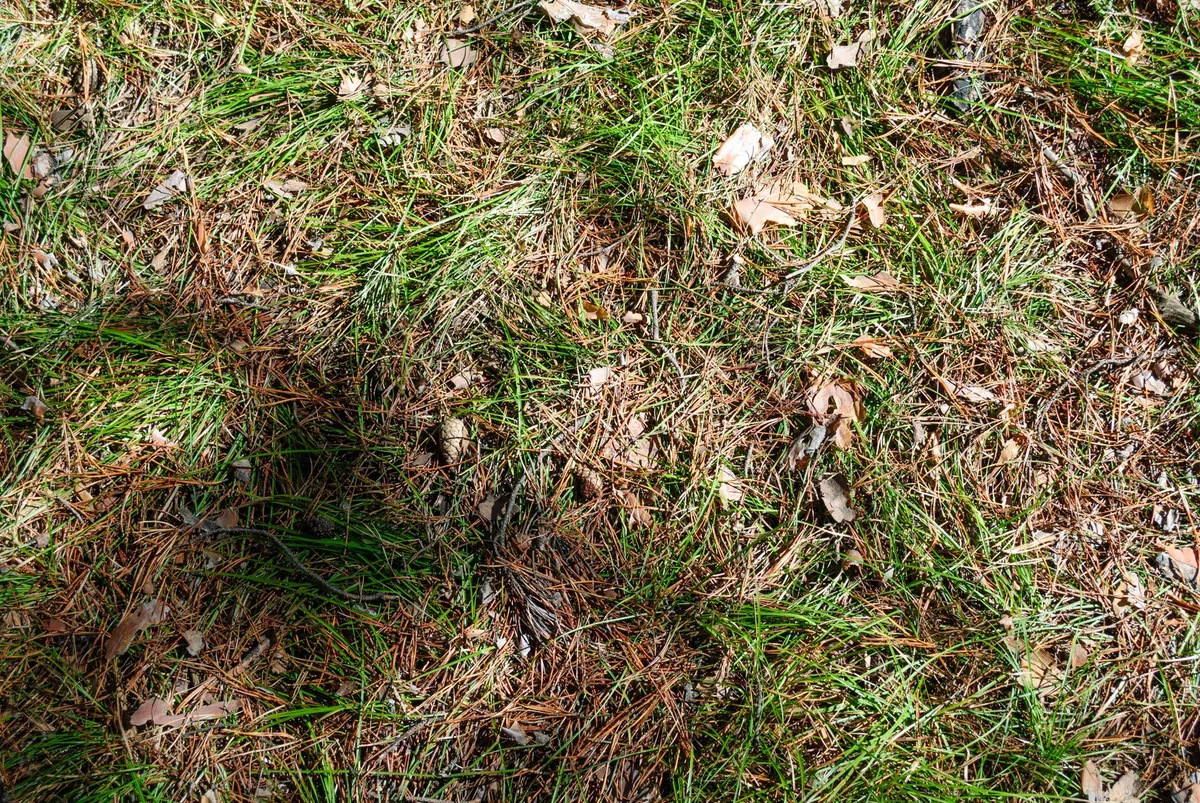
Choose overseeding when: your lawn is mostly healthy with thin spots. You have less than 30% weeds. The grass that's there looks decent.
Overseeding thickens the turf without killing what's already growing. You mow low, aerate, spread seed, and water. No herbicides needed.
Choose partial renovation when: your lawn has mixed conditions. Some areas are good, some are weedy, some are bare. You can spot-kill weeds with a non-selective herbicide like glyphosate.
Wait two weeks. Then overseed the whole yard. This is the middle path.
Choose full renovation when: more than half your lawn is weeds or dead. The grass is so far gone that patching won't fix it. You kill everything with glyphosate or solarization.
Wait two to three weeks. Remove the dead material. Then aerate, amend, seed, and water.
You're starting fresh.
Here's the data. Full renovation costs about $0.10 to $0.30 per square foot for materials. Overseeding costs about half that.
But overseeding into a weedy lawn just gives you a slightly less weedy lawn. You need to be honest about what you're working with. For tough soil conditions, you might look into the right raking tools to prep the ground before seeding.
Decision Branch #2 – Which Grass Seed for Your Situation?
Not all grass is the same. Pick the wrong type and you'll be doing this again next year.
Cool-season grasses (northern US, UK, Canada, northern Europe):
- Tall fescue: tough, drought-tolerant, handles traffic. Best all-around cool-season choice for most homeowners.
- Kentucky bluegrass: beautiful, spreads via rhizomes, but needs full sun and moderate water. Slow to germinate (14 to 21 days).
- Perennial ryegrass: quick germination (5 to 10 days), works well in blends. Not as drought-tolerant.
- Fine fescue: best for shade. Does well in dry, poor soil. Not for high traffic.
Warm-season grasses (southern US, Australia, Mediterranean):
- Bermuda: very drought-tolerant, handles heavy traffic. Goes dormant and turns brown in winter.
- Zoysia: dense, slow-growing, good for moderate traffic. Takes longer to establish.
- St. Augustine: thick, shade-tolerant, but needs more water. Common in coastal areas.
Matching your situation:
- Full sun (6+ hours): Kentucky bluegrass (cool) or Bermuda (warm).
- Partial shade (3 to 6 hours): tall fescue (cool) or fine fescue (cool). St. Augustine (warm).
- Deep shade (less than 3 hours): fine fescue is your best bet. Grass in full shade is always a challenge.
- High traffic (kids, dogs): tall fescue or perennial ryegrass (cool). Bermuda or zoysia (warm).
- Drought-prone area: tall fescue (cool) has deep roots. Bermuda (warm) is extremely drought-tolerant.
Most seed labels show the grass type and the percentage of each in the blend. Look for a blend with at least three varieties. That gives you genetic diversity.
If one variety struggles, another takes over.
If you're renovating because of disease issues, you can look into treatment options for common lawn diseases. Starting with disease-resistant seed blends is always better than fighting problems later.