How to Sanitize Garden Tools for 2026: Pro Tips & Tricks
You’ve watched it happen. One season your tomatoes are perfect and the next, a brown, spotted wilt ruins everything. That disease didn’t ride in on the wind.
You carried it there on your pruners.
Learning how to sanitize garden tools is the single cheapest, fastest way to stop plant diseases from spreading through your garden. A dirty blade can transfer fire blight, rose rosette, tomato blight, and dozens of fungal and bacterial pathogens from one plant to another in seconds. The good news is the fix takes less than a minute.
The bad news is most people do it wrong and ruin their tools in the process.
Quick Answer
Clean off all dirt and sap with a stiff brush and soapy water. Rinse the tool completely. Apply a disinfectant for the correct contact time.
Rinse again if the label says so. Dry every surface thoroughly. Store tools in a dry spot.
That’s it.
Why Your Pruners Infect Your Plants (And How to Stop It)
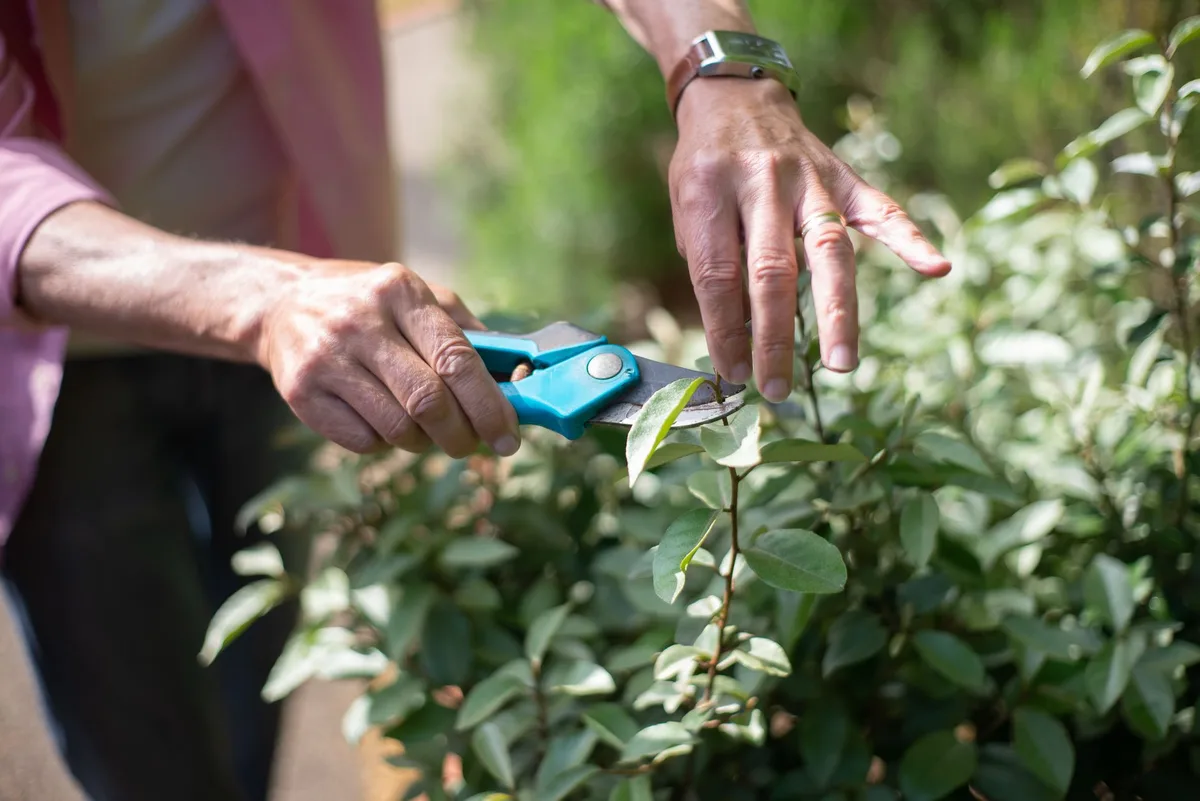
Think about what your pruners touch in a single afternoon. You cut a diseased branch from a rose bush. Then you move to the next bush and cut a healthy cane.
If the sap or juice from that first cut stays on your blade, you just injected disease directly into the second plant’s open wound.
This isn’t theory. University cooperative extension services have documented tool-to-plant transmission for decades. Fire blight in apple and pear trees spreads almost exclusively through contaminated pruning tools.
Rose rosette disease, which has devastated landscapes across the US, moves the same way. As of 2026, the American Rose Society still lists tool sanitation as the primary prevention method.
The pathogens themselves vary. Some are bacteria that survive on dry metal for hours. Others are fungal spores that can linger for days in dried sap.
A few viruses persist even longer. Your sanitization method has to match the risk level, and that depends on the tool, the plant, and the disease.
Take a minute to think about your own garden. If you grow roses, tomatoes, fruit trees, or anything that has shown signs of disease in the past, the stakes are higher. But even a casual gardener who only trims hedges and deadheads flowers should clean their tools between plants.
It takes almost no time and it stops a problem before it starts.
The 30-Second Rule That Saves Your Garden
Here is the practical benchmark that professional landscapers and arborists follow. If you prune a plant that shows any sign of disease, you must sanitize that tool before touching the next plant. Period.
No exceptions.
The 30-second rule works like this. Keep a spray bottle of 70% isopropyl alcohol or a diluted bleach solution within arm’s reach while you work. After each cut on a diseased plant, spray the blades thoroughly.
Let the disinfectant sit for 30 seconds. Wipe the blades clean with a dry rag or paper towel. Move to the next plant.
For routine pruning where no disease is visible, you can relax a bit. Sanitize at the start of a session, between different plant species, and at the end of the day. But the moment you see something suspicious, that 30-second rule snaps back into effect.
A word of caution. Don’t use the same rag for wiping multiple tools. A wet rag can hold enough pathogen-laden sap to reinfect a clean blade immediately.
Use a fresh paper towel for each tool, or switch to a clean section of your rag between tools.
How Disinfectants Actually Kill Fungi, Bacteria, and Viruses
Not all disinfectants work the same way. Understanding the difference helps you pick the right one for your situation.
Bleach (sodium hypochlorite). This is a strong oxidizer. It tears apart the cell walls of bacteria and the protein coats of viruses. It works fast, usually in 1 to 2 minutes of contact.
The downsides are real. Bleach corrodes carbon steel blades quickly. It also degrades in sunlight and loses potency within 24 hours after dilution.
And the fumes are strong enough to cause respiratory irritation in enclosed spaces.
Isopropyl alcohol (70%). Alcohol denatures proteins and dissolves the lipid membranes that protect many pathogens. The 70% concentration is actually more effective than higher percentages because it penetrates deeper before evaporating. Contact time is 30 seconds to 2 minutes.
Alcohol is safer on metal than bleach, but it can dry out wooden handles and rubber grips over time. It evaporates fast, which means you need to reapply if the tool stays wet with sap.
Hydrogen peroxide (3%). This is a weaker oxidizer than bleach but much gentler on tools. It breaks down into water and oxygen, leaving no toxic residue. Contact time is 1 to 3 minutes.
Hydrogen peroxide is the best choice for organic gardens because it’s OMRI-listed for use in certified organic operations. The tradeoff is that it doesn’t kill as many pathogen types as bleach or alcohol, so it’s less useful for serious diseases like fire blight.
Heat. A propane torch held to the blade for 5 to 10 seconds will kill almost everything. It’s extreme, but it works. Heat is the go-to method for wildfire disease outbreaks and for tools used on infected fruit trees.
The problem is that heat can damage tempered steel, ruin coatings, and char wooden handles. It’s a last resort, not a daily routine.
Decision 1: What Is Your Tool Made Of?
Your tool’s material determines which disinfectant is safe to use. This is where most people damage their equipment.
Carbon steel blades
Carbon steel is strong, holds an edge well, and is relatively cheap. It is also extremely vulnerable to corrosion. Bleach attacks it almost immediately.
Even a single soak in diluted bleach can leave a visible rust pattern within hours. If you use bleach on carbon steel, you must rinse the blade with clean water within 30 seconds, dry it completely, and apply a light oil afterward.
The safer choice for carbon steel is 70% isopropyl alcohol. Alcohol doesn’t cause rust, it evaporates quickly, and you don’t need to rinse. For routine cleaning between plants, it’s the best option.
If you have to use bleach because the disease is serious, follow this exact sequence: spray or dip the blade for 2 minutes, rinse with water for 30 seconds, dry with a cloth, and apply a drop of mineral oil or camellia oil to the pivot and blade.
Stainless steel blades
Stainless steel is much more resistant to bleach corrosion. The chromium in the alloy forms a passive layer that protects against oxidation. You can use bleach safely, but you still need to rinse and dry the tool afterward.
The biggest risk with stainless is not rust but pitting. If sap or soil sits on the blade for days, it can break down that protective layer and create tiny pits. Clean stainless tools promptly and store them dry.
Handles and moving parts
Wooden handles absorb bleach and alcohol. That can dry out the wood and cause cracking over time. If you dip a tool with a wooden handle, only submerge the metal part.
For alcohol, use a spray bottle so you control where the liquid goes.
Fiberglass and aluminum handles are fine with any disinfectant. Just wipe them down after.
Moving parts like pivot pins, springs, and ratchet mechanisms trap debris and moisture. Sap and soil build up here more than anywhere else. Disassemble your tools seasonally to clean these areas.
A toothbrush or pipe cleaner works well for getting into tight spots. Once clean, add a drop of lubricating oil to the pivot point.
Decision 2: What Plant Disease Are You Dealing With?
Your disinfectant choice also depends on the pathogen. Not all sanitizers kill everything.
Fire blight. This bacterial disease in apples, pears, and related ornamentals is extremely aggressive. University extension services recommend either a 10% bleach solution (1 part bleach to 9 parts water) with a 5-minute contact time, or a high-concentration alcohol dip. Heat sterilization with a propane torch is the gold standard for infected orchards.
Some growers keep a separate set of tools for known infected trees.
Rose rosette disease. Caused by a virus spread by mites, this one requires careful sanitation between bushes. Bleach and alcohol both work, but the contact time matters. The American Rose Society recommends a minimum of 2 minutes in a 10% bleach solution or 1 minute in 70% alcohol.
Rinse tools thoroughly after bleach.
Tomato blight. Late blight and early blight are fungal diseases that spread easily through sap on tools. A 1-minute dip in 70% alcohol is effective. Hydrogen peroxide also works well here and leaves no residue that could affect the next plant.
Tomato growers in humid climates should sanitize between every plant during an active outbreak.
Routine pruning (no visible disease). For general maintenance, you don’t need a heavy disinfectant. A quick wipe with 70% alcohol between different species is enough. The goal is to prevent accidental transfer of latent infections, not to sterilize the tool.
Save the bleach for confirmed problems.
If you want a more systematic approach, keep a bottle of alcohol for daily use and a separate bucket of diluted bleach for confirmed disease events. The alcohol routine protects your tools. The bleach bucket protects your garden when things go wrong.
Bleach vs. Alcohol vs. Peroxide vs. Heat: Which Should You Use?
This table summarizes the key differences so you can choose the right method.
| Disinfectant | Contact Time | Tool Damage | Best Use | Rinse Required |
|---|---|---|---|---|
| Bleach (10%) | 2–5 minutes | Corrodes carbon steel; safe on stainless | Fire blight, rose rosette, serious fungal infections | Yes, always |
| Isopropyl alcohol (70%) | 30 seconds–2 minutes | Safe on all metals; dries wood over time | Daily routine, between plants, most diseases | No |
| Hydrogen peroxide (3%) | 1–3 minutes | Very safe on all materials | Organic gardens, minor fungal issues, general cleaning | No |
| Heat (propane torch) | 5–10 seconds | Can damage temper and coatings | Extreme cases, infected orchards, heavy disease pressure | N/A |
Each method has a clear winner depending on your situation. For daily use, reach for alcohol. For an outbreak, grab the bleach.
For organic gardening, hydrogen peroxide is your best friend. For a nuclear option, break out the torch.
5 Mistakes That Ruin Tools and Spread Disease
Knowing what not to do is just as important as knowing the right steps. Here are the most common errors gardeners make.
1. Using bleach on carbon steel without rinsing
This is the number one killer of pruning shears. Bleach and carbon steel don’t mix. If you leave bleach on a carbon steel blade for more than a minute, you’ll see rust forming within hours.
If you leave it overnight, the tool is probably ruined. Rinse thoroughly with water after every bleach application and dry immediately.
2. Letting alcohol evaporate too fast
Alcohol works by staying wet on the surface long enough to kill pathogens. If you spray it and let it evaporate in two seconds, you haven’t sanitized anything. Apply enough alcohol to keep the blade wet for at least 30 seconds.
In hot, dry weather, you may need to reapply to maintain contact time.
3. Reusing dirty rags
A rag that just wiped a diseased branch is now a contaminated rag. If you use it to dry another tool, you’ve just spread the disease. Use paper towels for single-use cleaning, or designate a color-coded system for clean rags versus dirty ones.
Wash contaminated rags separately in hot water with bleach.
4. Forgetting to dry before storage
Moisture and metal are a bad combination. Even stainless steel will develop rust stains if left wet for extended periods. After cleaning and sanitizing, dry every surface with a clean cloth.
Pay special attention to the pivot point and any crevices where water hides. Store tools hanging up or in a dry shed, never on bare concrete.
5. Mixing chemicals that create toxic fumes
Bleach mixed with vinegar or ammonia produces chlorine gas. Chlorine gas causes severe respiratory damage. Never mix cleaning chemicals.
If you use bleach, use it alone and rinse thoroughly before using any other product. The same rule applies to alcohol and peroxide mixtures, which can create unstable compounds.
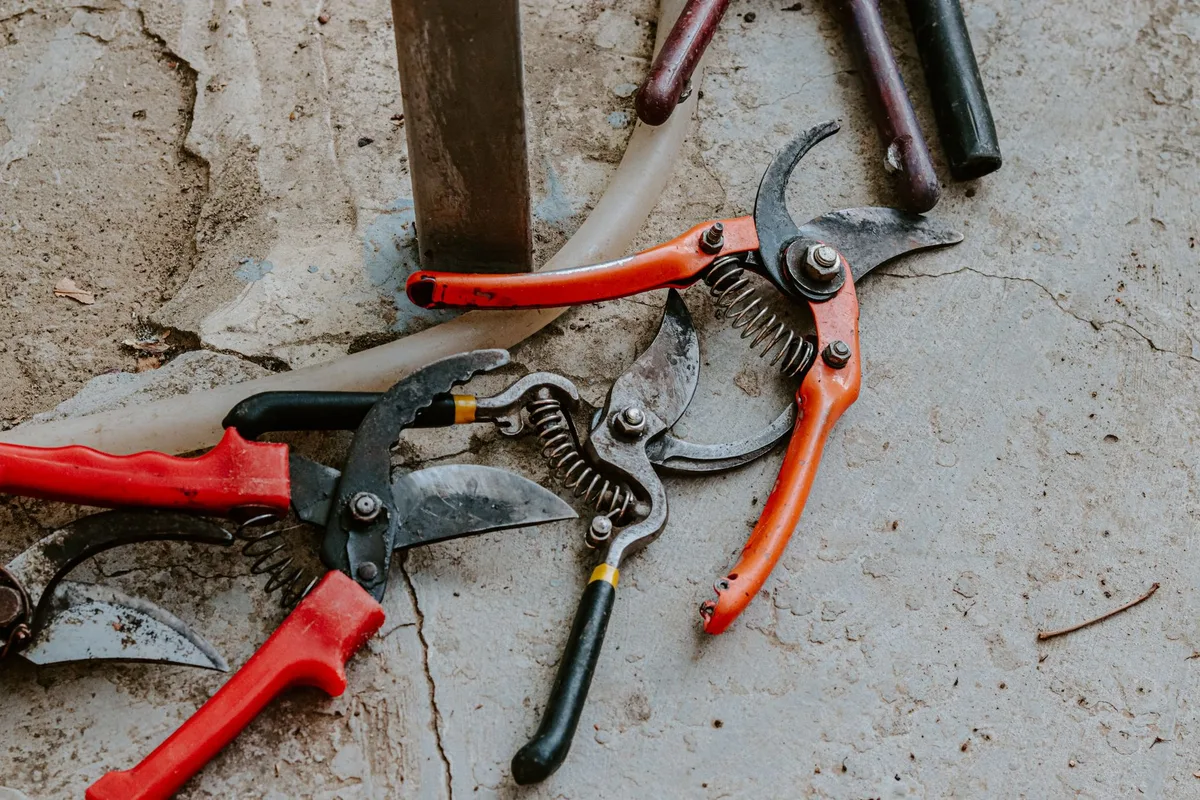
These mistakes are easy to make, especially when you’re focused on quick pruning work. Slow down for cleaning. Your tools will last longer, and your plants will stay healthier.
Step-by-Step: The Full Sanitization Workflow
Here is the exact process to follow, whether you’re cleaning one pair of pruners or a whole shed full of tools.
Step 1: Remove visible dirt and sap
Use a stiff brush or steel wool to scrub off all soil, sap, and plant residue. A garden hose or bucket of soapy water helps loosen stubborn debris. Don’t skip this step.
Disinfectants can’t penetrate dried sap or crusted soil. The tool must be clean before it can be sanitized.
Step 2: Choose your disinfectant
Refer to the decisions above. For routine use, grab the alcohol. For a confirmed disease, grab the bleach.
For organic gardens, use hydrogen peroxide. For extreme cases, use heat. Have your chosen disinfectant ready in a spray bottle, dip bucket, or wipe container.
Step 3: Apply with correct contact time
Spray, dip, or wipe the disinfectant onto all metal surfaces. Let it sit for the required time. Don’t rush this.
A quick spray followed by an immediate wipe is not sanitization. Set a timer if you need to.
Step 4: Rinse if the label says so
Bleach requires rinsing. Alcohol does not. Hydrogen peroxide does not.
Check the product instructions for your specific disinfectant. If you rinsed, dry the tool immediately.
Step 5: Dry and protect
Use a clean, dry cloth to remove all moisture. Apply a light coat of lubricating oil to the pivot point and any exposed metal surfaces. This prevents rust and keeps the tool moving smoothly.
Step 6: Store properly
Hang tools on a wall rack or place them in a dry storage bin. Never leave them on the ground or on damp concrete. A dry, ventilated storage area extends tool life significantly.
That’s the full workflow. It takes two minutes per tool once you’re practiced. Two minutes to prevent a season’s worth of plant disease.
Worth it.
Pro Tips from Gardeners Who Prune Hundreds of Plants
Professional arborists and nursery workers have refined their sanitation routines over years of daily use. Here’s what they do differently.
Carry a spray bottle between cuts. Keep a small spray bottle of 70% alcohol clipped to your belt or in your pocket. Spray the blades between every plant. This is the single most effective habit for disease prevention.
Disassemble tools for deep cleaning. Once a season, take your pruners apart. Clean the inside of the pivot joint. Remove any sap or debris that has built up.
Oil the spring and the blade contact points. This keeps the tool cutting cleanly and prevents hidden contamination.
Mark your bottles. Label every spray bottle clearly. A bottle of alcohol looks like a bottle of water. A bottle of bleach looks like a bottle of cleaner.
One mistake can damage your tools or harm your plants. Use a permanent marker or label tape.
Use separate tools for diseased plants. If you know a tree or shrub is infected, consider keeping a dedicated set of pruning tools for that plant. This eliminates the risk of cross-contamination entirely. It’s a common practice in commercial orchards.
Sanitize before sharpening. Always clean a tool before you sharpen it. Sap and dirt dull sharpening stones and can embed grit into the blade edge. A clean tool sharpens faster and holds its edge longer.
Safety First: Handling Disinfectants Without Hurting Yourself or Your Plants
Disinfectants are chemicals. They require respect. Here are the safety rules that every gardener should follow.
Wear gloves. Nitrile gloves protect your skin from bleach and alcohol. They also protect you from sap and thorns. Buy a box and keep it in your shed.
Wear goggles. Splash protection is cheap and worth it. Bleach in the eyes causes immediate pain and potential damage. Alcohol stings badly.
Goggles cost a few dollars.
Ventilate your workspace. If you’re cleaning tools in a shed or garage, open the doors or windows. Bleach fumes accumulate quickly. Even alcohol vapors can be irritating in an enclosed space.
Never mix chemicals. The combination of bleach and vinegar creates chlorine gas. Bleach and ammonia create chloramine gas. Both are dangerous.
Use one disinfectant at a time and rinse the tool before switching.
Rinse edible plant tools. If you use bleach to sanitize tools that will cut vegetables or edible flowers, rinse the tools thoroughly with water before the next use. Bleach residue on food is not worth the risk. Alcohol and hydrogen peroxide evaporate clean, making them better choices for edible gardens.
Keep chemicals out of reach. Store disinfectants in a locked cabinet or on a high shelf. Children and pets are curious. A bottle of colorful liquid looks like a drink.
Prevent accidents by storing everything properly.
Keep Your Tools Clean All Season: A Maintenance Routine
Sanitization is part of a larger maintenance cycle. Build these habits into your gardening routine.
After every use
Wipe the tool clean with a dry cloth. Remove any visible dirt or sap. Store it in a dry place.
This takes 30 seconds and prevents most rust and disease issues.
Weekly
Inspect your tools for rust, dull edges, and loose handles. Clean them with soap and water if they’re dirty. Sanitize with alcohol or hydrogen peroxide.
Oil the pivot points. Check the blade sharpness.
Seasonal
Take major tools apart. Clean the interior of hinges and springs. Remove rust with steel wool or a wire brush.
Sharpen all blades. Apply a protective oil coating. Store them for the off-season in a dry, covered location.
Following this routine extends tool life from a few years to a decade or more. It also ensures that your sanitization efforts are built on a foundation of clean, well-maintained tools.
Quick Decision Guide: Choose Your Sanitization Method in 10 Seconds
Here’s a cheat sheet for the most common scenarios.
| Situation | Tool Material | Recommended Disinfectant | Contact Time |
|---|---|---|---|
| Routine pruning, no disease visible | Any | 70% isopropyl alcohol | 30 seconds |
| Known disease present (fire blight, rose rosette) | Stainless steel | 10% bleach | 5 minutes |
| Known disease present, carbon steel tool | Carbon steel | 70% isopropyl alcohol (multiple applications) | 2 minutes total |
| Organic garden, minor disease | Any | 3% hydrogen peroxide | 2 minutes |
| Extreme disease pressure, infected orchard | Any (use an old tool) | Propane torch (heat) | 5–10 seconds per blade |
| Between different plant species, no disease | Any | 70% isopropyl alcohol | 30 seconds |
| End of day cleaning | Any | Soapy water + alcohol | 30 seconds |
Print this table and keep it in your shed or garage. It makes the decision instant.
Frequently Asked Questions
Can I use vinegar to sanitize garden tools?
Vinegar (acetic acid) is a mild disinfectant. It works for general cleaning but doesn’t kill tough pathogens like fire blight or rose rosette virus. It’s safe on most metals but can damage aluminum.
Use it for routine sap removal, not for disease control.
How often should I sharpen my garden tools after sanitizing?
Sharpen tools at least once a season or whenever cuts become ragged. Sanitize immediately before sharpening to remove grit and sap. A clean blade sharpens faster and stays sharp longer.
For heavy use, sharpen monthly.
Is rubbing alcohol the same as isopropyl alcohol for sanitizing tools?
Yes, 70% isopropyl alcohol is the standard rubbing alcohol sold in pharmacies. Look for 70% concentration. Higher percentages evaporate too fast to kill pathogens effectively.
Check the label before buying.
Can I put garden tools in the dishwasher to clean them?
No. Dishwasher detergent is corrosive to metal, and the heat can damage wooden handles and rubber grips. The high-pressure spray also forces water into pivot joints, causing rust from the inside.
Hand washing is safer and more effective.
What should I do if my tools get rusty despite cleaning?
Remove rust with fine steel wool or a wire brush. Apply a rust remover product or a paste of baking soda and water. Rinse, dry, and oil the tool immediately.
If the rust is deep, you may need to replace the blade. Prevention is easier than cure, so keep tools dry.
Real Scenarios: What a Clean Tool Routine Actually Looks Like
Picture a home gardener with ten rose bushes. She keeps a spray bottle of alcohol on her belt. Between each bush, she sprays her pruners and waits 30 seconds.
She never sees rose rosette in her garden.
Now picture a community garden with shared tools. Volunteers soak all pruners in a bleach bucket for five minutes at the end of each workday. They rinse and dry them before storage.
Disease transmission between plots drops to near zero.
When to Replace a Tool Instead of Cleaning It
Deep rust that pits the blade surface can harbor pathogens even after sanitization. If your pruners show rust pitting, replace them. Same goes for blades that no longer cut cleanly.
A ragged cut stresses the plant and invites infection. A new pair of quality shears costs less than losing a mature fruit tree.
Seasonal Sanitization Checklist for Busy Gardeners
Spring: Deep clean all tools from winter storage. Sharpen every blade. Replace any rusted hardware.
Summer: Refresh sanitizing supplies. Check that spray bottles work. Fall: Clean thoroughly before storing.
Oil all metal parts. Winter: Disassemble tools for a full service. Store in a dry shed or garage.
Disinfectant Storage and Shelf Life
Bleach solution loses potency after 24 hours. Mix it fresh each day. Alcohol lasts indefinitely in a sealed container.
Hydrogen peroxide degrades in light. Store it in an opaque bottle. Keep all chemicals out of direct sunlight and away from heat sources.
Label every container clearly.
Final Decision Tool: When to Use Each Method
| Condition | Tool Material | Disinfectant | Contact Time | Frequency |
|---|---|---|---|---|
| Daily pruning, no disease | Any | 70% alcohol | 30 sec | Between plants |
| Visible disease outbreak | Stainless steel | 10% bleach | 5 min | Each cut |
| Organic garden | Any | 3% peroxide | 2 min | Each cut |
| Long-term storage prep | Any | Soap + water, then oil | N/A | After last use |
| Community tools | Any | 10% bleach dip | 5 min | End of each day |
That covers every scenario a home gardener will face. Keep this guide handy, and your tools will stay clean, your plants will stay healthy, and your garden will thrive.
What to Do When You Inherit Used Tools
Used tools often arrive with rust, sap buildup, and hidden pathogens. Start with a full disassembly if possible. Remove all visible rust with steel wool or a wire brush.
Soak metal parts in 70% alcohol for 10 minutes. Rinse, dry thoroughly, and oil every moving part. This process gives you a clean baseline.
How to Tell If Your Sanitization Worked
There is no instant test for a clean tool. You rely on process, not proof. If you followed the correct contact time with the right disinfectant for your tool material and pathogen, you have done the job.
Visible rust or sap after cleaning means you missed a step. Repeat the process.
Sanitizing Powered Tools (Hedge Trimmers, Saws)
Electric and battery-powered tools need extra care. Never submerge the motor or battery compartment. Use a spray bottle for alcohol or peroxide.
Wipe the blades carefully. Let the tool dry completely before storing. Check the manufacturer manual for specific cleaning instructions for your model.
Building a Tool Cleaning Station
A dedicated cleaning station costs almost nothing and saves time. Set up a bucket for soapy water, a spray bottle of 70% alcohol, a clean rag, and a drying rack. Hang the station near your garden entrance.
You will clean tools more often when supplies are within arm's reach.
When to Skip Sanitization Entirely
Tools used only for cutting non-living material like cardboard, twine, or plastic sheeting do not need sanitization. A quick wipe to remove dust is enough. Save your disinfectant supplies for tools that touch living plant tissue.
That is where disease transmission happens.