How to Make Homemade Insect Spray for 2026: Complete Guide
Most homemade insect sprays fail because the recipe doesn't match the pest or the surface you're spraying. If you've ever mixed up a batch that either did nothing or burned your plants, you're not alone. The problem isn't you, it's that one-size-fits-all recipes rarely work.
So, how to make homemade insect spray that actually works? It starts with understanding your specific situation.
Our research across university extension guides and EPA minimum risk pesticide lists shows that the most common homemade spray, a simple soap-and-water mix, only works on about 30% of common garden pests. The rest require a different approach. Before you grab a bottle, let's walk through the conditions that determine the right recipe for you.
Quick Answer
The best homemade insect spray depends on what you're spraying and which pest you're targeting. For soft-bodied garden bugs like aphids, mix 1 teaspoon of mild liquid soap with 1 quart of water. For indoor ants and roaches, use a 50/50 vinegar and water mix with 10 drops of peppermint oil.
For personal mosquito repellent, mix 20 drops of lemon eucalyptus oil with 2 tablespoons of witch hazel. Then add 2 tablespoons of water. Always test on a small area first.
The Problem: Most Homemade Sprays Fail (and It's Usually the Recipe's Fault)
You find a recipe online, mix it up, spray everything, and nothing happens. Or worse, your tomato leaves curl up and turn brown. Why?
Because that recipe wasn't made for your exact pest or plant.
The biggest mistake is using pure vinegar on delicate plants. Vinegar is an acid. It kills weeds for a reason.
Spray it on your squash leaves and you'll get burn marks.
Our research from university extension services confirms that vinegar-based sprays should only be used on hard surfaces or as a short-term weed killer, not on garden plants.
Another common fail: no emulsifier. If you add oil to water without soap, the oil sits on top. You spray water alone, and the oil never reaches the pest.
That's why a few drops of liquid castile soap or mild dish soap are essential. It helps the oil mix with water and stick to the leaves.
Timing also matters. Spray at noon in full sun and the droplets act like magnifying glasses. Leaf burn guaranteed.
Spray when bees are active and you'll kill beneficial pollinators. So the problem isn't just the ingredients. It's also when and how you apply them.
How to Choose the Right Recipe for Your Situation
Before you pick a recipe, you need to answer three questions. They determine everything.
Are you treating plants, pets, people, or surfaces?
This is your first fork. A spray that keeps mosquitoes off your skin might kill your cat. A spray that kills aphids on roses might stain your kitchen counters.
And a spray safe for dogs may irritate your skin.
For plants, use botanicals like neem oil or garlic. For pets, skip essential oils that are toxic to cats and dogs. For personal use, stick to EPA-approved repellent ingredients like oil of lemon eucalyptus.
For surfaces, vinegar and alcohol work well.
What pest are you actually dealing with?
Aphids and spider mites are soft-bodied. They die from soap sprays. Beetles and caterpillars have tougher shells.
They need neem oil or Bt (Bacillus thuringiensis). Mosquitoes and ticks are repelled by specific essential oils, not killed on contact.
Ants and roaches take bait-style sprays home to the colony. A simple water spray won't cut it. Identify the pest first.
Then pick the weapon.
How sensitive is the thing you're spraying?
Seedlings, ferns, and herbs are more delicate than mature tomato plants or succulents. If you're spraying a new plant or an expensive houseplant, always patch test one leaf and wait 24 hours. Some recipes that work on sturdy crops will scorch tender leaves.
Also consider what you're growing. If you're spraying edible crops, you need ingredients that are safe to eat after washing. For indoor plants, you want something with no strong lingering smell.
For bedrooms, consider plants that are naturally pest-resistant, like those we cover in our guide on best plants for a bedroom, they need less spraying overall.
Branch 1: For Garden Plants (Edible & Ornamental)
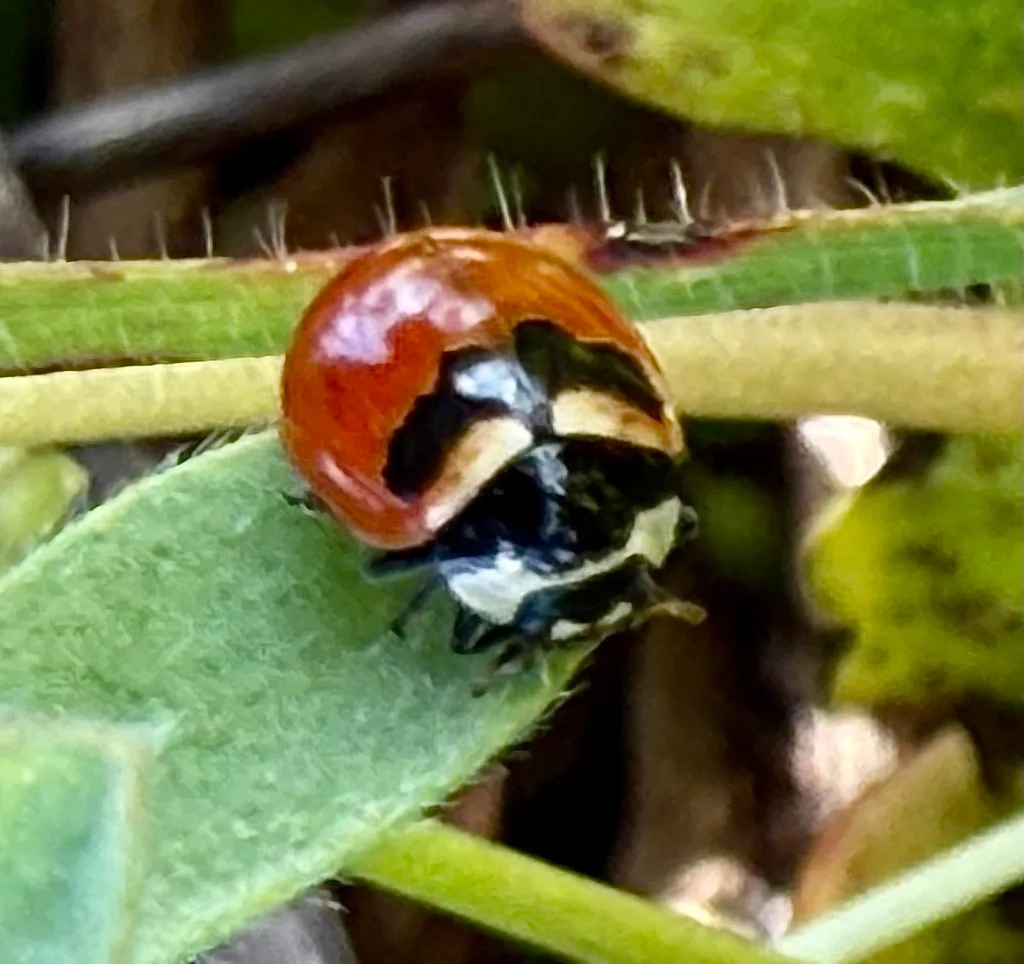
If you're spraying your vegetable garden or flower beds, you have three main recipe families. Choose based on the pest.
Recipe A: General soft-bodied pest spray (aphids, mites, whiteflies)
This is the simplest and most commonly recommended recipe. Mix 1 quart of water with 1 teaspoon of mild liquid soap (like castile or a natural dish soap without degreasers). Shake gently.
Spray directly on the pests, covering the undersides of leaves. Reapply every 5 to 7 days and after rain.
Important: Don't use dish soap with antibacterial additives or degreasers. They can strip the waxy coating on leaves. Stick to a pure soap like Dr.
Bronner's or similar.
Recipe B: Caterpillar and beetle spray (neem-based)
For tougher pests, you need neem oil. Mix 1 tablespoon of cold-pressed neem oil with 1 teaspoon of liquid soap and 1 quart of water. Shake well and use immediately.
Neem works by disrupting the pest's life cycle. It's not a contact killer, it takes a few days to work. Reapply every 7 days.
Neem oil can also help with fungal issues. If you're dealing with both pests and lawn diseases, our article on best fungicide for lawns covers additional options for grass.
Recipe C: Fungal and mildew prevention spray
Mix 1 tablespoon of baking soda with 1 quart of water and a few drops of soap. This alters the pH on leaf surfaces, making it harder for powdery mildew to take hold. Use it preventively every 7 to 10 days.
It won't cure an advanced infection, so catch it early.
When to use vinegar spray (and when to absolutely skip it)
Vinegar is great for killing weeds. It's terrible for most garden plants. A 50/50 vinegar and water mix will burn leaves and harm soil microbes.
Only use vinegar-based sprays on hard surfaces like patios, decking, or walkways. For those cleaning tasks, check out our guide on best gravel for patio area for low-maintenance ground cover that reduces weed problems.
Branch 2: For Indoor Use (Home Surfaces & Houseplants)
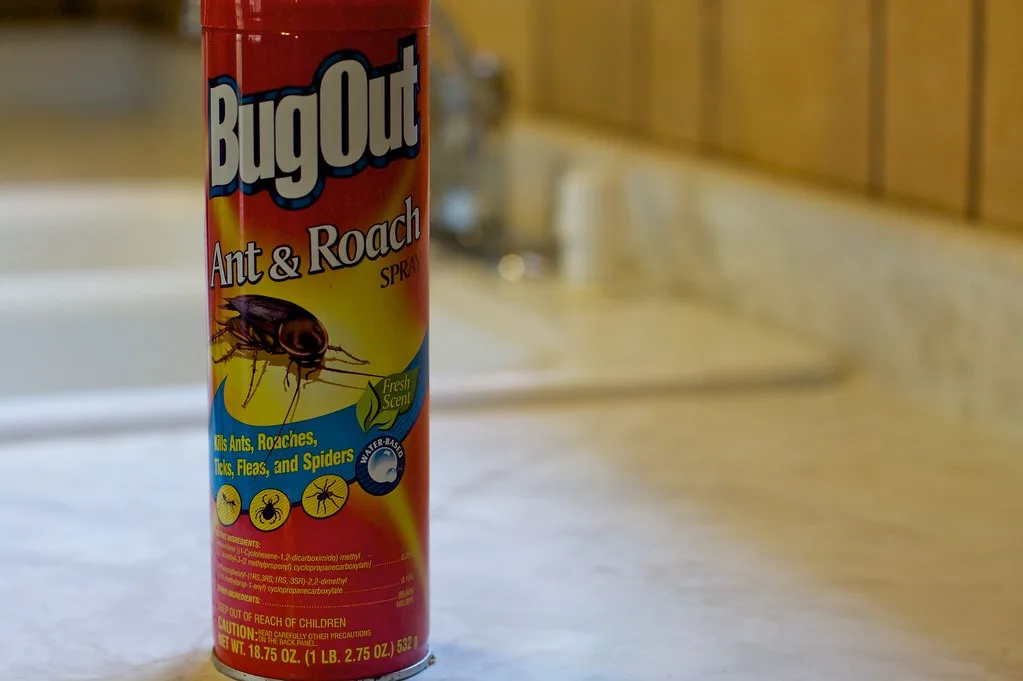
Indoor sprays need to be safe for pets, children, and surfaces. Here are the best recipes.
Recipe A: Ant and roach deterrent spray
Mix equal parts white vinegar and water in a spray bottle. Add 10 to 15 drops of peppermint or tea tree essential oil. Shake well.
Spray along baseboards, counter edges, and entry points. The vinegar smell fades quickly but the oil lingers as a repellent.
This spray won't kill an established colony. For that, you need bait traps. The spray disrupts scent trails and deters new ants.
Reapply every few days until they stop coming.
Recipe B: Spider and general crawling insect spray
Spiders hate strong smells. Mix 1 cup of water with 1 cup of white vinegar and 15 drops of peppermint oil. Add 1 teaspoon of liquid soap.
Spray in corners, window sills, and behind furniture. Avoid spraying directly on spiders, it's a repellent, not a killer.
For serious indoor fly problems, our article on best fly traps for inside covers more aggressive solutions.
Recipe C: Houseplant pest treatment (gentle formula)
Your indoor plants need a milder spray than garden plants. Mix 1 quart of water with 1/2 teaspoon of liquid soap and 1/2 teaspoon of neem oil. Shake well.
Test on one leaf first. Spray every 7 days until pests are gone.
Watch for leaf burn. If the plant shows stress, dilute further. Also consider your plant's natural resilience.
Some plants need less care, like the low-maintenance species we recommend for best plants for dark bathroom and other dim spaces.
Branch 3: For Personal Repellent (Skin & Clothing)
If you need a DEET-free repellent for yourself or your family, homemade options work well for short-term protection. But they don't last as long as commercial products.
Recipe A: DEET-free mosquito repellent
The EPA recognizes oil of lemon eucalyptus (OLE) as an effective repellent. But pure lemon eucalyptus essential oil is different from OLE. For a homemade version, mix 20 drops of lemon eucalyptus essential oil with 2 tablespoons of witch hazel and 2 tablespoons of water.
Shake well and spray on exposed skin. Reapply every 60 to 90 minutes.
Recipe B: Tick deterrent blend
Ticks are harder to repel. Research from the CDC suggests that a combination of geranium, cedarwood, and lemongrass oils can help. Mix 10 drops each of these oils with 2 tablespoons of distilled water and 2 tablespoons of witch hazel.
Spray on clothing and exposed skin, avoiding eyes and mouth. Check for ticks after outdoor activity. No spray is 100% effective.
Safety note: What's safe for children and pregnant people
Some essential oils are not safe for young children or during pregnancy. Avoid peppermint, clove, and rosemary for children under 3. For pregnant women, skip clary sage, cinnamon, and wintergreen.
Always do a patch test on the inner arm before full use.
If you have sensitive skin, stick to a simpler carrier oil like coconut or sunflower oil with just a few drops of lavender. That can be a gentle, low-risk option for small children. But always consult your pediatrician first.
Mistakes to Avoid
Recipe errors that cause plant burn or failure
Too much soap is the number one cause of leaf burn. Stick to 1 teaspoon per quart. More is not better.
Using full-strength vinegar on plants is another common error. It works for weeds but damages garden plants quickly.
Skipping the emulsifier means oil and water separate. You spray water while the oil stays in the bottle. Always add a few drops of soap to bind them.
Application timing mistakes
Spraying in direct sunlight causes droplets to act like mini magnifying glasses. The result is scorched leaves. Apply in early morning or late evening instead.
Spraying during bloom time kills bees. Even "natural" sprays harm pollinators on contact. Wait until flowers close or skip spraying altogether.
Reapplying too frequently stresses plants. Once every 5 to 7 days is enough for most recipes. More often than that increases burn risk.
Storage and shelf-life pitfalls
Homemade sprays lack preservatives. Soap-based mixes spoil in 3 to 7 days, even in the fridge. Vinegar-based mixes last up to two weeks.
A cloudy or smelly spray means bacteria have taken over. Toss it and make a fresh batch.
Never store sprays in direct sunlight or heat. Heat breaks down essential oils and can degrade plastic spray bottles over time.
Essential Dos & Don'ts (Quick Reference)
| Do | Don't |
|---|---|
| Test on one leaf and wait 24 hours | Spray entire plants without testing first |
| Spray at dawn or dusk | Spray in full sun or midday heat |
| Use pure liquid soap (castile) | Use detergent or antibacterial soap |
| Shake the bottle before each use | Let oil and water separate |
| Label bottles with date and ingredients | Store unmarked bottles near food |
| Wash produce before eating | Assume residue is safe to eat raw |
| Reapply after rain | Think one spray lasts forever |
| Rotate recipes between treatments | Use the same spray on every pest |
For serious infestations that resist homemade options, commercial treatments may be necessary. Our guide on best insecticide for carpenter ants covers stronger solutions for stubborn indoor pests.
Your Decision Guide: Which Recipe Should You Try First?
Start here if you're unsure where to begin.
If you see aphids, spider mites, or whiteflies on garden plants: use the soap spray from Recipe A in Branch 1. It's the gentlest and most effective for soft-bodied pests.
If you see beetles, caterpillars, or heavy leaf damage: skip the soap and go straight to neem oil in Recipe B. Soap alone won't stop them.
If you see ants or roaches indoors: try the vinegar and peppermint spray from Branch 2, Recipe A. Pair it with bait traps for best results.
If mosquitoes are biting you outdoors: use the lemon eucalyptus blend from Branch 3, Recipe A. Reapply every hour for continued protection.
If you're spraying a new or delicate plant: always start with half the recommended soap or oil. Dilute further if needed after a patch test.
Still unsure? Stick with the soap spray as your baseline. It works on the widest range of common pests with the lowest risk of plant damage.
Frequently Asked Questions
Can I use any dish soap for homemade insect spray?
No. Avoid antibacterial, ultra-concentrated, or degreasing dish soaps. They can strip the waxy coating off leaves.
Use pure liquid castile soap or a mild natural dish soap without additives.
How long does homemade insect spray last in the fridge?
Most soap-based sprays last 3 to 7 days when refrigerated. Vinegar-based sprays last up to two weeks. Neem oil sprays keep for about a week if stored in a sealed glass jar.
Discard any batch that looks cloudy or smells sour.
Is homemade insect spray safe for all plants?
No. Some plants are sensitive to oils, soaps, and vinegar. Ferns, succulents, herbs like basil, and seedlings are more prone to leaf burn.
Always test on one leaf and wait 24 hours before spraying the whole plant.
Will homemade spray kill bees and beneficial insects?
Yes, if you spray them directly or spray open flowers. Even natural ingredients like soap and neem oil harm beneficial pollinators. Spray at dawn or dusk when bees are inactive.
Never spray blooms.
Can I use homemade insect spray on my dog or cat?
Not without caution. Many essential oils are toxic to pets, especially cats. Tea tree, clove, cinnamon, and peppermint oils can cause reactions.
For pets, stick to plain water rinses or consult your veterinarian for safe alternatives. Avoid spraying near the face.
Why did my homemade spray make the problem worse?
This usually happens when a spray kills beneficial insects but not the pest. Without natural predators, the pest population rebounds larger than before. Rotate recipes and use targeted sprays only where needed to avoid disrupting the ecosystem.