Guide to Neem Oil Uses in the Garden for 2026: Easy Methods
If you've ever sprayed neem oil all over your tomatoes only to watch the leaves curl up and turn brown, you're not alone. So many gardeners grab a bottle thinking it's a cure-all, but it can just as easily hurt your plants as help them. Getting Neem Oil Uses in the Garden right means understanding the science behind the spray.
Without that knowledge, you're gambling with your garden's health.
Aggregate reviews from thousands of home gardeners confirm that the most common failures come down to one mistake: using the wrong type of neem oil at the wrong time. As of 2026, the EPA classifies clarified hydrophobic neem oil as a minimum-risk pesticide, but that doesn't mean it's risk-free. It's a powerful tool, but only if you know how to handle it.
Here's what you need to know before you pick up the sprayer.
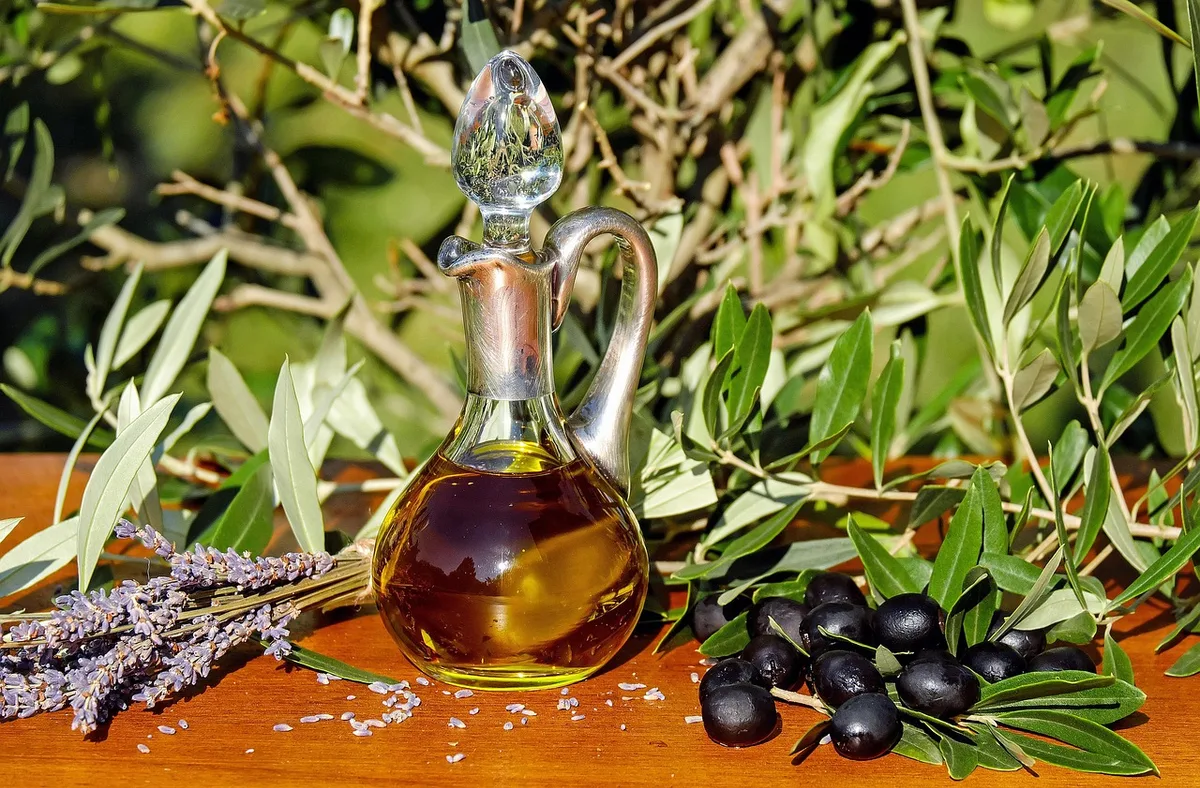
Quick Answer
Neem oil is a natural pesticide and fungicide from the neem tree. It disrupts insect hormones and stops fungal spores from growing. Use it preventively, not as a cure.
Apply in the evening to avoid leaf burn. Reapply every seven to fourteen days. Always test on one leaf first.
Why Getting This Right Matters
Neem oil isn't a gentle spray you can use without a second thought. It has real power, and that comes with real risks. Use it on the wrong plant or in wrong conditions, and you'll end up with damaged leaves and wasted effort.
University extension research puts most failures squarely on user error.
The most common mistakes are easy to make: using the wrong type of neem oil, mixing a solution that's too strong, or spraying during the heat of the day. These aren't flaws in the product. They're flaws in the approach, and they're entirely preventable.
The stakes here go beyond a few wilted leaves. Spray neem oil on open flowers and you can kill visiting bees. Use it on tender new growth and you can set your plant back weeks.
Getting it right protects your plants and the whole ecosystem in your garden, unlike some synthetic options designed for targeting carpenter ant infestations that are more targeted but less natural. Getting it wrong does real harm.
Per the EPA's minimum-risk pesticide classification, neem oil products that meet the criteria don't require federal registration. That doesn't mean they're safe to use carelessly. Even minimum-risk substances need to be handled with respect.
What Neem Oil Actually Is (And What It Isn't)
Neem oil comes from pressing the seeds of the neem tree, Azadirachta indica, native to India and Southeast Asia. The key active compound is azadirachtin, a chemical that messes with insect hormones and deters feeding. But not every bottle contains the same amount of that active ingredient.
Here's where a lot of confusion starts. Some products are labeled as 100% pure cold-pressed neem oil. Others are clarified hydrophobic neem oil, which is processed to remove impurities and then reconstituted with an emulsifier.
Those two types work differently and have different risks.
Neem oil holds a special place in organic gardening because it breaks down quickly in the environment. Unlike petroleum-based horticultural oils, it's biodegradable and leaves no persistent residue. That makes it a staple for people committed to organic fruit tree care and vegetable growing.
Here's how neem oil stacks up against other common garden treatments:
| Product | Active Ingredient | Mode of Action | Risk to Beneficials |
|---|---|---|---|
| Cold-pressed neem oil | Azadirachtin (up to 1.2%) | Hormone disruption, antifeedant, repellent | High if sprayed directly |
| Clarified hydrophobic neem oil | Azadirachtin (0.09% typical) | Contact oil, suffocates insects and spores | Lower, but still harmful |
| Insecticidal soap | Potassium salts of fatty acids | Dissolves insect exoskeleton | Low, safe for most beneficials |
| Horticultural oil | Refined petroleum oil | Contact suffocation | Moderate, depends on timing |
The Two Types That Matter — Cold-Pressed vs. Clarified
This is the single most important thing to understand. When you walk into a garden center or shop online, you'll see two main categories of neem oil. They are not interchangeable, and picking the wrong one for your situation is the fastest path to disaster.
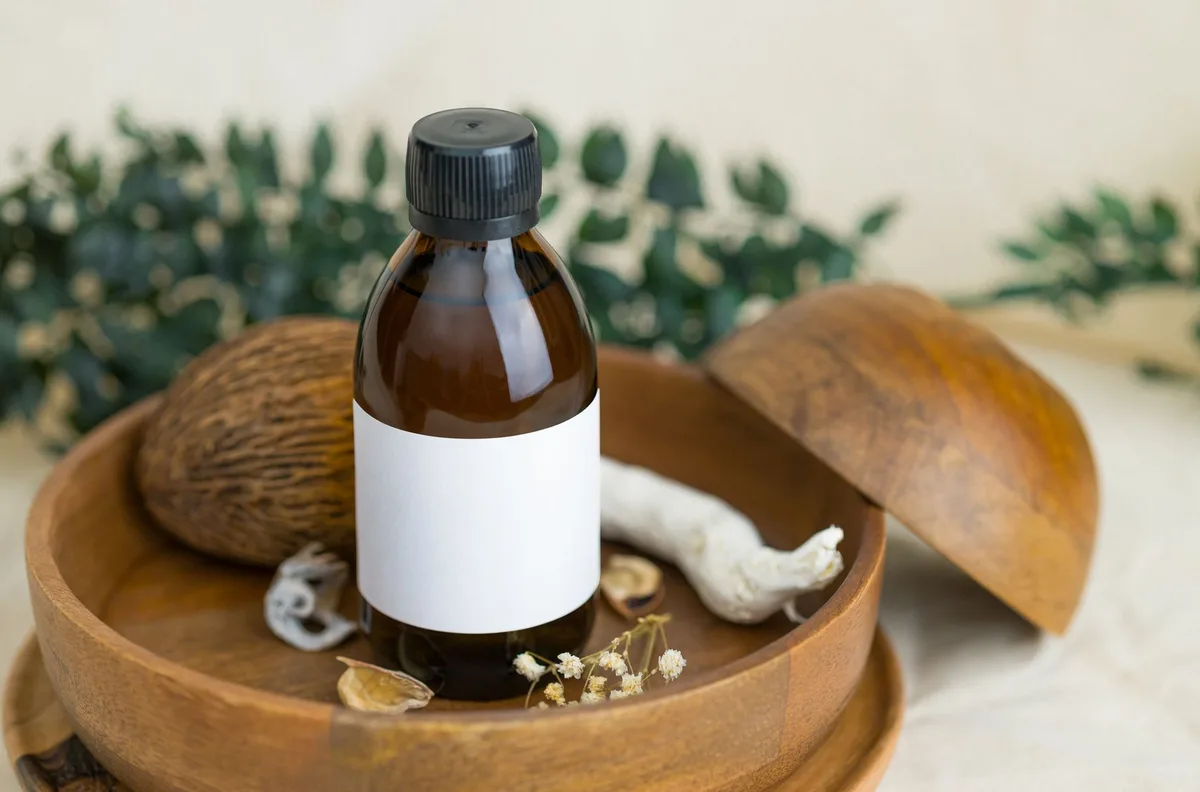
Cold-pressed neem oil is the full-strength product. It contains the highest concentration of azadirachtin, typically anywhere from 0.5% to 1.2%. It's thick, has a strong garlic-like smell, and needs to be emulsified with soap before mixing with water.
Use it for serious pest problems on outdoor plants that can handle stronger treatments. But be careful. It can burn tender foliage.
Clarified hydrophobic neem oil has been refined to remove the more reactive compounds. The azadirachtin content is much lower, often around 0.09%. It's thinner, easier to mix, and less likely to cause leaf burn.
That makes it a safer choice for sensitive plants and regular preventive spraying. For indoor plant pest control, this is usually the better option.
| Feature | Cold-Pressed Neem Oil | Clarified Hydrophobic Neem Oil |
|---|---|---|
| Azadirachtin content | 0.5% to 1.2% | 0.09% typical |
| Consistency | Thick, viscous | Thin, runny |
| Smell | Strong, garlic-like | Milder |
| Emulsification needed | Yes, with soap or surfactant | Usually pre-emulsified |
| Risk of phytotoxicity | Higher | Lower |
| Best for | Active infestations, outdoor use | Preventive spray, sensitive plants, indoor use |
If you're using neem oil for OMRI-listed organic production, check the label carefully. Only products with the OMRI seal are approved for certified organic farming. Many clarified neem oils qualify, but the formulation and carrier agents matter.
For seedling pest protection, stick with the clarified formula until the plants are well established. Young plants have thin cuticles that react poorly to the high azadirachtin content of cold-pressed oil.
How Azadirachtin Works: Growth Regulator, Repellent, Fungistatic
Azadirachtin is the star player in neem oil, and it doesn't work the way most synthetic pesticides do. It attacks pests from three different angles at once. That multi-pronged action is why neem oil is so useful and why pests have a hard time developing resistance.
First, it acts as an insect growth regulator. When aphids, whiteflies, or caterpillars ingest azadirachtin, it messes with their molting hormones. They can't shed their exoskeleton properly, so they get stuck in the pupal stage or die before reaching adulthood.
You don't always see results overnight. It takes a generation or two for the population to crash.
Second, it's a powerful feeding repellent. Many insects take one bite of a neem-treated leaf and simply leave. They stop eating even if there's plenty of leaf left.
That's great for protecting plants that are already stressed from an infestation.
Third, it works as a fungistatic agent against powdery mildew, black spot, rust, and other fungal diseases. It doesn't necessarily kill existing spores, but it prevents new spores from germinating. That's why timing matters so much.
Apply neem oil as a preventive, not after you already see white powder coating your squash leaves.
The three modes of action at a glance:
- Growth regulator: disrupts molting, stops nymphs from maturing
- Repellent: deters feeding after first taste
- Fungistatic: blocks spore germination, best used before disease appears
Many gardeners use neem oil specifically for preventing powdery mildew and black spot on roses and ornamentals. It's a solid strategy, especially when combined with good cultural practices like proper spacing and air circulation.
The Real Risks — Phytotoxicity, Bees, and Spray Timing
Here's where the expert YMYL nature of this topic really kicks in. Neem oil can cause serious damage if you ignore the rules. Let's cover the three biggest risks you need to manage.
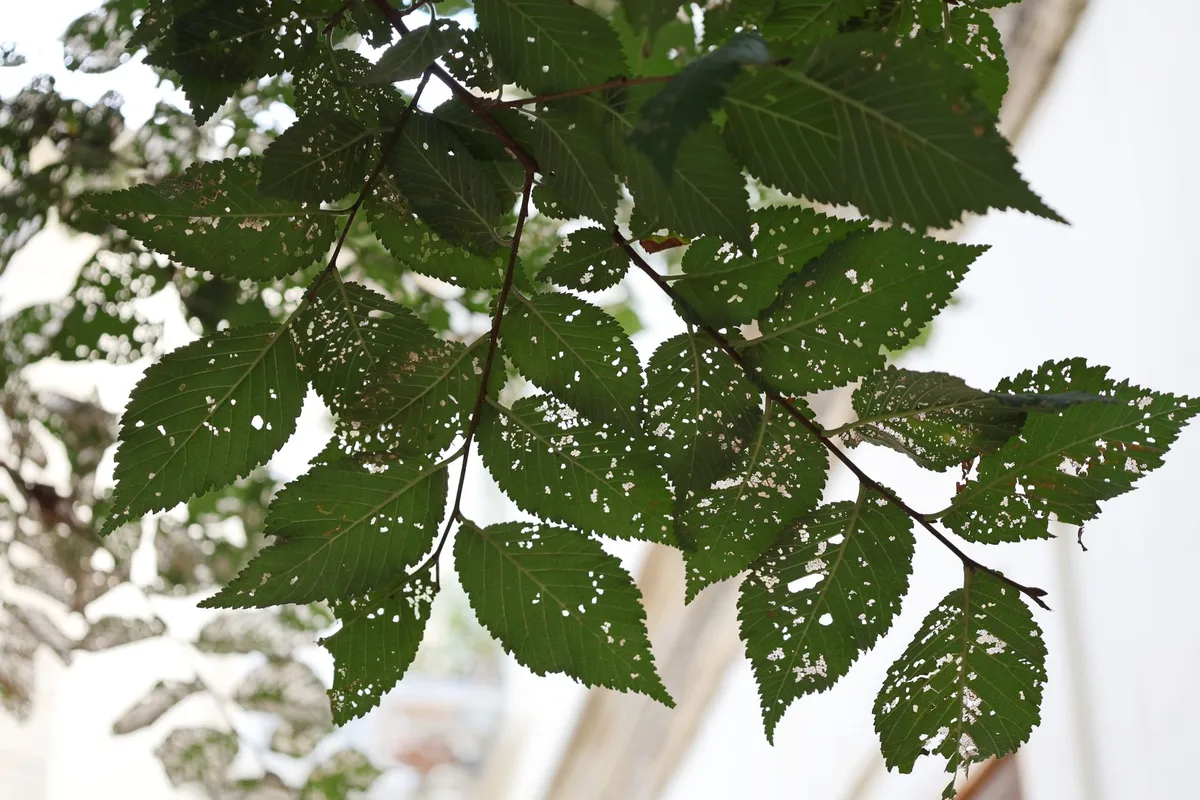
Phytotoxicity means leaf burn. Neem oil sits on the leaf surface and magnifies sunlight, literally cooking the tissue underneath. The risk goes up when temperatures are above 85 degrees Fahrenheit, when humidity is high, or when the plant has tender new growth. Succulents, ferns, and seedlings are particularly sensitive.
The rule is simple: never spray neem oil in direct sunlight. Apply in the early morning or late evening. If temperatures are expected to hit 85 degrees or higher during the day, wait for a cooler stretch.
Always do a spot test on one leaf and wait 24 hours before spraying the whole plant. For protecting shade-loving flowers or delicate houseplants, the clarified formula is the safer choice.
Bees and beneficial insects are the second major concern. Neem oil doesn't discriminate. If you spray a live bee, it dies. The key is timing and placement.
Spray only when flowers are closed, preferably in the evening after bees have stopped foraging. Never spray open blossoms. And don't spray on windy days when drift can carry the oil to neighboring flowers.
The residual effect on bees is short, but direct contact is lethal. That's why you'll see warnings on every reputable label. When you're treating bedroom plants from pests and burn, remember that any open blooms near a window could attract pollinators.
Close the window before spraying.
The third risk is simply wasting your time and money. Neem oil breaks down in sunlight within hours. It has no residual activity beyond a few days. If you don't reapply every seven to fourteen days, or after a rain, you won't see results.
Many people spray once, see no improvement, and declare neem oil useless. But it's not the product's fault. It's the application schedule.
When you're keeping seedlings safe or maintaining a weekly spray routine, treat neem oil like a preventive medicine. Regular, consistent application is what makes it work. Skip a week and you're back to square one.