How to Prevent Weed Seeds From Spreading: Step-by-Step Guide
If you've ever watched weeds take over a garden bed, you know the problem isn't just the one plant. It's the thousands of seeds that one plant produces. Learning how to prevent weed seeds from spreading is the most effective way to stop next year's weeds before they start.
Your timing matters more than the method you choose.
Consider this. A single pigweed plant can hold over half a million seeds. According to university weed science research, that's the reality.
If even a fraction of those seeds drop into your soil, you're looking at years of tedious weeding. The goal is to break that cycle before the seeds ever hit the ground.
So where do you start? It depends on what you're dealing with.
Quick Answer
Stop weed seeds by cutting flowers before they mature. Remove entire plants with seed heads intact. Bag and dispose of them in the trash.
Never compost seed-bearing material unless the pile reaches 140°F. Apply three inches of mulch to block light and prevent germination.
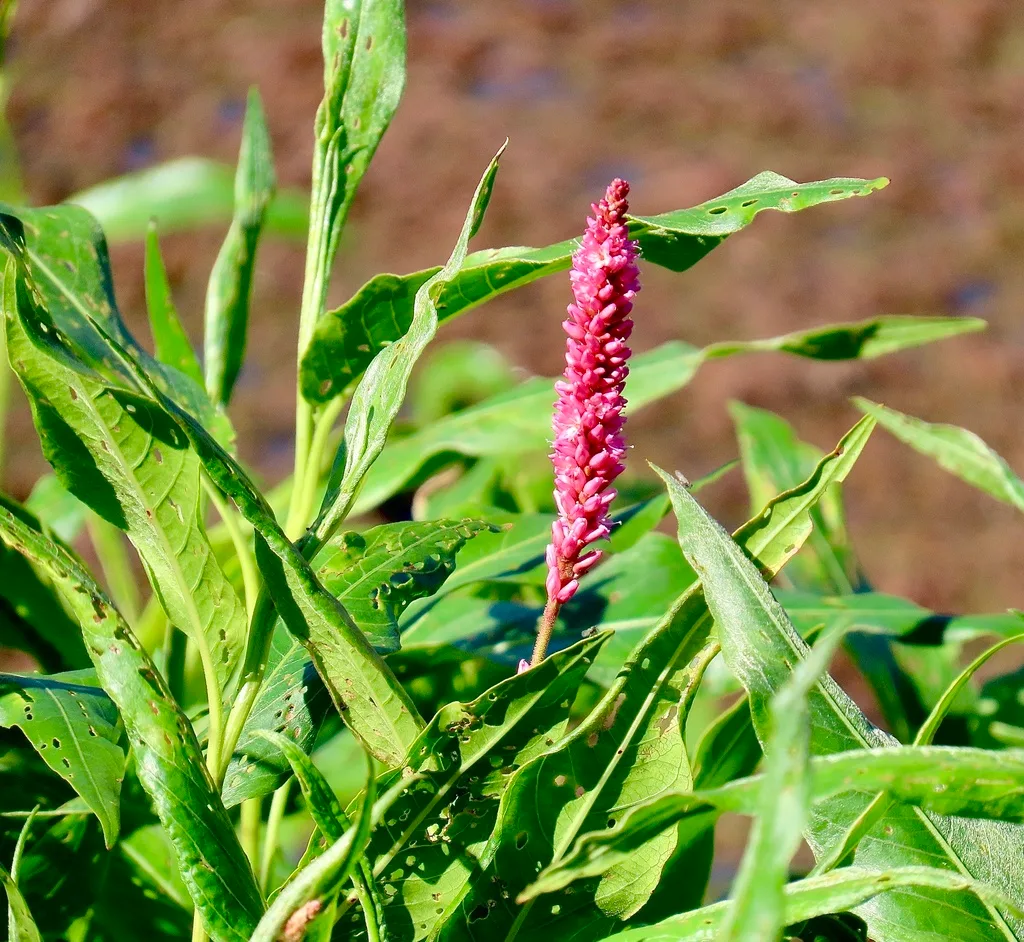
Why "Wait and See" Is How Weeds Take Over Your Whole Yard
Every weed left to flower adds to the soil seed bank. That's the layer of dormant seeds waiting in your soil for the right conditions to sprout. Most homeowners only notice the problem after the seeds have already spread.
Here's how it works. A dandelion goes from yellow flower to white puffball in about 10 days. In that short window, the seeds mature and become viable.
One windy afternoon scatters them across the block.
The same goes for crabgrass, lambsquarters, and thistle. Their seeds can survive in the soil for decades. The moment you till or bare the ground, they come back.
This is why the "wait and see" approach backfires. By the time you see the problem, the seeds have already dropped. Your only real option is prevention at the right growth stage.
For warm-season weeds like crabgrass, the seed bank can stay active for up to 10 years. That means one bad season can cause problems for a decade. The goal is to stop the cycle as early as possible.
The 3 Conditions That Determine Your Best Move
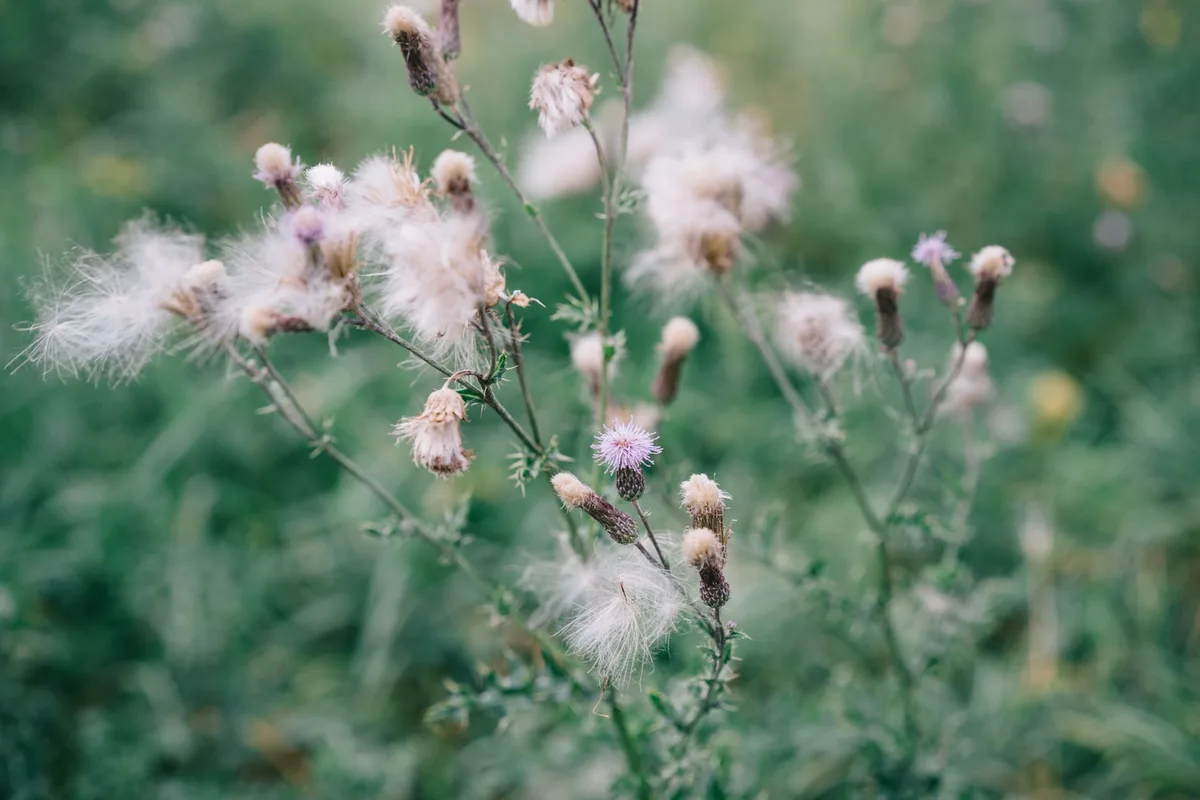
Your next move depends on three key questions. What kind of weed is it? Is it flowering or setting seed?
And where is it growing? The answers tell you exactly what to do.
What Kind of Weed Are You Dealing With?
Annual weeds like crabgrass and pigweed complete their life cycle in one season. Remove them before they flower, and that's the end of that plant. Simple enough.
Perennial weeds like dandelion and bindweed come back from the roots year after year. Even if you prevent seeds, the root system can produce new shoots. You need to remove the whole root to stop regrowth.
Biennial weeds like burdock take two years to flower and set seed. That gives you a full season to pull them before they spread. But if you miss that window, the seeds are abundant and long-lived.
Is It Already Flowering or Setting Seed?
This is the critical question. If the plant is still in the vegetative stage with no flowers, you have plenty of time and options.
Once you see flowers, seeds are coming in days to weeks. Some weeds like chickweed can go from flower to viable seed in just 10 days. You need to act fast.
If you see mature seed heads that are brown, dry, or shattering, you're in emergency mode. Every movement can spread seeds. Containment is priority one.
Where Is It Growing?
Location changes your available methods. In a garden bed, you can hand pull or mulch easily. In a lawn, mowing with a bag is your main tool.
On gravel driveways or paths, flame weeding or spot spraying works well. In pastures or fields, grazing management and mowing come into play.
For areas with hot, dry summers, choosing the best trees for hot dry climates can reduce water use and create more shade, which naturally suppresses weeds in the understory. Each setting requires a slightly different approach, but the decision tree stays the same.
Your Decision Tree: Stop Seeds at Every Stage
This is where the rubber meets the road. Match your current situation to one of these scenarios and follow the plan.
If the Weed Is Still Vegetative
You have the widest range of options. Pull, hoe, mulch, or apply a pre-emergent. Your goal is to remove the weed entirely before it starts flowering.
Hand pulling works best for taprooted weeds like dandelion. Get the whole root. Hoeing works for shallow-rooted annuals like chickweed.
Applying organic mulch or landscape fabric prevents seeds from germinating in the first place. This is the easiest stage to win.
If the Weed Is in Early Flower
Time is tight. You can still pull the plant, but do it carefully. Use a bag to cover the flower heads before you pull.
Cutting the flower stems off and bagging them also works if you don't want to disturb the soil. But be aware that some flowers can still produce viable seeds after being cut. Handle them gently.
The key is to avoid shaking the plant. That spreads pollen and seeds to nearby soil.
If the Weed Already Has Mature Seed Heads
Now you need to contain the seeds first, then remove the plant. Cover the seed head with a bag, tie it closed, and cut the stem below the bag. This prevents any seeds from falling.
Then pull the entire plant and place it directly into a yard waste bag or trash can. Do not walk across the lawn with a seed-bearing plant. You'll spread seeds with every step.
Flame weeding or torching works on non-flammable surfaces like gravel or patios. The heat destroys the seeds before they can drop to the ground.
If the Seeds Have Already Dropped
In this case, you're managing the seed bank. Rake or collect the top layer of soil and debris where seeds might be present. Use a stiff rake to gather fallen seed heads.
Apply a pre-emergent herbicide according to the label directions. This prevents the seeds from germinating but won't kill existing plants.
Maintain a thick layer of mulch to block light. Seeds need light to germinate. Without it, many will die without sprouting.
Step-by-Step: How to Remove and Dispose of Seed-Heavy Weeds
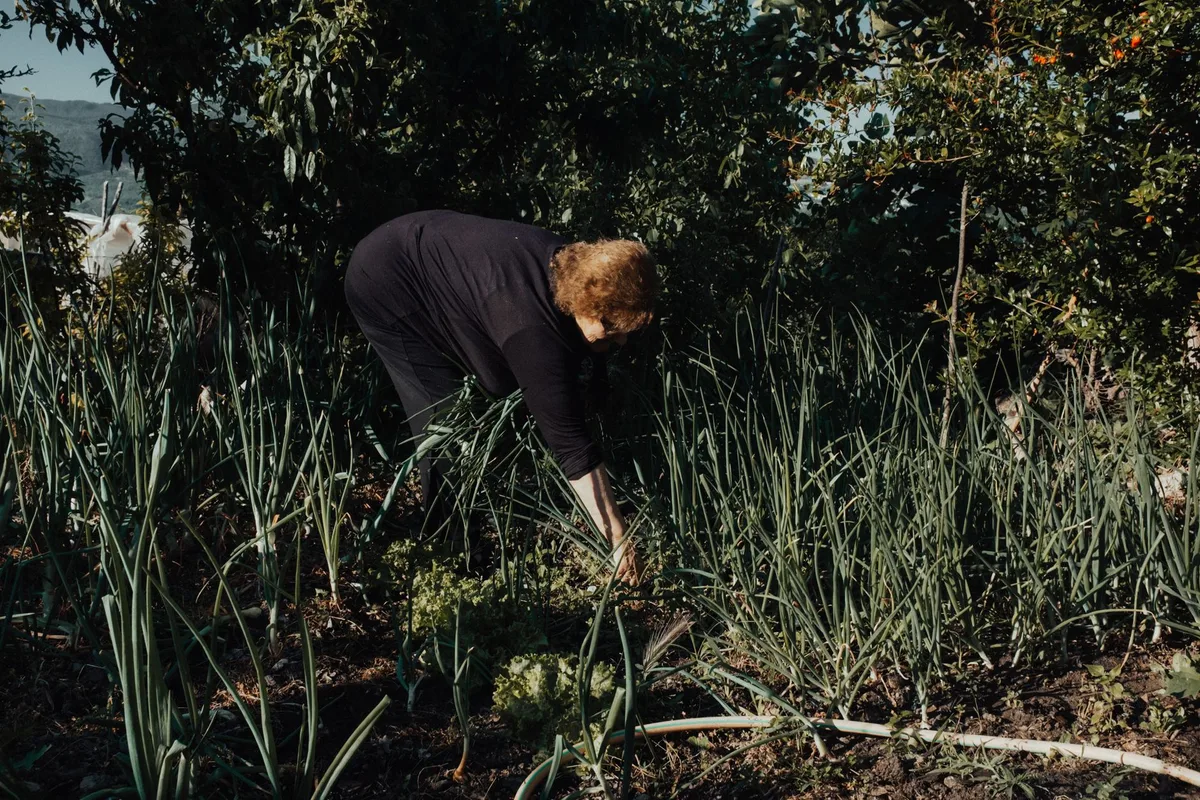
Hand Pulling vs. Cutting vs. Smothering
Hand pulling is best for small infestations and taprooted perennials. You get the whole plant, including the root. This stops regrowth and seed production in one action.
Cutting with garden shears or a mower works for large areas but leaves the roots. The plant may regrow. Cutting is only effective if done before seeds mature and you bag the cuttings.
Smothering uses cardboard, landscape fabric, or heavy mulch to block light. This kills the plant without disturbing the seeds. Good for large patches of annual weeds.
For cleaning up seed-bearing debris, using the best rakes for pine needles or a similar stiff rake helps collect fallen seed heads and debris. Bag everything immediately. Do not leave piles of pulled weeds on the ground.
Bagging vs. Composting vs. Burning
Bagging and sending to the landfill is the safest option for seed-bearing plants. Municipal yard waste collection often handles this, but confirm your local rules. Some facilities compost at high temperatures.
Composting requires hot composting that reaches 140°F for at least 30 minutes. Most home compost piles never reach this temperature. Cold composting will spread weed seeds throughout your garden.
Burning is effective but depends on local regulations. A burn barrel or approved fire pit can destroy seeds. Check fire restrictions and local ordinances first.
Pre-Emergent Strategies to Stop Seeds from Germinating
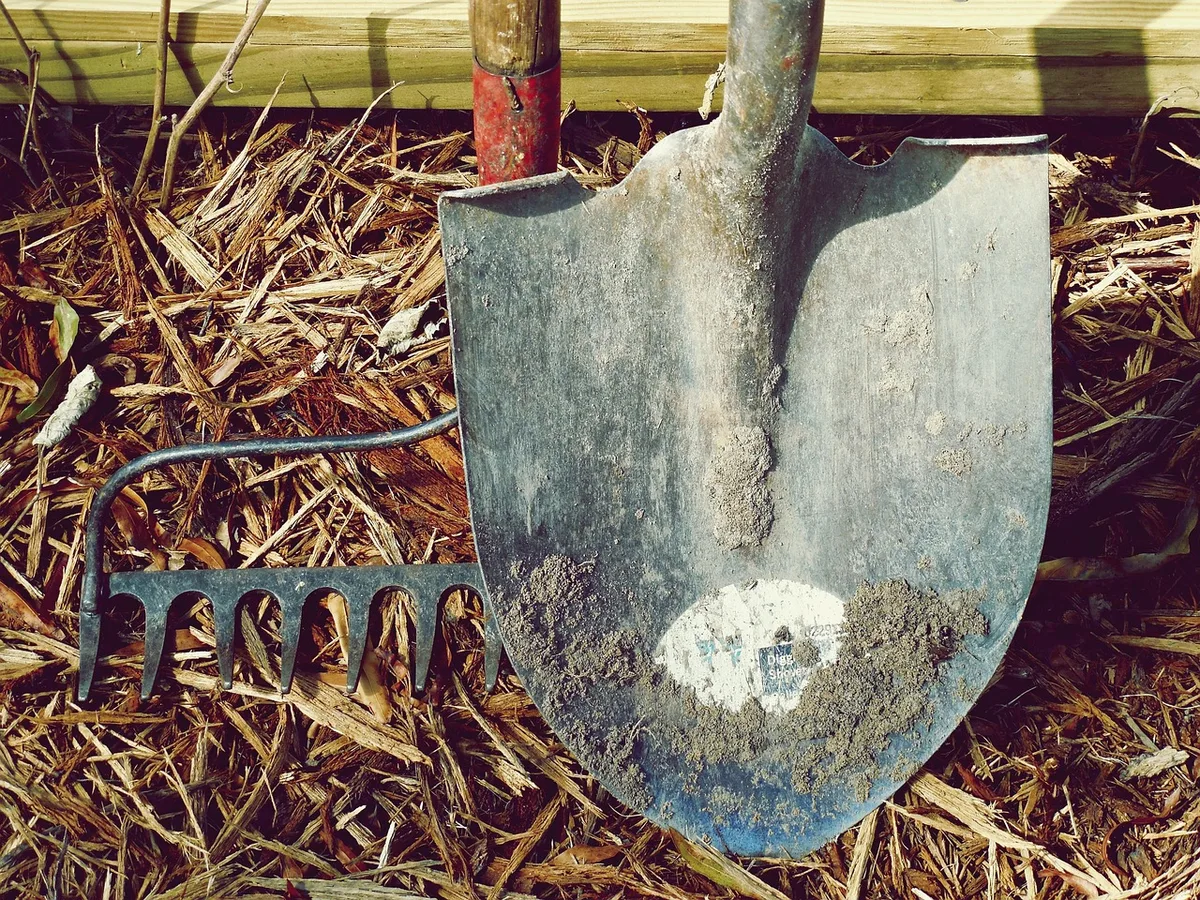
Once the visible weeds are gone, your focus shifts to prevention. The soil seed bank is still full of dormant seeds. You need to stop them from getting started.
Mulch Depth, Type, and Timing
Organic mulch like wood chips, straw, or bark blocks sunlight at a depth of three to four inches. This prevents most weed seeds from germinating because they need light to sprout.
Apply mulch after removing existing weeds. Timing matters. Early spring is ideal, before annual weed seeds germinate.
Reapply as the mulch breaks down over time.
Mulch also prevents erosion and keeps soil moisture even. Just avoid piling mulch against plant stems to prevent rot and disease.
For flower beds, choosing the best flowers for flower beds that form a dense canopy crowds out weeds naturally. Combine that with a good layer of mulch, and you create a powerful barrier.
Pre-Emergent Herbicides
Pre-emergent herbicides create a chemical barrier in the top layer of soil. They prevent seeds from rooting but do not kill established plants. Timing is everything with these products.
Corn gluten meal is an organic option that inhibits root development in germinating seeds. Apply it in early spring before weed seeds start to sprout. It also adds nitrogen to the soil.
Synthetic options include prodiamine and pendimethalin. Always follow the label directions exactly. Overapplication can damage desired plants and contaminate water.
A pre-emergent is most effective when combined with good cultural practices. Healthy lawns naturally suppress weeds. Proper lawn care, including using the right fungicide for lawns when disease is present, strengthens grass against weed invasion.
Cover Crops and Smothering
Cover crops like buckwheat, winter rye, or crimson clover grow densely and smother weed seeds. They also add organic matter and nitrogen to the soil.
Plant cover crops in fall for winter cover, or in spring for summer weed suppression. Till them under before they go to seed themselves.
For bare soil areas that you're not planting, a fast-growing ground cover fills the gap and blocks seed germination. This works well alongside the best slow release fertilizer for flowers to encourage dense, healthy growth that leaves no room for weeds.
According to the USDA Natural Resources Conservation Service, managing the soil seed bank is a long-term commitment. Consistent prevention over several seasons can dramatically reduce the weed pressure in your garden or lawn.
The 5 Most Common Mistakes That Actually Spread More Seeds
You can do everything right and still make things worse without realizing it. Here are the biggest traps people fall into when trying to stop weed seeds.
Mowing Without a Bagger
This is the number one mistake. A rotary mower chops up weeds and throws the seeds across the lawn. If you mow over a seeding dandelion, you're essentially planting dandelions in a perfect circle.
Always use a bagger attachment when mowing areas with visible weed seed heads. If you mulched the clippings instead, you've spread those seeds into the lawn.
Tilling at the Wrong Time
Tilling brings buried weed seeds to the surface. Those seeds then get the light and warmth they need to germinate. You create a flush of new weeds that weren't there before.
Tilling is only useful if you immediately plant a cover crop or apply a pre-emergent. Otherwise, you're playing whack-a-mole with your own soil.
Composting Seed-Heavy Weeds
Most home compost piles never reach the 140°F needed to kill weed seeds. Tossing seed heads into a cold pile just creates a seed nursery. When you spread that compost later, you spread the seeds.
Bag and trash seed-bearing material. Only hot compost with a thermometer monitor is safe for weeds.
Pulling Weeds the Wrong Way
Yanking a seed-bearing weed without covering the head first scatters seeds in every direction. That includes the ones stuck to your gloves and boots.
Use a bag to cover the seed head before you pull. Move the plant straight into a disposal bag. Do not drag it across the ground.
Ignoring the Gravel and Patio Areas
Weeds growing in gravel or between pavers can go unnoticed until they go to seed. Wind and water carry those seeds into your garden beds.
Apply a pre-emergent or use a flame weeder on hardscape areas. A layer of the right gravel with a weed barrier underneath prevents seeds from rooting. Our guide on gravel for patio areas covers the best base materials for this purpose.
Seasonal Workflow: What to Do in Spring, Summer, and Fall
Weed seed prevention is not a one-time job. It is a seasonal cycle. Match your actions to the time of year for the best results.
Spring: Stop Them Before They Start
Spring is the critical window for pre-emergent application. Apply when soil temperatures reach 55°F for warm-season weeds. That is usually when forsythia bushes start blooming.
Remove winter annuals like chickweed and henbit before they flower. Their seeds germinate in fall, so spring is your last chance to stop them.
If you are starting seeds indoors for transplant, clean all potting mix and tools to avoid introducing weed seeds. The best grow light for seedlings ensures strong growth that can outcompete any stray weeds later.
Summer: Watch the Flowering Window
Summer is peak weed growing season. Scout your garden weekly. Pull or cut weeds as soon as you see flower buds forming.
Do not let anything go to seed. A single missed plant can produce enough seeds to last for years.
Keep mulch topped up to three to four inches. Organic mulch breaks down over the season, so add more as needed.
Fall: The Last Chance
Fall is for removing perennial weeds before winter dormancy. Many perennials store energy in their roots over winter. Removing them now reduces next year's growth.
Apply a fall pre-emergent for winter annual weeds like henbit and annual bluegrass. These germinate in cool soil and grow slowly through winter.
Clean up all fallen plant debris. Seed heads can persist on dead stems through winter and spread in spring rains.
When to Call for Backup (and When It's Not Worth It)
Most weed seed prevention is DIY. But some situations call for professional help.
When Professional Help Makes Sense
Large-scale infestations of invasive species like Japanese knotweed or giant hogweed need expert treatment. These plants spread aggressively and can damage foundations.
Noxious weed listings require mandatory control in some areas. Check your local county weed board for requirements. Fines can apply if you ignore them.
Heavy infestations on steep slopes or near waterways need careful management. Improper removal can cause erosion or water contamination.
When You Can Handle It Yourself
Small patches of common garden weeds like dandelion, crabgrass, or clover are easy DIY jobs. Hand pulling with proper disposal handles them fine.
A lawn with scattered weeds needs consistent mowing and bagging, plus an annual pre-emergent. No professional required.
A garden bed with weeds that have not gone to seed yet is a simple weekly maintenance task. Stay on top of it.
Signs Your Soil Seed Bank Needs More Time
Even after removing all visible weeds, seeds remain in the soil. You will see new flushes of weeds after rain or soil disturbance.
This is normal. It does not mean your efforts failed. Keep applying mulch and pre-emergents.
The seed bank will deplete over several seasons.
Quick-Reference Decision Guide Table
| Weed Stage | What to Do | What NOT to Do | Best Tool |
|---|---|---|---|
| Vegetative (no flowers) | Pull, hoe, or mulch | Leave it for later | Garden hoe or gloved hands |
| Early flower (buds or green heads) | Bag the head, then pull | Mow without bagging | Shears + plastic bag |
| Mature seed heads (brown, dry) | Cover with bag, cut stem below bag | Pull without covering | Bags + scissors |
| Seeds already dropped | Rake debris, apply pre-emergent | Till the soil | Stiff rake + spreader |
| Perennial weed regrowing | Dig entire root | Top only (cutting) | Dandelion puller or trowel |
| Hardscape (gravel, patios) | Flame weed or spot spray | Ignore until it spreads | Propane torch or sprayer |
This table covers the main scenarios you will encounter. Bookmark it for quick reference when you spot a weed.
Practice Scenarios: Applying the Decision Tree to Real Gardens
Theory is one thing. Real life is messier. Let us walk through three common situations.
The Lawn Mower Problem
You mow the lawn every Saturday. There are dandelions in the back corner that you keep meaning to pull. This week you notice one has turned into a white puffball.
What do you do? Do not mow that corner with a mulching blade. Attach the bagger.
Better yet, hand pull the dandelion with a bag over the head. Bag it and trash it. Then mow the rest of the lawn as usual.
If you do mow without bagging, you have spread hundreds of seeds. The solution is to set a weekly reminder to check for puffballs before mowing. Pull them manually first.
The Overlooked Compost Pile
You have been adding pulled weeds to the compost pile for months. Now you notice some seed heads in the pile. The pile is not hot enough to kill them.
Your options are limited. Do not spread this compost on garden beds. Either hot compost it properly (adding greens to raise temperature) or bag it for the landfill.
Alternatively, burn the pile if local regulations allow. This destroys all seeds and leaves ash that is safe for the garden.
The "I Only Have 10 Minutes" Weekend Approach
You have a busy schedule. Weeding feels overwhelming. But ten minutes a week is enough to prevent seed spread.
Focus on the weeds that are about to flower. Ignore the small ones in the back for now. Pull or cut the ones with visible buds or flowers.
Bag them immediately.
Over a season, these ten-minute sessions prevent thousands of seeds from entering the soil. Consistency beats intensity every time.
For rural properties with large open areas, a targeted feeding program strengthens desirable plants against weed invasions. Our fertilizer guide for deer food plots explains how soil fertility management ties into weed suppression.
Frequently Asked Questions
Can I compost weeds that have gone to seed?
Only if your compost pile reaches 140°F for at least 30 minutes. Most home piles never get that hot. Bag seed-bearing weeds and send them to the landfill instead.
How long do weed seeds stay viable in the soil?
Some species last over 20 years. Common ragweed seeds can survive a decade. Pigweed seeds last 5 to 10 years.
This is why prevention matters so much.
Does vinegar kill weed seeds?
No. Vinegar burns the leaves but does not affect seeds in the soil. It works as a contact herbicide for young weeds only.
Should I till my garden to bury weed seeds?
Tilling brings buried seeds to the surface where they germinate. It makes the problem worse. Use no-till methods with mulch and pre-emergents instead.
How often should I check for weeds going to seed?
Once per week during the growing season is enough. Some weeds go from flower to viable seed in 7 to 10 days. Weekly scouting catches them in time.
Can I use landscape fabric to stop weed seeds?
Yes. Landscape fabric blocks light and prevents seed germination. Cover it with mulch to protect it and improve appearance.
Replace it every few years as it degrades.
Bottom Line: One Season of Prevention Saves Years of Weeding
Stopping weed seeds before they drop is the single most effective thing you can do in your garden. It takes attention and consistency. But every seed prevented now means fewer weeds next year.
Use the decision tree in this guide. Match your action to the weed stage. Bag and trash seed-bearing material.
Apply mulch and pre-emergents. Keep scouting weekly.
One season of focused prevention can reduce your weed pressure by 90 percent. That is a trade worth making. Your future self will thank you.