What Is Soil Compaction 2026
If your lawn looks tired no matter what you do, your garden plants are struggling, or water pools on the soil surface hours after a rain, you might be dealing with a hidden problem. What Is Soil Compaction? It's not just hard dirt.
It's a structural breakdown in the soil that prevents roots, water, and air from doing their jobs. Think of it like a sponge that's been pressed flat until it can't hold anything anymore. Per USDA Natural Resources Conservation Service guidelines, a bulk density above 1.6 grams per cubic centimeter in clay soil typically stops root growth entirely.
That's a hard number with real consequences for anything you try to grow. Let's walk through what this means for your yard, garden, or farm.
Quick Answer
Soil compaction is the compression of soil particles into a dense layer. It reduces pore space between particles. Less pore space means less air and water for roots.
Compacted soil resists root penetration and slows drainage. Bulk density measurements above 1.6 g/cm³ in clay or 1.8 g/cm³ in sand indicate problem compaction.
Why Understanding Soil Compaction Actually Matters (And What Happens When You Get It Wrong)
Getting compaction wrong costs you time, money, and healthy plants. If you misdiagnose it, you might water more when the real issue is that water can't infiltrate. Or you might add fertilizer when roots can't reach it anyway.
That's wasted product and wasted effort.
The stakes go beyond the garden. In construction, uncontrolled soil compaction around foundations can cause differential settling. Walls crack.
Slabs tilt. Driveways sink. In agriculture, compaction layers reduce crop yields by 20 to 50 percent depending on severity.
That's not a small number for anyone who depends on the land.
The real danger is that compaction often looks like something else. Yellow leaves look like a nitrogen deficiency. Stunted growth looks like a pest problem.
Poor drainage looks like too much clay. Without understanding what compaction actually is, you treat the wrong cause and the problem gets worse.
Here's the research-backed reality. Compacted soil has higher bulk density, lower porosity, and significantly reduced oxygen diffusion. Roots in compacted soil produce less ethylene gas, which slows their natural growth signaling.
That's not opinion. That's plant physiology confirmed by decades of soil science research.
If you're a homeowner, the warning signs are subtle. If you're a farmer, compaction directly affects your bottom line. Either way, the first step is knowing exactly what you're dealing with.
What Soil Compaction Is — And Isn't (The Simple, Science-Backed Explanation)
Let's clear up the confusion right now. Compacted soil is not just "hard soil." Hard soil can be dry clay that softens when wet. Compaction is a structural change that doesn't fix itself with water.
Healthy soil is about 50 percent solid particles and 50 percent pore space. Those pores are the highways for air, water, and roots. When soil gets compacted, those pores get crushed.
The solid particles press closer together. The pore space shrinks.
Here's what compaction is not:
- It is not normal settling over time
- It is not the same as soil crusting on the surface
- It is not a permanent condition (though it can take years to fix)
- It is not caused by "bad soil" genetics
Think of it like this. A loaf of bread has air pockets throughout. Squeeze it hard and those pockets collapse.
The bread weighs the same, but its structure is gone. That's what compaction does to soil.
The scientific term is increased bulk density. Bulk density measures how much soil mass fits into a given volume. The ideal range for most garden soils is between 1.1 and 1.5 g/cm³.
Once you cross 1.6 in clay or 1.8 in sand, roots can't push through.
Texture matters too. Clay soils compact more easily than sandy soils because clay particles are flat and stack together. Sand particles are round and resist compression better.
But no soil type is immune. Heavy equipment, repeated foot traffic, and even livestock hooves can compact any soil given enough pressure.
How to Tell If You Have Compacted Soil Without a Lab Test
You don't need a degree in soil science to spot compaction. Your plants and your shovel will tell you. But you have to know what to look for.
Start with the obvious signs above ground. Water pooling after rain is a big one. If your yard stays soggy for hours while your neighbor's drains fine, compaction is likely the reason.
The water has nowhere to go because the pore spaces are gone.
Next, look at your plants. Stunted growth, yellowing leaves, and shallow root systems all point to compaction. If your grass pulls up like a mat with very short roots, that's a classic sign.
A healthy lawn should have roots several inches deep.
For proper plant growth in healthy soil, check our recommendations for best slow release fertilizer for flowers. But remember, fertilizer won't fix a compaction problem. You have to open the soil first.
Here's the simple field test anyone can do. Try to push a screwdriver or a metal rod into the soil. In healthy soil, it should go in easily six inches or more.
If it stops at three inches or less, you have a compaction layer. The same test works with a shovel. If dry soil feels like concrete when you try to dig, compaction is your answer.
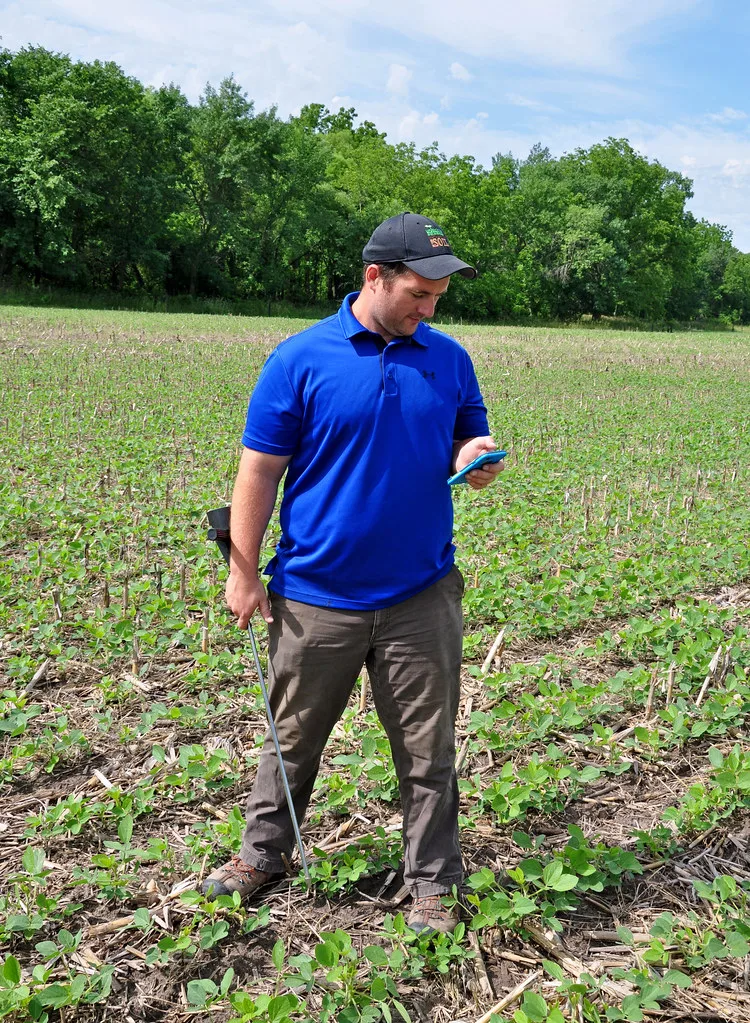
For a more precise measurement, you can use a penetrometer. This tool measures the resistance in pounds per square inch. Readings above 300 psi mean roots will struggle to penetrate.
Above 500 psi, most roots stop growing entirely.
Check your drainage too. Dig a small hole about six inches deep and fill it with water. Time how long it takes to drain.
If it takes more than 24 hours, you have a problem. But don't jump straight to French drains. Compaction might be the real issue hiding under the surface.
The Hidden Danger: Why Surface Compaction and Deep Compaction Are Completely Different Problems
Most people think compaction is a surface issue. You can see it, you can feel it, so it must be on top. But there's a whole different problem lurking deeper, and it's harder to spot.
Surface compaction happens in the top one to three inches of soil. You get it from foot traffic, lawn mowers, and rain impact. It creates a crust that water struggles to penetrate.
But the good news is that surface compaction is relatively easy to fix. A good core aeration session usually handles it.
Deep compaction is another story entirely. It forms six to eighteen inches down, often from heavy machinery, repeated tillage at the same depth, or years of livestock pressure. This is the "plow pan" or "hardpan" that farmers talk about.
It's a dense layer that water and roots can barely penetrate.
Here's why deep compaction is so dangerous. You can't see it. The surface might look fine.
Your grass might even look okay. But below the surface, roots hit that compacted layer and stop. They spread sideways instead of downward.
That makes plants more vulnerable to drought because they can't reach deeper moisture.
Deep compaction also creates a perched water table. Water collects above the compacted layer and can't drain. That leads to root rot, fungal diseases, and anaerobic soil conditions.
For lawns, this is where problems like dollar spot or brown patch take hold. Our guide to best fungicide for lawns covers treatment, but prevention starts with addressing the compaction itself.
The fix for deep compaction is different too. Surface aeration won't reach it. You need subsoiling, deep ripping, or biological drilling with deep-rooted cover crops like tillage radish.
Each approach has its own risks and requirements which we'll cover in the fix section.
Soil Type Changes Everything: Why Clay, Sand, and Loam Behave Differently
Not all soil compacts the same way. If you try the same fix on clay that works on sand, you'll waste time and might make things worse. Soil texture determines how compaction happens and how you fix it.
Let's break it down by soil type.
| Soil Type | Compaction Risk | Typical Bulk Density Threshold | Best Remediation |
|---|---|---|---|
| Clay | High. Flat particles stack tight. | 1.4 1.6 g/cm³ | Gypsum, organic matter, deep aeration |
| Sand | Low. Round particles resist compression. | 1.7 1.8 g/cm³ | Organic matter, avoid overcompaction |
| Loam | Moderate. Balanced texture. | 1.5 1.7 g/cm³ | Core aeration, cover crops |
Clay is the problem child. Its particles are microscopic plates that slide together when pressure is applied. Wet clay compacts even faster because water acts like a lubricant between particles.
If you work clay soil when it's too wet, you're essentially creating concrete. This is called "smearing" and it seals the soil surface permanently until physically broken up.
Sand is the opposite. Its particles are large and round. They don't pack together easily.
But sand has a different problem. It has very little organic matter which means it has low structural stability. Sand compacts less but also recovers slower because there's less biological activity to create new pore space.
Loam sits in the sweet spot. It has a mix of sand, silt, and clay plus organic matter. It resists compaction better than clay and recovers faster than sand.
But loam can still compact under heavy pressure. No soil is immune.
The big lesson here is that you need to know your soil type before choosing a fix. For clay, adding gypsum can help flocculate the particles. For sand, adding organic matter creates structure.
For loam, a simple core aeration program is usually enough.
If you're planting in compacted areas, choose species that can handle the conditions. Our guide to best trees for hot dry climates includes varieties that tolerate poor soil structure. For flower beds, best flowers for flower beds has options that don't need deep loose soil to thrive.
The Real Causes of Compaction (It's Not Just Heavy Equipment)
Most people blame tractors and trucks. Those are definitely culprits. But compaction happens from a lot of everyday things you probably don't think twice about.
Let's run through the main causes:
- Foot traffic. One person walking on wet soil presses down with about 5 psi. A hundred people at a backyard party? That's a serious problem. Paths form. Grass dies. Soil hardens.
- Lawn mowers and equipment. A riding mower can exert 10 to 15 psi on the soil. Push mowers are lighter but still compress the top layer, especially when the ground is wet.
- Livestock hooves. A 1,200 pound cow concentrates its weight on four small hooves. That's over 25 psi per hoof. One pass is enough to start a compaction layer in wet pasture.
- Tillage at the same depth. Running a rototiller or plow at the same depth year after year creates a "plow pan." The tillage blade smears the soil at the bottom of its reach. That layer becomes a hard barrier.
- Raindrop impact. Hard rain hitting bare soil breaks apart surface aggregates. The fine particles wash into pores and seal the surface. This is called surface crusting and it's a mild form of compaction.
- Vehicle parking. Even a small car parked on a lawn for a few days can compact the soil underneath. The weight plus the duration creates lasting damage.
The common thread here is pressure plus moisture. Wet soil compacts much faster than dry soil because water lubricates the particles. If you're working your garden or driving on your lawn when the ground is soggy, you're actively compacting it.
A single pass of heavy equipment on wet soil can cause compaction that takes three to five years to undo. That's not an exaggeration. The USDA has documented compaction layers persisting for over a decade in some soils.
The Damage Compaction Does Below Ground (Roots, Water, Air, Microbes)
You can't see what's happening under the surface. But that's where the real damage lives.
Roots hit a wall. Literally. When a root tip encounters a compacted layer, it stops. The root tries to push through but the soil resistance is too high.
Instead of growing downward, the root bends sideways or stops entirely. The plant ends up with a shallow, stunted root system that can't reach deep moisture.
Water gets trapped. Without pore space, water sits on top of the compacted layer. The upper soil becomes waterlogged while the deeper soil stays dry. This creates two bad conditions at once.
Roots near the surface rot from too much water. Roots below the layer die from drought.
Oxygen disappears. Soil microbes need oxygen to break down organic matter. Compacted soil has 80 to 90 percent less oxygen than healthy soil. Aerobic bacteria die off.
Anaerobic bacteria take over. That's when you get that sour, sulfur smell from waterlogged soil.
Nutrients get locked up. Plants take up nutrients through their root systems. If roots can't spread through the soil, they can't find phosphorus, potassium, or micronutrients. You can pour on the best fertilizer and it won't matter.
The roots simply can't reach it. For indoor plants facing similar issues, our guide to best plant fertilizer for indoor plants covers nutrient options, but soil structure has to come first.
Beneficial organisms suffer. Earthworms, beneficial nematodes, and mycorrhizal fungi all need pore space to move and survive. Worms can't burrow through compacted clay. Fungi can't spread their networks.
The whole soil food web collapses.
The takeaway is simple. Compaction doesn't just make soil hard. It starves the entire system of what it needs to function.
Common Mistakes People Make When Diagnosing or Fixing Compaction
Getting compaction wrong is easy. The symptoms mimic other problems. Here are the most common errors we see.
Mistake 1: Treating it like a nutrient deficiency. Yellow leaves and slow growth look like a lack of nitrogen. People add fertilizer. The plants stay yellow.
That's because the roots can't access the nutrients, not because the nutrients aren't there. Always rule out compaction before reaching for the fertilizer bag.
Mistake 2: Overwatering. When water pools on the surface, the natural instinct is to water less often but more deeply. In compacted soil, deep watering just creates a bathtub. The water sits above the compaction layer and never drains.
Check your drainage first. If it takes more than a few hours to absorb, compaction is likely the issue.
Mistake 3: Tilling wet soil. This is the biggest one. Tilling wet clay soil creates a smear layer that seals the surface. You end up with a hardpan that's worse than what you started with.
The rule is simple. Take a handful of soil and squeeze it. If it forms a muddy ball that doesn't crumble, it's too wet to work.
Mistake 4: Using spike aeration instead of core aeration. Spike aerators punch holes in the soil. That sounds helpful. But spikes actually compact the soil around the hole.
They push soil sideways instead of removing it. Core aeration pulls out actual plugs. That creates real pore space.
Mistake 5: Ignoring the compaction layer depth. Surface aeration won't fix deep compaction. Subsoiling won't fix surface crusting. You have to know where the problem is before you can fix it.
Test with a screwdriver or penetrometer at different depths to find the hard layer.
How to Fix Compacted Soil Safely (Without Making It Worse)
Fixing compaction requires matching the method to the problem. Here's the decision tree based on what you find.
For surface compaction (top 1 to 3 inches):
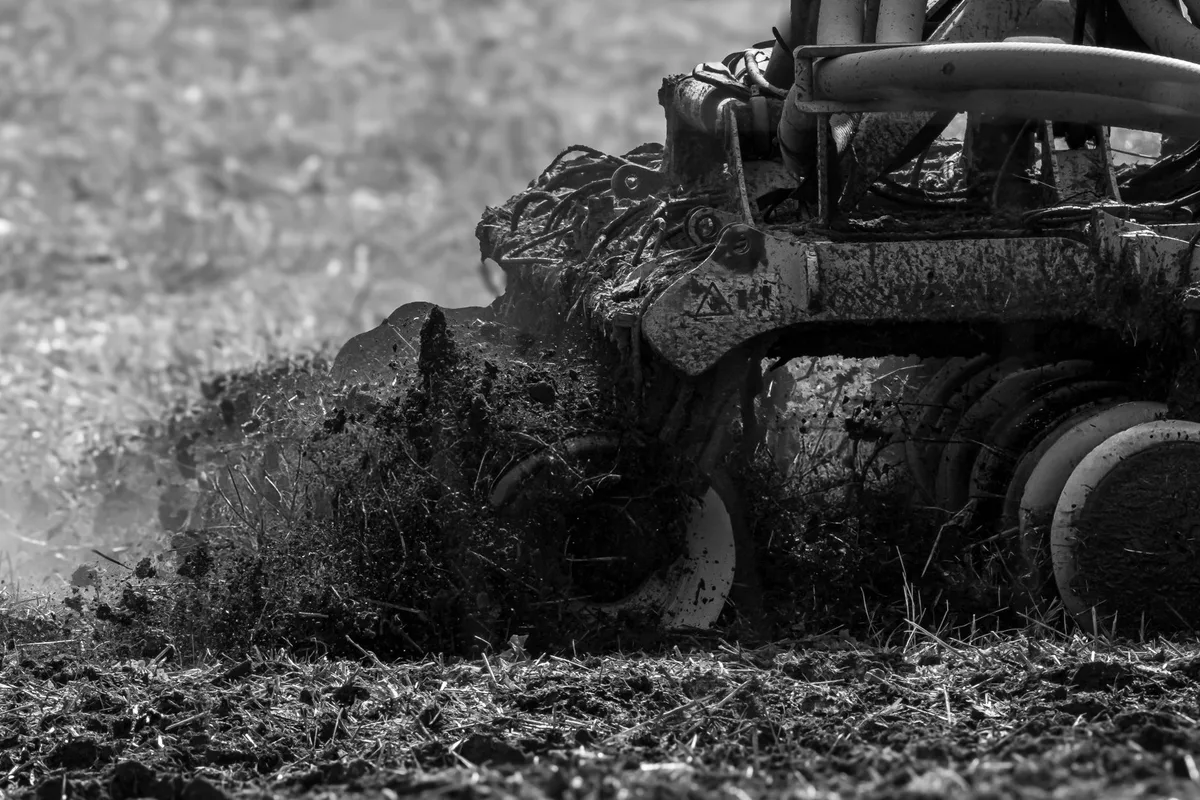
Core aeration is your best friend. A core aerator pulls out plugs of soil about 2 to 3 inches deep. This creates real holes that air, water, and roots can use.
Do this in the spring or fall when the soil is moist but not wet. Run the aerator in two directions for full coverage.
For moderate compaction (3 to 6 inches deep):
Liquid soil conditioners can help in some cases. Products containing humic acid and beneficial bacteria can improve soil aggregation over time. They're not a quick fix.
You'll also need to introduce organic matter. Top dress with 1/2 inch of compost after aeration. The compost works its way into the aeration holes and feeds the biology that builds soil structure.
For deep compaction (6 inches or deeper):
This requires mechanical intervention. Subsoiling or deep ripping uses a tractor-mounted implement that breaks up the compacted layer. The tool runs 12 to 18 inches deep and shatters the hardpan.
This is not a DIY job for most homeowners. It requires heavy equipment and proper technique.
Biological drilling is an alternative that avoids heavy machinery. Plant deep-rooted cover crops like daikon radish, tillage radish, or alfalfa. These roots grow straight down and punch through compaction layers.
When the roots die and decay, they leave behind channels that stay open. This takes one to three seasons but creates lasting improvement.
Add organic matter consistently. Regardless of your approach, organic matter is the long-term solution. Compost, leaf mulch, and aged manure feed the earthworms and microbes that create pore structure naturally. Aim for 3 to 5 percent organic matter in mineral soils.
A critical warning. Do not fix compaction on wet soil. Wait until the soil is dry enough that a handful crumbles when squeezed.
Working wet soil creates more compaction than it fixes. This is the mistake that undoes all your effort.
When to Call a Professional (And When You Can Handle It Yourself)
Not every compaction problem needs a contractor. Here's how to decide.
You can handle it yourself if:
- The compaction is in the top 3 inches of soil
- You have a small lawn or garden (under 1/4 acre)
- You can rent a core aerator from a local tool rental shop
- You have the time to aerate and top dress annually
You should call a professional if:
- A penetrometer reads over 400 psi at 6 inches deep
- The compacted layer is deeper than 8 inches
- You have heavy clay soil that's been compacted for years
- You don't have access to the right equipment
- The area is large (over 1 acre)
- You're dealing with construction-related compaction on a building site
Professionals have access to walk-behind aerators, tow-behind aerators, and subsoilers that homeowners can't easily rent. They also know the right soil moisture window for your specific soil type. That's worth the cost if the job is substantial.
For small flower beds and garden patches, hand tools work. A broad fork or garden fork can break up shallow compaction without damaging soil structure. Insert the fork, lean back, and loosen the soil without turning it over.
This preserves the soil layers while creating pore space. For beds that need the right structure before planting, check our recommendations for best flowers for shade hanging baskets and the specific soil preparation they need.
For lawn areas, rent a core aerator and run it twice per season for two years. That's usually enough to restore healthy soil function in most residential settings. If you see no improvement after two seasons, bring in a professional soil assessment.
Quick Reference: Bulk Density Thresholds, Penetrometer Readings, and Warning Signs
Use this table as a quick field guide when assessing your soil.
| Condition | Bulk Density (g/cm³) | Penetrometer (psi) | What You'll See |
|---|---|---|---|
| Healthy | Under 1.4 | Under 200 | Deep roots, fast drainage |
| Moderate compaction | 1.4 to 1.6 | 200 to 300 | Shallow roots, slow drainage |
| Severe compaction | Over 1.6 | Over 300 | Stunted growth, pooling water |
If you're in the moderate or severe zone, take action. A reading over 400 psi means roots stop growing entirely. That's a red flag you can't ignore.
Frequently Asked Questions
How long does it take for soil to recover from compaction?
With active remediation like aeration and organic matter, expect 1 to 3 years. Without intervention, compacted soil can stay that way for a decade or longer.
Can earthworms fix soil compaction?
Worms help maintain existing pore space but they can't punch through a deep hardpan. They're great for prevention and recovery, not for breaking severe compaction.
Is compaction worse in wet or dry soil?
Wet soil compacts much faster. Water lubricates soil particles and lets them slide closer together. Never work soil when it's soggy.
Does tilling break up compaction?
Tillage can break shallow compaction, but tilling at the same depth every year creates a plow pan. No-till methods with cover crops often work better long term.