How to Add Organic Matter to Soil (2026) — Pro Tips & Tricks
If you've ever dumped a bag of compost on your soil and wondered why things didn't improve, you're not alone. Learning how to add organic matter to soil the right way makes the difference between a garden that struggles and one that thrives. The problem is that most advice skips the critical context: what you add, how you add it, and when you do it all depends on what you're starting with.
Research from university extension programs confirms that even a 1% increase in soil organic matter can boost water-holding capacity by roughly 20,000 gallons per acre. That's a big payoff for getting it right. But the wrong move, like tilling fresh wood chips into clay, can tie up nitrogen and set you back a full season.
Let's walk through exactly how to choose and apply organic matter so your soil actually benefits.
Quick Answer
Add organic matter by matching the material to your soil type and goal. On clay, use coarse materials like wood chips or straw. On sand, use fine materials like compost or coir.
On established garden beds, topdress with 1 inch of finished compost each year. Never till fresh high-carbon materials into the soil. Always test your soil first.
Step 1: Know What You're Starting With
Before you buy or haul in anything, you need to understand your current soil. This is the make-or-break step most people skip, and it's why their efforts fall flat.
Run a simple soil test
A basic lab test from your local cooperative extension costs between $10 and $30. It tells you your organic matter percentage, pH, and nutrient levels. As of 2026, this is still the most reliable way to know what you're working with.
If you don't want to wait, a DIY jar test can show you your soil texture: sand, silt, or clay.
The squeeze test for soil type
Grab a handful of damp soil and squeeze it. If it forms a tight ball that doesn't crumble easily, you've got clay. If it falls apart the second you open your hand, that's sand.
If it holds together but breaks apart with a gentle poke, you hit the jackpot with loam.

Why soil type matters for organic matter
Clay soil needs coarse organic matter to create pore spaces for air and drainage. Sand needs fine, spongy material to hold water and nutrients. Adding the wrong texture wastes time and money.
A gardener with heavy clay who adds fine compost without coarse material will end up with mud. A sandy soil gardener who adds only wood chips will watch water run right through. Match the amendment to your soil's natural texture.
Step 2: Choose Your Amendment Based on Your Goal
Now that you know your soil type, the next question is what you want to accomplish. Different materials do different jobs. Here's how to pick based on your specific goal.
Quick nutrient boost
If your plants look pale and you need fast results, go with finished compost, aged manure, or worm castings. These materials release nutrients within weeks. They're ideal for feeding hungry vegetables and annual flowers.
Compost is the most balanced option. Manure gives a stronger nitrogen hit if it's well aged. Worm castings add a rich microbial load.
Better drainage for clay
If your soil turns into concrete when dry and soup when wet, reach for coarse woody materials. Arborist wood chips, shredded bark, straw, and leaf mold create channels in heavy soil. Don't mix them in too deep.
A 2 to 3 inch topdress works best. Earthworms will pull the material down naturally over time.
Water retention for sand
If water disappears from your garden hours after rain, you need materials that act like sponges. Coconut coir holds up to 10 times its weight in water. Leaf mold and well broken down compost also do the job.
Avoid coarse materials here. They'll make the problem worse by increasing drainage.
Long term carbon and biology
For soil that needs a permanent structural upgrade, consider biochar. But it must be inoculated, meaning charged with compost tea or mixed into compost first. Raw biochar steals nutrients from your plants during its first season.
Inoculated biochar stays in the soil for centuries and creates habitat for beneficial microbes.
Build organic matter in place
Cover crops and green manures let you grow your own organic matter right where you want it. Plant winter rye, crimson clover, or buckwheat in the off season. Till them in or cut them down before they set seed.
This method adds organic matter at the lowest cost and builds soil structure naturally.

| Goal | Best Amendment | C:N Ratio | Decomposition Time |
|---|---|---|---|
| Quick nutrients | Finished compost | 15:1 to 20:1 | 2 to 4 months |
| Drainage in clay | Wood chips | 400:1 | 2 to 5 years |
| Water in sand | Coconut coir | 80:1 | 1 to 2 years |
| Long term carbon | Inoculated biochar | N/A | Permanent |
| Build in place | Winter rye cover crop | 25:1 | Till in at flowering |
Step 3: Match Application Method to Your Garden Style
How you apply organic matter matters just as much as what you use. The wrong method can undo the benefits.
No-till and no dig gardeners
If you don't disturb your soil, apply organic matter as a topdressing. Spread 1 to 2 inches of compost or aged manure on the surface each year. Worms and soil life will incorporate it.
This method preserves soil structure and keeps fungal networks intact. It's the most sustainable approach long term.
Tilled gardens
If you till, add organic matter by mixing 3 to 4 inches into the top 6 to 8 inches of soil. But know this: tilling speeds up decomposition, which means organic matter disappears faster. You'll need to add it more often.
Each time you till, you lose some of the benefit.
Raised beds
For new raised beds, blend 20 to 30 percent compost into your base soil mix. For established beds, topdress with half an inch of compost each spring. Raised beds drain faster and need more frequent organic matter additions than in ground gardens.
Lawns
Lawns need a fine texture amendment that won't smother grass. Use screened compost at a rate of 1/4 to 1/2 inch per year. Spread it evenly with a shovel or compost spreader.
Do this in early fall or spring when the grass is actively growing.
Containers
Container soil loses organic matter fast because of frequent watering. Mix fresh compost or coir into your potting blend each season. About 20 percent compost by volume works well.
If you're starting seeds indoors, a good quality potting mix paired with a reliable grow light setup gives seedlings a strong start.
Step 4: Decide the Timing and Rate
Timing changes everything when you add organic matter. Get it wrong and you waste nutrients or invite problems.
Fall application
Fall is the best season for fresh manure, uncomposted leaves, and coarse wood chips. These materials need months to break down. Over the winter, freezing and thawing cycles help break them into useful organic matter.
Apply fresh manure at least 60 to 90 days before you plan to harvest any edible crops. This is a USDA National Organic Program standard that protects against foodborne pathogens.
Spring and summer application
Finished compost, aged manure, and worm castings go on in spring or early summer. These materials release nutrients quickly, right when plants need them. Apply them a few weeks before planting.
Water them in well to activate the microbial activity.
Application rates by soil condition
The amount you add depends on how poor your soil is. For maintenance, 1 inch of compost per year is plenty. For degraded or new garden soil, go with 2 to 3 inches.
More is not always better. Too much organic matter, especially on clay, can lead to waterlogged soil and root rot. Stick to the recommended rates.
A quick note on nitrogen tie up
When you add high carbon materials like fresh wood chips or uncomposted leaves, soil microbes consume nitrogen to break them down. This leaves less nitrogen for your plants. If you must use these materials, add a nitrogen source like blood meal or alfalfa meal at the same time.
Or better yet, compost them first before adding to the garden.
Comparison: Which Amendment Is Best for Your Situation?
You've probably noticed that every option comes with trade-offs. Compost is balanced but takes time to produce. Manure is nutrient dense but risky if fresh.
Cover crops are cheap but need planning. Here is how they stack up for real world use.
Compost vs. manure vs. cover crops vs. biochar
Compost wins for all around reliability. It has a stable C:N ratio around 20:1, low pathogen risk, and consistent nutrient release. Aggregate reviews from university trials show compost outperforms single source amendments in most vegetable gardens.
Use it when you want predictable results.
Manure wins for raw nutrient punch. Aged cow or horse manure delivers nitrogen, phosphorus, and potassium in forms plants can use quickly. But you must source from animals not exposed to persistent herbicides like aminopyralid.
These chemicals survive composting and kill broadleaf crops. Poultry manure is even hotter. Use it sparingly or compost it first.
Cover crops win for soil structure improvement. The roots create channels in compacted soil. The biomass feeds microbes.
Winter rye, for example, adds about 2 to 3 tons of organic matter per acre when tilled in at flowering. Use cover crops when you have an empty bed for two to three months.
Biochar wins for permanence. It does not decompose. One application lasts centuries.
But it must be inoculated with compost tea or worm castings before use. Raw biochar will lock up nitrogen in your soil for the first season. Use biochar when you want a one time structural upgrade to sandy or degraded soil.
Fresh vs. aged vs. composted
The difference is safety and speed. Fresh manure releases nutrients fast but can burn roots and carry pathogens. Aged manure, stacked for at least six months, is safer but still needs careful handling.
Composted manure, processed at 131 to 170 degrees Fahrenheit for several days, is the safest option. It meets USDA National Organic Program standards for food crop use.
Cost breakdown by material
| Amendment | Cost per Cubic Yard | Time to Benefit | Best For |
|---|---|---|---|
| Municipal compost | $20 to $50 | 2 to 4 weeks | General garden maintenance |
| Bagged compost | $5 to $10 per bag | Immediate | Small beds and containers |
| Aged manure | $10 to $30 | 4 to 6 weeks | Heavy feeders like tomatoes |
| Arborist wood chips | Free to $20 | 1 to 2 years | Clay soil and pathways |
| Coconut coir | $15 to $25 per block | Immediate | Sandy soil and containers |
| Cover crop seed | $2 to $5 per pound | 2 to 3 months | Off season soil building |
| Inoculated biochar | $30 to $60 | Permanent | Long term soil carbon |
Speed vs. longevity
Fast materials like grass clippings and fresh manure break down in weeks. They feed plants now but disappear quickly. Slow materials like wood chips and straw take years.
They build structure and carbon but tie up nitrogen while decomposing. Match the speed to your garden schedule. Quick crops get fast amendments.
Long term beds get slow materials. If you grow heavy feeders like fruit trees, you might pair a slow structural base with periodic topdressing using a quality organic fertilizer to keep yields strong.
Mistakes to Avoid (Common Errors and Fixes)
Even experienced gardeners make these errors. The good news is they are easy to fix once you know what to look for.
Adding fresh wood chips into the soil
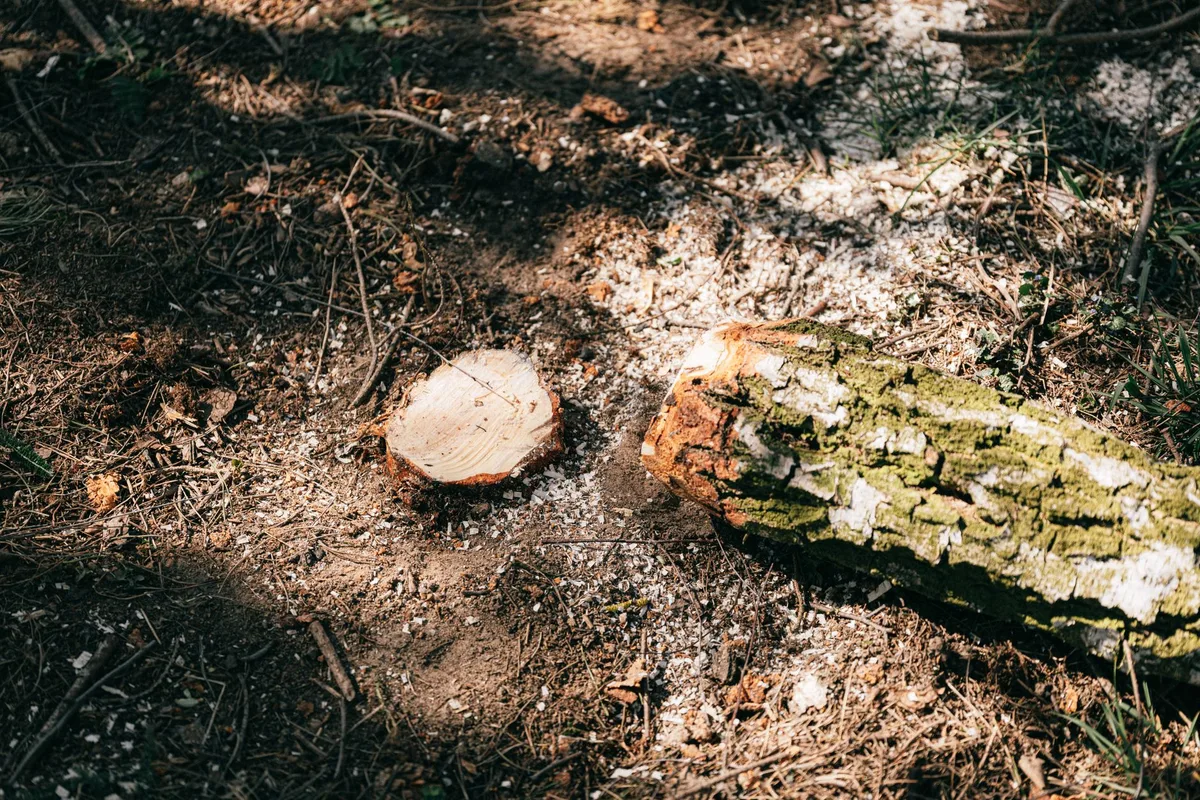
This is the most common mistake in clay soil gardens. Fresh wood chips have a C:N ratio around 400:1. Microbes gobble up all available nitrogen to break them down, leaving your plants starved.
Always compost wood chips first or use them only as surface mulch. Never mix them into the top few inches of soil. If you already did this, add a nitrogen source like blood meal to compensate.
Tilling in organic matter every year
Tilling speeds up decomposition, which sounds good but actually depletes organic matter faster in the long run. Each pass of the rototiller breaks apart soil aggregates and exposes organic matter to oxygen, turning it into carbon dioxide. No till methods preserve what you build.
If you must till, do it once to establish a bed, then switch to surface applications.
Using fresh manure too close to harvest
The USDA National Organic Program requires a 60 to 90 day interval between fresh manure application and harvest of edible crops. This protects against pathogens like E. coli and salmonella. Fresh manure also contains high ammonia levels that can burn tender roots.
Always age manure for at least six months or compost it properly before using it on food crops.
Over applying organic matter to clay soil
Clay soil already holds water well. Adding too much organic matter, especially fine materials, creates a waterlogged environment that suffocates roots. Stick to 1 to 2 inches of coarse materials per year on clay.
Aerate compacted clay before adding anything. If you notice standing water after rain, you added too much.
Ignoring C:N ratio
The carbon to nitrogen ratio of your amendment matters. A C:N ratio above 30:1 means nitrogen tie up. Below 15:1 means nitrogen loss through volatilization.
Finished compost sits around 20:1. Manure varies but usually falls in the safe zone. If you mix materials, keep the blend balanced.
Signs of trouble include yellowing lower leaves and slow growth. A balanced approach also helps your lawn stay healthy without needing heavy chemical inputs, reducing the need for rescue treatments.
Buying bagged soil products blindly
Many bagged garden soils are mostly peat moss or bark fines with little actual organic matter. Check the label. Look for the organic matter percentage and the ingredient list.
If it says "composted forest products" without specs, it is probably just bark. Bagged compost from municipal sources often has better quality and lower cost.
Real Scenarios: Three Gardens, Three Decisions
Theory is useful, but real examples show how this all comes together.
Scenario A: New clay soil vegetable garden
Your soil is heavy red clay. Water pools after rain. A soil test shows 1.2% organic matter.
You want to grow tomatoes, peppers, and squash. The right move is to add coarse arborist wood chips as a 3 inch topdress on pathways and between rows. Plant a winter rye cover crop in the fall.
In spring, cut the rye and topdress with 1 inch of finished compost. Do not till. Let the worms and roots do the work.
After two seasons, organic matter should reach 3% or higher.
Scenario B: Sandy flower bed that dries out every summer
Your soil is loose sand. Water runs through in minutes. Perennials wilt by noon on hot days.
Mix coconut coir into the top 6 inches at a rate of 20% by volume. Topdress with 2 inches of leaf mold. Mulch the surface with 1 inch of shredded bark to slow evaporation.
Apply a slow release organic fertilizer in spring and again in midsummer. After one season, water retention will improve noticeably. A consistent layer of leaf litter and fine organic matter will keep your flower beds resilient through dry spells.
Scenario C: Established no till raised bed with low fertility
Your raised bed has been growing vegetables for three years. Yields are dropping. A soil test shows 4% organic matter but low potassium and phosphorus.
Topdress with 1/2 inch of worm castings and 1 inch of finished compost. Add a balanced organic fertilizer high in potassium. Water in well.
Avoid disturbing the soil surface. Within one growing season, soil biology will rebound and yields should return to previous levels.
Long Term Maintenance: Keeping Organic Matter Levels Up
Organic matter does not stay put. It decomposes naturally every year. In warm humid climates, you can lose 2% to 5% of your soil organic matter annually.
In cool dry climates, losses are slower but still happen. You must replace what you lose.
How much to replace each year
A maintenance application of 1/2 to 1 inch of finished compost per year keeps levels steady. If you grow heavy feeders like corn or tomatoes, bump it to 1 inch. If you use cover crops, you can reduce compost applications by half.
The goal is to match the decomposition rate with your additions.
The role of mulching in sustaining organic matter
Organic mulches like wood chips, straw, and shredded leaves break down slowly. They feed the soil as they decompose. A 2 to 3 inch mulch layer reduces evaporation, suppresses weeds, and adds organic matter without any extra work.
Replenish the mulch when it drops below 1 inch thick. This is the lowest effort way to maintain soil health long term.
Rotating amendments based on soil test results
Do not apply the same amendment every year blindly. Soil tests change. If your potassium is high but phosphorus is low, switch amendments to address the imbalance.
Worm castings are high in phosphorus. Composted manure is balanced. Leaf mold adds potassium.
A rotation of different materials prevents nutrient buildup and keeps soil biology diverse.
Frequently Asked Questions
Can I add too much organic matter?
Yes. More than 5% to 8% organic matter in mineral soil can cause waterlogging, nutrient imbalances, and root diseases. Clay soils hit problems faster than sandy soils.
Stick to 1 to 2 inches of compost per year for maintenance. Do not exceed 3 inches in a single application.
How long does it take to see results?
You will notice improved soil texture and water infiltration within one growing season. Significant organic matter increases, measured by lab tests, take two to three years of consistent applications. Soil biology responds faster.
Earthworm populations often double in the first year.
Can I use grass clippings and leaves straight from my yard?
Yes with caution. Fresh grass clippings are high in nitrogen and can burn plants if applied thick. Spread them in thin layers no more than 1 inch deep.
Shredded leaves break down faster than whole leaves. Avoid leaves from black walnut trees as they contain juglone, a natural herbicide. Do not use clippings from lawns treated with herbicides or weed and feed products.
Do I need to add anything else along with organic matter?
Organic matter improves soil structure and nutrient availability, but it may not correct severe mineral deficiencies. If your soil test shows low phosphorus, potassium, or specific micronutrients, add targeted amendments. Rock phosphate, greensand, and kelp meal complement organic matter well.
A balanced approach ensures your plants get everything they need.
What is the cheapest way to add organic matter?
Free sources are everywhere. Arborist wood chips are often free if you let them drop a load. Municipal compost is cheap or free in many towns.
Your own leaves, grass clippings, and kitchen scraps cost nothing. Cover crop seed is inexpensive. The cheapest method is to grow your own organic matter in place with a cover crop.
It takes planning but costs almost nothing.
Can I use organic matter in containers?
Yes but carefully. Container soil needs a mix that drains well but holds moisture. Use 20% to 30% compost or coir by volume.
Too much organic matter in a container compacts and suffocates roots. Refresh the mix each season. Organic matter in containers decomposes much faster than in ground because of frequent watering and warm temperatures.
Final Decision Guide: Your Step by Step Flowchart
Here is the whole process in one tight checklist.
Step 1: Test your soil
Run a lab test or DIY texture test. Know your soil type and current organic matter percentage.
Step 2: Pick your amendment
If clay, choose coarse materials. If sand, choose fine spongy materials. If loam, choose finished compost.
Step 3: Pick your application method
No till? Topdress. Tilled garden?
Incorporate but expect faster losses. Raised bed? Blend in or topdress.
Step 4: Pick your timing
Fall for fresh manure and coarse materials. Spring for finished compost and aged manure.
Step 5: Apply at the right rate
1 inch per year for maintenance. 2 to 3 inches for degraded soil. Never exceed 3 inches on clay.
Step 6: Maintain yearly
Reapply 1/2 to 1 inch of compost annually. Rotate amendments based on soil test results. Keep a 2 to 3 inch organic mulch layer on top.