How to Increase Soil Fertility 2026: Everything You Need
If you have ever dumped a bag of compost on your garden and wondered why the plants still look weak, you are not alone. Learning how to increase soil fertility starts with understanding what your soil actually needs. The secret is not more stuff.
It is the right stuff at the right time.
Research from land-grant university extension services shows that over 80 percent of home soil samples have either a pH imbalance or a major nutrient deficiency. That means most of us are guessing, and guessing costs money and time. A simple soil test changes everything.
Here is exactly what to do.
The Real Problem: Why Your Soil Is Not Getting Better (Even When You Try)
Most gardeners make the same mistake. They see yellow leaves and reach for nitrogen. They see poor growth and add more compost.
The real problem is that each soil is different. Your neighbor's garden is not your garden.
For example, clay soil holds nutrients well but drains slowly. Sandy soil leaches nutrients fast. A generic approach works for neither.
Without a baseline, you are flying blind.

A soil test eliminates the guesswork. It tells you exactly what is missing and what is in excess. That is the only way to make smart decisions.
It also prevents you from wasting money on amendments you do not need.
Another common mistake is thinking that organic matter alone fixes everything. Organic matter is critical, but it cannot correct a pH of 5.0 or compensate for severe compaction. You need to address problems in the right order.
As of 2026, the soil testing process is easier than ever. Most county extension offices offer mail-in kits. Results come back in one to two weeks with specific recommendations for your region.
Quick Answer
Test your soil first. Fix the pH with lime or sulfur. Add organic matter like compost or manure.
Balance major nutrients based on test results. Improve soil structure with cover crops or gypsum. Retest every two years.
The Workflow: A Decision Tree for Soil Health
Think of soil fertility as a checklist with branches. Depending on your test results, you take different paths. Here is the simple three-step workflow.
Step 1: Soil Test – No Exceptions
Order a basic soil test from your local extension office. It costs about $15 to $30. The test measures pH, organic matter percentage, and levels of phosphorus, potassium, calcium, and magnesium.
Some labs also test for micronutrients like zinc and iron.
A standard test will also include the buffer pH. That tells you how much lime is needed to raise pH. Without that number, you are guessing the rate.
Step 2: Read the Results – What Matters Most
Look at three numbers first: pH, organic matter, and the primary nutrients. If pH is below 6.0 or above 7.5, that is your top priority. If organic matter is below 3 percent, that comes next.
If pH and organic matter are fine, then look at individual nutrient levels.
Most home test kits are not accurate enough for this. Use a lab. For container gardens, you can follow general guidelines, but for in-ground beds, lab testing is essential.
Step 3: Choose Your Branch Based on Results
Based on your test, you will land in one of four branches: pH correction, organic matter building, nutrient balancing, or structure repair. Some gardens need more than one. Address them in this order: pH first, then structure, then organic matter, then nutrients.
| Branch | Primary Issue | First Action |
|---|---|---|
| Branch 1 | pH too low or high | Apply lime or sulfur |
| Branch 2 | Low organic matter | Add compost or plant cover crops |
| Branch 3 | Nutrient imbalance | Apply targeted organic amendments |
| Branch 4 | Compaction or poor structure | Aerate, add gypsum, or plant deep-rooted cover crops |
This order matters. You cannot fix nutrient availability if pH is blocking it. You cannot build organic matter if roots cannot penetrate compacted soil.
Branch 1: pH Is Off – Fix This First
Why pH Blocks Everything Else
pH controls nutrient availability. At a pH of 5.0, aluminum toxicity can stunt roots. At a pH of 8.0, iron and manganese become unavailable.
Most vegetables grow best in a range of 6.0 to 7.0.
If you ignore pH, any fertilizer you add will be partially wasted. That is why this branch comes first. Even the best organic matter cannot correct a pH that is off by two full points.
If Too Acidic (Below 6.0): Lime, Wood Ash, or Both?
For acidic soil, agricultural lime is the standard. It raises pH slowly and steadily. Wood ash works faster but is more potent.
Apply no more than 10 pounds per 100 square feet per year. Retest after six months.
Pelletized lime is easier to spread than powdered lime. It also has less dust. For small gardens, use calcitic lime unless your test shows a magnesium deficiency.
In that case, use dolomitic lime.
If Too Alkaline (Above 7.5): Elemental Sulfur or Organic Matter
To lower pH, elemental sulfur is the most common choice. It takes weeks to months to act. Organic matter like peat moss or compost can also help, but sulfur is more precise.
Apply 1 to 2 pounds per 100 square feet to drop pH by about one unit.
Do not use aluminum sulfate for home gardens. It adds aluminum to the soil, which can be toxic to plants at high levels. Stick with elemental sulfur.
How Much to Apply and When to Re-Test
Your soil test report will give a recommended application rate. Follow it. Do not overapply.
Re-test pH every year until it stabilizes. Once it is in the target range, a light maintenance application every two to three years is usually enough.
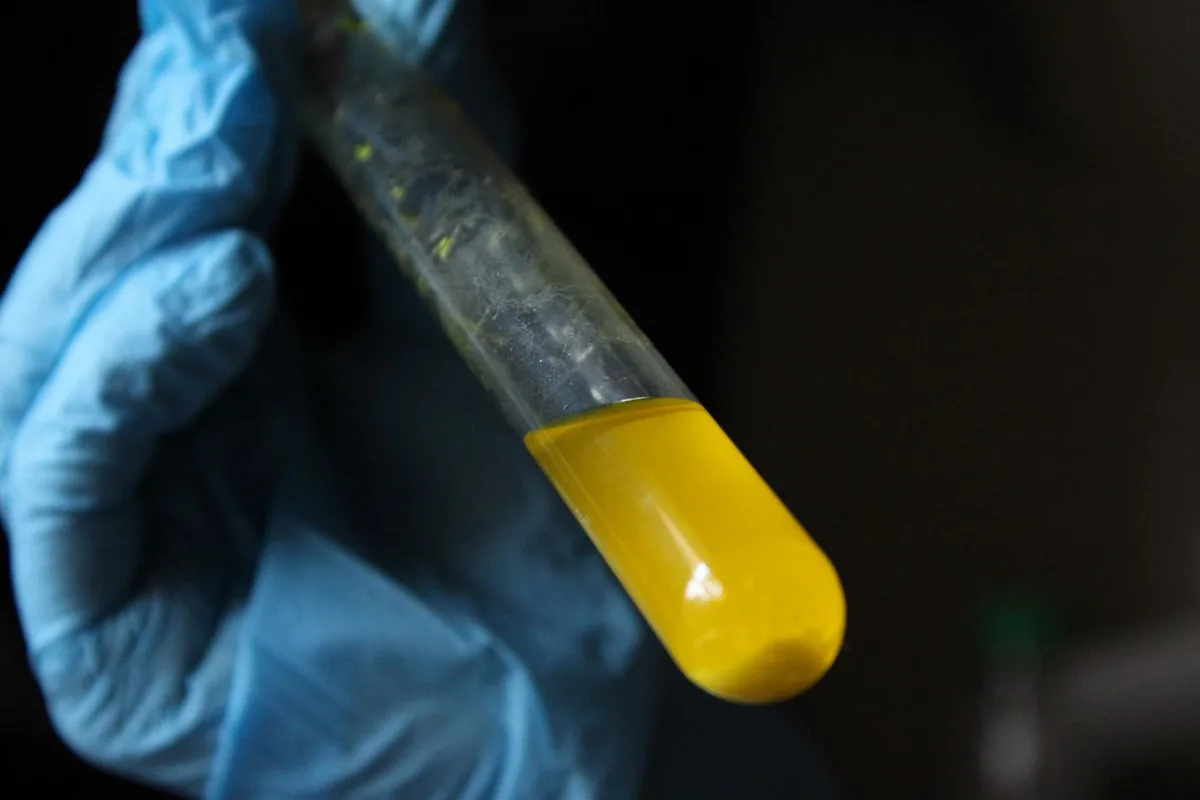
If you are growing acid-loving plants like blueberries or azaleas, keep the pH between 4.5 and 5.5. For most vegetables, flowers, and lawns, the sweet spot is 6.2 to 6.8. Checking the requirements for specific plants helps you fine-tune.
For example, choosing the right plants for your soil conditions saves effort. If you are starting a new flower bed, look into the best flowers for flower beds that match your existing pH.
Branch 2: Low Organic Matter – The Long Game
Why Organic Matter Is the Foundation
Organic matter improves water retention, feeds microbes, and releases nutrients slowly. Target 5 percent organic matter for vegetable gardens. Most soils start around 1 to 2 percent.
Building organic matter takes time. It is not a quick fix. You add material every season, and over years, the levels rise.
That is why this branch is called the long game.
Best Sources and Application Rates
Not all organic matter is the same. Here is a breakdown of common sources.
| Source | Nutrient Content | Application Rate | Speed |
|---|---|---|---|
| Compost | Low NPK, high organic matter | 1–2 inches per year | Medium |
| Well-rotted manure | Variable NPK, high organic matter | 1–2 inches per year | Medium |
| Cover crops (green manure) | Varies by species | Plant in off-season | Slow |
| Leaf mulch | Low NPK, high carbon | 2–3 inches as mulch | Slow |
| Biochar | Zero NPK, high carbon storage | 5–10% by volume | Very slow |
For a newly built garden, incorporate 2 inches of compost into the top 6 inches of soil. After that, top-dress annually with 1 inch. Do not till deeply every year.
That destroys soil structure and burns through organic matter.
Manure must be composted or aged for at least six months. Fresh manure burns roots and can introduce pathogens. If you buy bagged manure, check that it is labeled composted.
Using Cover Crops for Living Organic Matter
Cover crops like crimson clover or winter rye add organic matter while preventing erosion. Legumes like clover also fix nitrogen. Plant them in fall and till them under in spring before planting.
For small gardens, buckwheat works well in summer. It grows fast and suppresses weeds. For larger areas, use a mix of rye and hairy vetch.
Cover crop roots also help break up compacted soil. That is a bonus for soil structure. If you have heavy clay, radishes or daikon can punch deep channels into the soil.
How to Apply Without Hurting Soil Biology
Top-dressing is better than tilling. Spread compost on the surface. Earthworms and microbes pull it down.
If you must incorporate, use a broadfork or spade rather than a rototiller. Tilling shreds fungal networks and speeds up organic matter loss.
For container gardens, use a high-quality potting mix with compost. You cannot build organic matter the same way in pots because the volume is limited. Instead, focus on regular feeding with a balanced organic fertilizer.
The best plant fertilizer for indoor plants can help maintain fertility in small containers.
Do not overdo it. Very high organic matter levels above 8 percent can lead to nutrient leaching and anaerobic conditions. More is not always better.
Stick with 5 percent as the goal for most vegetable beds.
A Note on Biochar
Biochar is a stable form of carbon that stays in the soil for hundreds of years. It helps retain water and nutrients. But it does not add fertility by itself.
You must charge it first by mixing it with compost or soaking it in compost tea. Apply at 5 to 10 percent of soil volume. It works best in sandy soils that struggle to hold nutrients.
If you have fruit trees, they benefit especially from organic matter. Their root systems need consistent moisture and nutrient cycling. The best organic fertilizer for fruit trees often relies on well-rotted manure and compost applied as a top-dress each spring.
Matching Organic Matter to Your Garden Type
Different situations call for different approaches. Here is how to decide.
- New garden beds: Incorporate 2 inches of compost. Plant a cover crop the first season.
- Established beds: Top-dress with 1 inch of compost each spring. Use mulch to reduce evaporation.
- Lawns: Leave grass clippings. Top-dress with 1/4 inch of compost in fall.
- Container gardens: Use a soil mix with 20 to 30 percent compost. Replenish each season.
The key is consistency. Building organic matter is not a one-time task. It is an annual habit.
Over three to five years, you will see a dramatic difference in soil texture and plant health.
If you are dealing with lawn diseases or poor turf growth, soil fertility plays a major role. Weak grass is more susceptible to fungus. Using the best fungicide for lawns helps in the short term, but building healthy soil prevents problems long term.
Why the Order Matters
Remember the decision tree. You fix pH first, then structure, then organic matter, then nutrients. If you add organic matter to soil with a pH of 5.0, the microbes cannot work well.
The organic matter breaks down slowly. You get little benefit.
Similarly, if your soil is compacted, organic matter stays on the surface. It does not integrate. Roots cannot reach it.
Fix compaction first, then add organic matter.
That is why this workflow exists. Each step prepares the ground for the next. Skip a step, and the whole process stalls.