Guide to Compost Vs Topsoil 2026
You are standing in the garden center staring at two piles of dirt. One is dark, crumbly, and smells like a forest floor. The other is heavier, more like what you dig up from a backyard.
The Compost vs Topsoil decision can make or break your gardening season.
Here is one concrete detail to anchor your choice. Per USDA Natural Resources Conservation Service guidelines, topsoil typically contains less than 5% organic matter by weight. Compost can hold 30 to 60%.
That single metric explains most of their different roles. Let's dig into what each one does best.
Quick Answer
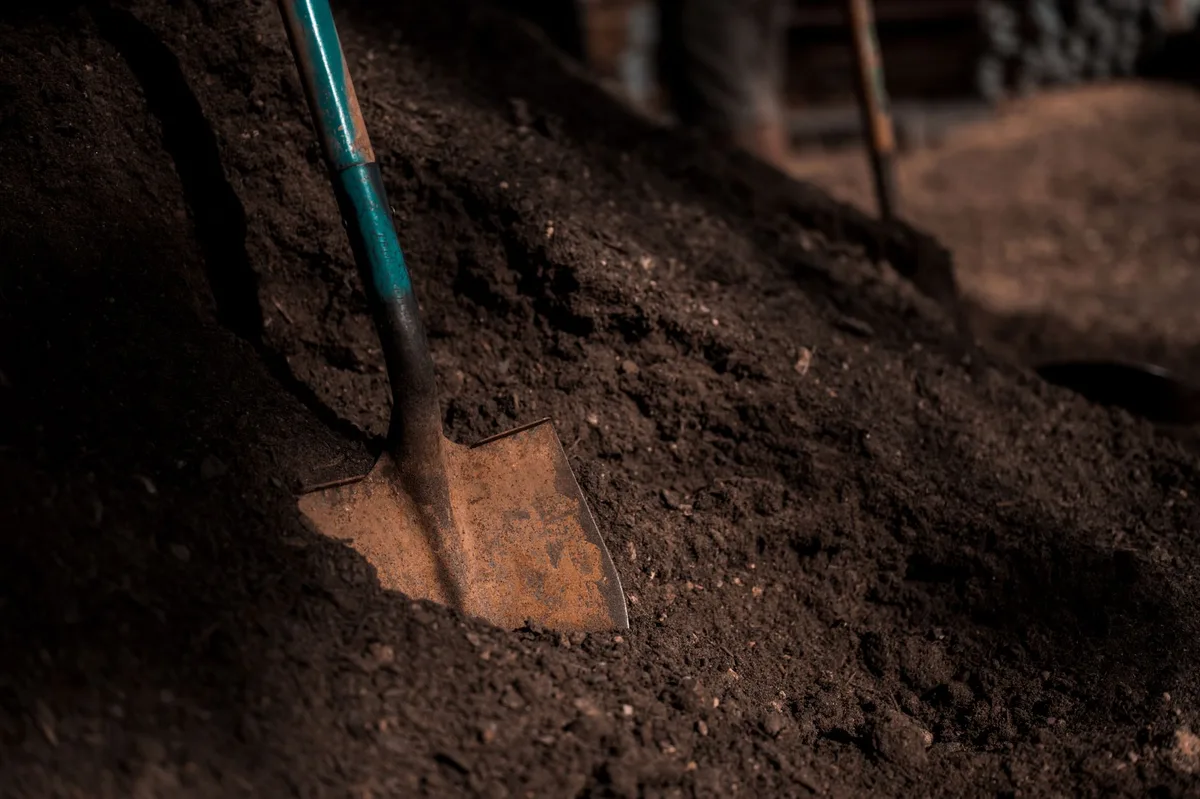
Use topsoil for volume and structure. Use compost for nutrients and biology. Topsoil fills holes and supports roots.
Compost feeds the soil food web. A mix of both works best for most gardens. The right choice depends on your project.
For a new garden bed, blend them together. For a mature bed, top dress with compost annually.
What Exactly Is Topsoil?
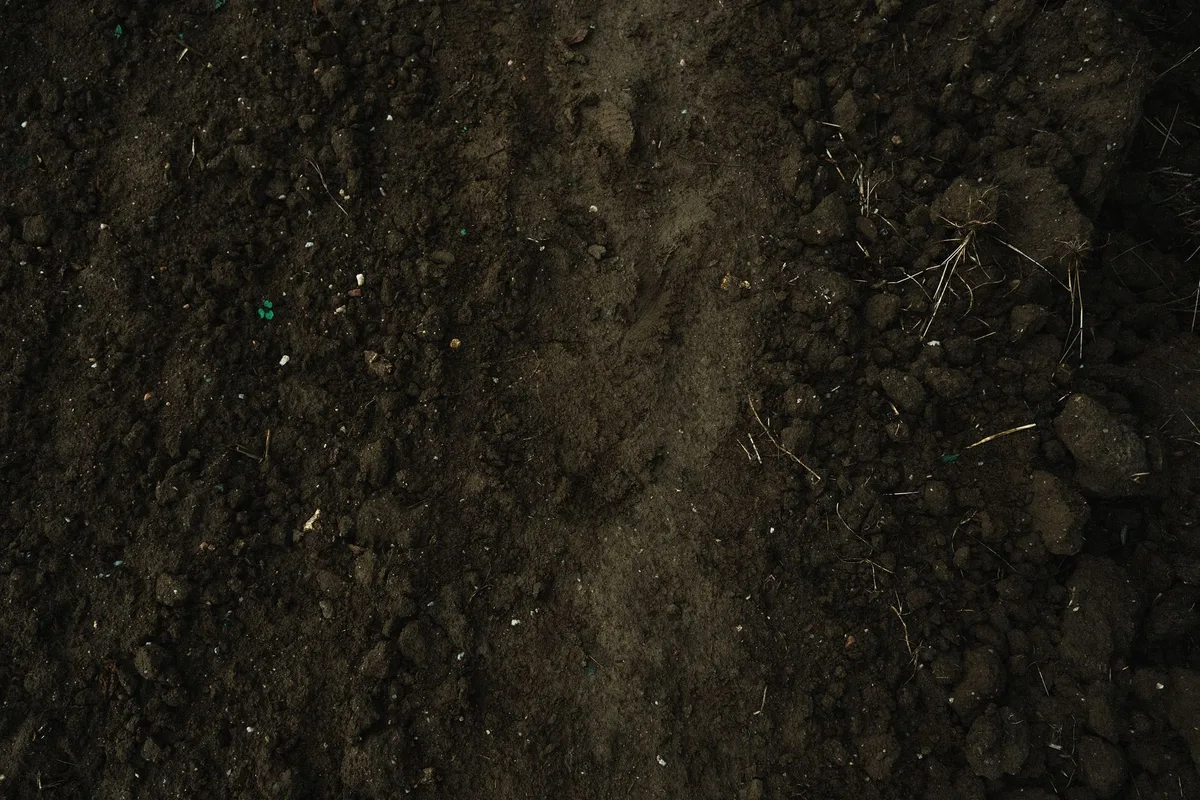
Topsoil is the uppermost natural soil layer. It is the top 2 to 8 inches of the earth's crust. It contains sand, silt, clay, and a small amount of organic matter.
What you buy in bags is usually this material dug up and screened.
Screened topsoil has passed through a sieve to remove rocks and debris. Unscreened topsoil is cheaper but can contain stones and roots. Blended products often add compost or sand.
The quality varies wildly between suppliers.
What You Are Actually Buying
| Type | Texture | Best Use |
|---|---|---|
| Screened topsoil | Uniform, loose | Lawns, flower beds, grading |
| Unscreened topsoil | Variable, rocky | Large fill projects, cheap bulk |
| Blended garden soil | Mixed with compost | Raised beds, new gardens |
The pros of topsoil are clear. It provides mineral structure that roots need to anchor. It is cheaper per cubic yard than compost.
It is perfect for fixing low spots or changing the grade of a yard.
The cons matter too. It has low nutrients. It can contain weed seeds if the source was not managed well.
It may lack the biology that makes soil alive. Some suppliers sell subsoil as topsoil, which is essentially dead dirt.
For establishing a new flower bed, topsoil provides the structure roots need. Pair it with the right plants, like those recommended in our guide to the best flowers for flower beds. A good base of topsoil gives perennials a stable home for years.
What Exactly Is Compost?
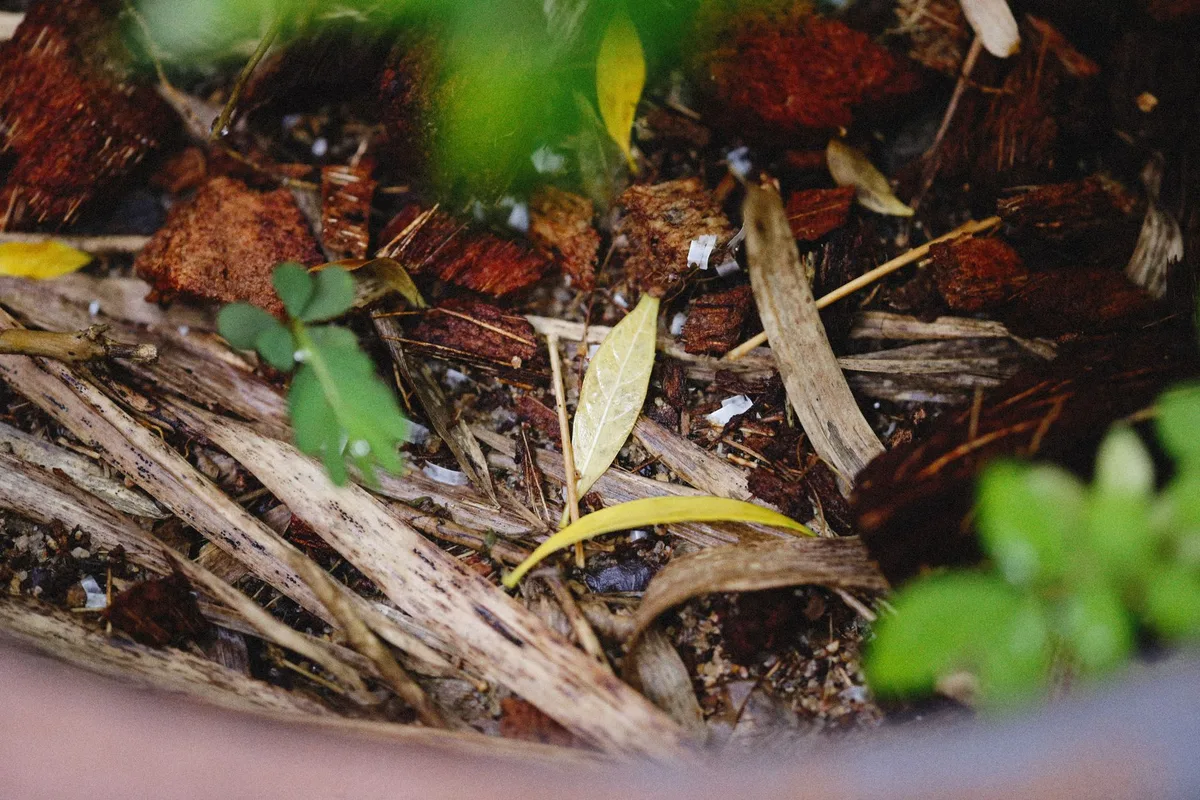
Compost is decomposed organic matter. It is the result of controlled aerobic breakdown of plant material. It looks like dark, crumbly earth with an earthy smell.
It is alive with microbes, fungi, and beneficial organisms.
There are several common types you will find for sale.
| Type | Source | Nutrient Profile | Best Use |
|---|---|---|---|
| Mushroom compost | Spent mushroom substrate | Low N, high calcium | Raised beds, vegetables |
| Manure compost | Cow, chicken, horse | High N, variable | Heavy feeders, soil building |
| Leaf mold | Decomposed leaves | Low N, high carbon | Mulch, moisture retention |
| Green waste compost | Municipal yard clippings | Moderate, balanced | General soil amendment |
Compost improves water retention significantly. It increases the cation exchange capacity of soil, meaning it holds nutrients for plants to use. It suppresses some soil-borne diseases.
It feeds a diverse soil food web that helps plants resist stress.
The benefits are substantial. A 1-inch layer of compost applied annually to a garden bed can replace synthetic fertilizers. It buffers soil pH, preventing extreme swings.
It builds long-term organic matter in the soil.
Compost is the closest thing you can get to a slow-release fertilizer. It feeds the soil the way the best organic fertilizer for fruit trees nourishes the root zone. That gentle, steady nutrient release is key for productive plants.
Compost vs Topsoil: Side-by-Side on Nutrients, Biology, and Price
This is where the decision becomes clear. Here is the head-to-head comparison that matters.
| Feature | Topsoil | Compost |
|---|---|---|
| Organic matter | 1% to 5% | 30% to 60% |
| Nutrient content (N-P-K) | Very low | Moderate (~1-1-1) |
| Microbial life | Low to none | High and diverse |
| Water holding capacity | Low to medium | High |
| Drainage | Depends on clay/sand content | Excellent when mature |
| Bulk density | ~2000 to 2700 lbs per cu yd | ~800 to 1200 lbs per cu yd |
| Cost per cubic yard | $20 to $50 | $30 to $100 |
| Best role | Volume and structure | Biology and feeding |
Which One Feeds Your Plants
Topsoil does not feed plants directly. It provides the physical support and the mineral framework. Compost feeds the soil organisms that in turn feed your plants.
In our research, the USDA Agricultural Research Service confirms that compost increases soil organic matter more effectively than any other amendment. Topsoil alone cannot do that. But compost alone cannot provide the bulk needed for root anchorage in a new garden.
The ideal approach is to use each for its strength. Topsoil gives you the volume. Compost gives you the fertility.
Together they outperform either one alone.
For flowers that need consistent feeding, compost outperforms plain topsoil. Pair it with a good fertilizer regimen like those detailed in our guide to the best slow release fertilizer for flowers. That combination gives you sustained growth through the season.
When to Use Compost (And When It Is the Wrong Choice)
Compost shines in several specific situations. It is not a universal solution.
Best Scenarios
- Vegetable gardens. Vegetables are heavy feeders. A 2-inch layer of compost tilled into the top 6 inches of soil provides all the nutrients they need for the season.
- Raised beds. A mix of 50% topsoil and 50% compost is the standard recommendation. It gives good structure and high fertility.
- Established perennial beds. Top dressing with 1 inch of compost each spring feeds the soil without disturbing roots.
- Soil building. If your native soil is compacted clay or pure sand, compost improves texture, drainage, and biology over time.
The Too Much of a Good Thing Problem
Pure compost used as a growing medium causes drainage problems. It holds too much water and can drown roots. It shrinks as it decomposes, leaving plants with unstable footing.
It can release nutrients too quickly.
Unfinished or "hot" compost can burn tender roots. This happens when the composting process did not complete fully. The ammonia and high temperatures damage root tissue.
For heavy feeders like vegetables, compost boosts yield significantly. A similar principle applies to many garden plants, from the best flowers for flower beds to your vegetable patch. The key is using compost as an amendment, not a sole growing medium.
If you are planting in containers or hanging baskets, avoid pure compost. Use a soilless mix instead. Compost in containers compacts and creates waterlogging issues.
For indoor plants or shade hanging baskets, a lighter mix with perlite or coco coir works better.
When Compost Falls Short
- Filling large holes. Compost shrinks as it decomposes. Use topsoil to fill low spots.
- Grading and leveling. You need mineral material that will not settle over time.
- Lawn establishment. A layer of topsoil provides the stable seedbed that grass needs. Compost is too light and fluffy for good seed-to-soil contact.
When to Use Topsoil (And When It Falls Short)
Topsoil is the right choice when you need volume, structure, or a stable base. It does not provide many nutrients. But that is not its job.
Best Scenarios
- Filling low spots. Topsoil does not shrink much over time. It stays where you put it. Compost would settle and leave a dip.
- Grading and leveling. You need mineral soil to change the slope of a yard. Topsoil provides that heavy, stable bulk.
- New lawn establishment. Grass seed needs good seed-to-soil contact. A 4 to 6 inch layer of screened topsoil gives the perfect seedbed.
- Fixing erosion. Heavy topsoil resists washing away better than light compost.
- Backfilling around foundations. You need material that will not decompose and create voids. Topsoil is the safe choice here.
The Dead Dirt Risk
Not all topsoil is good topsoil. Some suppliers sell subsoil, which is the layer below the top 8 inches. Subsoil has almost no organic matter.
It is heavy clay or sand. Plants struggle to grow in it.
The cost difference matters here. Cheap topsoil is often cheap for a reason. It may contain rocks, weed seeds, or construction debris.
Per ASTM D5268 standard specifications for topsoil, quality material should have no more than 15% clay and less than 1% visible debris.
If you are building raised beds for vegetables, do not use plain topsoil alone. It lacks the fertility that crops need. Blend it with compost or use a pre-mixed garden soil.
For trees and shrubs in hot dry climates, topsoil provides the stable root environment they need. Pair it with drought-tolerant species from our guide to the best trees for hot dry climates. Deep roots in quality topsoil handle drought better.
When Topsoil Falls Short
- Poor soil that needs fertility. Topsoil adds no nutrients. You still need fertilizer or compost.
- Container gardens. Topsoil is too heavy for pots. It compacts and drowns roots.
- Established gardens. Topsoil does not improve soil biology. Compost is better for feeding existing beds.
Common Mistakes People Make
Burning Roots with Hot Compost
Hot compost sounds good. It has a high nutrient content. But if it is not fully finished, it can destroy your plants.
Unfinished compost smells like ammonia. It has not completed the decomposition process. When you add it to soil, it continues breaking down and generates heat.
That heat damages tender root tissue.
The fix is simple. Only use compost that is dark, crumbly, and smells earthy. If you are unsure, let it cure for another month before using it.
Planting in Pure Compost
This is the most common mistake we see. People think more nutrients means better growth. Pure compost has terrible drainage.
It holds too much water. Roots rot.
Compost shrinks as it continues to decompose. A plant in pure compost can end up with exposed roots within a few months. The plant becomes unstable.
The rule of thumb is simple. Never use more than 50% compost in a growing mix. Blend it with topsoil, sand, or coco coir for proper structure.
Buying Dirt That Is Actually Subsoil
We mentioned this earlier. Subsoil looks like dirt. But it lacks the biology and organic matter of true topsoil.
Check the color. Good topsoil is dark brown. Subsoil is often lighter, yellow, or gray.
It may have a sticky or dusty texture.
Ask your supplier where the material comes from. Reputable sellers can tell you the source. If they cannot, find another supplier.
Ignoring Weed Seeds in Topsoil
Uncomposted topsoil sometimes contains weed seeds. This is especially true with cheap bulk deliveries. You spread it, water it, and get a crop of weeds.
Screened topsoil reduces this risk. But it does not eliminate it. Heat-treated topsoil is the safest option for lawns and flower beds.
For indoor plants and hanging baskets, avoid topsoil entirely. Use a soilless potting mix. The best flowers for shade hanging baskets need light, weed-free media that drains well.
How to Tell If You Are Getting Good Stuff
You do not need a lab test to check basic quality. Three simple tests tell you most of what you need to know.
The Smell Test
Good topsoil smells like earth after rain. It is fresh and mineral. Bad topsoil smells like sewage, chemicals, or sour milk.
Compost should smell woody like a forest floor. Any strong or unpleasant odor means the material is not finished or is contaminated.
The Squeeze Test
Take a handful of moist soil. Squeeze it. Good topsoil forms a loose ball that crumbles when you poke it.
Pure sand falls apart immediately. Pure clay holds a tight ball that does not break. You want something in the middle.
For compost, squeeze a handful. It should hold its shape but break apart easily. If water runs out, it is too wet.
If it crumbles into dust, it is too dry.
What to Ask Your Supplier
- Where does this material come from?
- Has it been screened? To what size?
- Has it been tested for pH or nutrients?
- Is it certified organic or OMRI listed?
- Do you have recent test results?
Reputable suppliers have answers. They usually provide test results showing pH, organic matter percentage, and nutrient levels. If they hesitate, move on.
For garden beds that need precise pH, you can adjust with amendments. Our guide to the best fertilizer for bougainvillea in pots shows how targeted feeding works for plants that need specific conditions.
What About Blended Products? (Raised Bed Mix, Garden Soil)
Garden centers sell bags labeled garden soil or raised bed mix. These are pre-blended products. They combine topsoil, compost, and sometimes sand or perlite.
When to Buy Pre-Mixed
- Small projects. One or two bags are worth the convenience.
- New raised beds. A good raised bed mix has the right balance already figured out.
- Container gardens. These blends are lighter than plain topsoil.
When to DIY Your Own Blend
- Large projects. Buying topsoil and compost separately costs less per yard.
- Specific plant needs. You can adjust the ratio for different crops.
- Quality control. You know exactly what is in the mix.
What to Look For in a Blend
Check the label. You want a mix that lists both topsoil and compost as ingredients. Avoid products that are mostly peat moss or bark fines.
They look dark but lack structure.
A good raised bed mix is about 40% topsoil, 40% compost, and 20% aeration material like perlite or coarse sand. That ratio drains well and holds enough nutrients for a full season.
For starting seeds, you need something lighter. The best grow light for seedlings works best with a fine, sterile starting mix. Do not use garden soil or heavy topsoil for seed starting.
How to Mix Them Together (The 50/50 Rule and Beyond)
The 50/50 blend of topsoil and compost is the gold standard for many gardens. It gives you the structure of mineral soil and the biology of compost. But different projects need different ratios.
For Vegetable Gardens
Mix 50% topsoil and 50% compost. Till it into the top 8 inches of existing soil. This gives vegetables the fertility they need for heavy production.
Tomatoes, peppers, and squash are heavy feeders. They benefit from a slightly richer mix. Try 40% topsoil and 60% compost for these crops.
For Flower Beds
Use 60% topsoil and 40% compost. Flowers need good drainage more than extreme fertility. Too much compost can lead to lush foliage with fewer blooms.
For shade gardens, add extra organic matter. The best plants for dark bathroom conditions and similar low-light spots benefit from moisture-retentive soil. Increase the compost to 50% in these areas.
For Lawns
Use 80% topsoil and 20% compost. Lawns need stable footing. Too much compost makes the surface spongy.
A thin layer spread over the existing lawn works best for topdressing.
For Raised Beds
The standard recipe is equal parts topsoil, compost, and aeration material. The aeration material can be coarse sand, perlite, or coco coir. This gives you depth, biology, and drainage all at once.
For Trees and Shrubs
Do not amend the backfill. Use the native soil you dug out. Research from Cornell University confirms that trees planted in amended holes grow roots that stay in the rich soil instead of spreading.
This leads to girdling roots and weak trees.
The exception is if you are dealing with pure construction fill. In that case, mix the native soil 50/50 with compost before backfilling.
A Quick Word on Cost and Volume
Compost costs more per cubic yard than topsoil. Expect to pay $30 to $100 for compost and $20 to $50 for topsoil. The gap narrows when you buy in bulk.
Bagged material is always more expensive per yard. A 1-cubic-foot bag of compost runs $3 to $8. That works out to $80 to $215 per cubic yard.
Bulk delivery cuts the price by half or more.
For large projects, order by the cubic yard. A standard dump truck holds about 10 to 15 yards. Measure your area in square feet and multiply by the depth in inches.
Divide by 324 to get cubic yards.
The Final Verdict: Does It Have to Be One or the Other?
Rarely. Most gardens benefit from both. Topsoil provides the mineral structure roots need.
Compost feeds the biology that makes soil alive.
The only time you choose one over the other is when the project demands it. Filling a hole needs topsoil. Feeding an established bed needs compost.
For everything else, blend them.
Three Questions to Ask Yourself Before You Buy
- What is the project? Filling, grading, or lawn? Pick topsoil. Planting, feeding, or soil building? Pick compost. Both? Blend them.
- What is your existing soil like? Heavy clay needs compost and sand. Sandy soil needs compost and topsoil. Good loam just needs annual compost.
- What is your budget? If you need volume, topsoil stretches further. If you need fertility, compost delivers more per pound.
Quick Decision Guide
| Your Goal | What to Use | Ratio |
|---|---|---|
| New vegetable garden | Blend | 50% topsoil, 50% compost |
| Fix a low spot | Topsoil | 100% topsoil |
| Improve poor soil | Compost | 2-inch layer, tilled in |
| New lawn | Topsoil | 100% screened topsoil |
| Established flower bed | Compost | 1-inch topdress annually |
| Raised bed | Blend | Equal parts topsoil, compost, aeration |
Frequently Asked Questions
Can I use compost instead of topsoil for a lawn?
No. Compost is too light and fluffy for good seed-to-soil contact. Use screened topsoil for new lawns.
Top dress existing lawns with a thin layer of compost.
How long does compost take to break down in soil?
Compost continues decomposing for 1 to 3 years after application. It shrinks as it breaks down. Plan for a 10 to 20% volume loss over the first season.
Is bagged topsoil any good?
It varies. Read the label. Look for screened topsoil with no fillers.
Avoid products that list peat moss as the first ingredient. Those are potting mixes.
Can I mix compost and topsoil together?
Yes. That is the standard recommendation for most gardens. A 50/50 blend gives you structure and fertility in one step.
Does topsoil expire?
No. Topsoil stores indefinitely if kept dry. Compost loses potency over time.
Use compost within 1 year of purchase for the most microbial activity.
How deep should I spread topsoil for a new garden?
For a vegetable garden, aim for 6 to 8 inches. For a flower bed, 4 to 6 inches is enough. For a lawn, 4 to 6 inches of quality topsoil gives grass a strong start.