Guide to Mulching Vs Bagging Grass Clippings 2026
You've been mowing your lawn every Saturday for months, and you still can't decide whether to let the clippings fly or catch every last blade. The debate around Mulching vs Bagging Grass Clippings is one of those lawn care questions that seems simple but actually depends on your specific situation. The short answer is that mulching returns valuable nitrogen to your soil while bagging gives you that pristine, carpet-like look.
Here's what the research actually shows. University extension studies consistently report that grass clippings contain about 4 percent nitrogen by dry weight, which means a season of mulching can replace roughly one full fertilizer application. That's free nutrients you're either keeping or throwing away.
Let's walk through the variables so you can make the call for your own yard.
Quick Answer
Mulch your clippings when the grass is dry and you mow weekly. Bag them when the grass is wet, overgrown, or diseased. Mulching returns nitrogen to the soil.
Bagging prevents weed spread and fungal problems. The right choice depends on your lawn's condition right now.
The Real Question: Should You Mulch or Bag?
Most homeowners overthink this. The truth is that both methods work well when used in the right context. The decision comes down to a handful of practical factors that change week to week.
Mulching means letting the mower chop clippings into fine pieces and drop them back onto the lawn. Those tiny bits break down quickly, releasing nutrients and moisture back into the soil. Bagging means collecting everything in a catcher and hauling it away, leaving a clean surface behind.
Neither approach is inherently better. What matters is matching the method to your current lawn conditions. A lawn that gets mulched every week during peak growth looks different from one that gets bagged only when the clippings are too long to leave behind.
The real trick is knowing when to switch between the two. Most experienced lawn caretakers use both methods over the course of a season. They mulch during the regular mowing weeks and bag when conditions go sideways.
How Mulching Actually Works (And When It Fails)

Mulching relies on a simple biological process. Grass clippings contain water, nitrogen, potassium, and other nutrients. When you leave them on the lawn, soil microbes and earthworms break down the clippings and release those nutrients back into the root zone.
A properly executed mulching pass leaves clippings so small they fall between the grass blades and disappear from sight within a day or two. You shouldn't see clumps or mats of clippings sitting on top of the lawn. If you do, something went wrong.
The magic number is the one-third rule. Never cut more than one-third of the grass blade height in a single mowing. If your grass is 4 inches tall, cut it to no lower than 2.5 to 3 inches.
That keeps the clippings short enough to decompose quickly.
Mulching fails under three common conditions. Wet grass is the biggest culprit. Damp clippings stick together and form clumps that smother the grass underneath.
Long grass is the second problem. When you let the lawn get too tall and then try to mulch, the mower can't chop the clippings fine enough. The third issue is a dull blade.
A sharp mulching blade makes all the difference between fine particles and ragged shreds.
Some homeowners worry about thatch buildup. Thatch is a layer of dead organic material between the soil and the living grass. The concern is that leaving clippings on the lawn will add to the thatch layer and suffocate the roots.
Research from university turf programs shows that grass clippings are mostly water and break down too quickly to contribute significantly to thatch. The real cause of thatch is overwatering, overfertilizing, and compacted soil.
How Bagging Works (And What You're Losing)
Bagging is straightforward. The mower cuts the grass, a fan or airflow pushes the clippings into a collection bag, and you dump the bag into a yard waste bin or compost pile. The lawn ends up clean and free of debris.
The obvious trade-off is that you're removing nutrients from the lawn ecosystem. Every bag of clippings you haul away contains nitrogen that your grass could have used. Over a full growing season, that adds up to a significant amount of fertilizer you'll need to replace with synthetic products.
But bagging has legitimate advantages. If your lawn has a fungal disease like brown patch or dollar spot, bagging removes infected clippings and reduces the spread of spores. The same logic applies to weeds.
If your lawn is full of dandelions or crabgrass that have gone to seed, bagging prevents those seeds from dropping back into the soil.
Bagging also solves the visual problem. Some homeowners live in neighborhoods where leaving clippings on the lawn is considered messy. HOAs sometimes require bagging for a uniform appearance.
And if you're preparing the lawn for a special event or just prefer the look of a freshly cut carpet, bagging delivers that result every time.
The downside is the labor. Bagging takes longer because you have to stop and empty the bag frequently. A full bag on a walk-behind mower can weigh 30 to 50 pounds.
On a riding mower, the bags are even heavier. You also have to deal with disposal. Some municipalities have yard waste bans that prohibit grass clippings from going to landfills.
Others offer curbside pickup. Check your local regulations before you assume bagging is the easy way out.
The 5 Variables That Decide Your Answer
No single rule applies to every lawn. These five factors determine whether you should mulch or bag on any given mowing day.
1. Your Grass Type and Growth Rate
Cool-season grasses like Kentucky bluegrass, fescue, and ryegrass grow fastest in spring and fall. During those peak growth periods, you might need to mow every five to six days. Frequent mowing produces shorter clippings that mulch beautifully.
Warm-season grasses like bermudagrass, zoysia, and St. Augustine grow fastest in summer. They tend to produce more thatch naturally, so some lawn experts recommend bagging occasionally to keep the thatch layer under control.
If your grass grows fast and thick, mulching works well as long as you stay on schedule. If you let it go too long between mowings, bagging becomes the safer option.
2. Your Climate and Current Weather
Humidity matters more than most people realize. In humid climates, wet clippings take longer to dry out and decompose. Leaving thick clumps of damp clippings on the lawn creates a perfect environment for fungal diseases.
Dry climates are easier for mulching. Clippings dry out quickly and break down fast. You can mulch more aggressively without worrying about disease pressure.
Rainfall patterns also play a role. If you've had several days of rain and the ground is saturated, bagging prevents the clippings from matting down and blocking sunlight from reaching the grass.
3. Your Mower's Capabilities
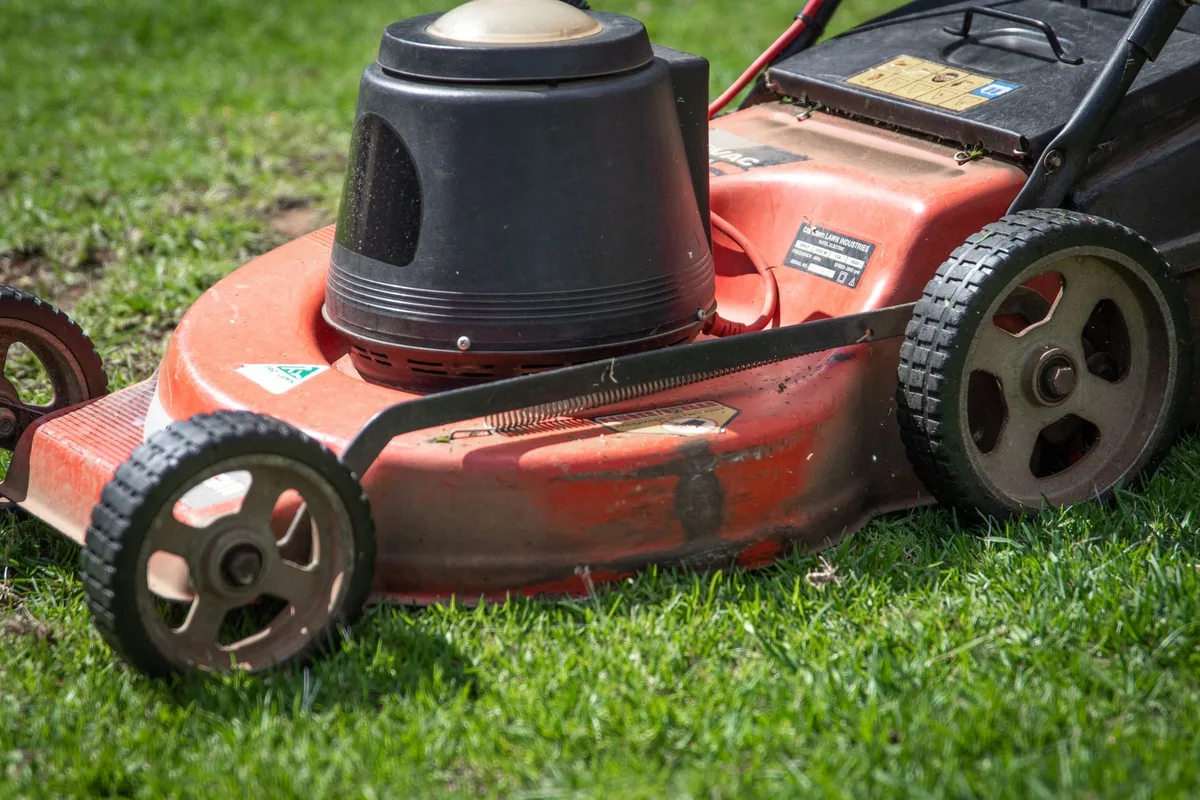
Not all mowers are built for mulching. A standard mower with a flat blade and open deck will leave clumps of clippings that look messy and take forever to break down.
A dedicated mulching mower has a specially designed deck with baffles that recirculate the clippings multiple times before they exit. The blade is curved with additional cutting edges to chop the grass into finer pieces. Some mowers come with a mulching kit that includes a plug to block the discharge chute and a different blade.
If your mower doesn't mulch well, you're better off bagging or using side discharge. Forcing a bad mulching setup just creates a mess.
4. Your Lawn's Current Condition
Look at your lawn before you decide. Is the grass dry or wet? Is it 3 inches tall or 6 inches tall?
Are there weeds with seed heads? Is there visible disease damage?
Dry grass at the right height with no obvious problems is a green light for mulching. Wet grass, overgrown grass, or grass with disease or weed issues calls for bagging.
Also consider the soil condition. If your lawn is already struggling with poor soil and you've been bagging for years, switching to mulching can help rebuild organic matter and improve soil structure over time.
5. Your Local Rules and HOA Requirements
Some municipalities have ordinances about yard waste disposal. If your area bans grass clippings from landfills, bagging becomes more complicated because you need an alternative disposal method.
HOAs sometimes have strict rules about lawn appearance. If your HOA requires a manicured look with no visible clippings, bagging may be mandatory regardless of what's best for the lawn.
Check your local regulations and HOA guidelines before you commit to one method. It's easier to adjust your approach than to deal with fines or complaints.
The Decision Tree: Walk Through Your Situation
Let's make this practical. Here's a simple decision tree you can run through every time you step up to the mower.
Start here: Is the grass dry?
- If yes, move to the next question.
- If no, bag it. Wet grass clumps and smothers the lawn.
Next question: Is the grass shorter than 5 inches?
- If yes, mulching is safe.
- If no, bag it or do a high first pass, then mulch on the second pass.
Next question: Does your lawn have visible disease or active weeds with seed heads?
- If yes, bag it to prevent spread.
- If no, mulching is fine.
Next question: Are you mowing at least once a week during peak growth?
- If yes, mulch. Frequent mowing produces short clippings that decompose fast.
- If no, bag it. Long clippings left on the lawn create problems.
Final question: Does your HOA or local ordinance require bagging?
- If yes, bag it regardless of other factors.
- If no, you're free to choose based on lawn conditions.
Branch A: Mulch If…
You should mulch when all of these conditions are true. The grass is dry. It's at a reasonable height.
You're mowing frequently. There's no disease or weed seed pressure. Your mower has a sharp blade and a decent mulching deck.
Mulching works best during the regular growing season when conditions are stable. Spring and fall are ideal for cool-season grasses. Late spring through early fall works for warm-season varieties.
If you're unsure, start with mulching and watch the results. Check the lawn 24 hours after mowing. If the clippings have settled between the blades and you can barely see them, you're doing it right.
If you see clumps or mats, switch to bagging next time.
Branch B: Bag If…
Bagging is the right call when conditions aren't ideal. Wet grass, overgrown grass, diseased grass, or weedy grass all call for collection.
Bagging is also the safer choice if you're new to lawn care and don't want to risk damaging the turf. It's harder to mess up bagging. You cut, you collect, you dump.
The lawn looks clean and you move on.
Some homeowners bag every time because they prefer the look. That's a valid choice. Just know that you'll need to supplement with additional fertilizer to replace the nutrients you're removing.
Check the right oil level and keep your mower maintained so bagging stays efficient.
Branch C: Switch Between Seasons
The smartest approach is to switch methods based on the season. Many experienced lawn caretakers use a seasonal rotation.
In spring, grass grows fast and the weather is wet. Bag the first mowing or two to clean up winter debris and remove any early weed seeds. Then switch to mulching once growth stabilizes.
In summer, heat and drought slow grass growth. Mulching helps retain soil moisture and reduces stress on the lawn. Raise your cutting height and keep mulching through the hot months.
In fall, grass growth picks up again for cool-season varieties. Mulch through September and October. When leaves start falling, switch to bagging to collect leaf litter along with the clippings.
In winter, most lawns go dormant. You probably won't mow at all in colder regions. If you do get a warm spell that triggers growth, a quick mulch pass is fine.
Common Mistakes That Ruin Either Approach
Even experienced lawn caretakers make these errors. Here are the most common ones and how to avoid them.
Cutting too short. Scalping the lawn stresses the grass and exposes soil to sunlight. Weeds love bare soil. Keep your mowing height at 2.5 to 4 inches depending on grass type.
Never cut more than one-third of the blade height.
Mulching wet grass. This is the number one mistake. Wet clippings clump together and smother the grass underneath. The clumps take forever to break down and can kill patches of turf.
Wait until the grass is dry. Mow in the late morning after dew evaporates.
Using a dull blade. A dull blade tears the grass instead of cutting it cleanly. Torn grass turns brown at the tips and becomes more susceptible to disease. Sharpen your blade every 10 to 15 hours of mowing.
Replace it if it's bent or chipped.
Bagging every single time. Removing all clippings every mowing starves the lawn of free nitrogen. Over a full season, you're throwing away the equivalent of one fertilizer application. Bag only when conditions require it.
Letting the bag overfill. A full bag reduces airflow and suction. The mower leaves clumps behind and the engine works harder. Empty the bag when it's about three-quarters full.
Ignoring thatch buildup. While clippings don't cause thatch, other factors do. Overwatering, overfertilizing, and compacted soil create thatch. If your thatch layer exceeds half an inch, consider core aeration and occasional bagging to manage it.
What About Side Discharge?
Side discharge is the third option that often gets overlooked. Instead of mulching or bagging, the mower simply throws the clippings out the side and onto the lawn.
Side discharge is faster than bagging and requires less mower power than mulching. It works well for tall grass that you're cutting down to a manageable height. The downside is that the clippings are longer and more visible.
They sit on top of the lawn instead of settling between the blades.
For most homeowners, side discharge is a compromise that doesn't excel at anything. It's useful for the first mowing of the season when the grass is overgrown. After that, you're better off with mulching or bagging.
If you have a mower with a side discharge chute, you can usually convert it to mulching with a simple plug kit. Check your mower's manual for compatibility. Many manufacturers sell conversion kits for under 30 dollars.
Pro Tips for Making Mulching Work
Mulching well requires attention to detail. These tips come from university extension programs and experienced turf managers.
Mow more often. The single best thing you can do for mulching success is to mow frequently. Every five to seven days during peak growth keeps clippings short and manageable. If you wait ten days, the clippings are too long to mulch effectively.
Keep your blade razor sharp. A sharp blade makes clean cuts that heal quickly. Dull blades leave ragged edges that turn brown. Sharpen every 10 to 15 hours of use.
Replace the blade at least once per season.
Cut at the right height. Taller grass develops deeper roots and shades out weeds. Keep cool-season grasses at 3 to 4 inches. Keep warm-season grasses at 2 to 2.5 inches.
Adjust height up in summer heat and down in spring and fall.
Mow in different directions. Alternating your mowing pattern prevents the grass from leaning in one direction. It also helps distribute clippings more evenly. Change direction every time you mow.
Clean the deck regularly. Built-up grass clippings under the deck reduce airflow and mulching performance. Scrape the deck clean after every few mowings. A plastic putty knife works well without damaging the paint.
Consider a dedicated mulching mower. If you're serious about mulching, a mower designed for it makes a noticeable difference. Look for models with a deep deck, baffled design, and a high-lift mulching blade. Our research shows that homeowners who switch to a dedicated mulching mower report better results and fewer clumping issues.
Pro Tips for Making Bagging Less Painful
Bagging doesn't have to be a chore. A few adjustments make the process faster and less frustrating.
Empty the bag frequently. Don't wait until it's completely full. A half-full bag maintains better airflow and suction. You'll get a cleaner cut and fewer clumps left behind.
Use a bagging attachment with a larger capacity. If you have a riding mower, look for a bagging system with twin bags or a high-capacity hopper. Fewer stops mean faster mowing.
Compost the clippings. Instead of sending bagged clippings to the landfill, start a compost pile. Grass clippings are high in nitrogen and break down quickly. Mix them with brown materials like dried leaves or cardboard for balanced compost.
Check local disposal options. Some municipalities offer curbside yard waste pickup. Others have drop-off centers. A few communities have banned grass clippings from landfills entirely.
Know your options before you fill the first bag.
Mulch leaves with the mower. In fall, you can mulch leaves instead of bagging them. Run the mower over the leaves with a mulching blade. The shredded leaves decompose and add organic matter to the soil.
This works best when the leaves are dry and you make multiple passes.
Keep the mower maintained. A clean air filter, fresh oil, and a sharp blade make bagging more efficient. The mower runs better and the bag fills more evenly. Check the right oil level before each season and change it according to the manufacturer's schedule.