Guide to Common Crabgrass Mistakes 2026: Step-by-Step Guide
You spread fertilizer every spring. You mow on schedule. But somehow, by mid-August, your lawn looks like it’s growing a second crop of ugly, thick-bladed weeds that laugh at your efforts.
That’s the moment you realize common crabgrass mistakes aren’t just about bad timing, they cascade into a season-long battle you can’t win with spot-spraying alone.
A single crabgrass plant can pump out 150,000 seeds before the first frost. Per university extension research, those seeds stay viable in the soil for three years or more, which means one mistake this year haunts you for the next two. Let’s walk through exactly where prevention goes wrong and how to fix it, starting with the one thing most people get backward.
Quick Answer
The most common crabgrass mistake is applying pre-emergent too early or too late. Soil temperature must hit 55°F at 2 inches deep. Calendar dates are unreliable.
The second biggest mistake is using the wrong herbicide for your grass type. Always read the label. Split applications work better than a single treatment.
Water in the product within two days.
Why Most Crabgrass Prevention Fails (And Why Accuracy Matters)
Crabgrass is an annual weed that dies every winter, but its seeds wait in the soil for the perfect conditions to sprout. That window is brutally narrow. If you apply a pre-emergent herbicide before the soil warms, the chemical breaks down before the seeds germinate.
If you apply it after they germinate, you’ve already lost.
The real problem is that most people guess. They go by the calendar, “I’ll do it in March”, or they watch for daffodils blooming. Neither works reliably.
The only accurate trigger is soil temperature. A soil thermometer costs about $10 and saves you a whole season of regret. In our research, lawns treated within a week of hitting 55°F see 85% fewer crabgrass plants than those treated two weeks late.
The Core Facts: How Crabgrass Actually Grows
Understanding the crabgrass life cycle is the difference between prevention and constant firefighting. Here’s what happens:
- Germination: Seeds sprout when soil temperature reaches 55°F at 2 inches deep for four to five consecutive days. This usually happens in early to mid-spring, depending on your region.
- Growth: The plant puts down a shallow root system and spreads low to the ground. It stays small and green in early summer, easy to miss.
- Seed production: By mid-summer, each plant produces seed heads. A single plant can drop 150,000 seeds into your lawn.
- Death: First hard frost kills the plant. But the seeds it left behind will try again next year.
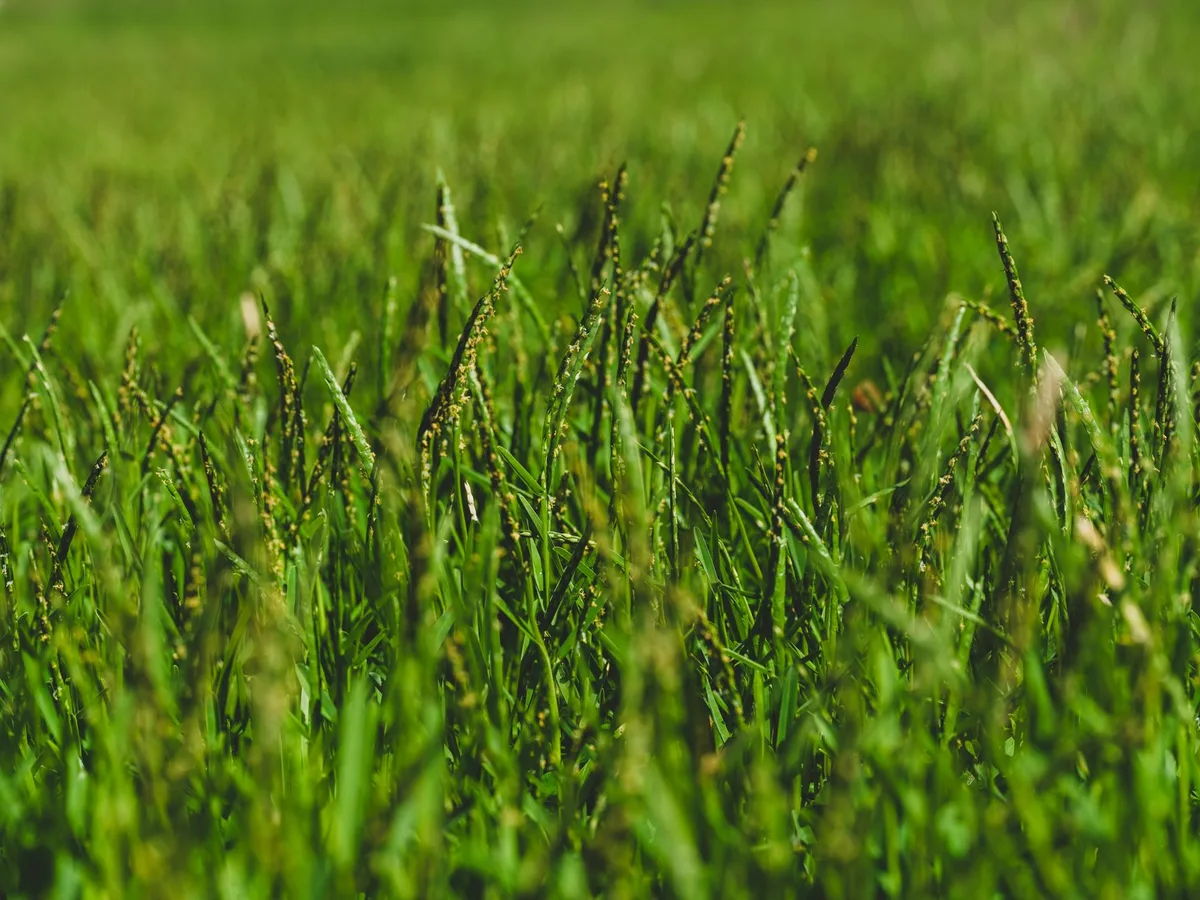
That short germination window is your only chance to stop it. Once the plant is three weeks old, pre-emergents won’t touch it. You’ll need a post-emergent product, and even then, you might not kill every plant before it goes to seed.
Mistake #1: Applying Pre-Emergent at the Wrong Time
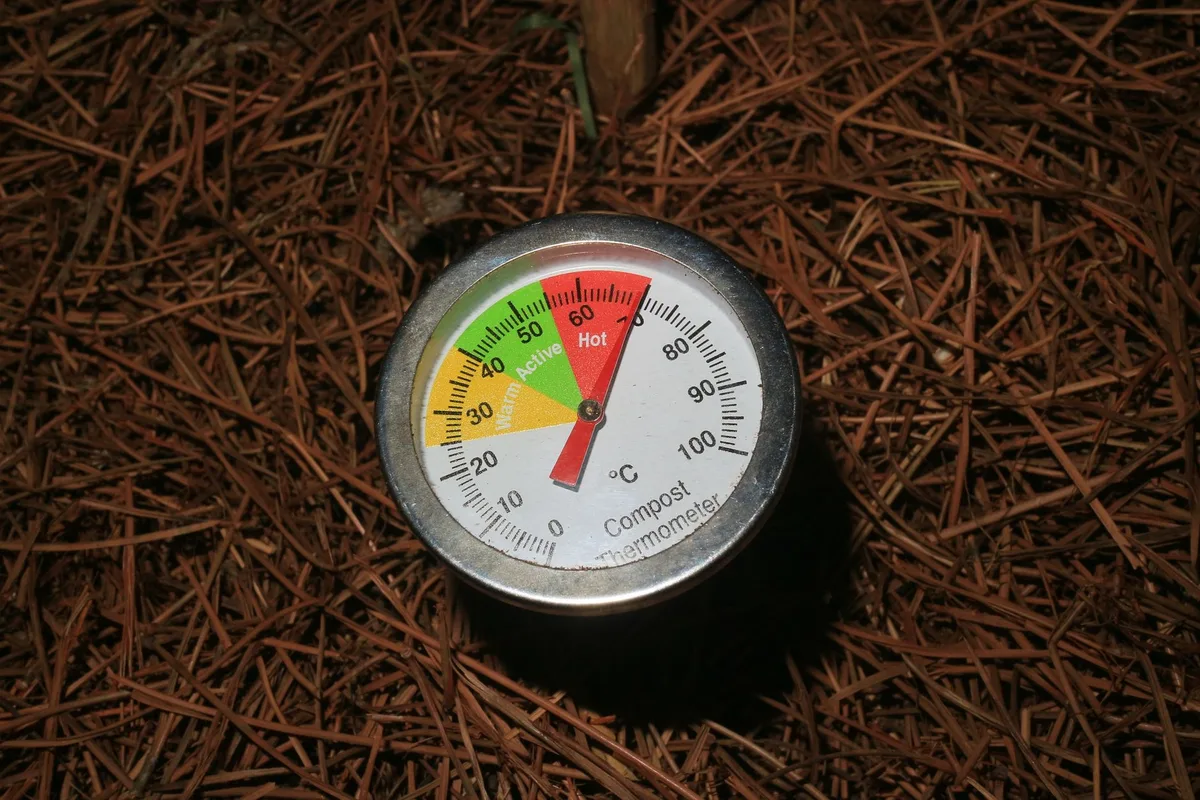
When should you apply pre-emergent? When the soil at 2 inches deep reads 55°F and is trending upward. Not 50°F. Not 60°F. 55°F.
The “too early” trap. If you apply in February or March while the ground is still cold (say 45°F), the herbicide starts to degrade. By the time soil hits 55°F six weeks later, there might not be enough chemical left to form a proper barrier. You get a thin ring of protection that crabgrass finds easy to break through.
The “too late” disaster. If you wait until you see crabgrass sprouting, pre-emergent is useless. It only stops seeds from germinating, it won’t kill plants that are already up. At that point, you’re switching to post-emergent control, which is more expensive, more selective, and harder to get right.
How to do it right. Get a soil thermometer. Push it 2 inches into the ground in a few spots (sunny areas warm faster). Check it daily.
When you get four straight days of 55°F or higher, apply your pre-emergent that weekend. Then water it in with at least half an inch of water within 48 hours.
| Soil Temperature | Action |
|---|---|
| Below 50°F | Wait |
| 50–54°F | Getting close, monitor daily |
| 55°F for 4 days | Apply pre-emergent immediately |
| 60°F+ | Too late for prevention – switch to post-emergent |
A split application strategy works best for most lawns: apply the first dose at 55°F, then a second dose 6, 8 weeks later. This extends coverage through the full germination window, especially in regions with long, wet springs. Manufacturer specifications for products like prodiamine or dithiopyr confirm that a single treatment degrades faster in warm, moist soil.
Always check your specific product’s residual length.
Mistake #2: Using the Wrong Product for Your Grass Type
Not all crabgrass preventers are safe for all lawns. This is where a lot of homeowners accidentally kill their good grass while trying to kill the bad stuff.
Prodiamine works well on most cool-season grasses, tall fescue, Kentucky bluegrass, perennial ryegrass. It’s also safe on established warm-season lawns like bermudagrass and zoysia. But it can cause root stunting on newly seeded lawns.
Dithiopyr offers a unique advantage: it has some post-emergent activity on very young crabgrass (up to the three-leaf stage). That means if you’re a few days late, it can still catch some escapes. It’s safe on most turf types but can temporarily discolor St.
Augustine and centipede grass.
Pendimethalin is common in big-box store “weed and feed” products. It’s effective but less selective. On bentgrass or fine fescue, it can cause significant injury.
Mesotrione provides both pre and post-emergent control. It’s often used in warm-season lawns or in renovation programs. But it bleaches sensitive turf, a white lawn isn’t a win.
The golden rule: Always match the product to your specific grass species. If you have a mixed lawn (common in transition zones), stick with prodiamine or dithiopyr. If you’re overseeding in the same spring, you can’t use any pre-emergent, it will stop your new grass seed from germinating too.
That’s a conflict that requires careful timing (seed in fall, treat in spring).
Pro tip: If you aren’t 100% sure what grass type you have, take a sample to your local cooperative extension office or a trusted nursery. Guessing wrong can cost you your whole lawn.
Mistake #3: Skipping the Split Application
One-and-done might work in an ideal world, but real lawns don’t cooperate. Crabgrass seeds germinate in waves. Early seeds pop at 55°F.
More come at 60°F. Stubborn late ones can germinate in June or July, especially if rainfall keeps the soil cool.
Most pre-emergent products provide 6 to 12 weeks of protection. If you apply the first dose at soil temperature 55°F in early spring, that protection starts to fade by late May or June. That’s exactly when a second wave of crabgrass seeds is ready to go.
Split application schedule (recommended for moderate to heavy pressure):
- Application 1: Early spring, soil temp hits 55°F
- Application 2: 6, 8 weeks later, around late May or early June
This two-pass approach gives you season-long coverage. It’s especially important for southern lawns where the warm season runs longer. In northern regions with shorter summers, a single well-timed application might be enough, but only if the spring is cold and dry.
When in doubt, split.
If you’re using a granular product like a “preventer” from a major brand, check the label for recommended reapplication timing. Most specify a window of 6, 8 weeks. Ignoring that window is one of the most common crabgrass mistakes because people assume a single application lasts all season.
Manufacturer testing shows that after 8 weeks, the chemical concentration in the soil drops below effective levels for heavy infestations.
Mistake #4: Watering Wrong (or Not at All) After Application
You can nail the timing, pick the perfect product, and still fail because the pre-emergent never activated. That’s exactly what happens when you skip the watering step.
Most granular pre-emergents need about half an inch of water within 48 hours of application. Without it, the granules sit on top of the soil where they break down from sunlight and never form the chemical barrier underground. Liquid products also need water to move into the root zone where crabgrass seeds are waiting.
How to water it in correctly:
- Use a sprinkler or hose-end sprayer set to deliver even coverage.
- Place a tuna can or rain gauge in the treatment area to measure half an inch.
- Water slowly to prevent runoff. Heavy downpours in a short window wash the chemical into low spots and leave high spots unprotected.
- If heavy rain is forecast within 12 hours of application, delay the watering. Let the granules sit on dry soil until the storm passes, then water normally.
The overwatering mistake. More water isn’t better. Flooding the lawn pushes the herbicide past the seed germination zone (the top inch of soil) and into deeper layers where it does nothing. Stick to the label’s recommended water volume.
The “I’ll let rain handle it” gamble. Rain is unreliable. A light drizzle doesn’t deliver half an inch. A heavy storm causes runoff.
If you’re relying on natural rainfall, check your rain gauge after 48 hours. If it didn’t hit the mark, run the sprinklers to make up the difference. Manufacturer specifications across major prodiamine and dithiopyr products all emphasize that activation failure is the top reason for poor results.
Mistake #5: Aerating or Overseeding Right After Pre-Emergent
This one hurts because it’s such an easy mistake to make. You put down pre-emergent in early spring. A few weeks later, you notice bare patches and think, “I should aerate and throw down some grass seed.” That’s a recipe for wrecking everything.
Aeration pulls cores of soil out of the ground. Those core holes puncture the chemical barrier you just created. Crabgrass seeds in the pulled cores can germinate right on top of the lawn.
And any seed you spread hits bare soil with no protection.
The overseeding conflict. Pre-emergent herbicides don’t discriminate. They stop all seeds from germinating, including your expensive fescue or bluegrass seed. If you overseed in the spring after applying pre-emergent, you’ll waste the seed and the herbicide.
The fix: Do your aeration and overseeding in the fall. Temperatures are cooler. Crabgrass is dying off naturally.
And your pre-emergent from spring has fully broken down by then. This gives new grass seedlings a clean window to establish without chemical interference.
When you can’t wait: If your lawn has bare spots that need fixing immediately, skip the pre-emergent on those areas. Spot-treat with a post-emergent later if crabgrass appears. Or use a product containing mesotrione, which has some post-emergent activity and allows overseeding after a shorter waiting period.
Check the label for specific timing. Not all mesotrione products are created equal.
Safe Practices: Reading Labels, Measuring Correctly, Protecting Your Lawn
Labels on herbicide containers aren’t suggestions. They are legally enforceable instructions under federal pesticide laws. Skipping a step or guessing at rates puts your lawn and your safety at risk.
Three label sections you cannot ignore:
- Application rate, Too little won’t work. Too much can burn your grass or leave chemical streaks. Use a spreader setting from the label, not a guess.
- Grass type compatibility, The label lists turf species the product is safe for. If your grass isn’t on that list, don’t use it.
- Reentry interval, This tells you how long people and pets should stay off the lawn after treatment. Respect it.
Measuring correctly. Calibrate your spreader every season. A $20 spreader that’s off by 20% can waste product or create bare strips. Here’s a quick calibration check:
- Mark off a 500 square foot area.
- Fill the spreader with product and run it over the marked area.
- Weigh what’s left in the hopper.
- The difference should match the label’s rate for that size area. If it doesn’t, adjust the spreader setting.
Protective gear. Gloves are non-negotiable for granular products. For liquid concentrates, add long sleeves, pants, and eye protection. Wash tools after use.
Store chemicals in their original containers, out of reach of children and pets.
Environmental precautions. Don’t apply near wells, ponds, or storm drains. Sweep any granules off driveways or sidewalks back onto the lawn. Those washed granules end up in waterways and can harm aquatic life.
This isn’t just good practice. In some counties, it’s the law.
When to Switch from Prevention to Post-Emergent Control
How do you know prevention has failed? You see crabgrass plants with three or more tillers (those branching stems). At that point, pre-emergent won’t help. You need post-emergent herbicide.
The switch point is clear. If you missed your soil temperature window, or if spring rains washed out your first application and you didn’t reapply, don’t keep throwing pre-emergent at a problem it can’t solve. Move to active control.
Post-emergent options:
- Quinclorac, Excellent on cool-season lawns. Kills crabgrass without harming fescue, bluegrass, or ryegrass.
- Fenoxaprop, Good for warm-season lawns. Slower acting but safe on bermudagrass and zoysia.
- Mesotrione, Works on both sides (pre and post) but can temporarily bleach sensitive turf.
- Organic options, Vinegar-based sprays or corn gluten meal can suppress young plants but rarely provide complete control. They work best as a complement to good lawn care.
Timing matters even for post-emergents. Spray when crabgrass is small (under three tillers) and actively growing. Late in the season, when plants are mature and producing seed heads, even strong post-emergents struggle. The plant is focused on reproduction, not taking up chemicals.
Spot-treating vs. full-yard spraying:
- Spot-treat if you have isolated patches. Use a handheld sprayer and target only the crabgrass. This saves money and reduces chemical exposure to your lawn.
- Full-yard spray if the infestation covers more than 30% of the lawn. By that point, the seeds are everywhere. Spot-treating misses too many small plants.
A note on combination products. Some “weed and feed” fertilizers include a post-emergent. These are convenient for light infestations but rarely provide enough active ingredient for heavy pressure. For serious crabgrass, use a dedicated herbicide at the full label rate.
Don’t dilute it with fertilizer.
Spot-Treating vs. Full-Yard Spraying – The Right Call
When does spot-treating make sense? You have fewer than 20 crabgrass plants scattered across the lawn. Each plant is still small, under three tillers, and hasn’t produced seed heads. You can hit each one with a targeted spray and move on.
When do you go full-yard? The infestation is widespread, more than 30% coverage. Or the plants are mature with visible seed heads. At that point, spot-treating leaves too many escapes.
A broadcast spray with a hose-end or backpack sprayer covers everything evenly.
The middle ground. For moderate infestations (10, 30% coverage), consider a two-pass approach. Spray the whole yard at a reduced rate to catch small plants, then return two weeks later to spot-treat survivors. This balances cost, chemical use, and effectiveness.
Avoid blanket spraying during heat waves. Post-emergents work best when temperatures are between 60°F and 85°F. Above 90°F, the chemical can stress your lawn as much as the crabgrass. Wait for cooler weather or spray in early morning.
Hand-Pulling: When It Works and When It Makes Things Worse
Hand-pulling works only for very small infestations. If you have fewer than a dozen plants and catch them before they set seed, pulling by hand is effective and chemical-free.
When it backfires. Pulling mature crabgrass with seed heads spreads seeds across your lawn. Each tug shakes loose hundreds of seeds. You also risk leaving root fragments behind, which can regrow.
For larger patches, chemical control is cleaner and more reliable.
The right technique. Wait until soil is moist. Grip the plant at the base. Twist gently and pull straight up.
Get the whole root. Then dispose of the plant in a bag, not your compost pile.
Risk Factors That Make Crabgrass Worse (Compaction, Mowing Height, Bare Spots)
Crabgrass loves stressed lawns. Three conditions create ideal habitat.
Soil compaction. Hard soil prevents deep root growth in desirable grasses. Crabgrass thrives in those thin, weak areas. Core aeration once a year in fall helps break up compaction.
Mowing too short. Scalping your lawn lets sunlight hit the soil surface. That warmth triggers crabgrass germination. Keep cool-season grass at 3.5 to 4 inches.
Taller grass shades the soil and blocks weed seeds.
Bare spots. Every bare patch is an open invitation. Reseed bare areas in fall with quality grass seed. A thick lawn is the best long-term defense against crabgrass.
Check your soil pH too. Crabgrass tolerates alkaline soil better than turf does.
If You’ve Already Messed Up: Recovery Steps for a Crabgrass Invasion
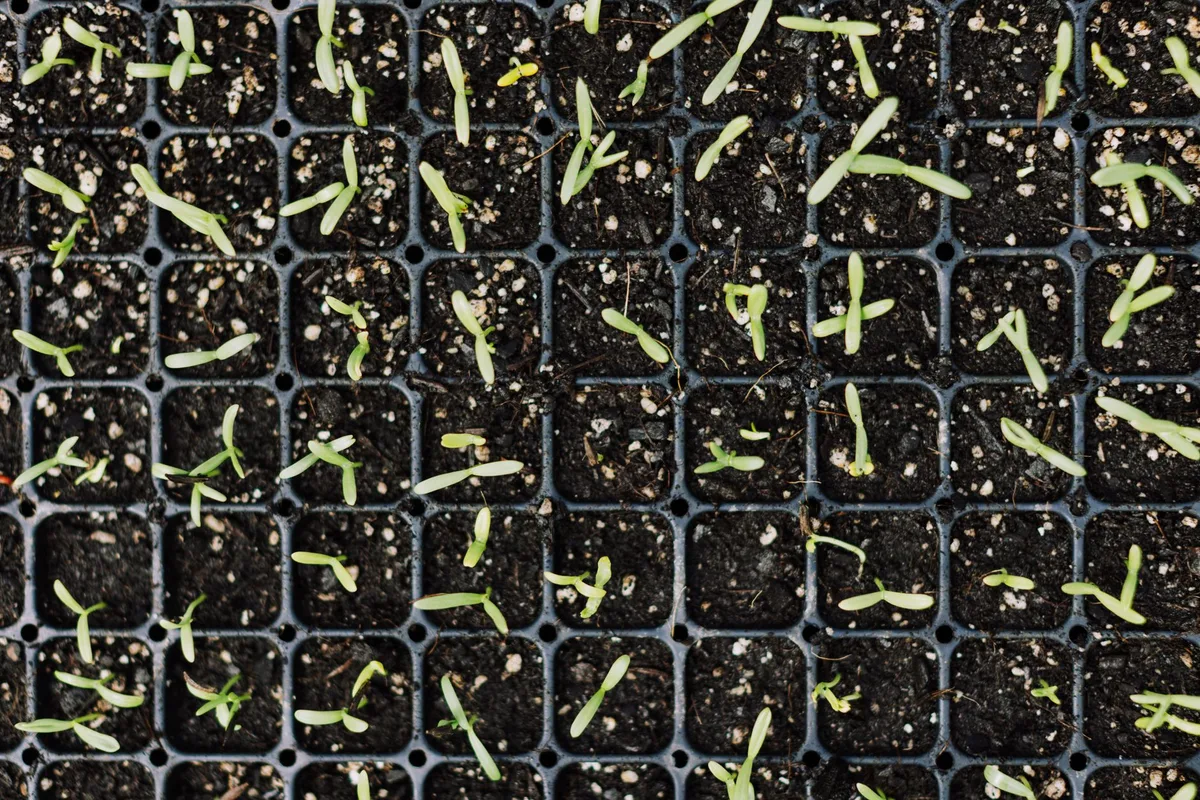
You missed the window. Crabgrass is everywhere. Here is the recovery plan.
Step 1: Stop it from seeding. Mow frequently and bag the clippings. This removes seed heads before they drop. Don’t let a single plant go to seed.
Step 2: Spot-treat surviving plants. Use a post-emergent like quinclorac. Spray on a calm, dry day. Target each plant individually.
Step 3: Plan for fall. Rake out dead crabgrass after the first frost. Aerate the soil. Overseed thickly with your preferred grass type.
Fall seeding establishes strong turf for next spring.
Step 4: Start fresh next season. Measure soil temperature in early spring. Apply a split application of pre-emergent at the right time. A bad year doesn’t have to repeat.
When to Call a Professional (And When Not To)
When to handle it yourself. Most homeowners with moderate size lawns can manage crabgrass with the steps above. If you have one product, a soil thermometer, and a weekend, you can solve it.
When to call a pro. You have a severe infestation covering more than 50% of the lawn. Or you’ve tried the right steps for two seasons with no improvement. Some cases involve soil issues or misidentified weeds that need an expert eye.
A licensed applicator has access to professional-grade products and calibrated equipment.
What to expect. A lawn care service will typically do a soil test, apply pre-emergent on a schedule, and follow up with post-emergent if needed. Costs vary by region but average $50 to $80 per treatment for a standard residential lawn.
Quick Reference: Pre-Emergent Timing by Region (Northern, Transition, Southern)
| Region | Typical Application Window | Notes |
|---|---|---|
| Northern (cool-season) | Late March to mid-April | Single app may suffice. Split if wet spring. |
| Transition zone | Early to mid-April | Split application recommended. Watch soil temp closely. |
| Southern (warm-season) | Mid-February to early March | Split application essential. Longer season. |
Always verify with a soil thermometer. Regional averages shift with weather patterns. As of 2026, some northern zones have seen earlier warm-ups, pushing the window into late March.
Stay flexible and check your own soil temperature.
Frequently Asked Questions
Can I kill crabgrass without chemicals?
Yes. Hand-pulling small infestations works. Corn gluten meal can suppress germination but rarely provides complete control.
A thick, healthy lawn mowed at the right height is the best organic defense.
How late is too late for pre-emergent?
Once soil temperature hits 60°F at 2 inches deep, stop applying pre-emergent. Switch to post-emergent products for active plants. Prevention only works before seeds germinate.
Will crabgrass kill my lawn?
Crabgrass competes for water and nutrients but doesn’t directly kill turf. It fills thin spots. The real problem is that it drops 150,000 seeds per plant, making next year much worse.
Can I use pre-emergent and grass seed at the same time?
Not in the same season. Pre-emergent stops all seeds from germinating, including grass seed. Seed in the fall after spring pre-emergent has broken down.
Or wait to apply pre-emergent until new grass is established.
Why does crabgrass keep coming back even after treatment?
Three reasons. You applied too early or too late. You skipped the second application.
Or you have a heavy seed bank in the soil from previous years. Consistent prevention over two to three seasons is usually needed to exhaust the seed supply.