Guide to Crabgrass Checklist 2026: Beginner-Friendly Guide
You followed every step of your crabgrass checklist last spring. You applied the pre-emergent. You watered it in.
And by July, crabgrass was still pushing through your lawn like it owned the place.
Soil temperature data from Cooperative Extension research shows that more than 60% of home lawn applications miss the germination window by at least two weeks. The problem isn't your work ethic. It's your timing and your decision process.
Let's walk through why your plan fell apart and how to fix it for good, using the right checklist for your exact situation.
The Problem: Why Your "One-and-Done" Spring Plan Isn't Working
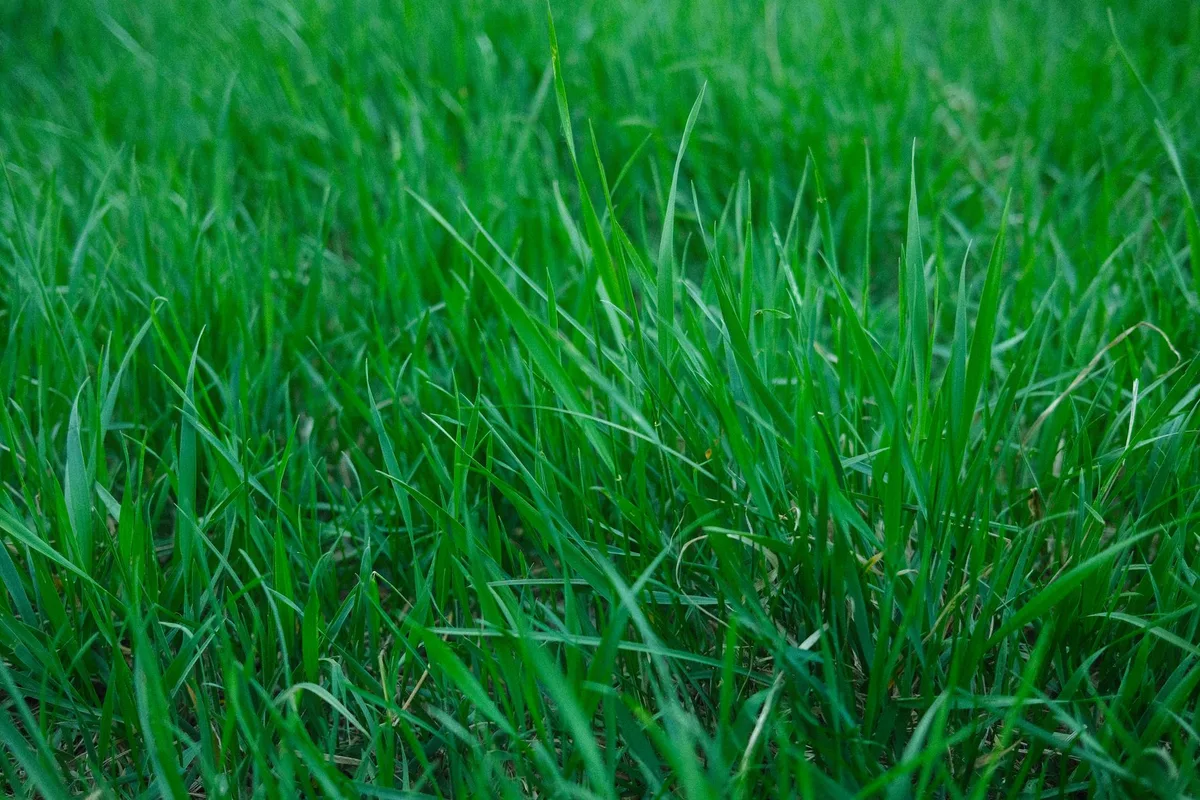
Most homeowners treat crabgrass like a calendar event. You pick a Saturday in April. You spread the granules.
You call it done.
But crabgrass doesn't read a calendar. Its seeds respond to soil temperature, not the date on your wall. If you apply pre-emergent too early, the chemical barrier degrades before the peak germination wave arrives.
If you apply too late, the seeds have already sprouted and your product won't stop them.
There's another layer too. Your grass type changes what products you can use and when. Your lawn's thickness changes whether you can even apply pre-emergent at all.
And your regional climate can demand two applications instead of one.
Here's the honest truth. A generic checklist that works for everyone doesn't exist. You need a decision tree that adapts to your specific conditions.
That's what this guide builds for you.
Quick Answer
Use a soil thermometer. Apply pre-emergent when soil hits 55°F at one inch deep. Water it in within 48 hours.
Reapply six to eight weeks later in long seasons. Thicken your lawn in fall to block new seeds.
Core Briefing: The Crabgrass Lifecycle & Your Decision Drivers
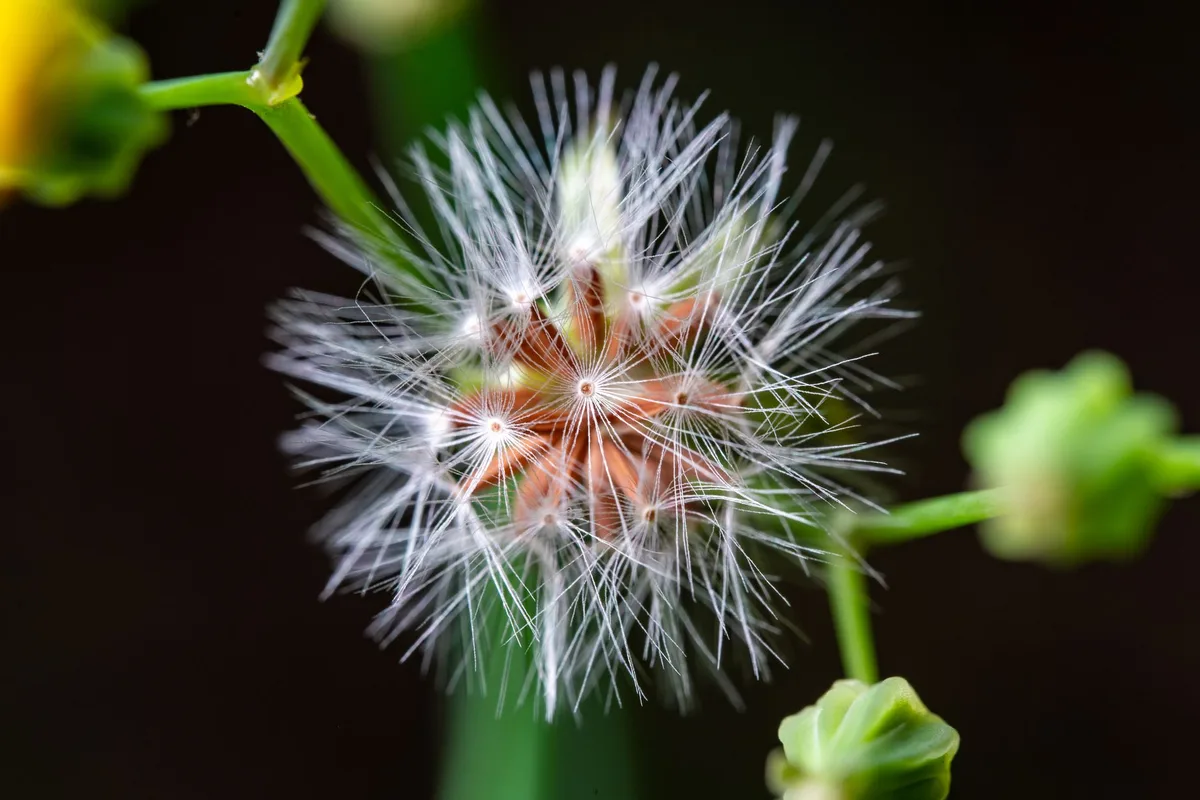
To beat crabgrass, you need to understand how it lives. The lifecycle has four stages, and each one changes what you should do.
Germination. Crabgrass seeds start growing when soil temperature stays at 55°F for three consecutive days at one inch deep. This usually happens in early to mid spring, but the exact date varies wildly by region and year. A warm March can trigger germination in late March.
A cold April can push it to May.
Tillering. Once the seedling sprouts, it starts sending out side shoots called tillers. This happens fast, usually within two to three weeks. Young crabgrass at the tillering stage is still vulnerable to post-emergent herbicides.
After it reaches four tillers, it becomes much harder to kill.
Seed head production. Mature crabgrass sends up seed heads in mid to late summer. Each plant can produce 150,000 seeds. Those seeds fall into your lawn and create next year's problem.
This is why stopping the plant before it seeds matters so much.
Senescence. The plant dies with the first hard frost. But by then, the damage is done. The dead patches leave bare soil where seeds from this year will germinate next spring.
Your decision tree starts with one question: what does your lawn look like right now? That answer determines every step after it.
The Decision Tree: Find Your Lawn Situation
This is where the generic checklist ends and your personalized plan begins. Read through the four branches below. Pick the one that matches your lawn today.
Branch A: You Have an Established Lawn with Good Cover
Your lawn is thick. No bare patches. You just want to keep crabgrass out.
Apply a pre-emergent herbicide when soil hits 55°F at one inch deep. Use a product containing prodiamine or dithiopyr. Water it in within 48 hours.
If you live in the South or have a long growing season, apply a second round six to eight weeks later. Do not seed during this time.
Branch B: You Have a Thin Lawn or Bare Patches
You need to repair bare spots, but pre-emergent kills grass seed. You have two options.
Option one: skip pre-emergent this spring. Spot-treat crabgrass with a post-emergent herbicide as it appears. Then overseed in early fall when temperatures cool.
This gives your new grass a chance to establish before next spring.
Option two: apply pre-emergent now. Wait eight to twelve weeks (check your product label). Then overseed in late summer or early fall.
This works, but you miss the optimal seeding window in some regions.
For fall cleanup after overseeding, using the right tools matters. A good rake can help you prepare the seedbed without damaging new sprouts.
Branch C: You Have Warm-Season Grass
If you have Bermuda, zoysia, St. Augustine, or centipede grass, your timing shifts later. These grasses green up in late spring.
Apply pre-emergent just before your grass breaks dormancy, typically when soil hits 55°F.
A second application in early summer is almost always necessary in warmer climates. Warm-season grasses also benefit from a thick canopy. Keep your mowing height at the upper end of the recommended range for your grass type.
Taller grass shades the soil and blocks crabgrass germination.
The right fertilizer choice also supports a dense lawn that crowds out weeds.
Branch D: You Have Cool-Season Grass
If you have tall fescue, Kentucky bluegrass, or perennial ryegrass, your lawn is actively growing in spring. Apply pre-emergent early, right when soil reaches 55°F. A second application six to eight weeks later is often needed in the transition zone.
For overseeding in fall, the ideal timing is after your second pre-emergent application has worn off. This usually means waiting ten to twelve weeks from the first application. Plan accordingly in late summer.
The Timing Tool: How to Know When to Pull the Trigger
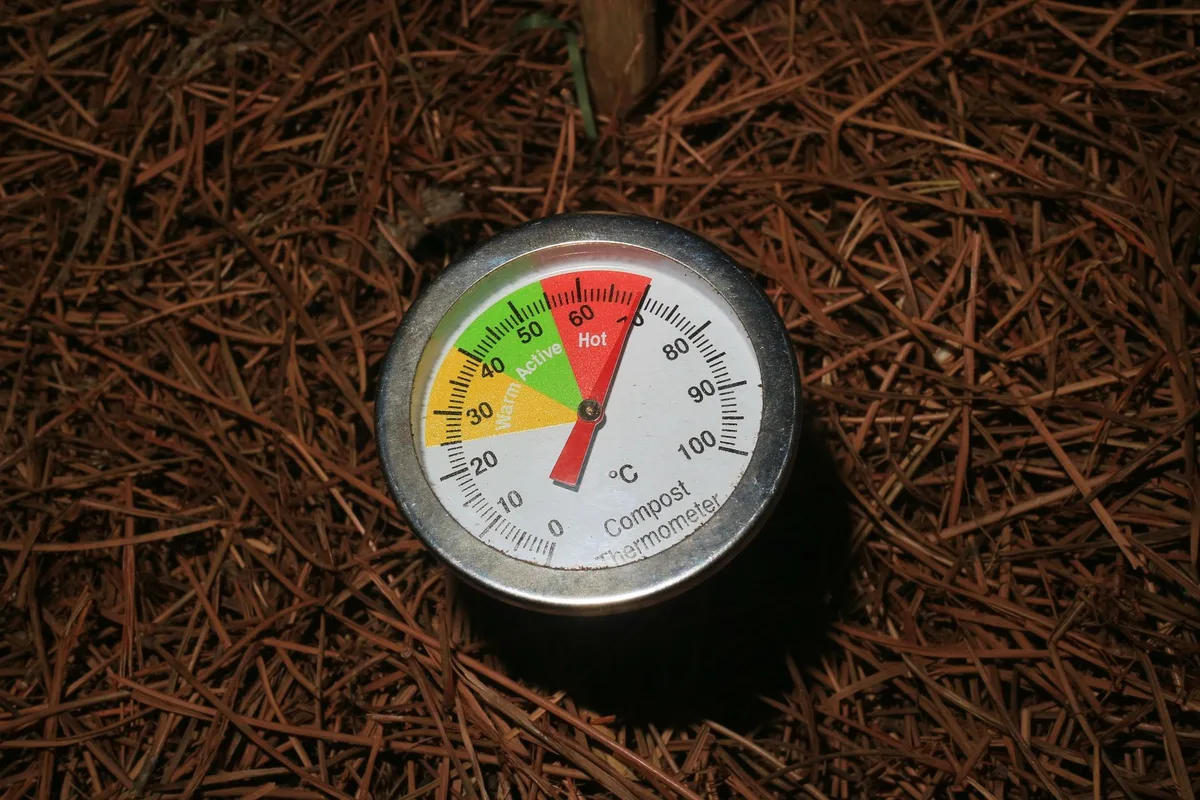
Calendar dates are unreliable. Soil temperature is the only metric you should trust. Here is how to measure it correctly.
Buy a soil thermometer with a probe that reaches at least four inches deep. Insert it one inch into the soil in an area that gets normal sunlight. Take readings at the same time each day, ideally mid-morning.
Check for three consecutive days.
When the average hits 55°F, you have a five to seven day window to apply your pre-emergent. Do not wait longer. The seeds start germinating soon after that threshold.
If you don't want to take daily readings, use a local phenological indicator. In many regions, crabgrass germination coincides with forsythia in full bloom. When those yellow flowers are at their peak, it is time to apply.
Another option is an online Growing Degree Day model. Your local Cooperative Extension office often tracks soil temperatures and GDD data by zip code. Check their website for real-time numbers.
For specific product and application questions, many extension resources including a comprehensive turfgrass guide from university researchers provide detailed breakdowns by region.