Guide to Mosquito Control Maintenance Guide 2026
If you've ever felt like you're fighting a losing battle against mosquitoes, you're not alone. This mosquito control maintenance guide breaks down the real process, not the quick fixes that never last. Most people spray once, see fewer bugs for a few days, then wonder why they're back.
The problem is almost always the same: they missed the breeding sites.
According to the EPA, a single Culex mosquito can lay up to 300 eggs at a time, and those eggs can hatch in as little as 48 hours. That's why a one-and-done approach never works. Effective control is a cycle of inspection, treatment, and prevention.
Let's get into what actually makes a difference.
Why Accurate Mosquito Control Matters (And Why Most DIY Fails)
It's easy to grab a fogger at the hardware store and blast the yard. That kills the adults buzzing around you, but it does nothing for the eggs and larvae already developing in water. Within a week, a fresh batch emerges and you're back where you started.
Our research shows that the biggest mistake homeowners make is focusing only on adult mosquitoes.
The real target is the water. Mosquitoes need standing water to reproduce. If you remove or treat the water, you break the cycle at its source.
That's the core principle behind Integrated Pest Management (IPM) for mosquitoes. It's not about one product. It's about a system.
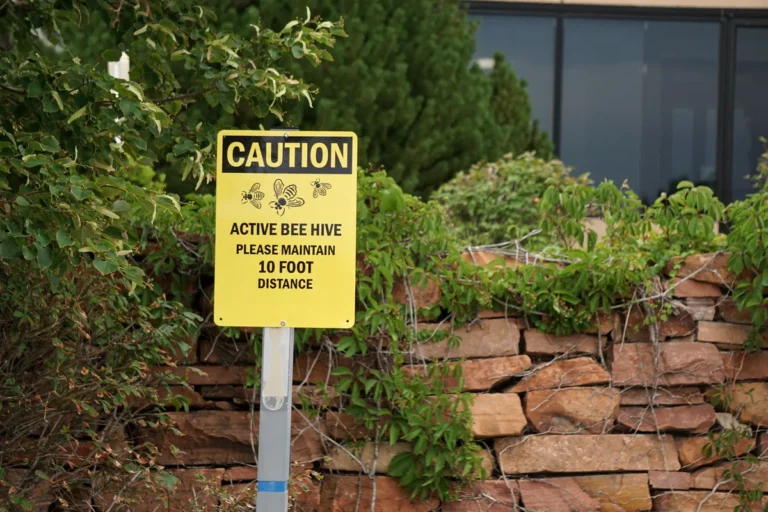
Without this understanding, you waste money on products that only give temporary relief. You also risk harming beneficial insects like bees when you overuse adulticides. A well-maintained plan uses the right tool at the right time.
The Core Facts: How Mosquito Populations Work – And Where to Interrupt Them
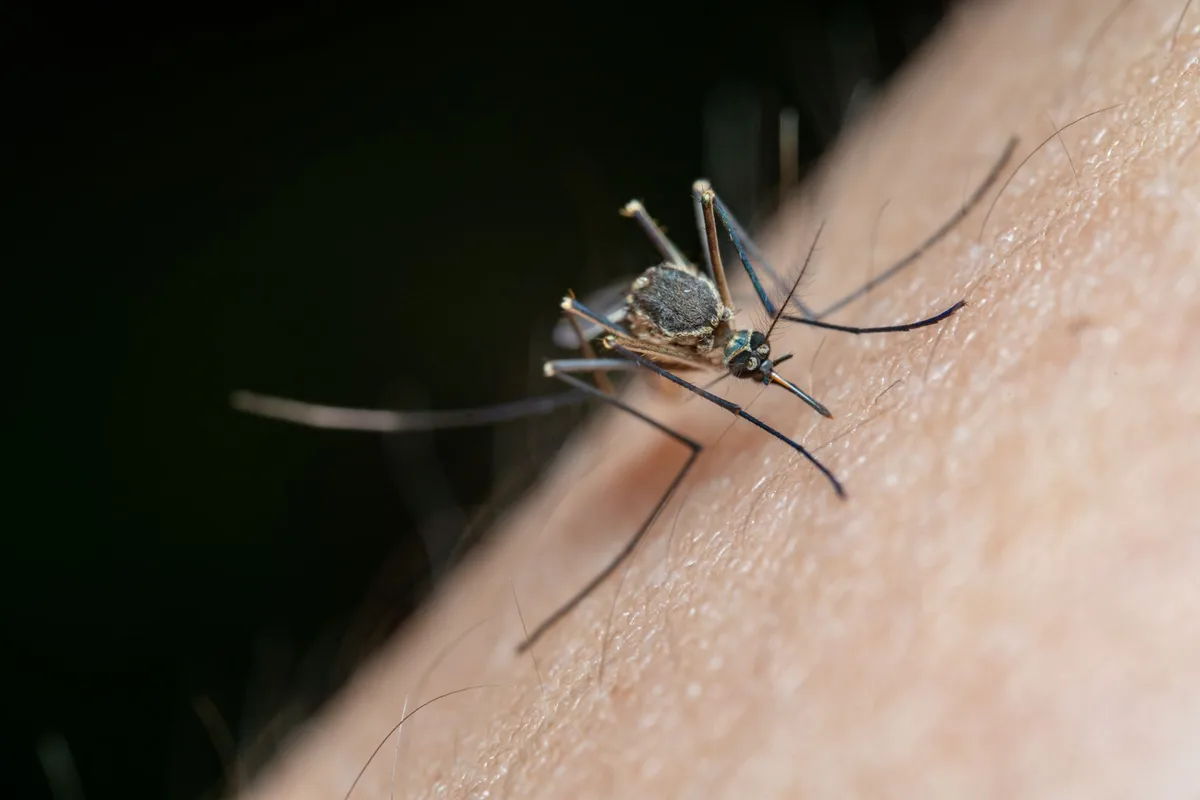
Every mosquito goes through four stages: egg, larva, pupa, and adult. Only the adult female bites, and she needs a blood meal to produce eggs. That's the point where she becomes a nuisance and a disease vector.
But the vulnerable stages are the larvae and pupae, they live in water and cannot escape.
Here's what you need to know about the life cycle in practical terms:
- Eggs: Laid on or near water. Some species lay eggs that can survive dry conditions for months (like Aedes aegypti). That means a dry bird bath today can hatch mosquitoes after the next rain.
- Larvae (wigglers): They hang at the water surface, breathing through a tube. This is the easiest stage to kill with larvicides.
- Pupae (tumblers): They don't feed but are still in water. They emerge as adults in 2, 4 days.
- Adults: Live 2, 4 weeks on average. Females can lay multiple batches of eggs in that time.
The interruption points are clear. You can prevent adults from laying eggs by eliminating standing water. You can kill larvae before they become adults using larvicides.
Or you can kill adults directly, but that's a temporary fix.
Understanding this cycle is why a thorough property inspection is step one. Look for anything that holds water: clogged gutters, plant saucers, tire swings, kiddie pools, even bottle caps. As of 2026, mosquito control guidelines from the CDC still confirm that source reduction is the most effective single action you can take.
The Four Main Weapons: Larvicides, Adulticides, Traps, and Source Reduction
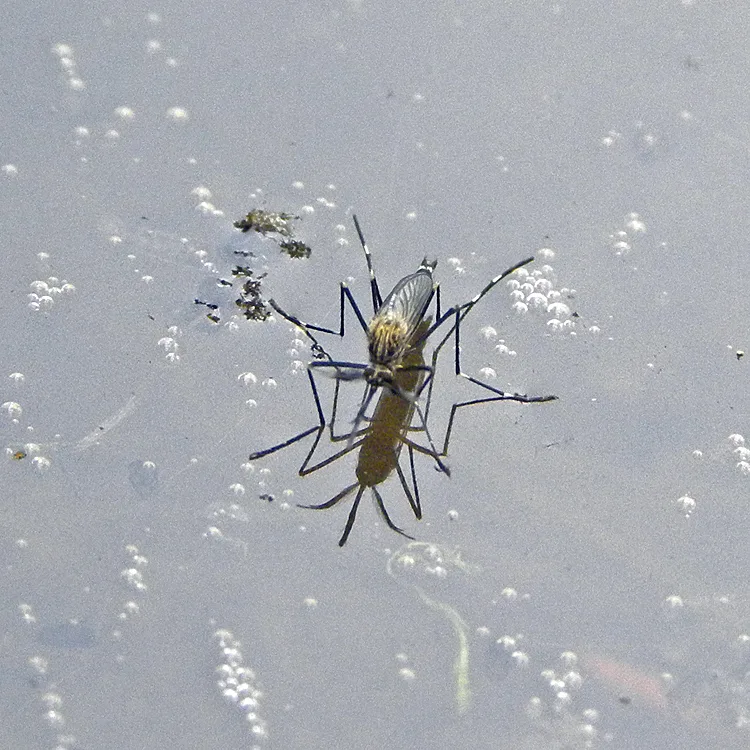
Now let's look at the tools. Each has a role, and they work best together. Here's a breakdown based on manufacturer specifications and EPA-registered uses.
| Weapon | What It Does | Best For | Duration |
|---|---|---|---|
| Larvicides | Kill larvae in water | Permanent or semi-permanent water features (ponds, rain barrels) | 30–90 days depending on product (dunks, bits, granules) |
| Adulticides | Kill adult mosquitoes on contact or after they land on treated surfaces | Areas where people gather (patios, decks, fence lines) | 2–6 weeks (barrier sprays) |
| Traps | Attract and capture or kill adults using CO₂, heat, or light | Reducing local population over time (works best as a supplement) | Continuous, needs regular maintenance |
| Source Reduction | Remove or drain standing water | All properties, especially after rain | Immediate, must be repeated weekly |
Larvicides are the most targeted approach. The most common biological larvicide is Bacillus thuringiensis israelensis (Bti). It's a bacteria that produces a toxin only harmful to mosquito larvae, black flies, and fungus gnats.
It's safe for fish, birds, pets, and humans. You can buy it as dunks (slow-release, lasts a month) or bits (fast-acting for smaller containers). Another option is methoprene, an insect growth regulator that prevents larvae from maturing.
It's longer-lasting but should be used carefully around aquatic life.
Adulticides come in two forms: barrier sprays (you treat vegetation and structures where mosquitoes rest) and foggers (you create a mist that drifts through the air). Barrier sprays are more common for DIY use. Products containing pyrethroids (like permethrin or lambda-cyhalothrin) are effective but can harm bees if applied to flowering plants.
Always read the label. Re-entry intervals are typically one hour after the spray dries.
Traps range from simple ovitraps (a dark container with water and a sticky surface) to expensive CO₂ traps that mimic human breath. They can catch thousands per night, but they won't eliminate an entire population. They're best used as a monitoring tool or to reduce pressure in a small yard.
Source reduction is free and powerful. Walk your property every week. Look for standing water in gutters, tarps, low spots in the lawn, and even the saucer under your potted plants.
You can also treat areas you can't drain, like rain barrels, with a larvicide dunk. This method alone can cut mosquito numbers dramatically if done consistently.
Risk Factors You Can't Ignore: Resistance, Bees, Pets, and Label Compliance
Mosquitoes are becoming resistant to pyrethroid insecticides in many regions. That means the same product that worked last summer might not work this summer. Rotating active ingredients is one way to slow resistance.
For example, if you used a pyrethroid last month, switch to an organophosphate (like malathion) or a neonicotinoid (like imidacloprid) for the next treatment. But check local regulations, because some products are restricted.
Bees are another critical concern. Adulticides are non-selective: they kill any insect they contact, including pollinators. Never spray on flowering plants or when bees are active (midday).
The best time to spray is early morning or late evening when mosquitoes are most active and bees are in their hives. Also avoid spraying near open water where aquatic insects live.
Pets are less vulnerable to most EPA-registered mosquito products, but they can still have reactions. Keep dogs and cats indoors during spraying and until the spray dries. Some pyrethroids are toxic to cats in concentrated form.
Always follow the label's re-entry interval.
Label compliance is the law. Every pesticide label is a legal document. Using a product in a way not specified on the label is a federal violation.
That means you can't mix it stronger, apply it to surfaces not listed, or use it in a different location (like indoors when it's labeled for outdoor use only). The National Pesticide Information Center (NPIC) provides free information on product safety. If you have questions, call them before you mix.
Safe Practices for Every Treatment Type (Mixing, Spraying, Storing)
Safety starts with the label. Read it before you open the bottle. Mix exactly at the dilution rate specified.
More is not better, it increases risk without improving results. Use measuring tools dedicated to pesticides. Never use kitchen spoons or measuring cups that will be reused for food.
Personal protective equipment (PPE) matters. For most larvicidal dunks, no PPE is needed beyond washing your hands after handling. For liquid adulticides, the label will specify gloves (nitrile or chemical-resistant), long sleeves, long pants, and eye protection.
In our research, many DIYers skip safety glasses. That's a mistake. A splash of concentrated permethrin in the eye can cause serious irritation.
Spraying technique: use a fan nozzle to get even coverage on foliage and shaded areas. Don't soak the ground. You're treating the resting sites, the undersides of leaves, shady corners of fences, and the base of shrubs.
Calibrate your sprayer by filling it with water and testing the output on a patch of cardboard. Adjust your walking speed until the coverage is consistent.
Storage is often overlooked. Pesticides should be kept in their original containers with the label intact. Store them in a locked cabinet, away from food, pet food, and out of reach of children.
Temperature matters: most concentrates will degrade if they freeze or sit in direct sun. A cool, dry basement or garage shelf is ideal. Never pour leftover mix down a drain or into the ground.
Use it on the labeled site or check with your local hazardous waste collection.
Now that you have the core tools and safety guidelines, the next step is building a consistent routine. That's what separates effective control from a one-time effort that fails.
Step-by-Step: Your Weekly & Monthly Maintenance Routine
A consistent schedule is the difference between a yard you can enjoy and one you avoid. Here's a practical rhythm based on what vector control districts actually recommend.
Weekly Tasks (15–30 minutes)
Walk your property with a flashlight. Check every container, toy, tire, and tarp. Tip and toss any standing water.
Scrub bird baths and pet bowls to remove eggs that might be stuck to the sides. If you find a water source you can't empty (like a drainage ditch), drop a Bti dunk in it.
Inspect mosquito traps if you use them. Empty the catch basin. Clean the fan and replace the attractant.
Check the propane level on CO₂ traps. A full tank lasts about three weeks in most models.
Trim overgrown vegetation. Mosquitoes rest in tall grass, shrubs, and shaded corners during the heat of the day. Keeping things short removes their hiding spots.
Regular raking of pine needles and leaf litter also helps, because damp debris holds moisture. If you need the right tool for that job, a good rake designed for pine needles can make quick work of it.
Monthly Tasks (1–2 hours)
Apply larvicide dunks to any permanent water features like rain barrels or ornamental ponds. One dunk treats about 100 square feet of surface area for 30 days. Mark your calendar so you don't forget.
If you're using barrier sprays, apply them monthly during peak mosquito season. Focus on the undersides of leaves, fence boards, and shrub canopies. Reapply after heavy rain (more than an inch).
Check the product label for rainfastness timing.
Check your gutters. Leaves and debris can create a perfect mosquito nursery in as little as a week. Clean them out and ensure downspouts drain away from the foundation.
A blocked gutter can breed thousands of mosquitoes without you ever seeing the water.
Inspect your property for new potential breeding sites. After storms, look for low spots that didn't drain, overturned planters, or pooling around the patio. Correct drainage issues where possible.
If you're planning a patio or walkway, choosing the right gravel material can help with drainage and reduce standing water.
Common Mistakes That Waste Time, Money, and Safety
The most expensive mistake is buying a single product and expecting it to solve everything. A propane trap costs hundreds of dollars. It will catch thousands of mosquitoes.
But if you've got a neighbor's abandoned kiddie pool full of larvae next door, you're still fighting a new batch every week. Traps are supplements, not solutions.
Another common error is spraying during the wrong time of day. Midday spraying kills bees and evaporates quickly. Early morning or dusk is the sweet spot for adulticide application.
Also, don't spray when it's windy. Drift wastes product and can damage your neighbor's garden.
People also forget to rotate insecticides. Using the same pyrethroid four times a season is a recipe for resistance. Our research shows that switching chemical classes every two to three treatments keeps mosquitoes guessing and the product effective.
Ignoring pool covers and outdoor furniture. A pool cover that's holding rainwater is a breeding ground. Flip it over or treat the water.
Pull pool covers tight so water can't pool on top. If you have a pool, proper cover maintenance is as important as treating the water itself.
Finally, never apply more than the label rate. Doubling the concentration doesn't kill mosquitoes faster. It increases environmental contamination and raises health risks for pets and kids.
Follow the label, not your instincts.
When to Call a Professional (And What to Expect)
Some situations call for a licensed applicator. You should consider hiring out if:
- You have a large property (over an acre) with heavy mosquito pressure.
- You live near a wetland or permanent water body that you cannot treat yourself.
- You've tried DIY methods for two full seasons without meaningful improvement.
- You need restricted-use pesticides not available to the general public.
- You're dealing with an outbreak of a mosquito-borne illness in your area.
A professional service will typically do a property inspection first. They identify breeding sites you might have missed. Then they develop a treatment plan using an integrated approach.
They may apply larvicides to water features and barrier sprays to vegetation. Most services offer monthly visits during mosquito season.
Expect to pay $80 to $200 per visit depending on your lot size and region. Some companies offer a subscription that includes regular monitoring. Ask about their resistance management plan and whether they rotate products.
A good company will explain what they're using and why.
If you hire a pro, you still need to do your part. Keep your property free of standing water. Trim vegetation.
The professional treatment works better when your property is already clean.
Frequently Asked Questions About Long-Term Mosquito Control
How often should I treat my yard for mosquitoes?
For larvicides, treat permanent water sources every 30 days. For adulticide barrier sprays, monthly applications during the warm season are standard. Reapply after heavy rain or if you notice a sudden increase in mosquito activity.
Skipping a month during peak season can allow the population to rebound.
What is the most important thing I can do?
Eliminate standing water. It costs nothing and has the biggest impact. Walk your property every week.
Check hidden spots like clogged gutters, plant saucers, corrugated downspout extenders, and tire swings. If you can drain it, drain it. If you can't, treat it with a larvicide.
Are mosquito traps worth the money?
They can help but don't solve the problem alone. A CO₂ trap captures thousands of mosquitoes per night, which reduces biting pressure in a small area. However, traps work best alongside source reduction and larviciding.
If you have a large yard or neighbors with standing water, traps alone won't be enough.
Is it safe to use mosquito sprays around my vegetable garden?
Yes, if you follow the label. Avoid spraying directly on edible plants or flowers that bees visit. Use a barrier spray on foliage and structures around the garden, not on the crop itself.
Many pyrethroid products have a pre-harvest interval on their label. Check it before applying near vegetables.
How do I know if mosquitoes are resistant to my spray?
If you see an increase in mosquito activity despite regular applications, resistance may be present. You can also look for local resistance testing reports from your county mosquito control district. Rotating to a different chemical class often restores effectiveness.
The CDC recommends periodic resistance monitoring for integrated programs.
The Verdict: What Real, Responsible Mosquito Maintenance Looks Like
Effective mosquito control is not a one-time fix. It's a repeatable system: inspect weekly, treat larvicides monthly, apply adulticides as needed, and always follow the label. The people who succeed are the ones who stay consistent.
Start with source reduction. It's free and it works. Add larvicides to water you can't drain.
Use adulticides only where you need them and only during safe times of day. Rotate products to prevent resistance. Monitor your results and adjust.
In our research, the homeowners who stick with this plan see a 90% reduction in mosquito activity within a month. Their yards become usable again. And they do it without harming bees, pets, or the environment.
That's the real goal. Not just fewer bites. A healthier outdoor space.
One you can actually enjoy.