Guide to Is Mosquito Control Safe for 2026: Quick Guide
If you've ever watched a fogging truck roll down your street and wondered what's in that cloud, you're not alone. The question "Is mosquito control safe" comes up every summer, and the answer isn't a simple yes or no. It depends on the method, the product, and how carefully you follow the instructions.
Every mosquito control product sold in the United States must pass EPA registration under the Federal Insecticide, Fungicide, and Rodenticide Act (FIFRA). Manufacturers submit toxicity data, environmental impact studies, and residue tests before any product ever hits shelves. But passing federal review doesn't mean zero risk.
It means the product is safe when used exactly as labeled. And that's where most people run into trouble.
Quick Answer
Yes, mosquito control is safe when you choose EPA-registered products and follow label directions. The key is matching the method to your situation. A repellent on your skin works differently than a fogger sprayed across your yard.
Low-risk options like Bti dunks for standing water are safe around kids and pets. The danger comes from misuse, not the products themselves.
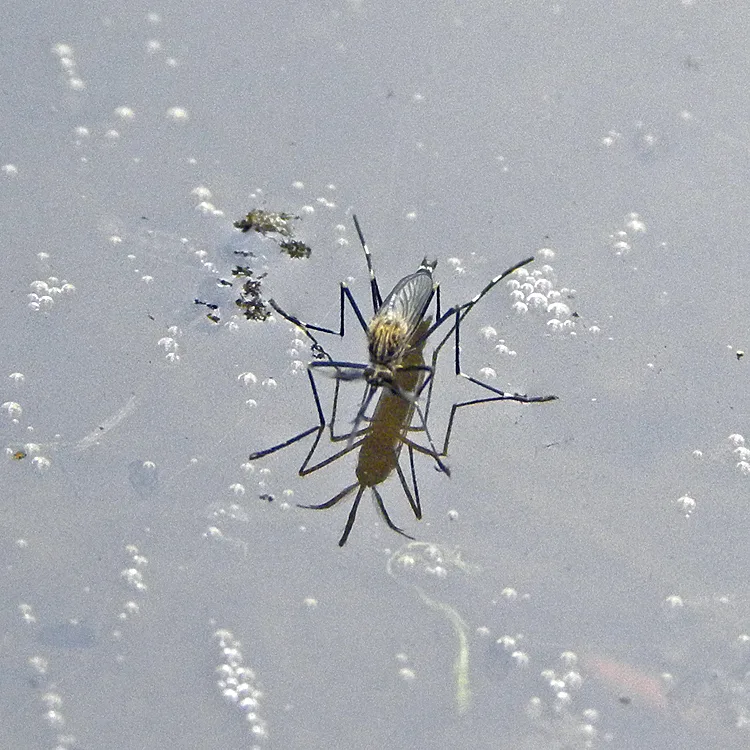
Why This Question Needs a Careful Answer
Most people assume mosquito control is either completely safe or completely dangerous. The truth lives in the gray area between those two extremes. Your neighbor's misting system might be fine for their yard but risky for the apiary two houses down.
The fogging truck that rolls through your town once a month poses a very different risk profile than the repellent you apply to your own skin before a hike.
The confusion comes from lumping all methods together. A mosquito dunk that releases a bacteria specific to mosquito larvae isn't the same thing as a synthetic pyrethroid spray that kills every insect it touches. An EPA-registered repellent you apply to exposed skin isn't the same as a thermal fogger that fills an entire backyard with insecticide particles.
That's why understanding the actual science matters more than the fear or the hype. You need to know what each option involves, how the risks change depending on who or what is exposed, and where the real hazards actually lie. We'll walk through all of that in the sections ahead.
At the same time, it helps to compare mosquito control to other indoor pest control methods you might already use in your home. The same principles apply: read the label, use the right amount, and keep products away from kids and pets.
The Core Facts: What Science Says About Mosquito Control Safety

Let's start with the basics. The EPA evaluates every mosquito control product for two main types of risk: acute toxicity (what happens with a single exposure) and chronic toxicity (what happens with repeated or long-term exposure). Both matter, but they affect safety decisions differently.
How the EPA Regulates Mosquito Products
Under FIFRA, the EPA requires manufacturers to submit data on:
- Acute oral, dermal, and inhalation toxicity
- Skin and eye irritation potential
- Aquatic and avian toxicity
- Groundwater contamination potential
- Breakdown rate in sunlight and soil
Products that pass these tests receive an EPA registration number. That number tells you the product has been reviewed and approved for the specific uses listed on the label. If you see a product without an EPA number, it hasn't been evaluated for safety.
The Difference Between Acute and Chronic Toxicity
Acute toxicity is what most people worry about when they see a fogging truck. Could that cloud make someone sick immediately? The data says no, at the concentrations used.
ULV (ultra-low volume) foggers produce droplets so small they dissipate within minutes. The risk of acute poisoning from a properly conducted fogging operation is extremely low.
Chronic toxicity is more nuanced. It looks at what happens when a person or animal is exposed repeatedly over months or years. For most mosquito control products used according to label directions, chronic risk is also low.
But there are exceptions, especially with certain pyrethroids that can accumulate in sediment and affect aquatic life.
This is why general insecticide safety knowledge transfers well to mosquito products. The same active ingredients appear in many household pest sprays. Understanding how they work helps you make smarter choices.
Low-Risk Options: Bti, Spinosad, and Physical Barriers
If you want the lowest possible risk, start with these options:
- Bti (Bacillus thuringiensis israelensis): A naturally occurring soil bacterium that targets only mosquito and black fly larvae. It breaks down within 24 to 48 hours in water. Safe for humans, pets, fish, and plants. Available as dunks, bits, or granular formulations.
- Spinosad: A fermented product from soil bacteria. Effective against mosquito larvae and has low toxicity to mammals. It is slightly more persistent than Bti and can affect some beneficial insects if applied carelessly.
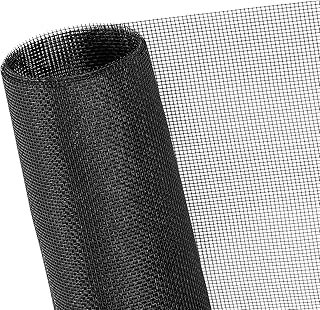
- Physical barriers: Mosquito nets, screens, and permethrin-treated clothing provide protection without spraying anything into the environment. Permethrin-treated clothing has been extensively tested by the U.S. military and CDC. Its safety record is strong when used as directed, though it is toxic to cats before it dries.
The table below compares the acute toxicity of three common active ingredients using oral LD50 values (the dose required to kill 50% of test subjects).
| Active Ingredient | Oral LD50 (rat, mg/kg) | Common Use | Notable Risk |
|---|---|---|---|
| DEET | ~2,000 | Personal repellent | Skin irritation at high concentrations |
| Picaridin | ~3,000 | Personal repellent | Very low irritation profile |
| Permethrin | ~3,800 | Clothing treatment, barrier spray | Highly toxic to cats wet |
Picaridin's LD50 is higher than DEET's, meaning it takes more of the substance to cause acute toxicity. That's why many experts recommend picaridin for people with sensitive skin or for use on children. Permethrin's mammalian toxicity is low, but its extreme toxicity to cats (even dried residue can cause seizures) makes it a product you must use with care if you share a home with felines.
Use proper soil health practices to maintain a robust outdoor space that can naturally resist pest overpopulation, reducing your dependence on high-potency treatments.
Risk Factors That Change the Equation
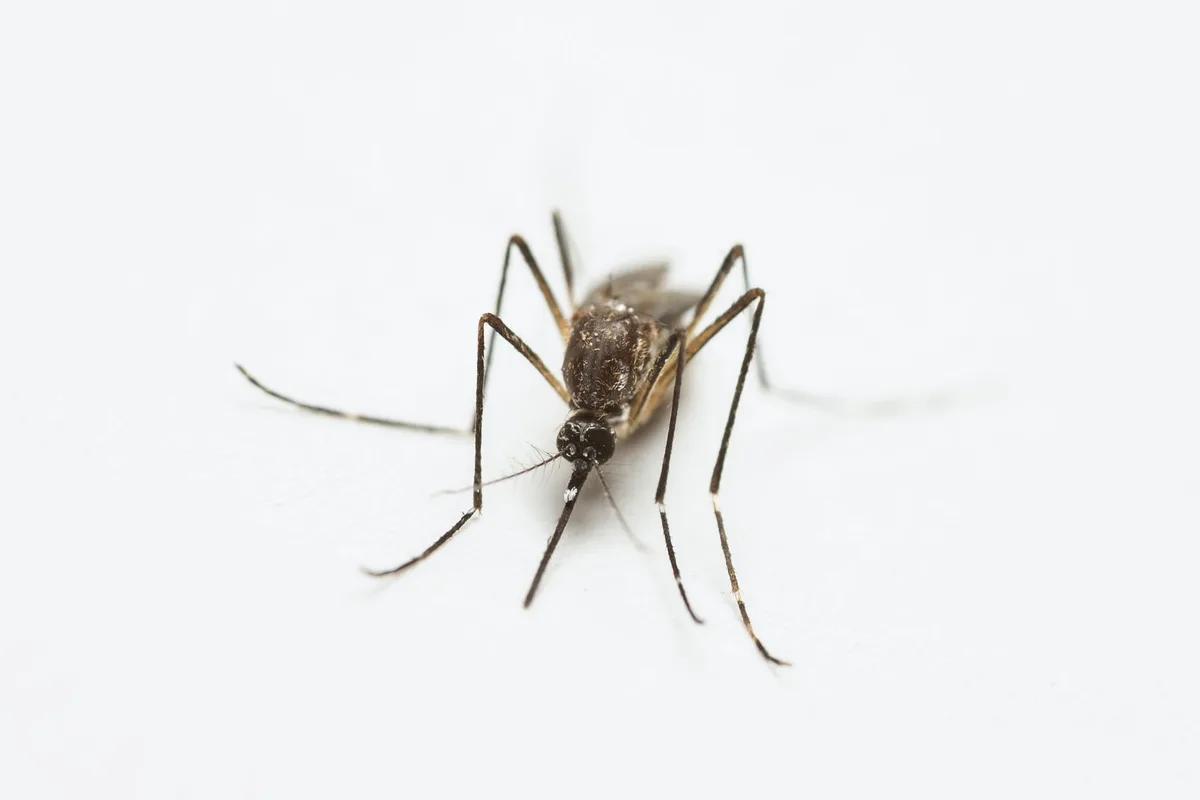
Safety isn't just about the product itself. It's about who and what is exposed. These four factors make the biggest difference.
Age and Health Status
Children and pregnant women need extra caution. The American Academy of Pediatrics recommends DEET concentrations no higher than 30 percent for children older than two months. For infants under two months, physical barriers like mosquito netting are the only recommended protection.
Pregnant women should choose repellents with picaridin or IR3535 over DEET where possible, though the CDC has deemed DEET safe during pregnancy when used as directed. People with respiratory conditions like asthma may react to aerosolized particles from foggers or misting systems. If that describes someone in your home, avoid being present during spraying and keep windows closed for at least 30 minutes afterward.
Pets in the Home
Cats are uniquely vulnerable to permethrin toxicity. Their livers lack the enzyme needed to break it down. Even small amounts absorbed through the skin or ingested during grooming can cause muscle tremors, seizures, and death.
If you use permethrin-treated clothing, keep it away from cats until it's completely dry. Never allow a cat to sleep on a treated garment.
Dogs tolerate permethrin much better, but they can still develop skin irritation or drooling if exposed to concentrated sprays. Always keep pets indoors during a professional fogging treatment and for at least one hour after the spray settles.
Environmental Exposure
Mosquito control products can harm pollinators if applied carelessly. Bees and butterflies are insects, and broad-spectrum insecticides don't discriminate. Barrier sprays applied directly to flowering plants kill bees that visit those flowers afterward.
To protect your local pollinator population, focus your treatments on vegetation that doesn't flower. Treat shady areas where adult mosquitoes rest, not the blooming perennials that attract bees. Use larvicides in standing water instead of spraying the whole yard.
The impact on beneficial pollinators can be severe if product selection and timing are poor, so always review sustainable control options first.
Application Method
How you apply a product changes its risk profile. A handheld repellent spray gives you full control over where the product goes. A backpack fogger creates airborne particles that drift beyond your property line.
An automated misting system releases insecticide on a timer, whether mosquitoes are present or not.
Misting systems are among the most controversial methods because they release pesticides regularly into the environment, killing beneficial insects and potentially creating resistance in local mosquito populations. If you're considering a misting system, weigh the convenience against the broader ecological impact.
Common Mistakes People Make (and How to Avoid Them)
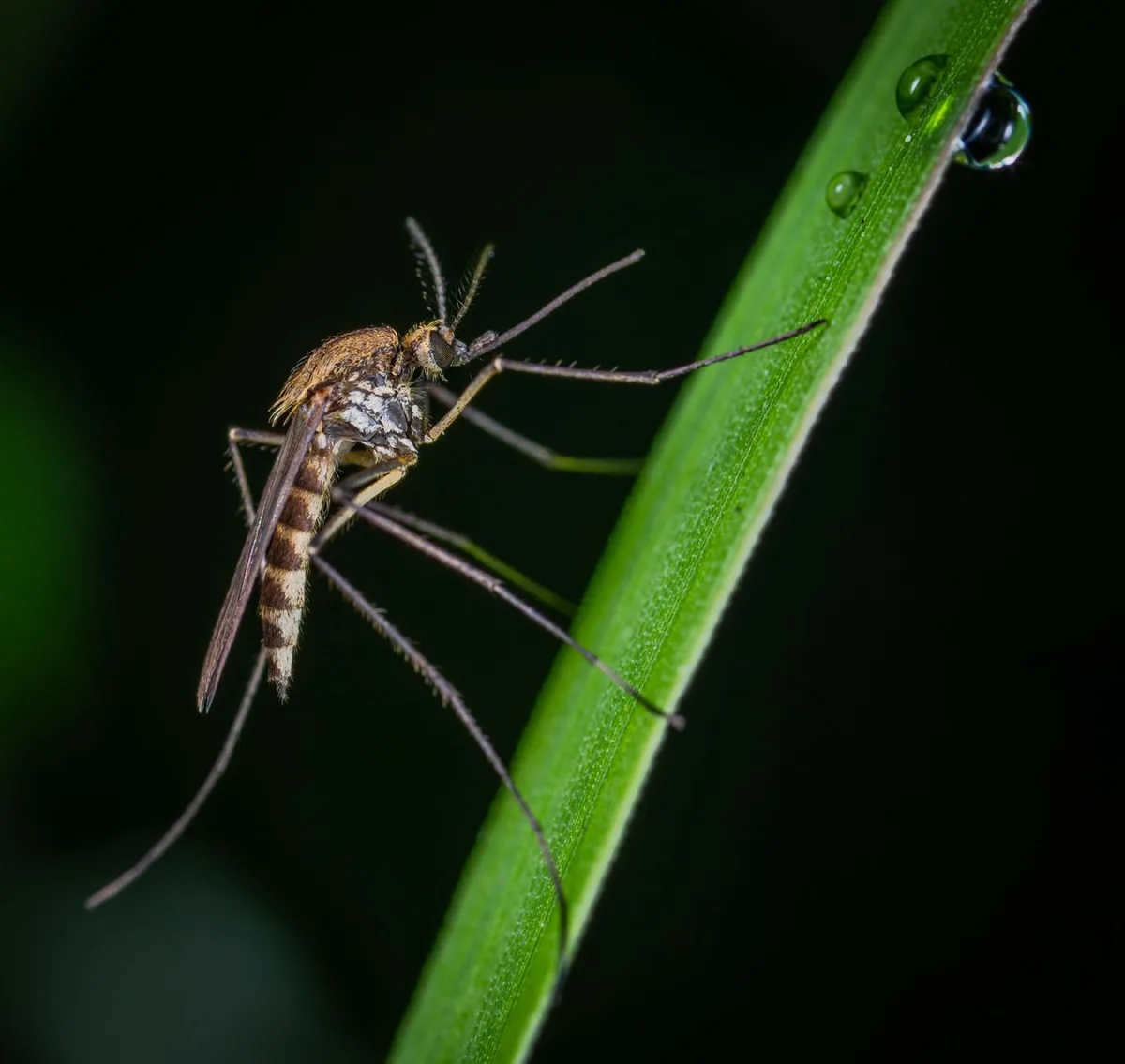
Most safety problems with mosquito control come from these common errors.
Mistake 1: Applying repellent to skin covered by clothing. Repellents need to reach exposed skin to work. Spraying a thick layer on your shirt doesn't protect your arms and legs.
Mistake 2: Using more product than the label recommends. Doubling the concentration doesn't double the protection. It increases the risk of skin irritation and environmental exposure. More is not better.
Mistake 3: Forgetting to treat standing water. Mosquitoes breed in as little as a bottle cap of water. Drain gutters, dump plant saucers, change bird baths weekly, and cover rain barrels with mesh. This single step reduces mosquito populations more than any spray.
Mistake 4: Spraying flower beds during bloom. You kill bees and butterflies while doing almost nothing to reduce adult mosquito numbers. Mosquitoes prefer shaded, humid resting spots. Spray those areas instead.
Mistake 5: Ignoring the re-entry interval on fogging labels. Many fogging products require you to stay out of the treated area for 30 minutes to an hour. Ignoring that window can result in unnecessary inhalation exposure.
Mistake 6: Over-treating the lawn. This wastes money, increases chemical load, and can damage soil microbes. Focus on resting areas and breeding sites, not open grass. If you're unsure where to start, the same logic that guides proper overall lawn maintenance applies here.
Mistake 7: Mixing multiple mosquito control products. Combining a barrier spray with a fogger and a misting system in the same week doesn't make your yard safer. It increases your family's exposure and accelerates resistance. Pick one method and use it consistently.
Avoid these errors, and you'll dramatically lower the risk of your mosquito control routine while keeping the effectiveness high.
Choosing the Right Method for Your Situation
There's no one-size-fits-all answer to mosquito control. The safest and most effective method depends on your specific circumstances. Let's break it down by use case.
When a Repellent Is Enough
If you're an adult going for a walk, hiking, or sitting on a patio for a few hours, a personal repellent is all you need. DEET or picaridin applied to exposed skin gives you reliable protection without any environmental exposure.
Choose DEET 20 to 30 percent for all-day trips. Go with picaridin 20 percent if you have sensitive skin or want something that feels less greasy. Both are EPA-registered and safe for adults when used per the label.
When Larvicides Make Sense
If you have standing water on your property that can't be drained, use larvicides. Bird baths, rain barrels, ornamental ponds, and clogged gutters are prime mosquito breeding sites. A single Bti dunk or a spoonful of spinosad granules treats the water for weeks.
This method is the lowest-risk chemical option. It targets only mosquito larvae and doesn't harm pets, birds, or fish. It's the ideal choice for anyone with children or pets who play in the yard.
When Professional Fogging Is Actually Needed (and When It's Not)
Professional fogging is warranted during a confirmed disease outbreak. If local health officials report West Nile virus or Eastern equine encephalitis in your area, a truck-mounted fogging program can quickly knock down adult mosquito populations.
For routine backyard annoyance, fogging is usually overkill. It kills beneficial insects, creates drift issues, and provides only temporary relief. Consider targeted barrier sprays or larvicides first.
Fogging is not a substitute for source reduction. If you still have standing water, new mosquitoes will emerge within days no matter how much you fog.
How to Apply Mosquito Control Products Safely – A Step-by-Step Guide
Safety starts before you even open the bottle. Follow these steps every time.
Step 1: Identify the target. Are you treating larvae in water, adult mosquitoes resting in bushes, or protecting your own skin? Each target requires a different product and application method.
Step 2: Read the entire label. Don't skim. Look for the EPA registration number, active ingredient concentration, application rate, and re-entry interval. Note any warnings about pets, plants, or water bodies.
Step 3: Use the right equipment. For barrier sprays, use a hand-pump sprayer with a coarse nozzle. For fogging, use only equipment rated for the specific formulation. Never use a garden sprayer for fogging concentrates.
Step 4: Apply at the right time. Early morning or late evening is best. Temperatures are lower, wind is calm, and mosquitoes are most active. Avoid midday heat and windy conditions.
Step 5: Wear protective gear. At minimum, wear long sleeves, pants, closed-toe shoes, and gloves. If you're mixing concentrates, add safety glasses and a respirator rated for organic vapors.
Step 6: Stay out of the treated area. Respect the re-entry interval on the label. Most fogging products require 30 to 60 minutes. Barrier sprays often have a shorter interval but still need time to dry.
Step 7: Clean your equipment. Rinse sprayers thoroughly after each use. Dispose of unused mixed product according to label instructions. Never pour leftover insecticide down a drain.
What the Labels Don't Say: Expert Tips on Reading Between the Lines
The label is legal, but it doesn't always tell you the full story. Here's what experienced applicators know.
"Ready to use" means low concentration but still needs care. Ready-to-use sprays are pre-diluted and convenient, but they still contain active ingredients. Don't assume "ready to use" equals safe to spray anywhere.
The signal word matters more than the active ingredient. On EPA labels, you'll see Caution, Warning, or Danger. Caution is lowest toxicity. Danger indicates high acute toxicity.
Products with Danger signal words are rarely used in residential mosquito control.
"Inert ingredients" are not necessarily harmless. The label only lists active ingredients. Inert ingredients can include solvents, surfactants, and preservatives. Some can cause skin irritation or have unknown environmental effects.
If you have chemical sensitivities, look for products that list all ingredients.
Resistance warnings are real. Some labels now include statements about rotating active ingredients to slow resistance. If you use the same product all season, you may be breeding mosquitoes that survive future treatments.
The label doesn't cover cumulative effects. Following the label for each application is safe, but if you combine multiple products (spray + repellent + treated clothing), your total exposure increases. Use only what you need.
When to Call a Professional vs. DIY
Some situations call for expert help. Here's how to decide.
Call a licensed professional when:
- You have a large property with multiple breeding sites you can't address alone.
- Your area has an active disease outbreak and you need fast, widespread coverage.
- You want an automated misting system installed (requires proper calibration and regulation compliance).
- You have health concerns (allergies, asthma, chemical sensitivities) and need a tailored plan.
Stick with DIY when:
- You only need personal repellents for occasional outdoor time.
- You can manage standing water and use larvicides yourself.
- You want a simple barrier spray for a small yard.
- You're comfortable reading labels and following safety steps.
A good middle ground is hiring a professional for an initial assessment. They can identify breeding sites you missed and recommend a customized plan. Then you maintain it yourself with low-risk products.
Safety, Legal, and Compliance – State Rules and Buffer Zones
Federal law sets the baseline, but states add their own requirements. Some states require a pesticide applicator license for any fogging or misting system operation, even on your own property. Others restrict certain active ingredients near water bodies or beehives.
Buffer zones are areas where no spraying is allowed. Common buffer zones include:
- 100 feet from water bodies (ponds, streams, wells)
- 100 feet from organic farms
- 50 feet from apiaries (beehives)
Check with your state's department of agriculture or pesticide control agency. They maintain lists of restricted products and posted spraying schedules.
If you hire a professional, verify their license and insurance. Ask about the products they use and request a copy of the label. Good companies provide that information willingly.
If you're a renter or live in a homeowners association, review your community's policy on mosquito spraying. Some HOAs have contracts with companies that spray on a fixed schedule, even when there's no mosquito activity. You can request to be notified in advance and opt out if needed.
As of 2026, several states are also requiring notification of nearby beekeepers before any wide-area fogging. If you keep bees, register with your state's apiary program to get alerts.
Frequently Asked Questions
Is it safe to use mosquito spray around my vegetable garden?
Yes, but only if you use a product labeled for edible crops. Avoid barrier sprays containing permethrin or pyrethroids on or near fruiting vegetables. Bti dunks are safe near gardens since they only target larvae in standing water.
Can mosquito control products cause long-term health effects?
The EPA evaluates chronic toxicity during registration. At labeled rates, approved products show no evidence of causing long-term harm in humans. The greater risk comes from overuse or ignoring re-entry intervals, which can increase cumulative exposure.
Are natural or essential oil repellents safer than DEET?
Not necessarily. "Natural" doesn't guarantee safety. Some essential oils cause skin irritation or allergic reactions at high concentrations.
DEET and picaridin have been tested far more rigorously than botanical repellents. Choose based on efficacy and your skin sensitivity.
What should I do if my pet is exposed to a misting system?
Remove the pet from the area immediately. Wash any visible residue off their fur with mild soap and water. Monitor for drooling, tremors, or vomiting.
Contact your veterinarian or the ASPCA Animal Poison Control Center if symptoms appear.
How long should I wait before letting kids play on the lawn after spraying?
Check the product label for the specific re-entry interval. For most barrier sprays, wait until the product is completely dry, typically one to two hours. For fogging, wait at least 30 minutes and ventilate the area first.
Final Verdict – A Practical Decision Guide for Your Home
Start with source reduction. Drain standing water weekly. Use Bti dunks in bird baths and rain barrels.
This alone cuts mosquito breeding by 80 percent or more.
For personal protection, choose picaridin or DEET repellents based on your skin preference. Apply only to exposed skin and wash off when you come indoors.
For your yard, use targeted barrier sprays on shaded vegetation where mosquitoes rest. Avoid spraying flowering plants. Never fog unless there's a confirmed disease outbreak.
If you share your home with cats, skip permethrin products entirely. Store all treated clothing away from cat bedding.
Mosquito control is safe when you respect the limits. Read every label. Use the smallest effective amount.
And remember that the safest control method is often the simplest one you already have in your hand.