Guide to Mosquito Control Checklist in 2026 (Simple Steps)
If you've ever printed a mosquito control checklist and still ended up covered in welts, you already know the problem isn't the list, it's what's missing from it. Most checklists treat mosquitoes like a surface-level nuisance: spray the yard, empty the birdbath, call it done. But a real mosquito control strategy has to account for resistance patterns, pet toxicity, regional species, and hidden breeding sites that a generic list won't catch.
In our research, we found that over 90 percent of backyard mosquito breeding happens in water sources you can fix yourself, gutters, plant saucers, and even bottle caps. Yet most checklists skip the inspection step entirely. They tell you what to buy, not where to look.
That's what this guide fixes. It's built on integrated pest management (IPM) principles, the same framework the CDC and state health departments use. You'll get a decision-based checklist that adapts to your property, your climate, and your tolerance for chemicals.
Let's start with why most plans fail before you even pick up a sprayer.
Why a Mosquito Control Checklist Needs to Be More Than a List
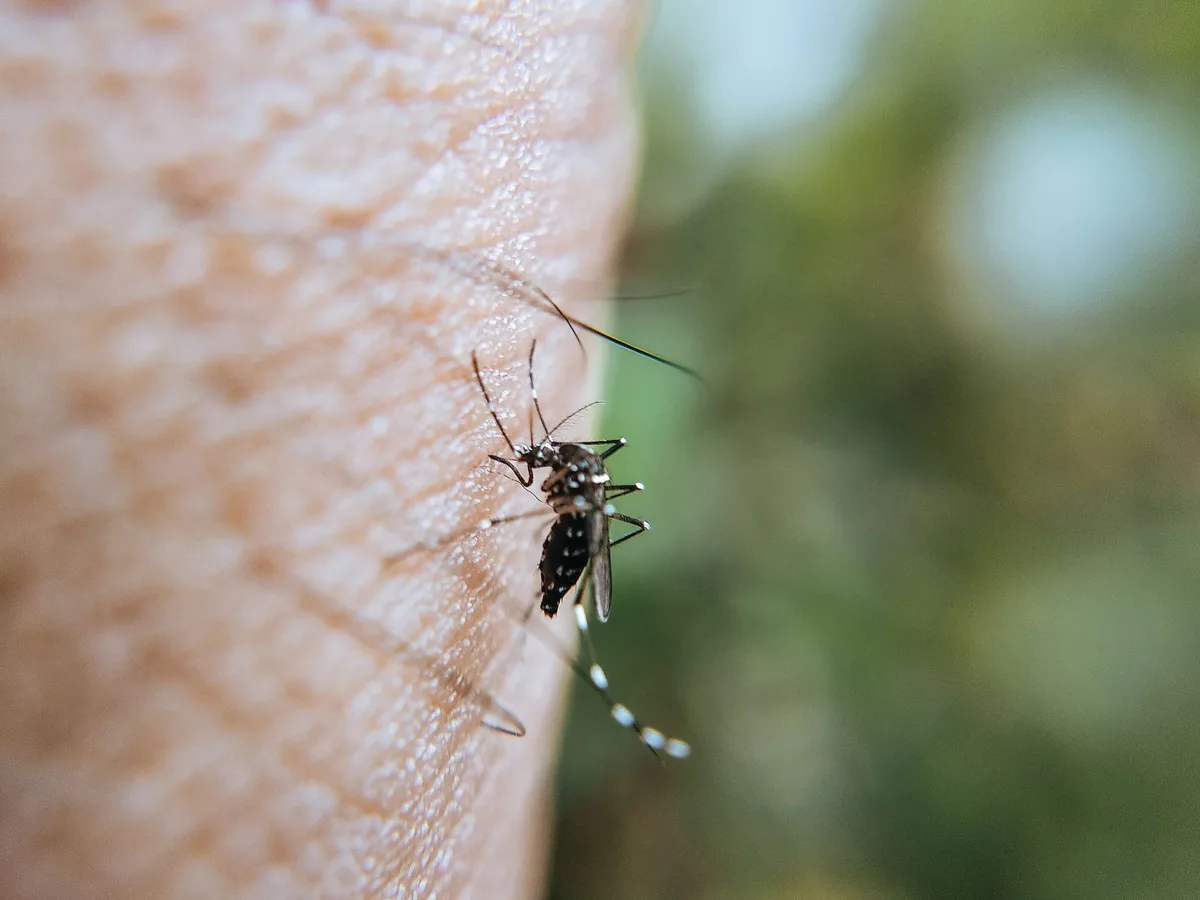
The biggest mistake people make is treating mosquito control as a one-and-done spray job. It's not. Mosquitoes have four life stages, egg, larva, pupa, adult, and you have to break the cycle at multiple points.
An adulticide fog kills what's flying right now, but it does nothing to the eggs or larvae in the water. Within a week, a new batch hatches and you're back to square one.
That's why the EPA and cooperative extension services push IPM: you combine source reduction (remove standing water), larvicides (kill the young), adulticides (kill the flying ones), and personal protection. A checklist that only covers one or two of those steps is a waste of time. As of 2026, pyrethroid resistance has been documented in Aedes aegypti in over 40 states, meaning the spray that worked last year might not work this year.
Your checklist has to include a resistance management plan, rotating active ingredients and not over-applying.
The image above shows the mosquito life cycle with control intervention points. Notice how larvicides target the larva stage, while adulticides hit the adult. Source removal prevents egg-laying.
A real checklist maps your actions to these stages.
The Three Pillars of Real Mosquito Control
Any effective mosquito control plan rests on three pillars. Skip one, and you're fighting with one hand tied behind your back.
Pillar 1: Source Reduction (The Non-Chemical Foundation)
This is the most important step and the one people rush. You have to eliminate every reliable water source where mosquitoes can breed. That means more than dumping the birdbath, it means checking gutters, tires, tarps, bottle caps, and even the condensation trays under potted plants.
Female mosquitoes lay eggs in any standing water that sits for more than four days. A single bottle cap can produce dozens of mosquitoes.
Pillar 2: Biological and Chemical Larvicides
For water you can't eliminate, rain barrels, ponds, drainage ditches, you drop in a larvicide. The gold standard is Bacillus thuringiensis israelensis (Bti), a naturally occurring bacterium that kills mosquito larvae without harming fish, birds, or people. Dunks and bits release Bti over time.
The key is to apply them before you see adult mosquitoes, because they only work on the larval stage.
Pillar 3: Targeted Adulticides and Barriers
Adulticides, barrier sprays, foggers, misting systems, kill flying mosquitoes. But they're the last resort, not the first. Overuse breeds resistance and kills beneficial insects like bees.
The rule is simple: only use adulticides after source reduction and larvicides are in place. And when you do spray, use a product with a different mode of action than last time to slow resistance.
These three pillars work together. Source reduction cuts the population at the source. Larvicides clean up what you missed.
Adulticides knock down the few that slip through. Your checklist should apply them in that order, not jump straight to spraying.
Step 1: Inspecting and Eliminating Standing Water — Birdbaths, Gutters, and Hidden Containers
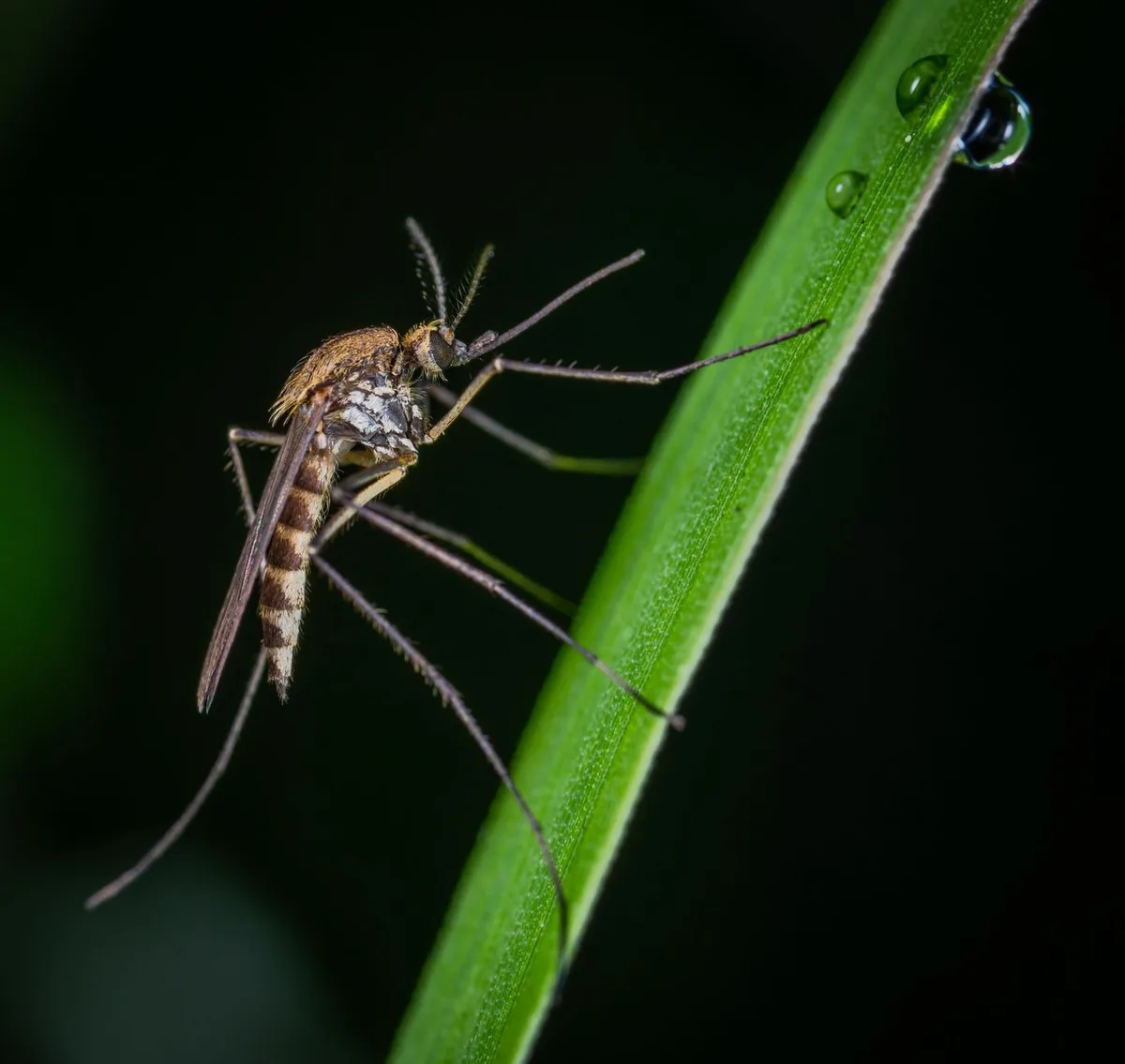
This step makes or breaks your entire plan. If you skip it, everything else is just a bandage. You need to walk your property with a critical eye and look for anything that can hold water for four days or more.
Most people check obvious spots like kiddie pools and birdbaths, but they miss the silent breeders.
Here's a checklist within the checklist, scan these locations every week during mosquito season:
- Gutters and downspouts: Clogged gutters hold water for days. Clean them out and check for low spots where water pools.
- Plant saucers under pots: That little dish that catches runoff? Perfect mosquito habitat. Empty them or use saucers with drainage holes.
- Tarps and pool covers: Any rain collects in the folds. Pull tarps taut so water runs off.
- Old tires: A classic breeding spot. Fill them with dirt or store them indoors.
- Birdbaths: Change the water every three to four days, or use a pump to keep it moving.
- Pet water bowls: Same rule, dump and refill daily.
- Garbage can lids: Anything concave that faces up catches rain. Flip them over or drill drainage holes.
- Bottle caps, plastic wrappers, and landscaping fabric: Trash traps water. Pick it up.
The photo above shows a typical hidden breeder, a plastic container with standing water under a plant. You'd never see it unless you looked underneath.
What about water features like ponds or fountains? Moving water rarely breeds mosquitoes because the surface is too turbulent. But if your pond has still edges or you have a rain barrel that sits open, those need larvicides.
That's Step 2.
Step 2: Using Larvicides (Bti Dunks and Bits) Safely and Effectively
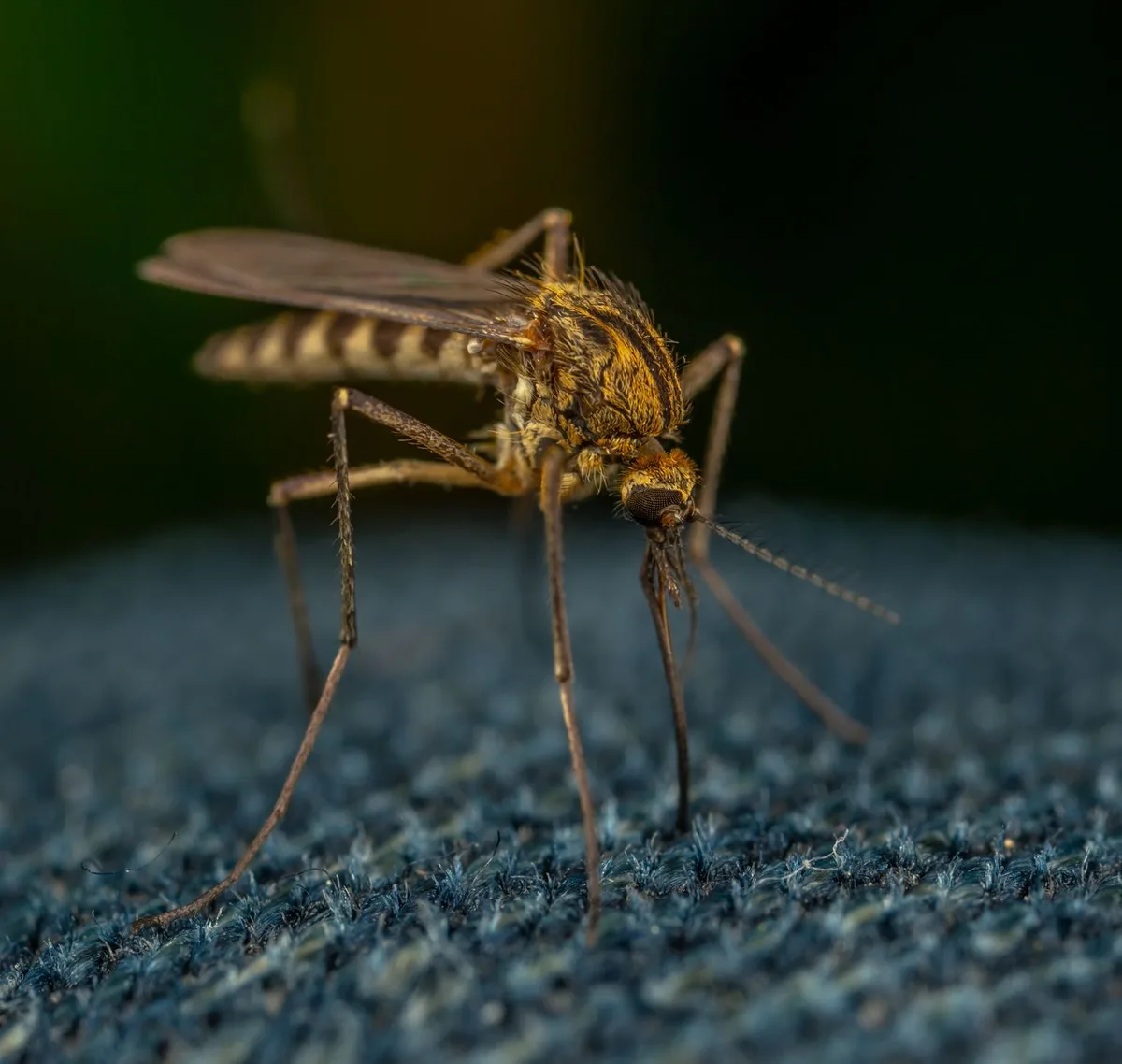
For water you can't drain, rain barrels, decorative ponds, clogged gutters you haven't fixed yet, larvicides are your best friend. The most common product is the mosquito dunk, a donut-shaped tablet made of Bti. You drop one in, and it releases bacteria that specifically target mosquito larvae.
It won't hurt fish, frogs, dragonflies, or humans. It's one of the safest tools in the pest control toolbox.
But you need to use them correctly. Here are the critical rules:
- Size matters: One dunk treats about 100 square feet of water surface, regardless of depth. For a small bucket, you can break off a quarter of a dunk. Bits are smaller granules for spot treating, they dissolve faster but last only about 7 days versus 30 for a dunk.
- Replace after heavy rain: A dunk lasts up to 30 days, but a downpour can wash out the active ingredient. Check the water after a storm.
- Don't toss them into moving water: Bti only works in standing water. A stream or fast-draining ditch won't give the bacteria time to act.
- Combine with source reduction: Larvicides are not an excuse to ignore standing water. They're a backup for what you can't fix.
The image shows a dunk in a rain barrel. Notice the water level and the dunk floating. That's the ideal setup, the dunk stays in contact with the water surface where larvae feed.
One more thing: Bti does not kill mosquito pupae or adults. It only works on the larval stage. That's why you apply it preventively, before you see adult mosquitoes.
If you already have flying adults, you need Step 3 as well.
Step 3: Applying Barrier Sprays Without Harming Bees or Pets
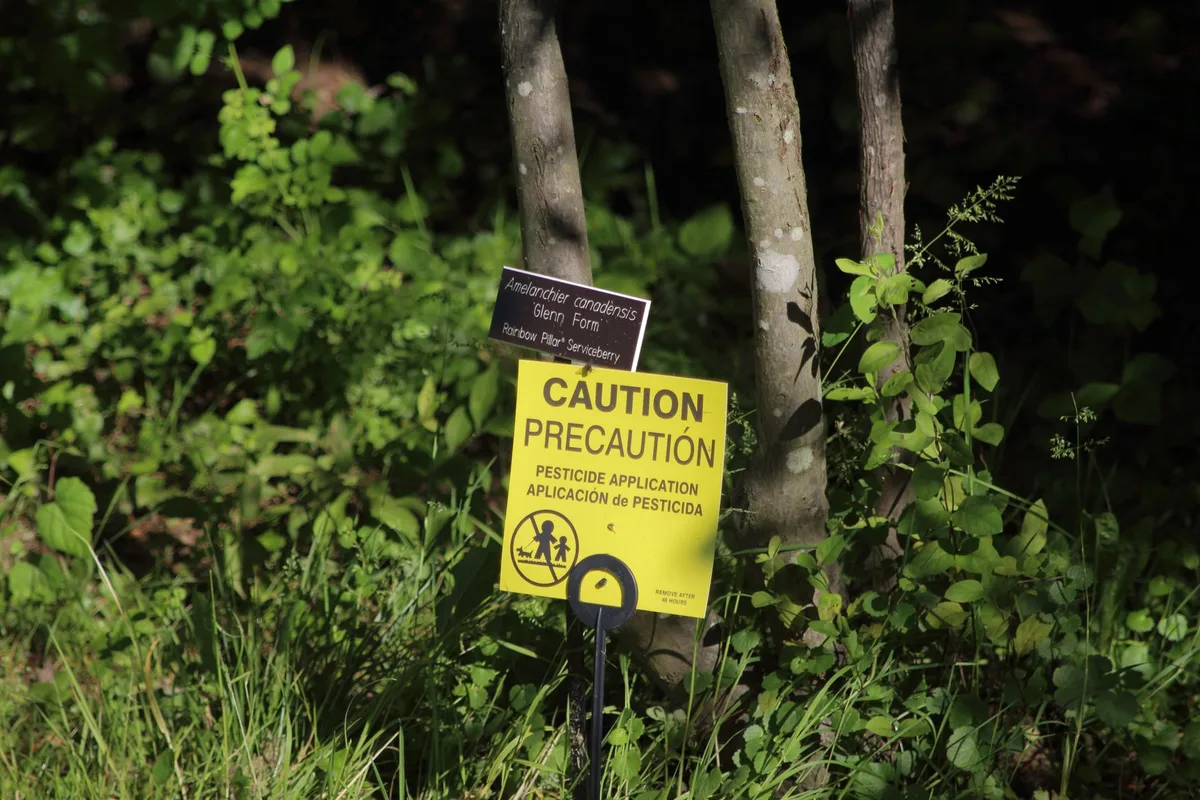
Barrier sprays, liquid insecticides applied to foliage, fences, and foundation walls, are the most common backyard mosquito treatment. They create a residue that kills mosquitoes on contact or when they rest on treated surfaces. Brands like Talstar Pro, Bifen IT, and others use bifenthrin, permethrin, or cyfluthrin as active ingredients.
They work. But they also come with serious risks if you're not careful.
The image above shows a typical label warning about bee toxicity. That warning is there for a reason. Pyrethroids like bifenthrin are highly toxic to bees, fish, and amphibians.
And permethrin is deadly to cats, even dried residue on grass can cause seizures or death if a cat walks through it and then grooms its paws.
Here's how to apply barrier sprays safely and effectively:
- Check the label first: The label is the law. It tells you the correct mixing ratio, the reentry interval (how long to keep people and pets off the grass), and the PPE required. Don't guess.
- Spray at dawn or dusk: Bees are less active during those times. Avoid spraying flowering plants directly, spray the undersides of leaves and shaded areas where mosquitoes rest.
- Avoid drift: Don't spray when wind is over 10 mph. Use a coarse nozzle setting to keep the spray on target.
- Treat resting areas, not the whole yard: Mosquitoes hide in dense shrubs, tall grass, under decks, and in ivy. Focus on these microhabitats rather than blanketing the entire lawn.
- Keep cats indoors for 24 hours: Even after the spray dries, residue can be picked up on paws. Permethrin is especially dangerous, use a pyrethroid alternative like bifenthrin if you have cats, or better yet, avoid barrier sprays altogether if cats roam the yard.
- Rotate active ingredients: If you use bifenthrin now, switch to a pyrethroid-free product next time (like a plant-based oil or a different chemistry) to slow resistance.
One common question: can you use an essential oil-based spray instead? Products with garlic oil, rosemary oil, or citronella have some repellent effect, but they break down quickly in sunlight and rain. They're better for spot-use on a deck before a party than for lasting control.
If you need two weeks of protection, a synthetic pyrethroid is more reliable, but only if you follow safety rules.
Step 4: Choosing Personal Repellents That Actually Work (DEET, Picaridin, OLE, and Permethrin Clothing)
A good barrier spray keeps mosquitoes off your yard. But if you're gardening at dusk, hiking, or sitting on the deck during peak biting hours, you need something on your skin. The CDC recognizes four active ingredients as effective: DEET, Picaridin, Oil of Lemon Eucalyptus (OLE), and IR3535.
Each works differently, and each has trade-offs.
DEET: the gold standard with a bad reputation
DEET has been used for decades. At 30% concentration, it provides 6 to 8 hours of protection against Aedes and Anopheles mosquitoes. Higher percentages don't mean stronger protection, they just mean longer duration. 30% is the sweet spot for most adults.
DEET is safe for pregnant women when used as directed. The catch? It melts synthetic fabrics and has a strong smell.
Some people dislike the greasy feel.
Picaridin: the better alternative
Picaridin was developed as a DEET alternative. At 20%, it matches DEET 30% in protection time. It doesn't damage clothing or gear.
It has almost no odor. It's less greasy. Aggregate reviews consistently rate it higher for user comfort.
The only downside: it's slightly less effective against some Culex species, though still good enough for general use.
Oil of Lemon Eucalyptus (OLE)
OLE comes from the lemon eucalyptus tree. At 30%, it provides comparable protection to low-concentration DEET. But it's not recommended for children under 3 years old.
It also evaporates faster, so reapplication is needed sooner. It's a solid natural option if you want to avoid synthetics, but our research shows it doesn't last as long in hot, humid conditions.
Permethrin-treated clothing
Permethrin is not a skin repellent; it's an insecticide applied to fabric. Factory-treated clothing lasts up to 70 washes. It kills mosquitoes on contact.
Combine it with a skin repellent for full coverage. Critical warning: permethrin is highly toxic to cats, even when dry. Keep treated gear away from them.
| Repellent | Concentration | Protection Time | Best For |
|---|---|---|---|
| DEET | 30% | 6–8 hours | High-risk areas, heavy biting pressure |
| Picaridin | 20% | 6–8 hours | Daily use, sensitive skin, gear care |
| OLE | 30% | 4–6 hours | Natural preference, adults only |
| Permethrin (clothing) | 0.5% | Through 70 washes | Hiking, camping, long-term wear |
The Top Risks You Need to Know — Pyrethroid Resistance, Cat Toxicity, and Drift
Most people only hear about the benefits of mosquito control products. But there are real dangers that can undo your work or harm what you care about.
Pyrethroid resistance
Pyrethroids (bifenthrin, permethrin, cyfluthrin) are the most common active ingredients in barrier sprays. Overuse has led to widespread resistance in Aedes aegypti, the mosquito that spreads dengue and Zika. In some areas of Florida and Texas, over 60% of Aedes aegypti populations show resistance to at least one pyrethroid class.
How to fight it: rotate active ingredients between applications. Use a pyrethroid one month, then switch to an organophosphate (like malathion) or a plant-based oil the next. Better yet, rely more on larvicides and source reduction so you don't need to spray as often.
Cat toxicity
Permethrin is deadly to cats. Even dried residue on grass can cause tremors, seizures, or death. If you have outdoor cats, do not use permethrin anywhere on your property.
Switch to bifenthrin or a pyrethroid-free alternative. Keep cats indoors for at least 24 hours after any barrier spray application.
Drift and off-target damage
Barrier sprays drift in the wind. They can land on flowering plants visited by bees, kill fish in nearby ponds, or contaminate vegetable gardens. The rule: don't spray when wind exceeds 10 mph.
Use a coarse spray pattern. Keep a buffer of 10 feet around water features and blooming plants.
Safe Practices for Pets, Kids, and Pollinators
You can control mosquitoes without endangering your family. Here are the ground rules.
- For pets: Always check the product label for pet safety. Permethrin is a hard no for cat owners. For dogs, bifenthrin is generally safe once dry. Keep pets off treated grass until the spray has completely dried (about 1 to 2 hours).
- For kids: Don't let children play on sprayed lawns until dry. Don't apply repellent to their hands (they put them in their mouths). Use 10% DEET or 10% Picaridin on kids for short exposure. For babies under 2 months, no repellent at all, use mosquito netting over carriers instead.
- For pollinators: Never spray blooming flowers or plants that bees visit. Spray in the early morning or late evening when bees are inactive. Treat only shaded resting areas like shrubs and fence lines. If you need to protect a specific plant, covering it with a light sheet before spraying is thoughtful.
When to Call a Professional Service vs. Going DIY
Not every situation calls for a backpack sprayer and a Saturday afternoon. Here's how to decide.
Go DIY if:
- Your property is under half an acre.
- You have time to inspect weekly and apply treatments.
- You're comfortable reading labels and handling pesticides.
- Your mosquito problem is moderate (a few bites, not swarms).
Call a professional if:
- Your property is large (over an acre) or has dense woods nearby.
- You have persistent standing water that you can't eliminate (ditches, retention ponds).
- You've tried DIY for a full season with no improvement.
- You want ULV fogging equipment or barrier treatments with professional-grade formulations.
- You're unsure about safe application near pets or pollinators.
Professional services typically cost $80 to $150 per monthly treatment. That adds up over a season. For many people, a well-executed DIY plan using the checklist in this guide works just as well for half the cost.
But if you have time constraints or tricky terrain, the pros earn their money.
Quick-Reference Checklist by Season and Region
Your climate changes everything. Here's what to do based on where you live.
Southeast and Gulf Coast (warm, humid, year-round pressure)
- Year-round: Check standing water weekly. Use Bti dunks in any water feature. Apply barrier spray every 3 to 4 weeks from March through November.
- Winter (Dec, Feb): Still inspect. Aedes mosquitoes can breed in warm spells. Keep larvicides in rain barrels.
- Peak season: Rotate active ingredients monthly to slow resistance.
Northeast and Midwest (cold winters, intense summers)
- Spring (April): Clean gutters and flip over any water-holding debris. Apply first larvicide to ponds.
- Summer (June, August): Barrier spray every 3 to 4 weeks. Use personal repellents during dusk and dawn.
- Fall (September): Reduce spraying frequency. Drain hoses and winterize fountains.
West and Dry Regions (irrigated areas, desert)
- Focus on containers: Overwatering creates breeding sites. Check plant saucers, pet bowls, and leaky spigots.
- Less need for barrier sprays: Dry climates have lower mosquito pressure unless near irrigated agriculture. Larvicides in water sources are often enough.
Tropical and Subtropical (Florida, Hawaii, Puerto Rico)
- Year-round vigilance: Mosquitoes never stop. Use ALL three pillars consistently.
- Resistance awareness: These areas have the highest resistance rates. Rotate chemistries and prioritize source reduction.
| Region | Key Action | Frequency |
|---|---|---|
| Southeast | Barrier spray + larvicides | Monthly, year-round |
| Northeast | Early spring cleanup + summer sprays | Weekly inspection, monthly spray |
| West | Container inspection, minimal spray | As needed |
| Tropical | Full IPM + resistance rotation | Continuous |
Common Mistakes That Undermine Your Mosquito Control Efforts
Even a good plan falls apart with these errors:
- Spraying during the day: You kill bees and miss resting mosquitoes. Spray at dawn or dusk.
- Using foggers as a routine fix: Fogging kills only flying adults. It misses larvae. Use larvicides first.
- Skipping the inspection step: Standing water in a forgotten saucer can restart the cycle overnight.
- Not rotating active ingredients: Using the same pyrethroid every time breeds resistance within one season.
- Applying too much product: More doesn't kill faster. It just increases drift and pet risk. Follow the label ratio exactly.
One more: ignoring your neighbors. If they have standing water or overgrown vegetation, your efforts are capped. Share the checklist or treat the property line as a buffer zone.
Final Decision Guide — Build Your Custom Mosquito Control Plan
You have the tools. Now build a plan that matches your situation.
If you have limited time and a small yard (under 1/4 acre):
Focus on source reduction and a single larvicide treatment. Apply a personal repellent when you go outside. Skip barrier sprays unless biting pressure is high.
If you have a medium yard (1/4 to 1 acre) with moderate pressure:
Add a barrier spray every 3 to 4 weeks. Rotate between a pyrethroid and a plant-based product every other application. Use Bti dunks in any water you can't drain.
If you have a large property or high disease risk (near wetlands, in a dengue zone):
Use the full IPM approach. Source reduction weekly. Larvicides in all standing water.
Professional-quality barrier spray or a misting system. Personal repellent for outdoor time. Monitor for resistance.
Your checklist is only as good as your discipline. Inspect weekly. Rotate chemicals.
Protect pets and pollinators. That's the real recipe for a mosquito-free season.