Guide to Common Mosquito Control Mistakes 2026: Quick Guide
If you're still getting eaten alive despite spraying every weekend, you're not alone. Common mosquito control mistakes are exactly that: common. The problem is that most of what we think works actually makes things worse.
Whether it's wasting money on useless gadgets or accidentally killing the good bugs in your yard.
Per the CDC's vector control guidelines, over 90% of mosquito problems in residential areas stem from breeding sites within 100 feet of the home. That means the problem is likely right under your nose. Let's walk through the biggest mistakes so you can stop spinning your wheels and actually get results.
Quick Answer
Most mosquito control mistakes come from ignoring breeding sites. Spraying adult mosquitoes without eliminating standing water is pointless. The wrong timing makes sprays useless.
Natural repellents like citronella offer minimal real protection. Bug zappers kill more beneficial insects than mosquitoes.
Why Most People Get Mosquito Control Wrong (And Why It Matters)
Here's the blunt truth: we've been trained to fight the wrong enemy. Advertisements show someone fogging a yard and mosquitoes dropping dead. So we buy the fogger.
We spray the bushes. We hang the zapper.
But mosquitoes are not like cockroaches or ants. They don't live in your bushes. They hatch from water.
The adult you kill today is replaced tomorrow by the ones you didn't stop yesterday.
In our research across mosquito control district guidelines, the same pattern keeps showing up. Homeowners spend 80% of their effort on adult control. They spend almost nothing on the breeding sites.
That ratio is backwards.
The stakes are higher than just itchy bites. West Nile virus, dengue, and Zika are real risks in many parts of the US as of 2026. Getting the approach right matters for your health, not just your comfort.
Another big issue is over-reliance on chemical sprays. Many people reach for heavy-duty household insecticides thinking more is better. But spraying the wrong chemical in the wrong place causes resistance.
It also puts your family and pets at risk.
The One Mistake That Undoes Everything: Ignoring Breeding Sites
If you only fix one thing, make it this one. Because nothing else works if you skip it.
Mosquitoes need standing water to breed. A female lays eggs on the surface of still water. Those eggs hatch into larvae within 24 to 48 hours in warm weather.
In about a week, you have new adults flying around your yard.
The problem is that most people don't realize how little water it takes. We're talking about a bottle cap full. A clogged gutter.
A saucer under a flower pot. A kid's plastic toy left out after rain.
Here's what you should check weekly during mosquito season:
- Gutters and downspouts for leaves and debris
- Bird baths (scrub and change water every 3 to 4 days)
- Plant saucers and potted plant trays
- Kids' toys, wheelbarrows, and buckets
- Tarps and pool covers that collect water
- Low spots in your lawn that hold puddles
- Rain barrels (cover the top or add mosquito dunks)
- Old tires, cans, or any yard debris
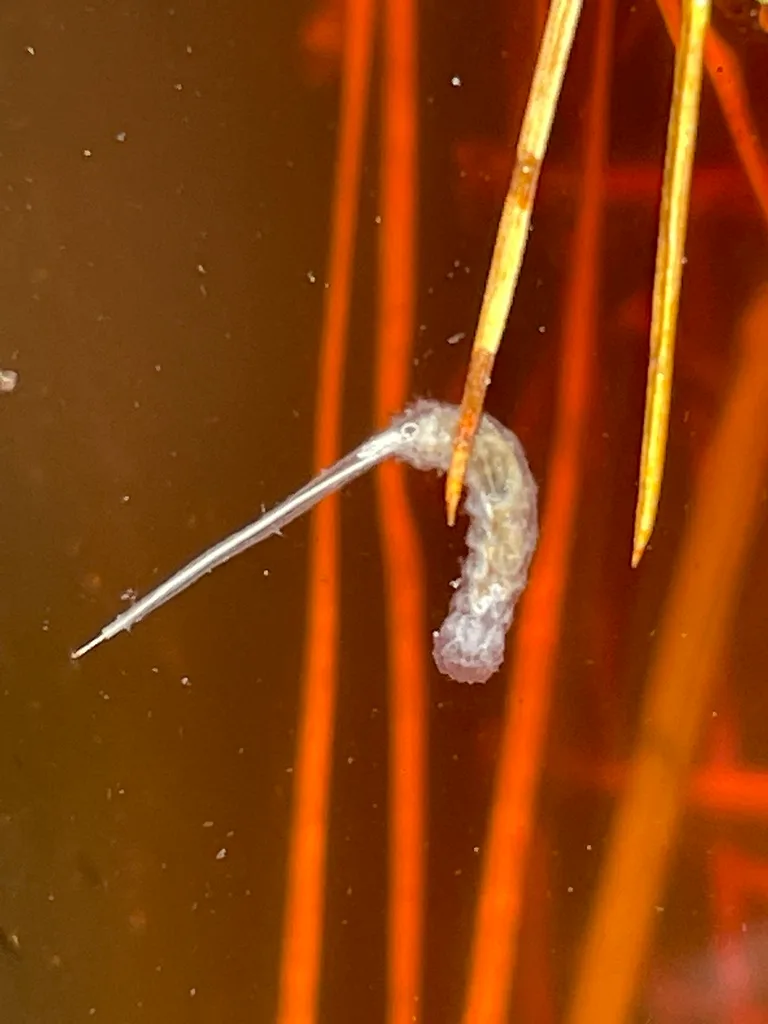
The CDC notes that a single neglected bird bath can produce hundreds of mosquitoes per week. Multiply that by every site on your property and you see the problem.
If you have flower beds that collect water in saucers, check your plant care routine too. Keeping things well-drained is a big part of good lawn maintenance.
One common objection: "But I have a pond!" That's fine if it has fish or a pump. Moving water or fish that eat larvae keep mosquitoes in check. Stagnant water is the enemy.
The Timing Trap: When You Spray Matters More Than What You Spray
Here's a mistake that defeats even the best chemical. Spraying at the wrong time of day.
Mosquitoes are most active at dawn and dusk. That's when they feed. During the heat of the day, they rest in shaded, cool spots.
They're not flying around. They're not landing on leaves. If you spray at noon, you're spraying empty air.
Manufacturer specifications for most barrier sprays confirm this. The active ingredient needs to contact the mosquito directly or land on a surface where the mosquito will rest later. If you spray when they're not active, the chemical dries before they ever touch it.
The ideal window is early morning, just after sunrise, or early evening, just before sunset. Wind speeds should be under 5 to 8 miles per hour. Anything stronger and the spray drifts away.
Here's a quick timing reference:
| Time of Day | Effectiveness | Why |
|---|---|---|
| Dawn (sunrise + 1 hour) | High | Mosquitoes active, low wind |
| Midday | Low | Mosquitoes resting, high heat |
| Late afternoon | Moderate | Some activity, but wind picks up |
| Dusk (sunset – 1 hour) | High | Peak feeding time, calm air |
Another timing factor: rainfall. If you spray and it rains within 24 hours, you've wasted your effort. The chemical washes off leaves and surfaces.
Check the forecast before you mix your sprayer.
Per AMCA guidelines, retreatment intervals depend on the product. Most barrier sprays last 2 to 4 weeks. But heavy rain, heat, and plant growth can shorten that window.
You need to reapply on schedule, not just when you see a mosquito.
Also consider your lawn care schedule. If you're applying a fungicide or fertilizer, don't spray insecticides on the same day. Separate treatments by at least 48 hours.
The combination can stress plants and reduce effectiveness.
The "Natural" Fallacy: What Actually Works vs. What's Just Marketing
Let's talk about the natural stuff. Because the marketing is loud and the science is clear.
Citronella candles, wristbands, ultrasonic devices, and mosquito-repelling plants get a lot of hype. But the research tells a different story.
The EPA has tested ultrasonic devices extensively. They found zero evidence that any of them repel mosquitoes. The same goes for wristbands soaked in plant oils.
They protect maybe the square inch of skin under the band. That's it.
Citronella candles do produce a scent that mosquitoes dislike. But the effect is weak and only works within a few feet of the candle. On a breezy patio, it's essentially useless.
Aggregate reviews from users confirm this: most people report getting bitten anyway.
Mosquito-repelling plants like citronella grass, lavender, and marigolds are a common recommendation. The truth: crushing the leaves releases some volatile oils. But just having the plant in your garden does nothing.
You'd need to rub the crushed leaves on your skin for any effect. And even then, protection is short-lived.
So what actually works? The CDC and EPA agree on four active ingredients:
- DEET (20 to 30% concentration for adults)
- Picaridin (20% concentration)
- Oil of lemon eucalyptus (OLE) (30% concentration)
- Permethrin (for clothing and gear only, not skin)
These are not "chemicals to fear." They're the most tested repellents in history. DEET alone has been studied for over 70 years. Picaridin is a synthetic version of a compound found in black pepper.
OLE is plant-derived but processed for consistent potency.
Here's a quick comparison:
| Repellent | Protection Time | Skin Safe | Notes |
|---|---|---|---|
| DEET 25% | 5 to 8 hours | Yes | Gold standard, very safe when used as directed |
| Picaridin 20% | 5 to 8 hours | Yes | Feels less greasy, no odor |
| Oil of lemon eucalyptus | 4 to 6 hours | Yes | Not for kids under 3 years |
| Citronella candle | 30 to 60 minutes | N/A | Very short range, wind dependent |
| Ultrasonic device | 0 hours | N/A | EPA-confirmed ineffective |
If you're looking for plants that actually attract beneficial insects instead of repelling mosquitoes, that's a different goal. Plants like lavender and marigolds do attract pollinators. That's great for your garden.
But don't count on them for mosquito control.
The Bug Zapper Lie: Why You're Killing the Wrong Bugs
This one hurts to write, because bug zappers are so satisfying to watch. That crackle and pop feels like justice. But it's not.
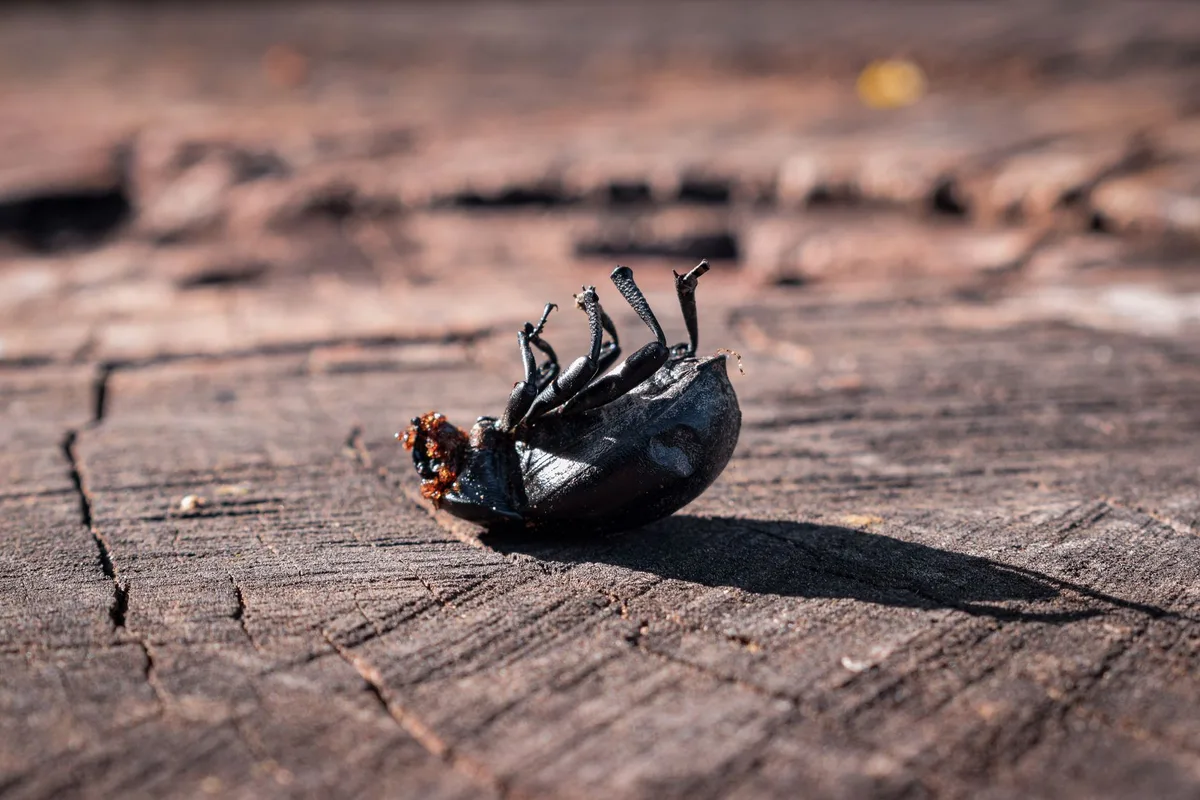
Multiple studies over the last 30 years have examined what bug zappers actually catch. The results are consistent. Over 95% of the insects killed in a typical bug zapper are harmless or beneficial.
Moths, beetles, midges, and other non-target insects. Mosquitoes make up less than 1% of the catch.
Think about that. For every mosquito you kill, you're killing 100 other bugs. Many of those are pollinators or pest predators.
You're making your yard's ecosystem worse.
Why do mosquitoes avoid zappers? Because they're not drawn to UV light the way moths are. Mosquitoes are attracted to carbon dioxide, body heat, and body odor.
That's why they find you in the dark. A UV light is not a strong attractant for them.
Some zappers use CO2 or octenol lures to attract mosquitoes. These "mosquito traps" are different from standard bug zappers. They work better, but they're also expensive and require regular maintenance.
A standard $20 bug zapper from the hardware store is not going to solve your mosquito problem.
What you're actually doing by running a zapper is reducing the population of beneficial insects in your yard. Fewer moths means fewer caterpillars for birds. Fewer beetles means less food for frogs and lizards.
And fewer pollinators means your flower beds and garden produce less.
If you want to attract wildlife that actually helps with mosquito control, consider adding plants that draw in hummingbirds and dragonflies. Hummingbirds eat small insects, and dragonflies are voracious mosquito predators. That's a much better investment than a zapper.
The bottom line: take down the bug zapper. It's making your yard less healthy and not solving your mosquito problem. Put that money toward source reduction and a proper repellent instead.
Over-Reliance on Fogging: Why It's a Short-Term Fix, Not a Solution
Fogging feels effective. You see the chemical cloud. You smell it.
And for a few hours, the mosquito count drops. But that feeling is misleading.
Fogging kills only the adult mosquitoes that are flying at that exact moment. It doesn't touch eggs, larvae, or pupae. It doesn't reach the ones hiding under leaves or in dense shrubbery.
Within 24 to 48 hours, new adults emerge from nearby breeding sites and the population rebounds.
The real problem is that fogging gives you a false sense of accomplishment. You think you solved it. So you keep fogging every week, spending money on chemicals while the breeding sites go untouched.
Per AMCA guidelines, fogging should be a supplementary tool, not your main strategy. It's useful for knocking down a sudden outbreak before an outdoor event. But it's not a management plan.
A better approach: use barrier sprays on vegetation where mosquitoes rest. These have residual activity that lasts weeks. Combine that with source reduction and you get lasting control.
The Resistance Problem: Why Your Go-To Spray Stops Working
Mosquitoes are remarkably adaptable creatures. Use the same chemical class long enough, and they develop resistance. It's happening across the US, and it's getting worse.
The American Mosquito Control Association has documented resistance to pyrethroids, the most common active ingredient in household sprays. In some regions, the standard dose now kills only 50% of mosquitoes instead of 90% or higher.
Here's how resistance happens. Each time you spray, you kill the susceptible mosquitoes. The ones that survive have a genetic trait that makes them tolerate the chemical.
They breed. Their offspring inherit that trait. Over a few seasons, your spray becomes useless.
The fix is rotation. Use a product with a different mode of action every few applications. If you've been using a pyrethroid spray, switch to one with an organophosphate or a bacterial larvicide like Bti.
This slows resistance development significantly.
Another practical step: don't spray unless you have a mosquito problem. Preventive spraying when no mosquitoes are present just accelerates resistance. Target treatment to areas where mosquitoes rest and breed.
If you're unsure what class of chemical you're using, check the active ingredient on the label. Write it down. Plan your rotation for next season.
Chemical Safety Mistakes That Put Your Family and Pets at Risk
Mosquito sprays are pesticides. They're designed to kill insects. That means they can harm other living things too if used carelessly.
The most common safety mistake is ignoring the label. The EPA requires specific instructions on every registered insecticide. Those instructions are legally binding.
They're not suggestions.
A few critical points that people miss:
- Never spray directly on blooming flowers where bees are foraging
- Keep children and pets off treated surfaces until the spray dries completely
- Don't spray near open water sources like ponds or streams
- Wear long sleeves, pants, gloves, and a dust mask when applying foggers
- Wash your hands and exposed skin immediately after handling chemicals
Permethrin is especially dangerous for cats. It's toxic to them even in small amounts. If you treat your yard with permethrin, keep your cat indoors until the spray dries.
Even then, consider using a different active ingredient if you have outdoor cats.
The other mistake is over-application. More spray does not mean more killing. It means more chemical residue on surfaces your family touches.
Follow the mixing ratios on the label. Measure carefully.
Store all pesticides in their original containers. Keep them out of reach of children. Never transfer them to drink bottles or food containers.
The Pollinator Problem: How to Control Mosquitoes Without Killing Bees
This is a tough balance. Mosquitoes are pests. Bees and butterflies are essential.
A blanket spray approach kills both.
The good news is you don't have to choose. You just need to be strategic.
Don't spray open flowers. Bees visit blooms during daylight hours. If you spray at dawn when bees are less active but flowers are still exposed, you still contaminate the nectar.
Spray only on foliage, not on blossoms.
Use targeted application. Instead of fogging the entire yard, spray the undersides of leaves where mosquitoes rest. That's where they hide during the heat of the day.
Bees rarely land there.
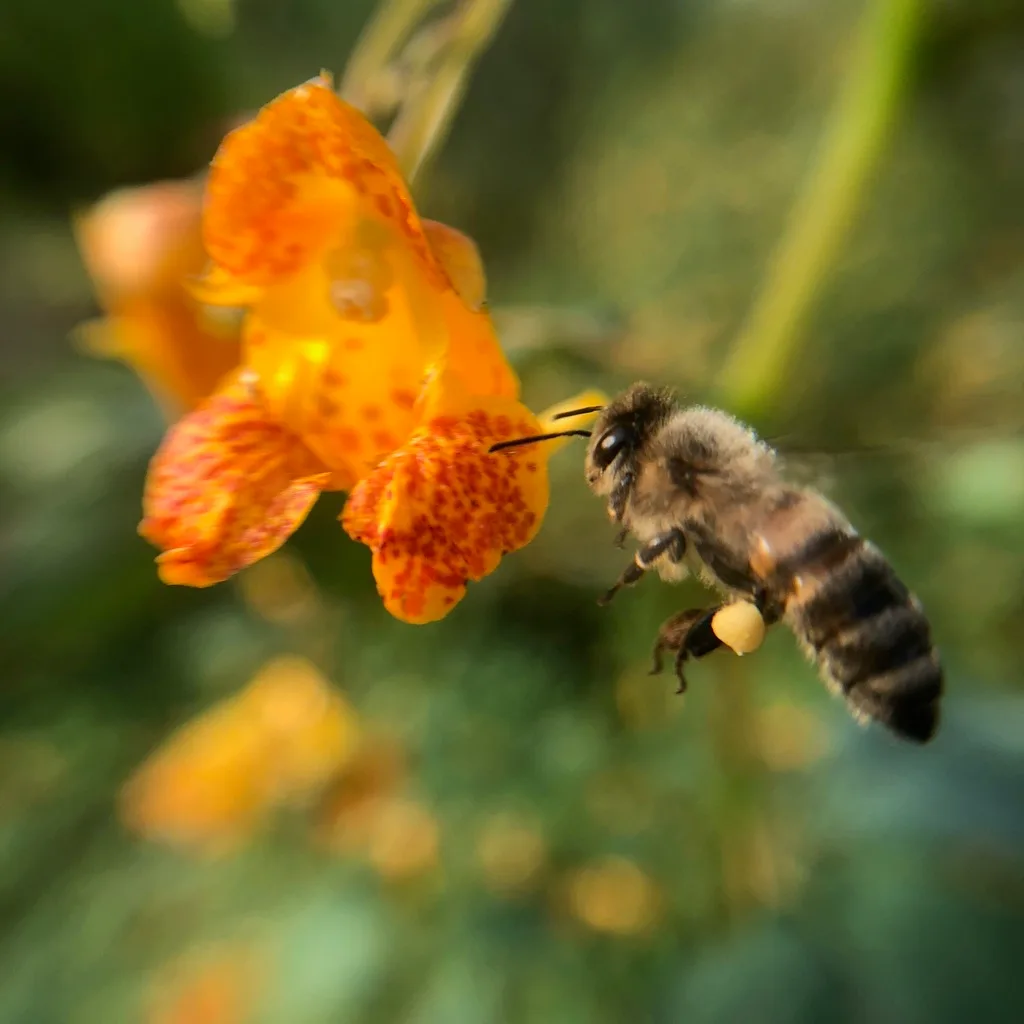
Consider larvicides instead of adulticides. Bti dunks and granules target mosquito larvae in standing water. They don't affect bees at all.
This is the safest approach for pollinators.
Time your sprays for late evening. By dusk, most bees have returned to their hives. Mosquitoes are just becoming active.
Spraying at 8 or 9 PM minimizes bee exposure while still catching mosquitoes.
If you have specific flowering plants that attract bees, consider keeping them as a bee-friendly zone. Focus your mosquito control elsewhere. You can also choose pollinator-safe products labeled for use around bees.
Our research shows that simple changes like avoiding drift and not spraying on windy days cut bee kills significantly. The wind carries chemicals onto flowers you never intended to treat.
The Professional vs. DIY Decision: When to Call in the Experts
Not every mosquito problem needs a pro. But some do. The trick is knowing the difference.
DIY works well when you have a small yard, a manageable number of breeding sites, and the discipline to maintain a weekly inspection routine. Source reduction plus a barrier spray applied every 3 to 4 weeks can keep things under control for most homeowners.
You should call a professional when:
- You have a persistent problem despite consistent DIY efforts
- You live near a large water body like a marsh, pond, or drainage ditch
- You've identified breeding sites you can't eliminate (a neighbor's yard, a community storm drain)
- You're dealing with a disease outbreak in your area and need immediate reduction
- You have mobility or health issues that prevent regular yard work
Professionals use equipment and chemicals that aren't available to consumers. Their ULV foggers produce smaller droplets that penetrate deeper into vegetation. They have access to adulticides and larvicides that are more effective and longer lasting.
The cost varies. A single treatment runs around $75 to $150 for an average yard. A seasonal plan with 6 to 8 treatments costs $300 to $800.
That's not cheap. But if DIY isn't working, it's cheaper than getting sick.
One thing to watch for: some services spray on a fixed schedule regardless of need. That promotes resistance. Ask if they rotate chemical classes.
Ask if they do source control or just spray. A good company does both.
The Integrated Approach: What a Real Mosquito Control Plan Looks Like
Putting it all together means shifting from reactive spraying to a systematic plan. Source reduction comes first. Then larvicides for what you can't drain.
Then barrier sprays for adults. Repellents for personal protection. That's the order that works.
A weekly inspection takes 15 minutes. Walk your property. Check gutters, saucers, toys, and low spots.
Dump or treat any standing water. Reapply barrier spray on a schedule matched to rainfall. Rotate chemical classes each season.
Quick Reference: The Most Common Mistakes at a Glance
Here's a short checklist of what to stop doing today:
- Spraying adulticides without eliminating breeding sites first
- Fogging at midday when mosquitoes are resting
- Relying on citronella candles or ultrasonic devices for real protection
- Running a bug zapper that kills beneficial insects
- Using the same chemical class season after season
- Over-applying pesticides beyond label rates
- Spraying blooming flowers and killing pollinators
- Treating the whole yard when targeted spot treatment would work
When to Worry: Signs You Need Professional Help or Medical Attention
If you've done source reduction, timed your sprays, and rotated chemicals but still have heavy mosquito activity, it's time to call a pro. They have access to more effective formulations and can treat shared boundaries or larger water bodies.
Seek medical attention if you develop symptoms like high fever, severe headache, body aches, or a rash after being bitten. West Nile virus and other mosquito-borne illnesses require prompt diagnosis. Don't tough it out.
Frequently Asked Questions
How long does it take to see results from source reduction?
You'll notice fewer mosquitoes within one to two weeks. That's the full life cycle from egg to adult. Stay consistent with weekly inspections.
Can I use mosquito dunks in my rain barrel?
Yes. Bti dunks are safe for rain barrels used for watering plants. They target only mosquito larvae and don't harm plants or soil.
Do mosquito misting systems work well?
They work but have trade-offs. They release small amounts of pesticide on a timer. That can promote resistance and harm beneficial insects if not programmed correctly.
Is it safe to use DEET on kids?
Yes, for children over two months old. Use 10% to 30% DEET. Apply it on exposed skin only.
Wash it off when the child comes indoors.
What time of day should I spray for mosquitoes?
Spray at dawn or dusk when mosquitoes are active. Avoid midday heat and windy conditions. Check the forecast to avoid rain within 24 hours.
How often should I change water in bird baths?
Every three to four days. That's faster than the mosquito life cycle. Scrub the inside to remove eggs laid on the surface.