How to Fix Lawn Grubs for 2026: Beginner-Friendly Guide
If you've ever lifted a patch of brown grass only to find it peel back like a loose rug, you already know the problem. You're staring at white, C-shaped grubs feeding on your lawn's roots, and the clock is ticking on how to fix lawn grubs before the damage gets worse.
According to university extension research, a population of just 10 to 15 grubs per square foot can destroy a lawn within weeks during active feeding. The good news is that once you identify the culprit correctly, the fix is straightforward and timing based. Here's what you need to know and what to look for.
Why Visual Identification Matters (And Why Guessing Costs You the Lawn)
Brown grass doesn't always mean grubs. Drought, fungal patches, and even heavy thatch can mimic the same symptoms. If you treat for grubs when the real problem is a fungus or a watering issue, you'll waste money and potentially harm beneficial soil life.
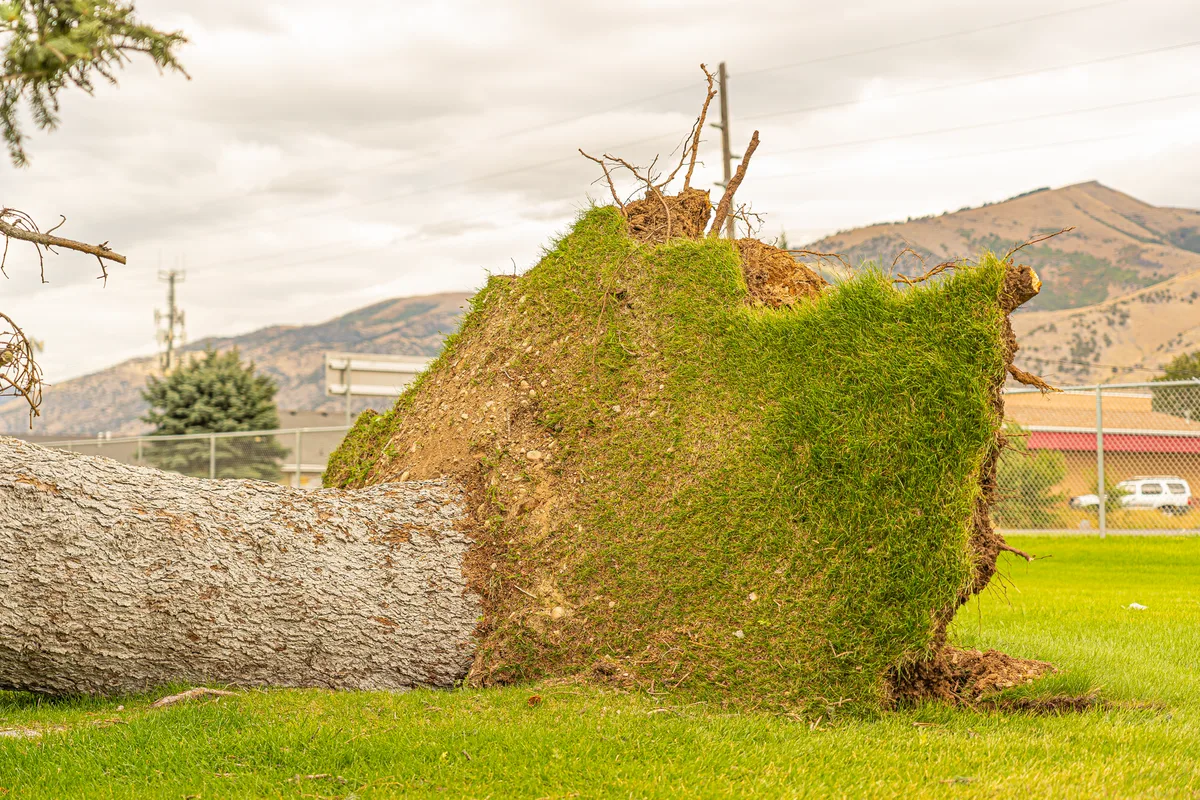
The key visual clue is how the grass lifts. Gently tug a handful of brown turf near the edge of the dead area. If it comes away easily, like a piece of sod with no roots holding it down, that's a strong sign grubs have eaten the root system.
If the grass is firmly rooted but simply brown and crispy, you're likely dealing with drought stress.
A soil probe or a simple spade is your best friend here. Dig down about two to three inches at the border between green and brown grass. Flip the soil over and look for the grubs.
No grubs means it's time to consider other causes, like a lawn fungus that might respond to a targeted fungicide treatment.
The Two Grub Scenarios: Active Infestation vs. Prevention (How to Tell Which You're Dealing With)
There are only two situations where you need to act, and they require completely different approaches.
Scenario 1: You already see damage. Brown patches, animal digging, or loose sod. You're dealing with an active infestation of mature grubs (usually second or third instar). You need a curative product that kills the grubs now.
Scenario 2: You want to stop grubs before they cause problems. If you had grubs last year, or you notice adult Japanese beetles or chafers laying eggs in your lawn during summer (June through August depending on your region), you need a preventive product applied at the right time.
If you skip visual confirmation and just dump a preventive product on an active infestation, you'll be disappointed. Systemic preventives like imidacloprid take weeks to move into the root zone and don't kill large grubs quickly. Conversely, using a fast-acting curative like trichlorfon (Dylox) in the spring when no grubs are present is a waste of product and money.
Visual Cue #1: How to Spot Grub Damage vs. Drought, Fungus, or Animal Digging
Here's a side by side look at what each type of damage looks like.
| Symptom | Grub Damage | Drought Stress | Fungal Disease | Animal Digging |
|---|---|---|---|---|
| Grass color | Irregular brown patches, often with a green border | Uniform browning, typically starts on slopes or thin soil | Circular brown patches sometimes with gray or white rings | Scattered torn up turf, no consistent pattern |
| Root system | Roots eaten, grass lifts easily | Roots intact but dry, grass stays put | Roots usually intact but may be discolored | Roots may be intact, ground is disturbed |
| Soil moisture | Soil can be moist or dry | Soil is dry and hard | Soil often moist from overwatering or poor drainage | Soil can be any condition |
| Other signs | Grubs visible in top 2–3 inches of soil | No grubs, soil is dusty or compacted | No grubs, may see fungal threads or mushrooms | Animal droppings, tracks, or visible animal |
The most reliable test is still the sod peel test (see the next section). But if you see birds, skunks, or raccoons digging up your lawn repeatedly, they're almost certainly after grubs. Animals have a strong sense of smell for the larvae.
Visual Cue #2: The Sod Peel Test – Exactly What to Look For and How Many Grubs Trigger Action
Here's how to do it properly.
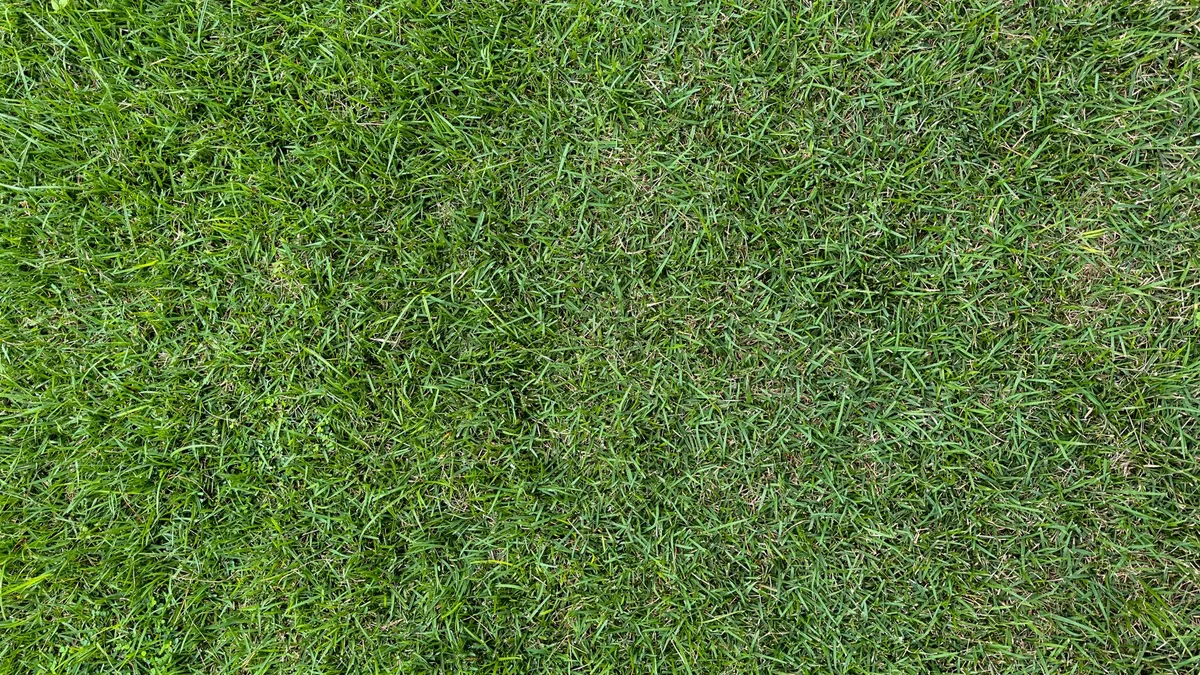
Use a sharp spade or shovel. Cut a square of turf about one foot by one foot, three to four inches deep, right at the edge where the grass is turning brown. Peel the sod back like a flap.
You'll see the soil surface and any grubs clinging to the roots or lying just below.
Now count the grubs. University guidelines suggest that 10 or more grubs per square foot in cool-season lawns or 5 to 8 in high maintenance turf justifies treatment. If you find fewer than that and the grass looks otherwise healthy, you can usually leave them alone.
A low grub population won't kill a lawn and actually provides food for birds and beneficial insects.
If you find 15 grubs or more per square foot, act immediately. The root damage is already severe and your lawn will not recover without intervention.
Grub Life Stage Identification: C-Shaped White Larvae, Brown Heads, and Instar Size (With Timelines)
Grubs aren't just tiny worms. They go through three instar stages before pupating into adults. The size tells you how close they are to stopping feeding and how easy they are to kill.
- First instar: About 1/4 inch long, very small, often pale white. This stage is the easiest to kill with curative products. It occurs about two to three weeks after eggs hatch (typically late July to early August in the northern U.S.).
- Second instar: About 1/2 inch long, more visible, still vulnerable to control. This is the stage you'll most often find in early fall.
- Third instar: Up to 1 inch long, full grown, with a distinct brown head and three pairs of visible legs near the front. These are the largest and hardest to kill. They feed heavily in late summer and early fall, then burrow deep into the soil for winter.
If you find third instar grubs in spring, don't bother treating them. They are finishing their life cycle and will soon pupate into adult beetles. Your control window was the previous fall.
Focus on preventive timing for the coming summer instead.
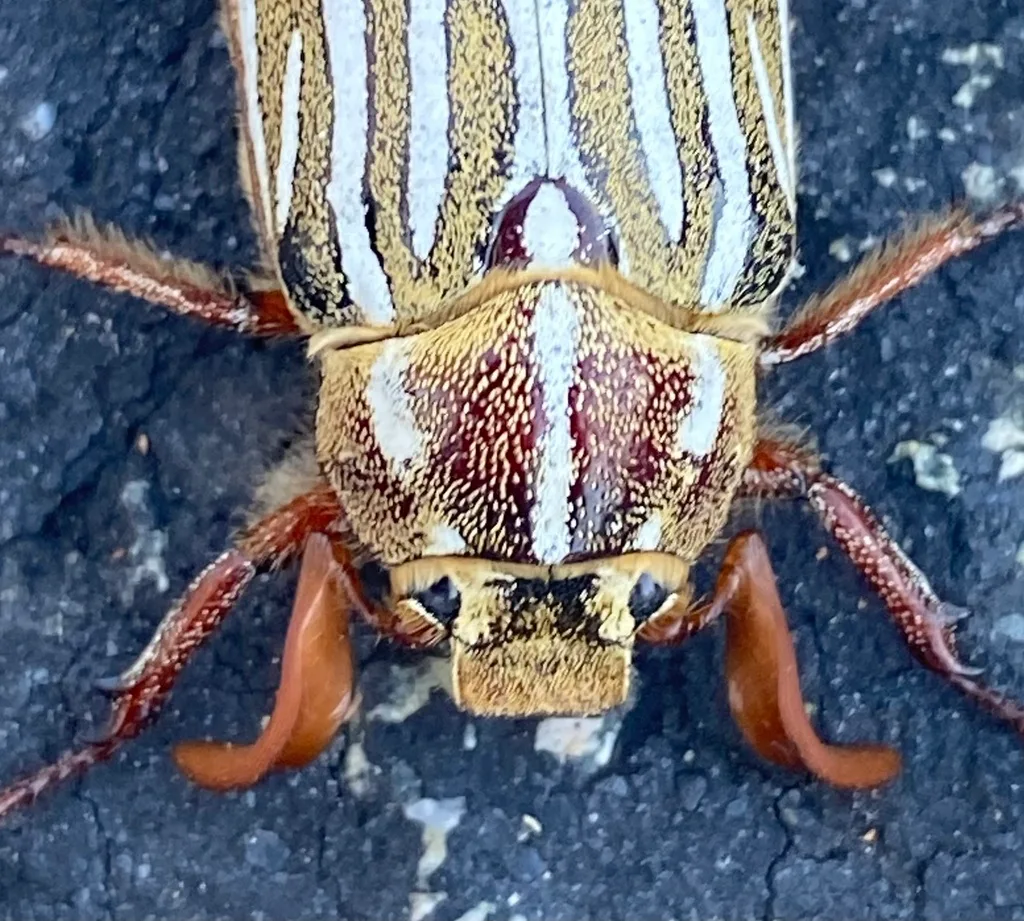
The brown head capsule and the C shape when disturbed are the definitive identification features. If you see any small white worms without a visible brown head, they are likely beneficial earthworms or other larvae. Leave them alone.
Earthworms are essential for soil health and lawn aeration.