When Should You Lawn Grubs 2026
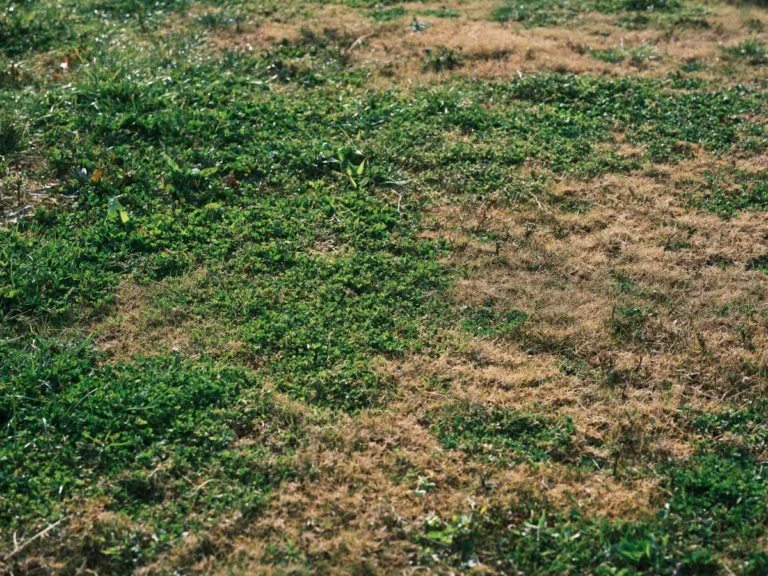
You step outside one morning, and your lawn looks like someone rolled a strip of sod back. Brown patches, spongy turf, and birds or skunks have been digging holes overnight. If you’ve ever wondered “When should you lawn grubs get treated?”, the short answer is: it depends on your region, the temperature of your soil, and whether you’re preventing damage or fixing existing damage.
Getting the timing wrong wastes product, money, and a season of recovery.
Research from multiple cooperative extension services confirms that a single preventive application, timed to the grub’s egg hatch window, can reduce damage by 80 to 90 percent. The catch is that window shifts by latitude, weather, and species. Let’s walk through the variables so you can pick your exact treatment date.
The Problem: Why Your Lawn Suddenly Looks Like a War Zone
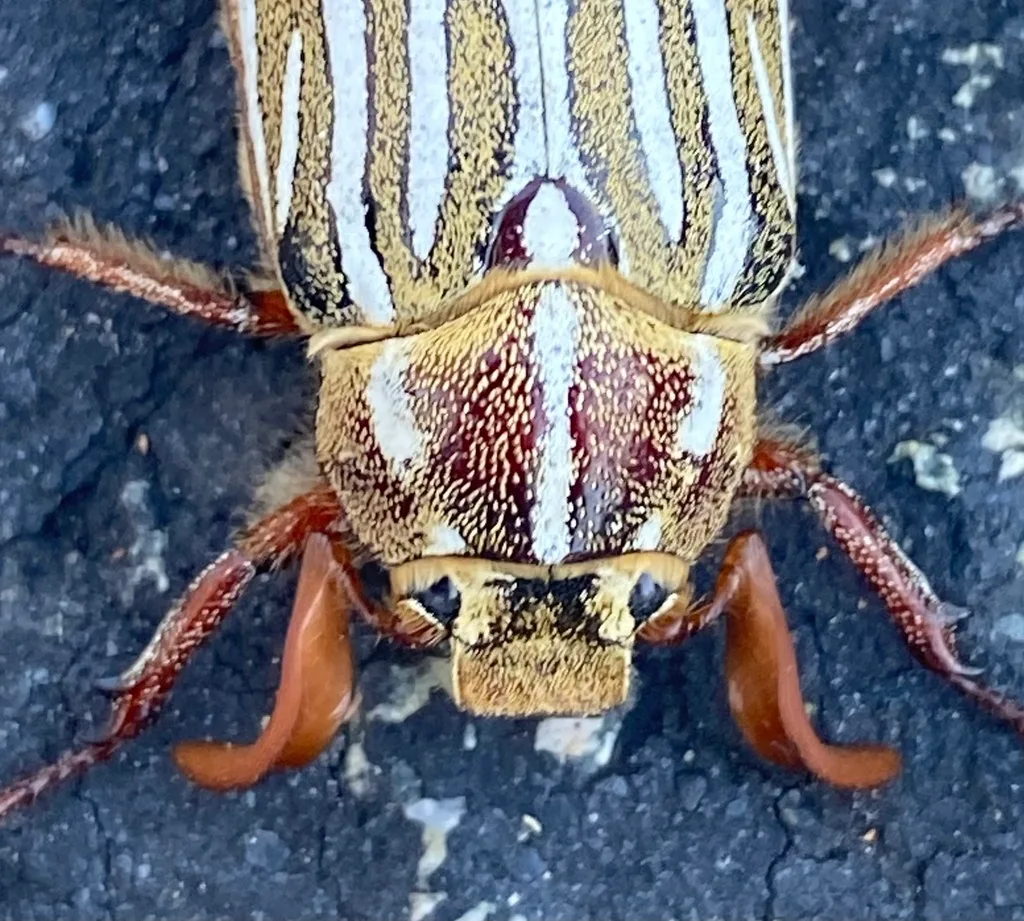
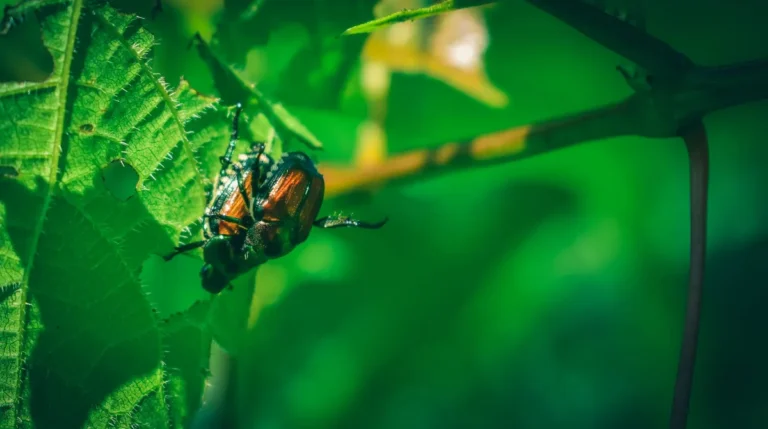
Grubs are the caterpillar‑like larvae of beetles, Japanese beetles, European chafers, and May/June beetles being the most common culprits in North America. They live underground, feeding on turf roots from mid‑summer through fall. By the time you see brown patches or animals digging, the damage is already done.
The real question isn’t “do I have grubs?” but “when did they hatch?”
Signs of an active grub infestation:
- Spongy turf that feels like a mat underfoot.
- Turf that pulls up easily, like a carpet, no roots holding it down.
- Skunks, raccoons, crows, or armadillos digging in your lawn at night.
- Irregular brown patches that appear in late summer or early fall.
If you see any of these, you’re already in damage‑control mode. But if you want to avoid them altogether, you need to treat before those eggs become hungry larvae.
Quick Answer: The One Truth About Grub Timing (It’s Not a Date)
Treat grubs right before eggs hatch. That is mid‑July to mid‑August in most northern states. Southern states treat earlier, often late May to June.
Your soil temperature at a depth of two inches must be 55, 60°F for preventive products. For curative control, you need soil above 70°F and actively feeding grubs.
How Grubs Live: The Lifecycle Clock You Need to Know
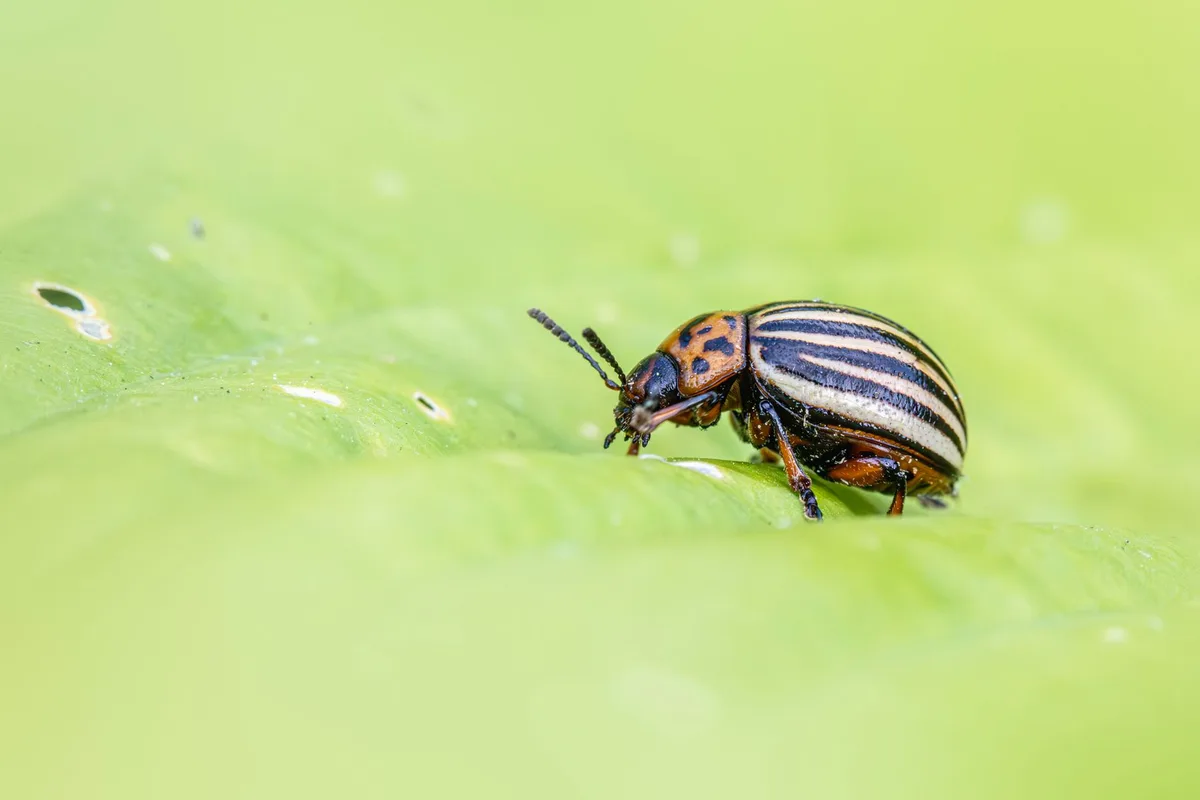
Understanding the grub lifecycle is the key to timing. The diagram above shows the four main stages: egg, first instar (tiny feeding stage), second and third instar (larger, most damaging), and pupa (transformation into adult beetle).
Here is the condensed version for timing:
- Adult beetles emerge in early to mid‑summer (June, July in North, May, June in South).
- Eggs are laid in moist soil about 1, 2 inches deep.
- Eggs hatch after 7, 14 days when soil temperatures are consistently above 70°F.
- First instar larvae are tiny (¼ inch) and feed on fine roots. This is your ideal treatment window.
- Second and third instars (½ to 1 inch) eat larger roots and cause the visible turf damage. These are harder to kill because they stop feeding as the soil cools in fall.
The product you choose must match the stage. Preventive products like chlorantraniliprole work on eggs and early first instars. Curative products such as trichlorfon target active second and third instars that are still feeding in late summer or early fall.
Condition #1: Your Region and Soil Temperature
The most reliable way to know when to apply is to measure your soil temperature. Air temperature or calendar dates are rough guides, but soil temperature at a two‑inch depth tells you exactly when eggs are hatching.
Cool-Season vs. Warm-Season Turf: Different Rules
If you grow cool‑season grass (fescue, Kentucky bluegrass, ryegrass), your peak grub damage usually hits late summer through fall. Warm‑season turf (bermudagrass, zoysia, St. Augustine) faces earlier pressure because beetles emerge earlier in hotter climates.
In both cases, the grub lifecycle follows soil temperature, not grass type.
Soil Temperature Target: 55–60°F (Preventive) vs. 70–80°F (Curative)
Preventive window: Soil temperature reaches 55, 60°F. At this point, adult beetles are laying eggs. A preventive product (e.g., imidacloprid or chlorantraniliprole) applied now will persist in the soil for 90, 120 days, killing newly hatched grubs.
Curative window: Soil temperature is 70, 80°F. This means eggs have hatched and grubs are actively feeding. You need a fast‑acting curative product, typically trichlorfon or carbaryl, and you must water it in immediately.
How to measure soil temperature: Use a simple soil thermometer (available at garden centers or online). Push it two inches deep for 2, 3 minutes. Take the reading in the morning, before the sun heats the surface.
Repeat in several spots and average the numbers. When the average hits 55°F, mark your calendar, you have about two weeks before egg hatch begins.
Regional adjustments (US focus):
- Northern states (Zones 3, 5): Soil reaches 55°F in early to mid‑July. Treat mid‑July to early August.
- Central states (Zones 6, 7): Soil temps hit 55°F in late June. Treat early July.
- Southern states (Zones 8, 9): Soil temps can hit 55°F by May. Treat May to early June.
- Pacific Northwest: European chafer emerges later, often late July to August. Treat late August to early September.
If you don’t have a soil thermometer, check your local extension service’s online alerts, many issue “grub treatment alerts” when soil temperatures cross the threshold.
Condition #2: Is It Prevention or Damage Control?
Before you choose a product, you need to answer this: Are you treating before you see any damage, or are you trying to stop an active infestation? The answer changes everything, product choice, timing, and even the cost.
Preventive Timing: When Eggs Are About to Hatch
- When: Soil temperature 55, 60°F, typically 2 weeks before expected egg hatch.
- Product: Chlorantraniliprole or imidacloprid (granular or liquid).
- Why it works: These products are “residual”, they stay in the soil for months. A single application now protects the lawn for the entire feeding season.
- Best for: Homeowners who have had grubs before, or who want to avoid any damage.
One well‑timed preventive application, combined with a healthy lawn that can tolerate a few grubs, can eliminate the need for any curative product for the year.
Curative Timing: When You See Damage or Digging
- When: Late summer or early fall, after damage appears and soil is still above 70°F.
- Product: Trichlorfon (Dylox) or carbaryl (Sevin). Both work quickly, grubs die within 24, 72 hours.
- Why it works: These are “contact” products that kill active, large larvae. They break down fast (7, 14 days) and do not provide residual protection.
- Best for: Lawns that already have visible damage, or when a neighbor’s lawn is full of grubs and yours is next.
Important: Curative products are more expensive per square foot and require immediate watering. If you miss the window (soil drops below 70°F), grubs will stop feeding and the product won’t work. You’ll have to wait until the following spring for another opportunity, and by then the damage can be severe.
Decision Tree: Your Personal Treatment Window
Now let’s put all the conditions together. Follow these branches to find your exact timing.
Branch A: No grubs yet, want to prevent
- Check soil temperature. If 55, 60°F, apply a preventive product. If below 55°F, wait.
- Apply chlorantraniliprole or imidacloprid. Water in with 0.25, 0.5 inches.
- Monitor soil temperature every week. Once it hits 55°F, you have a 2‑week window.
- Example: In Zone 5 (Chicago), soil typically hits 55°F around July 10, 15. Treat July 10, 25.
Branch B: Seeing damage or animals digging
- Immediately dig a one‑square‑foot sample (see next section). If you find 5, 10 grubs, you need curative treatment.
- Check soil temperature. Must be above 70°F for curative to work.
- Apply trichlorfon. Water in immediately. Wait 2, 3 days for results.
- If soil is below 70°F, curative will not work. Improve lawn health with a slow‑release fertilizer and water deeply to encourage root recovery; apply curative the following spring when soil warms.
Branch C: Not sure, use the tug test and dig test
- Tug test: Grab a handful of grass and pull. If it comes up without resistance and you see white, C‑shaped grubs, you have an infestation.
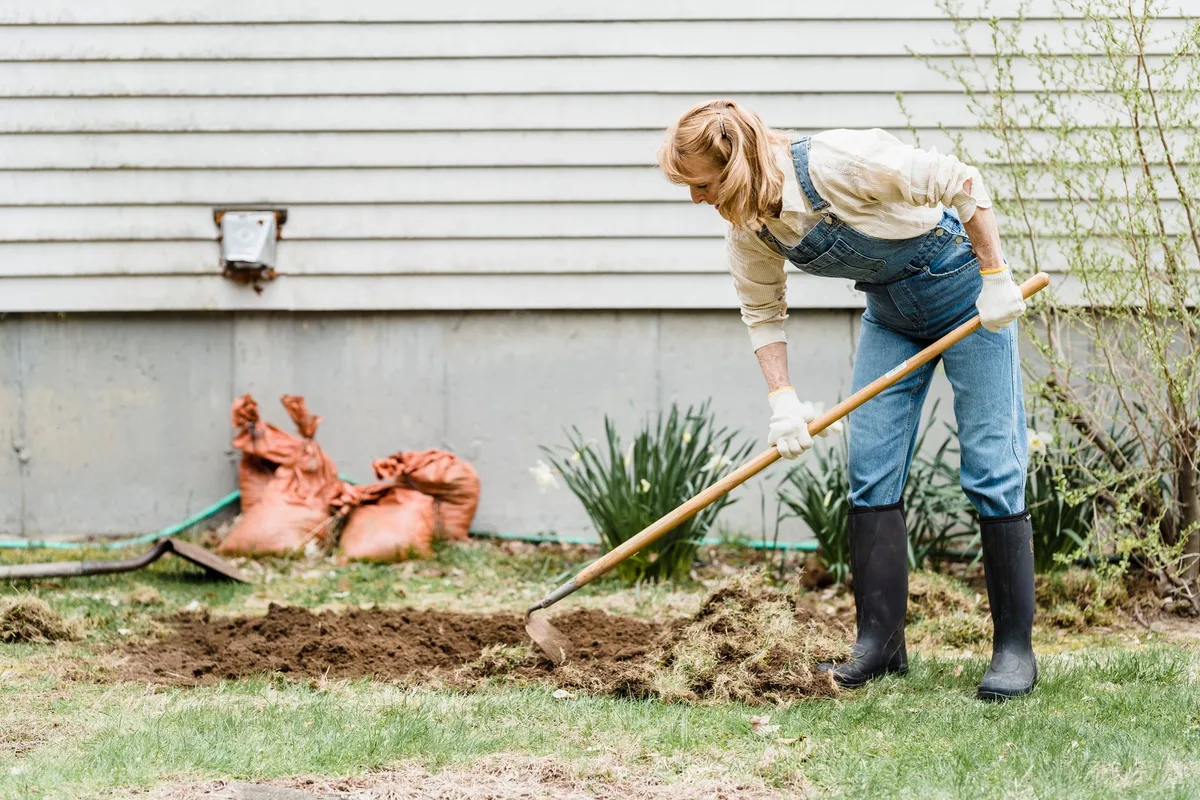
- Dig test: Cut a 6‑inch deep, 12‑inch by 12‑inch square of turf. Peel it back. Count the grubs. Threshold for action: 5 or more per square foot for healthy lawn, 10 or more for stressed lawn.
- If count is below threshold , don’t treat. Aerate and overseed the patch.
Branch D: Nematodes or biological control, timing is different
- Beneficial nematodes (e.g., Heterorhabditis bacteriophora) must be applied when soil is 55, 80°F, ideally at dusk or dawn to avoid UV damage.
- They work only on active feeding grubs, so apply when you see damage and soil is above 60°F.
- Timing: same curative window but with extra care for moisture (keep soil moist for 2 weeks after application).
That’s the core decision framework. Once you know your soil temperature and the condition of your lawn, you can pick the exact date.
In the next section, we’ll show you how to confirm grubs are really there, step by step, using the dig test and the tug test. And we’ll cover common mistakes like treating too early or too late, mistakes that can ruin a season.
Internal links used in this section:
- For lawn health after grub damage, consider using a slow-release fertilizer to promote recovery.
- If you suspect fungal issues alongside grubs, check our guide on the best fungicide for lawns.
- Healthy trees can help shade your lawn and reduce drought stress, see our recommendations for trees for hot dry climates.
- Well‑maintained flower beds around your lawn can encourage beneficial insects; our article on flower beds has ideas.
- Cleaning up pine needles and debris prevents grubs from having hiding spots, a rake for pine needles makes the job faster.