What Causes Crabgrass 2026
You open the back door in late June, and there it is. A green patchwork of coarse, ugly grass spreading through your lawn like a bad rumor. Every year you fight it, and every year it comes back.
You’re not alone. Millions of homeowners ask the same question: what causes crabgrass to explode every single summer?
The short answer is that crabgrass doesn’t appear by accident. It’s a direct response to conditions you created. University turfgrass research shows that crabgrass seeds in the soil bank can stay viable for three to five years, waiting for the right combination of warmth, light, and bare dirt.
As of 2026, the same four triggers account for nearly every infestation: soil temperature, mowing height, watering habits, and thin turf. Let’s walk through each one so you can figure out exactly what’s happening in your yard.
The Problem: Why Crabgrass Keeps Showing Up in Your Lawn
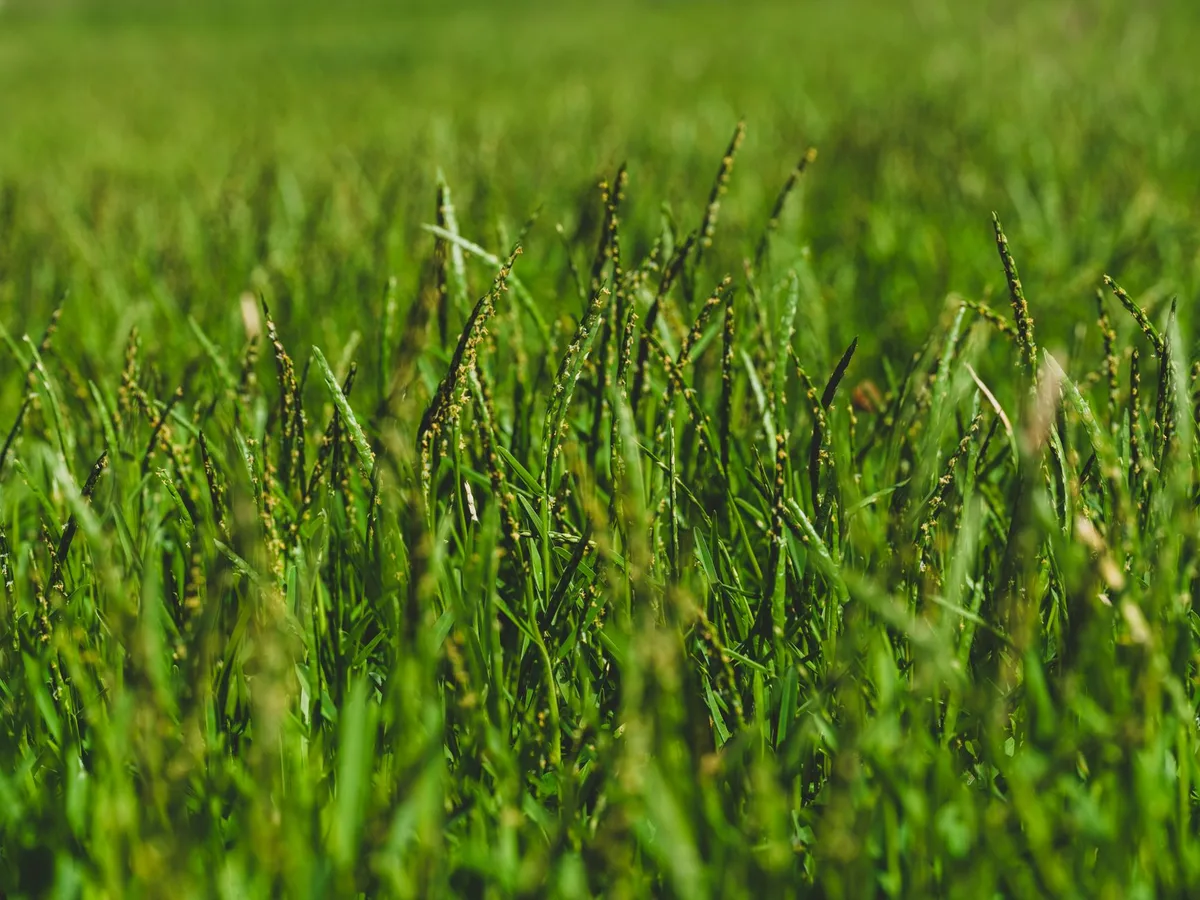
Crabgrass is an annual weed. That means every single plant dies when frost hits. But before it dies, each plant drops thousands of seeds into the soil.
Those seeds sit dormant through winter, then germinate when soil temperature hits about 55°F at a two-to-four-inch depth.
The real problem is that most lawns already have a massive seed bank. You might not see it, but it’s there. A single crabgrass plant can produce 150,000 seeds.
If you had even a few plants last year, you’re starting this season with millions of seeds in the top inch of soil.
So the question isn’t “where did the seeds come from?” They were always there. The real question is: what conditions let those seeds sprout and thrive? Let’s break down the four main causes.
Quick Answer
What causes crabgrass? Four things: warm soil, short mowing, light watering, and bare soil. Crabgrass seeds need soil above 55°F to germinate. They need sunlight reaching the ground, which happens when you cut grass too short.
They need frequent shallow water to sprout. And they need open dirt to grow in. Fix those conditions, and crabgrass has nowhere to go.
The Soil Temperature Trigger – When Does Germination Actually Start?
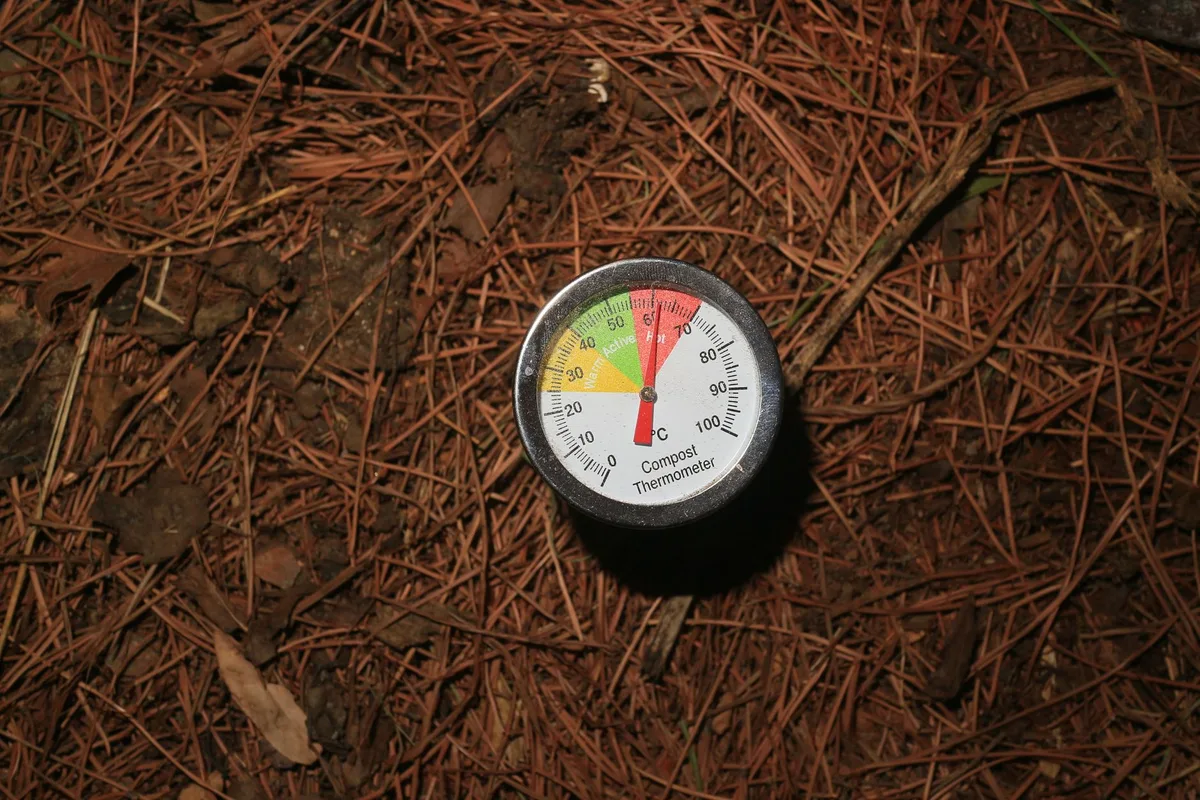
Crabgrass is warm-blooded in its own way. It will not germinate until the soil hits that 55°F mark at two to four inches down. And it’s not just one day at that temperature.
You need five consecutive days where the soil stays at or above 55°F before the first seeds crack open.
How do you know when that happens in your yard? Don’t guess based on the calendar. A soil thermometer costs about ten bucks and takes thirty seconds to use.
Push it two inches into the ground first thing in the morning before the sun heats the surface. Take a reading every day for a week. The moment you see five days in a row at 55°F or higher, your pre-emergent window has opened.
If you skip this step, you’re flying blind. Crabgrass germination can start in March in the South and as late as May in the North. One homeowner in Ohio told me he always applied his pre-emergent on April 15th, but in 2023 the soil hit 55°F on April 2nd.
He missed it by two weeks. That’s two weeks of seed germination he couldn’t stop.
Condition Check #1: Is Your Mowing Height Inviting Crabgrass?
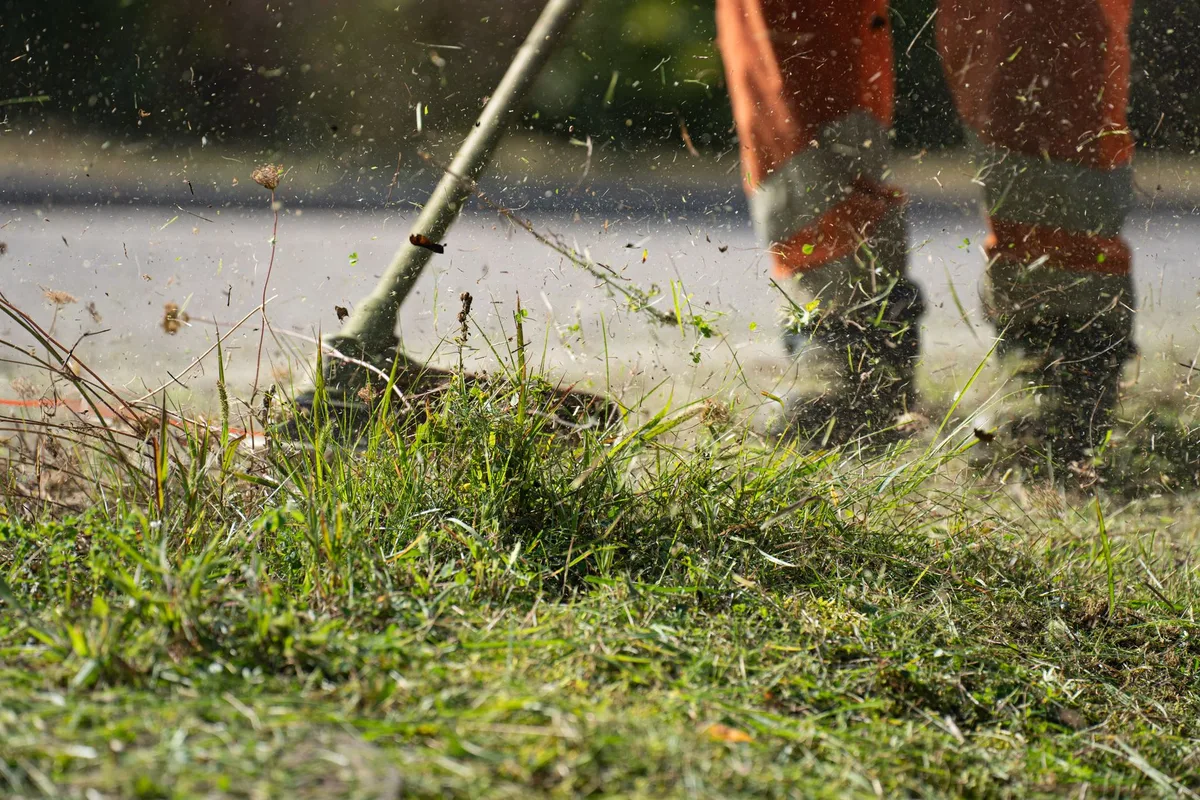
Here’s the simplest rule in lawn care: taller grass blocks sunlight. Crabgrass seeds need sunlight to germinate. If your grass is three to four inches tall, it shades the soil.
Crabgrass seeds stay dormant because they don’t see enough light.
But if you scalp your lawn down to two inches or lower, you’re rolling out the welcome mat. The soil gets direct sunlight. It warms up faster.
The seeds get the green light they need. And because the grass is stressed from being cut too short, it can’t compete with the crabgrass once it sprouts.
How low is too low?
For cool-season grasses like fescue, bluegrass, and ryegrass, keep the blade at three to four inches all season. For warm-season grasses like Bermuda and zoysia, the ideal height is lower, around one to two inches, but you can still help by keeping it at the higher end of that range. More shade means less crabgrass.
The scalping warning
If you’ve ever cut your grass really short in spring because you wanted a “clean start,” stop doing that. Scalping exposes bare soil directly to sunlight. It also stresses the grass, making it thin out.
Thin grass means more crabgrass. If you need to lower the height, do it gradually over several weeks. Never take off more than one-third of the leaf blade at a time.
A good rule of thumb: if you can see bare soil when you look straight down at your lawn, you’re mowing too short. Raise the deck.
Condition Check #2: Are You Watering Like a Crabgrass Farmer?
This is the one that surprises most people. You think you’re helping your lawn by watering a little bit every day. But you’re actually doing the opposite.
You’re feeding the crabgrass.
Crabgrass seeds need moisture to germinate. They’re tiny. They sit right at the soil surface.
A light sprinkle every morning gives them exactly what they need. But your lawn grass, especially cool-season types, needs deep water to grow healthy roots. Frequent shallow water encourages crabgrass while starving your lawn.
The root race
Here’s how it works. Deep watering, about one inch per week applied in one or two sessions, pushes water down six to eight inches. Your grass roots follow that water down.
Deep roots mean your grass can handle heat and drought. Crabgrass roots, on the other hand, stay shallow. They can’t reach the deep moisture.
But if you water for ten minutes every day, the water only penetrates the top inch or two. Your grass roots stay shallow too. Now crabgrass and your lawn are competing for the same tiny puddle of water.
And crabgrass grows faster. It wins.
The frequency trap
Set your sprinkler to run once or twice a week, not every day. Put out a tuna can or a rain gauge to measure how much water you’re applying. When it hits one inch, stop.
Let the lawn dry out between waterings. That dry period tells the grass roots to grow deeper. It also tells crabgrass seeds that conditions aren’t reliably wet enough to germinate.
If you have an irrigation system with a timer, reprogram it now. Water deeply and infrequently. Your lawn will thank you by crowding out the crabgrass naturally.
Let me know if you’d like me to continue writing the remaining H2 sections and the rest of the article.
Condition Check #3: Do You Have Bare or Thin Spots?
Crabgrass is an opportunist. It looks for open real estate. If your lawn has bare patches, thin areas, or spots where the grass just didn’t make it through winter, those are prime invasion zones.
Every bare spot is a seedbed. Sunlight hits the soil directly. The soil warms up faster than shaded areas.
And there’s zero competition from grass roots. Crabgrass seeds in that spot will germinate earlier and grow faster than anywhere else in your yard.
How Thatch and Compaction Create Seeding Beds
Thatch is that spongy layer of dead stems and roots between the soil and the green grass blades. A little thatch is normal. But once it gets thicker than half an inch, it causes problems.
Seeds get trapped in the thatch layer instead of reaching the soil. Pre-emergent herbicides can’t penetrate it either.
Soil compaction is another hidden cause. When the soil is hard and dense, grass roots can’t spread deep. The lawn thins out.
Crabgrass roots, which are shallow and aggressive, have no trouble in compacted soil. If you notice water pooling after rain or the ground feels rock hard, compaction is likely an issue. Core aeration breaks up that compaction and gives your grass room to breathe.
Overseeding Windows – Spring vs. Fall Risks
If you have thin spots, overseeding seems like the obvious fix. But timing matters a lot.
Fall overseeding is the safest bet for cool-season lawns. The soil is warm enough for grass seed to germinate, but crabgrass is already dying back from the cooler nights. You get thick grass established before winter.
Spring overseeding is risky. If you seed in spring, you can’t use a pre-emergent herbicide on those areas. The pre-emergent would kill your new grass seed too.
That leaves bare soil exposed during prime crabgrass germination season. If you must seed in spring, use a starter fertilizer with mesotrione, a product that acts as both a fertilizer and a pre-emergent safe for new grass.
Condition Check #4: Did You Fertilize at the Wrong Time?
Fertilizer is food. But if you feed your lawn at the wrong time, you’re feeding the crabgrass first.
Cool-season grasses like fescue and bluegrass do most of their growing in spring and fall. They slow down in summer heat. Crabgrass, on the other hand, loves summer.
It grows fastest when temperatures hit the 80s and 90s.
Spring Feeding – The Crabgrass Growth Boost
If you apply a high-nitrogen fertilizer in early spring, here’s what happens. The grass isn’t fully awake yet. It takes up some of that nitrogen, but not all of it.
The crabgrass seeds, which are just starting to germinate, get a huge nitrogen boost. They take off faster than your lawn can compete.
University extension research shows that early spring nitrogen applications can increase crabgrass pressure by 30 to 50 percent. The crabgrass simply outgrows the lawn.
Nitrogen Timing for Cool-Season vs. Warm-Season Lawns
For cool-season lawns, hold off on heavy nitrogen until after Memorial Day. Better yet, do most of your fertilizing in the fall. That’s when cool-season grass naturally stores nutrients for the next year.
For warm-season lawns like Bermuda and zoysia, the schedule flips. They come out of dormancy later and hit their growth peak in summer. Fertilize them in late spring after they’re fully green, not in early spring when the soil is still cool.
Use a slow-release or controlled-release fertilizer. It meters out nitrogen over weeks instead of dumping it all at once. That gives your grass steady nutrition without feeding crabgrass in one big surge.
The Pre-Emergent Timing Trap – Applied Too Early or Too Late?
Pre-emergent herbicides are the single most effective tool against crabgrass. But they have a narrow window of effectiveness. Get it wrong and you’ve wasted your money.
The trap is timing. Apply too early and the chemical breaks down before the seeds germinate. Apply too late and the seeds have already sprouted.
Pre-emergents only work on seeds that haven’t germinated yet. Once that tiny root emerges, you’re done.
Soil Temperature Tracking Calendar
The rule is simple: apply your pre-emergent when the soil temperature at two inches deep hits 50 to 55°F. But don’t trust the calendar. Soil temperature varies by yard based on sun exposure, soil type, and local microclimate.
Use a soil thermometer. Measure at the same time each morning. Once you see five consecutive days at or above 50°F, apply your product.
In most of the southern U.S., that’s mid-February to early March. In the northern states, it’s mid-April to early May.
If you missed that window, don’t panic. Some pre-emergents like dithiopyr offer early post-emergent control on very young crabgrass. But you have to catch it before it reaches the two-leaf stage.
Product Breakdown – Prodiamine, Dithiopyr, Pendimethalin
| Pre-Emergent | Soil Temp Window | Post-Emergent Ability | Duration |
|---|---|---|---|
| Prodiamine | 50–55°F | No | 5–6 months |
| Dithiopyr | 50–55°F | Yes, up to 2-leaf stage | 3–4 months |
| Pendimethalin | 50–55°F | No | 3–4 months |
Prodiamine is the longest lasting option. One application can cover the entire season in many climates. Dithiopyr is the only one that can kill tiny crabgrass after it sprouts, giving you some margin for error.
Pendimethalin works well but needs a second application in areas with long summers.
Mistakes to Avoid – What Actually Makes Crabgrass Explode
Most crabgrass problems aren’t caused by bad luck. They’re caused by a handful of common mistakes. Here are the ones that do the most damage.
Scalping the lawn in spring. Cutting grass below two inches exposes bare soil. That’s a direct invitation. Keep the blade higher.
Watering every day. Shallow, frequent watering keeps the soil surface moist. Crabgrass seeds love that. Switch to deep, infrequent watering.
Applying high-nitrogen fertilizer in early spring. You’re feeding the crabgrass before your lawn is ready. Wait until late spring or switch to slow-release formulas.
Seeding in spring without protection. If you seed bare spots in spring, you can’t use pre-emergent. Use a starter fertilizer with mesotrione to protect new grass.
Ignoring thatch buildup. Thatch thicker than half an inch blocks pre-emergents from reaching the soil. Dethatch before applying any herbicide.
Skipping the soil thermometer. Guessing the application date is the number one reason pre-emergents fail. Buy a thermometer. Use it.
Decision Guide: Diagnose Your Cause and Pick Your Fix
Here’s a simple diagnostic. Walk through these questions in order. The answer tells you what to do next.
Is your lawn mowed below three inches? If yes, raise the deck. Let the grass grow to three to four inches. Wait two weeks and see if new crabgrass slows down.
Are you watering every day? If yes, switch to one deep watering per week. One inch total. Let the lawn dry out between sessions.
Do you have bare spots larger than a dinner plate? If yes, rake them clean in late summer and overseed in early fall. Use a starter fertilizer. Don’t seed in spring unless you use a mesotrione blend.
Did you skip pre-emergent this year? If yes, spot-treat emerged crabgrass with a post-emergent herbicide containing quinclorac. Apply before the crabgrass sets seed heads, usually before July in northern zones.
Is the soil hard and compacted? If yes, core aerate in early fall for cool-season lawns or late spring for warm-season lawns. Follow up with overseeding and topdressing.
Is there more than half an inch of thatch? If yes, dethatch first. Then apply pre-emergent next season according to soil temperature.
Expert Tips – Steps to Keep Crabgrass Out for Good
You’ve fixed the immediate causes. Now let’s talk about prevention that sticks. These tips come from years of observing what actually works in real lawns, not just what looks good on paper.
Build soil health. A lawn with rich, aerated soil grows thicker and outcompetes weeds naturally. Add compost or organic matter each fall. Core aerate annually if you have clay soil or heavy foot traffic.
Healthy soil means healthy grass. And healthy grass is your best defense.
Mow high all season. Don’t lower the blade just because it’s summer. Keep cool-season grass at three to four inches. That shade keeps the soil cool and blocks sunlight from reaching crabgrass seeds.
It’s the simplest, cheapest prevention tool you have. Use a sharp blade too, dull blades tear the grass and leave it stressed.
Use slow-release nitrogen. A steady supply of nutrients beats one big dump. Switch to a slow-release or controlled-release lawn fertilizer. Apply in late spring for cool-season grass and after full green-up for warm-season grass.
This avoids the early-season nitrogen spike that crabgrass loves. You can check our guide on choosing the right slow-release formula for your lawn type if you’re unsure about the best product.
Water deeply, not daily. One inch per week in one or two sessions. That’s it. Your grass roots grow deeper and the soil surface dries out between waterings.
Crabgrass seeds need constant moisture to germinate. Deny them that.
Pre-emergent is a yearly must. Don’t skip it just because you had a good year. The soil seed bank lasts three to five years. Apply it every spring based on soil temperature.
Rotate between prodiamine and dithiopyr to prevent any resistance buildup.
Keep an eye on thatch. If your lawn feels spongy underfoot, check the thatch layer. Anything over half an inch blocks water, air, and pre-emergent from reaching the soil. Dethatch in early fall for cool-season lawns or late spring for warm-season lawns.
Frequently Asked Questions
Does crabgrass die on its own?
Yes. Crabgrass is an annual weed. Every plant dies when the first hard frost hits in fall.
But it drops thousands of seeds before it dies. Those seeds wait in the soil for next spring. So the plant dies, but the problem doesn’t unless you prevent germination.
Can you pull crabgrass by hand?
You can, but it’s not practical for large infestations. Young crabgrass with shallow roots pulls easily. Mature plants have a tough root system and often break off at the crown, leaving roots behind to regrow.
If you pull, do it after rain when the soil is soft. Get the entire root. And reseed the bare spot immediately.
Will vinegar kill crabgrass?
Household vinegar is weak. It may burn the leaves but rarely kills the root. Horticultural vinegar with 20% acetic acid works better but can burn your lawn too.
It’s a non-selective herbicide. You’d have to spot-apply very carefully. For most homeowners, a targeted post-emergent herbicide like quinclorac is safer and more effective.
Final Verdict – Your Personalized Action Plan
Here’s your cheat sheet. Print it. Stick it on the garage wall.
This week: Buy a soil thermometer. Check your mowing height. If it’s below three inches, raise the deck.
This month if you haven’t already: Apply pre-emergent based on soil temperature. Start deep watering once per week.
By late summer: Spot-treat any crabgrass that escaped with a post-emergent product containing quinclorac. Do this before seed heads form.
This fall: Core aerate if your soil is compacted. Overseed thin areas. Apply a slow-release fertilizer.
Next spring: Do it all again. Consistency is what beats crabgrass. One good season doesn’t clear the seed bank.
Three good seasons in a row, and you’ll wonder why you ever worried about it.
Stick with the plan. Your lawn will thank you.