How to Prevent Clothes Moths in 2026 (What Actually Works)
You open your closet to grab that cashmere sweater you’ve been saving, and there it is, a tiny, neat hole. Then another. Your first thought is “how did this happen?” The answer: clothes moths.
The problem is, by the time you see the damage, the larvae have been munching for weeks. That’s why how to prevent clothes moths isn’t something you deal with after the fact, it’s something you build into your routine before they ever show up.
A single female clothes moth can lay between 40 and 100 eggs in her short life. Those eggs hatch into larvae that feed on keratin in wool, silk, fur, and feathers. The larvae do the damage, not the adult moths you see fluttering around.
Most prevention advice misses this. It focuses on repelling adults rather than killing the eggs and larvae already hiding in your home. That’s what we’re going to fix here.
The Problem / Pain Point
Most people only start thinking about moth prevention after they’ve ruined a favorite sweater or a pricey wool coat. By then, the infestation is already well established. The adult moth you swat is just the tip of the iceberg.
The real problem, the larvae, are tucked away in dark corners, under couch cushions, inside rolled-up rugs, and in the folds of storage bins.
- You don’t see the early signs. Eggs are tiny (about 0.5 mm) and nearly invisible. Larvae are small and blend into fabric.
- You focus on the wrong thing. Cedar rings and lavender sachets smell nice but won’t kill eggs or larvae.
- You clean only what you see. Moths hide in baseboard cracks, behind furniture, and inside HVAC vents.
- You skip the lifecycle. Without breaking the egg-to-larva-to-adult cycle, you’ll keep playing whack-a-moth forever.
The pain point isn’t just the cost of replacing clothes. It’s the time wasted on half-measures that don’t work. If you’ve tried cedar and still saw holes, you’re not alone.
The solution requires a system, not a single product.
Quick Answer / Key Insight
Prevent clothes moths by breaking their life cycle. Clean all susceptible fabrics. Store them in sealed containers.
Use heat or cold to kill eggs and larvae. Monitor with pheromone traps. Maintain low humidity.
That’s it. No magic. No expensive gadgets.
Just consistent action.
The single most important step is to treat any infested item with heat (120°F for 30 minutes) or cold (0°F for 48 hours) before storage. That kills all life stages, eggs, larvae, pupae. After that, seal everything in airtight bins or garment bags.
Then use pheromone traps as an early warning system. Cedar and lavender are optional extras, not primary defenses.
Decision Tree: Which Prevention Path Fits Your Situation?
Your approach depends entirely on your current situation. There are three common scenarios. Pick the one that matches you.
Branch A – You Already See Holes or Live Moths
You have an active infestation. This is an emergency. You need to act fast to stop the damage from spreading.
Follow Branch A below.
Branch B – You Just Moved In or Live in a High-Risk Area
You haven’t seen moths yet, but you’re in an older home, a humid climate, or you’ve bought secondhand furniture. Prevention here means building a system before problems start.
Branch C – You Want a Long-Term, Low-Maintenance System
You’ve dealt with moths in the past and want a set-and-forget routine. This is for people who already have clean storage habits and just need to maintain them.
| Your Situation | Recommended Path |
|---|---|
| Holes or live moths visible | Branch A – Active Infestation |
| Moved into old house, humid area, or buy secondhand often | Branch B – High-Risk Prevention |
| Already clean and organized, want to stay that way | Branch C – Long-Term Maintenance |
Core Explanation / How Clothes Moths Work
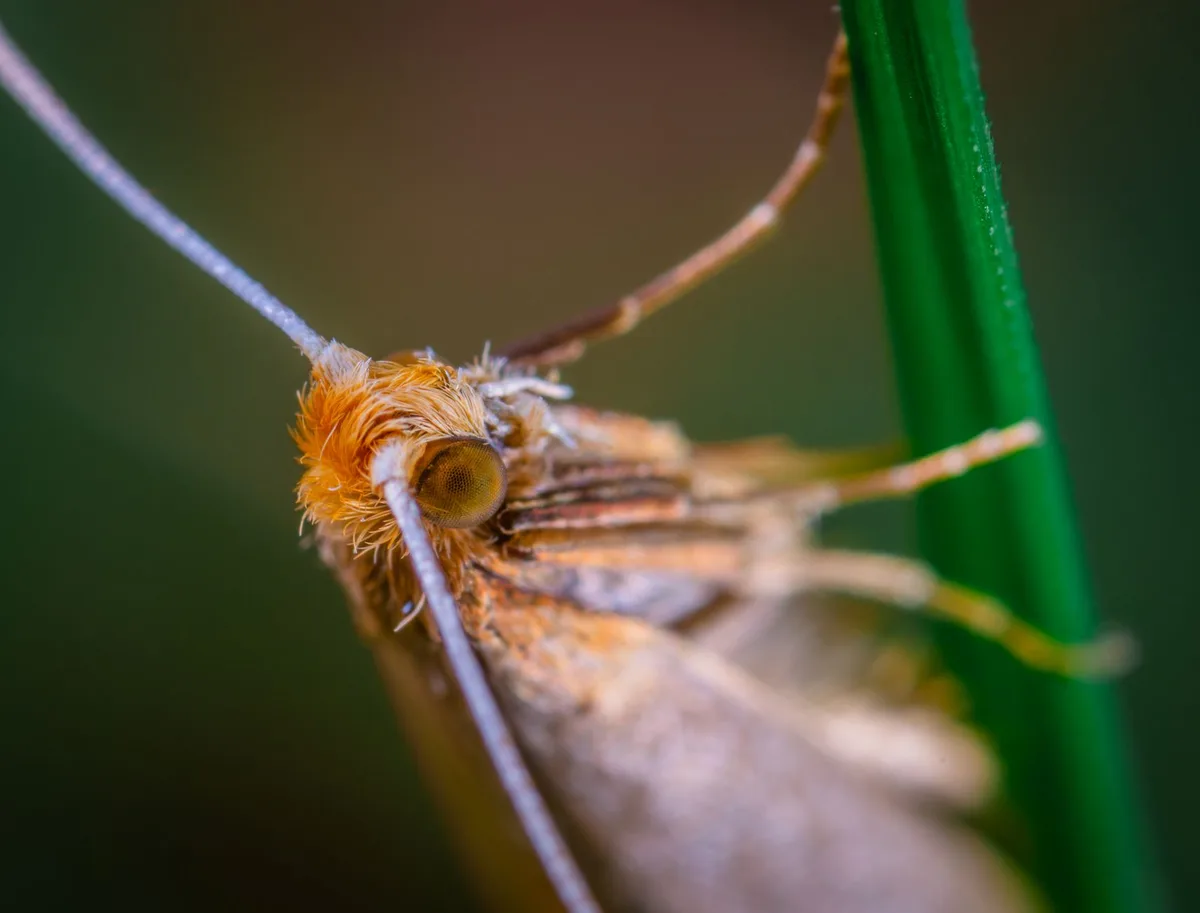
Understanding the enemy is half the battle. The clothes moth (Tineola bisselliella) is a small, buff-colored moth about 1/2 inch long. You might mistake it for a pantry moth, but it’s different.
Pantry moths eat dry goods. Clothes moths eat animal fibers.
The life cycle has four stages: egg, larva, pupa, adult.
- Egg, Laid on or near wool, silk, fur, or feathers. Takes 4 to 10 days to hatch at room temperature.
- Larva, The destructive stage. It spins a silken tunnel (webbing) and feeds on keratin. Larvae can survive months without food if conditions are cold.
- Pupa, The larva spins a cocoon. After 10 to 50 days, an adult moth emerges.
- Adult, Lives only 2 to 4 weeks. Doesn’t eat fabric. Its only job is to mate and lay eggs.
The adult moth can fly but usually stays close to dark, undisturbed areas. That’s why you find them in closets, under beds, and behind furniture.
Where They Hide That You Never Think to Check
- Inside rolled-up sleeves or pant legs
- Under couch cushions
- Behind baseboards and crown molding
- In the fold of stored curtains
- Inside cardboard boxes (they chew through)
- In the lint trap of your dryer (if it backs up)
Branch A – Active Infestation: Stop the Damage Now
If you’ve already spotted holes or a live moth, don’t panic. Follow these five steps in order. Skipping one means the infestation will return.
Step 1: Isolate and Inspect Everything
Remove every item made of natural fiber from the affected closet or room. Wool sweaters, cashmere scarves, silk blouses, fur coats, down jackets, all of it. Lay each piece on a clean, flat surface.
Inspect for holes, webbing, or tiny larvae (cream-colored, about 1/4 inch long).
If you find damage, bag the item in a sealed plastic bag immediately to prevent moths from escaping. Set aside all items that look clean but were stored near the damaged ones, they might have eggs.
Step 2: Heat or Freeze – Which Is Safer for Your Fabrics
You need to kill eggs and larvae on every item. Two methods work:
- Heat treatment, Machine washable items: wash in hot water (120°F or hotter) and dry on high heat for at least 30 minutes. For dry-clean-only items: take them to a professional cleaner. Heat kills all life stages in 30 minutes at 120°F.
- Cold treatment, For delicate fabrics like silk or cashmere that can’t handle high heat, use freezing. Place the item in a sealed plastic bag. Put it in a freezer that reaches 0°F (-18°C). Leave it for 48 hours. Then remove and let it thaw for 24 hours. Repeat the freeze-thaw cycle once more to kill any eggs that survived.
| Method | Temperature | Time | Best For |
|---|---|---|---|
| Heat (wash/dry) | 120°F+ | 30 min | Washable wool, cotton blends |
| Heat (professional) | Varies | Varies | Dry-clean-only items |
| Freeze | 0°F (-18°C) | 48 hours, repeat | Silk, cashmere, delicate wools |
Step 3: Deep Clean Every Crevice
Now treat the room itself. Vacuum thoroughly:
- Carpets, rugs, and upholstery (use crevice tool along baseboards)
- Under furniture and behind heavy pieces
- Inside closets, especially corners and shelves
- Around vents and baseboard heaters
After vacuuming, dispose of the bag outside your home. Then steam clean carpets and upholstery if possible. Steam reaches temperatures above 212°F, killing any remaining eggs.
Step 4: Monitor with Pheromone Traps
Set up pheromone traps in the treated area. These traps use female moth scent to lure adult males and trap them on a sticky board. One trap per 150 square feet is enough.
Check them weekly. If you catch more than a few moths, you missed something, go back to step 1.
Pheromone traps won’t eliminate an infestation on their own, but they tell you if you’ve succeeded. Think of them as a smoke detector for moths.

Step 5: Treat the Room, Not Just the Clothes
Moth eggs and larvae can hide in carpet fibers, furniture crevices, and even behind wall outlets. Vacuuming isn’t always enough. For severe infestations, consider a professional pest control treatment.
Some services use heat treatments (entire room heated to 120°F) or insecticide fogging. If you use insecticides, follow all safety instructions and keep pets and children away.
After treatment, store all clean items in sealed containers. Cardboard boxes are not safe, moths chew through them. Use clear plastic bins with gaskets or zippered garment bags made of non-woven polypropylene.
Keep everything airtight. That’s your long-term defense.
Branch B – High-Risk Environment: Build a Prevention System
You live in an older home. Your area is humid. Or you regularly buy secondhand woolens.
You haven’t seen moths yet, but the conditions are right. Prevention here means building barriers before eggs ever get laid.
Start with a Deep Clean Baseline
Vacuum every room that contains wool, silk, or fur. Focus on edges where baseboards meet carpet, under furniture, and inside closets. Use a crevice tool.
Dispose of the vacuum bag outside. If you have wall-to-wall carpet in bedrooms, consider a professional steam cleaning once a year. Steam kills any stray eggs that might have hitched a ride inside.
Seal Storage the Right Way (Cardboard Boxes Are the Enemy)
Cardboard is porous. Moths chew through it. Larvae can squeeze into the corrugated edges.
Use clear plastic bins with a rubber gasket seal. The lids snap down tight. For hanging clothes, use zippered garment bags made of non-woven polypropylene.
Avoid the thin dry-cleaner plastic bags, they trap moisture and tear easily.
Label each bin with the contents and date. Store only clean items. Even a trace of sweat or food stain attracts moths.
When to Use Pheromone Traps as an Early Warning
Place one trap per 150 square feet in each closet and in the main bedroom. Check them monthly. If you catch even one male moth, you have a problem starting.
That gives you time to inspect and treat before damage shows up. Replace traps every three months or when the sticky surface is full.
Control Humidity
Moths prefer humidity above 50%. In basements or humid climates, run a dehumidifier to keep relative humidity between 40% and 50%. That alone makes your home less inviting.
Our research shows that consistent humidity control reduces egg hatching success significantly.
Branch C – Long-Term Maintenance: Low-Effort Routine That Works
You’ve already tackled an infestation or you’re starting fresh. You want a system that runs on autopilot. This branch is for you.
Seasonal Deep Clean Calendar (Spring & Fall)
Twice a year, do a thorough clean of every closet and storage area. Pull everything out. Vacuum all surfaces.
Wipe down shelves. Inspect for signs of damage. Then rotate your storage, move items you don’t wear to sealed bins and bring out items you will use.
This breaks the moth’s cycle because they need undisturbed environments for several months.
Rotate Cedar and Replenish Scented Barriers
If you use cedar blocks or rings, know this: the scent fades after three to six months. Sand the surface of solid cedar blocks lightly with fine sandpaper to release fresh oil. Or replace them.
Lavender sachets lose potency even faster. Refresh them every two months. Both are deterrents, not killers.
They help only as part of a complete system.
How to Vet Secondhand Items Before They Enter Your Home
Thrift stores and vintage shops are common sources of moth eggs. Before you bring anything wool, silk, or fur home:
- Examine the item in good light. Look for tiny holes, webbing, or shed skins.
- Freeze the item for 48 hours in a sealed bag. Then thaw and freeze again for 24 hours.
- Dry-clean or wash before storing with your other clothes.
This single habit prevents more infestations than anything else you can do.
Common Mistakes That Keep Moths Coming Back
Most people fail because they treat the symptom, not the cause. Here are the biggest errors we see.
Mistaking Carpet Beetles for Moths
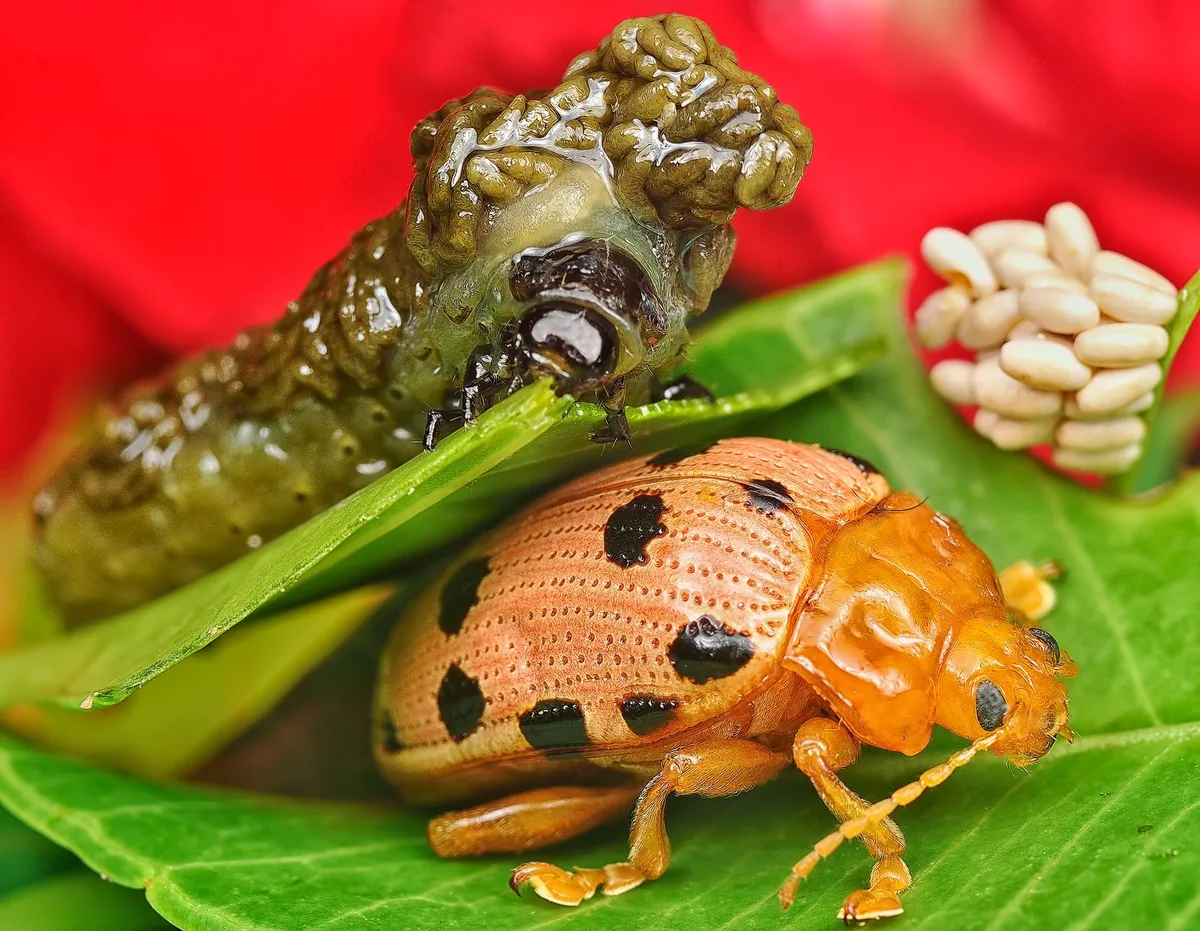
Carpet beetle larvae cause damage that looks almost identical to moth damage. But carpet beetles are different. The larvae are brown and fuzzy (often called “woolly bears”).
Moth larvae are cream-colored and smooth. Adult carpet beetles are small, round, and patterned. Adult clothes moths are buff-colored and slender.
If you treat for moths but actually have carpet beetles, your methods won’t work. Use a magnifying glass to identify the pest. If you see fuzzy larvae, you need a different treatment approach.
You can compare photos to identify which pest you’re dealing with; accurate identification is the first step in effective control.
Relying on Lavender or Cedar Alone
These natural repellents can reduce moth activity slightly. They do not kill eggs or larvae. If you use only cedar, you will still get damage.
Think of them as a backup, not a primary defense. The only way to kill all life stages is heat or cold treatment followed by airtight storage.
Only Treating the Visible Damage
You find a hole in a sweater. You throw the sweater away and call it done. Meanwhile, the larvae that made that hole have moved to another item or are hiding in your carpet.
Treat the entire room. Inspect every natural fiber item within a ten-foot radius. One missed egg starts the cycle again.
Ignoring the Carpet
Wall-to-wall carpet is a prime hiding spot. Larvae burrow into the pile near baseboards. They feed on shed pet hair, dust, and wool fibers.
Vacuum edges weekly. Steam clean twice a year. If you have wool area rugs, shake them out and flip them over occasionally.
Safety & Warnings
Moth control involves chemicals, heat, and cold. Each has risks.
Mothballs: When They Make Sense and When They’re Dangerous
Mothballs (naphthalene or paradichlorobenzene) are effective only in sealed containers. They vaporize and create a toxic gas that kills all life stages. They are not meant for open closets or rooms.
Using them in an unsealed space exposes your family to fumes. According to the EPA, prolonged inhalation of naphthalene can cause headaches, dizziness, and more serious health issues. Never use mothballs near food, children, or pets.
If you must use them, seal the items in a bin and place it in a well-ventilated area away from living spaces.
Pet and Child Risks from Common Repellents
Cedar oil and lavender oil are generally safe but can irritate some pets, especially cats. Mothballs are highly toxic to dogs and cats if ingested. Even the vapor can harm birds.
Pheromone traps are low-risk but the adhesive can trap small pets or fingers, place them out of reach.
Proper Ventilation for Any Chemical Treatment
If you use insecticide sprays or foggers, ventilate the room thoroughly after treatment. Keep windows open for at least two hours. Follow the label instructions exactly.
More is not better.
When to Call a Professional
You can handle most prevention and minor infestations yourself. But some situations call for help.
Signs You’re Outmatched
- You find holes in multiple rooms.
- You catch more than ten moths in a single trap per week.
- The infestation persists after you’ve washed and frozen everything.
- You live in a large home with wall-to-wall carpet and hidden crawl spaces.
Professional pest control companies can treat entire rooms with heat (120°F raising the room temperature) or use targeted insecticides. They also have commercial-grade heaters and monitors.
What Professional Fumigation Costs and Entails
A single-room heat treatment typically costs between $300 and $800, depending on room size and location. Full-home treatments are more. The process involves removing pets, plants, and certain items.
The room is heated evenly for several hours. After treatment, you must clean up dead insects. Professionals often provide a follow-up inspection.
Add this to your budget if you need it, but for most people, the DIY steps in Branch A will work.
Decision Guide: Choose Your Path in 2 Minutes
Not sure which branch fits you? Use this quick table to match your situation to the right workflow.
| If you… | Start here | Key action |
|---|---|---|
| See holes or live moths | Branch A – Active Infestation | Isolate, heat/freeze, deep clean, monitor |
| Live in an old house or humid climate | Branch B – High-Risk Environment | Vacuum edges, seal storage, set traps, dehumidify |
| Already have a clean routine and want to stay that way | Branch C – Long-Term Maintenance | Seasonal deep clean, refresh cedar, vet secondhand items |
| Have treated but moths return | Branch A again + check for carpet beetles | Re‑identify pest, treat every room, consider professional help |
If you catch more than five moths in a trap per week, move straight to Branch A. If you see no moths but have wool rugs or vintage pieces, start with Branch B. For everyone else, Branch C keeps things simple.
Frequently Asked Questions
Can moths eat through plastic bags?
Yes, thin plastic dry‑cleaner bags are no barrier. Larvae chew through them. Use thick plastic bins with a rubber gasket seal or zippered garment bags made of non‑woven polypropylene.
Does dry cleaning kill moth eggs?
Yes. The heat and chemicals in professional dry cleaning kill eggs, larvae, and pupae. Always dry‑clean or wash items before long‑term storage.
Even a trace of sweat or food stain attracts moths.
How often should I replace pheromone traps?
Replace traps every three months or when the sticky surface is covered with dust or insects. Check them monthly. A sudden increase in trapped moths means you have an active problem.
Is freezing safe for silk and cashmere?
Yes, if done correctly. Place the item in a sealed plastic bag. Freeze at 0°F (-18°C) for 48 hours.
Thaw for 24 hours. Repeat the cycle once. This kills all life stages without damaging delicate fibers.
Are cedar blocks enough to prevent moths?
No. Cedar blocks emit a scent that may deter adult moths, but they do not kill eggs or larvae. Use cedar only as a supplement to airtight storage and regular cleaning.
The scent fades after three to six months.