How to Prevent Squash Bugs 2026
Squash bugs have a knack for showing up right when your zucchini and pumpkins are hitting their stride. You notice a few wilted leaves, flip them over, and find clusters of copper-colored eggs staring back at you. Learning how to prevent squash bugs before they take over is the difference between a full harvest and a heartbreak.
Each female squash bug can lay up to 250 eggs over several weeks, with nymphs maturing into egg-laying adults in just 4 to 6 weeks. That means one missed inspection can turn into thousands of hungry bugs by midsummer. Understanding their cycle is the first step to staying ahead of them.
Quick Answer
Stop squash bugs before they start. Remove all plant debris before planting. Cover young cucurbits with floating row covers until flowers appear.
Inspect leaf undersides weekly. Scrape off any egg clusters you find. As of 2026, this combined approach remains the most reliable prevention method for home gardens.
Problem / Pain Point
Squash bugs are sneaky. They don’t show up in dramatic swarms like aphids. They arrive quietly.
One day your squash looks perfect. The next day a single vine is wilting. By the time you spot the adults, they’re already laying eggs under the leaves.
The real frustration comes from how fast they multiply. A few adults in early summer become dozens of nymphs in weeks. Those nymphs feed on the plant’s sap, causing leaves to yellow, wilt, and eventually die.
If the infestation hits before fruit sets, you may get nothing at all.
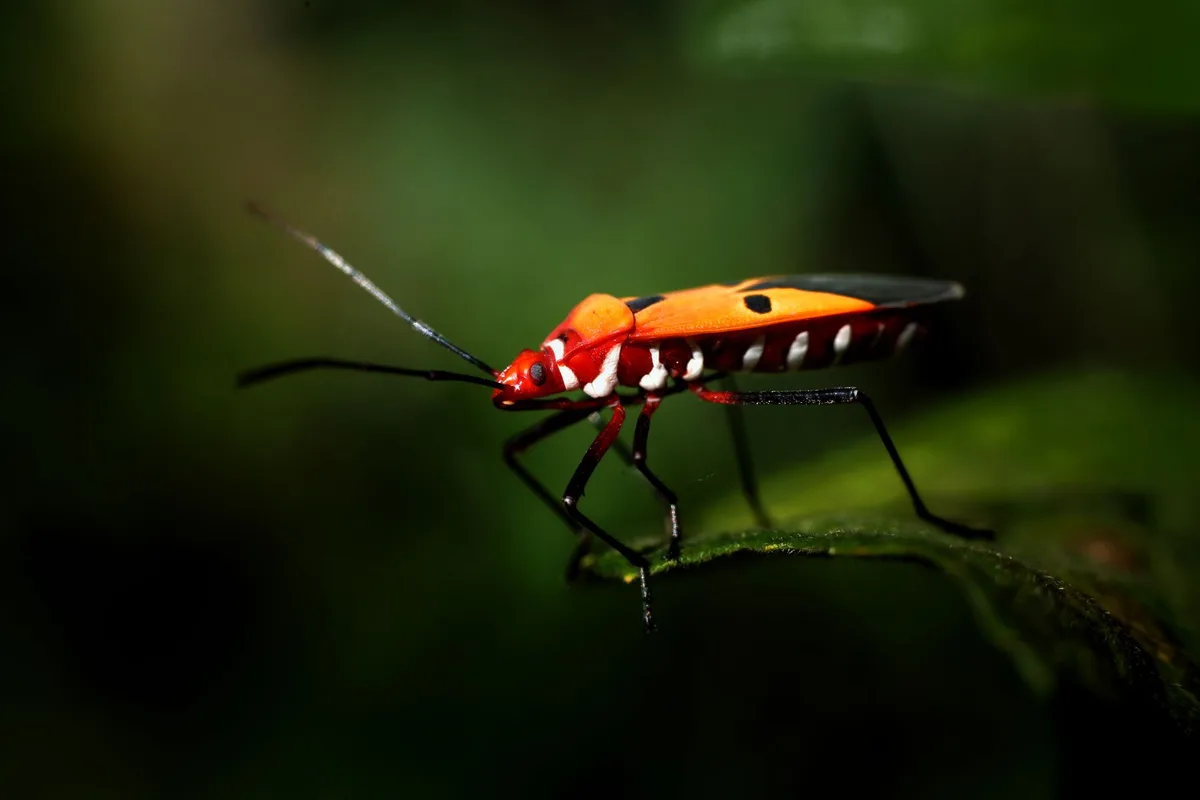
Many gardeners also struggle with identification. The gray-brown adults look similar to stink bugs. The nymphs are tiny gray-green specks that move fast.
And the eggs? Those neat little bronze patches on the underside of leaves are easy to miss if you’re not looking for them. By the time you realize what’s happening, the damage is done.
The most common mistake is waiting until you see the damage to act. That’s too late. Prevention is the only real strategy that works, and it starts before you even put a seed in the ground.
Core Explanation: The Squash Bug Life Cycle You Need to Understand
To beat squash bugs, you have to know how they live. Their life cycle has four stages that dictate when and where you need to focus your efforts.
Adult overwintering. Adult squash bugs survive the winter by hiding in plant debris, under mulch, in cracks in the soil, or inside hollow stems from last year’s vines. They emerge in late spring when temperatures hit about 70°F.
Egg laying. Once they find a host plant, females start depositing eggs in neat clusters on the undersides of leaves. Each cluster contains 12 to 20 eggs. A single female can lay four or five clusters over the season.
Nymph stages. Eggs hatch in 1 to 2 weeks. The nymphs go through five instars, molting each time. In the early stages they’re tiny and gray.
As they grow, they develop the characteristic flat shape and darker coloring.
Adult generation. After 4 to 6 weeks, nymphs become adults. Then they mate and lay more eggs. In northern climates you get one full generation per season.
In southern regions you can get two or even three.
Here’s a quick reference for timing:
| Life Stage | Duration | When It Happens |
|---|---|---|
| Overwintering adults in hiding | Several months | Late fall through spring |
| Eggs on leaf undersides | 7–14 days | Late spring through summer |
| Nymph feeding stages | 4–6 weeks total | Early summer through late summer |
| Egg-laying adult | 4–8 weeks | Midsummer through early fall |
The key takeaway is that every stage offers a different prevention window. Miss one and the cycle repeats. Hit every stage and you break the chain.
Pre-Season: Removing Overwintering Habitats Before You Plant
The most effective prevention starts months before you plant. Adult squash bugs that survived winter are looking for a place to hide and feed. If you remove those hiding spots, many of them never get a chance to start the cycle.
Clear all plant debris. At the end of the previous growing season, pull out every vine, stem, and leaf from your cucurbit beds. Do not compost this material unless you know your compost pile reaches high enough temperatures to kill the bugs. Most home compost piles don’t.
Bag it and send it out with yard waste instead.
Till or turn the soil. Lightly tilling the top few inches of soil in spring exposes any overwintering adults to birds and weather. You don’t need a deep till. Just enough to break up the surface where they might be hiding.
Rotate your cucurbit crops. Squash bugs will find their way back to the same bed if you plant cucurbits there year after year. Rotate to a different area of the garden for at least three years. If your garden space is limited, that means skipping summer squash, pumpkins, and cucumbers in that bed and planting something else instead.
Remove any nearby debris. Squash bugs don’t just hide in your garden bed. They also overwinter in leaf piles, wood stacks, and tall grass near the garden. Clean up those areas too before spring planting.
If you follow these steps, you eliminate a large portion of the overwintering population before they ever see a squash leaf.
At Planting: Row Covers and Trap Crops
Once you’ve cleaned up the garden, it’s time to think about physical barriers. Floating row covers are your best friend here. These lightweight fabric sheets let in light, air, and water while keeping squash bugs out.
How to use row covers. Lay the fabric directly over your seedlings right after planting. Bury the edges with soil or weigh them down with rocks or boards. The cover must be sealed tight.
Any gap is an invitation for bugs to crawl underneath.
When to remove them. Keep the covers on until the plants start to flower. Squash and zucchini need pollinators to set fruit, so the covers have to come off when the flowers open. By that point your plants are bigger and more resilient.
They can handle a few bugs.
Trap crops as a backup. If you want an extra layer of defense, plant a trap crop of Blue Hubbard squash or butternut squash in a separate bed 10 to 15 feet away from your main garden. Squash bugs prefer these varieties. They’ll move to the trap crop first, giving you time to handpick or spray before they reach your main plants.
What about seed starting? If you start your own seedlings indoors, you can plant them out later with a head start. Check for any bugs kept healthy with proper indoor conditions so they arrive in the garden strong.
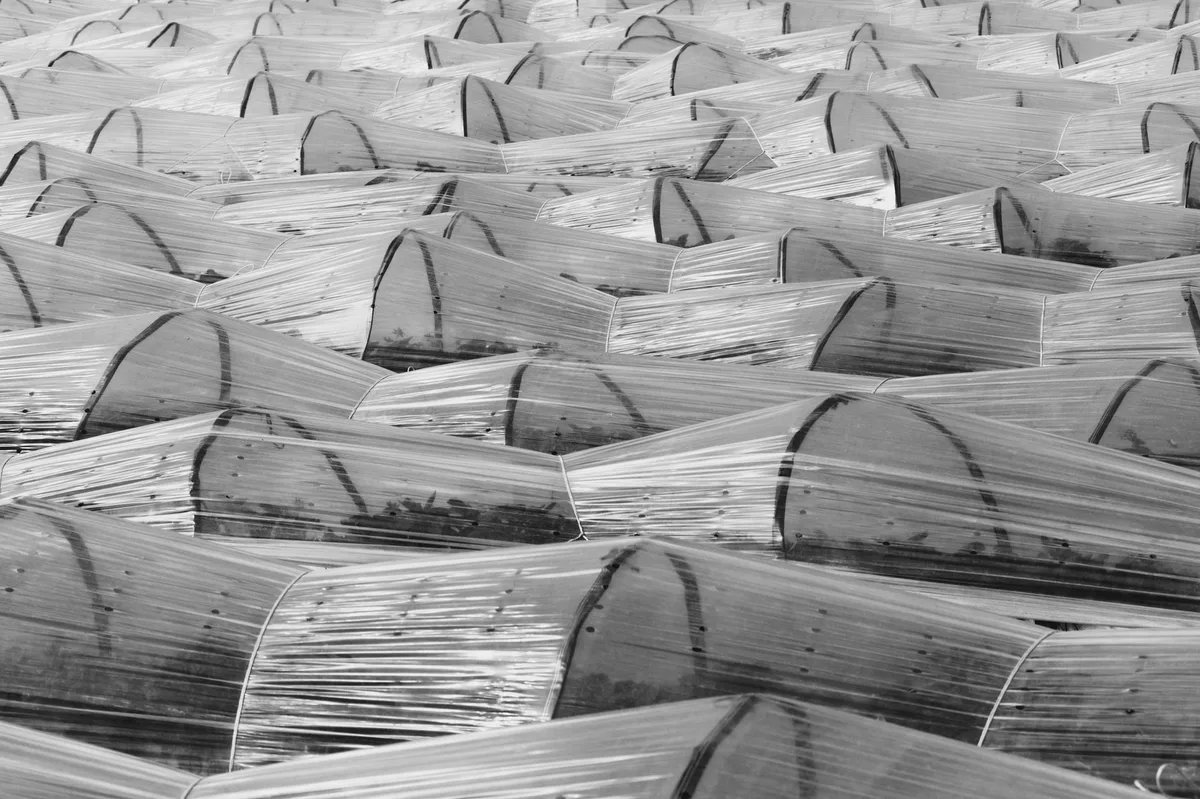
Row covers work best when you combine them with the pre-season cleanup. A clean garden plus a covered bed means squash bugs simply can’t get to your young plants during their most vulnerable stage. That’s the whole point of prevention.
Weekly Inspections: Finding Eggs and Nymphs Before They Multiply
Once your row covers come off, the real work begins. Weekly inspections are your best defense. Set a reminder for every Saturday morning.
Grab a bucket of soapy water and a small trowel. Head out before the sun gets high.
What to look for. Flip every leaf you can reach. Squash bugs lay their eggs in neat copper-colored clusters on the undersides. Each cluster looks like a tiny patch of bronze beads.
The eggs are small but easy to spot once you know what to look for. Nymphs are gray-green and move fast when disturbed. Adults tend to hide around the base of the plant or under debris.
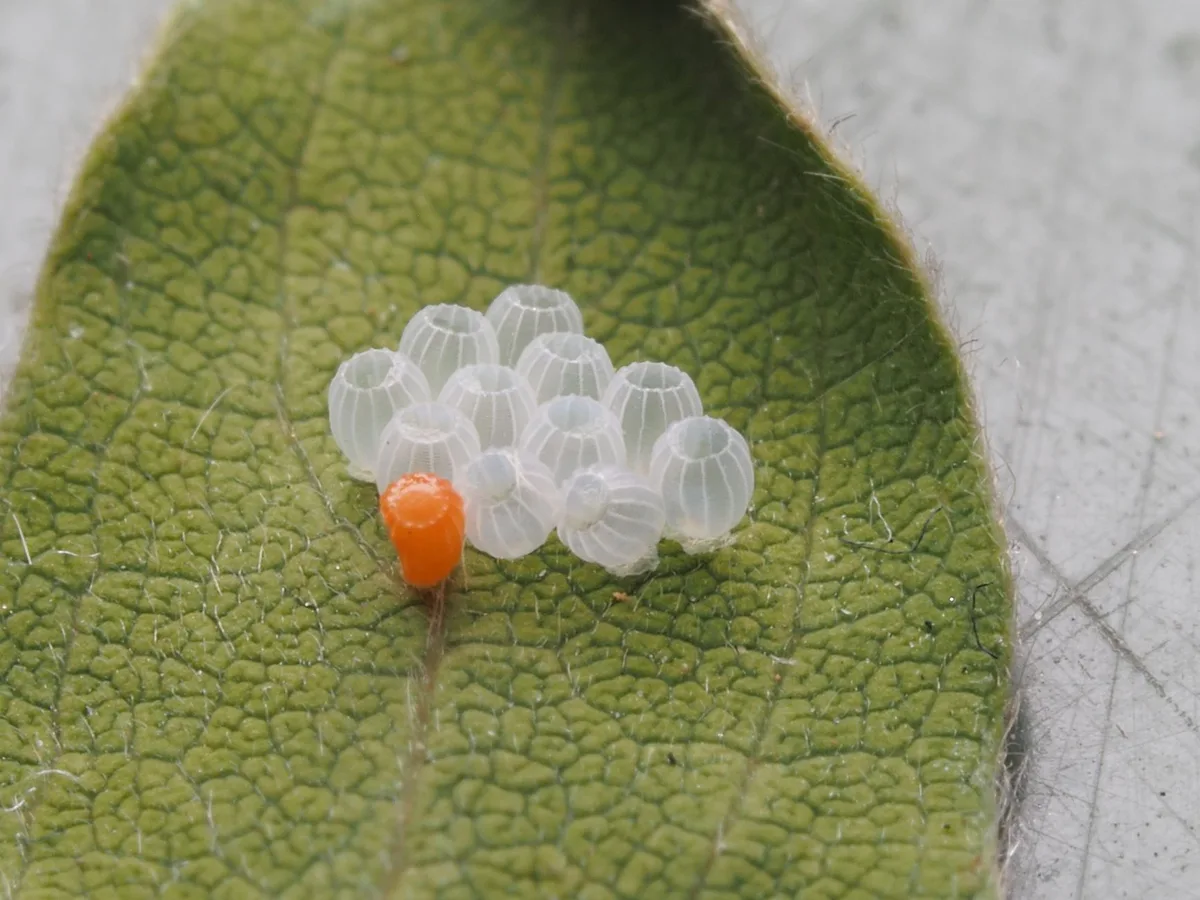
How to remove them. Scrape the eggs off with your fingernail or the edge of a knife. Drop them into the soapy water. Crush any nymphs or adults you find.
Do not just knock them to the ground. They will climb right back up.
Why weekly matters. A single missed egg cluster can hatch into twenty nymphs. Those nymphs become adults in a month. A month after that, you have hundreds of bugs.
Weekly inspection breaks that cycle before it explodes.
If you stay consistent, you will catch most infestations early. The five minutes you spend each Saturday saves you hours of damage control later.
Decision Branches: What to Do Based on Your Situation
You do not need every prevention method. You need the right one for your garden right now. Here is how to choose.
Branch A: No bugs yet and plants are still small. Keep those row covers on until flowers appear. Do not remove them early. Check under the fabric weekly for any signs of a breach.
If you find a tear or gap, patch it immediately.
Branch B: A few eggs or nymphs spotted. Handpick everything you find. Then apply a ring of food-grade diatomaceous earth around the base of each plant. Reapply after rain.
Keep inspecting every week. This method works well if the infestation is still small.
Branch C: Heavy infestation with wilting leaves. Remove the row covers if they are still on. The bugs are already inside. Handpick as many adults and nymphs as you can.
Then use a targeted spray like neem oil or insecticidal soap. Apply late in the evening to protect pollinators. Repeat every 7 to 14 days until the population drops.
Branch D: Plants are already dying. Cut your losses. Pull the affected plants immediately. Bag them and dispose of them away from the garden.
Do not compost them. Focus on saving the remaining plants and preventing the bugs from spreading to other beds.
The closer you are to Branch C or D, the harder the fight gets. That is why early prevention matters. A quick response at Branch B is easier than fighting a full outbreak.
Organic Control Methods: Neem Oil, Insecticidal Soap, and Diatomaceous Earth
If you prefer organic methods, you have three solid options. Each works best at a different stage of the squash bug life cycle.
Neem oil. This oil disrupts the molting process in nymphs and kills eggs on contact. Use a 70 percent clarified hydrophobic neem product. Mix according to the label.
Spray the undersides of every leaf thoroughly. Apply every 7 to 14 days. Neem works best when you catch the infestation early.
Insecticidal soap. This soap dissolves the outer coating of soft-bodied nymphs. It is less effective on adults but kills eggs and young nymphs on contact. Spray directly onto the bugs.
The soap must hit them to work. It leaves no residual protection, so you need to repeat treatments every few days until the population drops.
Diatomaceous earth. Food-grade diatomaceous earth is a fine powder made from fossilized algae. It cuts into the exoskeleton of crawling insects and dehydrates them. Sprinkle a thin ring around the stem of each plant at soil level.
Reapply after any rain or heavy dew. It works best on nymphs crawling up the stem.
Which one should you use? Here is a quick comparison:
| Method | Best For | Application | Reapplication |
|---|---|---|---|
| Neem oil | Eggs and young nymphs | Spray on leaf undersides | Every 7–14 days |
| Insecticidal soap | Soft-bodied nymphs | Spray directly on bugs | Every 3–5 days |
| Diatomaceous earth | Crawling nymphs on soil | Dust ring around stem | After rain |
All three are OMRI-listed for organic use. Always apply sprays in the evening after bees have stopped foraging. Never spray on open flowers.
Trap Boards and Handpicking: Low-Tech but Highly Effective
You do not need expensive sprays to control squash bugs. Sometimes the simplest tools work best. Trap boards and a bucket of soapy water are two of the most reliable methods.
How trap boards work. Adult squash bugs like to hide during the hottest part of the day. They tuck themselves under leaves, mulch, or any piece of wood on the ground. Lay a few flat boards or pieces of plywood on the soil between your squash plants.
Check under them every morning. You will find adults hiding there. Pick them up and drop them into your bucket of soapy water.
What kind of boards to use. Any flat piece of untreated wood works. Old shingles, scrap plywood, even rolled-up newspapers. The board does not need to be large.
A 12-inch square is plenty.
Handpicking the stragglers. For bugs that do not hide under boards, go directly to the plants. Use your fingers or a small pair of tweezers. Drop every bug you find into soapy water.
Do this every day during peak season.
Does it work? Aggregate user reports from cooperative extension surveys indicate that consistent daily handpicking can reduce squash bug populations by 80 to 90 percent over a season. The key is consistency. Miss a day and the bugs get a head start.
Post-Harvest: Stopping the Next Generation Before Winter
The fight does not end when you pick the last zucchini. What you do after harvest determines how many squash bugs survive to next spring.
Pull all vines. Once the plants stop producing, remove every vine, stem, and leaf from the bed. Do not leave any plant material behind. Adult squash bugs will hide inside hollow stems through the winter.
Do not compost infested material. Home compost piles rarely get hot enough to kill squash bugs or their eggs. Bag the vines and send them out with yard waste. If you have a municipal composting program, use that.
Otherwise, dispose of them in the trash.
Solarize the soil. In warm climates, you can solarize the bed after removing plants. Water the soil thoroughly. Cover it with clear plastic tarp from your grow light or garden supply.
Seal the edges. Leave it in place for 4 to 6 weeks during the hottest part of summer. The heat under the plastic kills bugs and eggs in the top few inches of soil.
Plan your rotation. Mark your garden map so you do not plant cucurbits in that bed for at least three years. Plant something else like beans, tomatoes, or flowers instead. Crop rotation breaks the cycle by starving any bugs that emerge next spring.
If you follow these post-harvest steps, you will start next season with a much lower population. Prevention is a year-round job. But it gets easier every year you stay consistent.
Common Mistakes That Sabotage Your Prevention Efforts
Even well intentioned gardeners slip up. Here are the most common errors and how to avoid them.
Mistake 1: Waiting until you see damage. Wilting leaves mean the bugs have been feeding for days. By then, eggs are already laid. Start inspections the day your row covers come off.
Do not wait for symptoms.
Mistake 2: Spraying at the wrong time. Applying neem or soap during the heat of the day burns leaves and misses bugs hiding under foliage. Always spray in the evening. That is when adults and nymphs are most active and pollinators are gone.
Mistake 3: Forgetting to rotate. Planting squash in the same spot year after year is an open invitation. Overwintering adults emerge directly into your bed. Rotate cucurbits to a different patch every three years.
Mistake 4: Composting infested vines. Most home compost piles do not reach the 140°F needed to kill squash bugs. You end up spreading eggs and adults back into the garden next season. Bag infested material and send it to municipal compost or landfill.
Mistake 5: Leaving row covers on after flowering. Pollinators cannot get in. Your plants will produce flowers but no fruit. Remove covers when the first blossoms open.
Your Quick Decision Guide by Season and Condition
Use this one page reference to pick the right action for your situation.
| Season | Condition | Action |
|---|---|---|
| Early spring | Clean bed, no plants yet | Remove debris, till soil, plan rotation |
| Planting time | Seedlings in ground | Install row covers, seal edges |
| Late spring | Covers on, no bugs | Inspect weekly under fabric |
| Early summer | Covers off, eggs found | Scrape eggs, apply DE at stem base |
| Midsummer | Nymphs or adults on plants | Handpick, spray neem in evening |
| Late summer | Heavy infestation | Remove affected plants, treat survivors |
| Fall | Harvest done | Pull all vines, solarize or bag debris |
| Winter | Garden empty | Mark rotation plan, clean tools |
If you have no bugs yet. Keep covers on until flowers appear. Inspect weekly.
If you find a few eggs. Scrape them off. Apply diatomaceous earth. Keep inspecting.
If you find nymphs. Handpick. Spray neem. Repeat every 7 days.
If you find adults. Handpick into soapy water. Use trap boards. Spray insecticidal soap.
If plants are wilting. Remove them immediately. Bag and dispose away from garden.
Frequently Asked Questions
How long do squash bugs live?
Adults can live several months through the growing season. They overwinter and survive into the next year. Nymphs mature into adults in 4 to 6 weeks.
Can you use vinegar to kill squash bugs?
Vinegar can kill squash bugs on contact, but it also damages plant leaves. It is not a recommended control method. Stick with neem oil or insecticidal soap for safer results.
Do coffee grounds repel squash bugs?
There is no reliable evidence that coffee grounds repel squash bugs. They do not harm the bugs and can even attract other pests. Focus on proven methods like row covers and handpicking.
What plants do squash bugs avoid?
Squash bugs strongly prefer cucurbits like zucchini, pumpkin, and cucumber. They avoid most other vegetables. Planting beans, tomatoes, or flowers near your cucurbits does not repel them, but crop rotation helps.
How often should I inspect my squash plants?
Inspect at least once per week from the time row covers come off until the end of the season. In warm weather, twice a week is better. Every day during peak season is ideal for catching eggs early.
Can squash bugs fly?
Yes, adult squash bugs have functional wings and can fly. They typically walk or crawl, but they will fly short distances to find food or move between plants. That is why row covers need to be sealed tight.