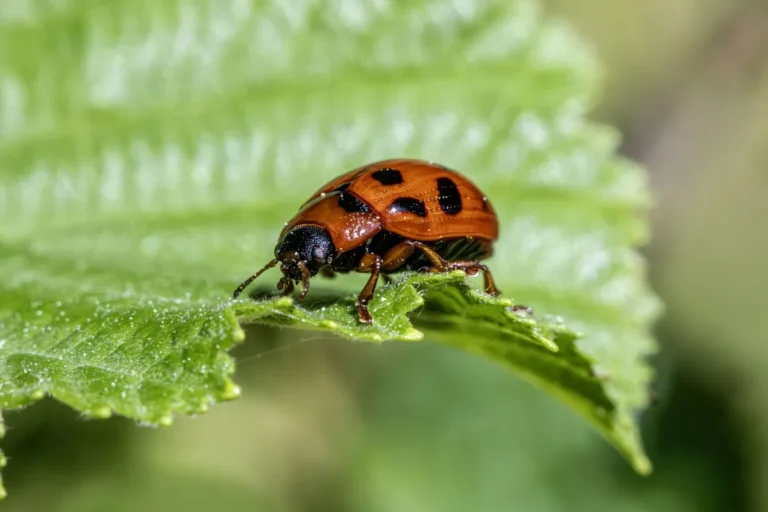
Why Are Japanese Beetles in My Garden: What Actually Works
You step into your garden one summer morning and find leaves that look like lace. The healthy plants you watered last week are suddenly stripped, with metallic green and copper beetles crawling everywhere. If you’ve ever asked yourself “Why Are Japanese Beetles in My Garden”, you’re in good company.
The Japanese beetle (Popillia japonica) is one of the most destructive garden pests in North America and parts of Europe. As of 2026, this invasive species costs an estimated $460 million annually in damage to ornamental plants, turf, and crops across the United States. The reason they picked your garden isn’t random, and tracing that reason is the fastest path to a solution.
Quick Answer
Japanese beetles land in your garden for three main reasons. Your plants are on their menu. Your lawn hosts their grubs.
Or nearby sources push them your way. Each pathway needs a different response. Identify the cause first, then choose your fix.
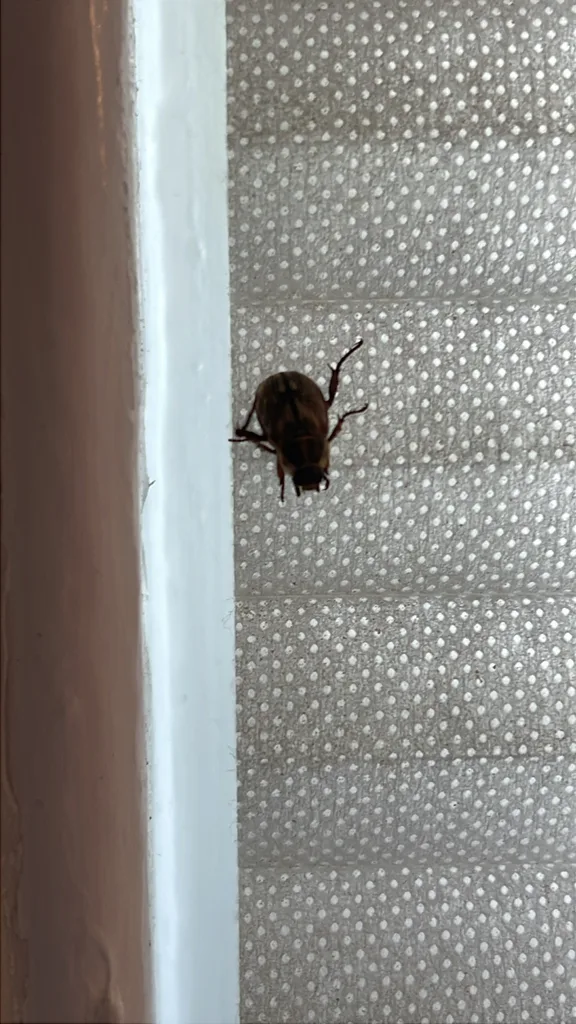
Decision Branch 1: Did Adults or Grubs Arrive First?
Before you inspect your plants or worry about your lawn, ask one simple question. Are adult beetles feeding on your leaves, or are grubs damaging your grass from below? The answer points to entirely different root causes.
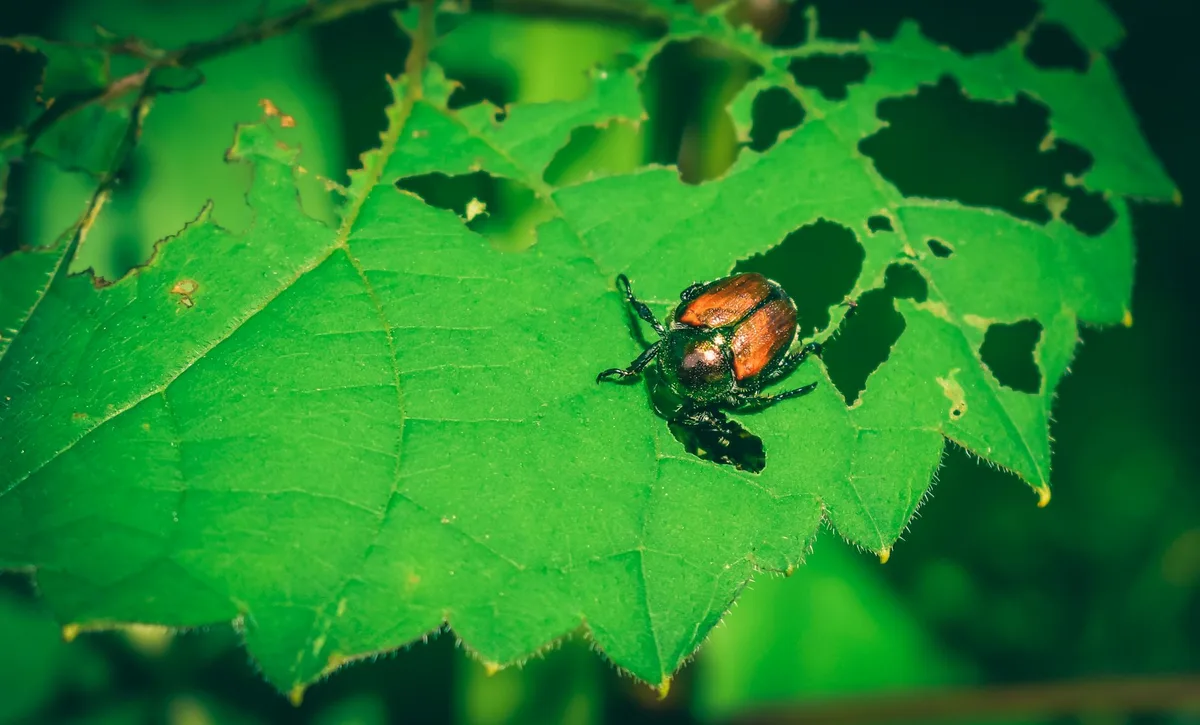
Adult beetles chew leaves between the veins, leaving a skeletonized pattern. You’ll see them clustered on top of plants during warm daylight hours. They fly from mid-June through August, depending on your region.
Grubs are the C-shaped white larvae that live in the soil. They eat grass roots, creating brown patches that pull up like loose carpet. If you peel back a section of damaged turf and find white grubs, they’re likely Japanese beetles at an earlier life stage.
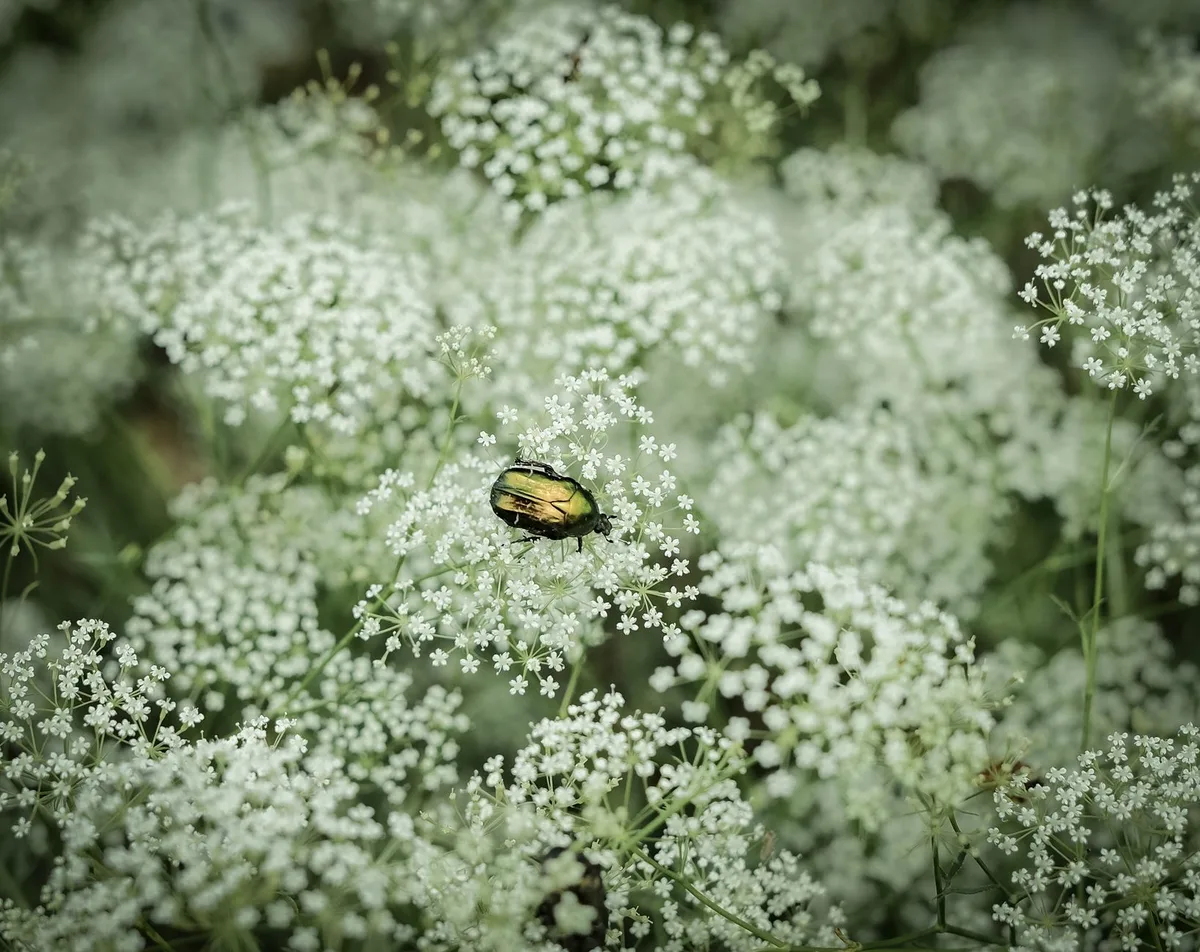
Here’s how to check for grubs quickly:
- Soap flush test. Mix two tablespoons of dish soap with a gallon of water. Pour it over a one-square-foot patch of brown or healthy-looking lawn. Wait five minutes. Grubs will wiggle to the surface.
- Count the grubs. If you find eight or more per square foot, the damage threshold has been crossed. Your turf is a breeding ground.
- Look for animals digging. Skunks, raccoons, and birds tearing up your lawn at night are hunting grubs. That activity is a dead giveaway.
If you find adult beetles but no grubs, your problem is likely coming from outside your property. If you find grubs first, your own lawn is the nursery, and adults will follow in the next season.
Decision Branch 2: Which Plants Are Drawing Them In
Japanese beetles are not random eaters. They have distinct preferences, and your garden might be a five-star restaurant without you knowing it. The specific plants you grow are the single strongest factor in whether beetles show up.
The beetles use their antennae to detect volatile compounds released by certain plants. They also release an aggregation pheromone once they start feeding, which calls in more beetles from up to a mile away. That’s why one plant gets wiped out while the one next to it stays untouched.
High-attractant plants (beetle magnets):
- Roses (especially light-colored and fragrant varieties)
- Grapevines
- Linden trees (basswood)
- Crabapple
- Raspberry and blackberry canes
- Japanese maple
- Birch
- Virginia creeper
Low-attractant plants (beetle repellents or ignores):
- Garlic, onion, chives
- Tansy, rue, catnip
- Boxwood, holly, yew
- Dogwood, redbud, tulip poplar
- Hosta, heuchera, ferns
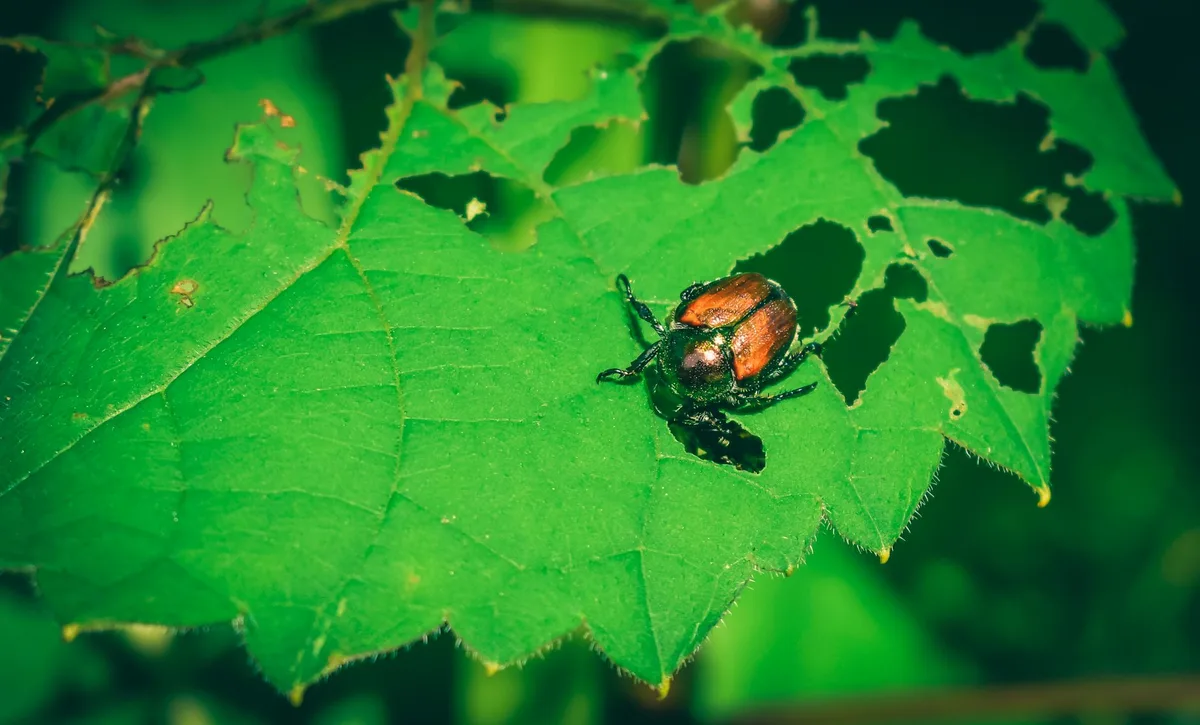
If your garden has several plants from the high-attractant list, you have the answer. The beetles are following the chemical signals those plants release. This is especially true if you see damage concentrated on just a few species while other plants remain untouched.
One practical step is to replace high-attractant plants near your garden’s main entry points. Move linden trees or rose bushes away from vegetable beds and seating areas. You can also interplant repellent species like garlic or catnip around your most vulnerable plants.
If you’re planning a new flower bed, consider selecting from low-attractant options like shade-tolerant hostas or ferns for areas where beetles tend to gather.
You can also time your planting to avoid peak beetle season in your area. Adult emergence follows degree-day models, typically between 500 and 750 growing degree days base 50°F. Your local cooperative extension office can tell you when that occurs in your specific region.
Decision Branch 3: Is Your Lawn the Real Source
This is the diagnosis most gardeners miss. The adult beetles you see on your roses may have been born right under your feet, in your own lawn.
Female Japanese beetles prefer to lay eggs in moist, well-maintained turf. They dig a few inches into the soil, deposit their eggs, and the grubs hatch within two weeks. Grubs feed on grass roots through late summer, then overwinter deeper in the soil.
They emerge as adults the following June.
A few things make your lawn especially attractive for egg-laying:
- Regular irrigation. Watered lawns stay moist, which is exactly what females need.
- Thatch layer. A thick layer of dead grass and roots provides cover for eggs and grubs.
- Full sun. Beetles prefer open, sunny lawn areas over shaded or dense turf.
The signs that your lawn is the source include brown patches that don’t respond to watering, turf that lifts easily like a loose rug, and nightly visits from skunks or raccoons. If you do a soap drench test and find eight or more grubs per square foot, your lawn is the nursery.
This is important because treating the adult beetles without addressing the grubs guarantees they’ll return next year. If your lawn is the source, you need to break the life cycle at the larval stage, not just spray the adults on your plants.
Decision Branch 4: Are Your Neighbors or Traps the Problem
Sometimes your garden is an innocent bystander. The beetles may not have originated on your property at all. They could be flying in from surrounding areas.
Japanese beetles can travel several miles by flying, especially during warm afternoons with light wind. If your neighbor has a major infestation, untreated lawn, or a heavy crop of attractant plants, those beetles will explore your garden too. You can’t control what grows next door, but you can recognize this as the source.
Pheromone traps are a separate issue. Many gardeners buy them hoping to eliminate beetles, but traps often make the problem worse. The trap lures beetles from a wide radius using a combination of floral scent and sex pheromone.
Once the beetles arrive, not all of them end up in the bag. A significant number land on nearby plants instead.
Research suggests that traps can increase local beetle damage by drawing more beetles into the area. If you or a neighbor has installed one, you may actually be funneling beetles straight into your garden. This is especially true if the trap is placed near plants or at the edge of the property.
Here’s what to check:
- Look around your immediate neighborhood for visible beetle damage or traps.
- Ask neighbors if they are using traps this season.
- Check your own property for any traps, even ones from previous years that you forgot to remove.
If you find a trap on your own property, move it as far from your garden as possible. At least 50 feet away from any plants you want to protect. If a neighbor is running one, you may need to focus on protecting your high-value plants directly, since the trap is drawing beetles into the area.