Guide to Can Grass Recover From Grub Damage: Complete Guide
Some brown patches make you want to give up on the whole lawn. You water. You fertilize.
You do the mowing correctly. And still, the grass is dying. That's when the question hits: can grass recover from grub damage?
The answer is yes, but it depends on a few hard numbers. University turfgrass research from Purdue and other land-grant programs sets the threshold at 5 to 10 grubs per square foot for cool-season lawns, as of 2026. That single measurement tells you whether your turf is just stressed or genuinely in trouble.
The rest comes down to timing and soil prep.
My Lawn Looks Dead – Can It Come Back?
Let me give you the straight answer. Your lawn can come back, but it hinges on three things.
| Factor | What It Means for Recovery |
|---|---|
| Grub count per square foot | Under 5? You're fine. 6–10? Watch it. Over 10? Take action now. |
| Root system condition | Roots still attached? Good chance. Grass pulls up like carpet? That's a rebuild. |
| Time of year | Late summer and early fall are the worst. Spring recovery is often stronger. |
Here's the deal. Grass plants that still have some root connection can grow new roots if you remove the pressure. We're talking about a few weeks of careful watering and the right fertilizer timing.
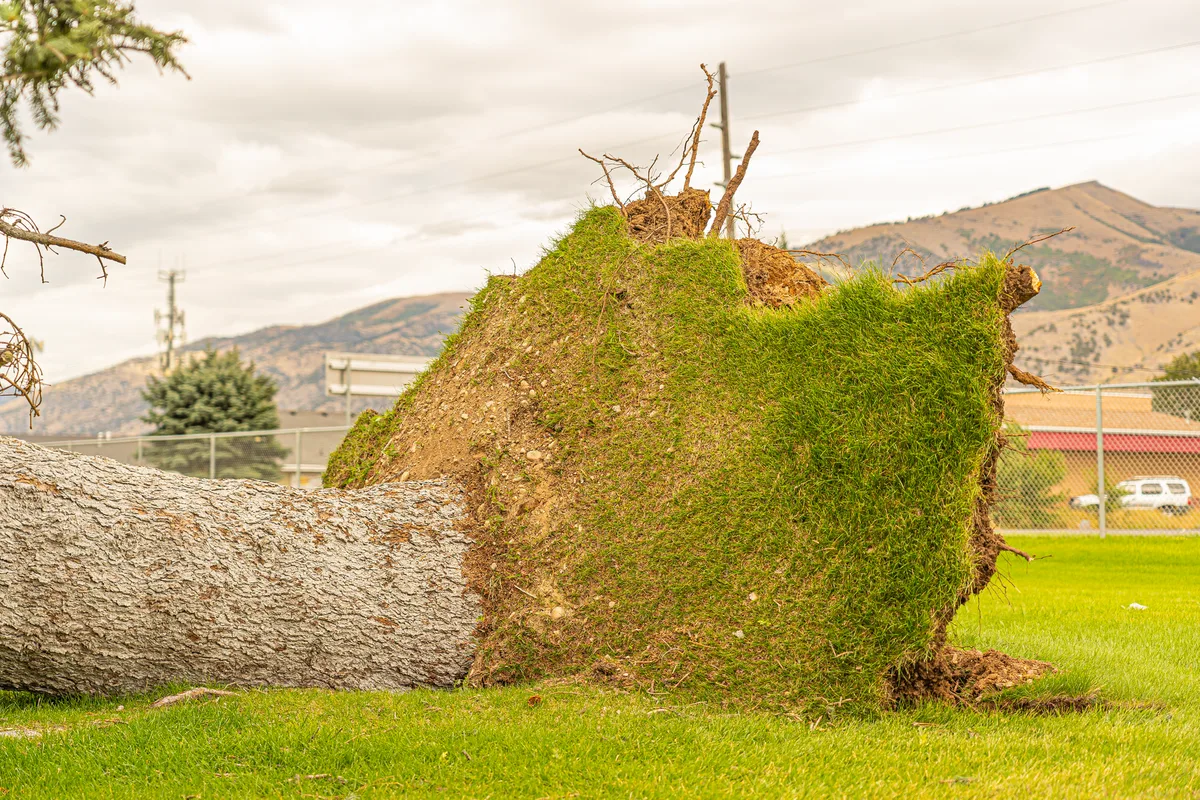
The trouble is when the roots are completely gone. That's when the grass lifts off the soil like a loose rug. In that case, the existing grass is dead.
It's not coming back without replanting.
But don't jump to conclusions yet. You need to confirm grubs are actually the cause. Fungus, drought, and even animal urine can look almost identical.
Quick Answer
Yes, grass can recover from grub damage. Recovery depends on root health and grub count. Act quickly if you see spongy turf.
Water deeply to support root regrowth. Overseed bare patches. Watch for new growth within three weeks.
Wait – Is It Actually Grubs? (Don't Guess, Check)
This is where most people mess up. They see brown patches and immediately buy grub killer. That's a waste of money if the problem is something else.
Brown spots can come from several causes. Let's run through the common ones so you can rule them out.
- Drought stress, Grass turns a uniform brown. It doesn't pull up easily. The soil is bone dry an inch down.
- Lawn fungus, Patchy, irregular circles with dark edges. You'll see mycelium or powdery spores in the morning dew. This is where a good lawn fungicide can save you trouble before you chase the wrong culprit.
- Animal urine, Bright yellow spots with dark green rings around them. Scattered randomly. No damage to the root zone.
- Thatch buildup, A spongy feel, but the roots are healthy. Too much dead organic matter blocks water and air.
Grub damage has a unique signature. The grass turns brown in irregular patches that grow fast during hot, dry weather. The real giveaway is that the turf feels spongy under your feet.
If you can roll back a corner of the sod like a carpet, that's grubs.
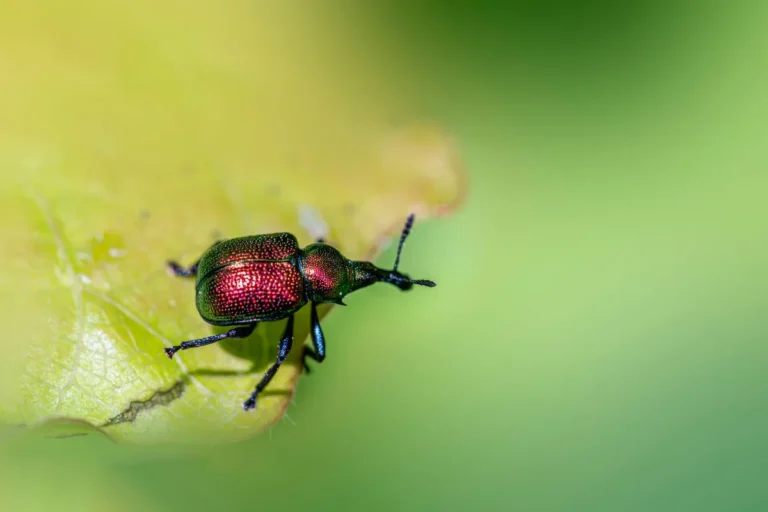
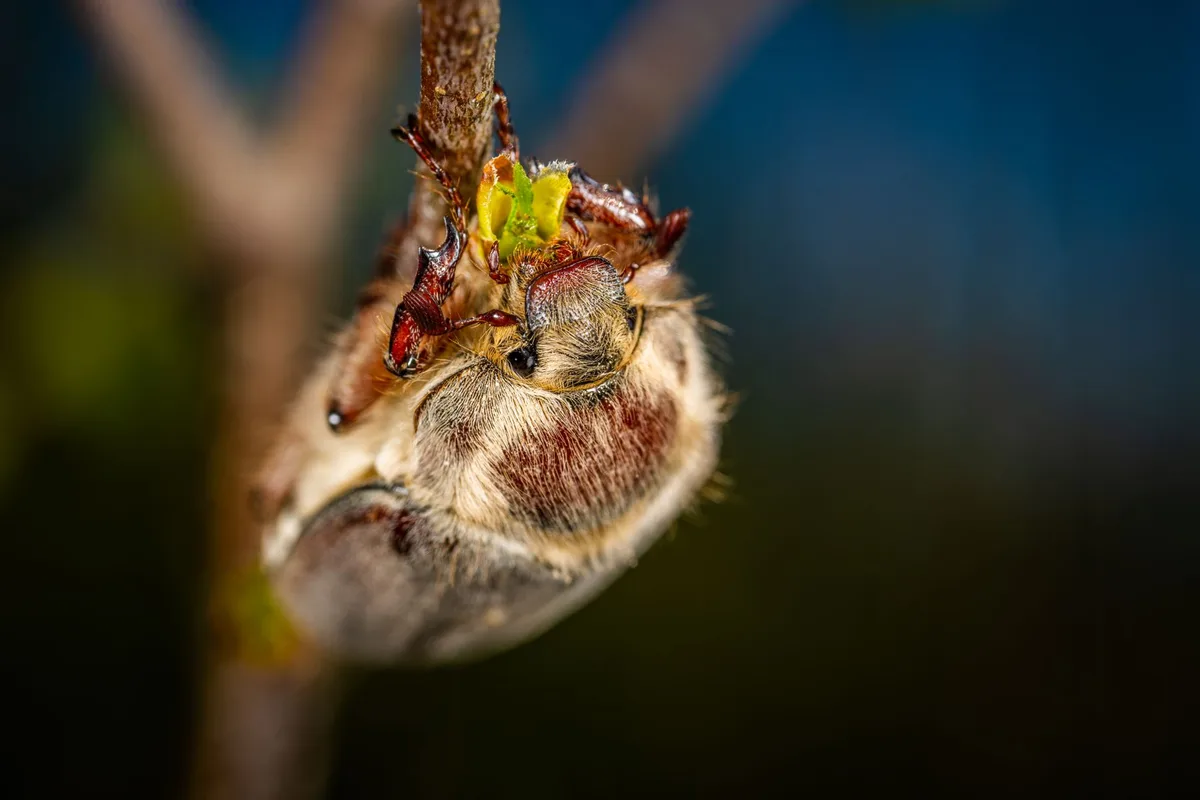
The grubs themselves are C-shaped, white to cream-colored, with a brown head capsule. They curl up when disturbed. If you see those, you've found the problem.
But don't stop at one spot. You need to confirm the population across the whole yard.
The Tug Test and the Peel Test
You don't need a laboratory for this. Two simple physical tests tell you nearly everything.
The tug test. Grab a handful of grass in a brown patch and pull straight up. If it comes out of the soil with little resistance, the roots are damaged or severed. Healthy grass holds firm.
If a whole clump comes up easily, grubs have eaten the root system.
The peel test. Use a shovel or a strong garden knife to cut a three-sided square in the turf, about six inches on each side. Lift the flap like you're opening a lid. Look at the soil underneath.
If you see several C-shaped white larvae, that's your answer. You should also see the severed root ends in the soil.
Do this in a few different spots across the lawn. Don't rely on one sample. Grubs can be patchy.
If the grass stays firmly rooted and you see no grubs, you can move on to other causes. If you find grubs, you need to count them.
How to Do a Proper Grub Count
This is the single most important step in the entire process. The number of grubs per square foot determines your treatment decision. Guessing is not an option.
Here's the standard method used by turfgrass researchers.
- Dig a one-foot square hole. Use a shovel or a spade. The hole should be about three to four inches deep.
- Sift through the soil. Break up clods with your fingers or a trowel. Look for the C-shaped white larvae.
- Count every grub you find. Count all of them, even the small ones.
- Repeat in five random spots. Spread the sample locations across the damaged areas and some healthy-looking sections too.
- Average the counts. Add up the total grubs from all five spots. Divide by five. That's your grub density per square foot.
The threshold numbers are clear, based on research from university extension programs.
| Grubs per square foot | What It Means |
|---|---|
| 0 to 5 | Natural predators usually handle this. No chemical treatment needed. |
| 6 to 10 | Borderline. Treat if you have a high-maintenance lawn or see animals digging. |
| 11 or more | Immediate treatment needed. Damage will get worse fast. |
If you hit the 11-plus mark, you have a real infestation. Waiting another week can double the damage because the largest grubs are feeding hardest before they pupate.
Now you have a diagnosis. You know if it's grubs and you know how many. The next step is deciding what to do about it, and that depends entirely on that grub count and the time of year.
The Deciding Factor: How Many Grubs Per Square Foot?
You already did the grub count. Now let those numbers make the call for you.
These thresholds come from decades of turfgrass research at land-grant universities. They are not guesses. They are the population levels at which the grass can no longer outgrow the damage.
0 to 5 grubs per square foot. Your lawn is fine. Natural predators like birds, ants, ground beetles, and parasitic wasps usually keep this population in check. No chemical treatment is needed.
Focus on watering and mowing correctly to keep the grass strong.
6 to 10 grubs per square foot. This is the gray zone. A healthy, well-maintained lawn can tolerate this level. But if your lawn is stressed from heat, drought, or poor soil, those grubs can push it over the edge.
Treatment is optional. If you see animals digging for grubs, that is a sign the population is high enough to attract predators. In that case, you should treat.
11 or more grubs per square foot. This is an active infestation. Damage will worsen quickly. The largest grubs are feeding aggressively before they pupate.
You must treat immediately. Waiting a week can mean losing another section of your lawn.
| Grub Density | Action |
|---|---|
| 0-5 per ft² | No treatment. Monitor. |
| 6-10 per ft² | Optional treatment. Treat if animals are digging. |
| 11+ per ft² | Treat now. Expect to repair damage. |
One more thing. If your grass is already pulling up like loose carpet, the grubs did their damage weeks ago. Killing them now stops further damage, but the dead grass is already gone.
You are now in repair mode, not prevention mode.
Your Decision Tree: What to Do Based on Your Situation
Let me walk you through the exact decision path. Follow the statements that match your situation.
Are the roots still attached?
- Yes. The grass holds when you tug it. Go to the next question.
- No. The grass peels up like a rug. Skip to "The Rescue Plan for Heavy Grub Damage."
What is your grub count per square foot?
- Under 5. Water deeply and mow at 3 inches. Your lawn will recover on its own.
- 6 to 10. Apply a curative grub killer now. Then follow "The Recovery Plan for Lighter Damage."
- 11 or more. Apply a curative grub killer immediately. Then follow "The Rescue Plan for Heavy Grub Damage."
What time of year is it?
- Late summer or early fall. This is the worst time. Grubs are at their largest. Act fast and overseed after treatment.
- Spring. Better odds. Grass is entering its growth phase. Treatment plus watering often leads to full recovery.
- Winter. Wait. The grubs are deep in the soil and not feeding. Treat in late spring when soil hits 60°F.
Are animals digging up your lawn?
- Yes. That confirms high grub density. Treat immediately. Raccoons and skunks can destroy more turf than the grubs themselves.
- No. Proceed based on your grub count.
This decision tree covers 90 percent of situations. If you hit a corner case like a newly installed sod or a lawn with heavy shade, adjust expectations. Shaded lawns recover slower because the grass is already struggling for light.
The Rescue Plan for Heavy Grub Damage (11+ Grubs)
This is the full rebuild. If your grass pulls up with no roots attached, the existing plants are dead. You are starting fresh in those areas.
Step 1: Kill the Grubs Now
You cannot repair damage while grubs are still feeding. Apply a curative insecticide labeled for grubs. Carbaryl and trichlorfon are common active ingredients for curative treatment.
They kill grubs within days.
Water the product in immediately after application. Grubs live in the top few inches of soil. The chemical needs to reach them.
Follow the label rate exactly.
Do not use a preventive product like imidacloprid now. Preventive products take weeks to work. They are meant for late spring application.
For active infestations, you need a fast-acting curative product.
Step 2: Remove Dead Turf
Once the grubs are dead, you need to remove the dead grass. Use a spade or a garden rake. Cut the dead sod into strips and lift it out.
You want to expose bare soil. Do not try to save patches that have no root attachment. They will not regrow.
A stiff garden rake makes this job easier. You might want a specialized tool for the heavier cleanup work.
Step 3: Prep the Soil
Loosen the top two to three inches of soil with a garden rake or a cultivator. Remove any large clods, stones, or remaining thatch.
Add a thin layer of compost or topsoil if the soil looks hard and compacted. This gives the new seed a soft bed to germinate in.
Rake the surface smooth. You want good seed-to-soil contact. That is the single biggest factor in germination success.
Step 4: Overseed or Sod?
Here is the choice.
| Option | Best For | Cost | Time to Green |
|---|---|---|---|
| Overseeding | Large areas, budget-friendly | Low | 3 to 4 weeks |
| Sod | Small patches, instant results | High | Immediate |
Overseeding is the standard approach for grub repair. Choose a grass seed that matches your existing lawn. Cool-season grass like tall fescue or Kentucky bluegrass works for northern lawns.
Bermuda or zoysia works for southern lawns.
Spread the seed at the rate listed on the bag. Rake it lightly into the soil. Cover with a thin layer of straw or peat moss to hold moisture.
Sod is faster but more expensive. If the damaged area is smaller than a few square feet, sod is worth it. Cut the sod to fit the bare spot.
Press it down firmly so the roots contact the soil.
Step 5: Water for Recovery
New grass seed needs constant moisture. Water lightly twice a day for the first two weeks. Keep the top inch of soil damp.
After germination, reduce to once a day. Then switch to deep watering once a week after the grass reaches mowing height.
Do not let the soil dry out during germination. That is the most common reason overseeding fails after grub repair.
The Recovery Plan for Lighter Damage (Under 10 Grubs)
If your grass still has roots attached, you do not need to rip it out. You can help it recover naturally.
Deep Watering and Root Support
Grubs damaged the root system. The remaining roots need to grow deeper to compensate.
Water deeply once or twice a week. Apply about one inch of water each time. Put a tuna can on the lawn to measure.
When the can is full, you have applied one inch.
Deep watering encourages roots to grow downward. Shallow watering keeps roots near the surface where they are vulnerable. Do not water every day.
That creates weak, shallow roots.
Fertilizing the Right Way
Wait two weeks after grub treatment before applying fertilizer. The grass needs time to recover from the stress.
Use a slow-release nitrogen fertilizer with an N-P-K ratio around 15-0-10 or similar. Avoid high-nitrogen fertilizers during hot weather. They can burn the already stressed roots.
Apply at half the label rate. You want to support recovery, not push rapid growth. A good organic or slow-release product will feed the grass steadily without causing a growth surge that the damaged roots cannot support.
Letting the Grass Fill In Naturally
If the damage is light and the patches are small, the existing grass will fill in on its own. Rhizomes and stolons spread into bare areas.
Set your mower at three to four inches tall. Taller grass shades the soil and keeps it cooler. That helps root growth.
Wait until the grass is actively growing before you do anything aggressive. If you see new green shoots in the bare patches within three weeks, you are on the right track.
Mistakes That Kill Recovery Chances
Let me save you some frustration. Here are the biggest errors people make after grub damage.
Watering too much or too often. Sodden soil suffocates damaged roots. Stick to deep, infrequent watering.
Fertilizing before the grass stabilizes. Applying high-nitrogen fertilizer too soon forces the grass to push leaves when it needs to grow roots. This can kill weakened plants.
Treating grubs at the wrong time. Curative treatments only work when grubs are actively feeding near the surface. Late summer is prime time. Mid-spring works too.
Winter treatment is a waste.
Skipping the grub count. Treating blindly means you might use chemicals when natural predators would have handled the problem. It also means you might use the wrong product type.
Forgetting about next season. Adult beetles will lay eggs again next summer. Apply a preventive treatment in late June or July to stop the next generation before they start feeding.
Raking out the dead grass too aggressively. If the lawn is just stressed and not dead, heavy raking can pull out the remaining live roots. Only remove turf that lifts away easily.
Preventing Grub Damage Next Season
You handled this year's infestation. Now you need to stop the next one.
Adult beetles lay eggs in mid to late summer. The window for preventive treatment is late June through July. Apply a preventive product containing imidacloprid or chlorantraniliprole at that time.
These products kill young grubs before they start feeding.
Water the preventive product into the soil within 24 hours. Dry granules sitting on the surface do nothing.
Consider switching to a grass variety with natural resistance. Endophyte-enhanced tall fescue and perennial ryegrass contain fungi that repel grubs and other insects. These varieties reduce the need for chemical treatments year after year.
Encourage natural predators. Birds, ground beetles, and parasitic wasps all feed on grubs. If you already have a healthy garden with diverse plants, you are probably attracting these helpers.
Adding a few flowering perennials near your lawn supports the beneficial insect population.
Maintain deep soil moisture during dry spells. Grubs actually prefer moist soil. But healthy deep roots from infrequent watering make the grass more resilient to whatever grubs remain.
Frequently Asked Questions
Can grass come back if the roots are eaten?
No. If the roots are completely severed, the grass is dead and will not regrow. You must remove the dead turf and overseed or lay new sod.
Do not wait for dead grass to magically green up again.
How long does it take to see recovery?
After treatment, you should see new growth within two to three weeks. Full coverage from overseeding takes four to six weeks depending on grass type and weather. Warm-season grasses recover faster in summer heat.
Should I treat for grubs in the fall or spring?
Treat in late summer or early fall when grubs are most active. That is the curative window. Spring treatment works but is less effective because the grubs are smaller and harder to kill.
Preventive treatment goes down in late June.
Will nematodes work instead of chemicals?
Yes. Beneficial nematodes (Heterorhabditis bacteriophora species) are a biological control that kills grubs naturally. They work best in moist soil and need to be applied in the evening to avoid UV damage.
Results take seven to fourteen days.
How do I know if the grubs are really dead after treatment?
Cut a new one-foot square sample in the treated area three to four days after applying a curative product. Dig through the soil. If the grubs are discolored, soft, or shriveled, they are dying or dead.
If they still look healthy, the treatment failed.
What if my lawn also has fungus?
Fungal diseases and grub damage often look similar. Look for white mycelium or powdery patches in the morning dew. If you suspect both, treat the fungus first with a targeted fungicide.
Stressed grass from grub damage is more vulnerable to infection.
Your Decision Guide (One-Page Cheat Sheet)
| Situation | Action | Timing |
|---|---|---|
| Brown patches, grass holds firm | Water deeply. Check for other causes. | Immediate |
| Brown patches, grass peels up | Do grub count. Treat if 11+ per ft². | Immediate |
| 0 to 5 grubs per ft² | No treatment. Monitor. | All season |
| 6 to 10 grubs per ft² | Optional treatment. Watch for animal digging. | Late summer |
| 11+ grubs per ft² | Apply curative insecticide. Then overseed. | Right now |
| Animals digging at night | High grub density likely. Treat proactively. | Immediate |
| Planning ahead for next year | Apply preventive product in late June. | Late June / July |
| Bare soil after grub damage | Rake smooth. Add compost. Overseed or sod. | After treatment |
Keep this table handy for next season. You will not have to re-learn everything from scratch. The steps stay the same year after year.