How Deep Do Lawn Grubs Live (2026) — What Actually Works
If you're staring at brown patches in your lawn or finding holes dug by skunks and raccoons overnight, you're probably wondering how deep do lawn grubs live. The honest answer is that it depends, on the season, the species, and even your soil type. Grubs don't sit at one fixed depth.
They move up and down through the soil profile as temperatures change.
Soil temperature is the biggest trigger. Once it drops below 50°F, most common lawn grubs start migrating downward. University extension research confirms they can go as deep as 8 inches to survive winter dormancy.
That vertical movement matters more than most homeowners realize, because if you treat at the wrong depth, you're just wasting product and time.
Your Lawn Is Damaged – But Is It Grubs?
Brown patches don't automatically mean grubs. Drought stress, fungal disease, and even compacted soil can look almost identical from the surface. So how do you tell the difference?
The animal digging clue. If skunks, raccoons, or birds are tearing up your lawn at night, that's a strong sign. Animals dig for grubs like we dig for buried treasure. You'll see shallow, cone-shaped holes and flipped-over turf.
No animal activity? You could still have grubs, but it's less likely to be a heavy infestation.
The tug test vs. the peel test. Grab a handful of brown grass and pull. If it lifts like carpet with no roots attached, that's classic grub damage. For a more reliable check, use the sod peel test we cover later in this article.
Fungus, by contrast, tends to show circular patches with a distinct border, and the roots usually stay intact.
Check for thatch. Grubs love hiding in thick thatch, the layer of dead organic matter between the grass blades and the soil. If your thatch is over half an inch thick, you've got prime hiding conditions. Regularly managing thatch buildup with the right tools helps reduce grub habitat long before you ever see damage.
Quick Answer: They Live At Different Depths Depending On The Season
Lawn grubs live at changing depths depending on the season.
During summer feeding, they stay in the top 1 to 3 inches.
In winter dormancy, they migrate 4 to 8 inches down.
Soil temperature below 50°F triggers that deeper movement.
The species and your climate also affect the exact depth.
Understanding this seasonal pattern is the single most important piece of knowledge for effective grub control. Treat in fall when they're feeding near the surface. Wait until spring after they've migrated back up.
Treat during winter while they're 8 inches deep, and you'll miss nearly every one.
It Depends On These 5 Factors
There's no universal "grub depth" because five key variables shift where they live at any given time. Here's what determines their vertical position in your soil.
1. Grub species. Different species have different habits. Japanese beetle grubs stay relatively shallow.
June beetle grubs dig much deeper, sometimes 10 to 12 inches. European chafer grubs are aggressive migrators. The species in your lawn changes everything.
2. Time of year. This is the biggest factor. Grubs follow a predictable seasonal migration: shallow in warm months, deep in cold months.
Miss that window and you're guessing.
3. Soil temperature. Grubs are cold-blooded. When soil temps drop below 50°F, they stop feeding and move down.
When temps rise above 60°F in spring, they head back up. You can track this with a simple soil thermometer.
4. Soil type. Sandy soils drain fast and cool down quickly. Grubs in sandy soil tend to go deeper, faster.
Clay soils hold moisture and temperature longer, so grubs may stay shallower. Loam is the middle ground.
5. Climate and region. Northern lawns see deeper and longer overwintering. Southern lawns may have grubs feeding year-round with only a brief shallow dormancy.
Your local frost line and average winter lows directly affect maximum depth.
Grub Species Guide – Which One Is In Your Lawn?
You don't need to be an entomologist to identify the grub in your lawn. But knowing which species you're dealing with helps you predict depth and choose the right treatment window.
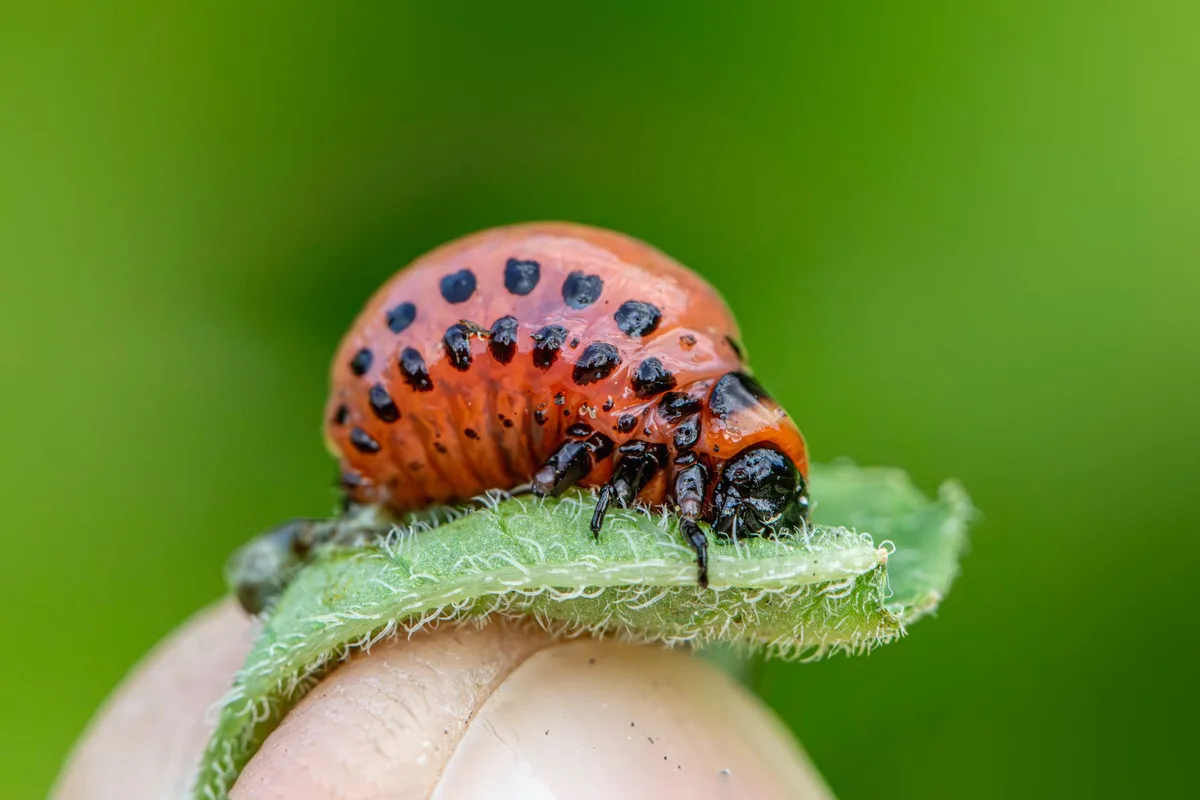
Japanese beetle grub (Popillia japonica). This is the most common lawn grub across the eastern and midwestern US. It feeds in the top 1 to 3 inches during late summer and early fall. It overwinters at about 4 to 6 inches.
If you're in the Northeast or Midwest, this is likely your culprit.
European chafer grub (Amphimallon majale). Common in cooler regions like the Pacific Northwest and parts of the Northeast. These grubs are notorious for attracting skunks and raccoons. They follow a similar depth pattern to Japanese beetles but tend to stay slightly deeper in winter, 5 to 8 inches.
June beetle grub (Phyllophaga spp.). Also called May beetles. These are the deep diggers. They can burrow 10 to 12 inches down during cold weather.
They also have a longer life cycle, up to three years, so you might see them at different depths across multiple seasons. Harder to control with surface treatments.
Black turfgrass ataenius (Ataenius spretulus). A smaller grub that stays shallow, usually in the top 1 to 2 inches. It's common on golf courses and well-maintained lawns. Because it stays near the surface, it's easier to treat, but it can build resistance to chemicals faster.
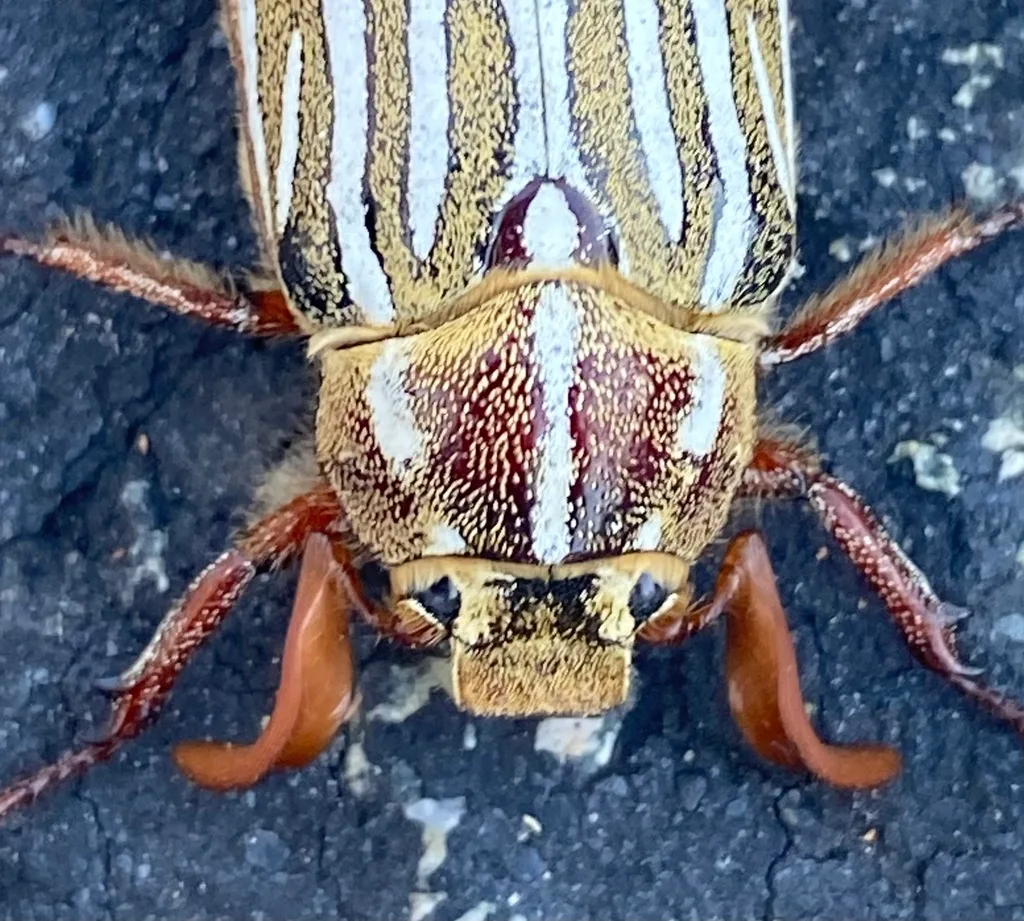
Green June beetle grub (Cotinis nitida). Found mainly in the southern US. These grubs are unusual, they sometimes come to the surface at night and crawl on their backs. They feed in the top 2 to 3 inches but can go deeper in extreme heat.
If you're unsure which species you have, pull a few grubs from your lawn and compare their size, color, and body shape. Japanese beetle grubs are about three-quarters of an inch long with a brown head capsule. June beetle grubs are larger, over an inch long.
A quick online search of your state's extension service will confirm which species are common in your area.
Seasonal Depth Guide – Where Are They Right Now?
This section is your practical calendar. The exact dates shift depending on your local climate, but the seasonal pattern stays consistent.

Spring (March to May). Soil temperatures rise above 50°F. Grubs migrate upward from their overwintering depths. They start feeding again, usually in the top 2 to 3 inches.
This is a good time to check for grubs, but treatment is less effective now because adults will soon emerge to lay eggs.
Summer (June to August). This is the egg-laying and early larval stage. Newly hatched grubs are tiny and feed near the surface, often in the top inch of soil. By August, they've grown and moved slightly deeper.
This is the window for preventative treatments.
Fall (September to October). This is the peak feeding period, and the best time for curative treatment. Grubs are actively feeding in the top 1 to 3 inches. Soil temperatures are still warm enough for nematodes and microbial products to work.
Treat now and you catch them at their most vulnerable.
| Season | Typical Depth | Feeding Activity | Best Treatment Window |
|---|---|---|---|
| Spring (Mar–May) | 2–4 inches | Moderate, moving up | Marginal |
| Summer (Jun–Aug) | 1–3 inches | Low to moderate | Preventative |
| Fall (Sep–Oct) | 1–3 inches | High | Curative (best) |
| Winter (Nov–Feb) | 4–8+ inches | None | Not effective |
Winter (November to February). Grubs have migrated deep. They're not feeding. They're not damaged by surface treatments.
Leave them alone. Mark your calendar for fall next year. If you're dealing with recurring grub infestations year after year and standard treatments haven't solved the problem, it may be time to look at your overall lawn health and consider integrated pest management.
Sometimes the same conditions that attract grubs, stressed turf, compacted soil, poor drainage, also create ideal conditions for treating lawn fungus and other issues.
The table above gives you a quick reference. The takeaway is simple: fall is your golden window. Everything else is either preparation or waiting.
Cold Climate vs. Warm Climate – Region Matters
Where you live changes the grub depth equation more than almost anything else. A homeowner in Minnesota faces a completely different situation than someone in Georgia.
Northern states and Canada. Winters are long and cold. The ground freezes deeper. Grubs in these regions migrate 6 to 8 inches down, sometimes deeper in sandy soils.
They enter a true dormant state. They stop feeding completely. Your treatment window is narrow: late summer to early fall.
Miss it and you're waiting a full year.
Southern states. Soil rarely freezes more than an inch or two. Grubs in the South may stay active year-round, feeding at 2 to 4 inches even in January. Some species like the green June beetle grub actually move shallower in winter if the soil stays warm.
Treatment windows are wider, but the grub pressure is often higher because the life cycle never fully pauses.
The transition zone. This band runs roughly from Virginia through Kentucky to Missouri and down into Texas. You get cold winters and hot summers. Grub behavior here is less predictable.
Some years they dig deep. Other years they stay shallow. A soil thermometer becomes your best friend in these regions.
If you're dealing with repeated infestations and your lawn is already stressed from other issues, addressing the overall soil health matters. Checking for compaction is a good place to start. You can find the right tools for surface preparation in our guide to managing thatch with the best equipment.
How To Check The Depth In Your Own Lawn
You can't treat what you can't find. Fortunately, checking grub depth is straightforward. You just need a shovel, a ruler, and about ten minutes.
The sod peel test. Cut three sides of a one-foot square into your lawn with a shovel or spade. Fold the turf back like opening a book. You're looking for white, C-shaped grubs in the soil and root zone.
Measuring depth. Once you expose the soil, dig down gently with your fingers or a trowel. Note where you find grubs at each depth. Measure from the surface down.
Record the depth of each grub you find.
What counts as an infestation. University extension guidelines typically set the threshold at 10 to 15 grubs per square foot for most species. For Japanese beetles, the number is closer to 10. For European chafers, it's about 8.
If you find fewer than 5, you probably don't need treatment.
Sample multiple spots. Grubs don't spread evenly. Check three to five different areas of your lawn, especially near the brown patches. Average your counts.
A single hotspot might not represent the whole lawn.
Matching Your Treatment To The Right Depth
Treating at the wrong depth is the number one reason grub control fails. Each treatment method works at a specific soil depth and under specific conditions.
Nematodes (beneficial microscopic worms). These are living organisms. They need soil temperatures above 50°F to stay active. They move through soil moisture, so the ground must be damp.
Nematodes work best when grubs are feeding in the top 1 to 3 inches. Apply them in late summer or early fall. Water them in immediately.
They can't chase grubs down to 6 inches.
Milky spore (Paenibacillus popilliae). This bacterial control is specific to Japanese beetle grubs. It works slowly, over one to three years. It spreads as grubs move and feed.
It's most effective when grubs are in the top 2 to 4 inches. Milky spore persists in soil for years, so depth matters less over time.
Chemical grub killers (insecticides). Products containing chlorantraniliprole or imidacloprid work at the root zone. They need to be watered in to reach the grubs. The label will specify the watering depth.
Most require half an inch of water immediately after application. If grubs are deeper than 3 inches, surface-applied chemicals won't reach them.
| Treatment Type | Effective Depth | Soil Temp Needed | Best Season |
|---|---|---|---|
| Nematodes | 1–3 inches | Above 50°F | Late summer to early fall |
| Milky spore | 2–4 inches | Above 60°F | Spring or fall |
| Preventative chemicals | 1–2 inches | Any (applied before hatch) | Late spring to early summer |
| Curative chemicals | 1–3 inches | Above 55°F | Late summer to early fall |
Preventative vs. curative timing. Preventative treatments go down before eggs hatch, typically June to July. They sit in the soil and wait for young grubs. Curative treatments target active feeding grubs in late summer to early fall.
The depth is the same for both, but the timing decides which one works.
Common Depth Mistakes That Ruin Your Treatment
These are the errors we see most often in our research. Avoid them and your grub control success rate goes way up.
Treating too shallow when grubs are deep. This happens in early spring or winter. Homeowners see grub damage from the previous fall and panic. They apply nematodes or chemicals in March.
But the grubs are still 4 to 6 inches deep. The treatment never reaches them. Wait until the soil warms above 50°F.
Treating too deep when grubs are feeding near the surface. Some people overwater treatments, pushing the product past the root zone. If grubs are in the top 2 inches and you water in 2 inches of solution, you've washed the treatment past them. Follow the label instructions exactly.
Applying during the wrong season. This is the biggest waste of money. Treating in winter is useless. Grubs are dormant and deep.
Treating in midsummer catches only newly hatched grubs near the surface. Fall is the sweet spot.
Not watering in properly. This kills chemical treatments and nematodes alike. Dry soil acts as a barrier. Water moves the product down to where grubs live.
Skip the watering step and you've essentially sprinkled product on the surface.
Ignoring the thatch layer. Thatch thicker than half an inch can block treatments from reaching the soil. If your thatch is heavy, rake it or core aerate before applying any treatment. Thinning the thatch layer also removes hiding spots for grubs.
Natural vs. Chemical Control – Depth Considerations
Your choice between natural and chemical treatments isn't just about philosophy. It affects how deep your control reaches.
How nematodes move through soil. Nematodes are tiny. They swim in the film of water around soil particles. They can travel several inches, but they need continuous moisture.
In sandy soil, they move faster and deeper. In clay, they move slower and shallower. The key is applying them when the soil is damp and the grubs are in the top 2 to 3 inches.
How milky spore spreads. Milky spore bacteria multiply inside Japanese beetle grubs. When the grub dies and decomposes, the spores release into the soil. They spread slowly.
It can take years for full coverage. Depth isn't a major concern because the spores work at whatever depth the grubs are feeding.
How synthetic insecticides work in the root zone. Most chemical grub killers are systemic or contact products. They bind to soil particles and release slowly. They work best in the top 1 to 3 inches where grubs feed.
Some products move deeper with water, but the concentration drops off quickly past 4 inches. If your soil is compacted, chemicals may not penetrate at all. Core aeration helps open the soil.
For homeowners managing multiple lawn issues, addressing grubs alongside lawn fungus makes sense. You can find guidance on treating both issues simultaneously with the right products and timing.
The bottom line on natural versus chemical: natural treatments require more patience and precise timing, but they have no environmental downsides. Chemical treatments work faster and more reliably, but they need careful depth matching. Choose based on your tolerance for time and risk.
Pro Tips From Experience
Use a soil thermometer to track migration. This is the single most practical tool for timing treatments. Insert it 3 inches deep. When the reading stays above 50°F, grubs are feeding near the surface.
Below 50°F, they start heading down. A $10 thermometer saves you from guessing.
Sample multiple spots across your lawn. Grubs cluster in patches. One square foot might show zero grubs while another shows 20. Take samples from the worst brown patches, the edges, and a healthy area for comparison.
Average your counts before deciding to treat.
Watch the thatch layer. Thick thatch traps moisture and warmth. It creates a microclimate where grubs can stay shallower longer. If your thatch is over half an inch, consider core aeration.
It also helps the root zone recover from grub damage faster.
When To Call A Professional
Heavy infestations over 15 grubs per square foot. At this level, DIY treatments often fall short. Professionals have access to commercial-grade products and application equipment that penetrate deeper into the soil profile.
Recurring problems year after year. If you treat properly each fall and still see damage, something else is going on. A professional can run soil tests, identify the exact species, and create a multi-year management plan.
Large properties or commercial turf. Spraying a half-acre lawn with nematodes or granular insecticides is time-consuming and expensive. Professional applicators have the tools to do it efficiently and at the right depth.
Seasonal Checklist For Staying Ahead Of Grubs
Spring (March to May). Check soil temperature. Do not treat yet. Focus on lawn health with proper watering and adjusting your fertilizer approach for the season.
Strong grass recovers from grub damage faster.
Summer (June to August). Apply preventative treatments if you've had grubs before. Monitor for animal digging. Water deeply to encourage deep root growth.
Fall (September to October). This is your main treatment window. Pull a sod sample first. If you find 10 or more grubs per square foot, apply curative treatment at the right depth.
Winter (November to February). Do nothing. Mark your calendar for next year. Note which areas were damaged so you can target them in fall.
Frequently Asked Questions
Do grubs die if they freeze?
No. Grubs migrate below the frost line before the ground freezes. They enter a dormant state and survive temperatures well below freezing as long as they stay deep enough.
This is why winter treatment fails.
Can grubs live in the top inch of soil?
Yes, especially in late summer when newly hatched grubs are tiny. They feed near the surface for the first few weeks. By early fall they move to 2 or 3 inches deep.
How deep do grubs go in sandy soil?
Deeper than in clay. Sandy soil drains faster and cools quicker. Grubs in sandy soil can burrow 8 to 10 inches down.
Clay soil holds warmth longer, so grubs stay shallower.
How do I know if I treated at the right depth?
Pull a sod sample 24 hours after treatment. Dig down gently and look for grubs. If they're alive and deeper than your treatment reached, you missed.
Adjust your watering depth next time.
Do grubs come back up after winter?
Yes. When soil temperatures rise above 50°F in spring, grubs migrate back up to the root zone. They feed for a few weeks before pupating into adult beetles.