How to Get Rid of Spider Mites 2026: What Actually Works
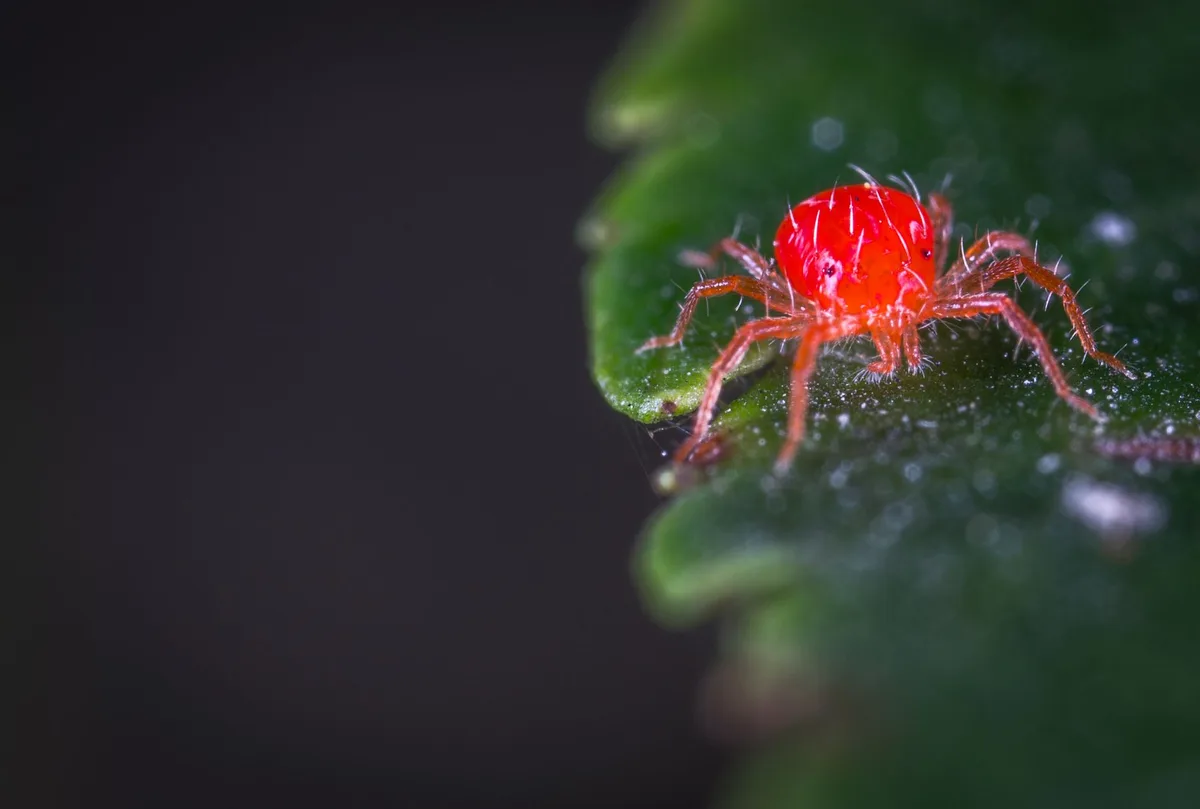
Spider mites are tiny plant vampires. They’re so small you often miss them until their damage is done. If you’re here wondering how to get rid of spider mites, you’ve probably already spotted the telltale signs: speckled leaves, fine webbing, and a plant that just looks sad.
A single female can lay up to 100 eggs in her short lifespan, and those eggs can hatch in as little as three days. In our research, the University of California’s IPM program confirms that unchecked, a population can explode in under a week. That’s exactly why catching them early and choosing the right treatment path matters more than any single spray.
Let’s walk through how to do that.
First, A Quick SparkNotes for the Desperate
If you need the short version right now, here it is. Spray infested plants with water daily for three days and wipe leaves to remove mites. Apply insecticidal soap every five days for two weeks.
Isolate the plant from others and increase humidity to slow reproduction. That stops a mild infestation cold.
For anything worse, you’ll need to pick a treatment path based on your exact situation. The rest of this guide walks you through each branch so you don’t waste time on the wrong approach.
The “Is It Really Spider Mites?” Test
This is where most people mess up. You see yellow dots on leaves and assume it’s a nutrient problem. You find webbing and think it’s dust or a spider.
By the time you’re sure, the infestation has a head start.
Let’s run three quick checks so you know for certain what you’re dealing with.
The stippling test. Hold a leaf up to the light. Spider mites create a pattern of tiny white or yellow dots that look like someone tapped the leaf with a pin. That’s stippling from them sucking out the contents of individual cells.
Nutrient deficiencies cause more uniform yellowing, not a dotted pattern.
The white sheet trick. Take a piece of white paper and hold it under a branch or leaf cluster. Tap the leaves sharply. If tiny specks fall onto the paper and start moving, those are mites.
With good light you’ll see them crawl. If nothing moves, you’re probably dealing with dust.
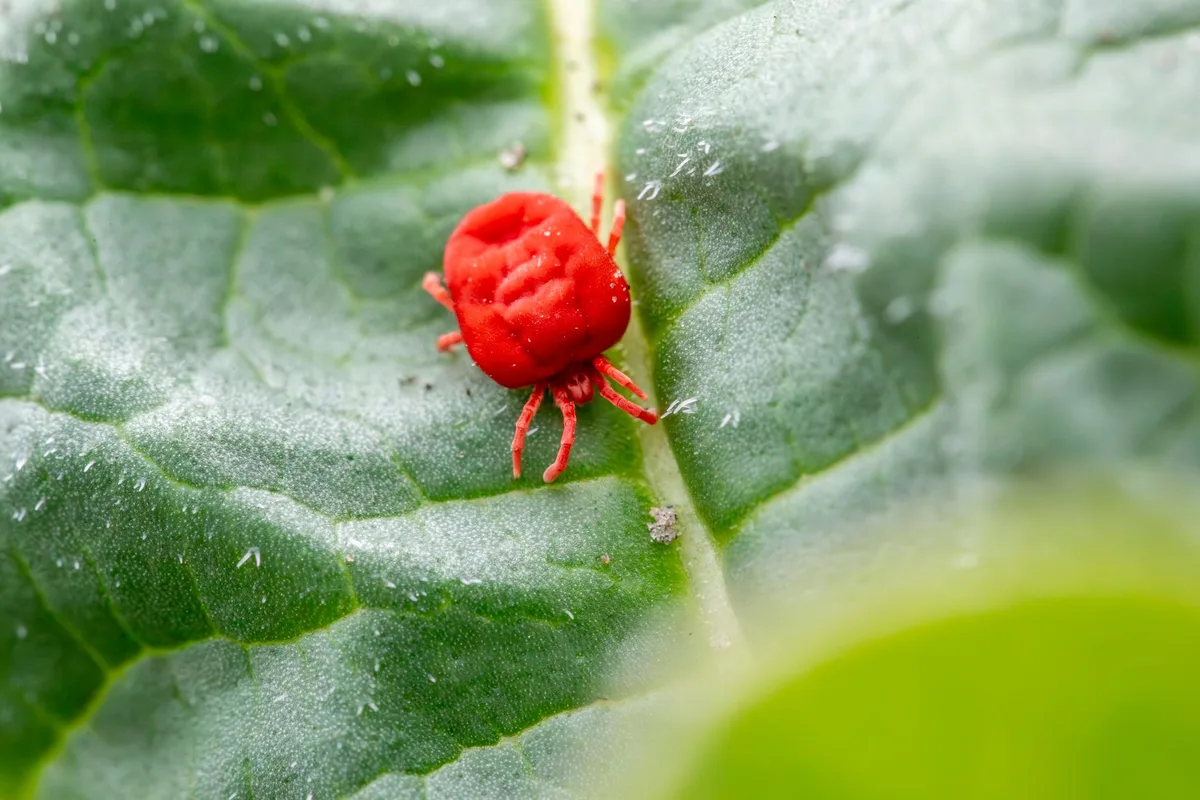
The magnifying glass rule. Mites are about the size of a period at the end of a sentence. If you can’t clearly see them with your naked eye, grab a magnifying glass or use your phone camera zoomed in. Look at the undersides of leaves.
That’s where they live and where you’ll find the adults, nymphs, and eggs.
If you’ve got houseplants, these are exactly the ones you need to check first. Some indoor varieties are more prone to mites than others, especially if the air in your space stays dry. If you’ve chosen specific plants for better indoor air quality, keep an extra eye on them during winter.
How Bad Is It? Spotting the Severity at a Glance
Once you’ve confirmed mites, the next question is how deep you are into the problem. The treatment changes a lot depending on whether you caught them at day three or week six.
Here’s a quick severity scale you can use right now.
| Severity | Leaf Damage | Webbing | Treatment Approach |
|---|---|---|---|
| Light | Less than 10% of leaves show stippling | None or a few strands | Water spray, manual wipe |
| Moderate | 10 to 30% of leaves damaged, some curling | Visible webbing on undersides | Insecticidal soap or neem oil |
| Severe | More than 30% damage, leaves dropping, plant stunted | Heavy webbing covering stems and leaf clusters | Heavy miticides or discard plant |
For light infestations, you can almost always win with mechanical methods alone. For moderate ones, you need a chemical or biological approach. For severe cases, you need to decide if the plant is worth saving or if it needs to go.
Outdoor plants in hot dry climates are especially vulnerable during summer months. If you’re growing trees or shrubs in arid conditions, check them regularly for early signs.
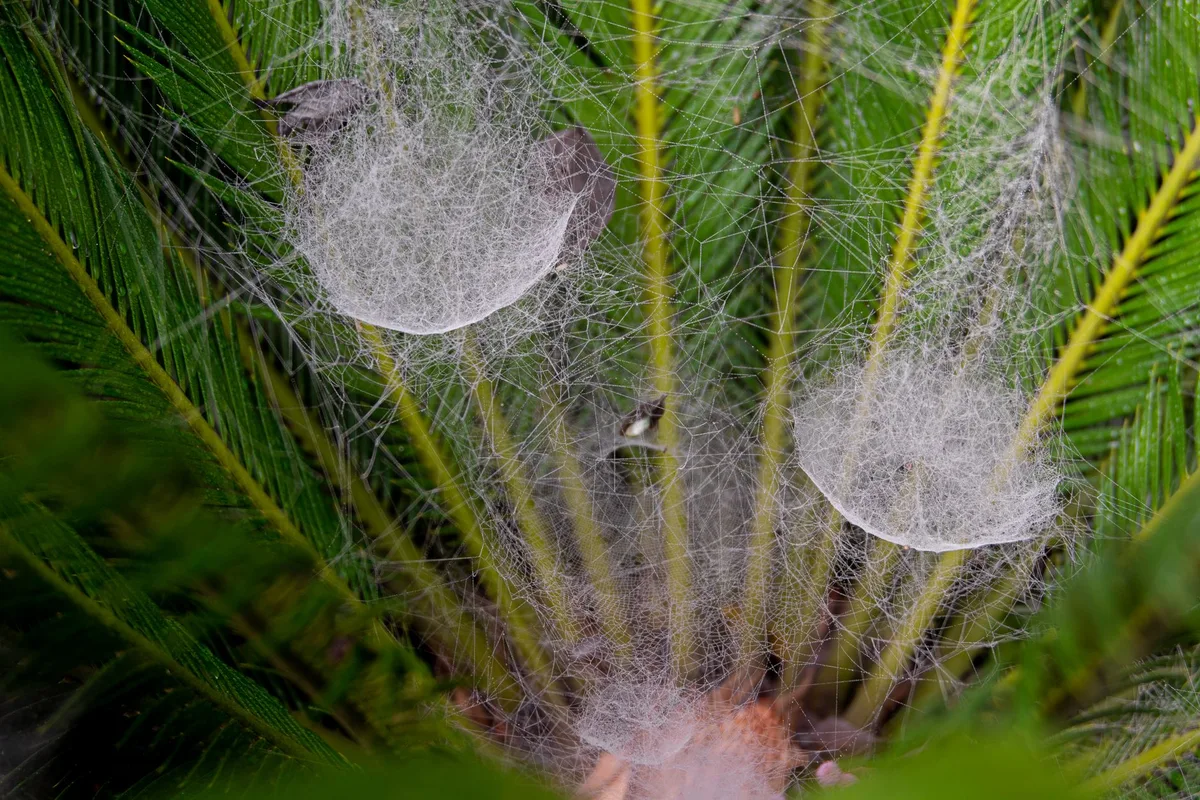
A key thing to understand here is that mites reproduce faster in hot dry weather. If your home or greenhouse sits at 80°F or above with low humidity, a light infestation can become severe in under a week. That’s not an exaggeration.
It’s a biological fact of how their life cycle works.
Your Decision Tree: Which Treatment Path Fits Your Situation
This is where we stop giving general advice and get specific to your situation. The right treatment depends on three things: how bad the infestation is, what kind of plant you have, and whether you want to use organic or chemical methods.
Below is the decision tree. Find your situation and follow the branch.
Branch 1, Light infestation, no webbing, one or two plants. You can handle this with water and manual wiping. No chemicals needed. This is the path for people who caught it early and want the gentlest approach.
Branch 2, Moderate infestation with leaf damage visible but webbing still light. You need a surfactant spray like insecticidal soap or neem oil. Rotate them so mites don’t build resistance. Reapply every five days for at least two cycles.
Branch 3, Moderate to heavy infestation on a plant you don’t want to spray. You want biological controls. Predatory mites can hunt and eliminate the infestation without any chemicals. This takes longer but it works.
Branch 4, Severe infestation with heavy webbing and leaf drop. You need a heavy hitter. Systemic miticides or alcohol sprays can knock it down fast. But be prepared to throw the plant away if the damage is too extensive.
If you’re unsure which branch you’re on, go with Branch 1 first. Water and inspection cost nothing and won’t hurt your plant. You can always escalate to a stronger method later.

Branch 1: The “I Just Saw One Mite” Path (Water and Wipes)
This is the simplest path and it works if you caught the problem early. You don’t need any products. You just need water, a cloth, and a little patience.
Step 1: Isolate the plant immediately
Move the infected plant away from all other plants. A single plant can seed an entire collection in days. Give it its own spot in another room or at least several feet away from anything green.
Quarantine it for at least two weeks after you see no more mites. That’s the minimum safe window.
If you have new seedlings or young plants nearby, they’re especially vulnerable. Good airflow and proper spacing help, but isolation is your best bet.
Step 2: Blast the plant with water
Take the plant to a sink, shower, or outside. Use a spray nozzle set to a strong but not damaging stream. Aim at the undersides of every leaf.
The goal is to physically knock mites and eggs off the plant.
Do this every day for three consecutive days. That breaks the life cycle because you’re removing new hatchlings before they can mature and reproduce.
Step 3: Wipe down every leaf
After the water blast, take a damp cloth or paper towel and wipe each leaf individually. Pay special attention to the undersides and the stems. This removes any mites that survived the water.
For plants with many small leaves, you can use a soft brush instead. Just make sure you’re reaching all the surfaces.
Prevention after the mites are gone
Once you’ve cleared the infestation, do these things to keep them from coming back.
- Increase humidity. Mites thrive in dry air. A humidifier or pebble tray keeps the air around your plant above 60% humidity, which slows their reproduction significantly.
- Check new plants. Always quarantine new plants for at least a week before putting them near your collection. Many mites arrive on plants you just bought.
- Wipe leaves weekly. A quick leaf wipe with a damp cloth once a week catches any stray mites before they can establish a colony.
- Don’t over-fertilize. High nitrogen levels make plants more attractive to mites. Use a balanced plant fertilizer and follow the label rates.
This branch works best for small infestations on indoor plants. If you have an outdoor garden or greenhouse, the same principles apply but you’ll have to treat a larger area with a hose and more frequent checks.
If you’re growing flowers in a shaded bed outdoors, mites can still find their way in. Check shade-loving flowers regularly because they often have softer leaves that mites love.
One more thing. If you see a single mite on a plant you highly value, don’t hesitate. Water blasts every day for a week, then wipe.
You can stop a major problem with fifteen minutes of effort if you start early enough.