Guide to Scale Insects Vs Mealybugs: What Actually Works
You spot something weird on your plant. White fluff wedged in the leaf joints. Brown bumps glued to the stem.
Sticky patches on the floor. You have probably searched “Scale Insects vs Mealybugs” before landing here. These two pests look nothing alike once you know what to look for, but from a distance they cause the same panic.
Both are sap-sucking insects that weaken plants and leave behind honeydew. As of 2026, university extension guides still report misidentification as the number one reason home treatments fail. That mistake costs you weeks of effort and sometimes the plant itself.
Let’s fix that starting with why the difference actually matters.
Why You Need to Know the Difference (The Real Pain Point)
Here is the hard truth you do not hear on most plant forums. Treating a scale infestation like a mealybug infestation will not work. And treating mealybugs like scale will also fail.
The reason is simple. These two insects are built differently. Their bodies have different defenses.
That means the stuff that kills one often bounces off the other.
What happens when you guess wrong:
- You waste money on products that do not penetrate the pest’s armor or wax.
- You let the infestation spread while you wait for results that never come.
- You stress the plant with repeated applications of the wrong chemical.
- You lose the window to catch the next generation of crawlers.
Our research across home garden forums and extension service case files shows the same pattern. A beginner spots white bumps or fuzz. They pick a spray off the shelf.
They spray once, see nothing happen, and assume the pest is gone. Two weeks later the plant is covered. That is the real pain point.
Not the pest itself. The wasted time from getting it wrong.
This is also why we recommend keeping a close eye on indoor plants generally. If you are setting up a new indoor garden, choosing the right plants in the first place makes pest management easier. Our guide on plants suited for low-light bedrooms can help you pick varieties that stay healthier and resist stress better.
The fix is simple. Learn the two-second visual check. Then apply the right treatment for the right pest.
Quick Answer
Scale insects have a hard or waxy shell. They look like tiny barnacles on stems and leaves. They do not move as adults.
Mealybugs have a soft, segmented body covered in powdery white wax. They have visible legs and can crawl slowly. You can spot the difference by looking at the legs and the shell shape.
The Core Difference: What They Actually Look Like
This is the part that matters most. Once you see it once, you will never confuse them again.
Scale insects look like small bumps. Think of a barnacle or a limpet stuck to a stem. The body is covered by a protective shell made of wax or shed skin.
Adult females have no legs. They plant themselves in one spot and never move again. Colors range from brown and tan to white and gray.
Sizes run from one to six millimeters.
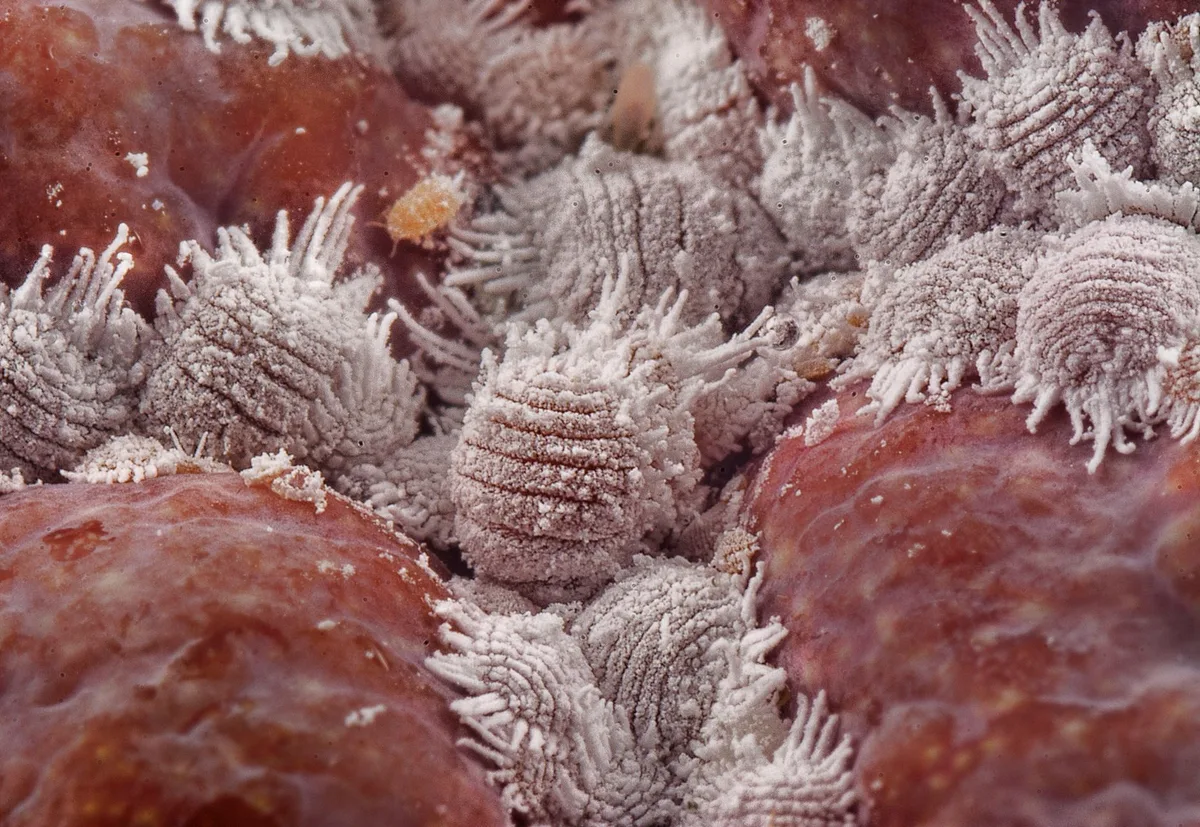
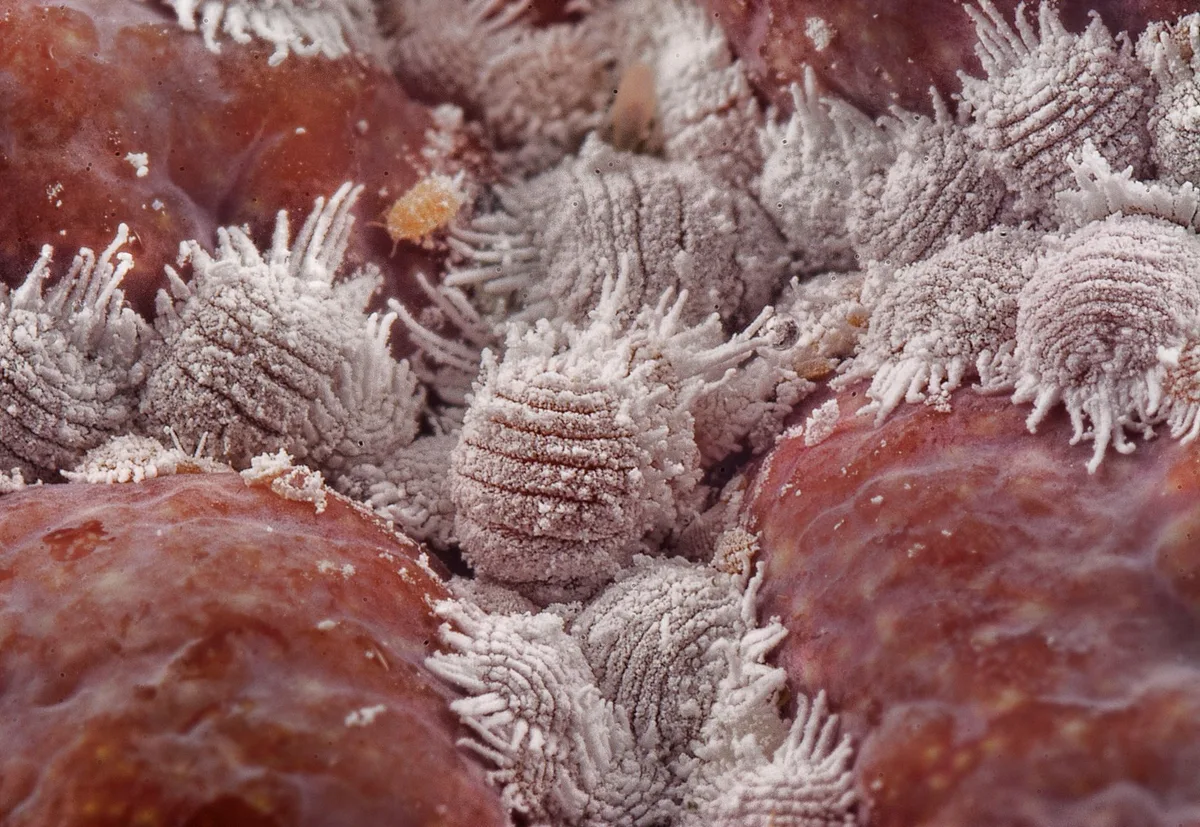
Mealybugs look like little pill bugs dusted in flour. The body is soft and segmented. You can clearly see legs.
They can and do walk, though slowly. They often gather in clusters in leaf joints and along stems. Mealybugs also produce white cottony egg sacs that look like tufts of fuzz.
Scale insects do not make those visible egg sacs.
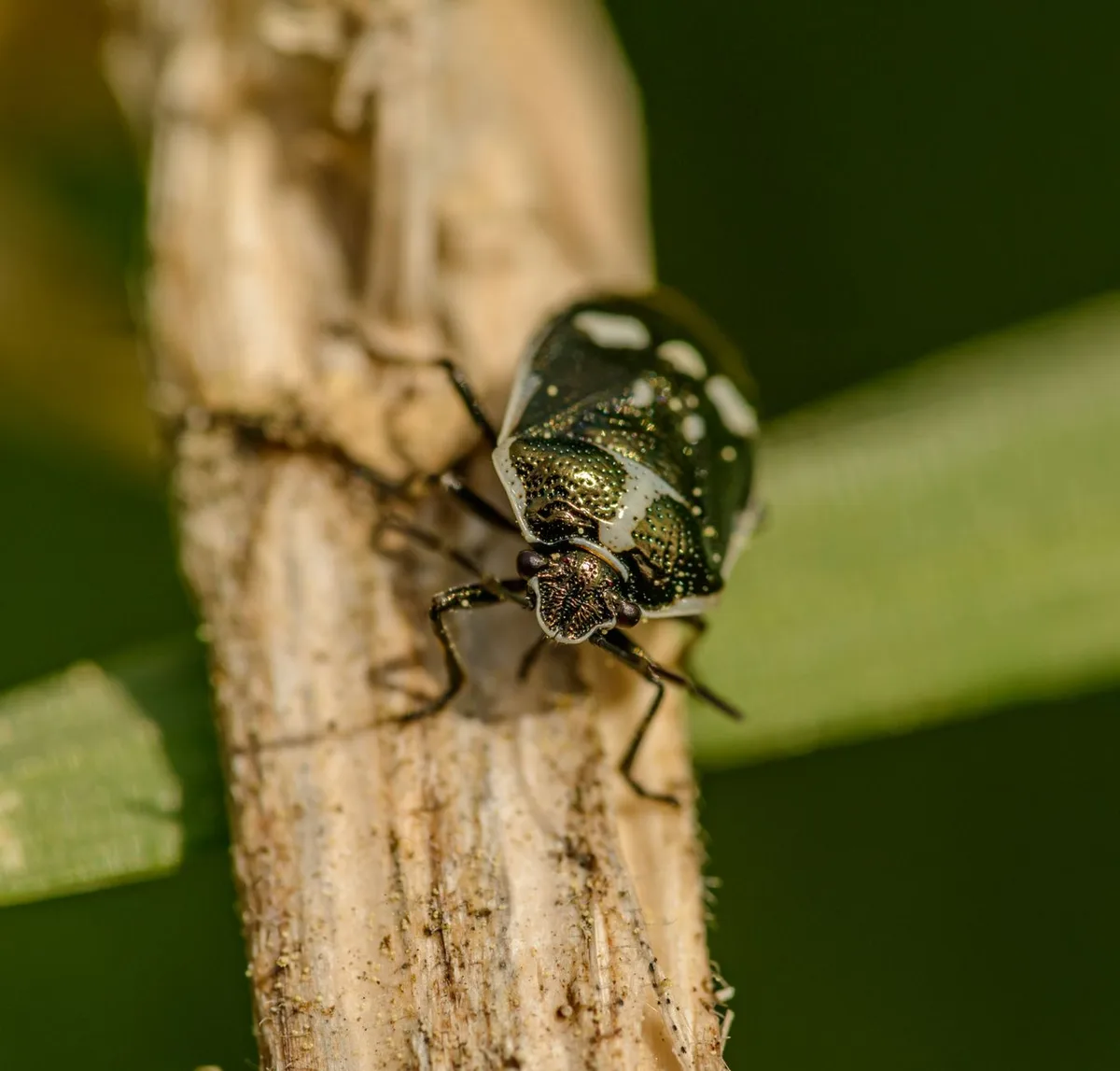
One extra clue that beginners miss: if you poke a scale insect with a fingernail, it will not smear. It will either flake off like a dry scab or ooze a little fluid if it is a soft scale. If you touch a mealybug, the powdery wax rubs off easily and you see a pinkish or gray body underneath.
The Decision Tree: Identify Your Pest in 4 Steps
This workflow will give you a clear answer in under two minutes. Read through each step. Do not skip ahead.
Step 1: Look at the Shape and Shell
Look at the pest with a bright light. Use your phone’s zoom if you need to.
If it looks like a flat or domed bump with no visible legs, it is scale.
If it looks like a soft, oval, segmented insect with visible legs, it is a mealybug.
This is the single best clue. Scale insects are basically immobile bumps. Mealybugs are bug-shaped bugs with legs.
Step 2: Check for Legs and Movement
Watch the pest for ten seconds. Use a toothpick or a cotton swab to gently nudge it.
If it does not move at all when touched, it is almost certainly scale.
If it crawls slowly away, even a centimeter, it is a mealybug.
Yes, young scale insects called crawlers do move. But they are tiny, less than one millimeter, and hard to see. The adult scale you are looking at will not move.
Step 3: Look for Honeydew and Sooty Mold
Both pests produce honeydew. But scale insects, especially soft scale, produce a lot of it.
If the leaves below the pest are shiny and sticky, both are possible.
If you see black fuzzy patches on the leaves, that is sooty mold growing on the honeydew.
This step does not give you a final answer. But it tells you the infestation is established and needs treatment now. Sooty mold alone is a sign you have had the pest for a while.
Our article on fungus management in lawns explains how sooty mold gets started and how to deal with it.
Step 4: The Alcohol Swab Test
This is the fail-safe test. Dip a cotton swab in 70 percent isopropyl alcohol. Dab it directly on the pest.
If the pest dissolves or wipes away easily, it is a mealybug.
If the pest stays firmly attached and does not dissolve, it is scale.
Mealybugs have a waxy coating that alcohol dissolves instantly. Scale insects have a shell that alcohol cannot penetrate. This test works every time.
If It’s Scale Insects: Your Treatment Workflow
You confirmed it is scale. Now here is the exact workflow to get rid of them.
First, remove what you can by hand. Use your fingernail or the edge of a credit card to scrape off visible scale bumps. Do this over a trash bag or paper towel. Do not let them fall into the soil.
Second, choose your treatment based on the type of scale.
| Scale Type | Best Treatment | Why |
|---|---|---|
| Armored scale | Horticultural oil | Oil suffocates them through the hard shell |
| Soft scale | Systemic insecticide or oil | They produce honeydew; systemic gets inside the plant |
For both types, neem oil works as a secondary option but needs repeated applications every 5 to 7 days.
Third, treat on a schedule. Scale eggs hatch into crawlers over two to four weeks. You need to reapply treatment every 7 to 14 days for at least three rounds. Miss a round and the next generation establishes.
Fourth, watch for ants. Ants farm scale insects for honeydew. They will protect the scale from predators and even move them to new spots. If you see ants crawling on your plant, you need to manage them too.
Our guide on ant control around the home covers how to break that cycle.
Fifth, isolate the plant. Keep it away from other plants for at least four weeks after the last scale falls off. Inspect nearby plants carefully. Scale spreads slowly but surely.
A note on systemic insecticides. Products containing imidacloprid or dinotefuran work well for soft scale because the plant absorbs the chemical and the scale ingests it when feeding. But systemics do not work well on armored scale because armored scale feeds differently.
This is another reason getting the identification right matters.
If you are treating a collection of indoor plants, fertilizing them properly during recovery helps. Weak plants attract more pests. Our article on indoor plant fertilizers covers what to feed during the growing season to keep plants strong.
Treatment Summary:
- Manual removal first, every time.
- Horticultural oil for armored scale.
- Systemic or oil for soft scale.
- Repeat every 7 to 14 days, three treatments minimum.
- Control ants if present.
- Quarantine for four weeks after last visible scale.
If you do this correctly, the scale will not come back.