Why Are Spider Mites on My Plants for 2026: Quick Guide
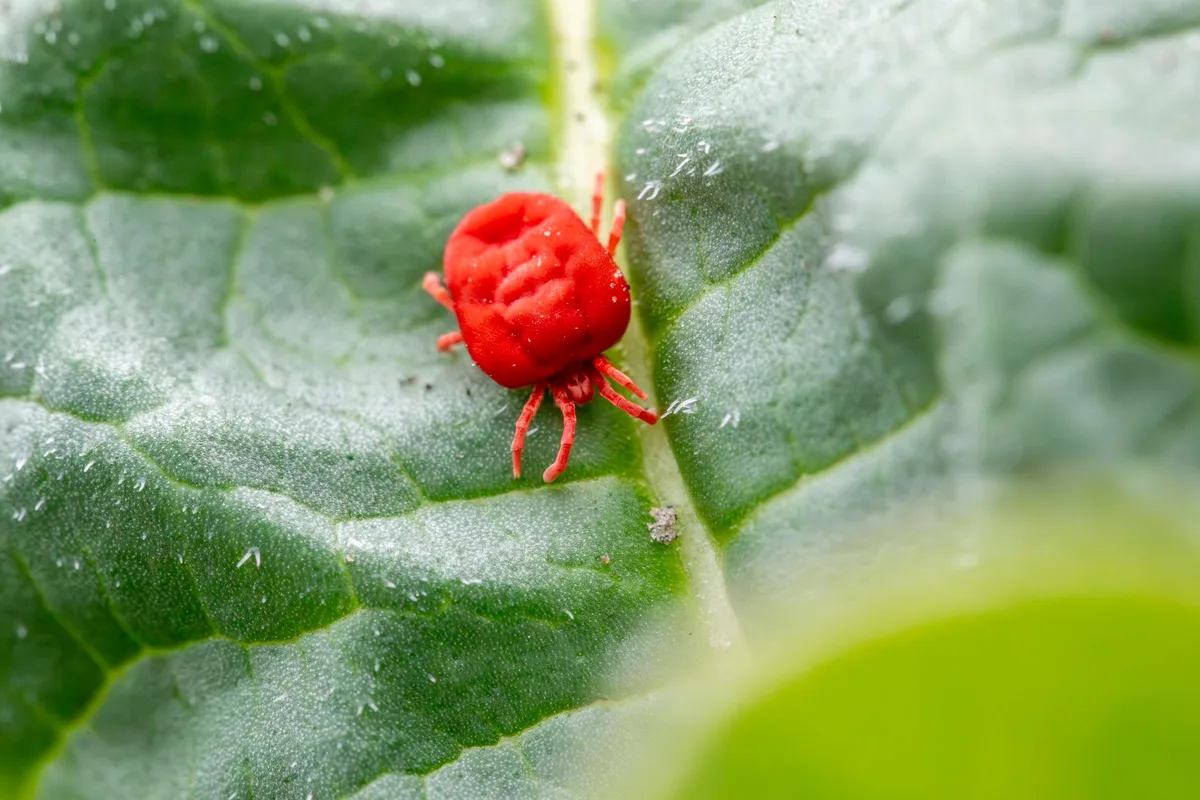
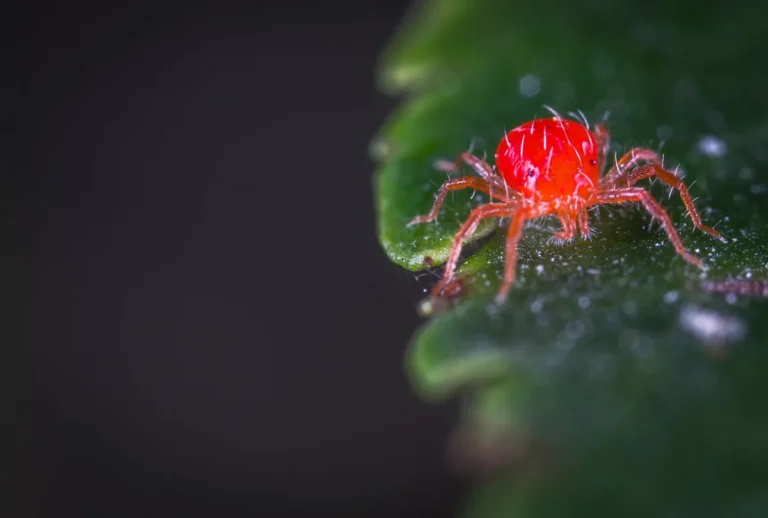
You might be wondering: Why are spider mites on my plants? The honest answer is they don’t show up by chance. These arachnids are drawn to specific conditions and weak plants.
Spider mites thrive in hot, dry, dusty environments. They target plants that are already stressed from under-watering, over-fertilizing, or poor airflow. They also hitchhike on new plants, tools, or even your clothes.
Once conditions are right, they reproduce fast. The solution starts with identifying which factor triggered the invasion.
The Core Conditions That Trigger an Infestation
Three big factors determine whether spider mites will set up camp on your plants. Understanding these helps you pinpoint the cause in your own home or garden.
| Factor | What It Means | Why It Matters |
|---|---|---|
| Environment | Humidity, temperature, airflow | Mites reproduce fastest in dry, warm, still air |
| Plant health | Watering, fertilizer, stress levels | Stressed plants lack natural defenses |
| Introduction | New plants, soil, tools, pets | Mites hitchhike easily into your collection |
Most infestations start with a combination of two or more of these. A plant that’s already underwatered and sitting in dry indoor air near a sunny window is basically a neon sign for spider mites.
Step 1: Check Your Environment – Humidity, Temperature, Airflow
This is the most common trigger, especially during winter when indoor heating drops humidity. Spider mites are built for hot, dry conditions. Their eggs hatch faster, and their life cycle speeds up.
What to look for:
- Humidity below 50% is a green light for mites.
- Temperatures consistently above 75°F (24°C) accelerate reproduction.
- Stagnant air with no fan or ventilation helps mites settle in.
If you live in a dry climate or run central heating, your indoor humidity can easily drop to 30, 40%. That’s prime mite territory. Use a hygrometer to check.
They cost less than ten dollars and take the guesswork out of it.

Quick fixes:
- Run a humidifier near affected plants. Target 50, 60% relative humidity.
- Group plants together. They create a microclimate of higher humidity.
- Place a pebble tray with water under the pot.
- Increase airflow with a small fan on low setting.
Don’t blast the plants directly with hot dry air from a heater vent. That makes things worse.
Step 2: Check Your Plant’s Stress Levels – Watering, Fertilizer, Health
Spider mites are opportunists. They target plants that are already struggling. A healthy, well-watered plant produces compounds that deter pests.
A stressed plant can’t fight back.
Watering issues that attract mites:
- Under-watering causes drought stress. Mites sense that weakness.
- Letting the soil dry out completely too often stresses roots.
- Dust on leaves blocks light and reduces photosynthesis, weakening the plant.
Fertilizer problems:
- Too much nitrogen creates soft, lush growth. That’s like a buffet for mites.
- A balanced fertilizer with moderate nitrogen helps keep leaves tougher and less appealing.
- Over-fertilized plants also produce more new leaves, which mites prefer because they’re easier to pierce.
If you’ve been heavy-handed with the nitrogen (common with fast-release lawn or houseplant fertilizers), that could be your answer. Consider switching to a slow-release or organic fertilizer like the one discussed in our guide to the best plant fertilizer for indoor plants.
Other health checkpoints:
- Dusty leaves block moisture and attract mites. Wipe leaves with a damp cloth monthly.
- Overcrowded plants limit airflow and raise humidity around leaves, but that’s actually good, the real issue is that overcrowded canopies trap dust and create microclimates that hide mites.
Step 3: Check Your Recent Plant History – New Arrivals, Soil, Location Changes
Sometimes the mites didn’t come from your environment at all. They hitched a ride.
New plants are the #1 source. A nursery plant might look clean on top but have mites on the undersides of lower leaves. Always quarantine new plants for at least two weeks. Keep them in a separate room and inspect with a magnifying glass before letting them near your collection.
Other common introductions:
- Repotting with contaminated soil (unlikely but possible if soil was stored outside).
- Moving indoor plants outside for summer and bringing them back in without inspection.
- Using gardening tools or pots that touched an infested plant.
- Clothing or pets brushing against infested outdoor plants and transferring mites inside.
If you recently brought home a new houseplant from a big box store or ordered one online, that’s the most likely culprit. Spider mites are incredibly common in commercial greenhouses. Even the fancy ones.
What to do now:
- Isolate the newest plant immediately.
- If you can’t tell which plant started it, isolate all plants in separate rooms for a few weeks.
- Wash your hands and tools after handling any suspect plant.
If your infestation started after you moved plants indoors for winter, check out our guide to the best plants for a bedroom, some varieties are naturally more pest-resistant. However, that’s more about prevention than diagnosis. For now, focus on tracing the introduction.
Note: The remaining sections of the full article will continue with the decision tree, recommended actions, common mistakes, pro tips for long-term prevention, FAQs, and the final decision guide. Those will be written in the next step.