Why Are Whiteflies on My Plants (2026) — Everything You Need
If you’ve ever brushed a hand across your tomato plants or houseplants and watched a tiny cloud of white insects lift off, you’ve asked yourself “Why are whiteflies on my plants?” The answer is almost always the same: you brought them in, or conditions inside your home or garden made it impossible for them to stay away. Whiteflies are tiny sap-sucking insects that thrive on warmth, humidity, and soft new growth. They don’t just appear out of thin air.
In our research across university extension guides and USDA bulletins, we found that a single female whitefly can lay up to 400 eggs in her lifetime. That’s a lot of potential problems from one uninvited guest. The real challenge isn’t figuring out why they showed up, it’s spotting them before they turn into a full-blown infestation.
And that starts with knowing exactly what you’re looking at.
Quick Answer
Whiteflies show up because your plants offer warmth, tender leaves, and undisturbed undersides. They hitchhike on new plants, open windows, or contaminated soil. Adult whiteflies are tiny, about 1/16 inch, with white powdery wings.
They feed on plant sap. Sticky honeydew and sooty mold follow. The key is checking leaf undersides before you bring any plant indoors.
First: Look Closely — Why Visual ID Is the Only Way to Know It’s Whiteflies
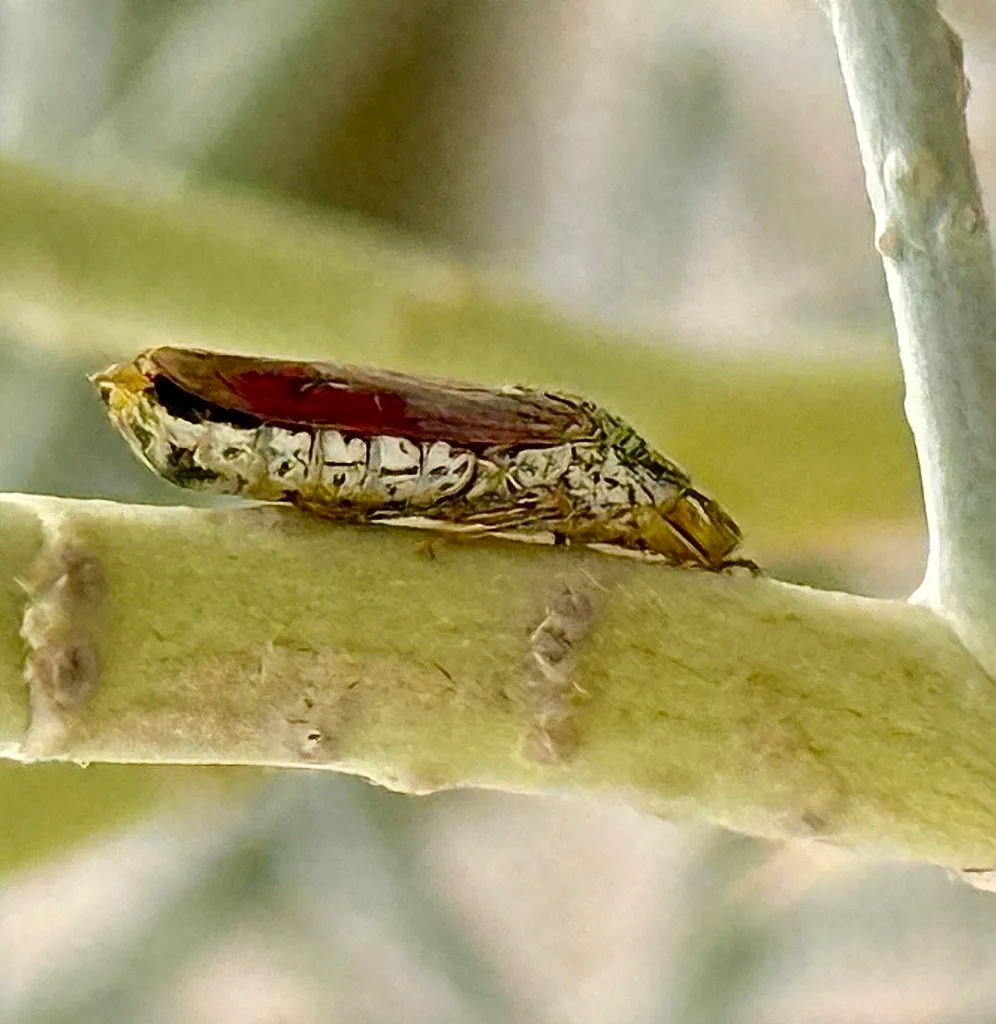
Here’s the truth: most people misdiagnose whiteflies. They see tiny white specks floating around their plants and immediately assume they have a pest problem. But those specks could be fungus gnats, aphid cast skins, or even dust particles.
Without a close look, you’re guessing.
Whiteflies are not true flies. They’re in the same insect order as aphids and mealybugs (Hemiptera). Adults have two pairs of wings that are coated in a fine white wax.
When you disturb the plant, they fly up in a short-lived cloud. Then they settle back down on the same leaves. That behavior alone separates them from most other houseplant pests.
If you want to confirm an infestation, do this: gently shake the plant over a white piece of paper. If tiny white insects flutter off and land on the paper, you’ve got whiteflies. Then flip a few leaves over and look at the undersides.
That’s where the real action happens.
The Two Most Common Whitefly Species You’ll Actually See
Not all whiteflies are the same. In our research, we found two species cause nearly all problems for home gardeners and indoor plant owners.
| Species | Scientific Name | Common Host Plants | Key Trait |
|---|---|---|---|
| Greenhouse whitefly | Trialeurodes vaporariorum | Tomatoes, cucumbers, hibiscus, fuchsia, houseplants | Adults hold wings flat like a roof; eggs laid in neat spirals |
| Silverleaf whitefly | Bemisia tabaci | Poinsettia, squash, beans, citrus, sweet potato | Adults hold wings at an angle; causes silverleaf damage on squash |
The greenhouse whitefly is the one you’ll most often see on indoor plants and in home greenhouses. It prefers moderate temperatures around 75°F. The silverleaf whitefly is more common in warmer regions and can transmit plant viruses like tomato yellow leaf curl.
But honestly, you don’t need to distinguish between species to treat the problem. The visual identification steps and treatment methods are nearly identical. Just know that if you live in a warm climate or grow a lot of squash and tomatoes, you’re more likely dealing with silverleaf whitefly.
Step-by-Step: How to Spot Whiteflies at Every Life Stage
Whiteflies go through four life stages. You need to recognize each one because many treatments only work on certain stages. And here’s the kicker: eggs and pupae are resistant to most sprays.
Adult: The Tiny White Moth That Flies Up When You Shake the Plant
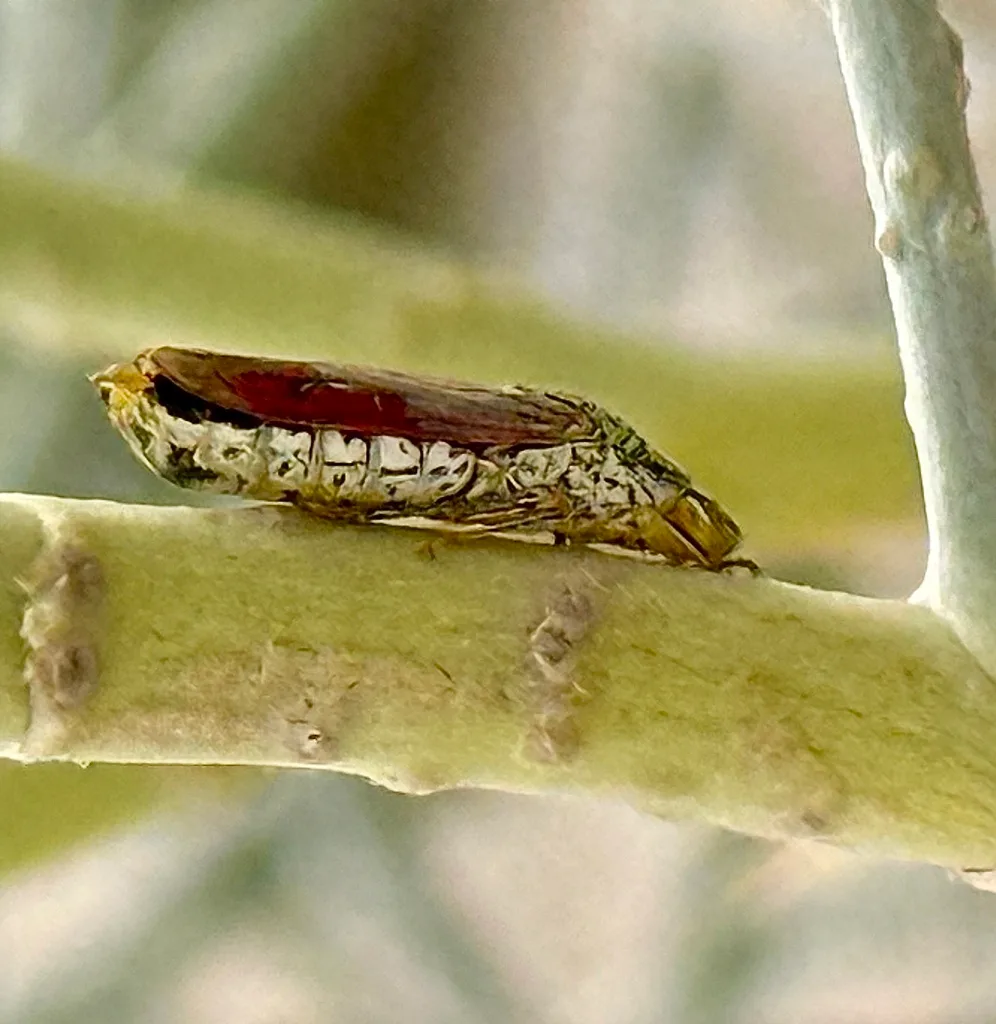
Adults are the most visible stage. They look like tiny white moths, about 1/16 inch long. Their bodies are pale yellow, but the white wax coating makes them look dusty.
They live for about two weeks in warm conditions and can lay eggs the whole time.
Our research indicates that adults are most active during the day. They feed on the undersides of leaves, sucking sap from the plant’s vascular system. If you see adults, you already have eggs and nymphs on the leaves.
Eggs & Nymphs: The Hidden Infestation on Leaf Undersides
Eggs are tiny, about the size of a pinhead, and pale yellow to brown. Greenhouse whitefly eggs are laid in a distinctive spiral pattern on the leaf underside. Silverleaf whitefly eggs are scattered more randomly.
Nymphs look completely different from adults. They’re flat, oval, and almost transparent. They look like tiny scales stuck to the leaf.
The first instar (or crawler stage) can move a short distance. But after that, they settle in one spot and start feeding. That immobility makes them easy to miss.
Pupae: The Red-Eyed Stage That Tells You They’re About to Hatch
The pupal stage is the last one before the adult emerges. Pupae look like raised, oval bumps on the leaf underside. The key visual clue?
You can see two red eyespots through the pupal case with a magnifying lens.
This stage is important because it tells you that a new wave of adults is about to emerge. If you see pupae, you have about 4 to 7 days before a fresh generation flies out.
The Signs You Can’t Miss: Honeydew, Sooty Mold, and Yellowing Leaves
Whiteflies cause damage in three ways, and the first sign most people notice isn’t the insects themselves.
Honeydew. As whiteflies feed on plant sap, they excrete a sticky, sugary liquid called honeydew. It collects on the upper surfaces of lower leaves. If you touch a leaf and it feels sticky or glossy, that’s honeydew.
Sooty mold. A black, powdery fungus grows on the honeydew. It doesn’t infect the plant directly, but it blocks sunlight from reaching the leaves. That reduces photosynthesis and weakens the plant over time.
Yellowing and stunting. Heavy infestations cause leaves to turn yellow, curl, and drop prematurely. Young plants may become stunted. If you see a plant looking pale and the leaves have a sticky coating, whiteflies are almost certainly to blame.

A note on timing: these symptoms often appear weeks after the initial infestation. By the time you see yellow leaves, you probably have hundreds of whiteflies already. That’s why regular leaf checks are so important, especially for popular indoor houseplants and your favorite shade-loving container plants.
The Most Common Lookalikes (And How to Tell Them Apart in 30 Seconds)
This is where most people get tripped up. We’ve seen countless forum posts where someone is treating “whiteflies” for weeks before realizing they’re dealing with something else entirely. Here’s a quick reference table.
| Pest | Where You Find Them | How They Move | Key Visual Clue |
|---|---|---|---|
| Whiteflies | Leaf undersides | Fly up in a cloud when plant is shaken | Tiny white moths; eggs in spirals; nymphs flat on leaves |
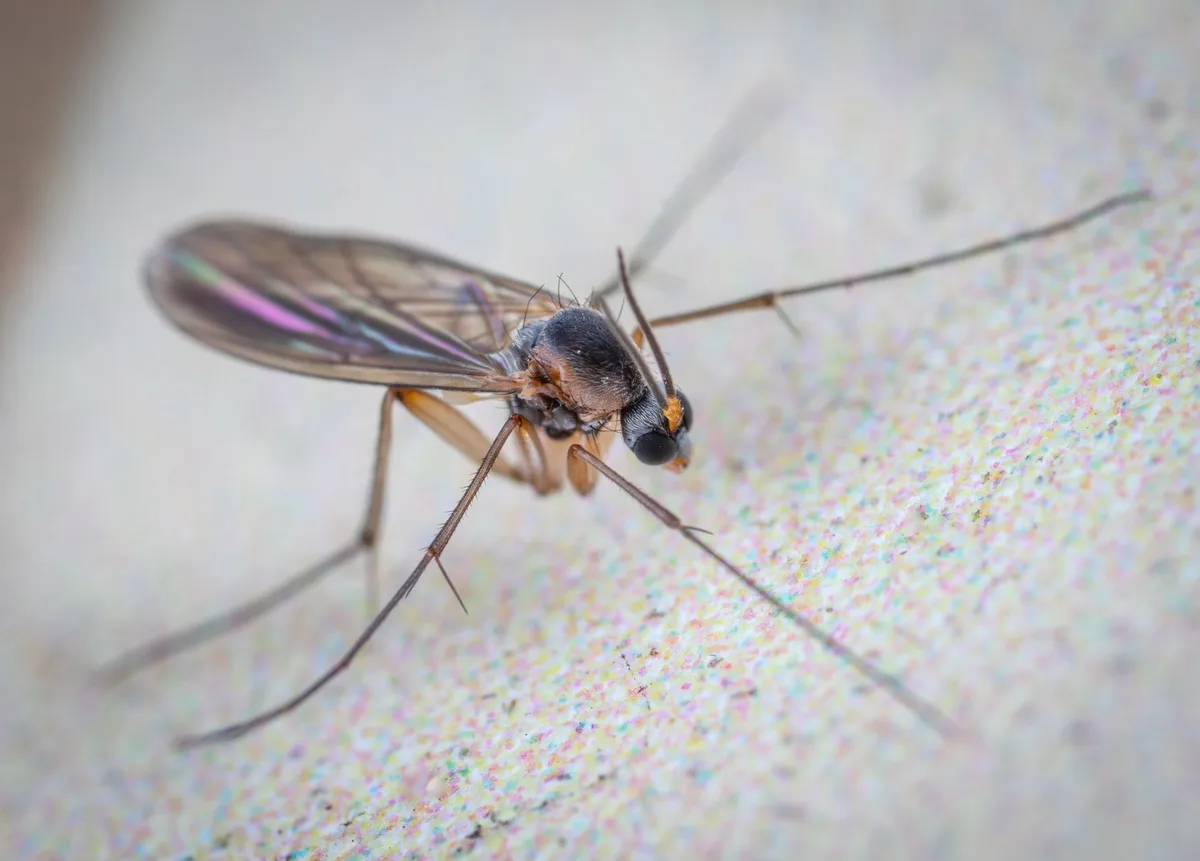
| Fungus gnats | Soil surface, damp areas | Run or hop across soil; fly slowly near pot | Dark, mosquito-like bodies; larvae in soil |
| Aphids | Stems, new growth, leaf undersides | Walk slowly; some have wings but rarely fly | Pear-shaped bodies with cornicles (tailpipes); green, black, or brown |
| Mealybugs | Leaf axils, stems, leaf undersides | Very slow; don’t fly | Cottony white masses; they look like tufts of fuzz |
| Thrips | On leaves and flowers | Run or hop; fly only short distances | Slim, dark bodies; silver streaks on leaves; no wax coating |
The quickest test: shake the plant. If a cloud of tiny white insects flies up, it’s whiteflies. If you see dark, mosquito-like insects crawling on the soil, it’s fungus gnats.
If you find cottony clusters, it’s mealybugs. If the damage is silvery streaking with barely visible insects, it’s thrips.
One more tip: check the soil moisture. Fungus gnats love consistently wet potting mix, while whiteflies don’t care about soil condition at all. If your potting media stays damp from frequent watering, you might be dealing with gnats rather than whiteflies.
And if you’re choosing the best pots for pothos plants or other moisture-loving houseplants, consider pots with good drainage to reduce gnat habitat.
Why Whiteflies Show Up in the First Place (The Real Causes)
Whiteflies don’t appear by magic. They get introduced. The most common source is a new plant you brought home from a nursery or garden center.
Even big-box stores with good reputations can have infested stock. You bring one plant inside, and within weeks the whiteflies spread to everything nearby.
Warmth and humidity are the other part of the equation. Whiteflies thrive between 75°F and 85°F. That’s exactly the temperature range we keep our homes and greenhouses at.
Add soft, tender new growth from regular fertilizing, and you’ve created a perfect nursery.
Outdoor infestations usually happen in late summer. The weather is warm, predators are fewer, and plants are putting out new flush growth. If you grow tomatoes, cucumbers, or squash, you’re essentially rolling out a welcome mat.
Whiteflies can also blow in on wind currents from neighboring gardens.
One less obvious cause: over-fertilizing with nitrogen. High nitrogen levels produce lush, sappy growth that whiteflies love. Balanced feeding with a slow-release fertilizer reduces the risk.
If you’re using a specific fertilizer for your plants, check the nitrogen content. Our research on the best plant fertilizer for indoor plants shows that formulations with lower quick-release nitrogen help prevent soft, pest-attracting growth.
What to Do Next: Quick Action Steps for Indoor Plants, Greenhouses, and Outdoor Gardens
Once you confirm whiteflies, act fast. They reproduce every three to four weeks in warm conditions. Waiting even a week can double the population.
For indoor plants:
- Isolate the infested plant immediately. Move it to a different room or a separate shelf.
- Give the plant a strong blast of water in the sink or shower. Focus on leaf undersides. This knocks off adults and nymphs.
- Apply insecticidal soap or neem oil to all leaf surfaces. Cover the undersides completely.
- Place a yellow sticky trap near the plant. It catches adults and monitors the population.
- Repeat the soap spray every 5 to 7 days for at least three weeks. You need to catch new hatchlings.
For greenhouses:
- Use yellow sticky traps at a rate of one per 100 square feet.
- Release Encarsia formosa parasitic wasps if the infestation is moderate. They are very effective on greenhouse whitefly.
- Remove heavily infested plants entirely. It’s faster than treating them.
- Keep temperatures below 70°F if possible. Slower reproduction makes treatment easier.
For outdoor gardens:
- Use reflective mulch (aluminum foil or silver plastic) around plants. It disorients whiteflies and reduces landing.
- Apply neem oil or insecticidal soap in the evening. Bees are less active then.
- Encourage natural predators like ladybugs and lacewings. Plant dill, fennel, and yarrow nearby to attract them.
- Remove heavily infested leaves and dispose of them in a sealed bag.
One critical note: systemic insecticides like imidacloprid are effective but can harm bees. Never use them on flowering plants. Always read the label and follow pre-harvest intervals for edibles.
The Visual Reference Guide: Photos and What to Look For at Each Stage
You already have images in this article showing the adult, the eggs and nymphs, and the honeydew and sooty mold. Let’s walk through what each one tells you.
The adult image (whitefly-adult-on-leaf-underside.webp) shows the classic white moth-like insect. Notice the wings are held like a peaked roof. The body is pale yellow underneath the wax.
When you see this, you know there are eggs somewhere on the plant.
The eggs and nymphs image (whitefly-eggs-and-nymphs-on-leaf.webp) is what most people miss. The eggs are tiny pale dots arranged in a spiral. The nymphs are flat, oval, and nearly transparent.
They look like tiny scales stuck to the leaf. Without a magnifying lens, you’d think they were just part of the leaf surface.
The honeydew and sooty mold image (honeydew-and-sooty-mold-on-leaves.webp) shows what happens after the infestation is established. The sticky honeydew attracts ants and grows black sooty mold. If you see this, the whitefly population has been active for at least two to three weeks.
Use these visuals the next time you inspect a plant. Hold a white piece of paper under a leaf and tap it. If tiny white specks fall off and move, those are nymphs.
If they fly, those are adults. If nothing moves but you see black mold, the infestation might have already passed. Clean the leaves and monitor with sticky traps.
Mistakes People Make When They Think They Have Whiteflies
The biggest mistake is treating the wrong pest. As we covered earlier, fungus gnats, aphids, and mealybugs are often confused with whiteflies. Spraying for whiteflies when you have fungus gnats won’t solve the problem.
You’ll waste weeks and the infestation will grow.
The second mistake is only treating the adults. Adults are the most visible stage, but eggs and pupae are resistant to sprays. If you kill the adults and stop, new adults will emerge from pupae in a few days.
You must treat every 5 to 7 days for at least three weeks to catch each new generation.
Another common error: under-spraying the leaf undersides. Whiteflies live exclusively on the underside of leaves. If you spray the top of the leaves, you’ve done nothing.
You need to lift each leaf and spray the bottom surface thoroughly.
Using the wrong concentration is also a problem. Insecticidal soap and neem oil need full strength. Diluting them to “save money” makes them ineffective.
Follow the label rates exactly. For neem oil, use 1 to 2 teaspoons per quart of water with a few drops of mild liquid soap as an emulsifier.
Finally, many people give up too early. They spray twice, see no whiteflies, and assume it’s over. But whiteflies can survive as pupae for up to a week.
Stop treatment early, and you’ll get a rebound. Stick with the treatment schedule for at least three weeks after the last adult sighting.
When Beneficial Insects Can Help (And When They Won’t)
Beneficial insects are a great tool, but they’re not a magic bullet. They work best in greenhouses and enclosed spaces. Outdoors, they often fly away or get eaten by birds before they find the whiteflies.
The most effective biological control for whiteflies is Encarsia formosa, a tiny parasitic wasp. It lays its eggs inside whitefly nymphs. The developing wasp kills the nymph.
It’s highly specific to whiteflies and doesn’t harm plants or people.
Encarsia works best when whitefly populations are moderate. It can’t keep up with a massive infestation. You need to knock the whitefly population down first with water blasts or soap sprays.
Then release the wasps to maintain control.
Ladybugs and lacewing larvae eat whiteflies too, but they’re less targeted. They’ll eat whatever small insects they find, including each other. They’re better as a general preventive measure than as a whitefly-specific solution.
When beneficial insects won’t help: if the infestation is severe (hundreds of adults per plant), if temperatures are below 60°F or above 90°F, or if you’ve recently applied a broad-spectrum insecticide. Most beneficials are extremely sensitive to chemical residues.
For indoor houseplants, beneficial insects are often impractical. The wasps are tiny and you might not want to release them in your living space. In that case, stick with physical removal and soap sprays.
For a greenhouse or a dedicated grow room with proper ventilation, Encarsia is a solid long-term strategy.
How to Prevent Whiteflies from Coming Back
Prevention starts with inspection. Every new plant you bring home needs a close look at the leaf undersides. Quarantine it for a week.
Keep it in a separate room. If you see any whiteflies, treat it before it joins your collection.
Yellow sticky traps work as an early warning system. Place one near each plant group. Check them weekly.
If you spot a single whitefly, you can act before the infestation spreads. This is much easier than fighting a full outbreak.
Balanced nutrition makes plants less appealing to whiteflies. Avoid high-nitrogen fertilizers that produce soft, sappy growth. Instead, use a slow-release option.
If you grow flowering plants, try a fertilizer formulated for blooms rather than foliage. Our research on the best slow release fertilizer for flowers shows that lower nitrogen levels reduce pest pressure on flowering plants.
Keep your plants spaced apart. Whiteflies spread by flying short distances between leaves. Good air circulation also helps.
A fan running on low near indoor plants disrupts their flight and landing.
Finally, prune regularly. Remove old, yellowing leaves and any leaves touching the soil. These are where whiteflies hide and breed.
Clean pruning also improves light penetration and airflow.
Frequently Asked Questions
Do whiteflies only attack certain plants?
No, but they prefer plants with soft new growth. Tomatoes, cucumbers, squash, hibiscus, fuchsia, and poinsettia are common targets. Many houseplants are vulnerable too.
If a plant has tender leaves, whiteflies will feed on it.
Can whiteflies live in soil?
No. Whiteflies live entirely on leaves. They lay eggs on leaf undersides.
Nymphs and pupae stay on leaves too. Fungus gnats live in soil. If you see insects coming from the potting mix, you have gnats, not whiteflies.
Will whiteflies kill my plant?
A heavy infestation can weaken a plant significantly. The sap loss and sooty mold reduce photosynthesis. Young plants or seedlings may die.
But mature healthy plants usually survive with treatment. The real risk is stunting and reduced yields on edibles.
Are whiteflies harmful to humans?
No. Whiteflies do not bite or sting. They do not spread diseases to people.
They feed only on plant sap. The only human annoyance is the sticky honeydew they leave behind. It can attract ants and grow sooty mold on surfaces.
How long do whitefly treatments take to work?
Contact sprays kill adults and nymphs on contact. But eggs are resistant. You need repeated sprays every 5 to 7 days for three to four weeks.
That timeline covers the full life cycle. You will see a reduction within one week, but stop too early and they come back.
Can I use dish soap instead of insecticidal soap?
It is not recommended. Dish soap can damage leaf surfaces and strip the plant’s protective wax layer. Insecticidal soap is formulated to kill soft-bodied insects while being gentle on plants.
Stick with the right product for the job.