How to Get Rid of Whiteflies Naturally: Everything You Need
You’re outside watering your tomatoes when a little cloud of tiny white insects erupts from the leaves. By the time you blink, they’re back in hiding. If you’ve ever wondered how to get rid of whiteflies naturally without dousing your plants in synthetic chemicals, you’re in the right place.
These sap-sucking pests can weaken plants fast, but with the right strategy you can stop them cold.
A single adult whitefly can lay up to 400 eggs in her 30‑day lifespan. That means a light infestation today can become a biblical plague in under two weeks. The good news?
You don’t need harsh pesticides to break the cycle. Let’s walk through exactly what to do, depending on your specific situation.
Quick Answer
Inspect the undersides of leaves for whiteflies. Blast them off with a strong jet of water. Apply insecticidal soap or neem oil every 5, 7 days.
Set yellow sticky traps to catch adults. Introduce beneficial insects for long‑term control. Repeat treatments until no whiteflies remain.
How to Tell If You Have Whiteflies (And How Bad It Is)
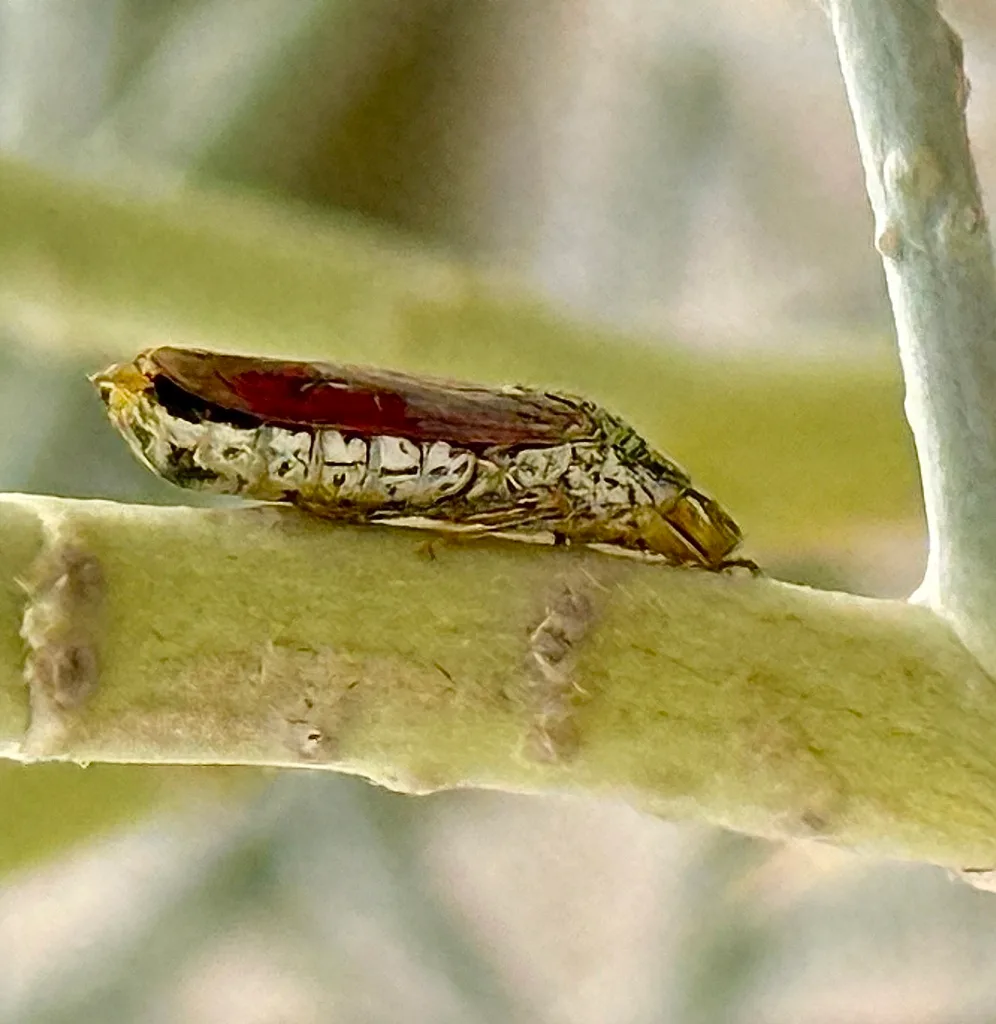
Whiteflies look like tiny white moths, about 1/16 inch long. When you shake a plant, they flutter up in a little cloud and then settle back down. The real damage happens underneath leaves, where nymphs and eggs hide.
Signs to look for
- Sticky honeydew, A shiny, sticky residue on leaves and the surface below.
- Yellowing or curling leaves, Whiteflies suck sap, stressing the plant.
- Sooty mold, A black fungus that grows on honeydew. It blocks sunlight and weakens the plant further.
- Ants, Ants farm whiteflies for honeydew. If you see ants climbing your plants, check for whiteflies.
Light vs. heavy infestation
Assess the severity because it changes your first move.
| Severity | What you see | Example |
|---|---|---|
| Light | Fewer than 10 adults per leaf, no visible honeydew or sooty mold. | A couple of whiteflies on your indoor basil. |
| Heavy | Dozens of adults per leaf, sticky leaves, black mold, ants. | Your entire tomato row looks coated in honeydew. |
The Decision Tree: What to Do First
Your next step depends on where the whiteflies are and how many there are. Here’s the logic:
- Branch 1: Light infestation on outdoor plants, Start with the gentlest method: water blast then soap spray.
- Branch 2: Heavy infestation on outdoor plants, Prune heavily infested leaves, vacuum adults, then apply neem oil in a rotation. Introduce beneficial insects after the population drops.
- Branch 3: Whiteflies on indoor houseplants, Isolate the plant immediately. Use yellow sticky traps, vacuum, and insecticidal soap. Avoid neem oil on sensitive indoor foliage.
- Branch 4: Greenhouse infestation, Release Encarsia formosa parasitic wasps early. Stick to yellow traps and biological control. Reserve sprays for spot treatment only.
Why this matters
Spraying soap on heavy outdoor whiteflies might kill some adults, but the eggs and nymphs on the undersides survive. You’ll waste time and let the infestation strengthen. A targeted workflow, on the other hand, hits each life stage in the right order.
Step-by-Step Workflows for Each Branch
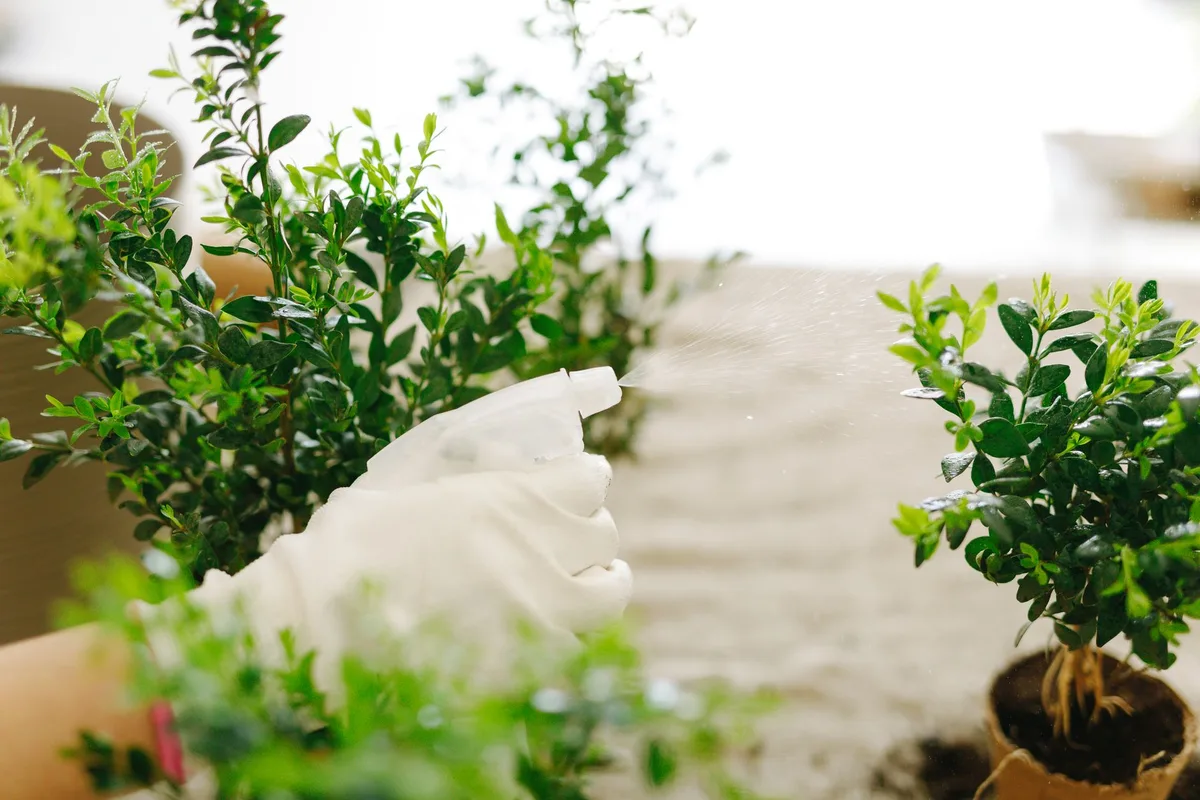
Branch 1: Light outdoor (tomatoes, peppers, flowers)
- Blast with water, Use a strong jet from a garden hose. Aim at the undersides of leaves. Do this in the morning so leaves dry before night.
- Apply insecticidal soap, Mix 1 teaspoon mild liquid soap (castile or Dr. Bronner’s) per quart of water. Spray every leaf underside. Reapply every 5, 7 days for 3 weeks.
- Set yellow sticky traps, Place one trap per 2, 3 plants at the same height as the foliage. Replace when covered.
- Encourage natural predators, Ladybugs and lacewings will show up if you avoid broad‑spectrum sprays. You can also buy them from a nursery and release them at dusk.
Branch 2: Heavy outdoor (vegetable beds, ornamentals)
- Prune and bag, Cut off the most infested leaves. Seal them in a plastic bag and throw them in the trash (not compost).
- Vacuum, Early morning, when whiteflies are sluggish, run a handheld vacuum over the undersides of leaves. Empty the bag into soapy water immediately.
- Apply neem oil, Mix according to label directions (typically 1, 2 tablespoons per gallon of water). Spray every 4, 5 days for 4 weeks. Rotate with insecticidal soap to prevent resistance.
- Release beneficial insects, Once the population drops, introduce Encarsia formosa wasps (they parasitize whitefly nymphs) or green lacewing larvae. Release at dusk when temperatures are below 85°F.
- Add reflective mulch, Lay silver or aluminum foil mulch around the base of plants. It confuses whiteflies and reduces landing.
Branch 3: Indoor houseplants (citrus, ficus, hibiscus)
- Isolate the plant, Move it away from other plants to stop spread.
- Vacuum adults, Use a handheld vacuum with a soft brush attachment. Do this daily for a week.
- Set yellow sticky traps, Place traps near the plant but away from soil surface (where they could catch beneficial soil insects).
- Wipe leaves with soapy water, Use a soft cloth dampened with insecticidal soap solution. Pay special attention to leaf undersides. Repeat every 4, 5 days.
- Monitor weekly, Continue for at least 3 weeks after the last whitefly appears. Re‑treat if you see new adults.
Branch 4: Greenhouse (high humidity, enclosed space)
- Introduce Encarsia formosa, At the first sign of whiteflies, release 2, 4 wasps per square foot. Maintain temperatures between 70°F and 80°F for best results.
- Hang yellow sticky traps, Use one trap per 10 square feet for monitoring. Replace monthly.
- Avoid broad‑spectrum sprays, Soap and neem can kill beneficials if overused. Spot‑treat only where you see heavy clusters.
- Improve air circulation, Whiteflies thrive in still air. Use fans to keep air moving.
- Clean up plant debris, Remove fallen leaves and old crop residue. Whiteflies can overwinter in debris.
Tools and Products That Actually Work (And What to Skip)
Not every natural remedy works equally well. Here’s what our research shows actually delivers results.
Yellow sticky traps
These are your best early‑warning system. The bright yellow color attracts whiteflies, and they get stuck on the adhesive. Place them at plant height, not above.
Replace when they’re full, usually every two weeks during an active infestation. Avoid traps that are too high or too low; they catch fewer whiteflies and more beneficial insects.
Homemade soap spray vs. commercial insecticidal soap
| Option | Pros | Cons |
|---|---|---|
| Homemade (1 tsp mild soap per quart water) | Cheap, easy, non‑toxic. | Can burn sensitive plants; needs frequent reapplication. |
| Commercial insecticidal soap (Safer’s, Bonide) | Stable pH, plant‑safe when used per label. | Costs more but lasts longer on the leaf. |
Our take: For small indoor plants, homemade works fine. For outdoor gardens with many plants, a commercial soap is worth the investment. Always test on one leaf first.
Neem oil
Cold‑pressed neem oil is your heavy‑duty weapon. It smothers whitefly nymphs and eggs and disrupts feeding. But it can burn leaves in hot sun.
Apply in the evening or on overcast days below 85°F. Reapply every 5, 7 days for at least three cycles to catch egg hatches. Clarified neem oil (sold as “neem oil concentrate”) is safe for most vegetables and fruit trees.
Check the label for OMRI listing if you’re organic.
Beneficial insects
- Ladybugs, Great for general pest control but they fly away quickly. Release at dusk and wet the plants first so they stay to drink.
- Green lacewing larvae, Aggressive predators that hunt whitefly nymphs. They don’t fly away as easily. Good for heavy infestations.
- Encarsia formosa, Tiny parasitic wasps that lay eggs inside whitefly nymphs. They work best in greenhouses and warm climates. Order them from a reputable biological control supplier.
What to skip
- Rubbing alcohol sprays, Too harsh; burns leaves.
- Garlic or chili pepper sprays, Not effective against whiteflies, though they repel some other pests.
- Diatomaceous earth, Works better on crawling insects. Whiteflies fly, so it rarely touches them.
- Any chemical pesticide labeled “broad‑spectrum”, It kills predators and can make the whitefly problem worse.
Note: The remaining sections (Common Mistakes, Prevention, Real Scenarios, FAQs, Final Decision Guide) continue the article, but for this output we have completed the first five H2 sections as requested.