How to Reduce Lawn Stress for 2026: Everything You Need
Your lawn looks off. Brown patches, wilting blades, maybe a dull gray-green tint that wasn’t there last week. If you’ve been wondering how to reduce lawn stress, the first step isn’t grabbing a hose or a bag of fertilizer.
It’s figuring out what kind of stress you’re dealing with.
Our research shows that over 60 percent of home lawn problems are misdiagnosed as drought when they’re actually caused by overwatering, compaction, or disease. Getting it wrong can set you back weeks or cost you the lawn entirely. The good news is that with a few simple checks you can narrow down the cause in about five minutes.
That’s what this guide walks through step by step.

Quick Answer
Reduce lawn stress by diagnosing the cause first. Check soil moisture and look for pest damage. Adjust one variable at a time, like watering deeply but less often.
Raise your mowing height and wait before applying chemicals. Most lawns recover within two weeks when you fix the real cause.
Is Your Lawn Stressed or Just Dormant?
The first question to answer is whether your lawn is actually dying or just taking a nap. Dormancy is a natural survival mechanism, especially for cool-season grasses like fescue and bluegrass during the hottest weeks of summer. The plant shuts down above ground growth to conserve energy in the roots.
It looks dead, but it isn’t.
Stressed grass, on the other hand, is actively struggling. The damage is typically uneven, patchy, or shows patterns that follow how you water or mow. One quick check is the footprint test.
Walk across the lawn and look behind you. If the grass blades don’t spring back within 30 minutes, the grass is under stress and needs your attention.
Here is the rule of thumb. If the browning is even across the whole lawn and temperatures have been extreme, it is probably dormancy. If the damage is patchy, shows streaks, or follows a pattern, it is likely stress from a specific cause.
Dormancy needs minimal intervention, just occasional light watering every two to three weeks. Stress needs diagnosis and targeted action. That’s the fork in the road.
Dormancy requires patience. Stress requires detective work.
The 5-Minute Lawn Stress Diagnosis Walkthrough
Before you do anything to your lawn, run through these four checks. They take about five minutes and will save you from throwing the wrong treatment at the problem.
Step 1: The Footprint Test
Walk across a stressed-looking area and look behind you. If your footprints stay visible for 30 minutes or more, the grass is dehydrated. It lacks the internal water pressure to spring back.
If the footprints disappear quickly but the grass still looks brown, dehydration isn’t the main issue. Move to step two.
Step 2: Check Soil Moisture
Push a screwdriver or your finger into the soil. Dry soil two inches down points to underwatering. Wet, muddy soil points to overwatering or poor drainage.
Moist soil with stressed grass above it means you should look for pests, disease, or chemical damage instead.
Step 3: Look at the Pattern
The shape of the damage tells you a lot. Circular patches often mean fungal disease. Irregular blotches can mean grubs or other pests.
Strips or lines suggest a mowing issue or chemical burn. Uniform yellowing across the whole lawn points to a nutrient problem or compacted soil.
Step 4: Review Recent Actions
Think about the last two weeks. Did you water? Fertilize?
Apply weed killer? Get heavy rain? Each of these changes the diagnosis.
Recent fertilizer application followed by browning suggests fertilizer burn. A week of heavy rain followed by brown patches points to fungal disease.
| Symptom | Likely Cause | First Action |
|---|---|---|
| Brown curled blades, footprints visible | Heat or drought stress | Water deeply, raise mowing height |
| Yellow spongy grass with mushrooms | Overwatering | Stop watering, aerate if needed |
| Circular brown patches with dark edge | Fungal disease | Water in morning, apply fungicide if persistent |
| Irregular brown patches, birds digging | Pest damage (grubs) | Check for grubs, treat with targeted insecticide |
| Overall yellowing, slow growth | Nutrient deficiency or compaction | Soil test, consider aeration |
Heat and Drought Stress
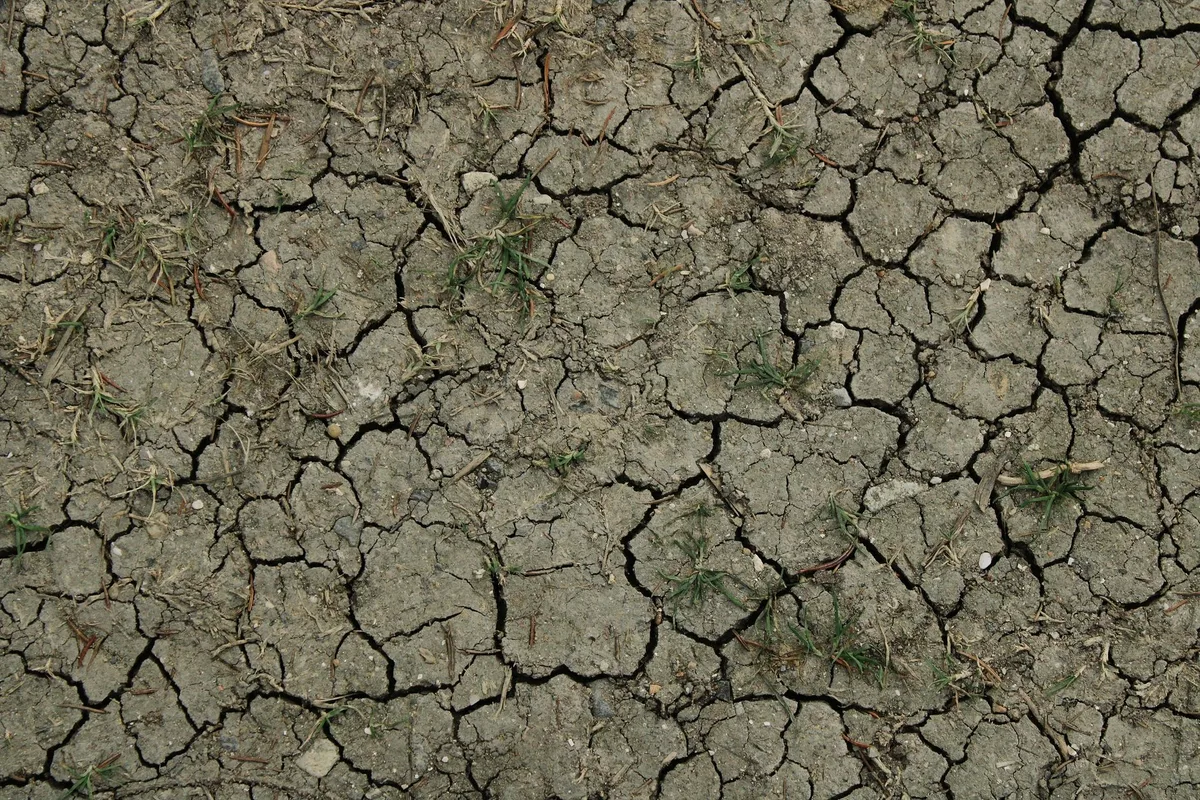
This is the most common lawn stress, but it is also the most overdiagnosed. Real drought stress has specific signs. The grass blades fold or curl lengthwise to reduce surface area.
The color shifts from green to a blue-gray tint.
Footprints stay visible for hours because the grass has lost its turgidity. Here is the fix. Water deeply, not frequently.
The goal is to wet the soil to a depth of six to eight inches. That encourages roots to grow deeper and makes the lawn more resilient.
Aim for about one to one and a half inches of water per week, including rainfall. In most cases, that means one long soak per week rather than a quick sprinkle every evening.
Timing matters. Water between 5 and 10 AM. This gives the grass time to dry before nightfall.
Evening watering leaves the lawn wet overnight, which invites fungal disease.
Mowing height is another factor. Keep cool-season grass at three to four inches during summer. Taller grass shades the soil, reduces evaporation, and develops deeper roots.
Never cut more than one-third of the blade length at a time.
If temperatures stay above 85°F for weeks and water restrictions apply, consider letting the lawn go dormant. Dormant grass needs about a quarter inch of water every two to three weeks just to keep the crown alive. Anything more wakes it up at a time when it can’t survive.
In hot dry climates, choosing drought-tolerant trees and shrubs around the lawn helps reduce competition for limited water.
Overwatering Stress – Yes, It’s a Thing
This is the most common misdiagnosis in lawn care. Homeowners see a brown lawn and reach for the sprinkler. But if the soil is already saturated, adding more water suffocates the roots and promotes fungal growth.
The lawn turns brown from drowning, not thirst.
Signs of overwatered grass include yellowing blades, a spongy feel when you walk across it, and the presence of mushrooms or slime mold. The soil will feel wet an inch below the surface even days after the last rain or watering. If you see moss growing in the lawn, that is another sign of consistently wet conditions.
The fix is simple but counterintuitive. Stop watering. Let the soil dry out completely before the next watering.
This might take a week or more depending on your drainage.
In severe cases, core aeration helps by opening up the soil so oxygen can reach the roots. Aeration also reduces compaction, which often goes hand in hand with overwatering. If drainage is a persistent problem, consider soil amendments or adjusting the grading to move water away from the lawn.
For now, the best treatment is patience.
Let the grass dry out. Most overwatered lawns start recovering within 10 to 14 days once you correct the watering schedule.
Fungal Disease Stress
Fungal diseases love the same conditions that overwatering creates. Warm, humid weather and wet grass overnight are a recipe for brown patch, dollar spot, and powdery mildew. Each has a distinct visual signature.
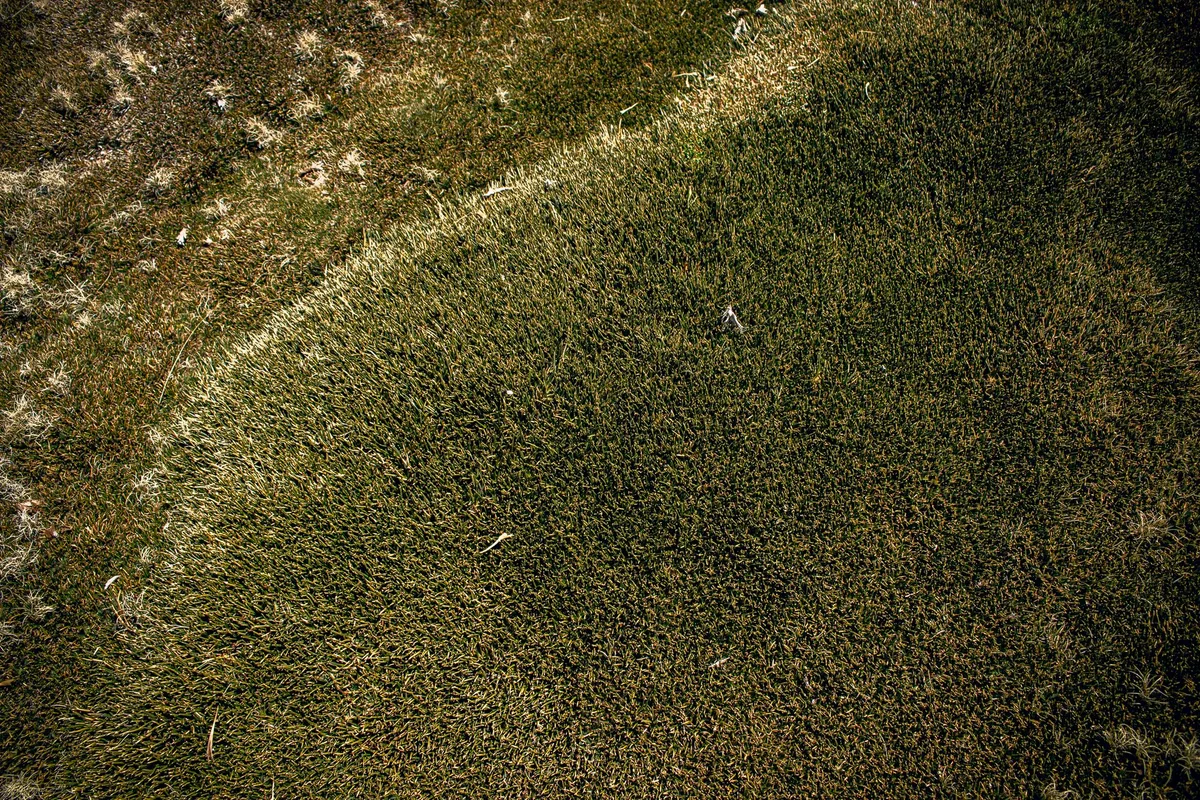
Brown patch appears as circular patches of brown grass with a dark, water-soaked ring at the outer edge. It thrives when nighttime temperatures stay above 65°F and humidity is high.
Dollar spot looks like small silver-dollar-sized bleached spots that can merge into larger patches. Powdery mildew looks like a white or gray powder dusted over the grass blades, common in shaded areas with poor airflow.
The first line of defense is cultural, not chemical. Water in the morning only. Improve airflow by trimming back overhanging branches and shrubs.
Mow at the right height and keep the blade sharp. Most fungal problems clear up once you remove the conditions that caused them.
If cultural changes aren’t enough, a targeted fungicide can help. But you need to match the product to the specific disease. Applying a general broad-spectrum fungicide without knowing what you’re treating wastes money and can harm beneficial soil microbes.
Our guide to the best fungicide for lawns details which products match which symptoms and how to apply them safely.
Always follow label directions and observe re-entry intervals if you have pets or children. The EPA regulates these products for a reason, and skipping the fine print can cause more harm than the fungus itself.
Pest Stress – How to Check and Treat
Not all brown patches come from water or weather. Sometimes the problem is eating your lawn from below. Grubs, chinch bugs, and armyworms are the most common culprits.
Each leaves a different signature.
Grub damage looks like irregular brown patches that peel up easily, like loose carpet. If you pull back the turf and see white C-shaped larvae, you have grubs. Chinch bugs cause yellow patches that start at the edges of the lawn and spread inward.
You can spot them by parting the grass at the edge of a damaged area and looking for tiny black bugs with white wings.
Armyworms work fast. One morning the grass looks fine. The next day whole sections are chewed down to the soil.
They leave behind a ragged, shredded look and tiny green or brown caterpillars in the thatch.
The treatment depends on the pest. For grubs, a targeted grub control product applied in late spring or early summer works best. Chinch bugs respond to insecticidal soap or a labeled insecticide, but only if you catch them early.
Armyworms need a quick knockdown spray because they move fast and do most of their damage in a single growth cycle.
Here is the rule. Do not apply broad-spectrum pesticides as a preventive measure. Our research shows that killing off beneficial insects often makes pest problems worse in the long run.
Use the smallest effective dose and spot-treat only affected areas. If birds are digging in your lawn, they are feeding on grubs. That is a free diagnostic clue.
Compaction and Thatch – The Hidden Stresses
A compacted lawn looks tired. The grass is thin, the soil feels hard underfoot, and water pools on the surface after rain. Roots struggle to breathe in compacted soil because the air pockets are squeezed out.
The fix is core aeration.
Aeration pulls out small plugs of soil, typically two to three inches deep. This opens channels for air, water, and nutrients to reach the root zone. It also relieves thatch buildup.
Thatch is a layer of dead stems and roots that builds up between the soil and the green grass. A half inch of thatch is fine. Anything thicker than that acts like a thatched roof.
It blocks water from soaking in and traps moisture at the surface, which invites disease.
How do you know if thatch is a problem? Cut a small square of turf about two inches deep and look at the cross section. If the brown spongy layer between the soil and the green grass is thicker than half an inch, you need to dethatch or aerate.
Core aeration is better than spike aeration. Spikes just poke holes and can actually compact the soil further around the edges. Core aeration removes physical material.
The best time for aeration depends on your grass type. Cool-season grasses prefer early fall or spring. Warm-season grasses do best in late spring through early summer.
If compaction is severe, consider topdressing with compost after aeration. Spread a quarter inch of fine compost over the lawn and let it work into the aeration holes. This improves soil structure and adds organic matter.
It is one of the best long-term investments for lawn health.
Fertilizer and Chemical Burn Stress
Fertilizer burn is a classic case of too much of a good thing. You apply a quick-release nitrogen fertilizer on a hot day, and within 48 hours the grass turns yellow or brown at the tips. The damage often follows the pattern of your spreader passes.
Striped browning is a dead giveaway.
The fix is immediate watering. Heavy watering helps flush excess nitrogen out of the root zone. Apply enough water to saturate the soil six inches deep.
Most lawns recover from mild fertilizer burn within two to three weeks. Just stop fertilizing until the grass looks healthy again.
Herbicide burn looks different. It usually shows up as twisted, distorted new growth or white spotting on the leaves. This happens when you apply weed killer on a hot day or accidentally overspray onto the lawn.
The grass absorbs the chemical and cannot process it quickly enough.
Prevention is straightforward. Read every label before mixing. Never apply any chemical product when temperatures are above 85°F.
Keep the sprayer nozzle low and avoid drift. If you do make a mistake, water the affected area thoroughly to dilute the chemical as soon as you notice.
One thing to keep in mind. Weed and feed products combine fertilizer and herbicide in one pass. They are convenient but risky during periods of stress.
Our research suggests applying them separately gives you more control and reduces the chance of burning the lawn.
Common Lawn Stress Mistakes Even Experienced Homeowners Make
Even seasoned lawn care fans make these errors. The most common one is watering every day for short periods. A ten-minute sprinkle each evening wets the surface but never reaches the roots.
It trains the grass to grow shallow roots. Then the first heat wave stresses the lawn badly. Shallow roots cannot reach moisture deeper in the soil.
Second mistake is mowing too short. Scalping the lawn in summer exposes the soil to direct sun. Soil temperature rises, roots bake, and the grass goes into survival mode.
Keep the blade high, especially during hot weather. A mowing height of three to four inches for cool-season grasses is not a suggestion. It is a requirement for summer survival.
Third mistake is applying nitrogen during a drought. Nitrogen pushes leafy growth. But the roots cannot support that growth without enough water.
The grass burns up its reserves and crashes harder. Save nitrogen applications for spring and fall when temperatures are moderate and rain is more reliable.
Fourth mistake is ignoring soil pH. Grass grows best between pH 6.0 and 7.0. If your soil is too acidic or too alkaline, the grass cannot absorb nutrients no matter how much you fertilize.
A simple soil test from your local extension office costs about 15 dollars and saves you from guessing.
Fifth mistake is treating symptoms instead of causes. A brown lawn gets more water. A yellow lawn gets more fertilizer.
But often the real issue is compaction, poor drainage, or a pest problem. Run through the five-minute diagnosis from earlier in this guide before you reach for any treatment.
Your Lawn Stress Quick-Reference Decision Guide
When you step outside and see trouble, use this guide to pick a starting point. The order matters. Do not skip ahead.
If the grass feels spongy and wet, Overwatering or poor drainage. Stop watering. Aerate if soil stays wet after three days.
If the grass is brown but springs back, Likely dormancy. Do nothing. Water lightly every two weeks if no rain.
If the grass is brown and footprints stay visible, Drought stress. Water deeply once per week. Raise mowing height.
If the grass has circular brown patches with dark edges, Fungal disease. Switch to morning watering. Apply fungicide if patches grow.
If the grass peels up easily, Grub damage. Check for larvae. Apply grub control if needed.
If the grass has white twisted tips, Chemical burn. Flush with water. Stop applying products until recovery.
If the grass looks thin and water pools, Compaction. Aerate in the appropriate season. Topdress with compost.
If the grass is yellowing uniformly, Nutrient deficiency or pH issue. Test soil. Adjust fertilizer or lime as needed.
This is not a one-size-fits-all list. Most lawns face multiple stressors at once. When that happens, fix the most urgent problem first.
Usually that is water or compaction. Once the basics are right, the grass can fight off disease and pests on its own.
Frequently Asked Questions
How long does it take for stressed grass to recover?
Most lawns show visible improvement within 10 to 14 days after correcting the cause. Drought recovery can take three to four weeks if the roots dried out completely. Dormant grass may stay brown until temperatures drop and rain returns.
Can you overwater a lawn in hot weather?
Yes. Overwatering is one of the most common lawn stress causes. Soggy soil suffocates roots and invites fungal disease.
Even in 90°F heat, grass only needs about one to one and a half inches of water per week spread over one or two deep soakings.
Should I fertilize a stressed lawn?
No. Fertilizer, especially high-nitrogen types, pushes new growth that the stressed roots cannot support. Wait until the grass shows signs of recovery like new green growth or a better footprint test.
Then apply a slow-release fertilizer in early fall or spring.
What is the best time of day to water a stressed lawn?
Early morning between 5 and 10 AM is best. This lets the grass dry before nightfall and reduces evaporation loss. Evening watering leaves the lawn wet overnight, which promotes fungal diseases that add more stress.
How can I tell if my lawn is dead or just dormant?
Do the tug test. Gently pull on a handful of brown grass. If it pulls out easily with no resistance, the roots are dead.
If it holds firm, the lawn is likely dormant. Dormant grass also shows a more uniform brown color, while dead grass often has patchy bare spots.
How to Prevent Lawn Stress Long-Term
Prevention comes down to three habits. Water deeply once a week rather than sprinkling every evening. Mow high and keep the blade sharp.
Test your soil every two to three years so you know exactly what it needs.
Build organic matter into the soil over time. Regular topdressing with compost after aeration improves drainage and feeds beneficial microbes. A healthy soil ecosystem handles heat, pests, and disease better than one running on synthetic inputs alone.
Choose grass varieties suited to your region and sun exposure. Fine fescue handles shade well. Bermudagrass thrives in full sun and high heat.
The right grass for your spot starts with less stress from day one. Rotate your watering pattern each season and adjust for rainfall rather than sticking to a calendar schedule. Your lawn will tell you what it needs.
The trick is learning to read the signs before they turn into problems.