How to Grow Grass in Sandy Soil: Beginner-Friendly Guide
If you’ve ever tried to grow grass in sandy soil, you know the struggle. No matter how much you water, it seems to disappear. You’re not alone in wondering how to grow grass in sandy soil.
The good news is that it’s completely doable once you understand the rules.
Sandy soil typically holds less than 1 percent organic matter. That is far below the 3 to 5 percent found in healthy loam. This lack of nutrients and moisture retention is the core problem.
Once you understand how sand behaves, the fix becomes a straightforward decision tree based on your climate and budget.
Quick Answer
Add organic matter to sandy soil before planting. Test soil pH and adjust to 6.0, 7.0. Choose a grass type suited to your climate.
Water deeply but less often once established. Use slow-release fertilizer to prevent nutrient leaching.
Why Sandy Soil Is Tricky for Grass (The Real Pain Points)
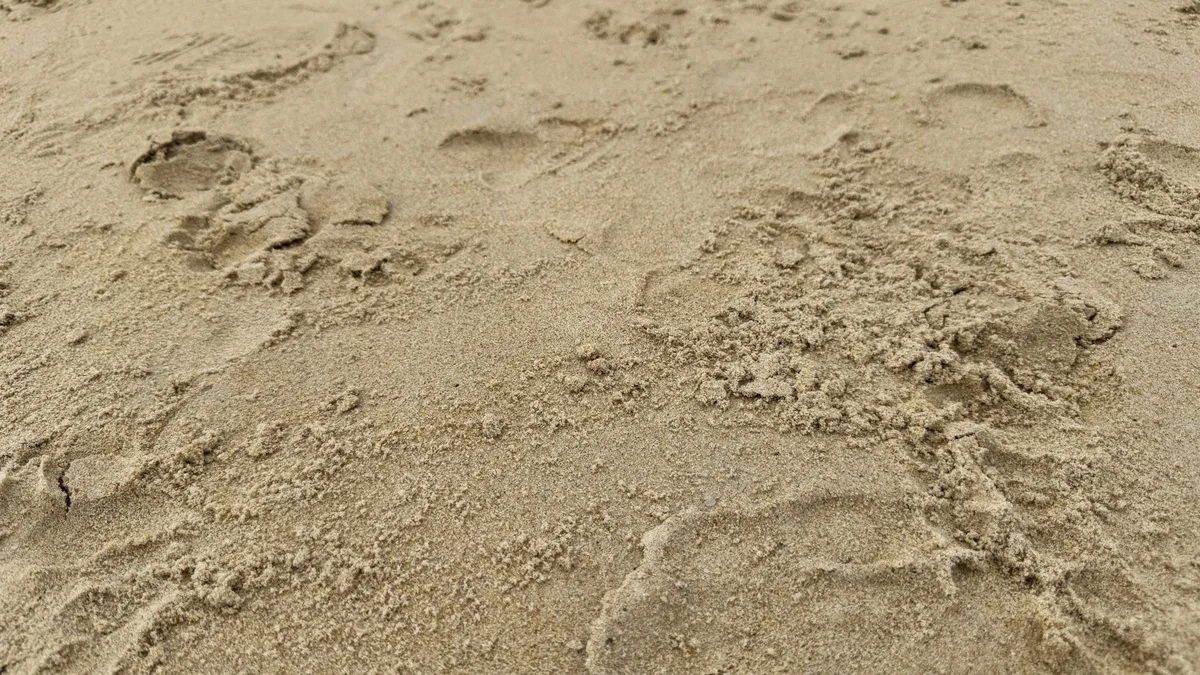
Sandy soil drains fast. That sounds like a good thing until your grass runs out of water an hour after you water it. The particles are large and loosely packed.
Water moves through like a sieve instead of hanging around for roots to drink.
Nutrients wash away just as fast. Nitrogen, phosphorus, and potassium get flushed below the root zone before grass can use them. Per USDA soil surveys, the cation exchange capacity (CEC) of sandy soil is often under 5, while good loam sits around 10 to 20.
Lower CEC means less nutrient storage.
Organic matter breaks down quickly in sand. Heat and airflow speed up decomposition. That means the little bit of organic material you have disappears faster than in clay or loam.
The result is a lawn that turns yellow, grows slowly, and dries out constantly. You water more and fertilize more, but nothing sticks.
How Sandy Soil Behaves: Drainage, Nutrients, and Root Growth
Sand is basically tiny rocks. They don’t hold water or nutrients on their surfaces. Water flows through at 6 to 10 inches per hour.
Compare that to clay at 0.1 to 0.5 inches per hour. The difference is massive.
Grass roots can grow deep in sand because nothing blocks them. That is a real advantage. But they need consistent moisture near the surface to get started.
Once established, roots chase water deeper, and the grass becomes more drought tolerant.
Why Nutrients Leach Away So Fast
Think of sandy soil as a colander. Pour liquid fertilizer on top, and most of it runs straight through. This is called leaching.
It wastes your time and money.
Sandy soil has almost no electrical charge to hold onto nutrients. Clay particles are negatively charged and attract positive ions like calcium, magnesium, and potassium. Sand particles are neutral.
They just let everything pass.
Nitrogen is the worst offender. It moves with water more easily than phosphorus or potassium. That is why you see yellowing grass in sand within days of watering after a fertilizer application.
The Watering Trap: Too Much vs. Too Little
New sand lawns are easy to kill with kindness. Sprinkling lightly every day keeps the top inch wet. That sounds right, but it encourages shallow roots.
Shallow roots mean the grass wilts the moment you skip a day.
The trick is to water deeply and less often. Soak the soil to 6 inches down, then let the top dry slightly before the next watering. This trains roots to go deeper.
Shallow watering also invites fungus. Wet leaf blades that never dry out are a perfect environment for disease. If you see fungus signs, check out our guide on applying a fungicide for lawns to catch it early.
The One Thing That Changes Everything: Your Climate Zone
Your climate determines which grass types will survive in sand. Warm-season and cool-season grasses have very different needs. Pick the wrong one, and you’ll fight an uphill battle forever.
Warm-Season Grasses That Love Sand (Bermuda, Zoysia, Bahia)
If you live in the southern United States or any hot climate, these grasses are your best friends. They evolved in sandy conditions and handle heat and drought well.
Bermudagrass is the top performer. It spreads fast through stolons and rhizomes. It loves full sun and tolerates low fertility.
Many golf courses in sandy areas use Bermuda for fairways and tees.
Zoysiagrass is denser and more shade tolerant. It grows slower than Bermuda, which means less mowing. It handles foot traffic well.
Bahiagrass is the low‑maintenance option. It has deep roots and thrives in poor sand with very little fertilizer. It is common along roadsides and in pastures.
If your area also has dry, hot conditions, you might pair your lawn with trees that handle the same environment. Our guide to trees for hot dry climates can help you choose companions that won’t compete too aggressively.
Cool-Season Grasses That Can Handle It (Tall Fescue, Fine Fescue)
Northern climates need cool-season grasses. Tall fescue is the best choice for sandy soil in these regions. It has a deep taproot that reaches moisture far below the surface.
Fine fescues (creeping red, hard, chewings) are also good. They tolerate shade and lower fertility. They do not handle heavy foot traffic well.
Kentucky bluegrass is popular in the north, but it struggles in pure sand. It needs consistent moisture and high fertility. If your soil is very sandy, avoid bluegrass unless you are prepared to water and fertilize constantly.
The Decision Tree: Your Exact Next Step Based on Your Situation
Now the practical part. Answer a few questions about your yard and follow the branch that fits.
If Your Soil pH Is Off (How to Fix It)
Test your soil pH first. Grass grows best between 6.0 and 7.0. Sandy soil in wet climates tends to be acidic.
Sandy soil in dry climates tends to be alkaline.
To raise pH (acidic soil): Apply lime. Use pelletized dolomitic lime for sand, about 50 pounds per 1,000 square feet to move pH by one point.
To lower pH (alkaline soil): Apply elemental sulfur. Use about 10 to 20 pounds per 1,000 square feet depending on how high the pH is. Work it into the top few inches.
If You Have Bare Sand vs. Some Existing Weeds
If your yard is pure bare sand, skip the herbicides. You need to amend the soil first before anything grows. Follow the step-by-step workflow below.
If you have weeds like crabgrass or nutsedge in the sand, you need to kill them before starting. Use a non‑selective herbicide or solarize the area with clear plastic for four to six weeks in summer. Do not just till them under.
They will come back.
If You’re Starting from Seed vs. Sod
Seed is cheaper but needs more care. Sandy soil dries out fast during germination. You will need to water two or three times a day for the first two weeks.
Miss a day, and the seedlings die.
Sod gives instant results. It costs more, but it handles sandy conditions better because the roots are already developed. Sod also holds the soil in place and reduces erosion.
If your budget allows, sod is the safer bet for sandy soil. If you go with seed, choose a sandy‑soil blend with more fescue or Bermuda depending on climate.
Step-by-Step Workflow: From Soil Test to Green Lawn
Follow these steps in order. Skipping one will cost you time and money later.
Step 1: Test Your Soil (What Numbers to Look For)

Order a basic soil test from your local cooperative extension or use a lab kit. Look for three numbers.
Soil pH: Should be 6.0 to 7.0.
Organic matter percentage: Should be above 2 percent. If it is below 1 percent, you need heavy amendment.
Phosphorus and potassium levels: Sandy soil is often low in both. The test will tell you if you need a starter fertilizer.
Do not skip this step. Many people guess and apply the wrong amount of lime or fertilizer. A test costs about $15 and saves you from wasting hundreds.
Step 2: Amend with Organic Matter (How Much and What Kind)
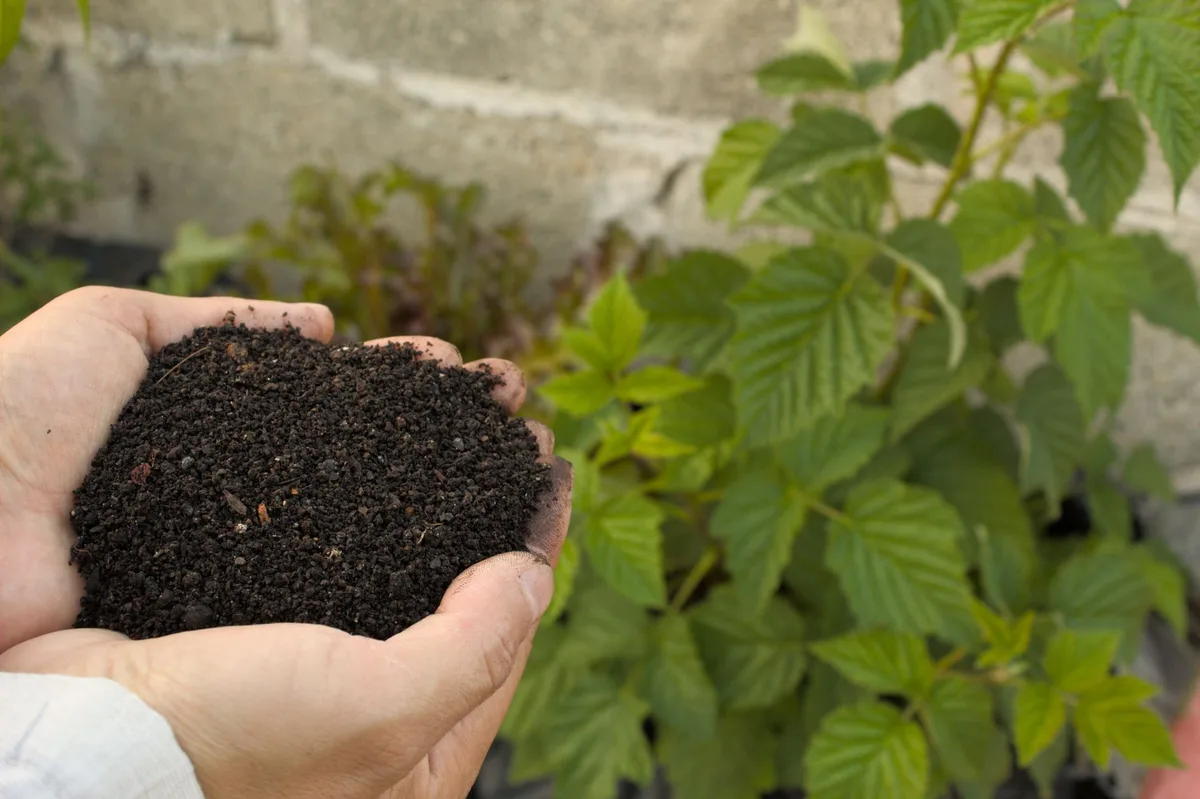
Spread 2 to 4 inches of organic matter over the entire area. Compost is the best choice. Aged manure, peat moss, and coconut coir also work.
Till the organic matter into the top 6 inches of sand. Do not just lay it on top. It needs to mix with the sand to hold water and nutrients.
For large areas, apply 3 to 4 cubic yards of compost per 1,000 square feet. That sounds like a lot because it is. Sand needs a heavy dose to make a difference.
Peat moss is good but acidic. If you use peat, check your pH afterward. Coconut coir is neutral and holds water well, but it costs more.
Step 3: Pick Your Grass Type (Use the Climate Map)
Refer back to the climate zone section. If you live from Texas southward, choose Bermuda or Zoysia. If you live from Missouri northward, choose Tall Fescue.
If you are in the transition zone (Tennessee, Kentucky, Virginia), you can go either way. Tall fescue is safer. Bermuda can survive but may go dormant in cold winters.
Buy seed or sod from a local supplier. National blends often include grasses that do not fit your specific sand conditions.
Step 4: Prep the Seedbed and Sow (Rates and Depth)
Rake the soil smooth and remove rocks and debris. The surface should be even but not compacted.
For seed: Apply at the rate on the bag. Split the seed in half. Sow one half in one direction and the other half perpendicular.
This gives even coverage.
Rake the seed in very lightly. The seed should be no deeper than 1/4 inch. In sand, seeds can easily sink too deep if you rake hard.
Lightly drag a leaf rake or use a lawn roller to press seed into contact with the soil.
For sod: Lay strips tightly together. Stagger the seams like brickwork. Roll the sod to push roots into the sand.
Water immediately.
Step 5: Watering Schedule That Works (No Guesswork)
For seed: Water lightly for 5 to 10 minutes, two to three times a day. Keep the top 1/2 inch moist at all times. Once grass reaches 2 inches tall, cut back to once daily.
At 3 inches, switch to every other day.
For sod: Water heavily the first week. Keep the sod and the sand underneath wet. After roots start to grab (usually 7 to 10 days), reduce watering to every other day.
After the lawn is established, water deeply once a week if there is no rain. Apply 1 to 1.5 inches of water each time. Put a tuna can on the lawn to measure.
When the can is full, stop.
Sandy soil needs more frequent deep watering than clay. But the principle is the same: deep and infrequent wins over shallow and daily.
Mistakes That Wreck a Sandy‑Soil Lawn (And How to Avoid Them)
Even with good prep, a few common errors can undo all your work. Here is what to watch for.
Over‑Watering the First Week
The biggest mistake is keeping the soil soaked every single day. New grass seeds need moisture, but they also need oxygen. Sandy soil drains fast, so you might think more water helps.
It does not.
Soggy sand becomes compacted. Seeds rot before they sprout. Young roots drown without air pockets.
Water 5 to 10 minutes per session, two to three times a day. That keeps the top half-inch damp without flooding. Scale back as soon as you see green shoots.
Using the Wrong Fertilizer (Fast‑Release Disaster)
Fast‑release nitrogen is tempting because it greens up grass quickly. In sandy soil, it vanishes within days. The nitrogen leaches below the root zone before the grass can use it.
You end up fertilizing the groundwater instead of your lawn.
Use a slow‑release or controlled‑release fertilizer instead. Look for products labeled “slow‑release nitrogen” or “polymer‑coated.” Apply a starter fertilizer with higher phosphorus (the middle number) to support root growth. Once the lawn is established, switch to a balanced slow‑release formula.
Using the right nutrients also applies to other parts of your landscape. For container plants in porous soil, check our recommendations for slow release fertilizer for flowers to avoid the same leaching problem.
Skipping the Soil Test Entirely
Many people skip the test and guess. They add lime when they do not need it. Or they add nitrogen when phosphorus is the real problem.
A soil test costs about $15 through your local cooperative extension. It tells you exactly what your sand is missing and how much to add.
Without a test, you are throwing money at the soil blind. The grass will look okay for a season, then decline as nutrients run out. Fix it right the first time.
Long‑Term Maintenance: Keep Your Lawn Thriving in Sand
Once your grass is established, the work shifts from fixing the soil to maintaining it. Sandy soil never stops being sandy. You need to stay ahead of its natural tendencies.
Annual Top‑Dressing with Compost
Top‑dressing is the single best long‑term habit for sandy soil. Spread 1/4 to 1/2 inch of fine compost over the lawn every spring or fall. Rake it in gently or let rain work it down.
This adds organic matter year after year. It builds the soil’s water‑holding capacity gradually. Over three to five years, you can raise your organic matter from 1 percent to 3 percent or more.
Do not dump thick layers. Too much compost at once can smother the grass. Thin, annual applications are safer and more effective.
Adjusting Watering as the Grass Matures
New lawns need frequent light water. Mature lawns need deep, infrequent water. In sandy soil, that means about 1 inch of water once a week during dry spells.
Check moisture with a screwdriver. Push it into the soil. If it goes in easily, the soil is moist enough.
If it stops at 2 inches deep, you need more water.
As the grass roots grow deeper, they access moisture farther down. Mature Bermuda or Tall Fescue in sand can survive two to three weeks without rain once fully established. Do not overreact to the surface looking dry.
Mowing Height That Builds Deeper Roots
Taller grass grows deeper roots. That is critical in sandy soil where water drains away from the surface.
Keep cool‑season grasses like Tall Fescue at 3 to 4 inches. Keep warm‑season grasses like Bermuda at 1 to 2 inches.
Never cut more than one‑third of the leaf blade at once. Scalping the lawn stresses the grass and encourages weeds.
A sharp mower blade also matters. Dull blades tear the grass, leaving ragged ends that lose water faster. Sharp blades make clean cuts that heal quickly.
Frequently Asked Questions
How often should I water grass seed in sandy soil?
Water lightly 2 to 3 times a day for the first 10 to 14 days. Keep the top half‑inch of sand moist but not flooded. After the grass reaches 2 inches tall, water once daily.
At 3 inches, switch to every other day.
Can I grow grass in pure sand without adding anything?
It is very difficult. Pure sand lacks nutrients and cannot hold water. You need organic matter.
Mix in 2 to 4 inches of compost and use a starter fertilizer. Without amendments, even drought‑tolerant grasses struggle to survive.
What is the best grass seed for sandy soil?
For warm climates, Bermuda or Zoysia. For cool climates, Tall Fescue. Both have deep root systems that handle sandy conditions.
Avoid Kentucky Bluegrass in pure sand unless you are prepared to water and fertilize heavily.
Should I use lime on sandy soil?
Only if a soil test shows the pH is below 6.0. Sandy soil in rainy areas tends to be acidic. Dry area sand tends to be alkaline.
Test first. Adding lime when you do not need it raises the pH too high and locks up nutrients.
How deep should I till compost into sandy soil?
Till organic matter 6 inches deep. That is deep enough to mix thoroughly without bringing up subsoil. Deeper tilling can bury the organic matter below the root zone where grass cannot reach it.
Why does my sandy soil lawn turn yellow after rain?
Rain flushes nitrogen below the root zone. Yellowing after heavy rain is a classic sign of nitrogen deficiency in sand. Apply a slow‑release nitrogen fertilizer after heavy rain to replace what washed away.
Your Decision Guide: Quick Recap by Climate and Budget
Here is the short version for anyone who needs a quick decision.
| Your Situation | Best Grass Type | Soil Fix | Watering Strategy |
|---|---|---|---|
| Hot climate, full sun | Bermuda or Zoysia | 2–3 inches compost, test pH first | Deep weekly once established |
| Cool climate, partial shade | Tall Fescue | 3–4 inches compost, lime if acidic | Deep every 5–7 days |
| Low budget, large area | Bahiagrass (warm) or Fine Fescue (cool) | Minimum 1–2 inches compost | Tolerates less water once mature |
| Instant lawn, willing to pay | Sod (Bermuda or Fescue) | Tilled compost underneath | Soak daily for first week, then taper |
For the best results, start with a soil test. Add organic matter. Pick a grass that matches your climate.
Water deep but less often. Maintain with annual top‑dressing and proper mowing height.
Sandy soil is not a curse. It is just a different set of rules. Follow them, and you will have a lawn that looks as good as anything growing in heavy loam.